
Пешрафти давлат, рушди мунтазами иқтисодиёт ва беҳтар гардонидани сатҳи сифати зиндагии аҳолӣ ба истиқлолияти энергетикӣ ва истифодаи самарабахши неруи барқ ҳамбастагии қавӣ дорад. Тараққиёти ҳаёти иҷтимоӣ, сиёсӣ, иқтисодӣ ва фарҳангии ҷомеаи Тоҷикистонро бе рушди соҳаи энергетика тасаввур кардан ғайриимкон аст. Бо ҳамин сабаб, Асосгузори сулҳу ваҳдати миллӣ – Пешвои миллат, Президенти Ҷумҳурии Тоҷикистон муҳтарам Эмомалӣ Раҳмон барои таъмини аҳолӣ ба неруи барқ ва сохтмони неругоҳҳои барқии обӣ таваҷҷуҳи фавқуллода зоҳир менамоянд. Ҳамзамон, таъмини истиқлолияти энергетикӣ ва истифодаи самарабахши неруи барқ ҳадафи афзалиятноки Стратегияи миллии рушди Ҷумҳҳурии Тоҷикистон барои давраи то соли 2030 ба ҳисоб меравад.
Хушбахтона, Тоҷикистон дорои захираҳои бузурги об буда, дар сурати истифодаи иқтидори пурраи неруи об ба истиқлолияти энергетикӣ ноил мегардем. Истифодаи оқилонаи иқтидори гидроэнергетикии Тоҷикистон на танҳо эҳтиёҷоти энергетикии имрӯзаи кишварамонро қонеъ мегардонад, балки ба манфиати тамоми кишварҳои минтақа хоҳад буд. Айни замон Ҷумҳурии Тоҷикистон ҷиҳати расидан ба истиқлолияти энергетикӣ ба муваффақиятҳои азим ноил гардидааст, неругоҳҳои барқи обии зиёди хурду бузург сохта ва ба истифода дода шудаанд. Ҳамзамон, сохтмони бузургтарин иншооти аср – НЕРУГОҲИ БАРҚИ ОБИИ РОҒУН босуръати баланд идома дорад ва дар ҳолати пурра ба кор даромадани ҳамаи чархаҳои он (17 млрд кВт-соат нерӯи барқ дар як сол)Тоҷикистон ба истиқлолияти комили энергетикӣ ноил гашта, ба кишвари содиркунандаи неруи барқи аз ҷиҳати экологӣ тоза табдил меёбад.
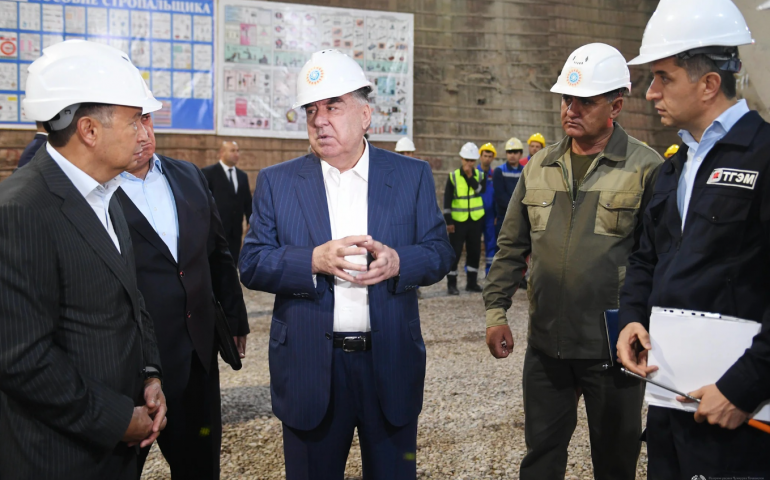
Лоиҳаи НБО-и Роғун ҳарчанд аз даврони Шуравӣ таҳрезӣ гардида бошад ҳам, аммо сохтмони он бо сабабҳои гуногун ба таъхир меафтод. Пас аз Истиқлоли давлатӣ Тоҷикистонро ҷанги шаҳрвандӣ фаро гирифт ва дар ин марҳила масъалаи аз ҳама муҳим ҳифзи ҷони шаҳрвандон ва пешгирии азбайнравии давлату миллати тоҷик буд. Бо фарорасии Ваҳдати миллӣ ва бо заҳмату талошҳои пайгиронаи Сарвари давлатамон новобаста ба монеагузориҳои ҷиддии давлатҳои ҳамсоя НБО-и Роғун аз санҷишҳои созмонҳои байналмилалӣ гузашта, сохтмони он аз нав оғоз гардид. Имрӯз дар НБО-и Роғун тамоми корҳои сохтмонӣ бо сатҳу сифати баланд ва босуръат идома дорад, дар сохтмони аср шаҳрвандони зиёди кишварамон (қариб 15 ҳазор корманд) ба ҷойи кори доимӣ таъмин гардидаанд ва барои фаъолияти самараноки онҳо тамоми шароит муҳаё шудаанд.
Фикр мекунам, сохта ва ба истифода дода шудани НБО-и Роғун ва расидан ба истиқлолияти энергетикӣ барои Тоҷикистон чунин манфиатҳо дорад:
рушди босуботу устувори иқтисодиёти миллӣ;
амалӣ гардидани ҳадафи чоруми миллӣ – саноатикунонии босуръати мамлакат ва пешрафти саноати миллӣ;
афзоиши неруи содиротии кишвар;
афзудани буҷети кишвар;
коҳиш ёфтани таъсири хавфу хатарҳои буҳронҳои иқтисодӣ;
пойдор мондани қурби пули миллӣ;
боз ҳам коҳиш ёфтани сатҳи камбизоатӣ ва афзудани ҳиссаи намояндагони синфи миёна;
таъмини гардидани шуғли пурмаҳсули аҳолӣ ва коҳиш ёфтани сатҳи бекорӣ;
беҳтар гардидани сатҳи сифати зиндагӣ ва таъмин гардидани зиндагии шоистаю сазоворӣ аҳолӣ;
устувор гардидани ваҳдати миллӣ ва амнияти миллӣ;
баланд гардидани ҳисси ватандустӣ ва ҳуввияти миллии шаҳрвандон;
баланд гардидани нуфузу мартабаи кишварамон дар арсаи байналхалқӣ ва ғайраҳо.
Албатта, сохтмони чунин иншооти беназири аср, ки ҳатто давлати шуравӣ бо он ҳама қудрату бузургии худ ба анҷом расонида натавонист, кори саҳлу осон набуда, захираҳои бузурги молию молиявӣ, неру ва сармояи инсонӣ, сабру таҳаммул ва аз ҳама муҳимтар – ваҳдату оромии кишвар ва дастгирии васеи ҳамаи қишрҳои ҷомеаро талаб менамояд. Бунёди НБО-и Роғун орзуи деринтизори тоҷикистониён, нангу номус ва ифтихори миллӣ мебошад.
Аз ин рӯ, бояд ҳар фарди ватандӯст ва бо нангу номуси Тоҷикистон бо ҳар васила дар анҷом ёфтани ин сохтмони беназир, боҳашамат ва бузурги аср саҳмгузор бошад. Ояндаи дурахшони кишварамон, ҷойгоҳи сазовори ҷаҳонии Тоҷикистон ва зиндагии шоистаю сазовори мардуми шарифи мамлакатамон ба рушди соҳаи энергетика ва ба истифода дода шудани НБО-и Роғун вобастагии калон дорад. Аз ин рӯ, сохтмони НБО-и Роғунро яке аз самтҳои сиёсати муваффақу оқилонаи Асосгузори сулҳу ваҳдати миллӣ – Пешвои миллат, Президенти Ҷумҳурии Тоҷикистон муҳтарам Эмомалӣ Раҳмон ва дастоварди муҳими халқи тоҷик дар даврони Истиқлоли миллӣ номида метавонем.
Миров Ф.С. ходими калони илмии шуъбаи сотсиологияи ИФСҲ АМИТ
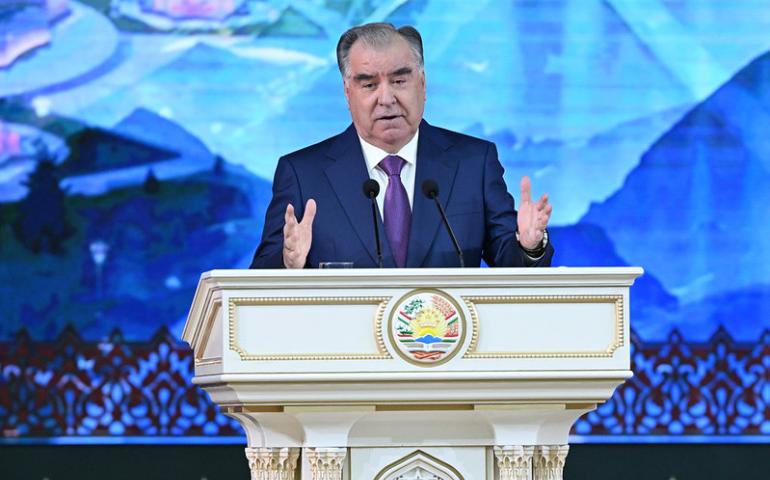
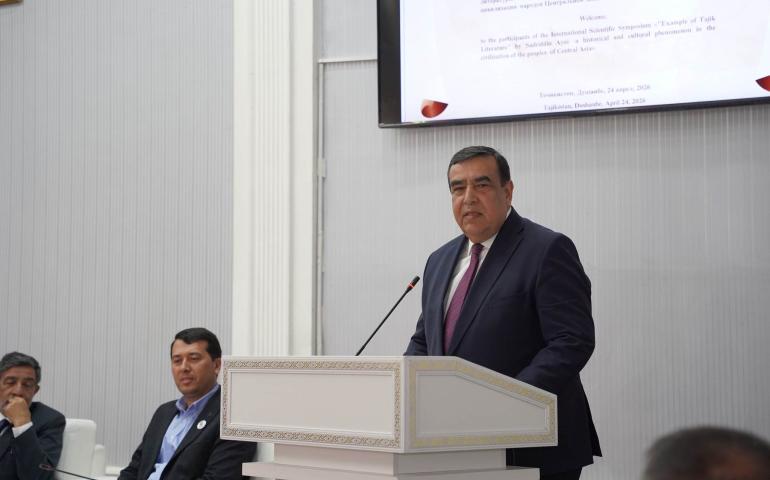
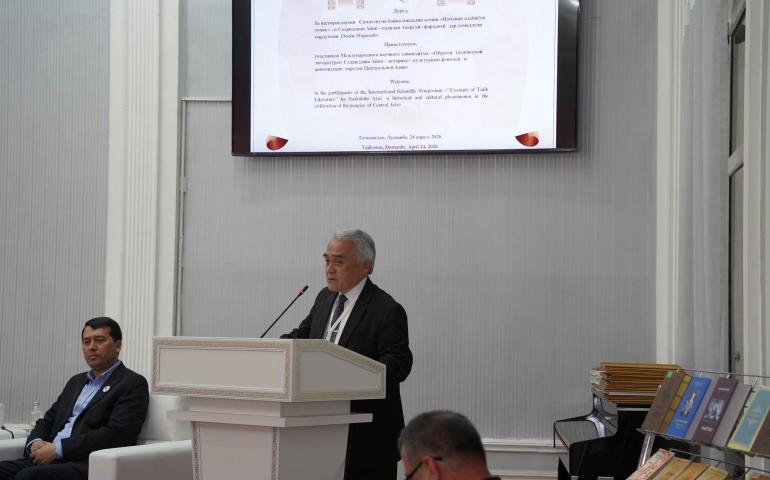
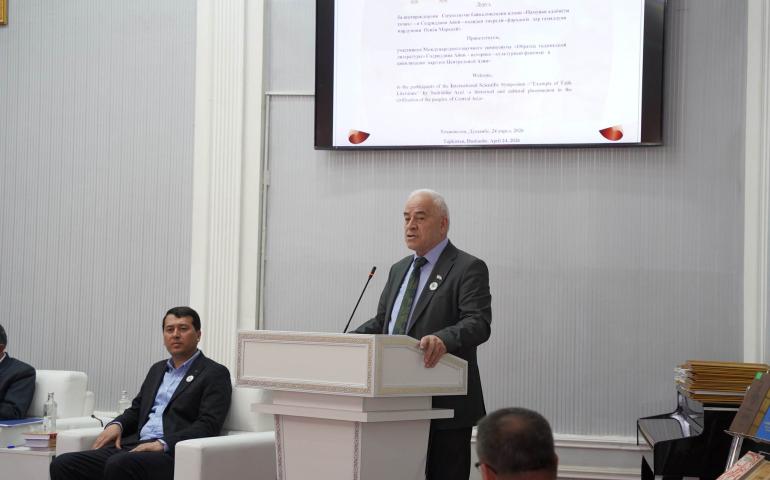
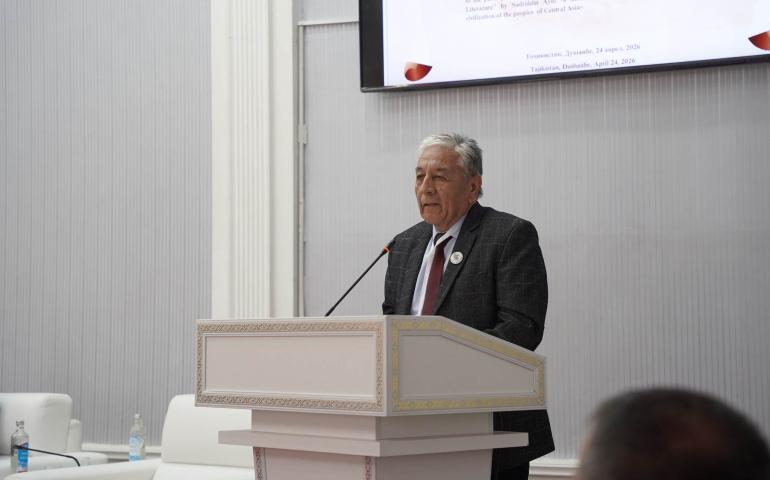
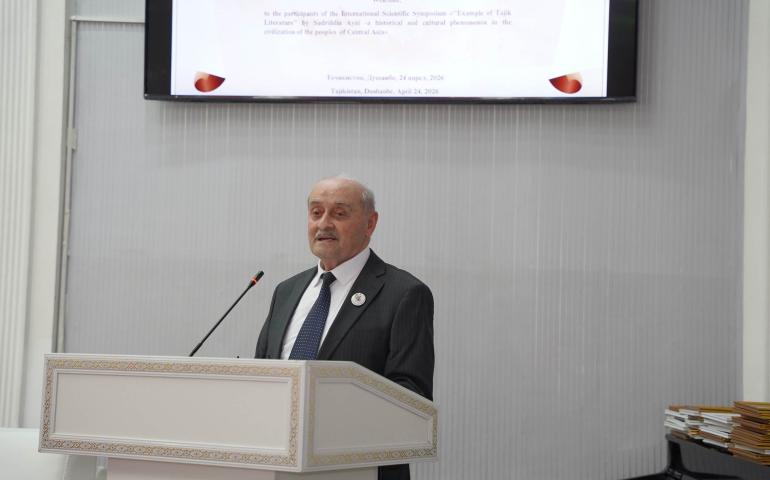
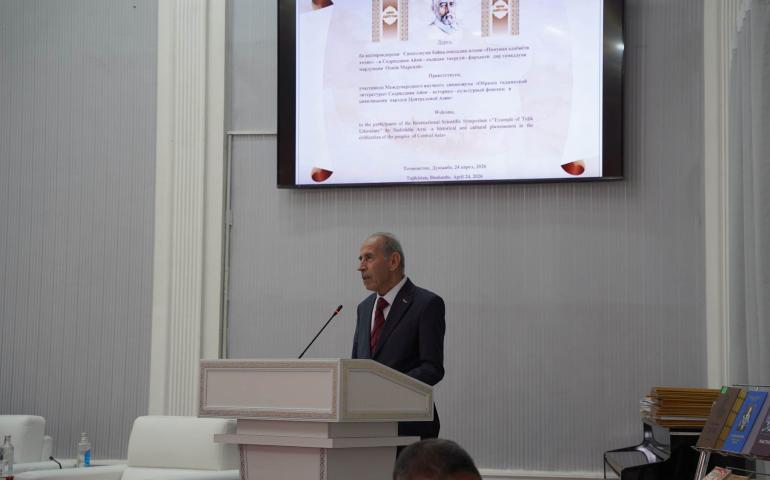
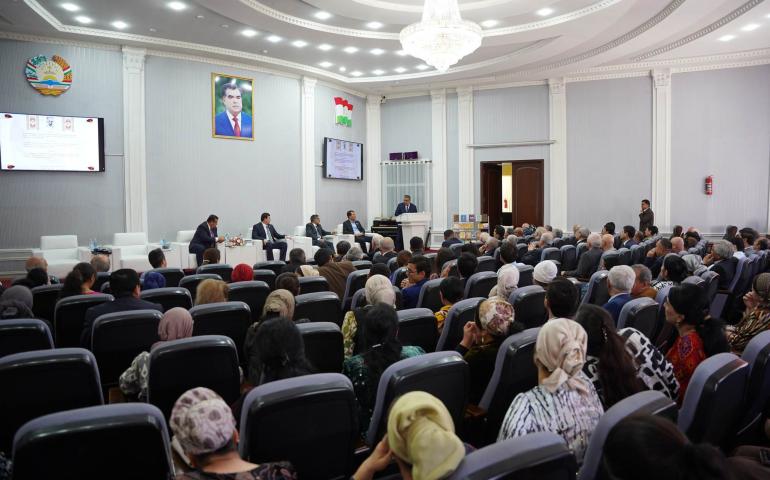
#Symposium. “THE SAMPLE OF TAJIK LITERATURE” – A HISTORICAL AND CULTURAL PHENOMENON IN THE CIVILIZATION OF THE PEOPLES OF CENTRAL ASIA
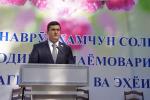
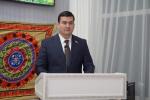
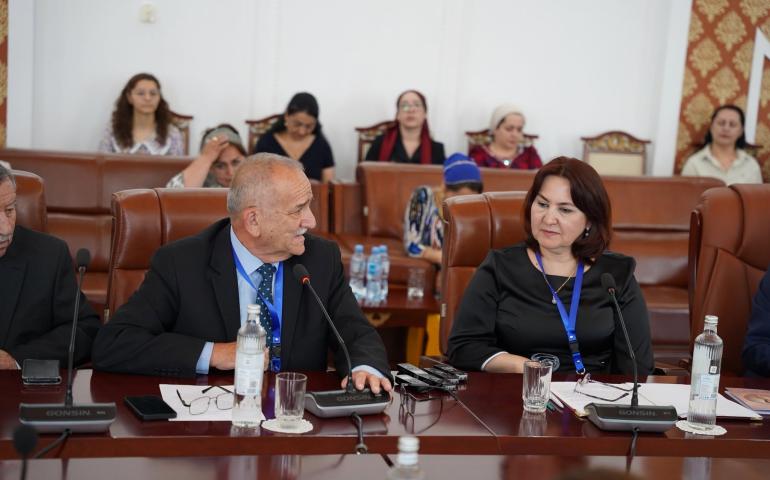
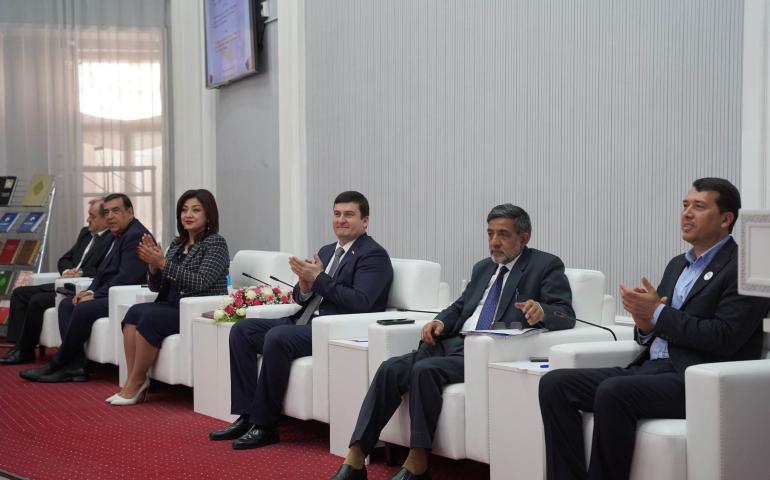
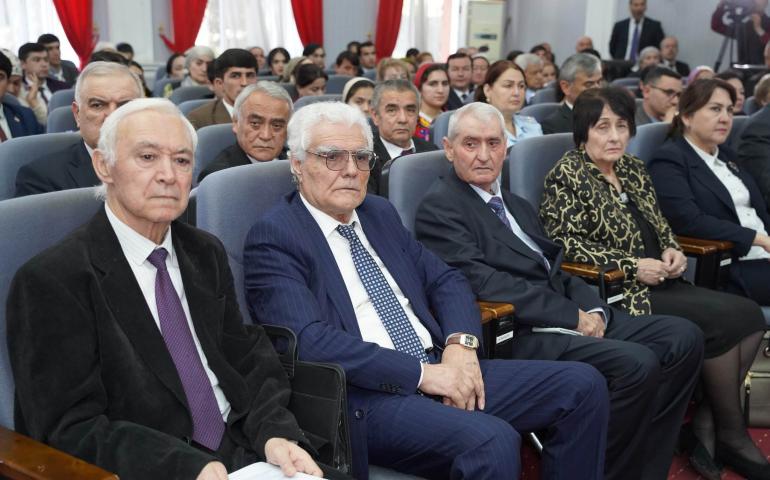
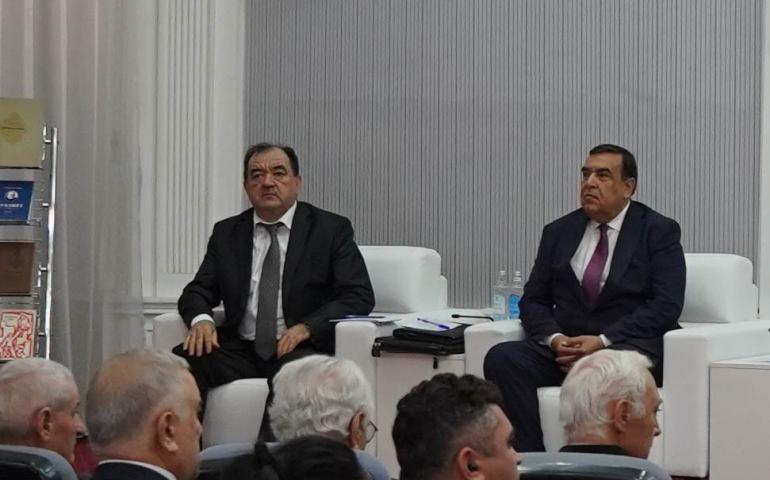
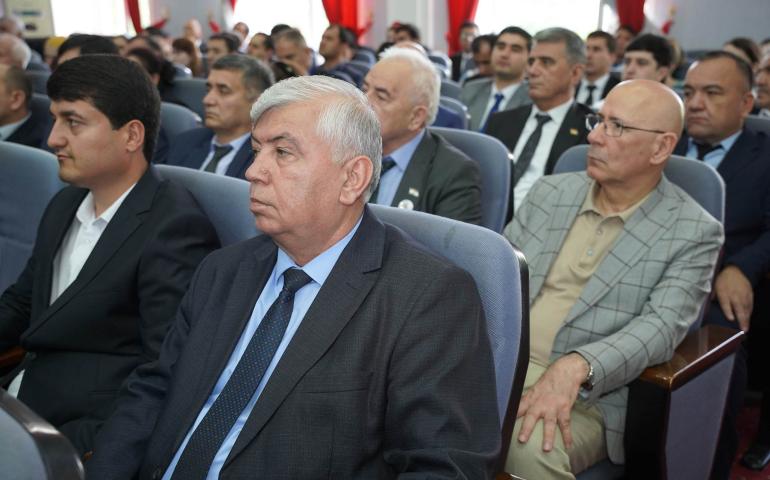
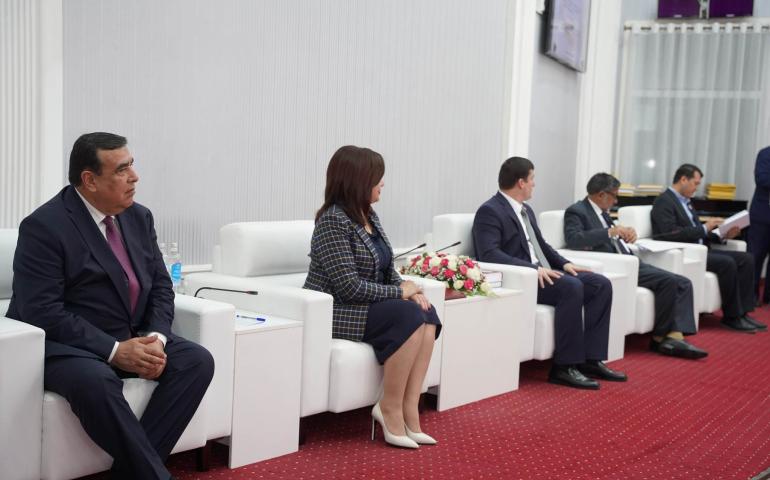
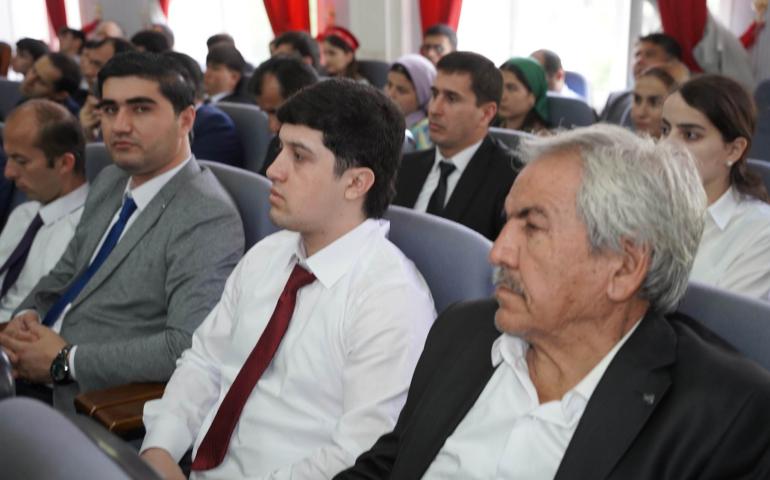
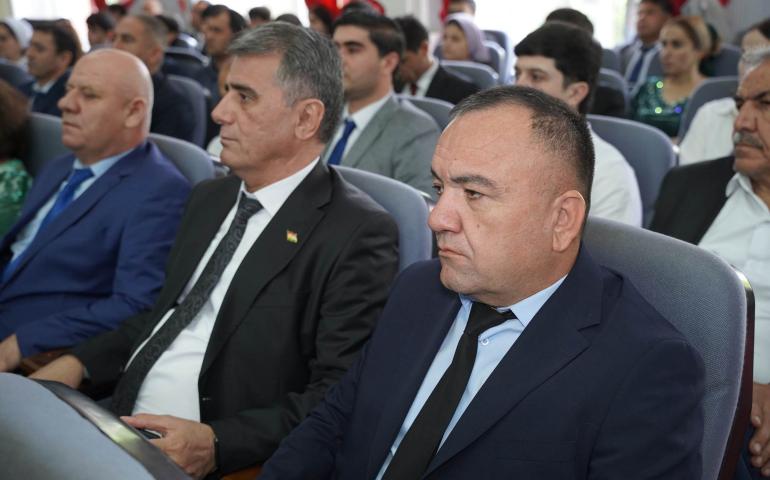
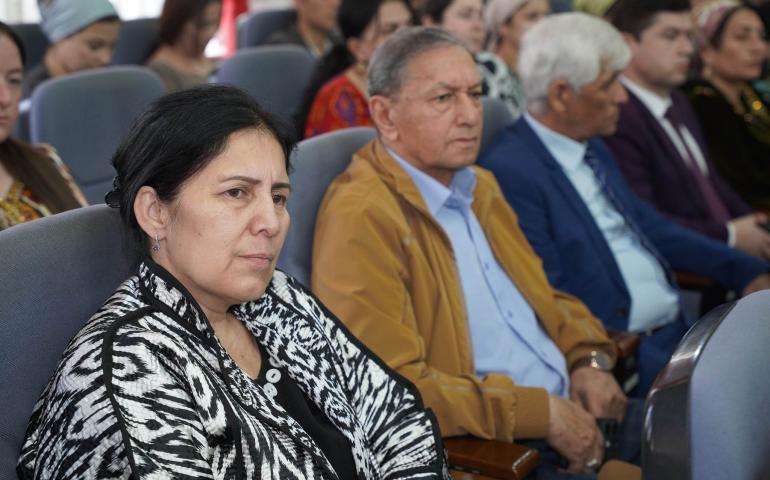
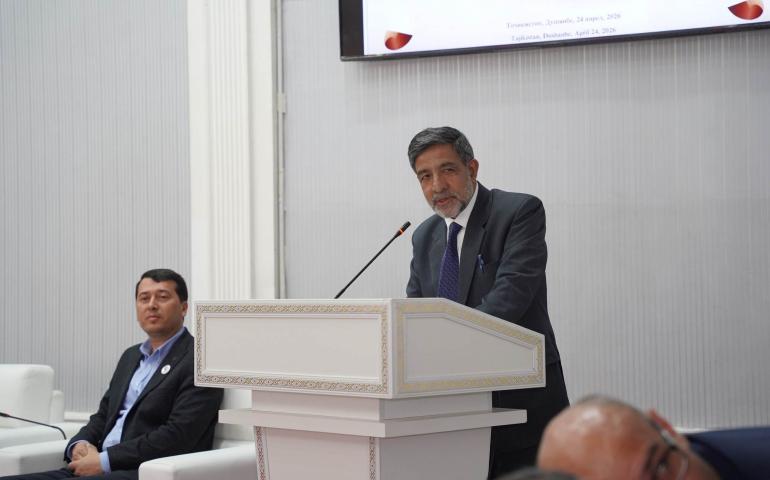
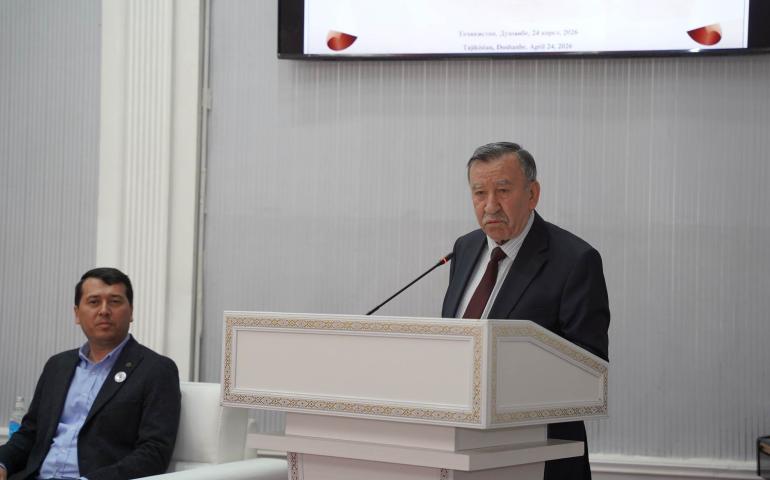
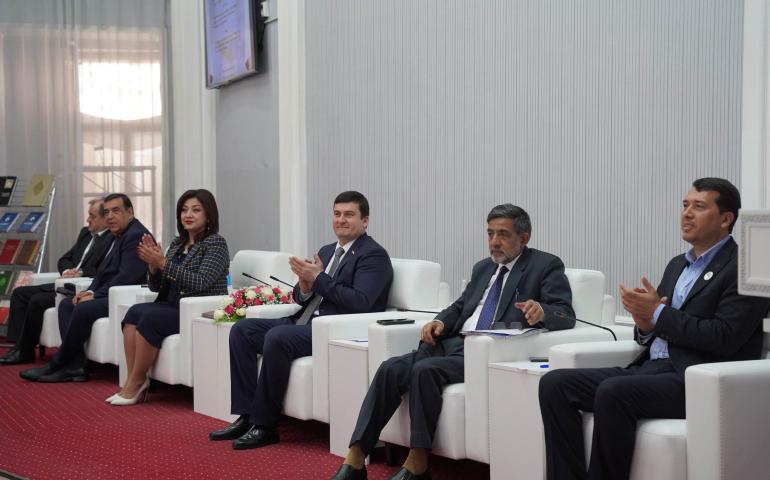
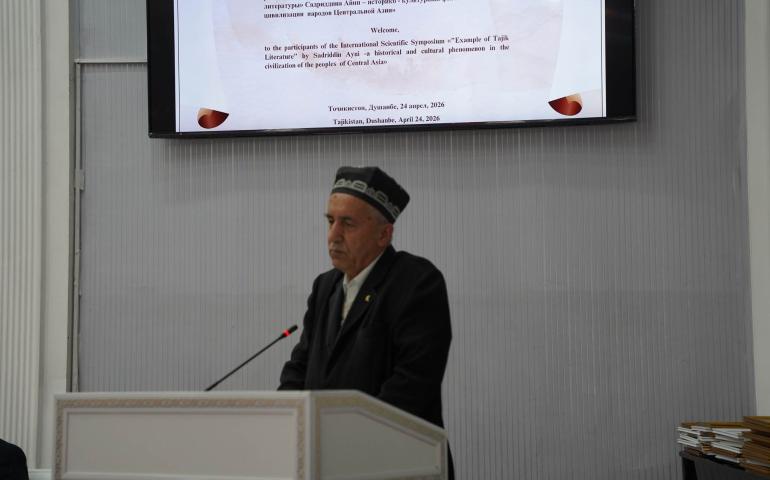
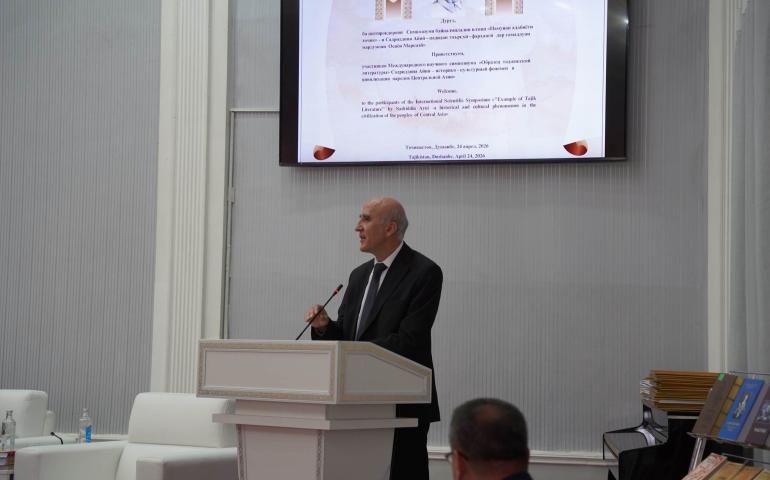
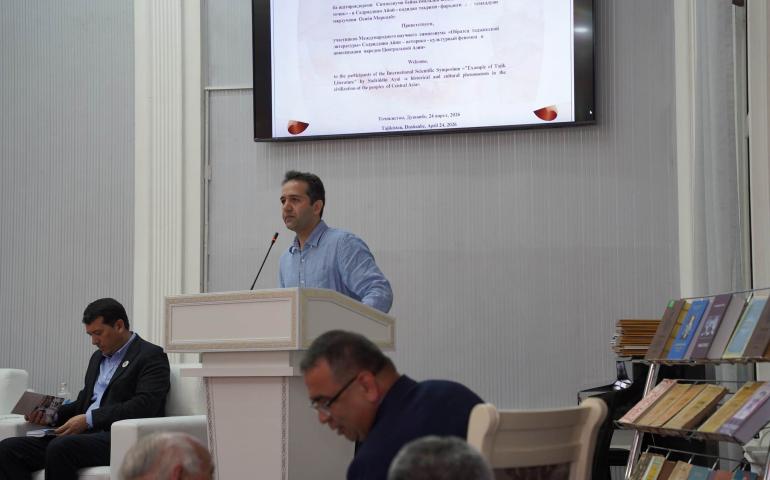
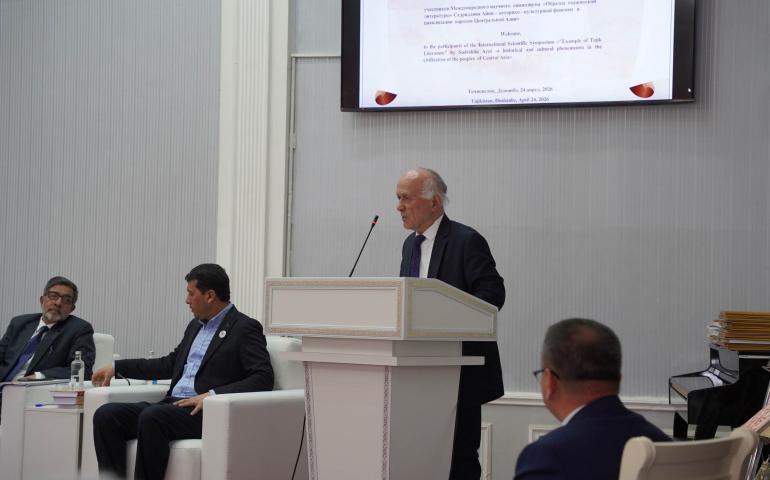
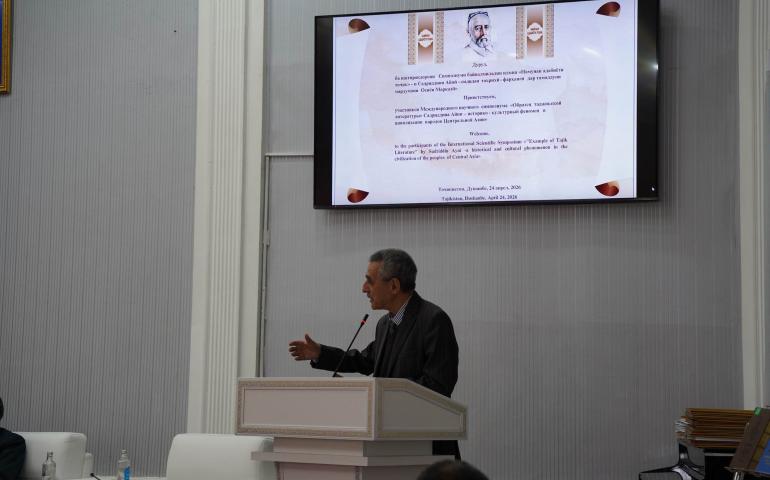
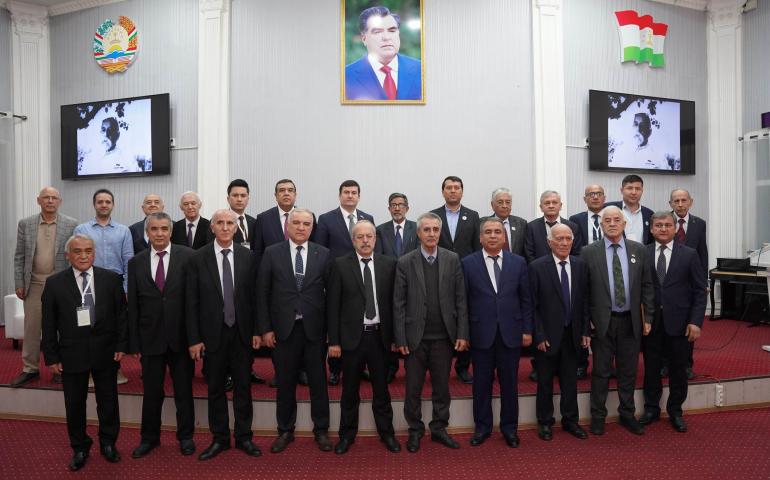
Today, April 24, the International Scientific Symposium titled “The Sample of Tajik Literature” – a historical and cultural phenomenon in the civilization of the peoples of Central Asia” was held in the hall of the Presidium of the National Academy of Sciences of Tajikistan. The event was dedicated to the 100th anniversary of the creation and publication of the historical-literary work “The Sample of Tajik Literature” by the founder of modern Tajik literature, Ustod Sadriddin Ayni.
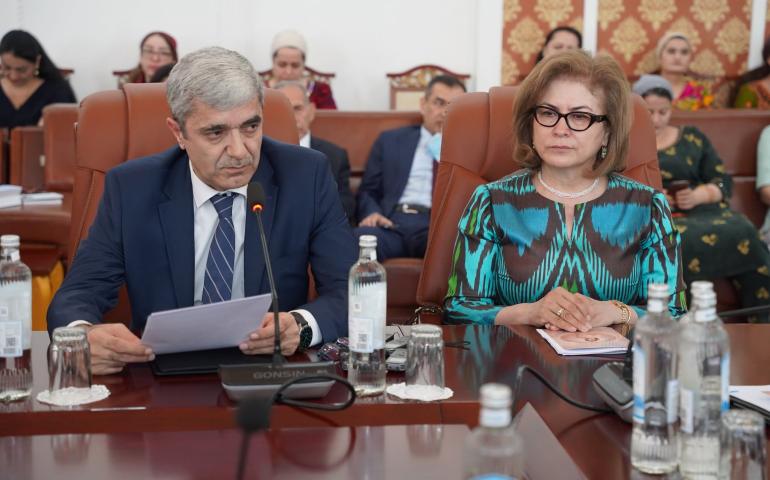
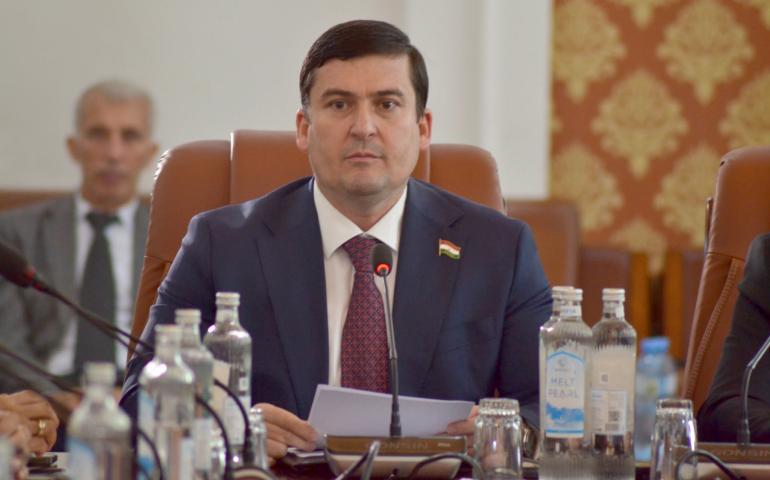
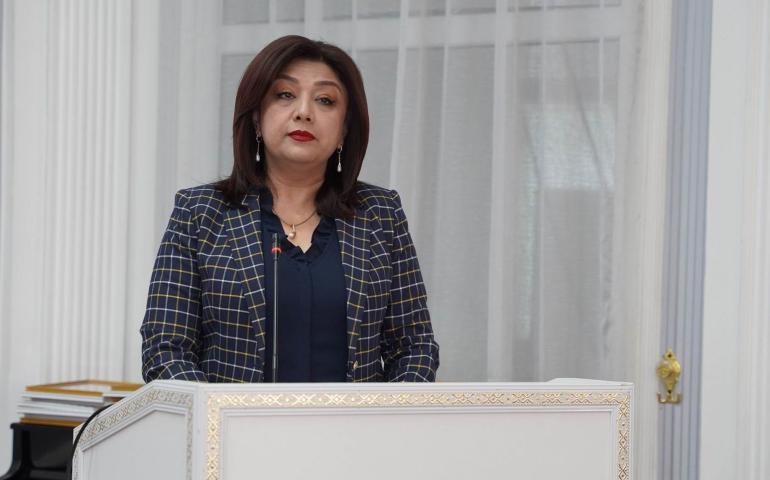
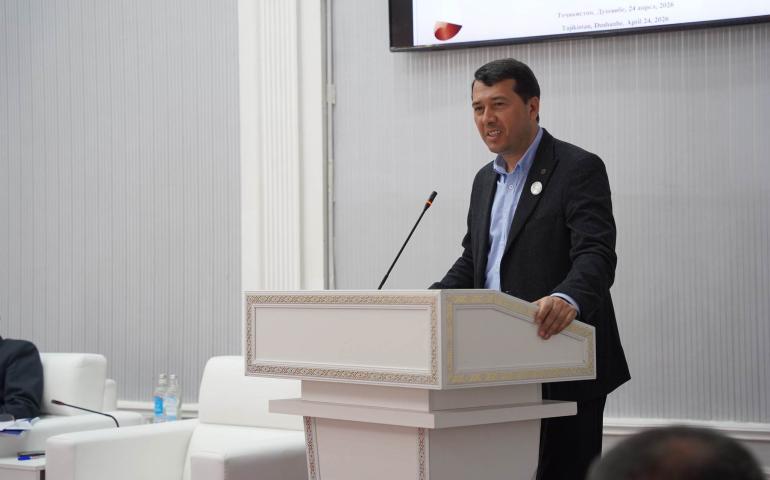
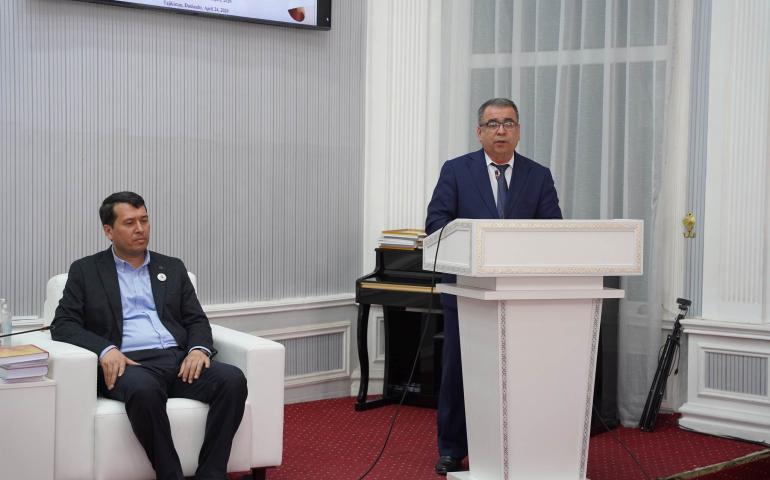
At the symposium, the Deputy Prime Minister of the Republic of Tajikistan, Dilrabo Mansuri, delivered a speech emphasizing that this work, as a unique historical and cultural phenomenon, reflects the rich literary heritage of the Tajik people and has played a significant role in the development of national self-awareness and the strengthening of cultural identity. It was noted that “The Sample of Tajik Literature” is not only a collection of literary works but also an important scientific source for studying the history of literature, language, and culture of the peoples of Central Asia. The work was created under complex historical conditions and laid a solid foundation for the revival of national values and the presentation of Tajik literary heritage on the international stage.
The President of the National Academy of Sciences of Tajikistan, Academician Khushvakhtzoda Qobiljon Khushvakht, in his opening speech that Sadriddin Ayni’s work “The Sample of Tajik Literature” holds special significance as a valuable national heritage and a major scientific and cultural achievement, playing a key role in the formation and development of modern Tajik literature.It was emphasized that this work not only compiled the legacy of the ancestors but also served as a bridge between generations, making a significant contribution to preserving and presenting national values. It was also noted that comprehensive study and research of this work in modern conditions remain highly important and provide a solid basis for strengthening national self-awareness and expanding regional cultural relations.
Subsequently, the Deputy Minister of Culture of the Republic of Tajikistan, Davlat Safar, Academician of the National Academy of Sciences of Tajikistan, Abdujabbor Rahmonzoda, along with other scholars and researchers from within the country and abroad, delivered insightful presentations on the historical, cultural, and scientific significance of “The Sample of Tajik Literature.”
It was noted that this work, as an important source for studying the history of Tajik literature and a factor in strengthening national identity, plays an effective role in the development of the spiritual culture of society. Participants also paid special attention to issues of further research on the literary heritage of ancestors, expansion of scientific cooperation, and promotion of Tajik cultural values at the international level.
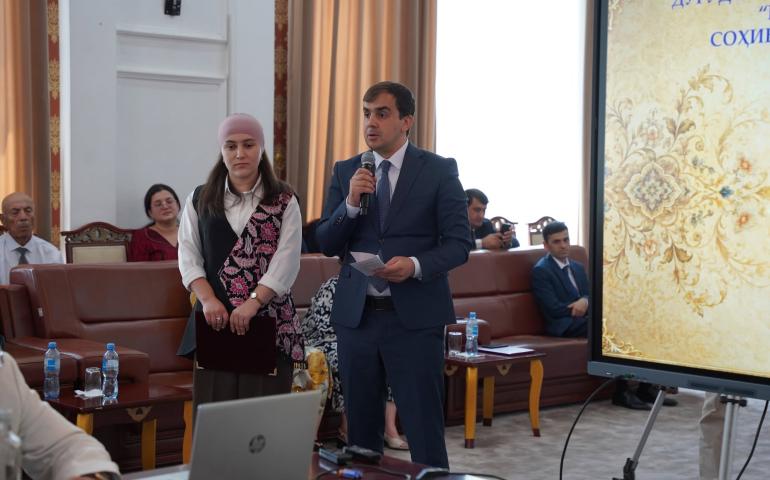
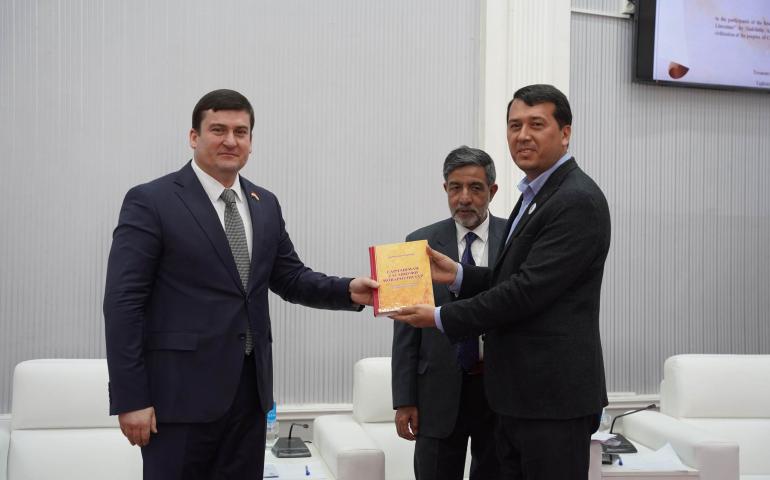
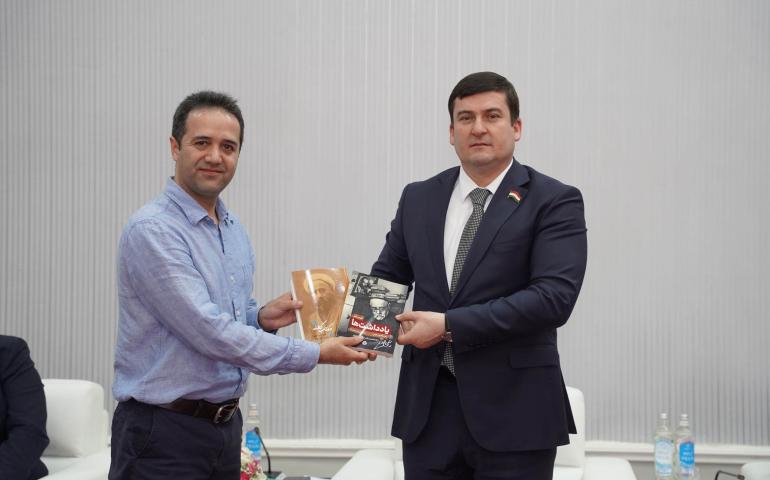
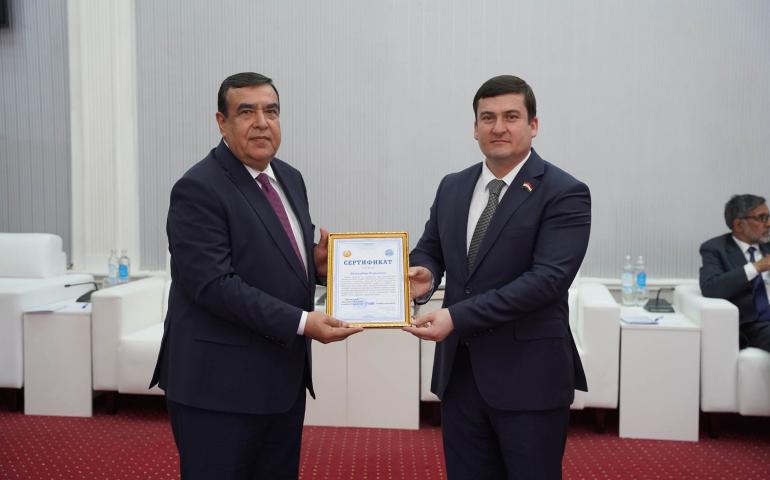
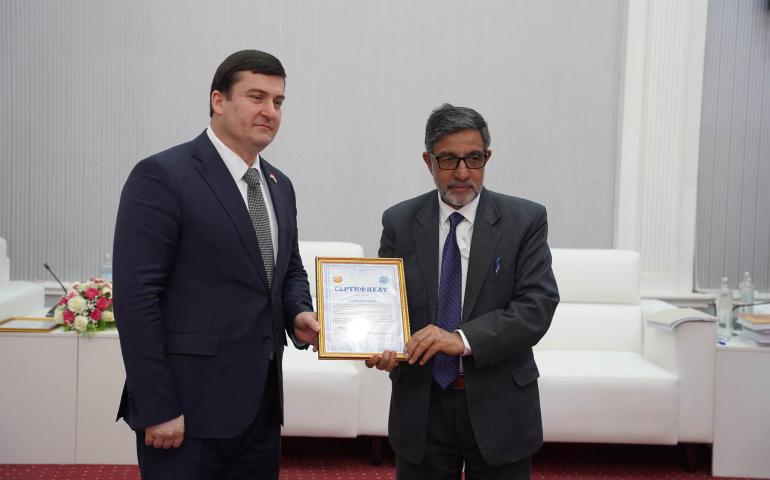
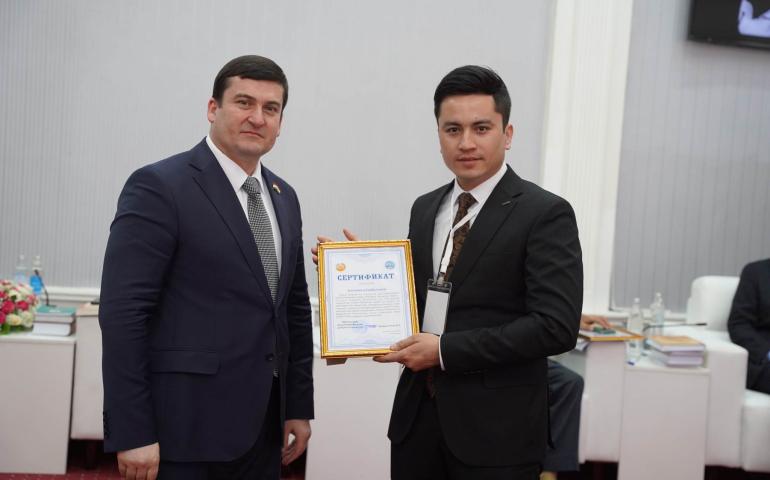
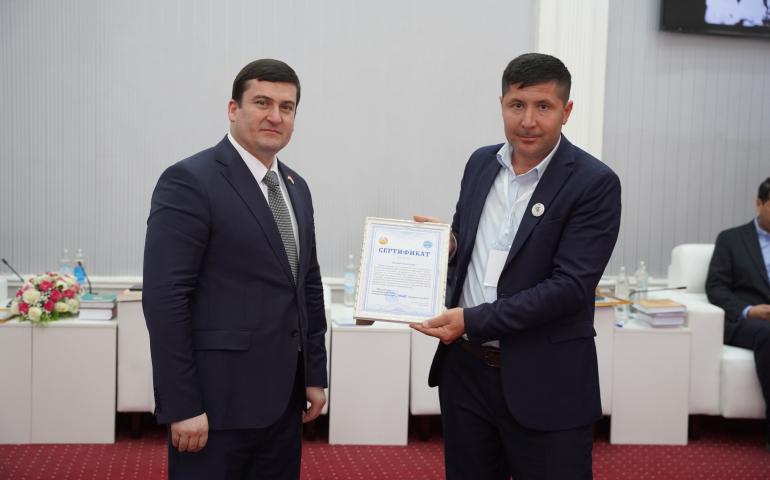
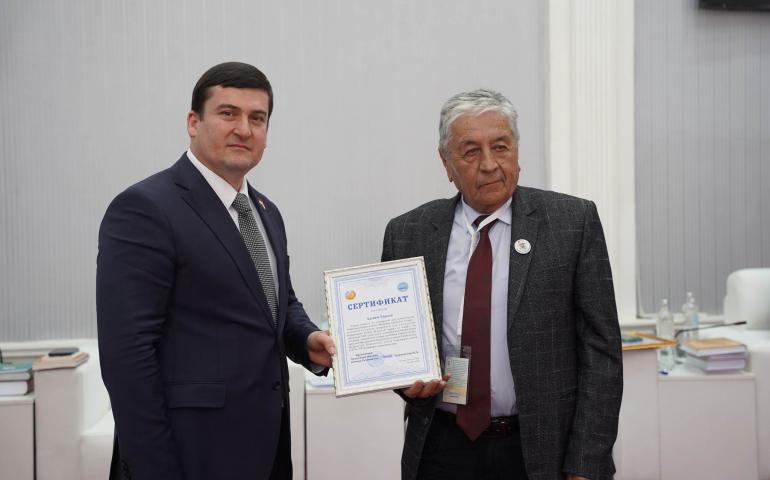
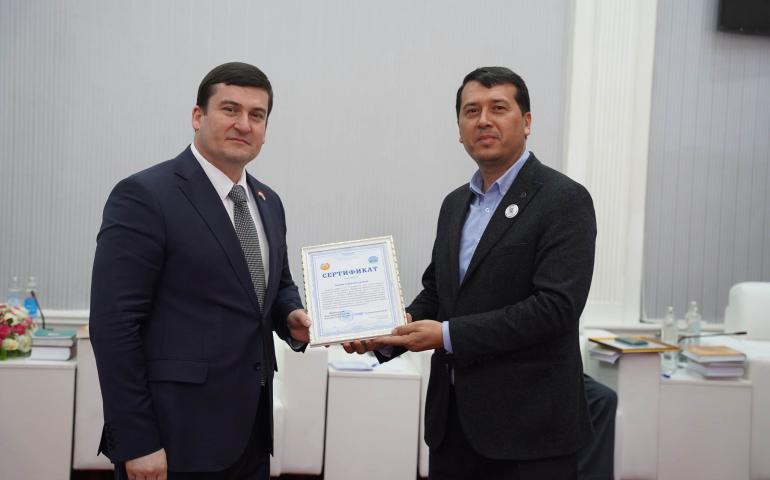
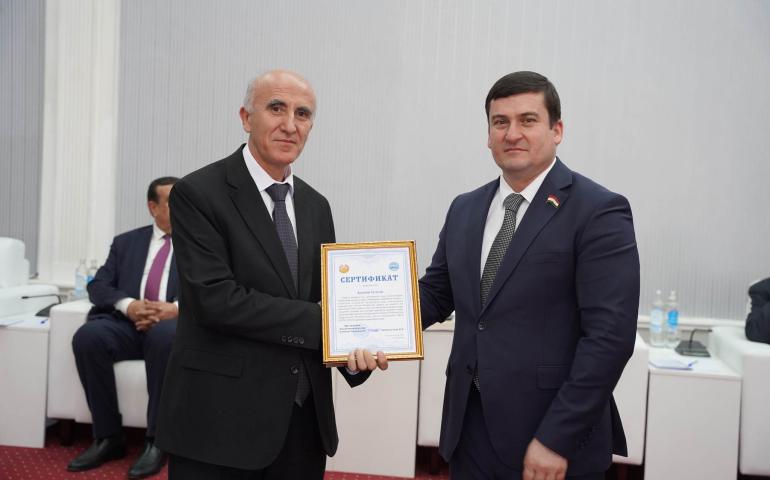
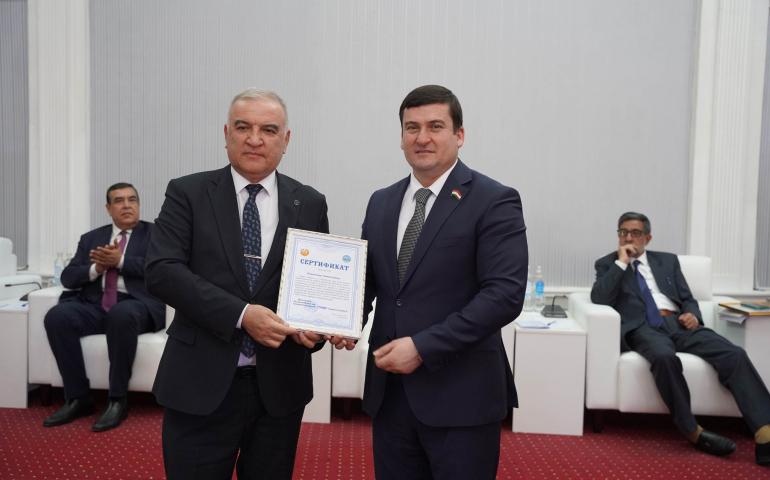
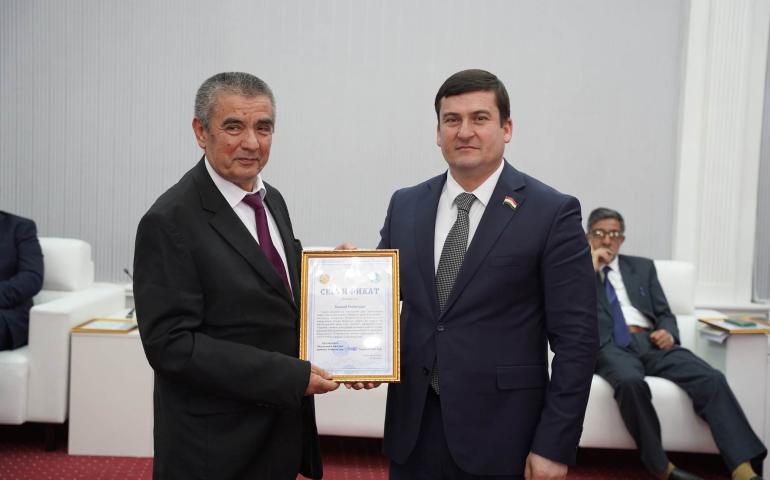
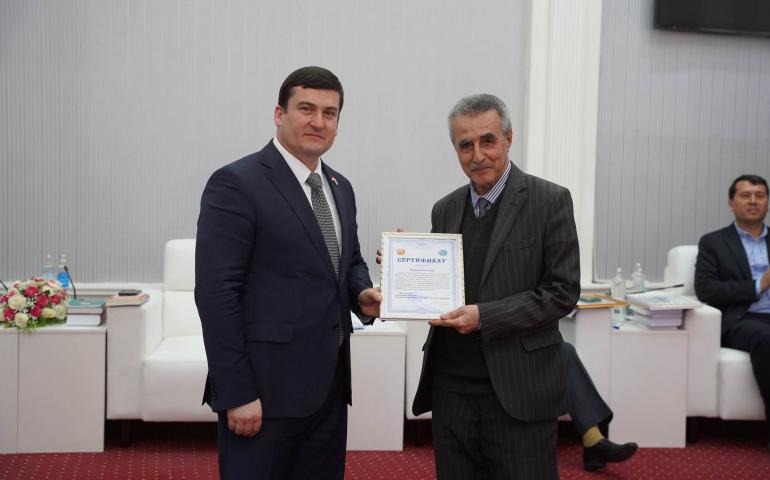
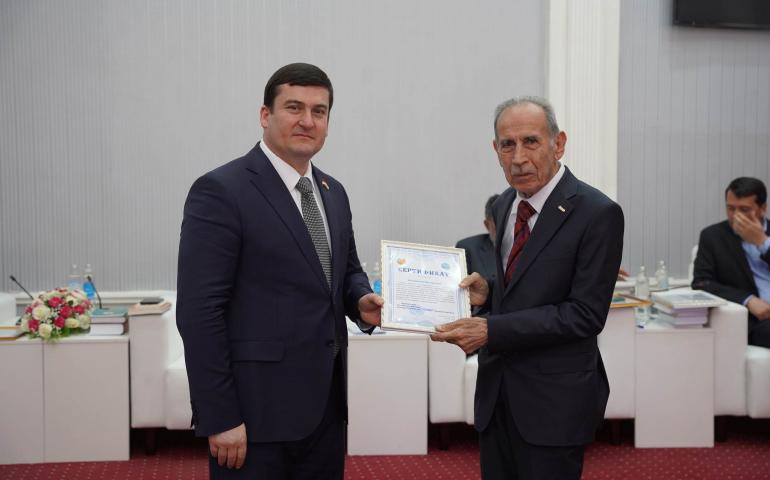
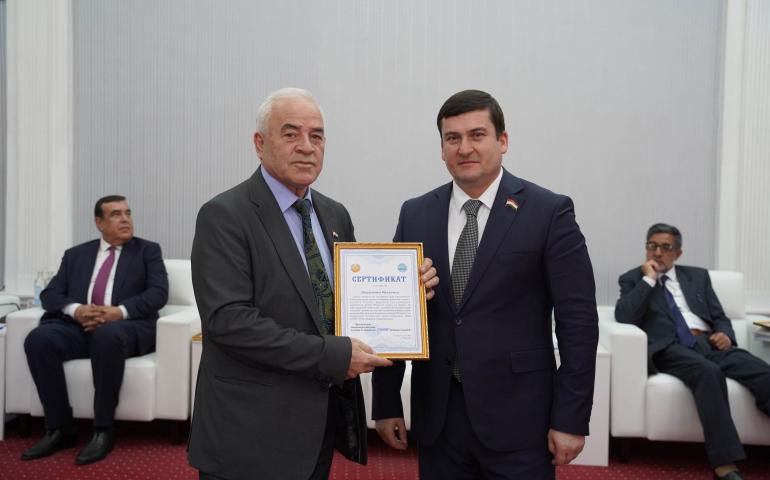
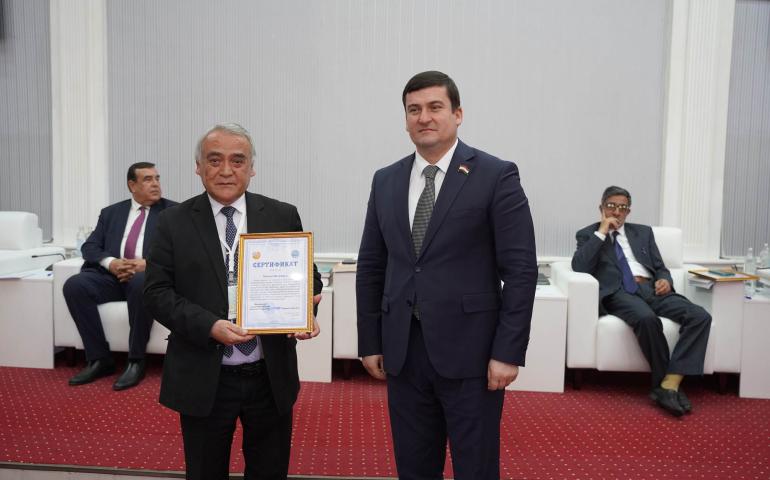
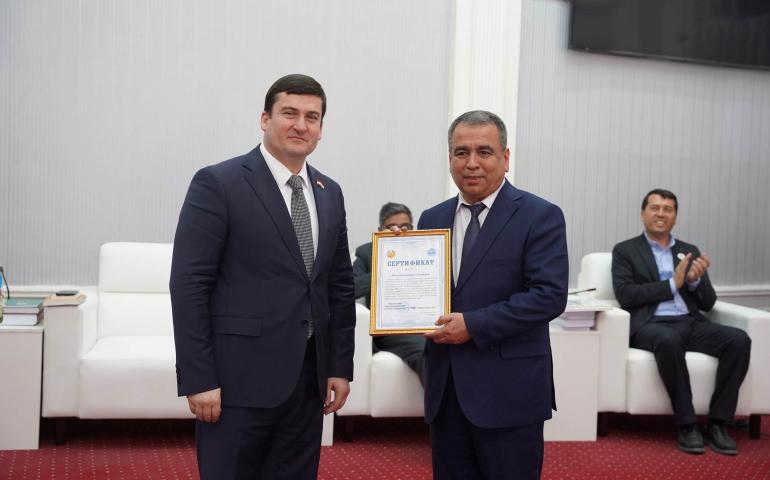
At the conclusion, a number of scholars and researchers who contributed to the organization of the symposium and presented scientific reports were awarded special certificates.
THE ROLE OF INTERNATIONAL VETERANS’ ORGANIZATIONS AND SCIENTIFIC-TECHNICAL ORGANIZATIONS FOR REGULATORY AUTHORITIES IN ENSURING NUCLEAR AND RADIATION SAFETY
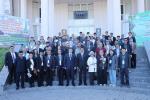
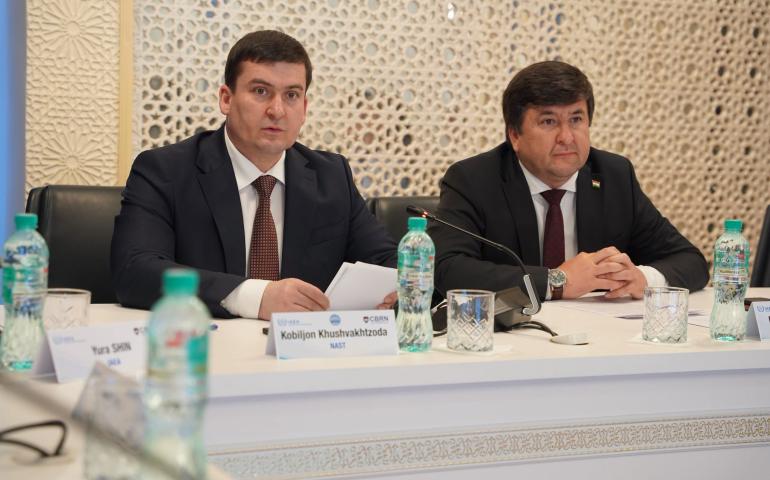
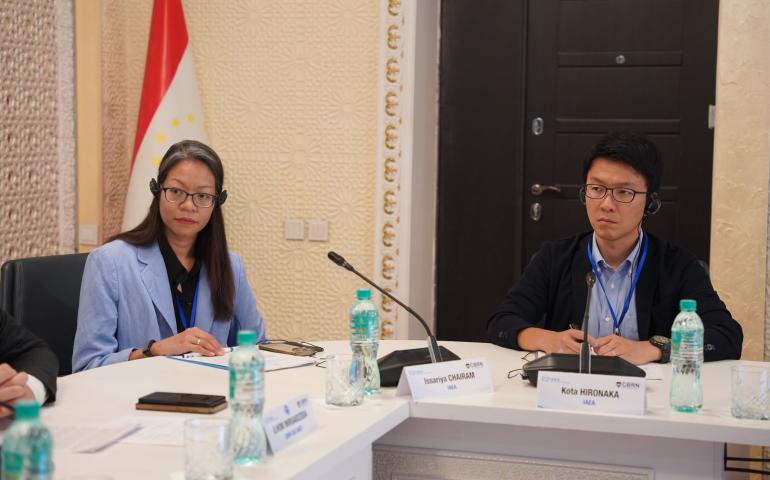
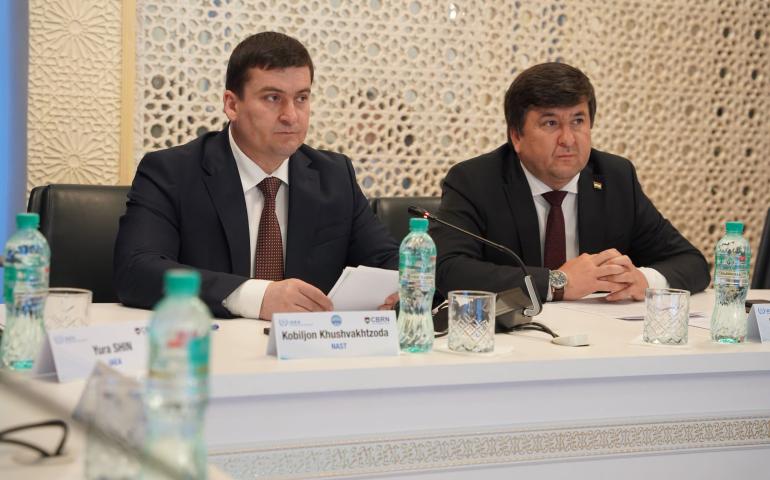
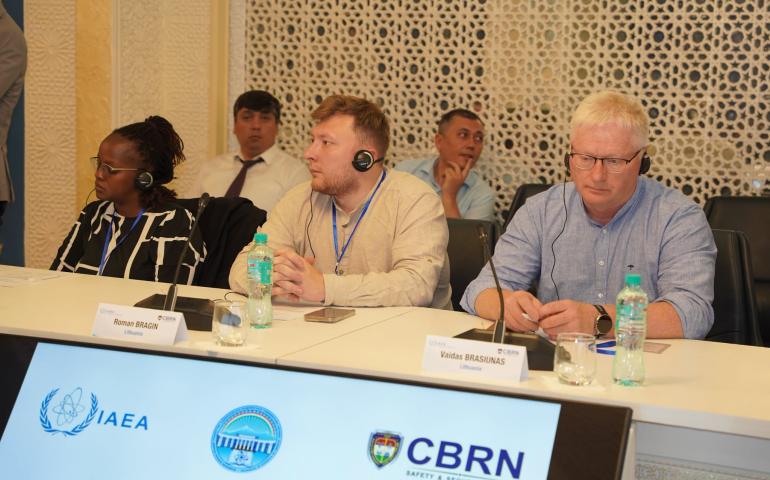
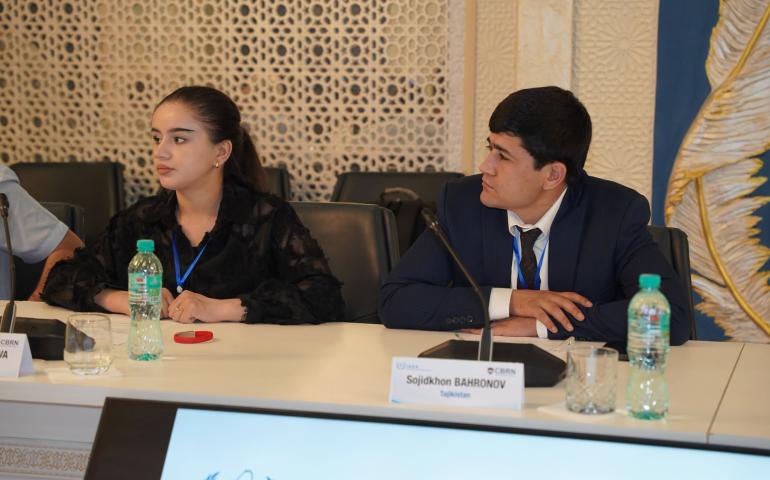
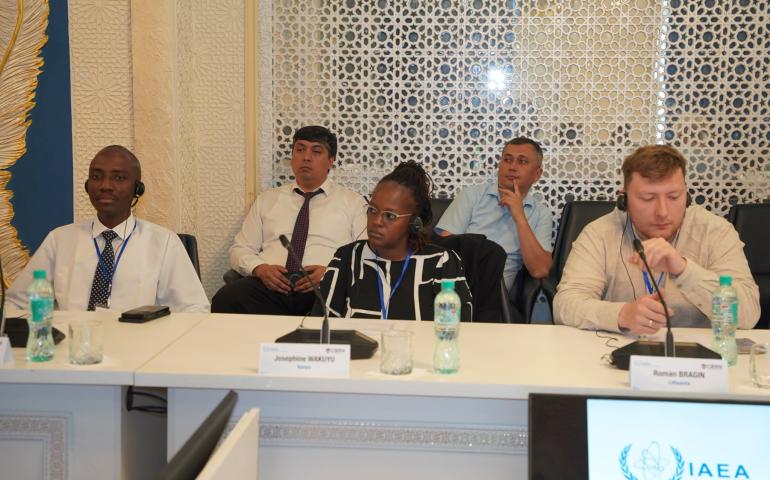
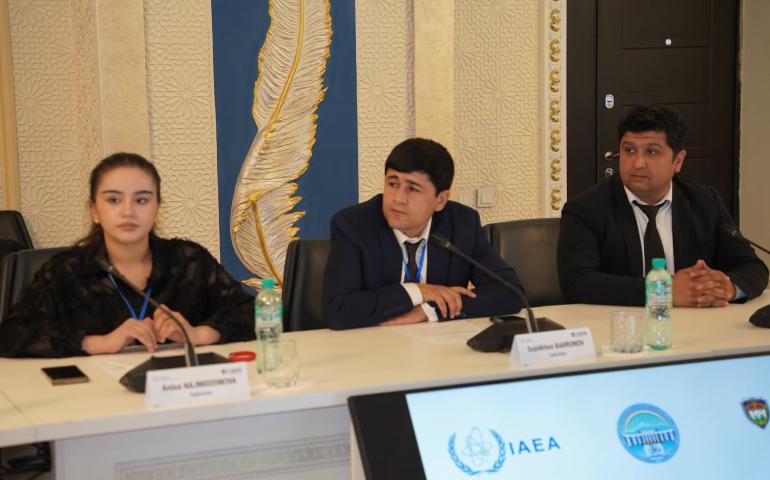
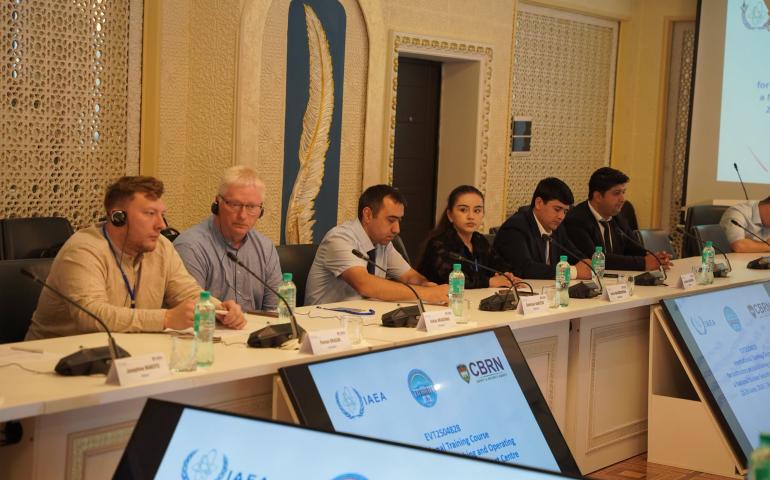
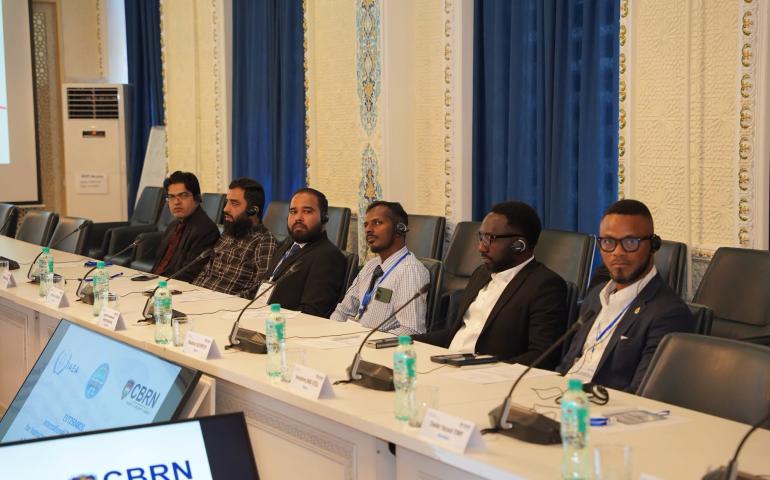
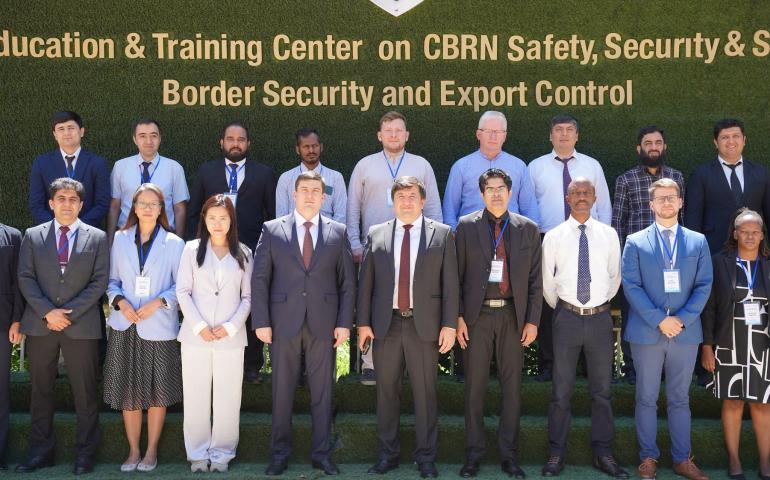
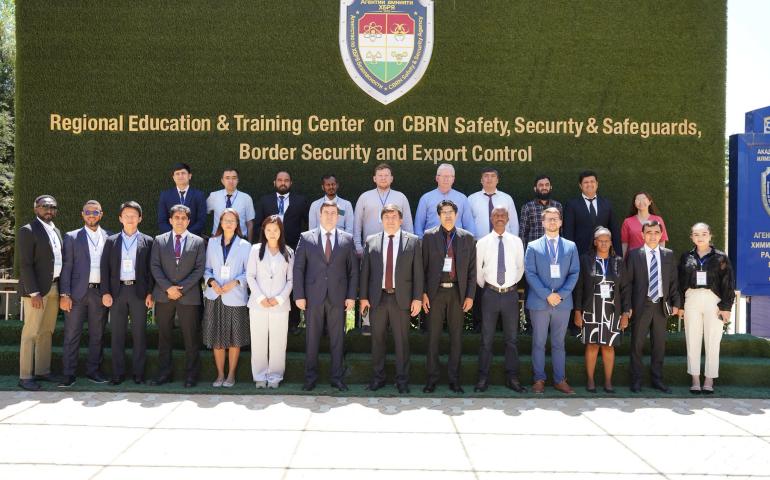
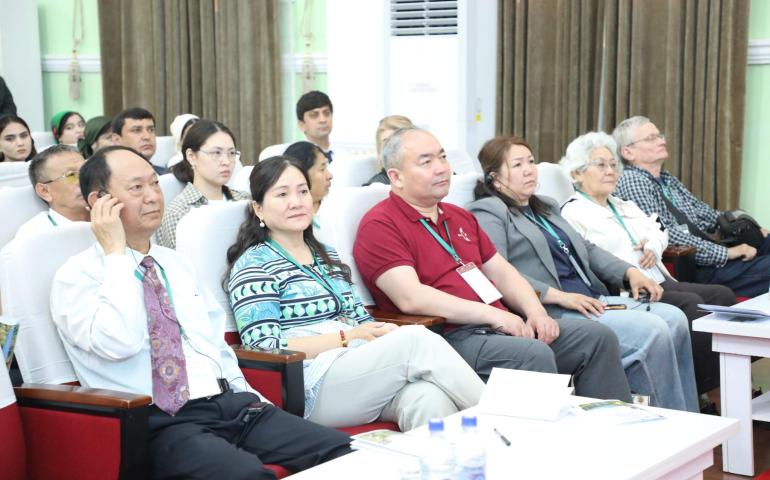
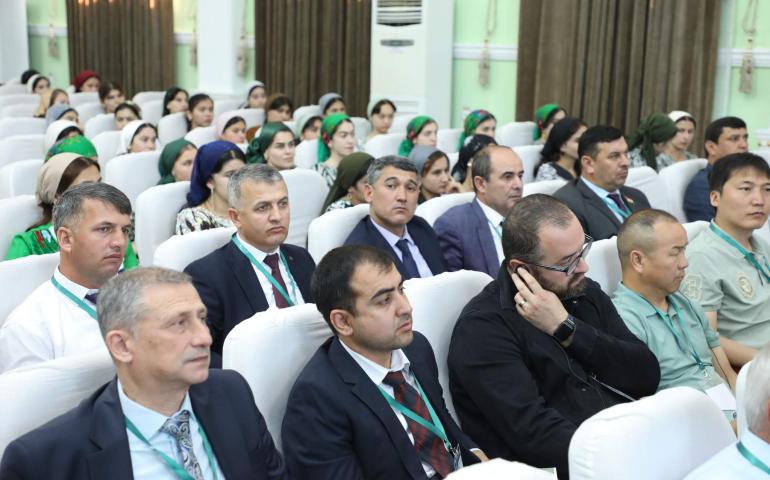
Today, April 15 an International scientific and practical conference on the topic “The role of international veterans’ organizations and scientific-technical organizations for regulatory authorities in ensuring nuclear and radiation safety” was held at the Regional Center for Safety, Security and Safeguards of Chemical, Biological, Radiological and Nuclear Safety of the Agency for Chemical, Biological, Radiological and Nuclear Safety of the National Academy of Sciences of Tajikistan.
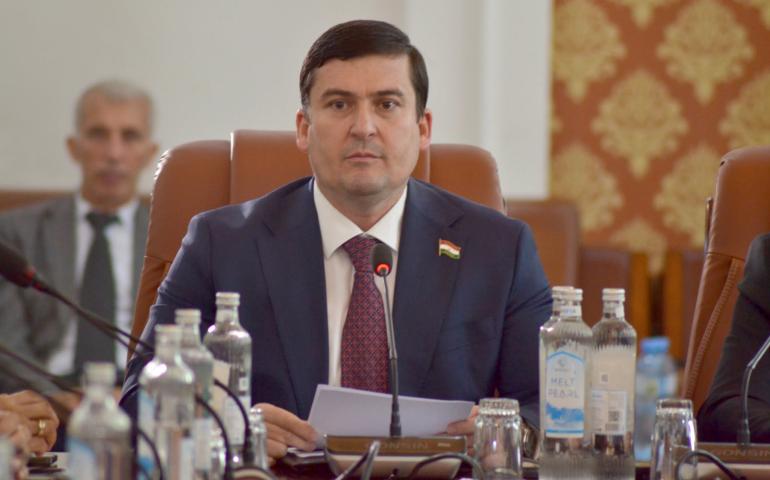
The President of the National Academy of Sciences of Tajikistan, Academician Khushvakhtzoda Qobiljon Khushvakht, in his speech noted that today it can be stated with satisfaction that the scientific and technical potential of the National Academy of Sciences of Tajikistan and the Agency for Chemical, Biological, Radiological and Nuclear Safety makes it possible not only to solve national-level tasks, but also to make a significant contribution to the implementation of the regional agenda.
It was emphasized that with the support of the Government of the Republic of Tajikistan, the International Atomic Energy Agency (IAEA) and development partners, a technical services laboratory and a regional center for safety, security and safeguards have been established, which provide a favorable basis for improving safety levels and strengthening sectoral infrastructure.
Further, other scientists and researchers from within the country and abroad delivered speeches, exchanging views on important issues of ensuring nuclear and radiation safety, the role of regulatory bodies, the use of advanced international experience and the implementation of the latest scientific research achievements.
The participants also emphasized the importance of strengthening scientific and technical cooperation, improving the training level of highly qualified personnel and expanding institutional relations to prevent potential risks and ensure sustainable safety.It should be noted that the event is attended by industry specialists from Tajikistan, Uzbekistan, Kazakhstan, Armenia, Belarus, Mongolia, Turkey, Austria, the Russian Federation, as well as international organizations such as the International Atomic Energy Agency, the World Association of Nuclear Operators, CIS base organizations for radioactive waste processing, and experts from regulatory authorities of other countries in the field of nuclear and radiation safety, both in person and online.
Within the framework of the conference, a number of researchers and industry specialists were awarded membership certificates of the International Association of Veterans of Energy and Nuclear Industry (MSVAEP), and were also honored with medals and other sectoral veteran awards for their significant contribution to the development of the nuclear and radiation safety system.
THE ROLE OF INTERNATIONAL VETERANS’ ORGANIZATIONS AND SCIENTIFIC-TECHNICAL ORGANIZATIONS FOR REGULATORY AUTHORITIES IN ENSURING NUCLEAR AND RADIATION SAFETY
Today, April 15 an International scientific and practical conference on the topic “The role of international veterans’ organizations and scientific-technical organizations for regulatory authorities in ensuring nuclear and radiation safety” was held at the Regional Center for Safety, Security and Safeguards of Chemical, Biological, Radiological and Nuclear Safety of the Agency for Chemical, Biological, Radiological and Nuclear Safety of the National Academy of Sciences of Tajikistan.
The President of the National Academy of Sciences of Tajikistan, Academician Khushvakhtzoda Qobiljon Khushvakht, in his speech noted that today it can be stated with satisfaction that the scientific and technical potential of the National Academy of Sciences of Tajikistan and the Agency for Chemical, Biological, Radiological and Nuclear Safety makes it possible not only to solve national-level tasks, but also to make a significant contribution to the implementation of the regional agenda.
It was emphasized that with the support of the Government of the Republic of Tajikistan, the International Atomic Energy Agency (IAEA) and development partners, a technical services laboratory and a regional center for safety, security and safeguards have been established, which provide a favorable basis for improving safety levels and strengthening sectoral infrastructure.
Further, other scientists and researchers from within the country and abroad delivered speeches, exchanging views on important issues of ensuring nuclear and radiation safety, the role of regulatory bodies, the use of advanced international experience and the implementation of the latest scientific research achievements.
The participants also emphasized the importance of strengthening scientific and technical cooperation, improving the training level of highly qualified personnel and expanding institutional relations to prevent potential risks and ensure sustainable safety.It should be noted that the event is attended by industry specialists from Tajikistan, Uzbekistan, Kazakhstan, Armenia, Belarus, Mongolia, Turkey, Austria, the Russian Federation, as well as international organizations such as the International Atomic Energy Agency, the World Association of Nuclear Operators, CIS base organizations for radioactive waste processing, and experts from regulatory authorities of other countries in the field of nuclear and radiation safety, both in person and online.
Within the framework of the conference, a number of researchers and industry specialists were awarded membership certificates of the International Association of Veterans of Energy and Nuclear Industry (MSVAEP), and were also honored with medals and other sectoral veteran awards for their significant contribution to the development of the nuclear and radiation safety system.
COMMISSIONING OF THE LABORATORY FOR RESEARCH ON TECHNOGENIC TRANSFORMATION OF THE GEOLOGICAL
Today, April 14, at the Regional Center for Safety, Security and Safeguards in Chemical, Biological, Radiological and Nuclear Safety of the Agency for Chemical, Biological, Radiological and Nuclear Safety of the Academy of Sciences of the Republic of Tajikistan, the Laboratory for Research on Technogenic Transformation of the Geological Environment, Radiation Monitoring and Nuclear Safety was put into operation.
The opening ceremony was attended by the President of the Academy of Sciences of the Republic of Tajikistan, Academician Khushvakhtzoda Qobiljon Khushvakht, the Rector of the Belarusian National Technical University, Sergey Vasilevich Kharitonchik, and other staff members.
It was noted during the opening that the establishment of this laboratory was implemented within the framework of an agreement between the Belarusian National Technical University and the Agency for Chemical, Biological, Radiological and Nuclear Safety of the Academy of Sciences of the Republic of Tajikistan.
It was reported that its activities are aimed at conducting fundamental and applied research, including the development of technologies for extracting rare earth element compounds from industrial phosphogypsum waste and uranium production waste, assessing the risks of technogenic accidents in waste dumps and storage facilities, developing geological and information models of technogenically burdened areas, conducting computational and experimental research in the field of nuclear and radiation safety, as well as developing technical regulatory legal documents in this field.
It is noted that the new laboratory will operate at two scientific and educational sites: at the Regional Center for Safety, Security and Safeguards in Chemical, Biological, Radiological and Nuclear Safety under the Agency in the city of Dushanbe, and at the Faculty of Mining and Engineering Ecology of the Belarusian National Technical University in the city of Minsk.
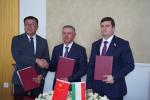
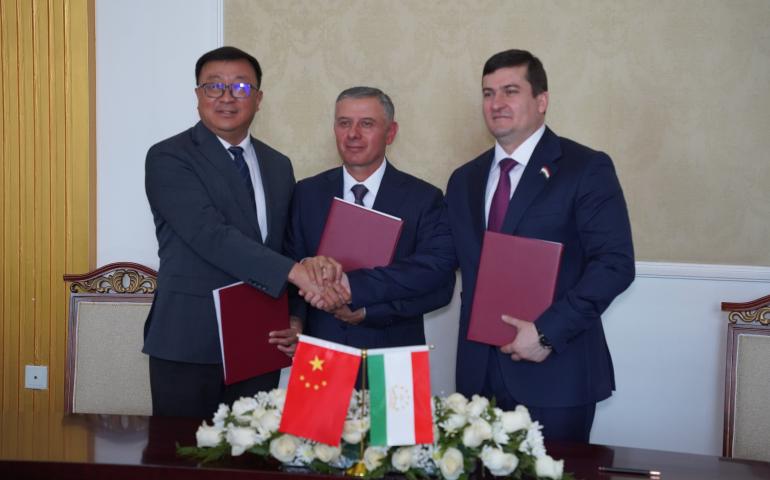
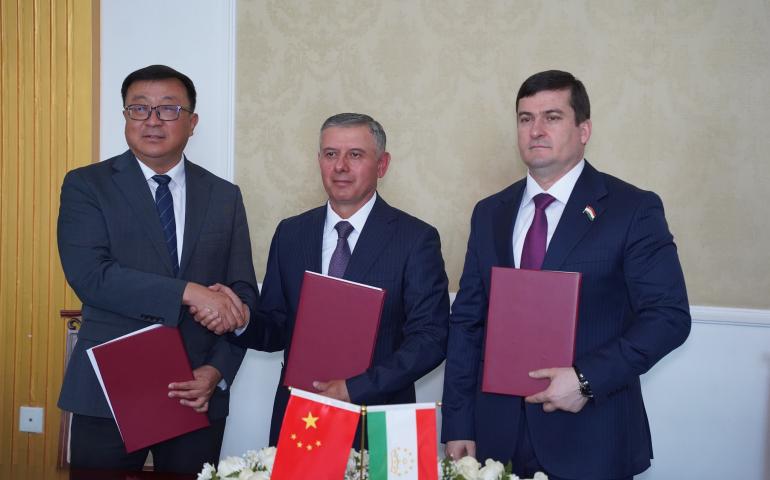
Subsequently, an agreement on the establishment and operation of a joint scientific laboratory between the Agency for Chemical, Biological, Radiological and Nuclear Safety of the Academy of Sciences of the Republic of Tajikistan and the Belarusian National Technical University was signed.
COMPLETION OF THE MAJOR RENOVATION OF THE FOLKLORE FUND AT THE ABUABDULLOH RUDAKI INSTITUTE OF LANGUAGE AND LITERATURE OF THE NATIONAL ACADEMY OF SCIENCES OF TAJIKISTAN
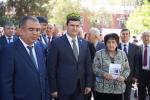
Today, April 13 on the occasion of the 35th anniversary of the State Independence of the Republic of Tajikistan, the Folklore Collection of the Abuabdulloh Rudaki Institute of Language and Literature of the National Academy of Sciences of Tajikistan was reopened after a long period of major renovation, with the participation of the President of the National Academy of Sciences of Tajikistan, Academician Khushvakhtzoda Qobiljon Khushvakht, as well as other scholars and staff.
During the opening, it was reported that the collection contains rare folklore materials, including manuscripts, audio recordings, oral texts, samples of oral creativity, and other valuable cultural heritage of the Tajik people. The major renovation was carried out to ensure preservation, proper storage, and better presentation of the national intangible heritage, as well as to provide favorable scientific conditions for researchers and scholars.
It was emphasized that the restoration and commissioning of such collections are of particular importance for the study, collection, and research of Tajik folklore, and play a significant role in strengthening national identity and preserving cultural values.
It was noted that within the framework of the renovation, storage conditions were brought in line with modern requirements, including the creation of specialized rooms equipped with necessary facilities such as temperature and humidity control systems, special shelving for document storage, as well as conditions for digitization and scientific processing of materials. This initiative will enable not only the preservation of rare folklore materials but also their wide use in research activities.
It was also highlighted that the reopening of the renovated collection provides new research opportunities for scholars, master’s students, and doctoral candidates, creating a solid foundation for conducting research, preparing dissertations, and publishing scientific works.
INSTALLATION OF SOLAR PANELS IN THE BUILDING OF THE REGIONAL CENTER FOR SAFETY, SECURITY AND SAFEGUARDS IN THE FIELD OF CHEMICAL, BIOLOGICAL, RADIATION AND NUCLEAR SAFETY
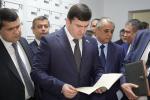
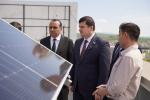
Today, April 10, the President of the National Academy of Sciences of the Republic of Tajikistan, Academician Khushvakhtzoda Qobiljon Khushvakht, together with a group of scientists and staff, visited the site of solar panel installation in the building of the Regional Center for Safety, Security and Safeguards in the field of chemical, biological, radiation and nuclear safety of the Agency for Chemical, Biological, Radiation and Nuclear Safety of the National Academy of Sciences of the Republic of Tajikistan and became fully acquainted with the operation of the solar panels.
It was noted that, in order to implement the Strategy of the Government of the Republic of Tajikistan in the field of introducing and developing a “green” economy, the staff of the National Academy of Sciences of the Republic of Tajikistan have organized scientific research activities. In this context, employees of the S.U. Umarov Institute of Physics and Technology of the Academy are developing and preparing solar panels that contribute to the advancement of renewable energy sources.
It was emphasized that the installation of such modern equipment creates opportunities to supply the institution with clean and environmentally friendly electricity, while also increasing the efficiency of energy resource utilization. This initiative can also serve as an example of best practice for the implementation of “green” technologies in other scientific institutions and various sectors of the national economy.
It was also noted that, by the Executive Authority of the city of Dushanbe, in order to save electricity, in the future, in accordance with the instruction of the Chairman of the city of Dushanbe, esteemed Rustam Emomali, solar panels must be installed in all newly constructed multi-storey residential buildings, higher education institutions, and educational facilities. In this regard, scientific staff of the National Academy of Sciences have organized the construction, commissioning, and installation of solar panels.
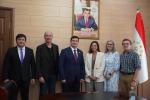
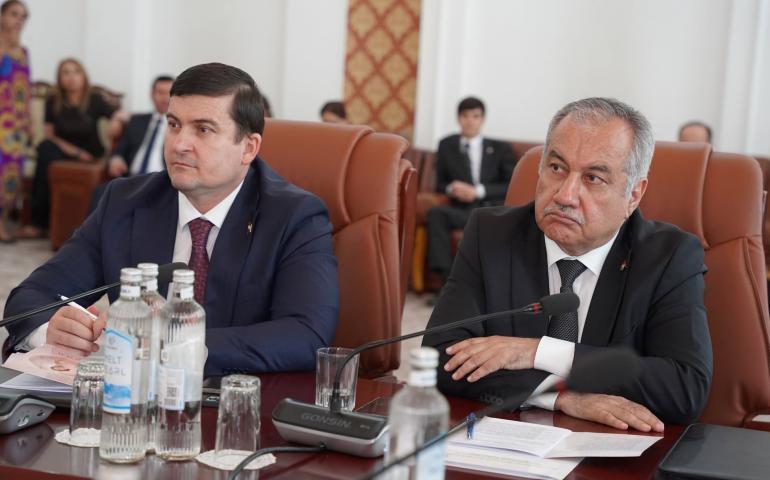
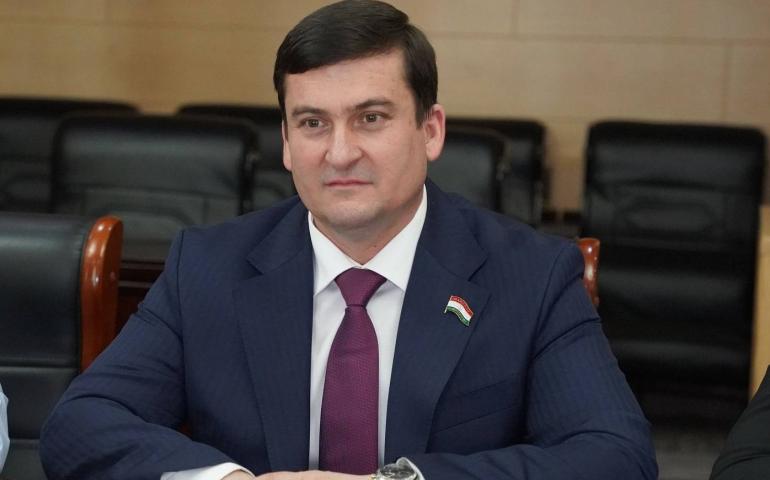
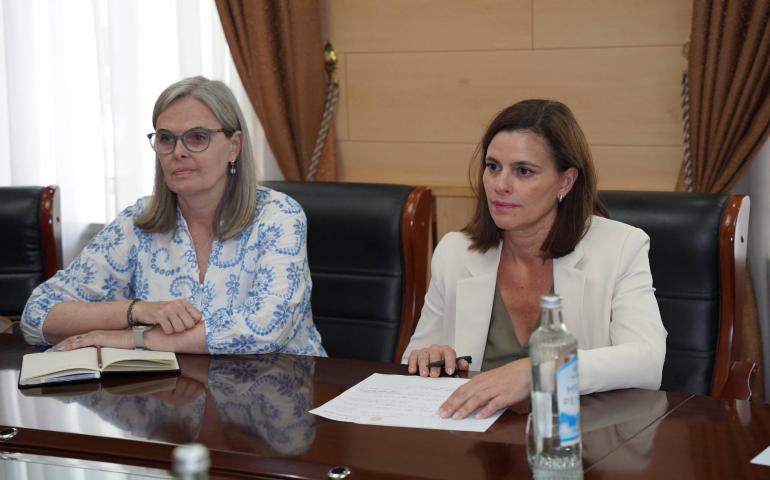
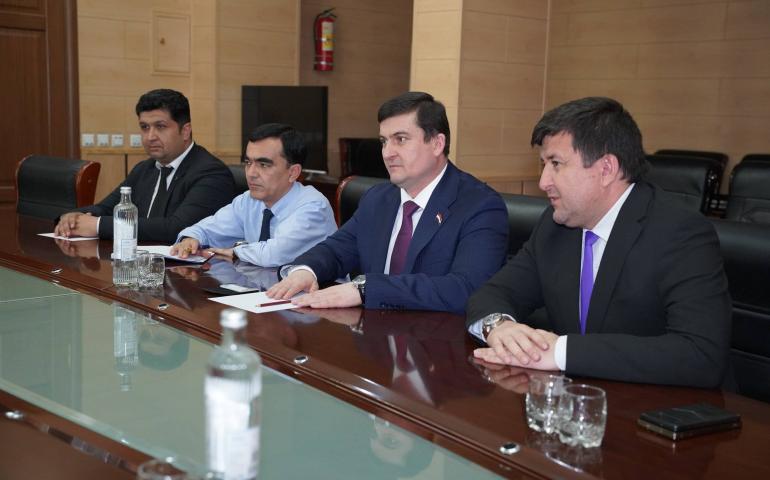
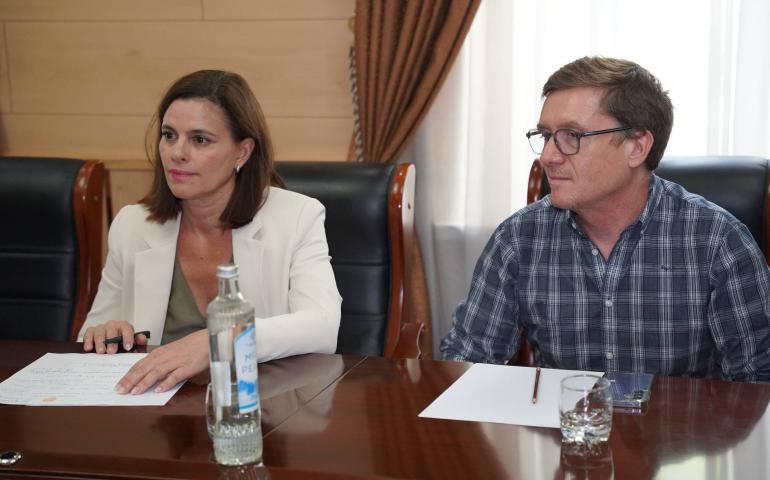
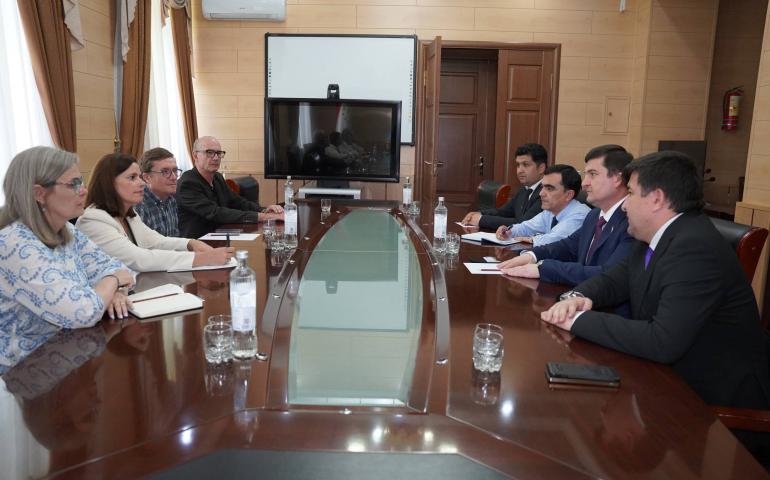
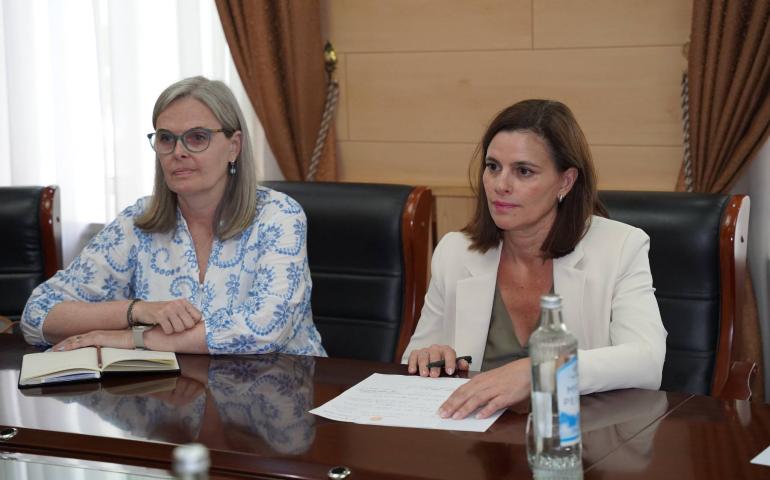
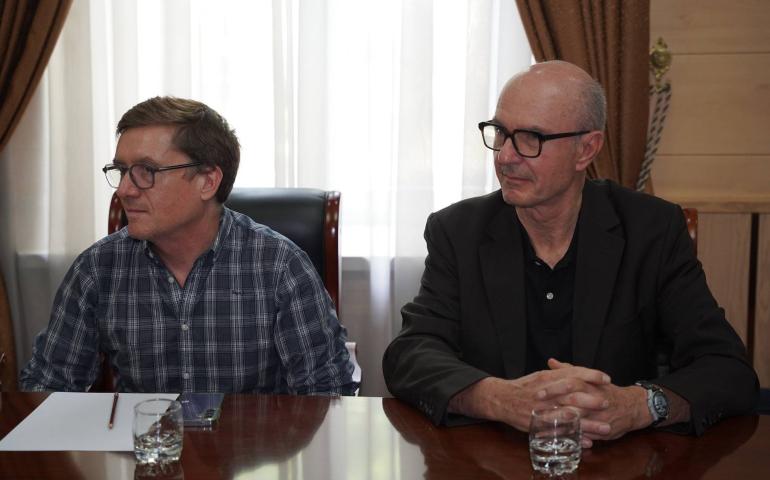
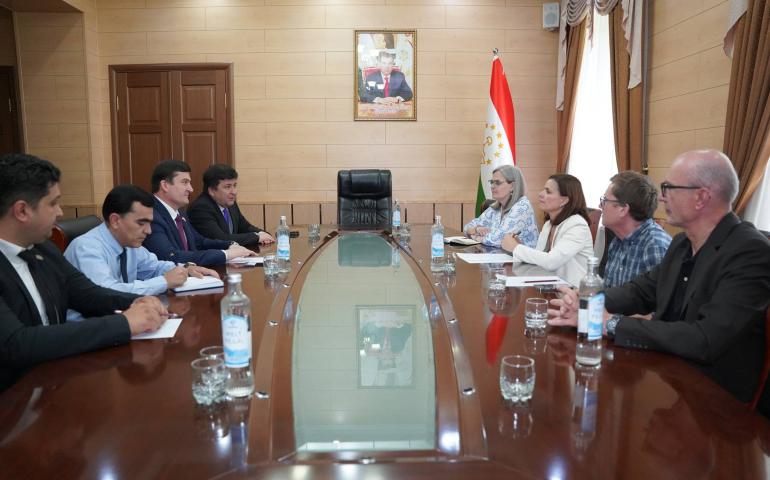
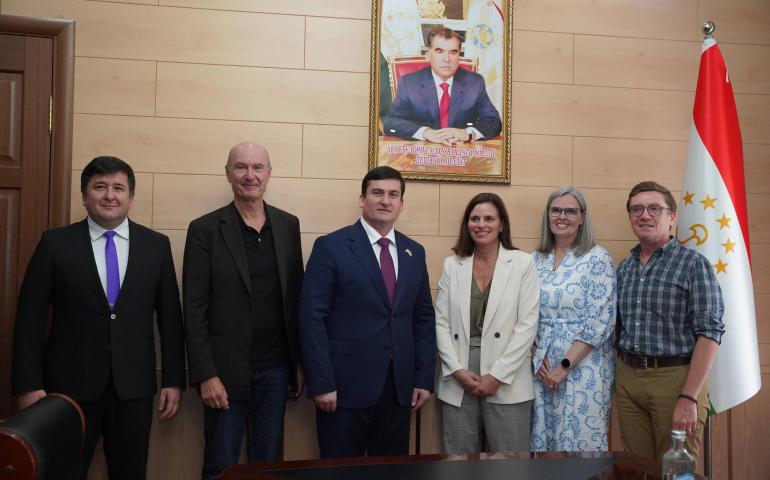
Today, April 8, a meeting was held at the National Academy of Sciences of Tajikistan between the President of the National Academy of Sciences of Tajikistan, Academician Khushvakhtzoda Qobiljon Khushvakht, and representatives of the University of Oxford.
The meeting was attended by the leadership, the Vice President, and the Head of the Department of International Relations, as well as specialists in Persian language and literature from the University of Oxford, including Professor Edmund Herzig, Dr. Farniyaz Zaker, and Ms. Ani Beth-Moses.
During the meeting, the parties discussed issues related to establishing an agreement between the National Academy of Sciences of Tajikistan and the University of Oxford, expanding research cooperation, exchanging experience among scholars, launching joint educational programs, and implementing international projects.
It was emphasized that cooperation in the study of Persian language and literature, research on cultural heritage, and the development of academic relations can serve the interests of both parties. Particular attention was paid to the training of scientific personnel from among master's and doctoral students, and the parties stressed the need to strengthen cooperation in training highly qualified specialists.
It was noted that attracting talented youth to master's and doctoral programs, organizing exchanges of students and researchers, and creating favorable conditions for conducting joint research can contribute to the further development of science and education and to strengthening the intellectual potential of society.
The parties also agreed to hold joint scientific conferences and seminars in the future, emphasizing that such events can provide a favorable platform for knowledge exchange, presentation of research results, and expansion of scientific cooperation. It was noted that the regular organization of such events will contribute to strengthening academic ties and developing the scientific environment of both sides.
COMMISSIONING OF THE SEISMIC MONITORING CENTER AT THE INSTITUTE OF GEOLOGY, EARTHQUAKE-RESISTANT CONSTRUCTION AND SEISMOLOGY OF NASТ
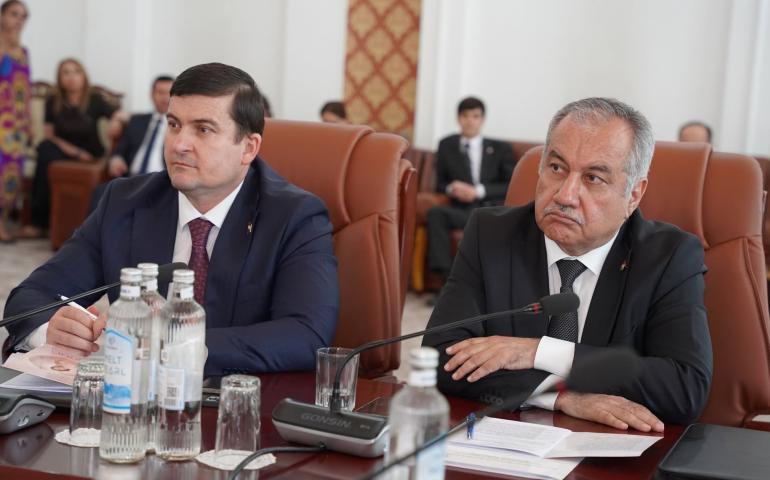
Today, April 2, at the Institute of Geology, Earthquake-Resistant Construction and Seismology of the National Academy of Sciences of Tajikistan, with the participation of the President of the National Academy of Sciences of Tajikistan, Academician Khushvakhtzoda Qobiljon Khushvakht, as well as other scientists and guests, the Seismic Monitoring Center equipped with modern equipment was commissioned.
It was emphasized that the main objective of the Seismic Monitoring Center of the Institute of Geology, Earthquake-Resistant Construction and Seismology of the National Academy of Sciences of Tajikistan is прежде всего the establishment of round-the-clock seismic monitoring, including the recording and processing of all seismic events in Tajikistan in real time (real-time), determination of the coordinates of the earthquake source (epicenter), its depth and magnitude using local hodographs, as well as the creation and maintenance of a seismic database for future scientific research and the training of young technical and scientific personnel.
It was noted that currently two types of seismic stations are used at the Seismic Monitoring Center to record earthquakes and determine their parameters. In particular, broadband digital seismic stations are designed for continuous and accurate recording of a wide range of seismic vibrations (from distant earthquakes to microtremors), and the obtained data are used to determine and assess the seismic regime of various regions of Tajikistan, study the geological structure of the Earth, the activity of tectonic faults, and conduct engineering and geological research.
At the same time, equipment for recording strong seismic vibrations (accelerometers) makes it possible to quantitatively record strong ground motions and structural vibrations during earthquakes. This equipment records the velocity and acceleration of seismic waves in the ground and is used for assessing seismic hazards, analyzing the behavior of buildings, designing earthquake-resistant structures, as well as for early warning of natural disasters, including infrastructure collapse and landslides.
It should be noted that the initiative of the Presidium of the National Academy of Sciences of Tajikistan to establish the Seismic Monitoring Center at the Institute of Geology, Earthquake-Resistant Construction and Seismology is the first in the 75-year history of the Academy and represents an important step toward strengthening research infrastructure and developing seismology in the country. This initiative provides a favorable basis for improving the study and research of seismic processes, ensuring seismic safety, and effective preparedness for emergency situations.