
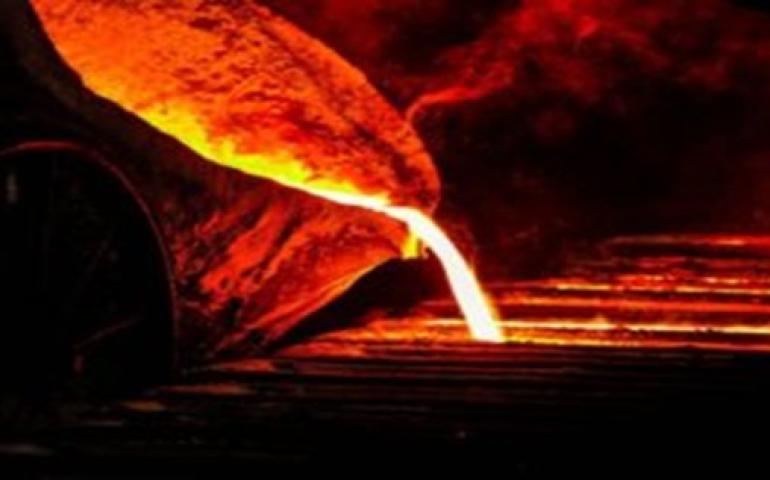
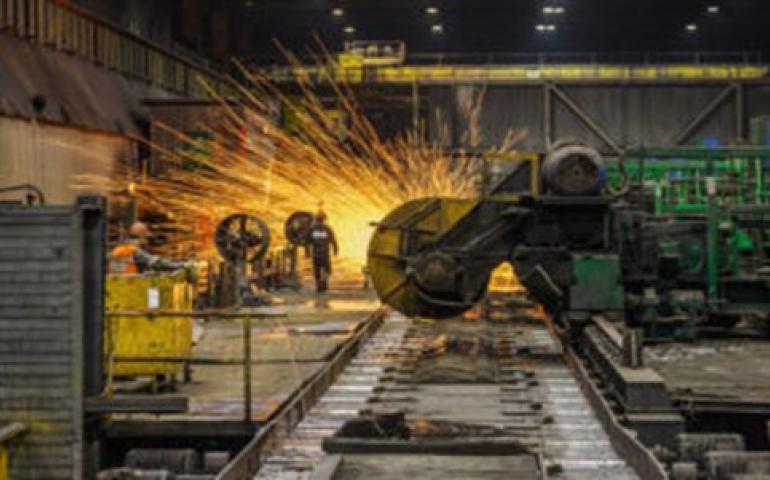
Металлургия — асос ва таҳкурсии саноати ҳозиразамон ба ҳисоб меравад. Аз инкишофи соҳаи металлургӣ пешрафти тамоми соҳаҳои хоҷагии халқ — саноат, хоҷагии қишлоқ, нақлиёт ва сохтмон вобаста мебошад. Саноати металлургӣ ба ду соҳа ҷудо мешавад: металлургияи сиёҳ ва металлургияи ранга.
Дар Тоҷикистон корхонаҳои калони металлургияи сиёҳ вуҷуд надорад. Аммо дар дохили корхонаҳои мошинсозӣ сехҳои металлгудозӣ амал мекунанд. Аз метали дар ин сехҳо гудохташуда қисмҳои эҳтиёҷии мошинҳоро тайёр менамоянд. Ин гуна сехҳо дар тамоми корхонаҳои мошинсозии мамлакат дида мешавад.
Дар ҳудуди Тоҷикистон якчанд кони маъдани оҳан муайян карда шудааст, ки барои ташаккули гардиши пурраи металлургӣ (таъсиси корхонаи маъдангудозӣ, печҳои электроплавикӣ ва ғайра) имконият медиҳад. Кони маъдани оҳани Чоқадамбулоқ захираи зиёд (аз рӯи категорияи саноатӣ бештар аз 60 млн. тонна) ва мавқеи мувофиқи иқтисодию географӣ дошта, начандон дуртар аз шаҳри Хуҷанд воқеъ гардидааст. Тадқиқотҳо нишон доданд, ки ҳангоми сохтмони корхона дар базаи кони мазкур имконият ҳаст, ки усули истеҳсоли метал бе истифода аз кокс ба роҳ монда шавад.
Аввалин корхонаҳои металлургияи ранга дар Тоҷикистон солҳои 30-юми асри гузашта сохта шуданд. Дар ин корхонаҳои маъдани кӯҳӣ истихроҷи сурбу рӯҳ, мису молибден, волфраму флюорит, сурмаю симоб ба роҳ монда шуда, консентрати онҳо ба корхонаҳои металлургии Урал, Қазоқистон, Сибир, Ӯзбекистон ва Қирғизистон фиристода мешуданд. Марказҳои асосии истихроҷи металлҳои ранга дар қисмати Шимолӣ ва Марказии мамлакат — дар Адрасмон, Анзоб, Исфара, Майхура, Консой, Истиқлол, Зарнисор, Ҷилав, Панҷакент мавҷуд мебошанд.
Конҳои металлҳои рангаи Тоҷикистон дар ҷойҳои душворгузари кӯҳ воқеъ гаштаанд ва хусусияти комплексӣ доранд. Дар водии Зарафшон яке аз корхонаҳои калони коркарди сурмаю симоб — комбинати Анзоб вуҷуд дорад ва маҳсулоти он ба шакли консентрат ба заводи металлургии Ҳайдаркон (Ҷумҳурии Қирғизистон) фиристода мешавад. Танҳо дар шаш кони сурмаи водии Зарафшон 80 фоизи захираи сурмаи Осиёи Марказӣ маҳфуз аст.
Корхонаи муштараки истеҳсоли тиллои «Зарафшон» сол аз сол ҳаҷми маҳсулотро зиёд намуда истодааст. Ин корхона дар базаи конҳои Тарор, Ҷилав ва Ғиждарва истеҳсоли тиллои холисро ба роҳ мондааст. Тоҷикистон аз рӯи захираҳои нуқра дар ҷаҳон ҷои сеюмро мегирад. Аз рӯи нақшаи пешбинишуда дар базаи Кони Мансур бо назардошти талаботи бозори ҷаҳонӣ ба нуқра сохтмони корхонаи бузург дар назар дода шудааст.
Корхонаи асосии металлургияи рангаи ҷумҳурӣ Заводи алюминии тоҷик мебошад. Завод дар шаҳри Турсунзода ҷойгир шудааст. Соли 1975 дар завод аввалин металл гудохта шуд. Заводи алюминий яке аз корхонаҳои калонтарини ҷаҳон буда (12 корпус дорад), аз гуфти мутахассисон ба вазъи экологии ноҳияҳои атроф таъсири манфӣ намерасонад. Зиёда аз 90 фоизи маҳсулоти корхона навъи аъло аст. Корхона бо қувваи барқии арзони нерӯгоҳи барқии обии Норак кор мекунад. Алҳол ашёи хомро барои корхона аз дигар кишварҳо бо нархи аз 300 то 350 доллар аз як тонна меоранд. Баъди аз худ шудани кони нефелину сиенити Турпӣ (ноҳияи Рашт) завод бо ашёи хоми маҳаллӣ таъмин мегардад.
САНОАТИ МЕТАЛЛУРГИЯИ СИЁҲИ ҶУМҲУРИИ ТОҶИКИСТОН.
Саноати металлургӣ ба соҳаҳои металлургияи сиёҳ ва металлургияи ранга ҷудо мешавад. Сехҳои металургияи сиёҳ дар заводҳои «Тоҷиктекстилмаш», «Торгмаш», «Таджикгидроагрегат», (ҶШСК «Ҳумо») заводи арматурии ш. Душанбе, «қисмҳои эҳтиётии автомобил» – и шаҳри Конибодом (ҶСШК Бодом), комбинати «Абрешим» (Хуҷанд) мавҷуданд.
Саноати металлургияи рангаи Ҷумҳурии Тоҷикистон.
Корхонаҳои металлургияи ранга (ғайр аз истеҳсоли алюминий) фақат зинаи истихроҷкунии маъдан, майдакунӣ ва пурбаҳрагардонии маъдан вуҷуд дорад. Маҳсулоти асосӣ – консентрати (ордаи) металҳои ранга мебошад. Консентрат то замони Истиқлол ба корхонаҳои металлургияи рангаи Ўзбекистон, Қазоқистон, Қирғизистон ва ғайра фиристода мешуданд. Дар заводҳои металлургӣ аз ин консентрат ғайр аз металлҳои ранга, металлҳои камёб ва қиматбаҳо низ ҷудо карда мешаванд. Алҳол дар корхонахҳои металлургияи ранга: рўҳ, симоб, қурғошим, сурма, волфрам, селистин ва ба тарзи иловаги висмут, мис, қадмий, нуқра, молибден, қалъагӣ ва дигар металлҳои нодир ва пароканда истеҳсол карда мешаванд.
Ҷайлоев Ҷамшед Ҳусейнович - номзади илмҳои техникӣ, ходими пешбари илмии озмоишгоҳи “Маводҳои ба коррозия устувор”-и Институти кимиёи ба номи В.И. Никитини АМИТ
Худойбердизода Саидмири Убайдулло номзади илмҳои техникӣ, ходими пешбари илмии озмоишгоҳи “Маводҳои ба коррозия устувор”-и Институти кимиёи ба номи В.И. Никитини АМИТ

THE ROLE OF INTERNATIONAL VETERANS’ ORGANIZATIONS AND SCIENTIFIC-TECHNICAL ORGANIZATIONS FOR REGULATORY AUTHORITIES IN ENSURING NUCLEAR AND RADIATION SAFETY
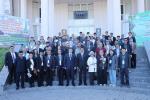
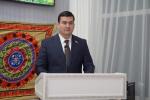
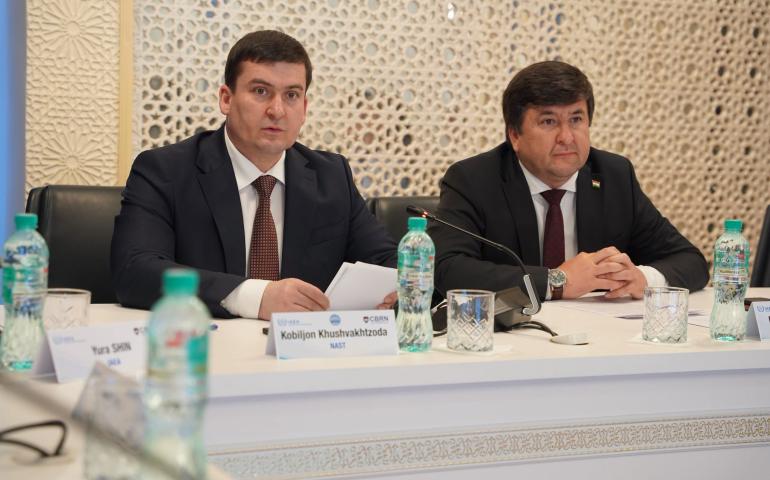
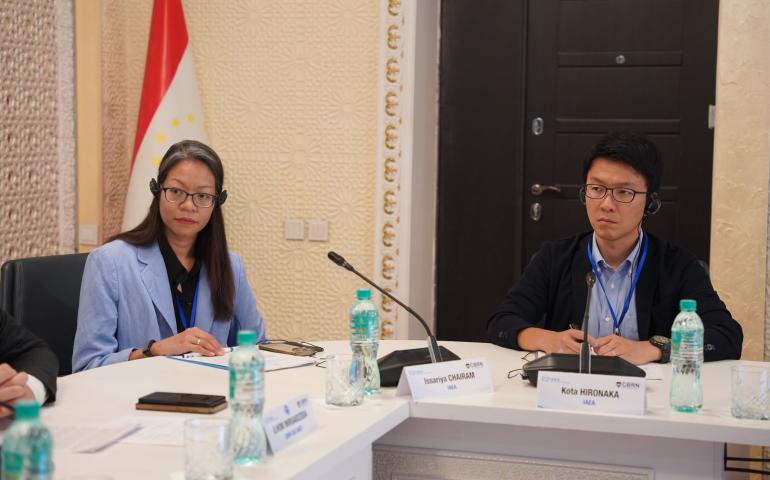
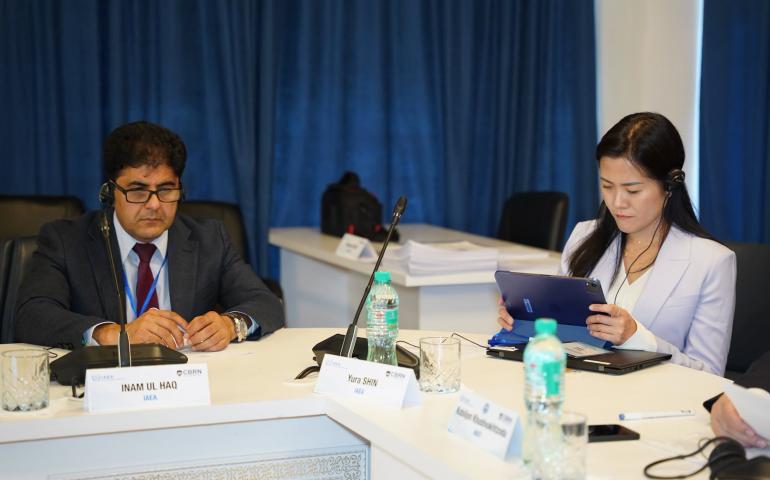
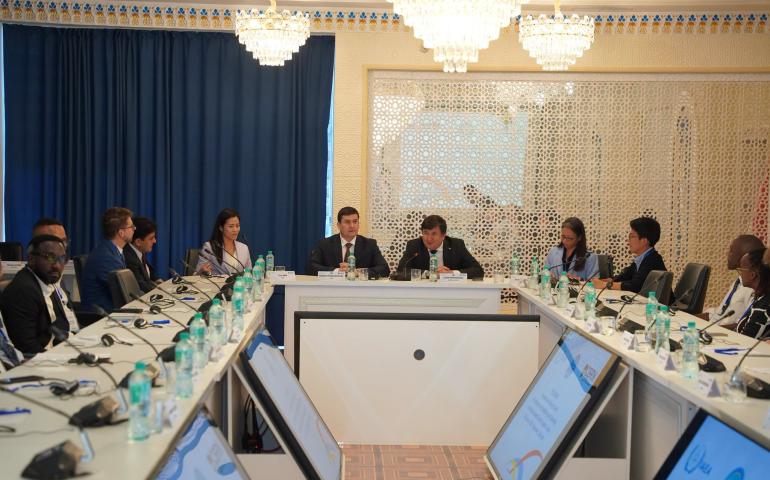
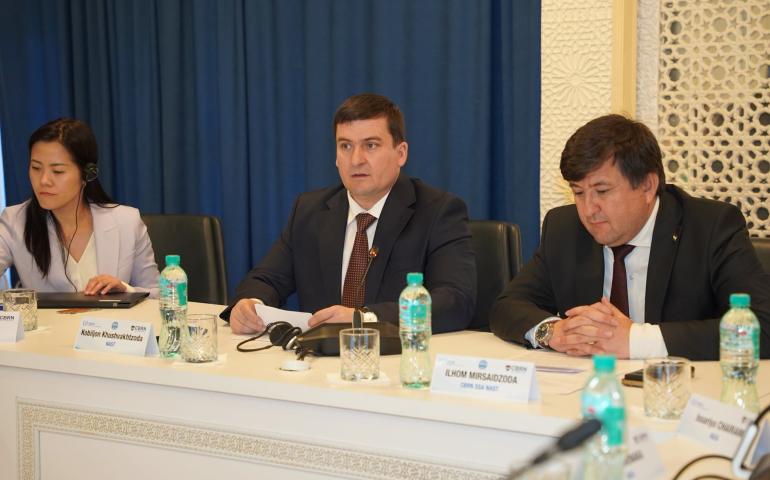
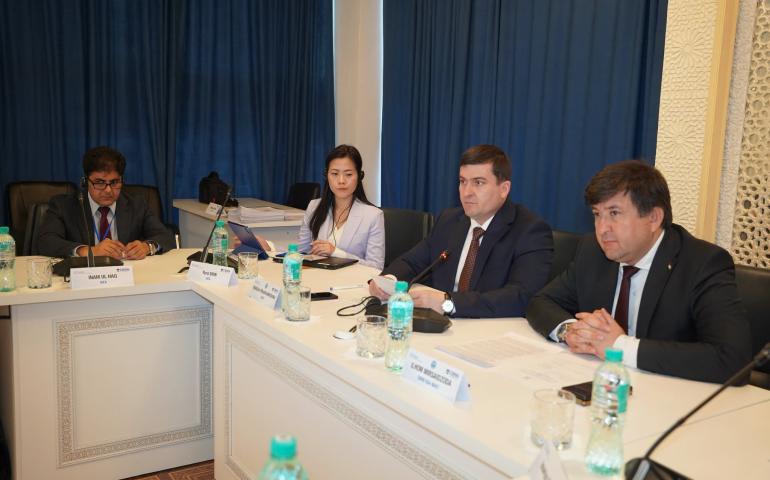
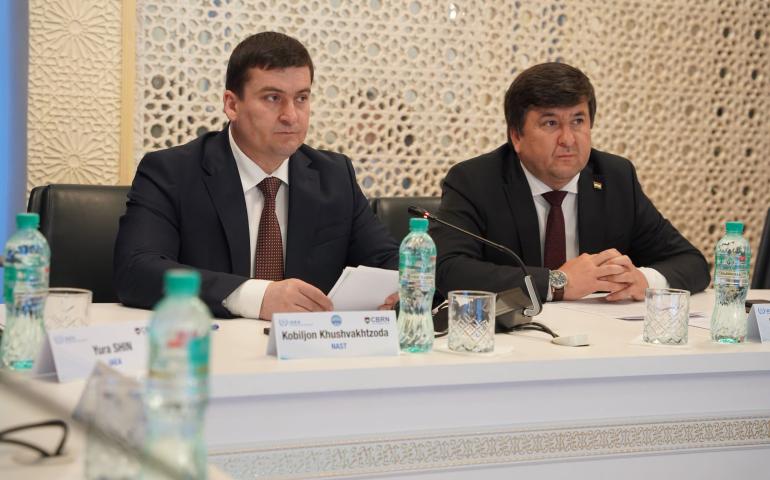
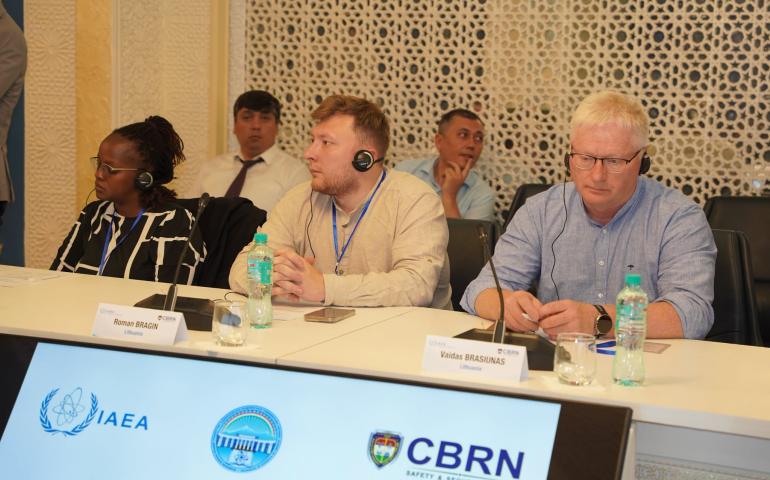
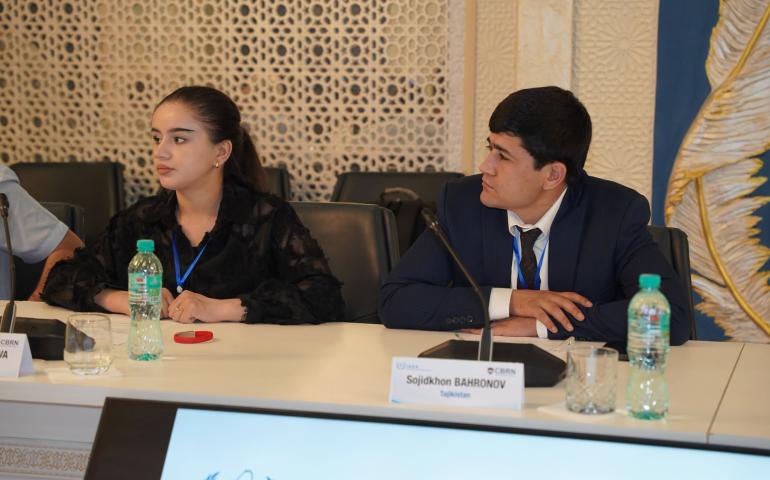
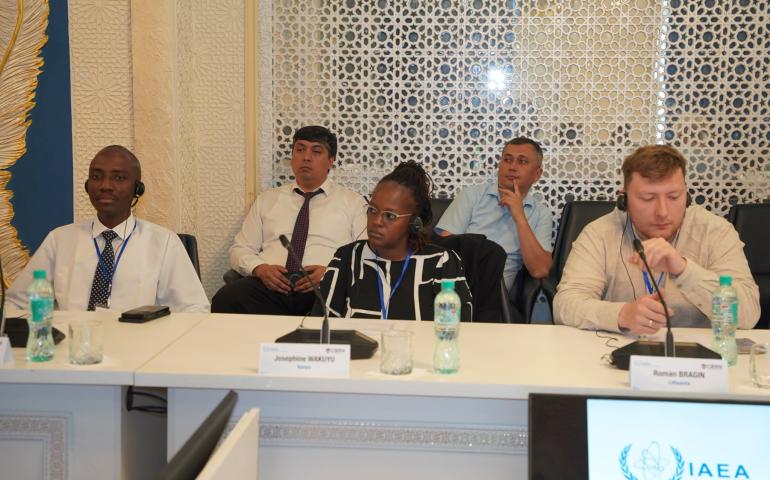
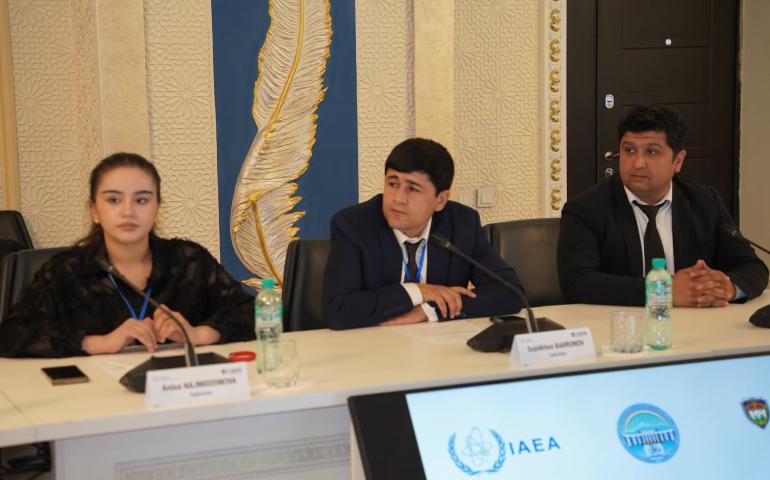
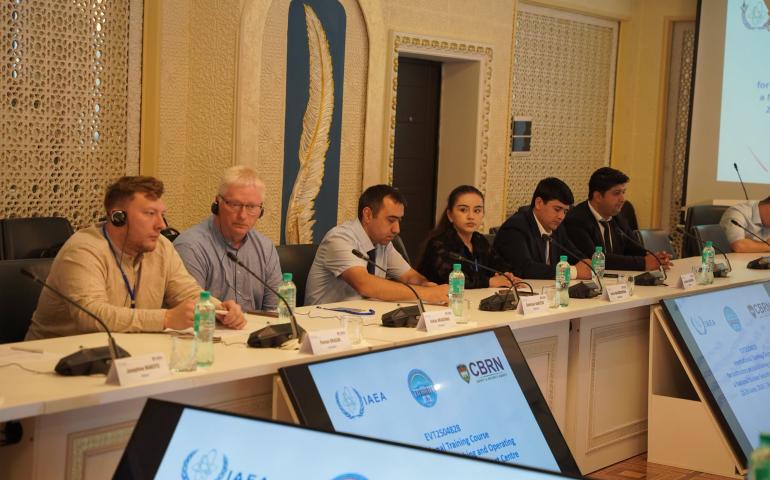
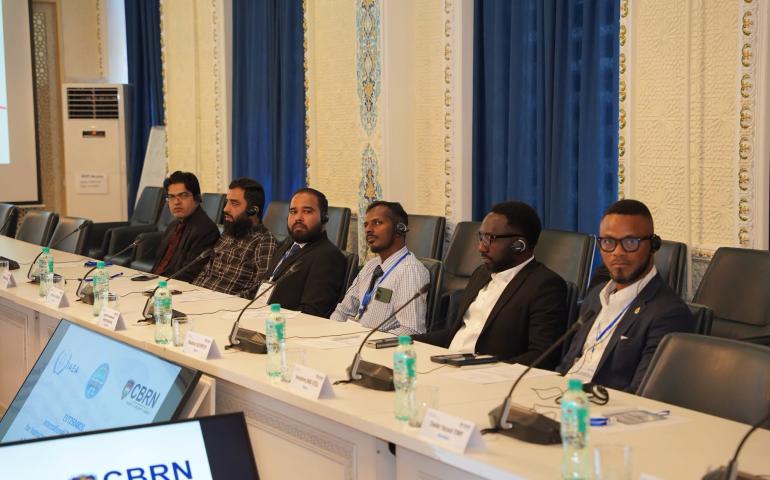
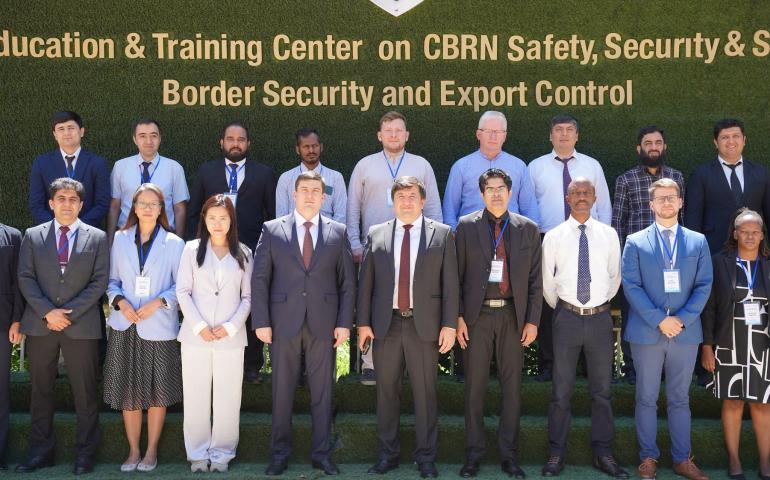
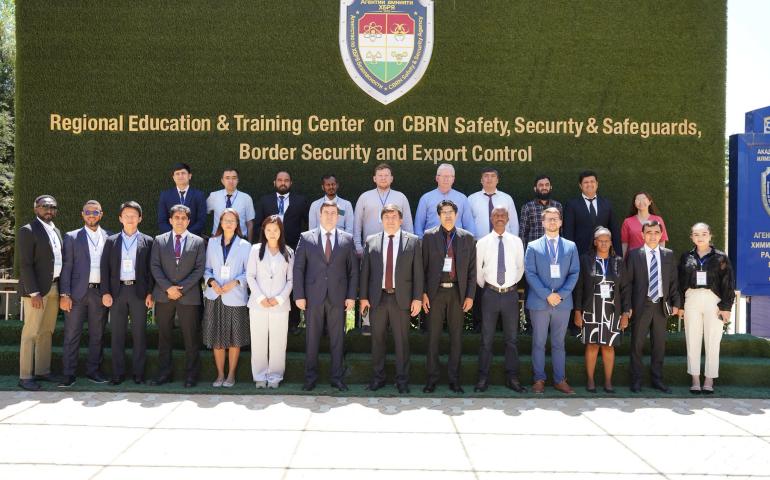
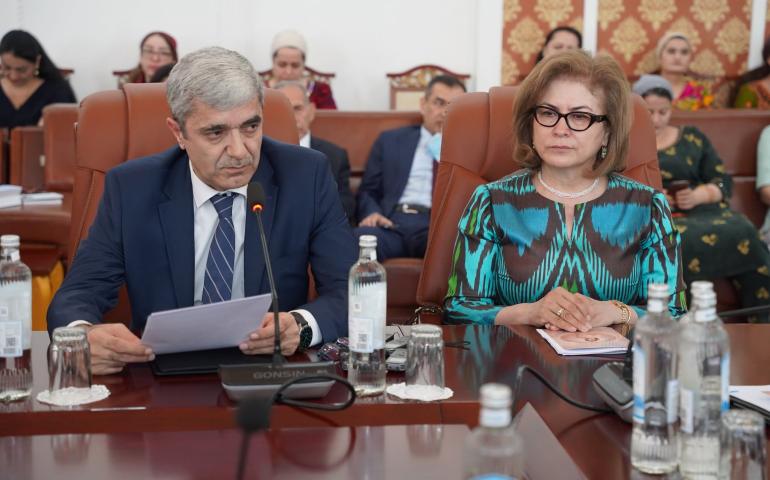
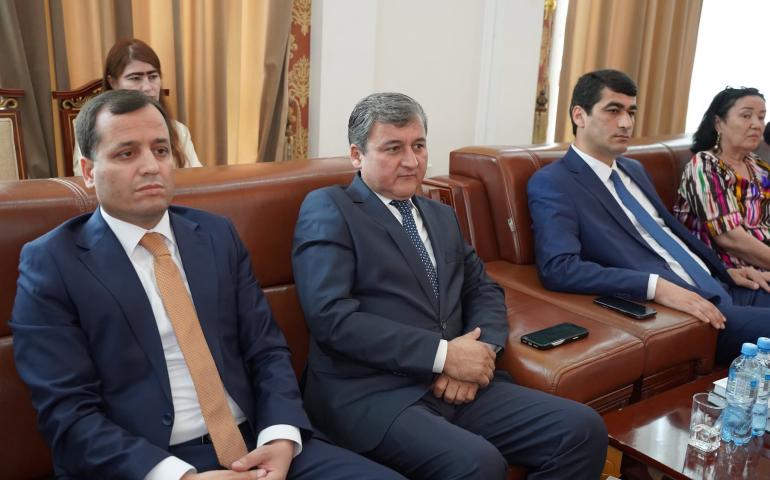
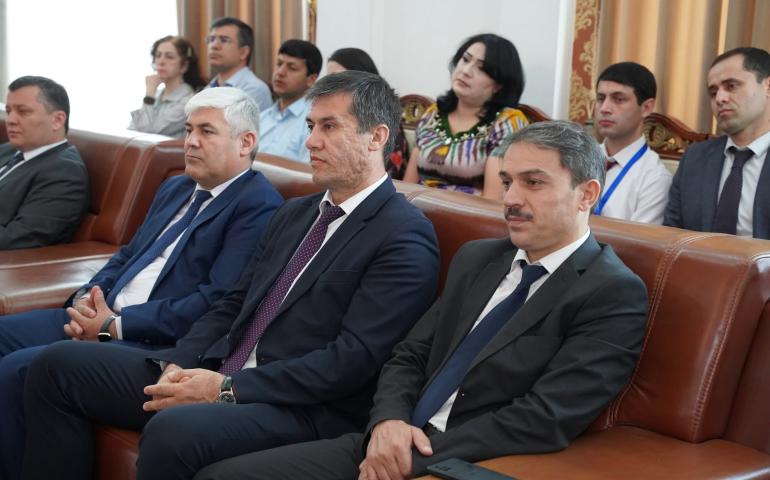
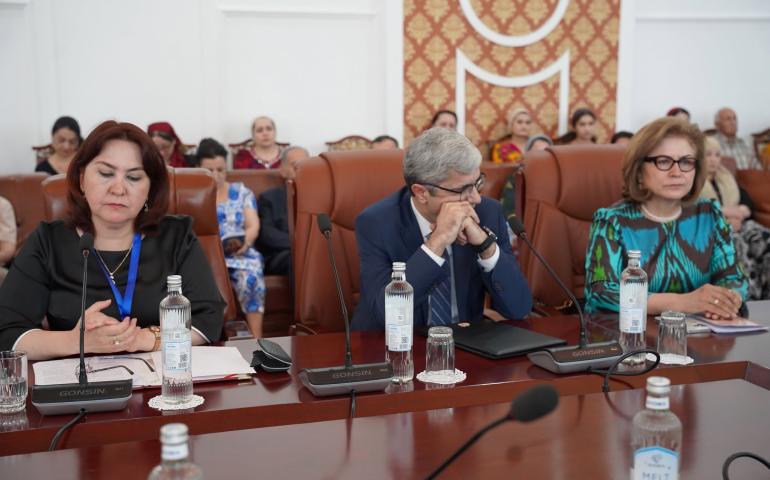
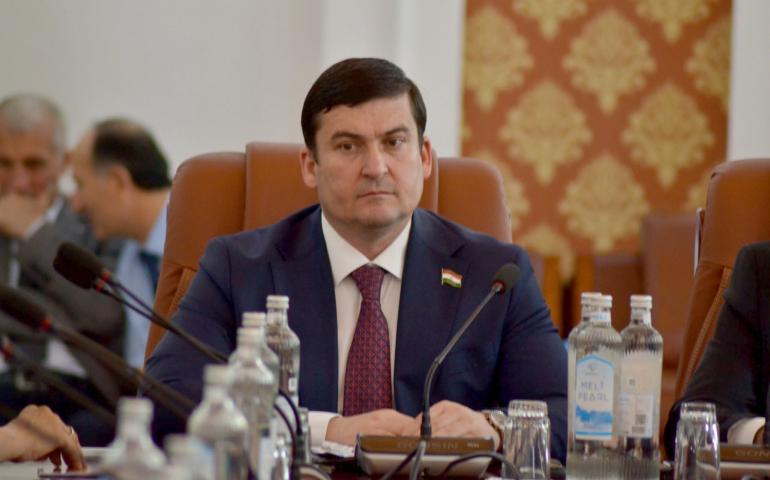
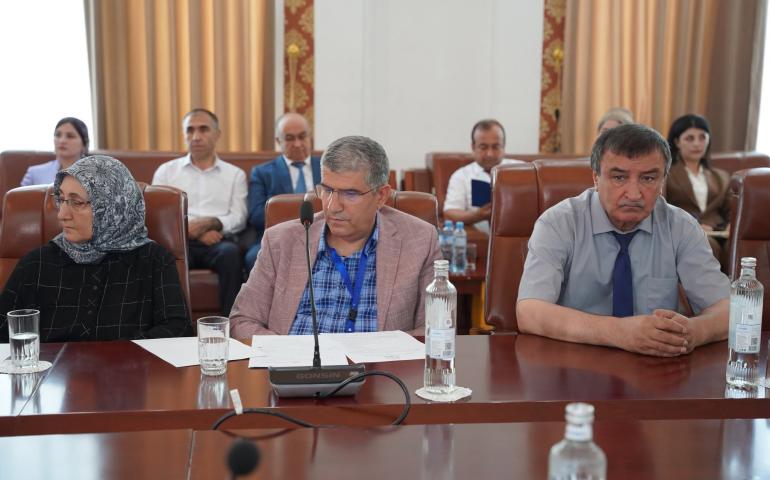
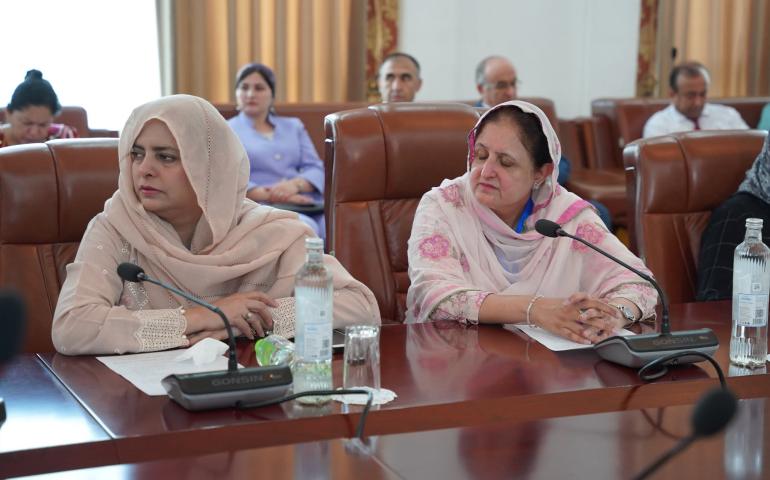
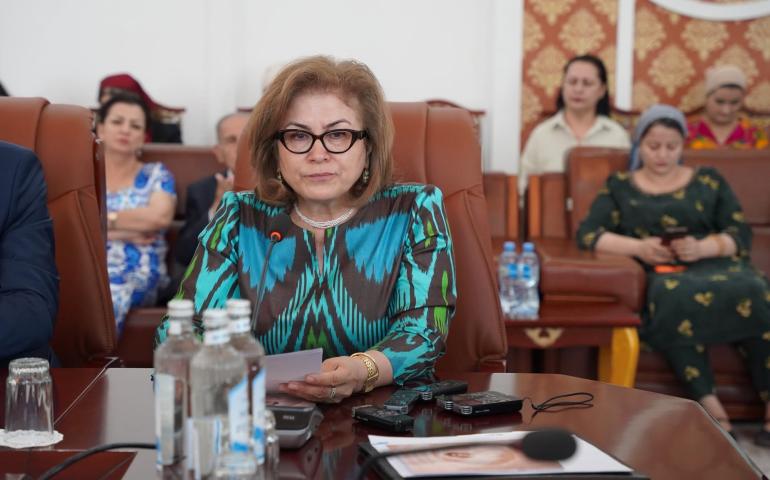
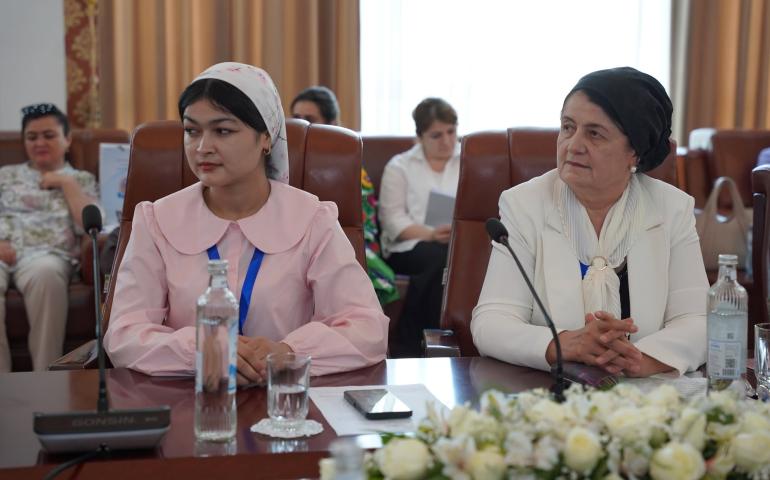
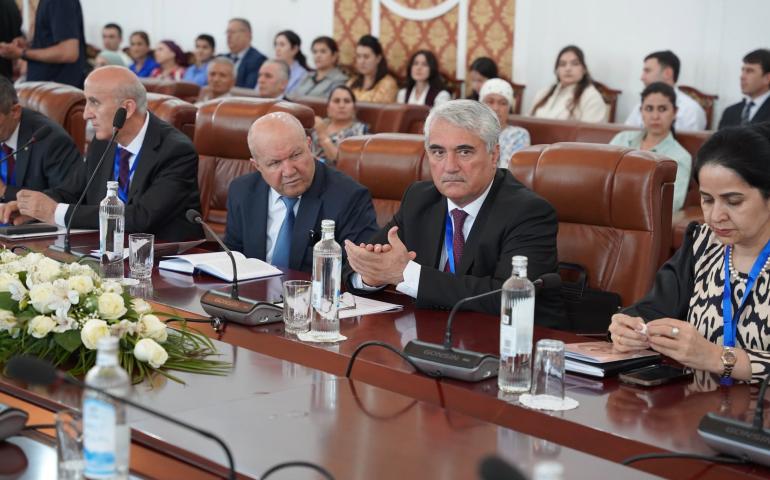
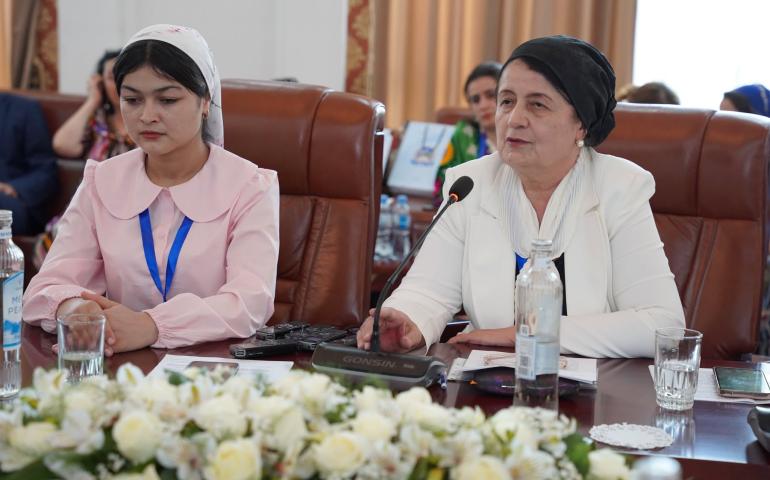
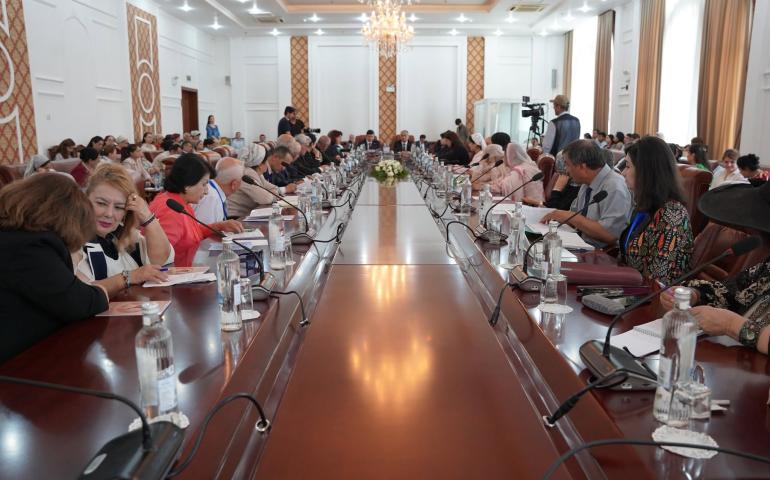
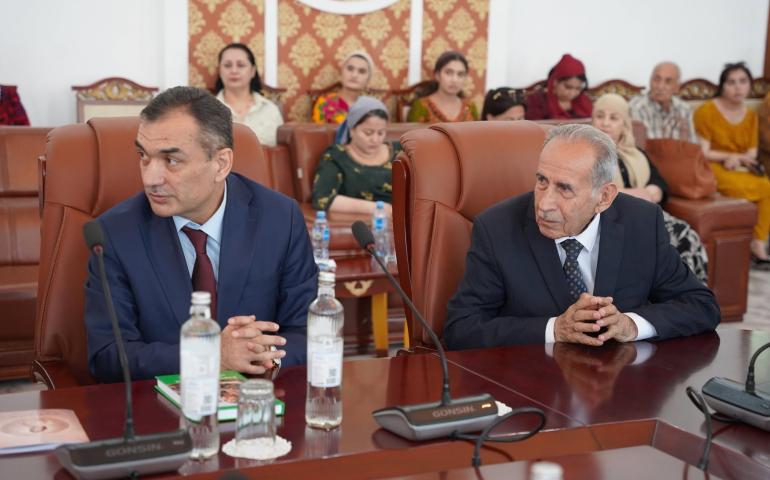
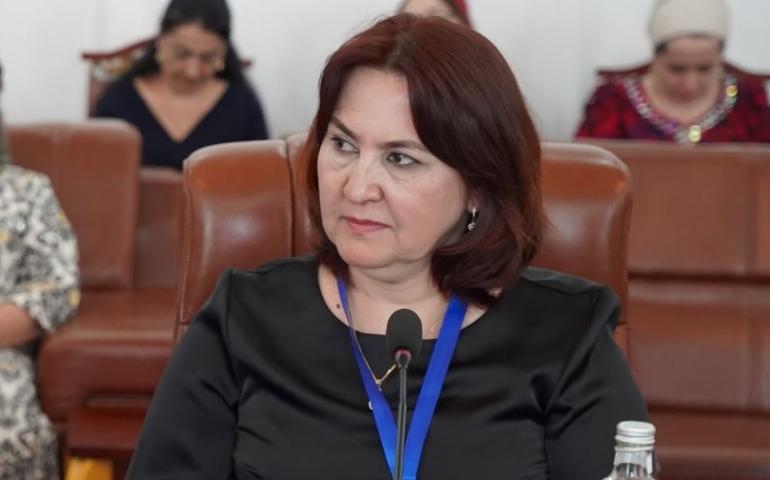
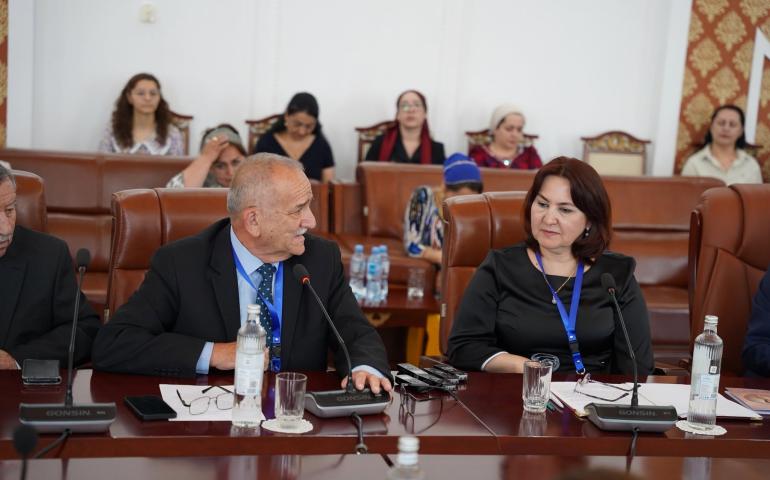
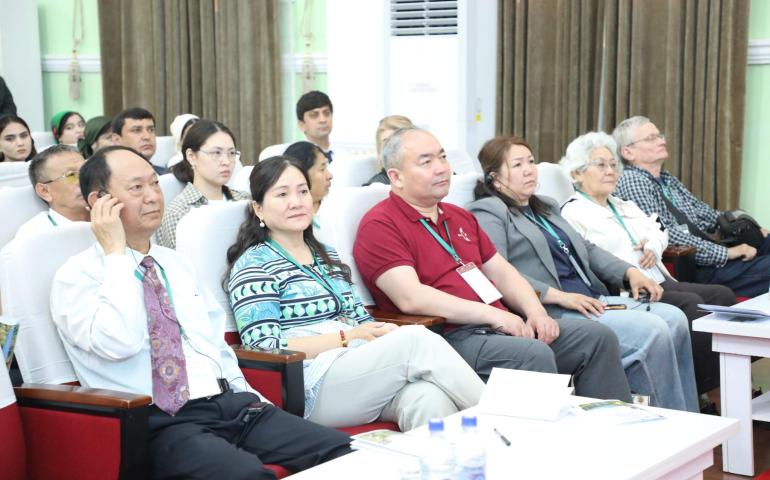
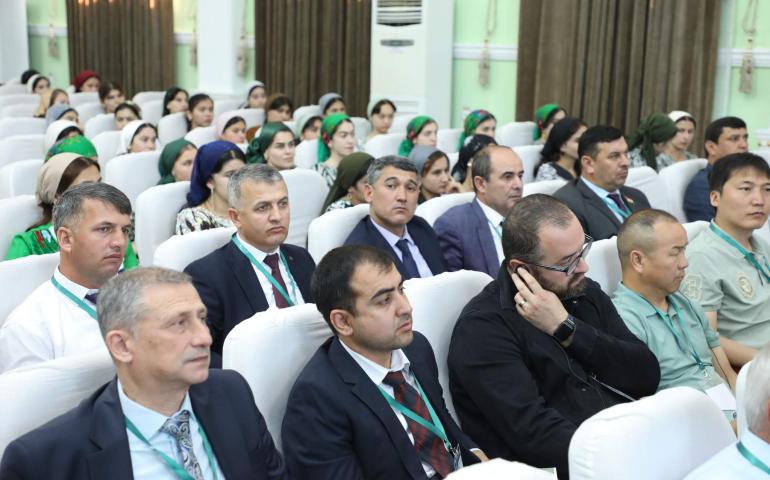
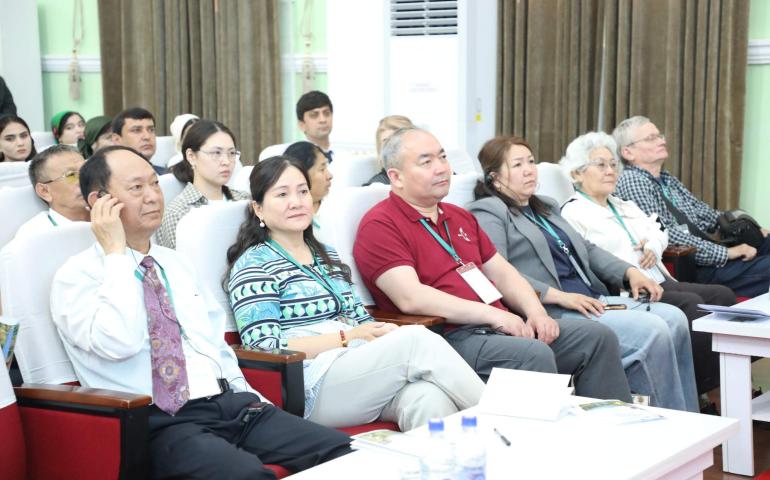
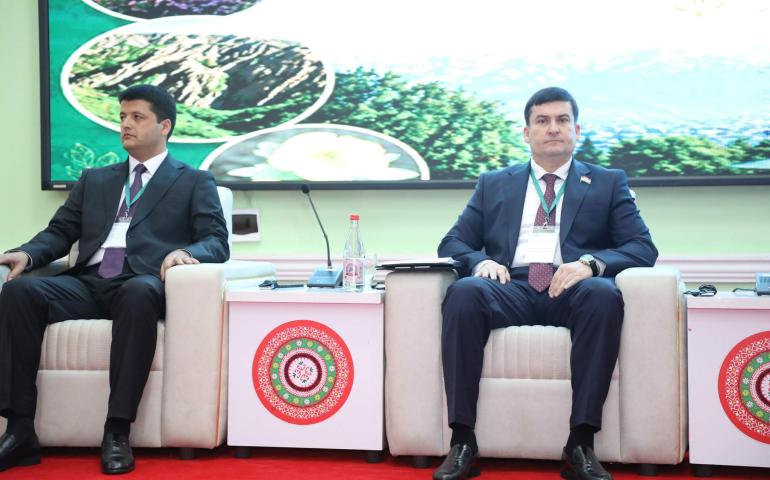
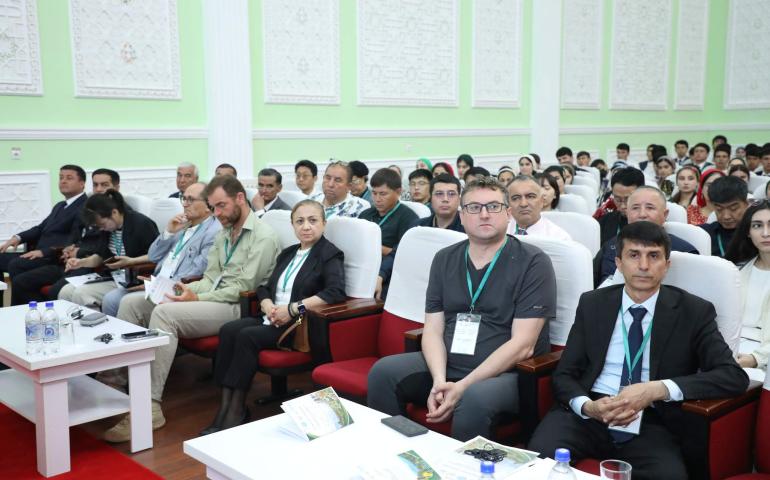
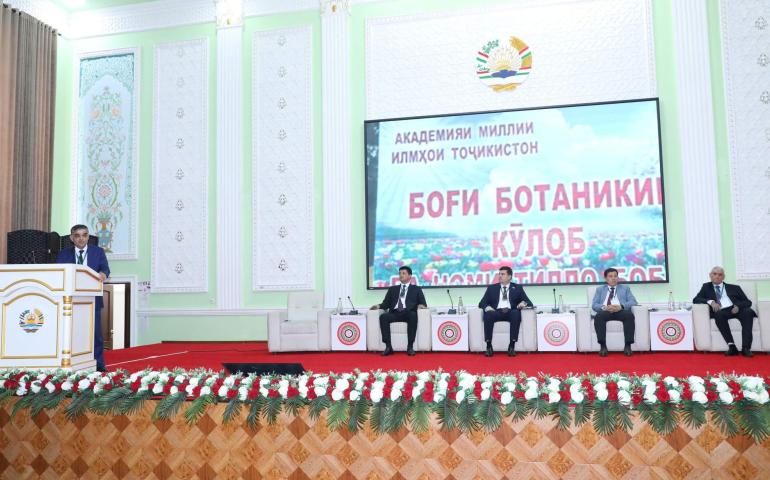
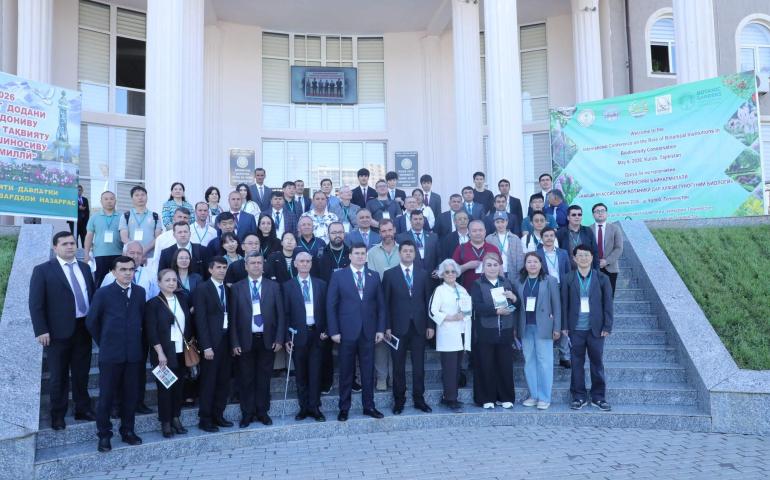
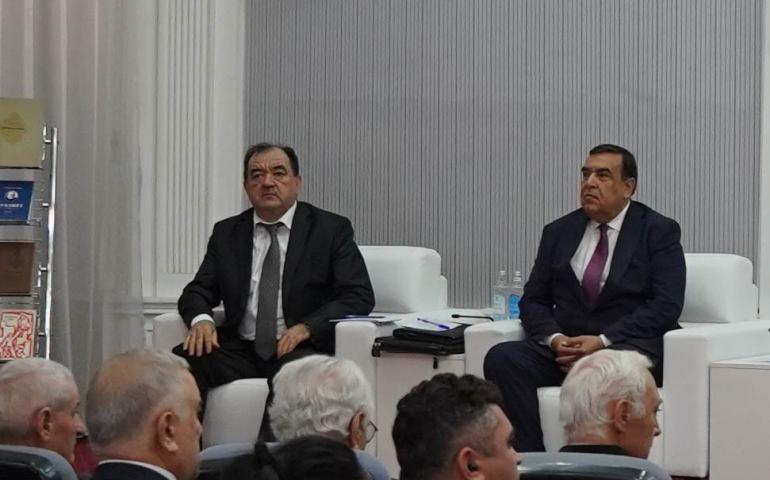
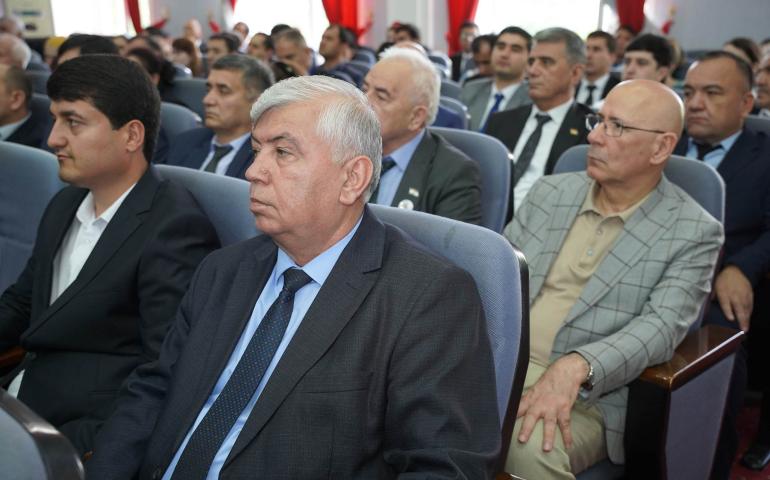
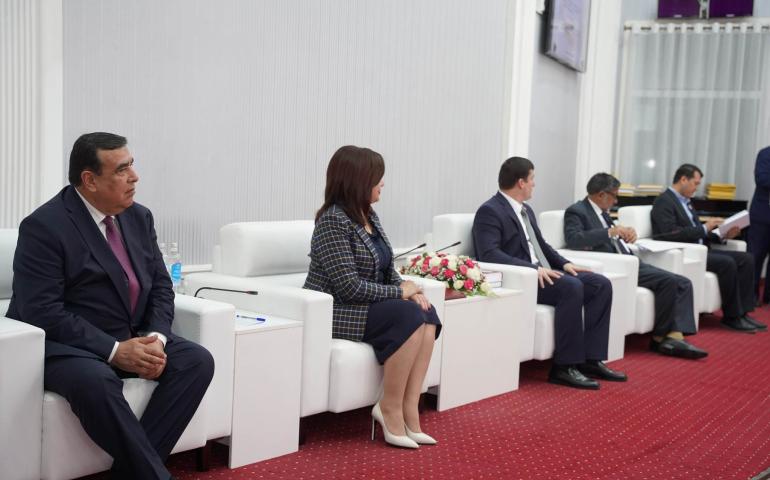
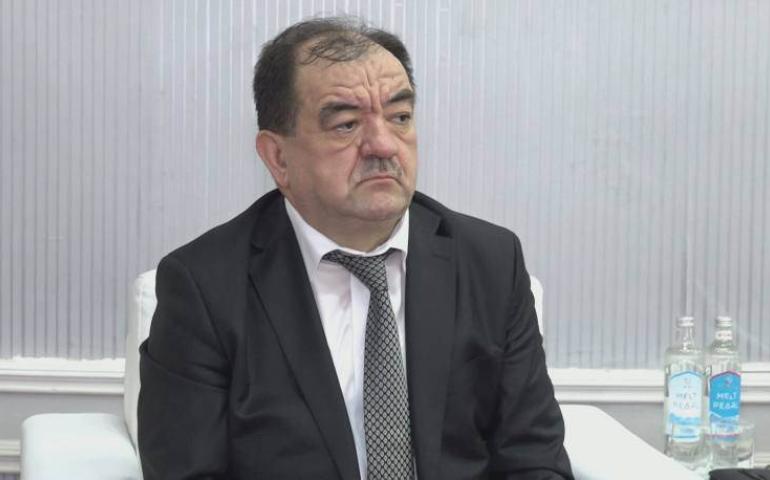
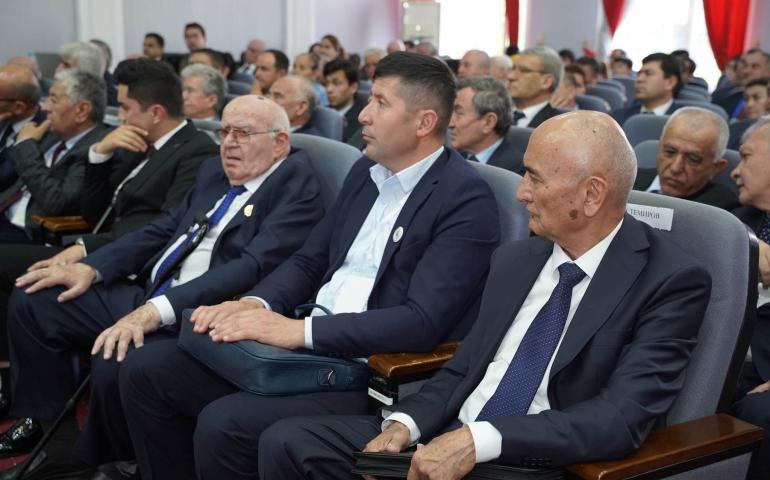
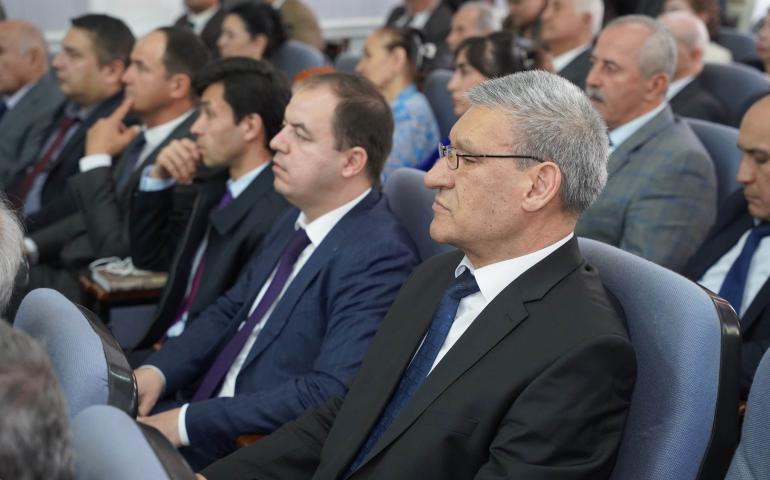
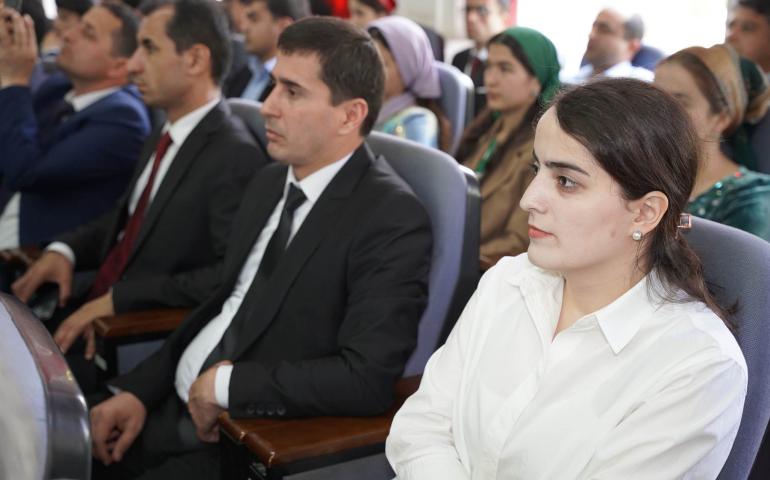
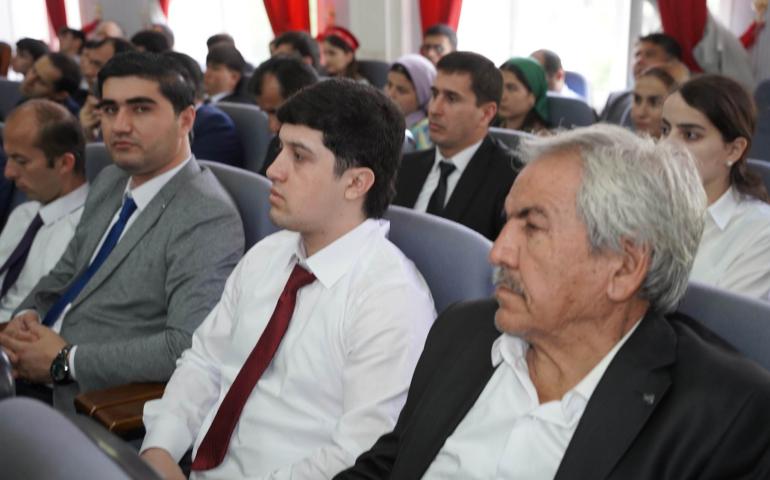
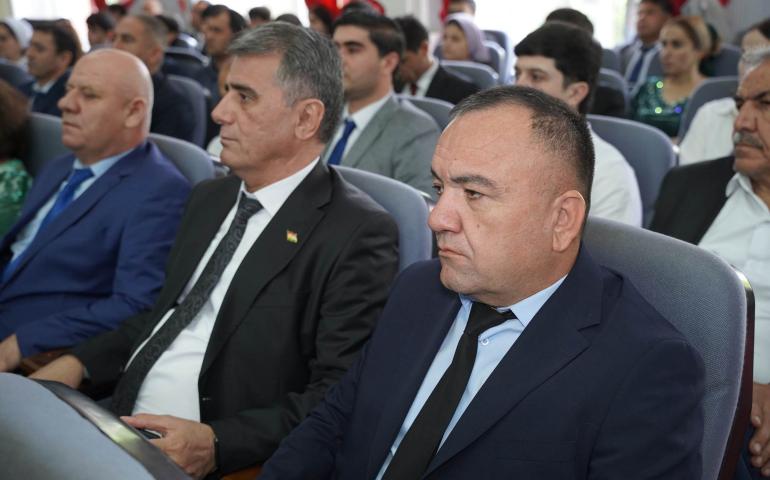
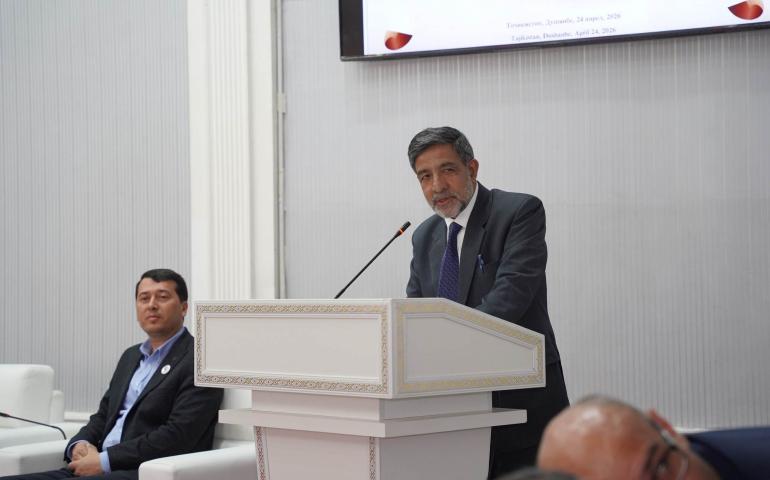
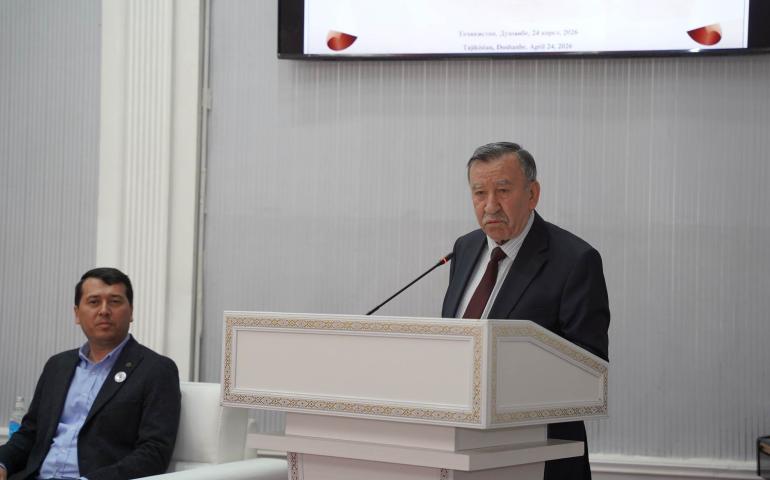
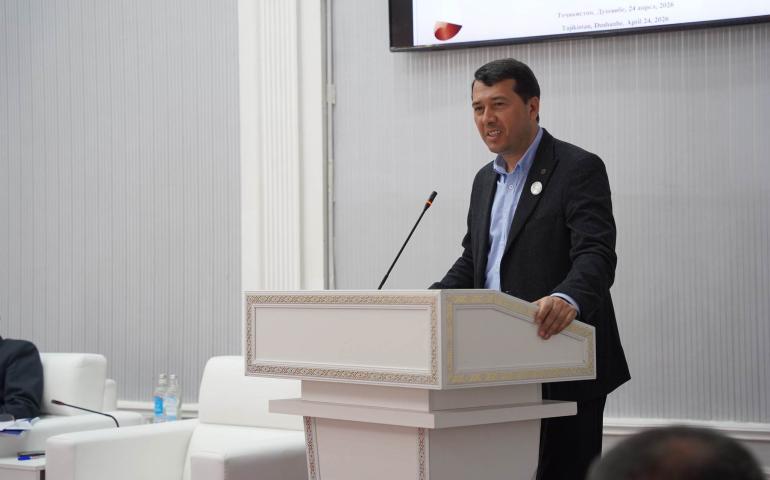
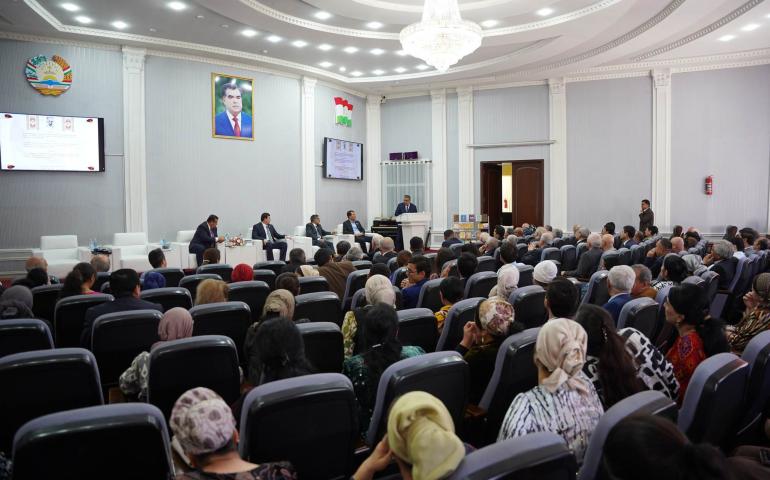
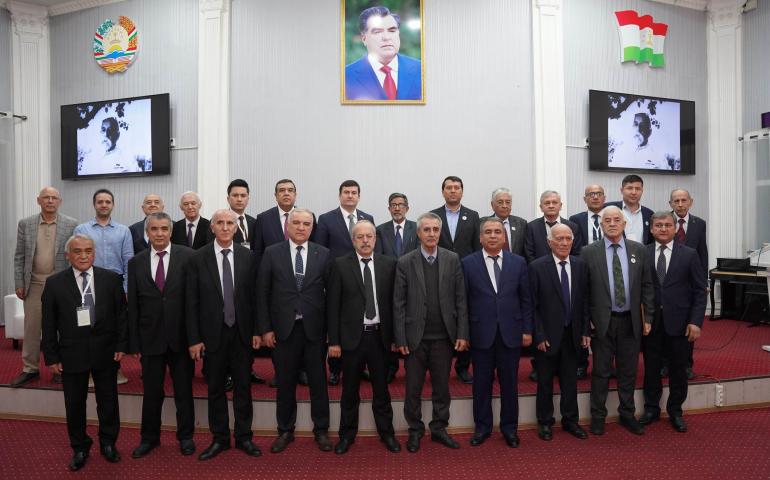
Today, April 15 an International scientific and practical conference on the topic “The role of international veterans’ organizations and scientific-technical organizations for regulatory authorities in ensuring nuclear and radiation safety” was held at the Regional Center for Safety, Security and Safeguards of Chemical, Biological, Radiological and Nuclear Safety of the Agency for Chemical, Biological, Radiological and Nuclear Safety of the National Academy of Sciences of Tajikistan.
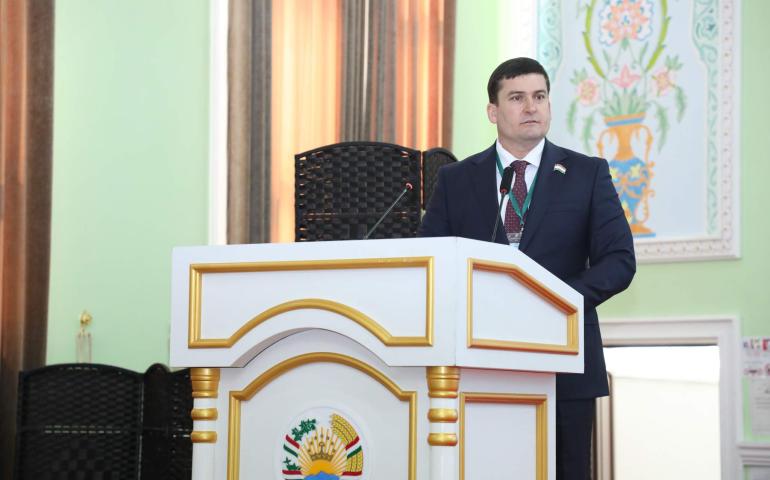
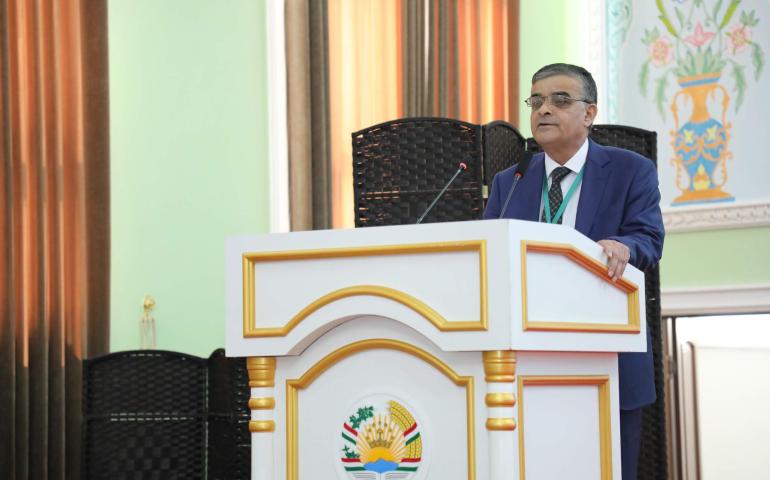
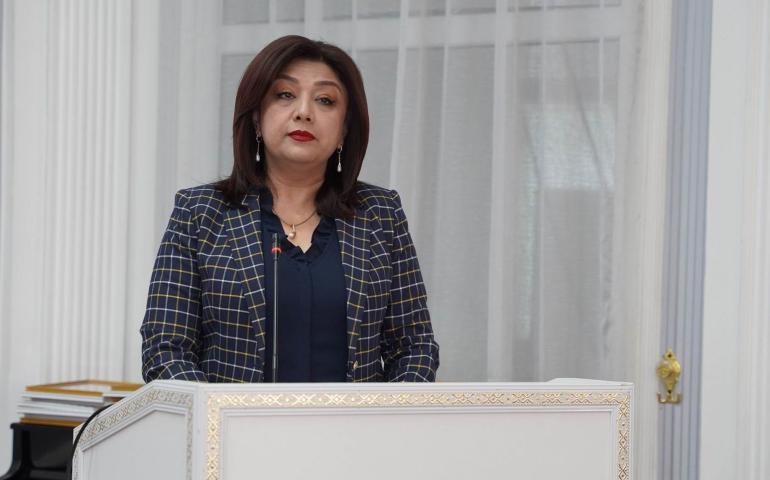
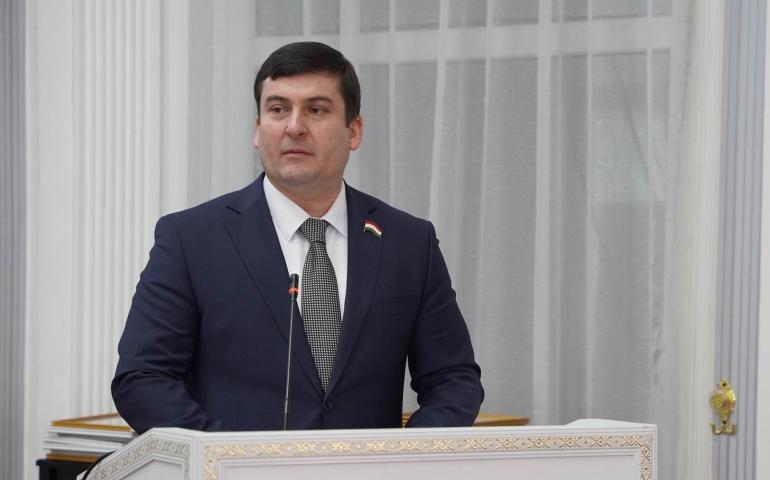
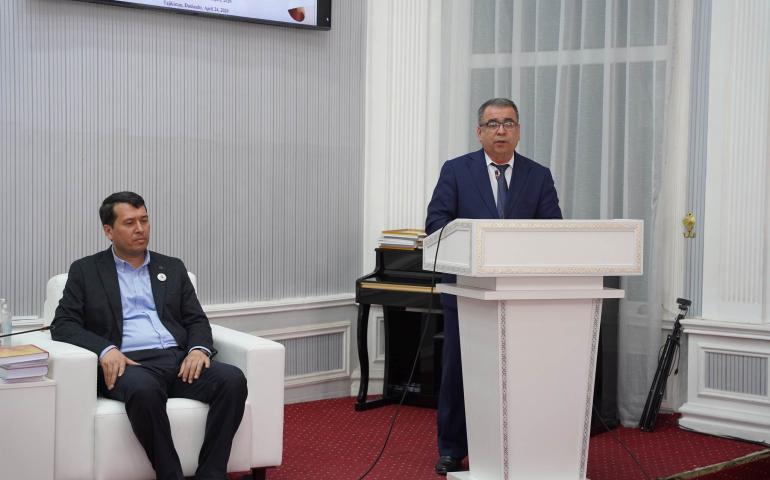
The President of the National Academy of Sciences of Tajikistan, Academician Khushvakhtzoda Qobiljon Khushvakht, in his speech noted that today it can be stated with satisfaction that the scientific and technical potential of the National Academy of Sciences of Tajikistan and the Agency for Chemical, Biological, Radiological and Nuclear Safety makes it possible not only to solve national-level tasks, but also to make a significant contribution to the implementation of the regional agenda.
It was emphasized that with the support of the Government of the Republic of Tajikistan, the International Atomic Energy Agency (IAEA) and development partners, a technical services laboratory and a regional center for safety, security and safeguards have been established, which provide a favorable basis for improving safety levels and strengthening sectoral infrastructure.
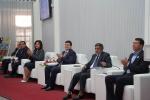
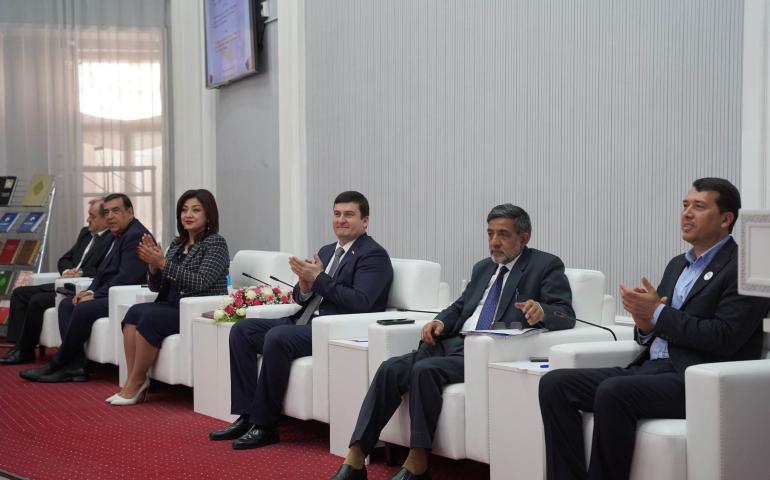
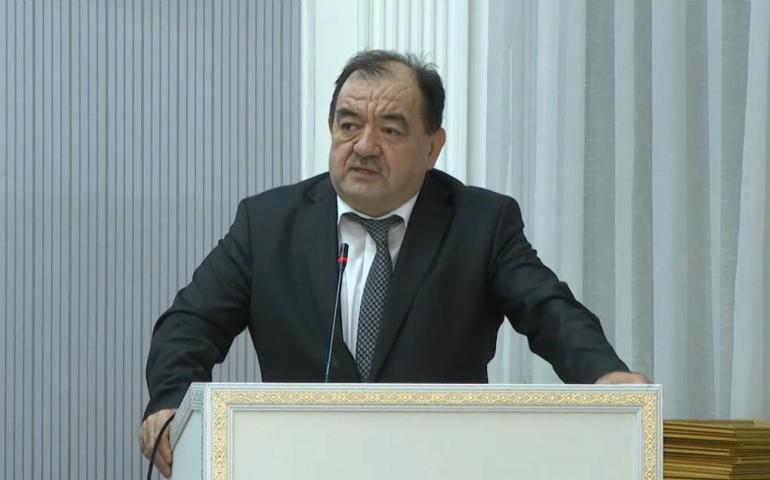
Further, other scientists and researchers from within the country and abroad delivered speeches, exchanging views on important issues of ensuring nuclear and radiation safety, the role of regulatory bodies, the use of advanced international experience and the implementation of the latest scientific research achievements.
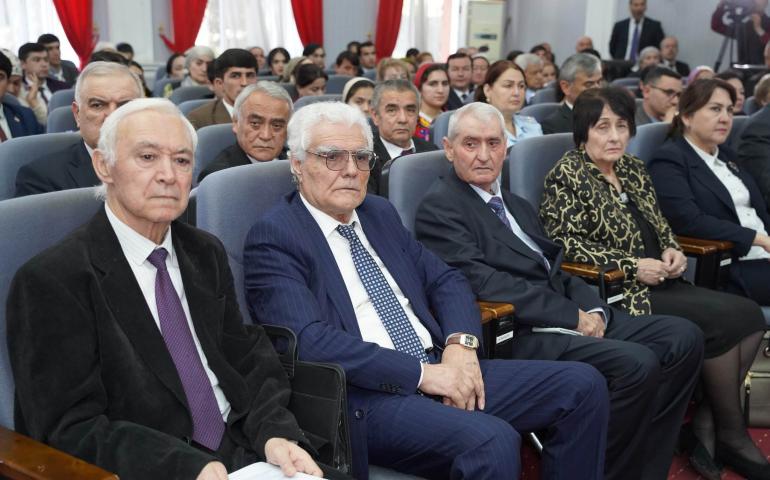
The participants also emphasized the importance of strengthening scientific and technical cooperation, improving the training level of highly qualified personnel and expanding institutional relations to prevent potential risks and ensure sustainable safety.It should be noted that the event is attended by industry specialists from Tajikistan, Uzbekistan, Kazakhstan, Armenia, Belarus, Mongolia, Turkey, Austria, the Russian Federation, as well as international organizations such as the International Atomic Energy Agency, the World Association of Nuclear Operators, CIS base organizations for radioactive waste processing, and experts from regulatory authorities of other countries in the field of nuclear and radiation safety, both in person and online.
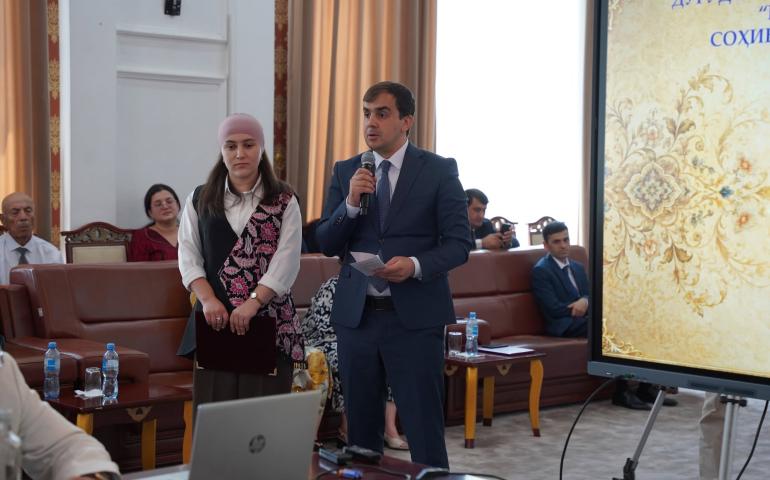
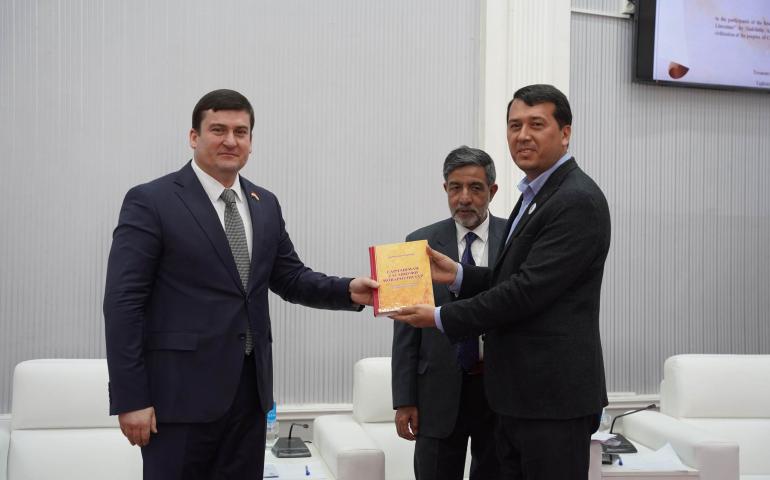
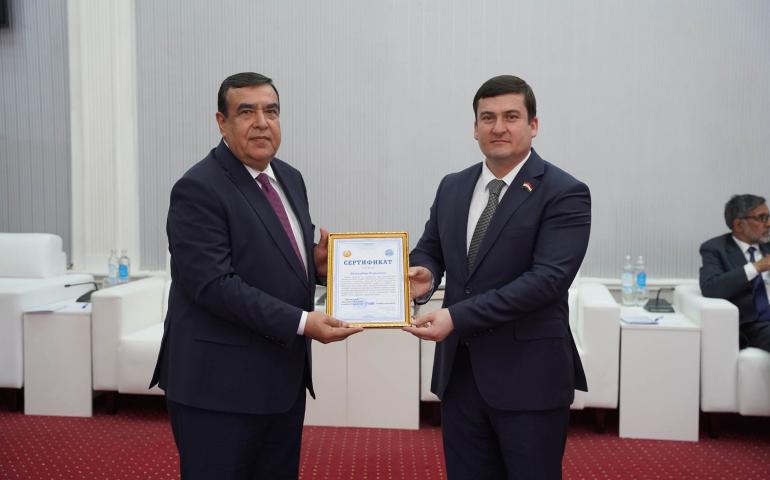
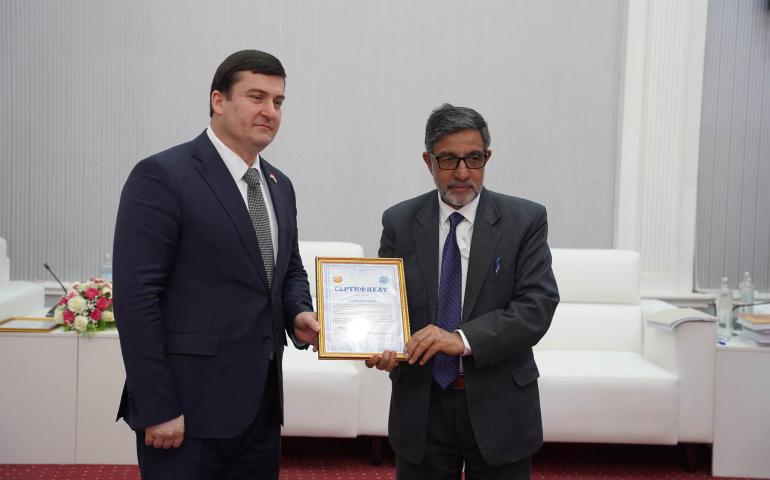
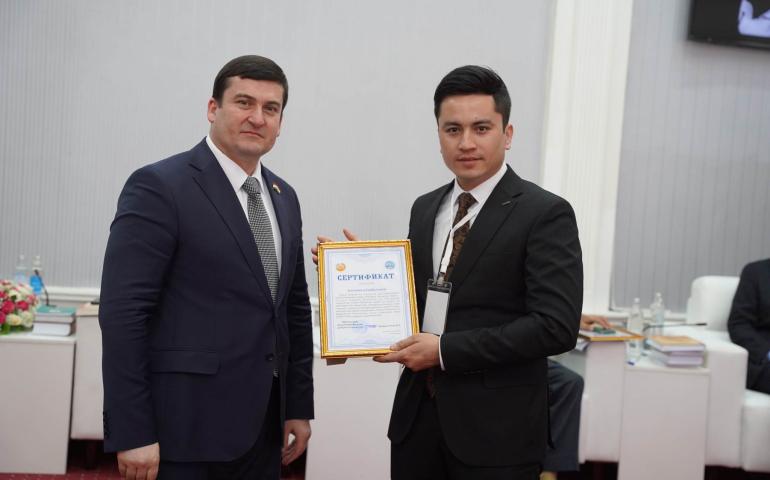
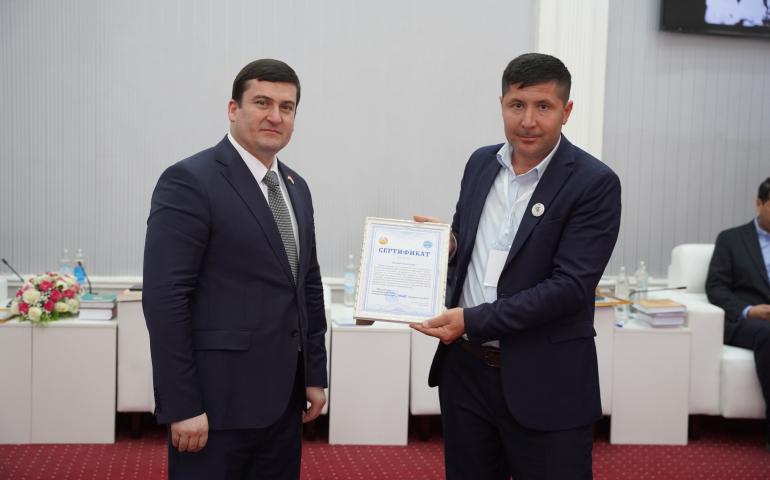
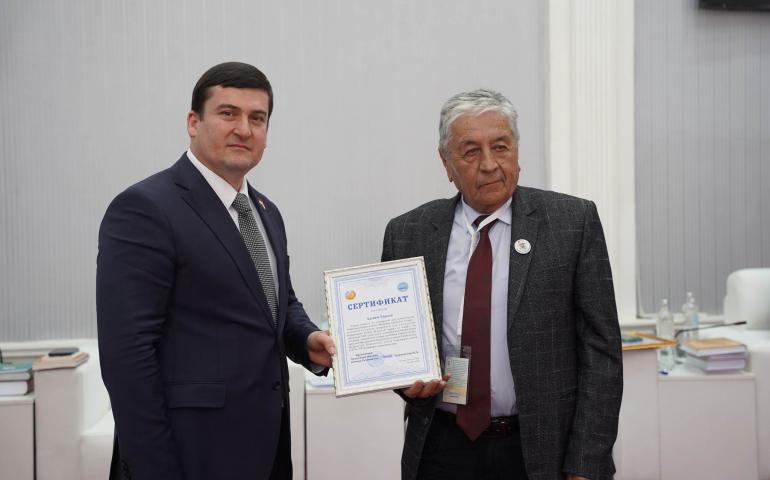
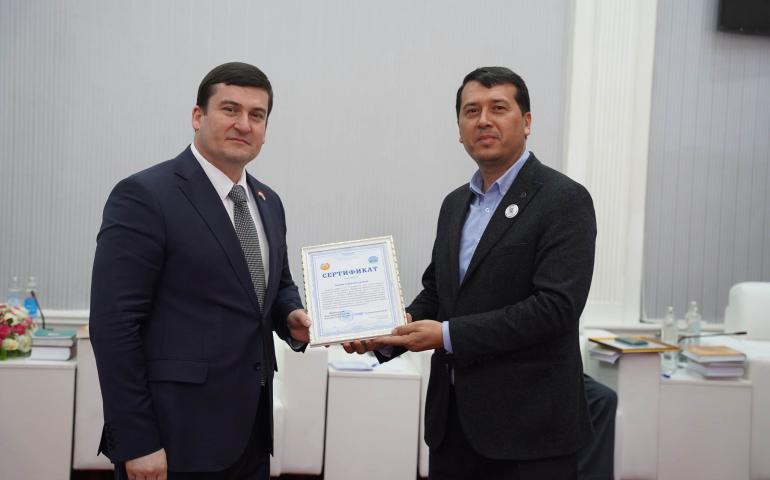
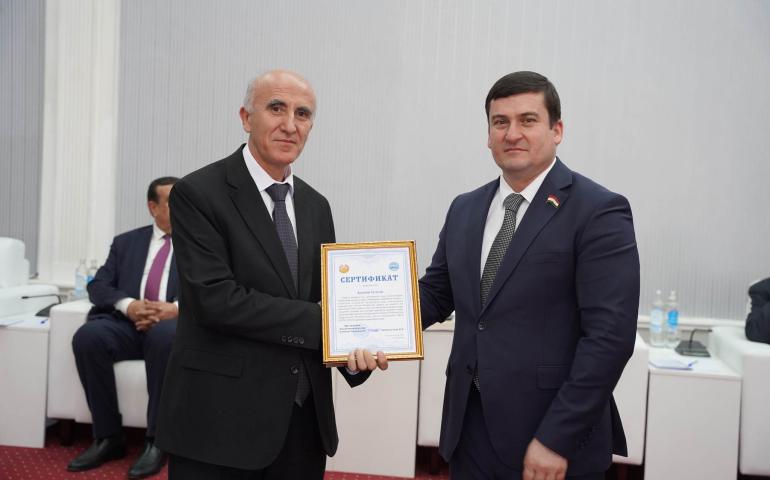
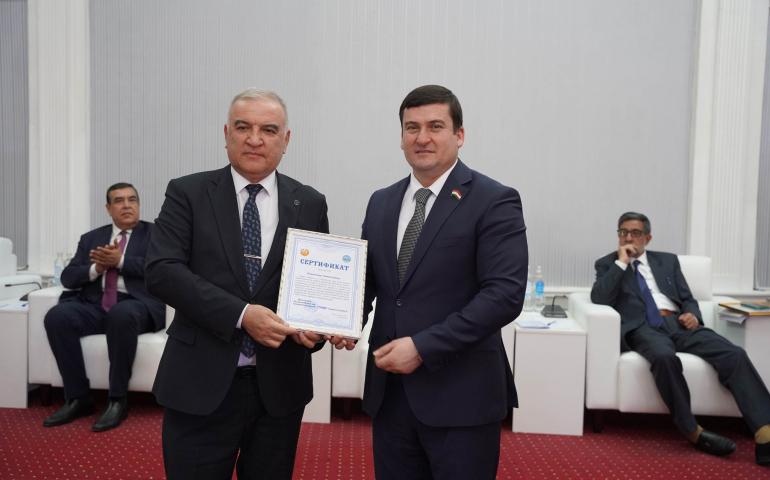
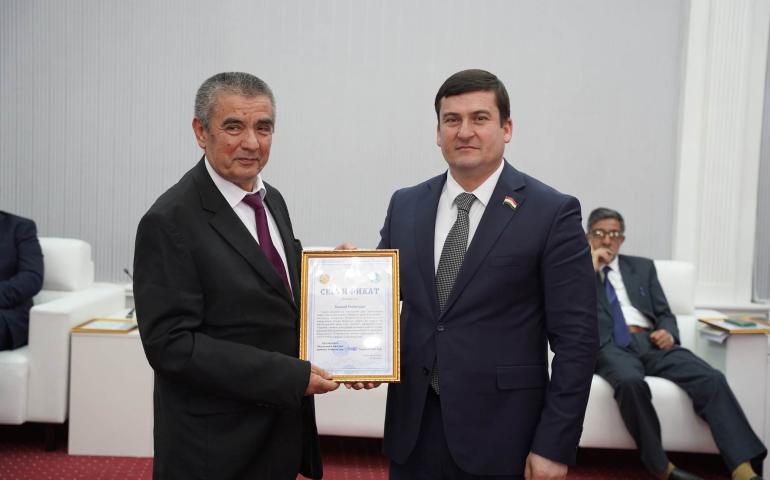
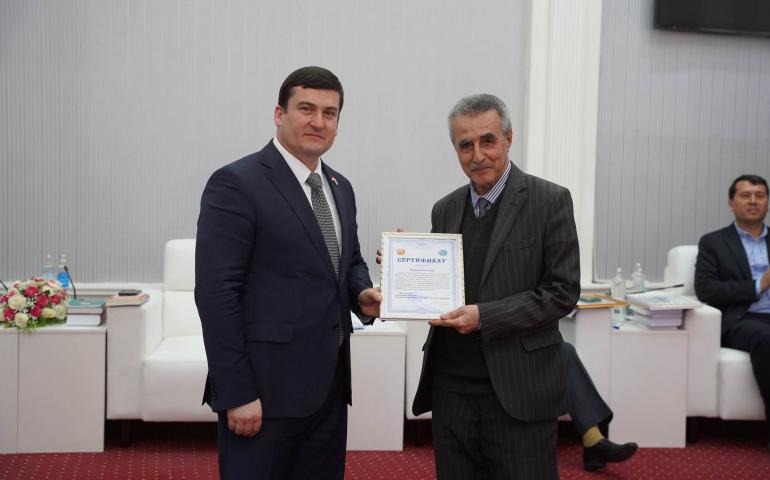
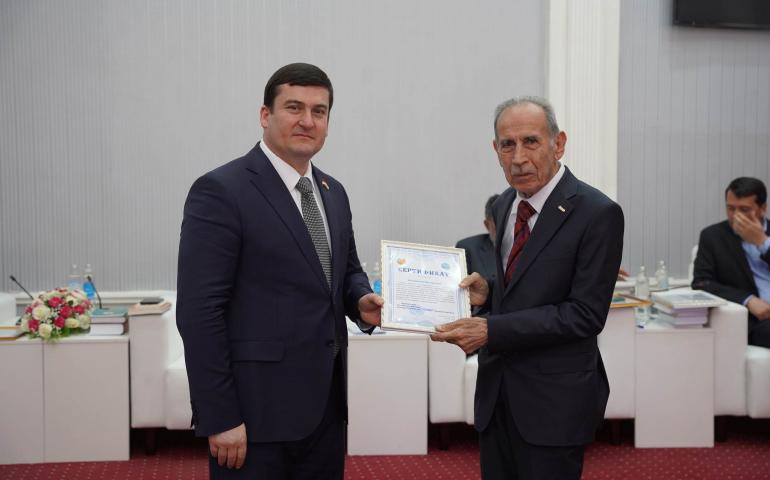
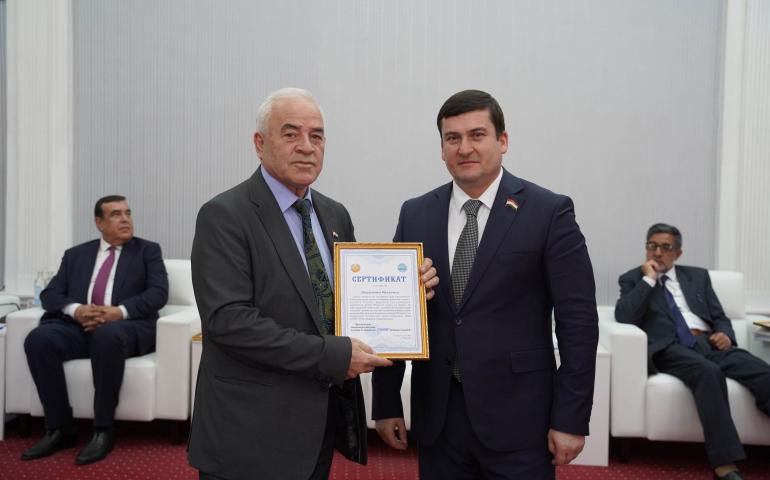
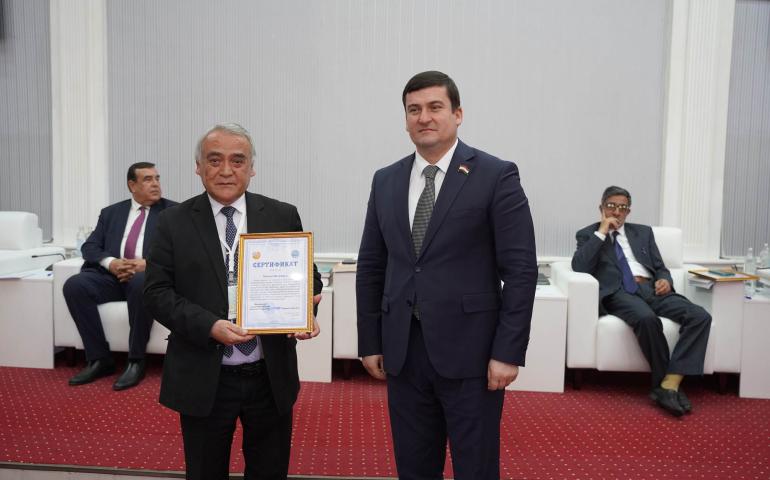
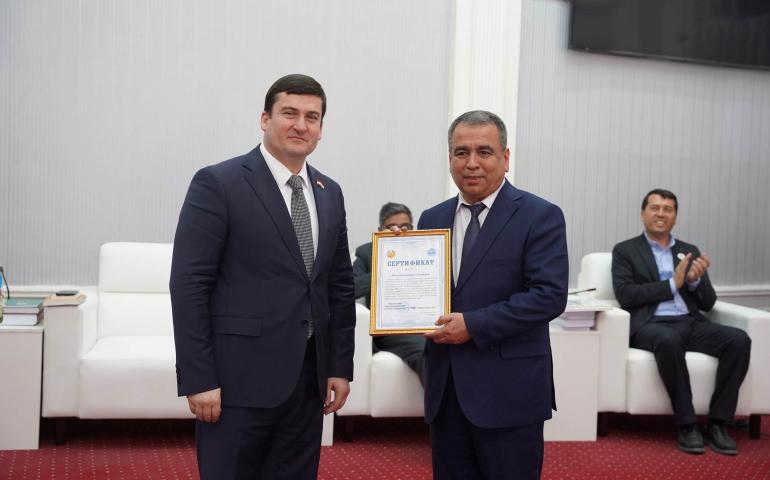
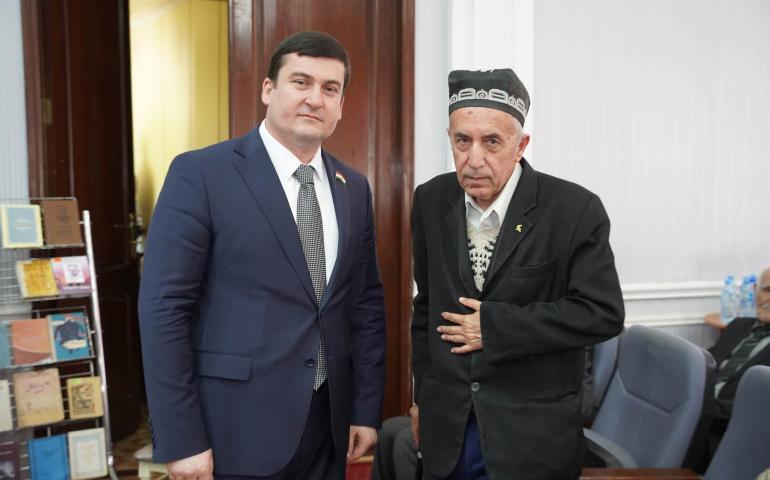
Within the framework of the conference, a number of researchers and industry specialists were awarded membership certificates of the International Association of Veterans of Energy and Nuclear Industry (MSVAEP), and were also honored with medals and other sectoral veteran awards for their significant contribution to the development of the nuclear and radiation safety system.
THE ROLE OF INTERNATIONAL VETERANS’ ORGANIZATIONS AND SCIENTIFIC-TECHNICAL ORGANIZATIONS FOR REGULATORY AUTHORITIES IN ENSURING NUCLEAR AND RADIATION SAFETY
Today, April 15 an International scientific and practical conference on the topic “The role of international veterans’ organizations and scientific-technical organizations for regulatory authorities in ensuring nuclear and radiation safety” was held at the Regional Center for Safety, Security and Safeguards of Chemical, Biological, Radiological and Nuclear Safety of the Agency for Chemical, Biological, Radiological and Nuclear Safety of the National Academy of Sciences of Tajikistan.
The President of the National Academy of Sciences of Tajikistan, Academician Khushvakhtzoda Qobiljon Khushvakht, in his speech noted that today it can be stated with satisfaction that the scientific and technical potential of the National Academy of Sciences of Tajikistan and the Agency for Chemical, Biological, Radiological and Nuclear Safety makes it possible not only to solve national-level tasks, but also to make a significant contribution to the implementation of the regional agenda.
It was emphasized that with the support of the Government of the Republic of Tajikistan, the International Atomic Energy Agency (IAEA) and development partners, a technical services laboratory and a regional center for safety, security and safeguards have been established, which provide a favorable basis for improving safety levels and strengthening sectoral infrastructure.
Further, other scientists and researchers from within the country and abroad delivered speeches, exchanging views on important issues of ensuring nuclear and radiation safety, the role of regulatory bodies, the use of advanced international experience and the implementation of the latest scientific research achievements.
The participants also emphasized the importance of strengthening scientific and technical cooperation, improving the training level of highly qualified personnel and expanding institutional relations to prevent potential risks and ensure sustainable safety.It should be noted that the event is attended by industry specialists from Tajikistan, Uzbekistan, Kazakhstan, Armenia, Belarus, Mongolia, Turkey, Austria, the Russian Federation, as well as international organizations such as the International Atomic Energy Agency, the World Association of Nuclear Operators, CIS base organizations for radioactive waste processing, and experts from regulatory authorities of other countries in the field of nuclear and radiation safety, both in person and online.
Within the framework of the conference, a number of researchers and industry specialists were awarded membership certificates of the International Association of Veterans of Energy and Nuclear Industry (MSVAEP), and were also honored with medals and other sectoral veteran awards for their significant contribution to the development of the nuclear and radiation safety system.
COMMISSIONING OF THE LABORATORY FOR RESEARCH ON TECHNOGENIC TRANSFORMATION OF THE GEOLOGICAL
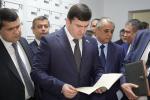
Today, April 14, at the Regional Center for Safety, Security and Safeguards in Chemical, Biological, Radiological and Nuclear Safety of the Agency for Chemical, Biological, Radiological and Nuclear Safety of the Academy of Sciences of the Republic of Tajikistan, the Laboratory for Research on Technogenic Transformation of the Geological Environment, Radiation Monitoring and Nuclear Safety was put into operation.
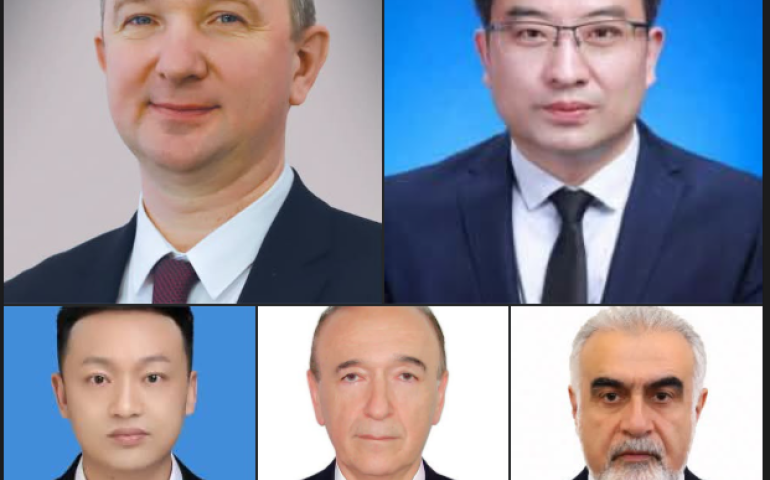
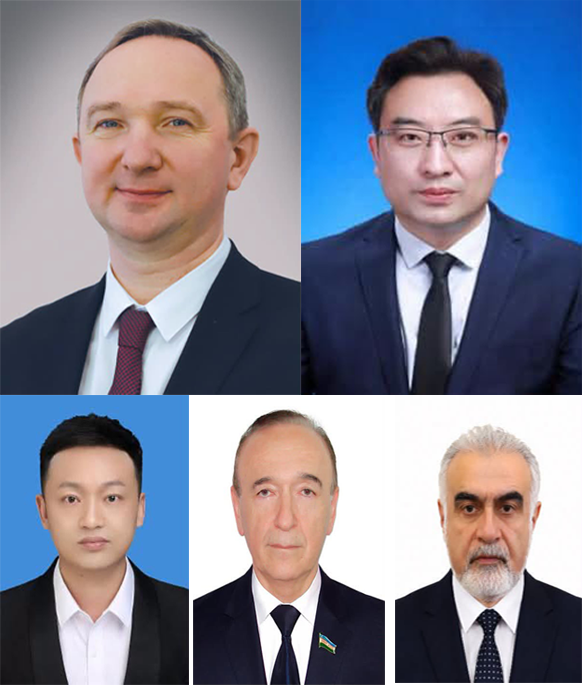
The opening ceremony was attended by the President of the Academy of Sciences of the Republic of Tajikistan, Academician Khushvakhtzoda Qobiljon Khushvakht, the Rector of the Belarusian National Technical University, Sergey Vasilevich Kharitonchik, and other staff members.
It was noted during the opening that the establishment of this laboratory was implemented within the framework of an agreement between the Belarusian National Technical University and the Agency for Chemical, Biological, Radiological and Nuclear Safety of the Academy of Sciences of the Republic of Tajikistan.
It was reported that its activities are aimed at conducting fundamental and applied research, including the development of technologies for extracting rare earth element compounds from industrial phosphogypsum waste and uranium production waste, assessing the risks of technogenic accidents in waste dumps and storage facilities, developing geological and information models of technogenically burdened areas, conducting computational and experimental research in the field of nuclear and radiation safety, as well as developing technical regulatory legal documents in this field.
It is noted that the new laboratory will operate at two scientific and educational sites: at the Regional Center for Safety, Security and Safeguards in Chemical, Biological, Radiological and Nuclear Safety under the Agency in the city of Dushanbe, and at the Faculty of Mining and Engineering Ecology of the Belarusian National Technical University in the city of Minsk.
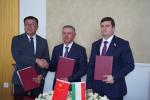
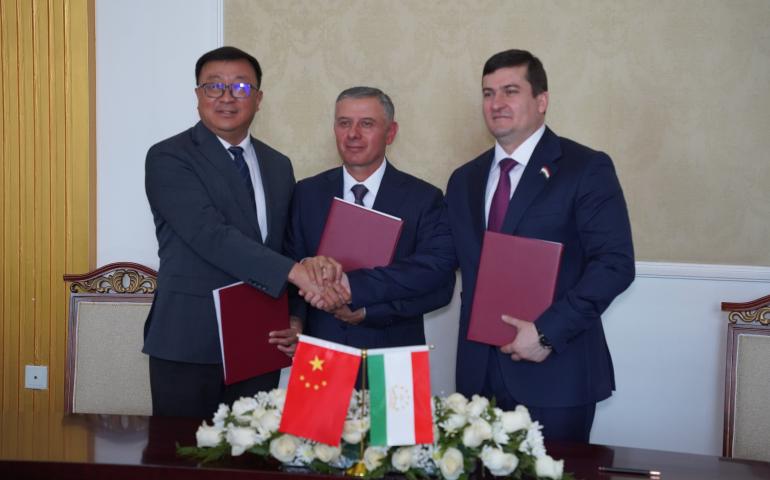
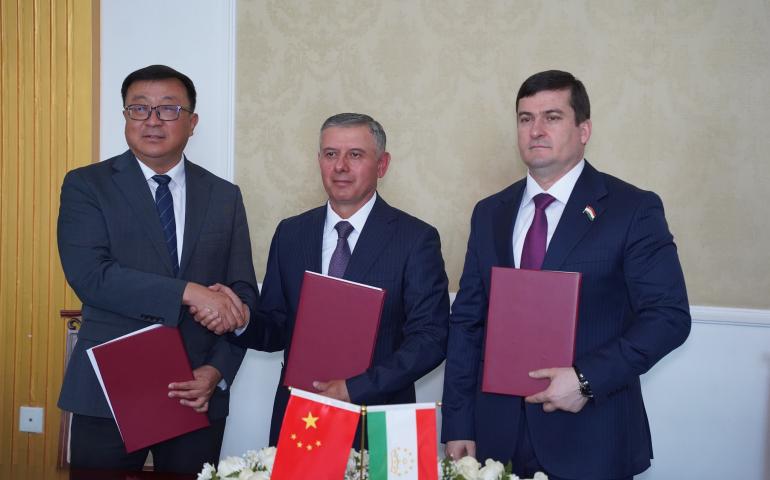
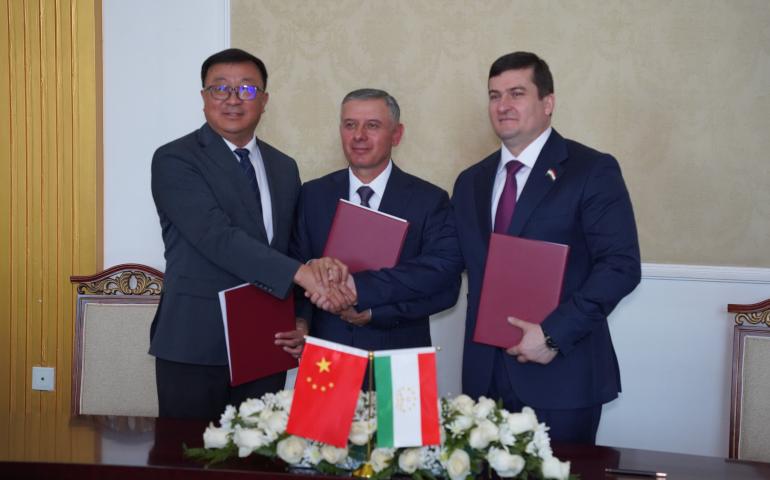
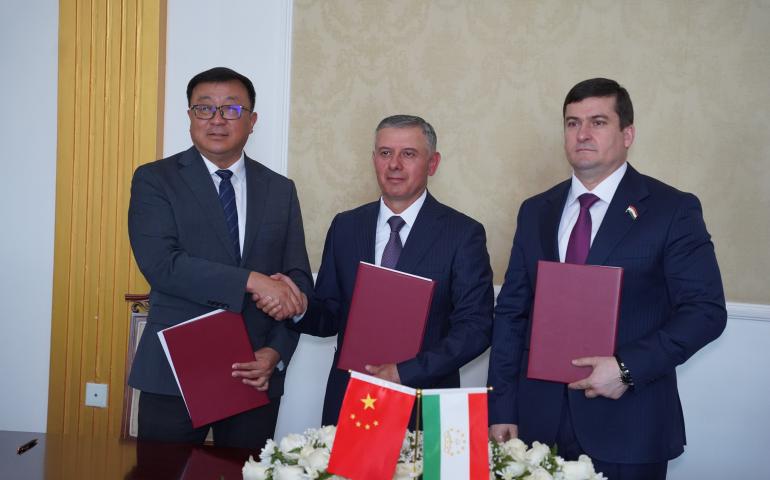
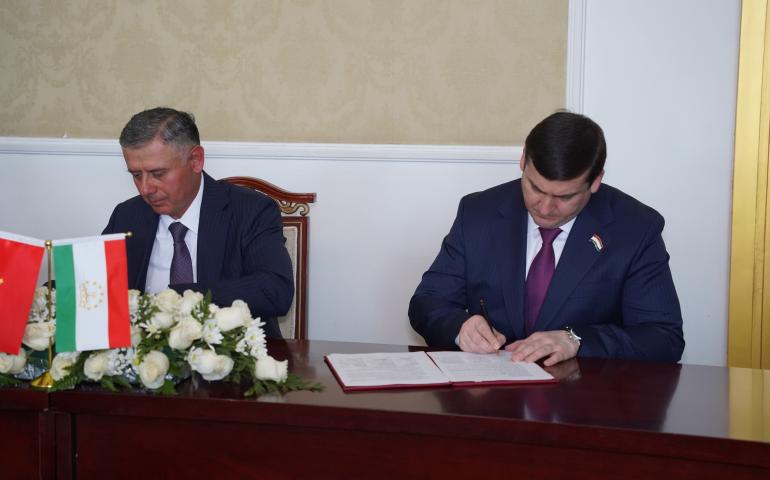
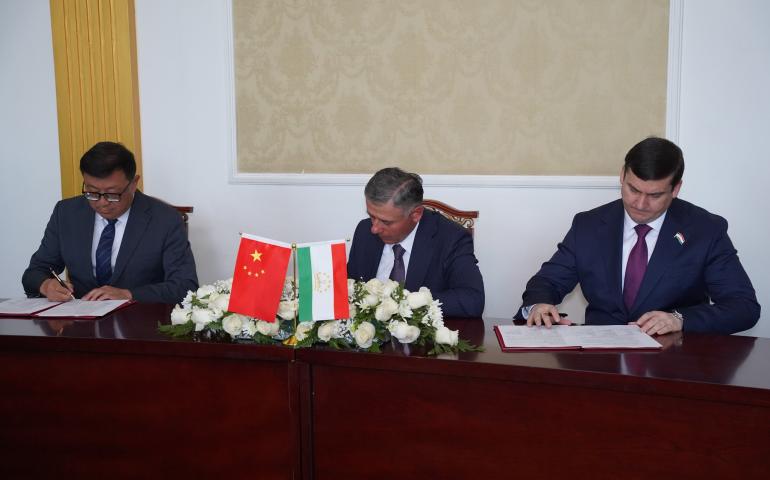
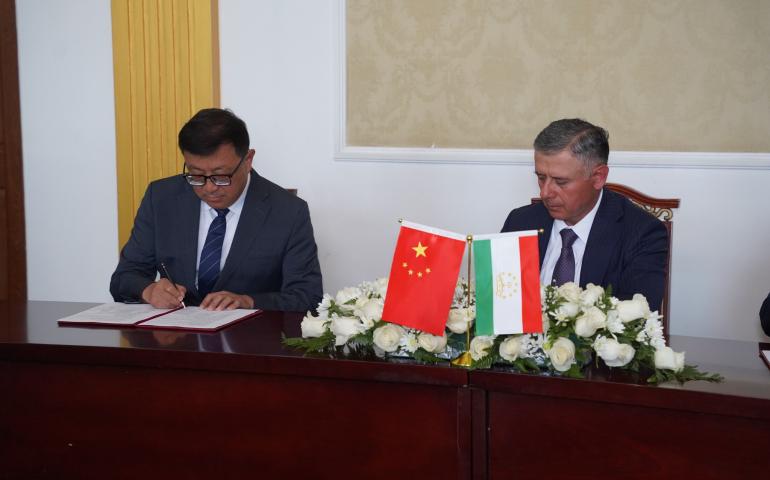
Subsequently, an agreement on the establishment and operation of a joint scientific laboratory between the Agency for Chemical, Biological, Radiological and Nuclear Safety of the Academy of Sciences of the Republic of Tajikistan and the Belarusian National Technical University was signed.
COMPLETION OF THE MAJOR RENOVATION OF THE FOLKLORE FUND AT THE ABUABDULLOH RUDAKI INSTITUTE OF LANGUAGE AND LITERATURE OF THE NATIONAL ACADEMY OF SCIENCES OF TAJIKISTAN
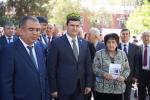
Today, April 13 on the occasion of the 35th anniversary of the State Independence of the Republic of Tajikistan, the Folklore Collection of the Abuabdulloh Rudaki Institute of Language and Literature of the National Academy of Sciences of Tajikistan was reopened after a long period of major renovation, with the participation of the President of the National Academy of Sciences of Tajikistan, Academician Khushvakhtzoda Qobiljon Khushvakht, as well as other scholars and staff.
During the opening, it was reported that the collection contains rare folklore materials, including manuscripts, audio recordings, oral texts, samples of oral creativity, and other valuable cultural heritage of the Tajik people. The major renovation was carried out to ensure preservation, proper storage, and better presentation of the national intangible heritage, as well as to provide favorable scientific conditions for researchers and scholars.
It was emphasized that the restoration and commissioning of such collections are of particular importance for the study, collection, and research of Tajik folklore, and play a significant role in strengthening national identity and preserving cultural values.
It was noted that within the framework of the renovation, storage conditions were brought in line with modern requirements, including the creation of specialized rooms equipped with necessary facilities such as temperature and humidity control systems, special shelving for document storage, as well as conditions for digitization and scientific processing of materials. This initiative will enable not only the preservation of rare folklore materials but also their wide use in research activities.
It was also highlighted that the reopening of the renovated collection provides new research opportunities for scholars, master’s students, and doctoral candidates, creating a solid foundation for conducting research, preparing dissertations, and publishing scientific works.
INSTALLATION OF SOLAR PANELS IN THE BUILDING OF THE REGIONAL CENTER FOR SAFETY, SECURITY AND SAFEGUARDS IN THE FIELD OF CHEMICAL, BIOLOGICAL, RADIATION AND NUCLEAR SAFETY
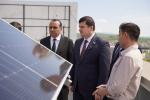
Today, April 10, the President of the National Academy of Sciences of the Republic of Tajikistan, Academician Khushvakhtzoda Qobiljon Khushvakht, together with a group of scientists and staff, visited the site of solar panel installation in the building of the Regional Center for Safety, Security and Safeguards in the field of chemical, biological, radiation and nuclear safety of the Agency for Chemical, Biological, Radiation and Nuclear Safety of the National Academy of Sciences of the Republic of Tajikistan and became fully acquainted with the operation of the solar panels.
It was noted that, in order to implement the Strategy of the Government of the Republic of Tajikistan in the field of introducing and developing a “green” economy, the staff of the National Academy of Sciences of the Republic of Tajikistan have organized scientific research activities. In this context, employees of the S.U. Umarov Institute of Physics and Technology of the Academy are developing and preparing solar panels that contribute to the advancement of renewable energy sources.
It was emphasized that the installation of such modern equipment creates opportunities to supply the institution with clean and environmentally friendly electricity, while also increasing the efficiency of energy resource utilization. This initiative can also serve as an example of best practice for the implementation of “green” technologies in other scientific institutions and various sectors of the national economy.
It was also noted that, by the Executive Authority of the city of Dushanbe, in order to save electricity, in the future, in accordance with the instruction of the Chairman of the city of Dushanbe, esteemed Rustam Emomali, solar panels must be installed in all newly constructed multi-storey residential buildings, higher education institutions, and educational facilities. In this regard, scientific staff of the National Academy of Sciences have organized the construction, commissioning, and installation of solar panels.
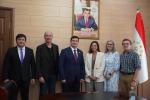
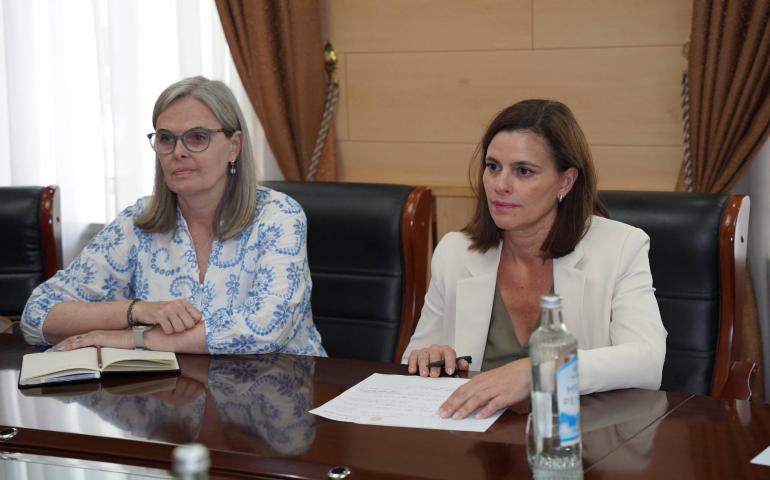
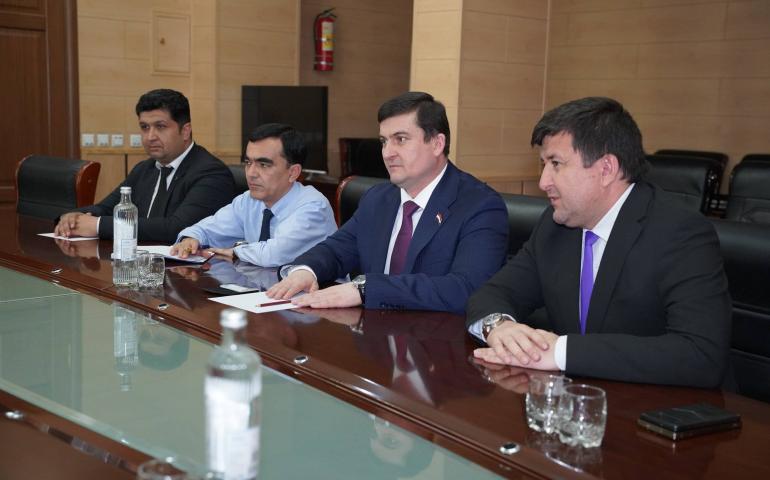
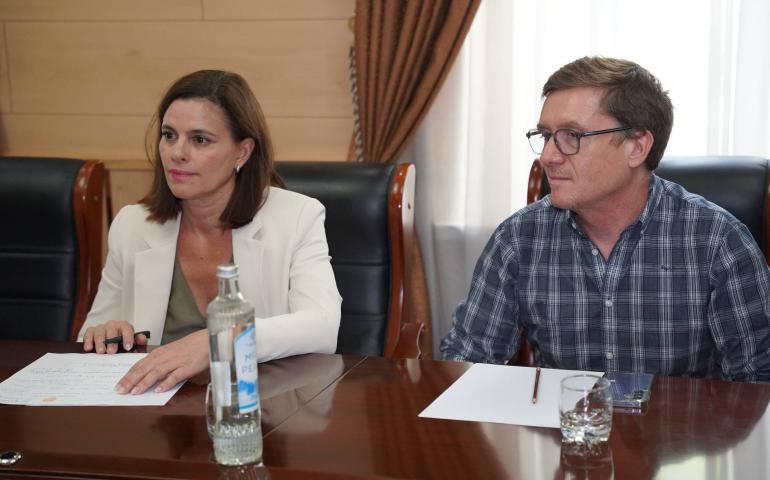
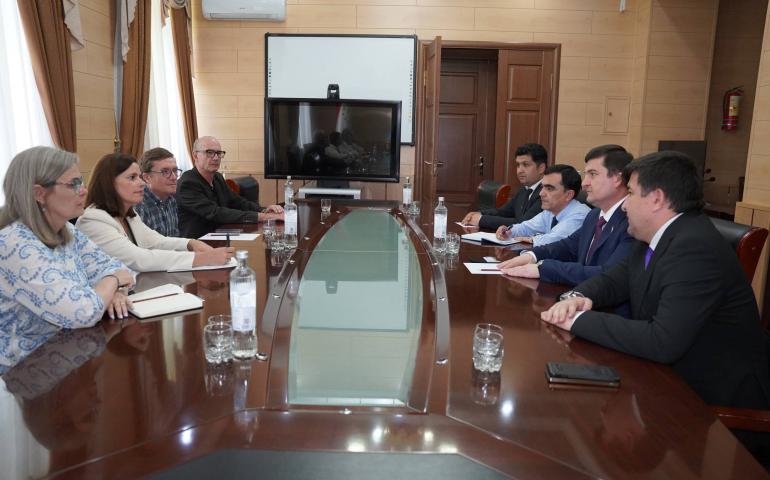
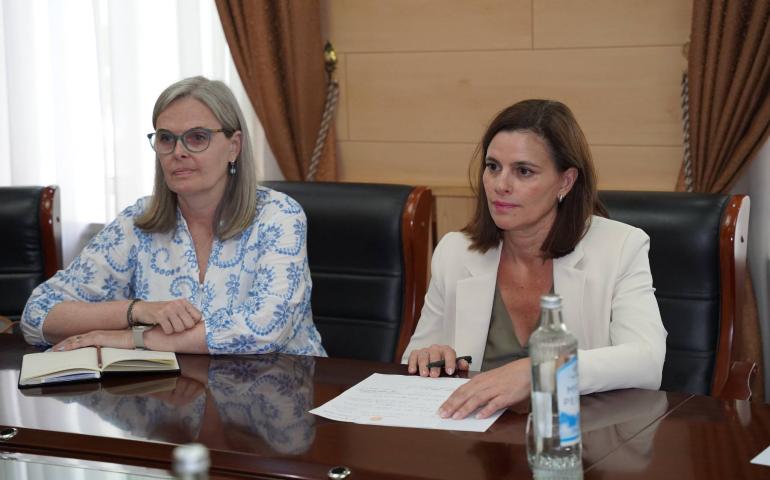
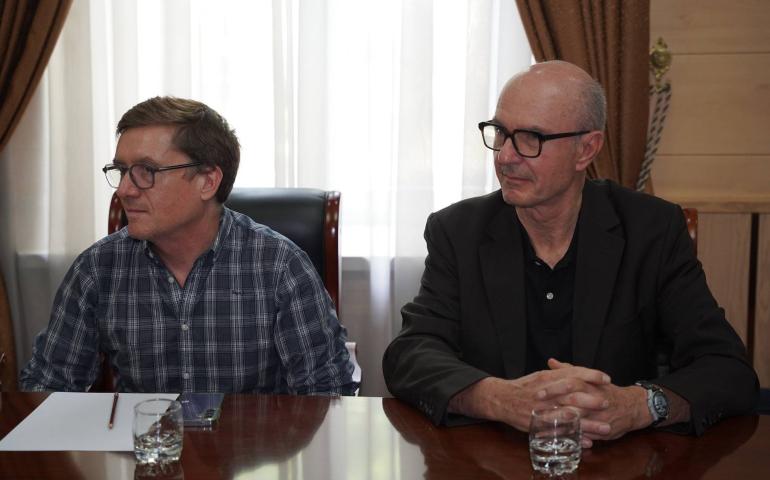
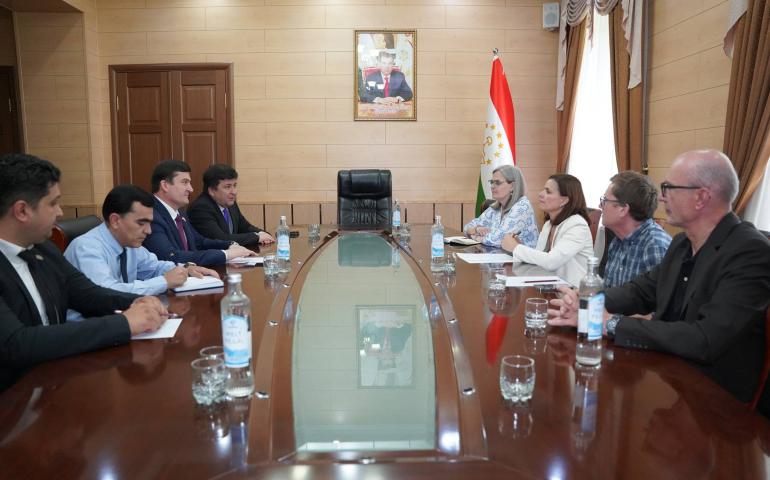
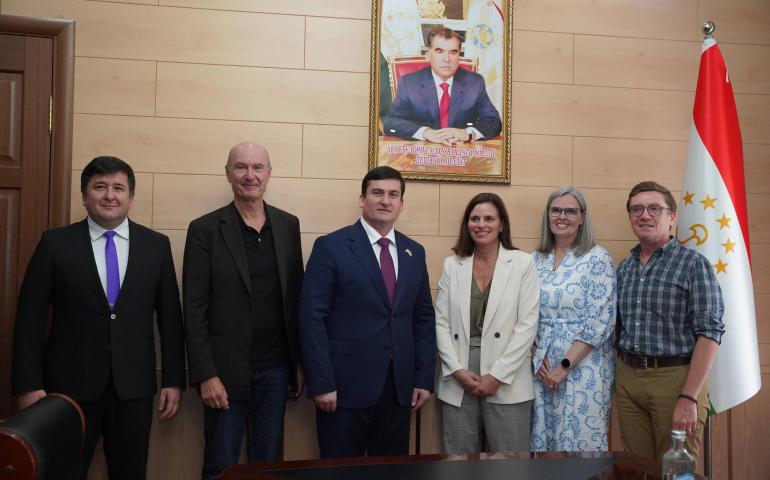
Today, April 8, a meeting was held at the National Academy of Sciences of Tajikistan between the President of the National Academy of Sciences of Tajikistan, Academician Khushvakhtzoda Qobiljon Khushvakht, and representatives of the University of Oxford.
The meeting was attended by the leadership, the Vice President, and the Head of the Department of International Relations, as well as specialists in Persian language and literature from the University of Oxford, including Professor Edmund Herzig, Dr. Farniyaz Zaker, and Ms. Ani Beth-Moses.
During the meeting, the parties discussed issues related to establishing an agreement between the National Academy of Sciences of Tajikistan and the University of Oxford, expanding research cooperation, exchanging experience among scholars, launching joint educational programs, and implementing international projects.
It was emphasized that cooperation in the study of Persian language and literature, research on cultural heritage, and the development of academic relations can serve the interests of both parties. Particular attention was paid to the training of scientific personnel from among master's and doctoral students, and the parties stressed the need to strengthen cooperation in training highly qualified specialists.
It was noted that attracting talented youth to master's and doctoral programs, organizing exchanges of students and researchers, and creating favorable conditions for conducting joint research can contribute to the further development of science and education and to strengthening the intellectual potential of society.
The parties also agreed to hold joint scientific conferences and seminars in the future, emphasizing that such events can provide a favorable platform for knowledge exchange, presentation of research results, and expansion of scientific cooperation. It was noted that the regular organization of such events will contribute to strengthening academic ties and developing the scientific environment of both sides.
COMMISSIONING OF THE SEISMIC MONITORING CENTER AT THE INSTITUTE OF GEOLOGY, EARTHQUAKE-RESISTANT CONSTRUCTION AND SEISMOLOGY OF NASТ
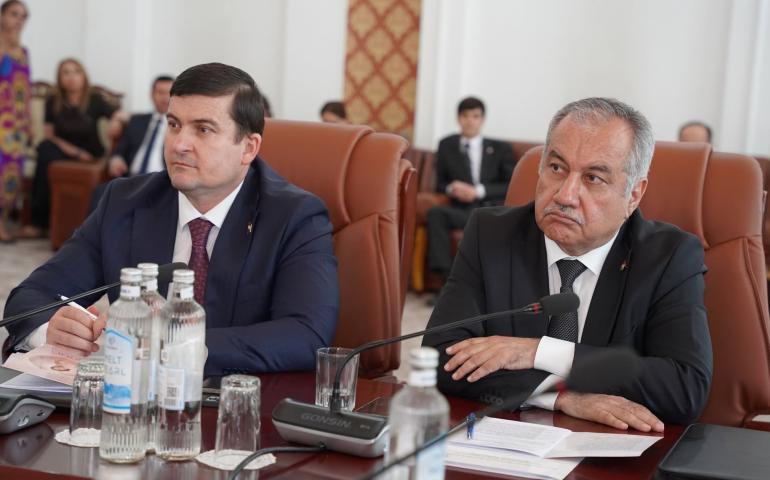
Today, April 2, at the Institute of Geology, Earthquake-Resistant Construction and Seismology of the National Academy of Sciences of Tajikistan, with the participation of the President of the National Academy of Sciences of Tajikistan, Academician Khushvakhtzoda Qobiljon Khushvakht, as well as other scientists and guests, the Seismic Monitoring Center equipped with modern equipment was commissioned.
It was emphasized that the main objective of the Seismic Monitoring Center of the Institute of Geology, Earthquake-Resistant Construction and Seismology of the National Academy of Sciences of Tajikistan is прежде всего the establishment of round-the-clock seismic monitoring, including the recording and processing of all seismic events in Tajikistan in real time (real-time), determination of the coordinates of the earthquake source (epicenter), its depth and magnitude using local hodographs, as well as the creation and maintenance of a seismic database for future scientific research and the training of young technical and scientific personnel.
It was noted that currently two types of seismic stations are used at the Seismic Monitoring Center to record earthquakes and determine their parameters. In particular, broadband digital seismic stations are designed for continuous and accurate recording of a wide range of seismic vibrations (from distant earthquakes to microtremors), and the obtained data are used to determine and assess the seismic regime of various regions of Tajikistan, study the geological structure of the Earth, the activity of tectonic faults, and conduct engineering and geological research.
At the same time, equipment for recording strong seismic vibrations (accelerometers) makes it possible to quantitatively record strong ground motions and structural vibrations during earthquakes. This equipment records the velocity and acceleration of seismic waves in the ground and is used for assessing seismic hazards, analyzing the behavior of buildings, designing earthquake-resistant structures, as well as for early warning of natural disasters, including infrastructure collapse and landslides.
It should be noted that the initiative of the Presidium of the National Academy of Sciences of Tajikistan to establish the Seismic Monitoring Center at the Institute of Geology, Earthquake-Resistant Construction and Seismology is the first in the 75-year history of the Academy and represents an important step toward strengthening research infrastructure and developing seismology in the country. This initiative provides a favorable basis for improving the study and research of seismic processes, ensuring seismic safety, and effective preparedness for emergency situations.
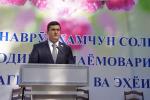
Today, Aprile 1, the International Navruz holiday was celebrated with special grandeur at the National Academy of Sciences of Tajikistan. On this occasion, a festive cultural program was held in the courtyard of the Presidium building of the Academy, where employees and scholars of the research institutions participated with a high festive spirit.
The President of the National Academy of Sciences of Tajikistan, Academician Khushvakhtzoda Qobiljon Khushvakht, once again congratulated all scientists and staff on the International Navruz holiday and noted that the grand celebration of Navruz and its acquisition of international status, along with the revival of other material and spiritual values of our people — the Tajiks — are among the noble initiatives and cultural policy of the Founder of Peace and National Unity — the Leader of the Nation, President of the Republic of Tajikistan, Honorable Emomali Rahmon, which has created favorable conditions for the worthy presentation of our state and nation on the world stage.
It was emphasized that Navruz is considered one of the most ancient and magnificent celebrations of the Tajik people and other peoples of Aryan origin. This holiday has a very ancient history and, according to researchers, dates back more than five to six thousand years. The word “Navruz” consists of two words — “nav” and “ruz”, meaning “new day”, “new beginning”, and “the start of a new life”. Navruz is always celebrated with the arrival of spring and the equalization of day and night. During this time, nature awakens from its winter sleep, trees turn green, flowers bloom, and a new life begins. For this reason, Navruz is a symbol of revival, renewal, hope, and joy for the future.
It was noted that the history of Navruz dates back to very ancient times, to the era of the Aryan civilization. Historical sources and ancient legends state that Navruz was celebrated even during the time of the legendary king Jamshid. According to the legends, after defeating cold and darkness, Jamshid declared the new day as the beginning of the new year, and people celebrated that day with joy and happiness. Since then, this day became known among the people as a blessed and auspicious day and a symbol of the awakening of nature.
It was said that many scholars and historians believe that Navruz is not only a folk celebration but also an important part of the ancient culture of the peoples of the East. In different historical periods, including during the reign of the Achaemenids and the Sassanids, Navruz was celebrated with great ceremonies. Kings organized grand celebrations on this day, gave gifts to the people, and the people congratulated one another with joy.
It was noted that interesting information about Navruz can also be found in the works of many scholars and famous poets and writers of the world. For example, the great Eastern scholar Abu Rayhan Biruni provided valuable information about the origin and traditions of Navruz in his works. Likewise, the great Tajik-Persian poet Abulqosim Ferdowsi mentioned Navruz in his famous work “Shahnameh” as a blessed holiday and a symbol of the victory of light over darkness. In addition, the famous poet and astronomer Omar Khayyam in his work “Navruznama” also referred to the importance of this holiday and considered Navruz as a symbol of the beginning of a new life and the beauty of nature.
It was noted that one of the important traditions of Navruz is the preparation of sumanak. Sumanak is made from sprouted wheat and symbolizes abundance and prosperity in life. The preparation of sumanak usually lasts throughout the night. During this ritual, women and girls gather together and cook this symbolic dish with songs and joy. This custom is considered one of the beautiful traditions of Tajik culture and has been preserved to this day in all regions of Tajikistan. Along with sumanak, decorating the Navruz festive table is also considered one of the ancient traditions. The Navruz table is decorated with festive dishes of “haft sin” and “haft shin” and household items. Each of these dishes and items has its own symbolic meaning and represents prosperity and abundance in life.
During the continuation of the event dedicated to the International Navruz holiday, the winners of sports competitions, who demonstrated high skill, strong will, and sports spirit, were awarded commemorative gifts and certificates of appreciation. At the same time, two activists were awarded the badge “Excellent Worker of Education” and the Certificate of Honor of the Ministry of Education and Science of the Republic of Tajikistan for their valuable contribution to the development of the education sector.
Then, at the festive event, well-known artists of the republic performed and delighted the audience with their colorful songs.