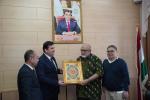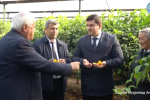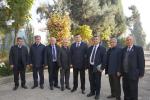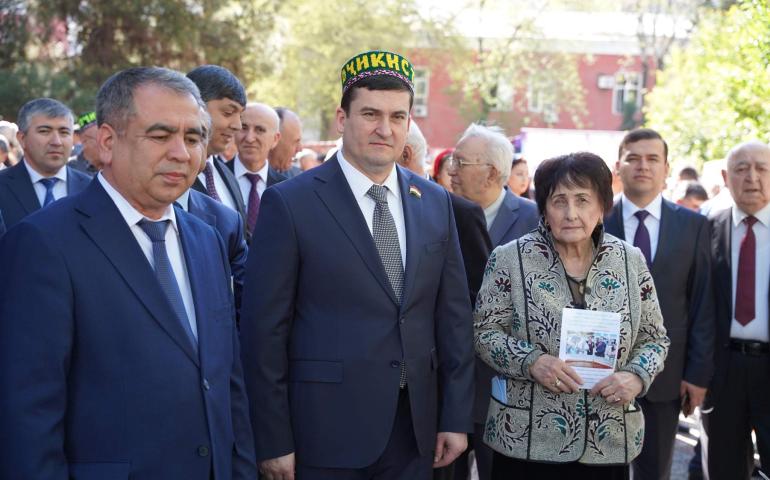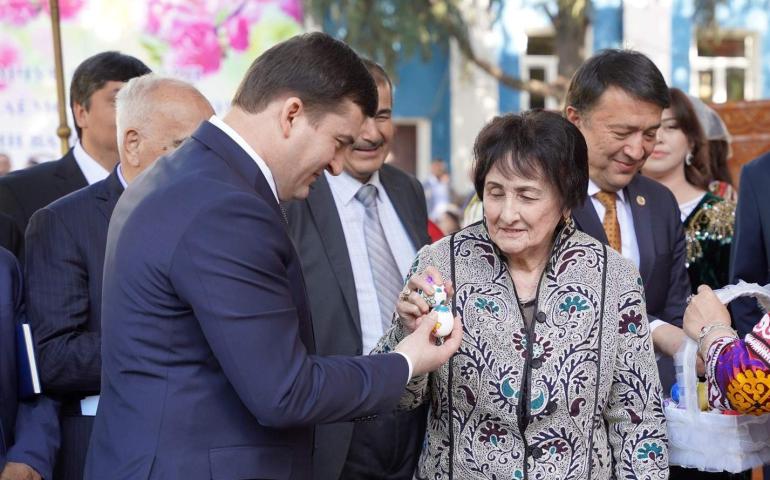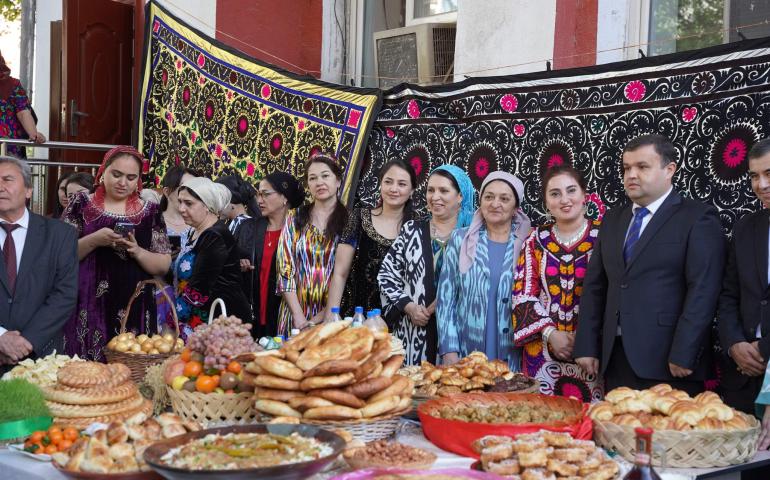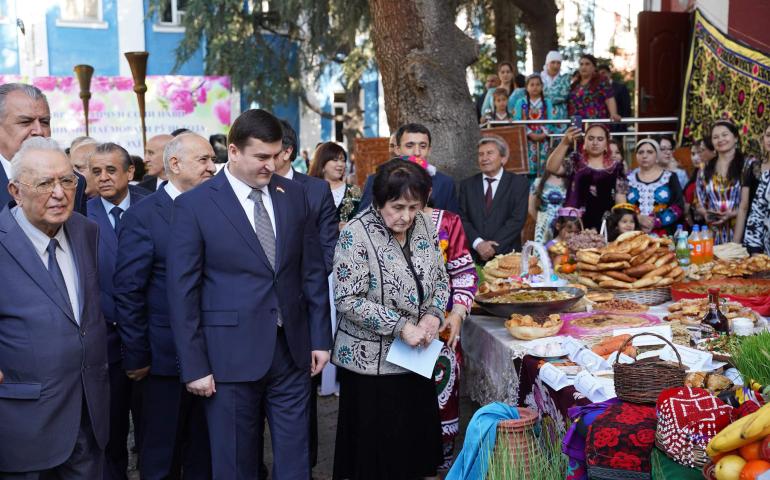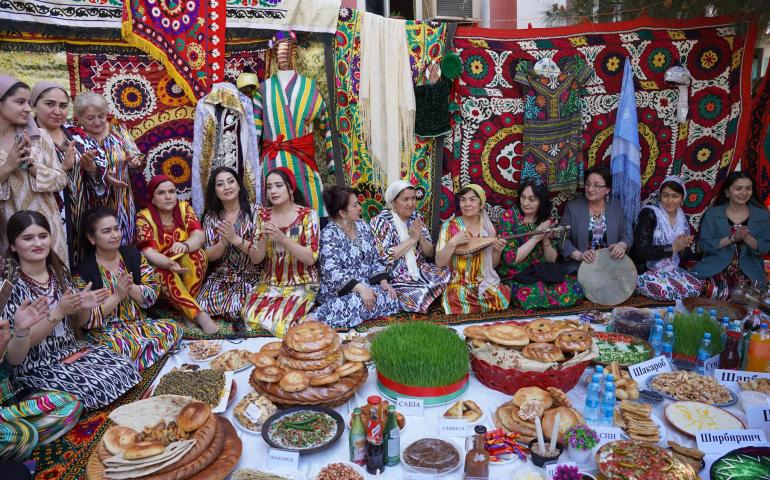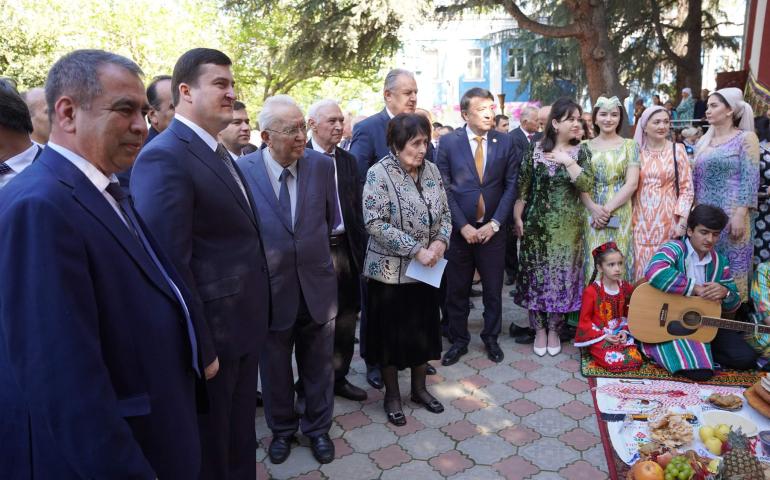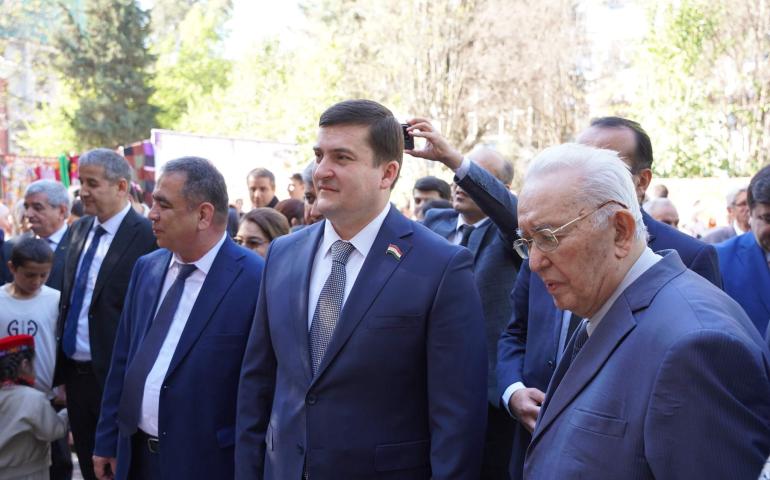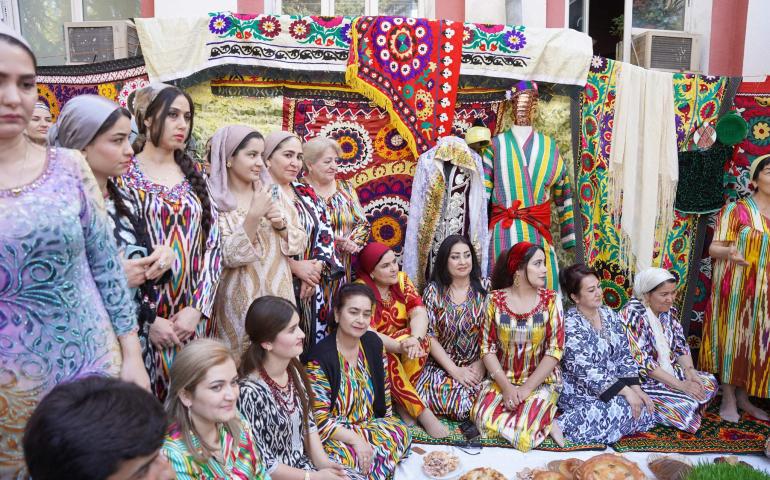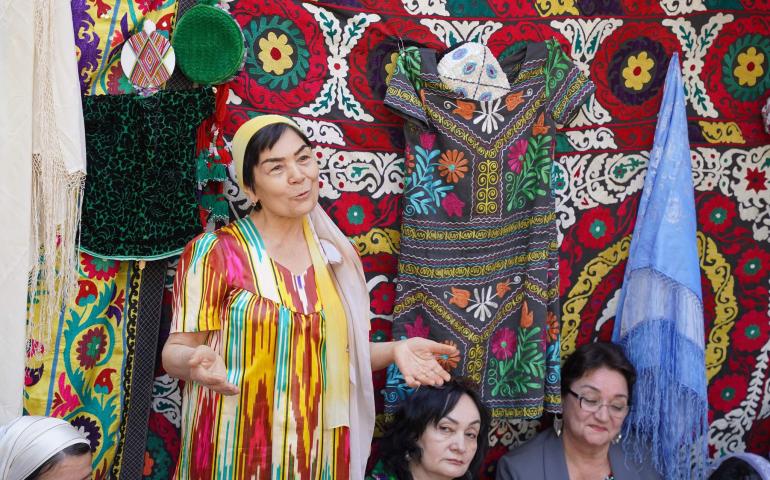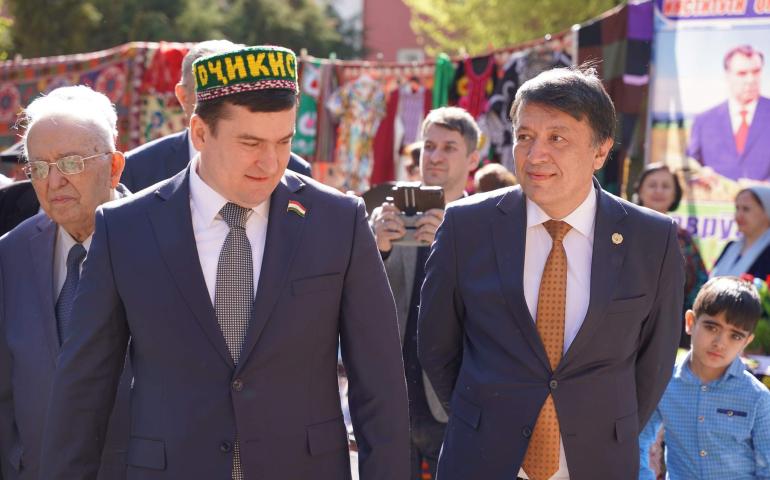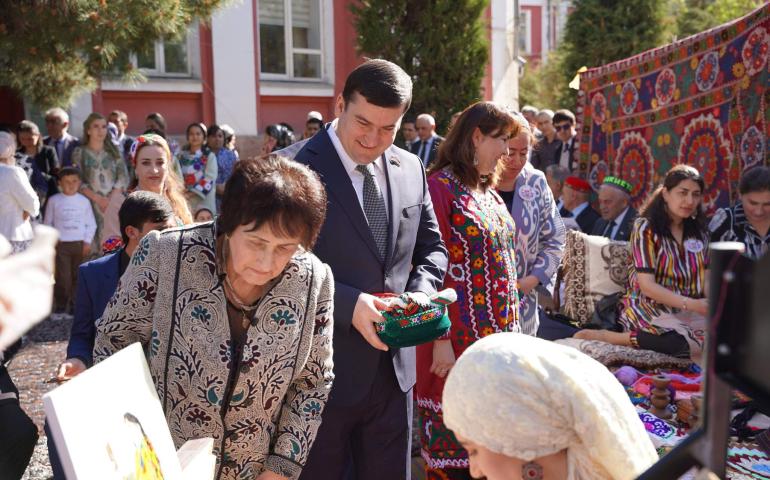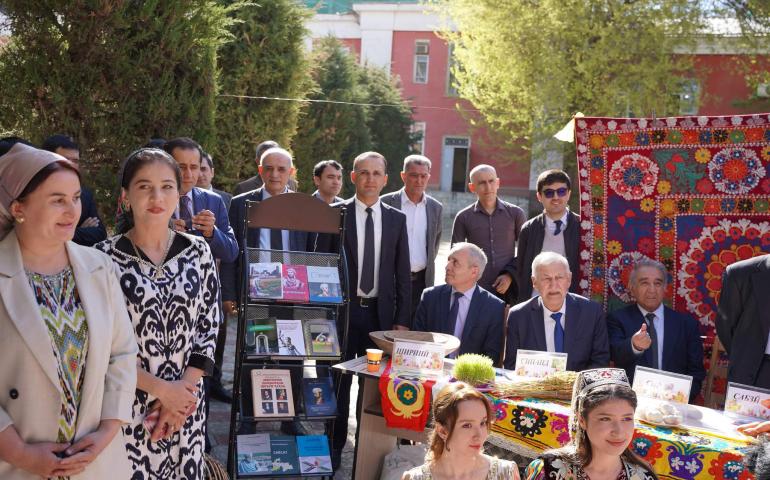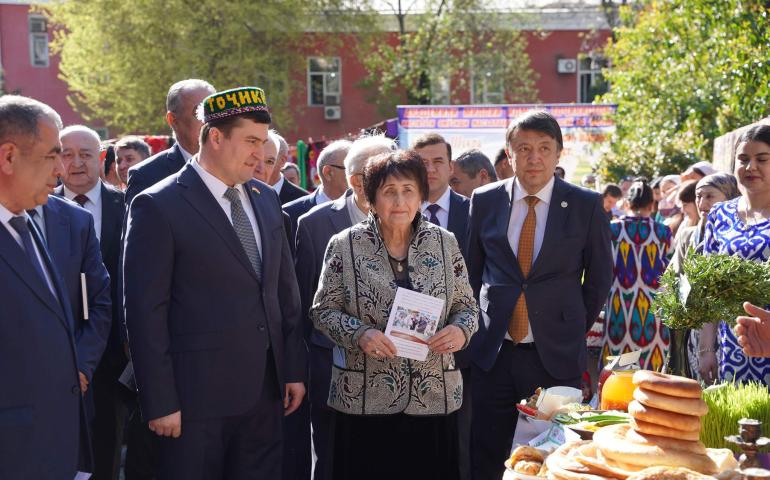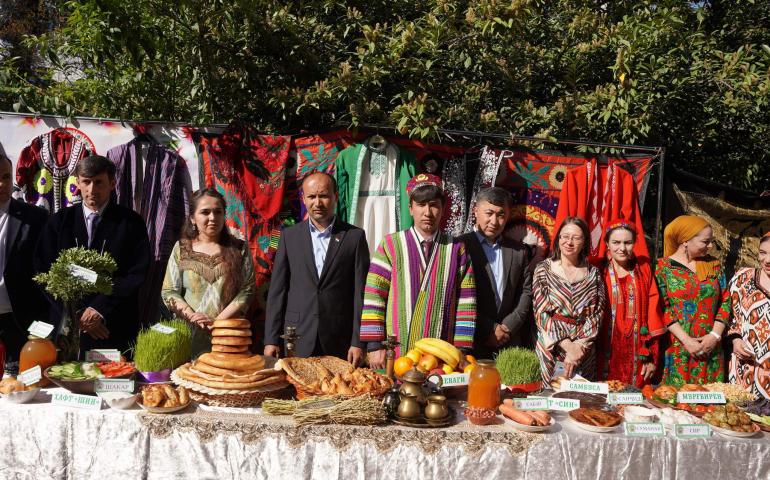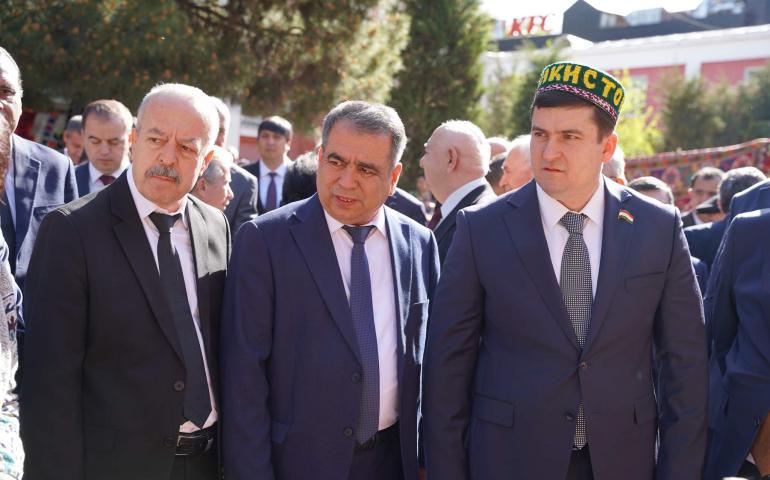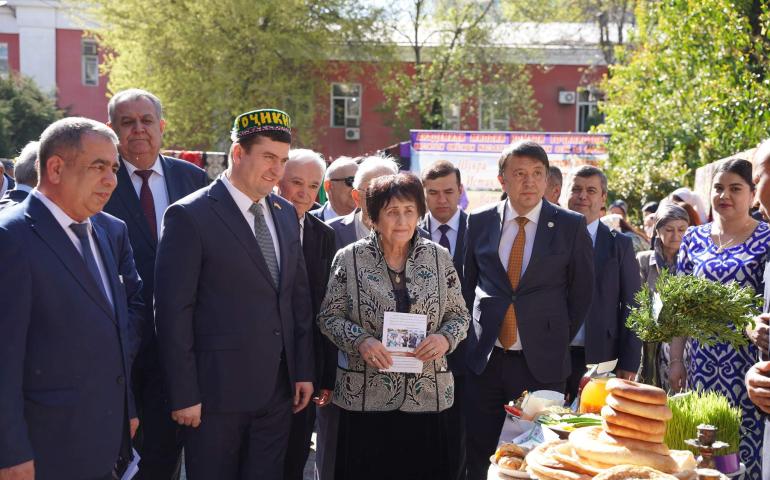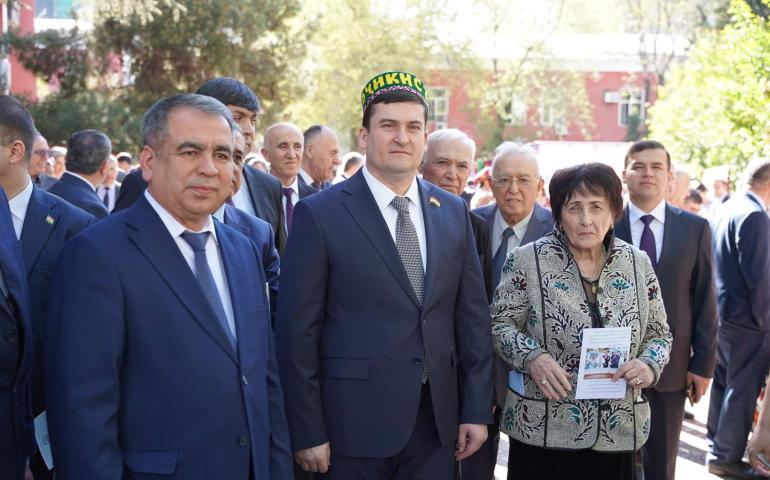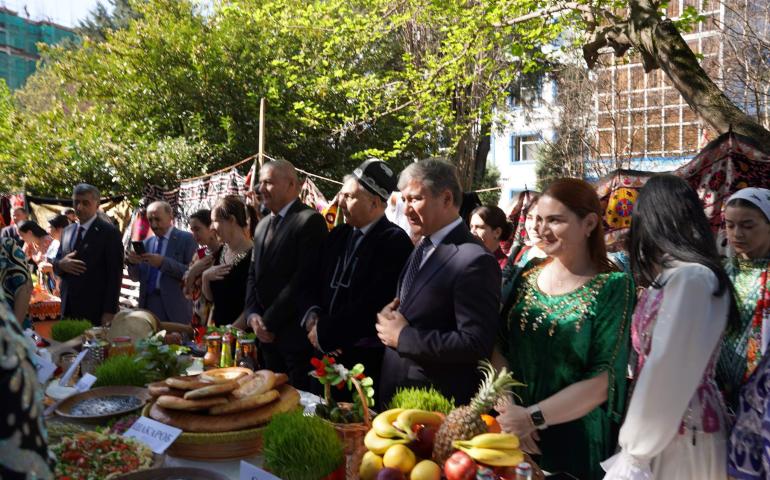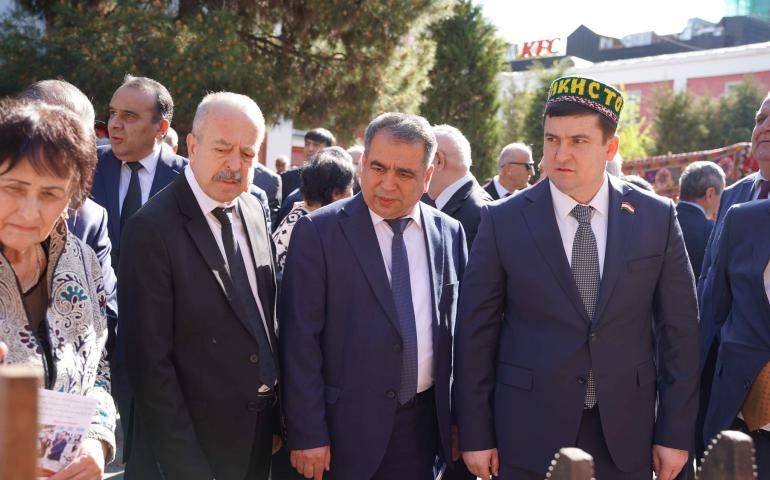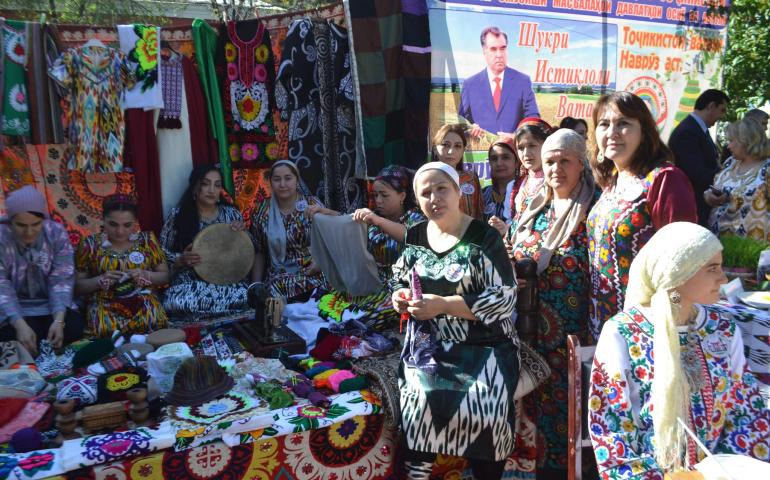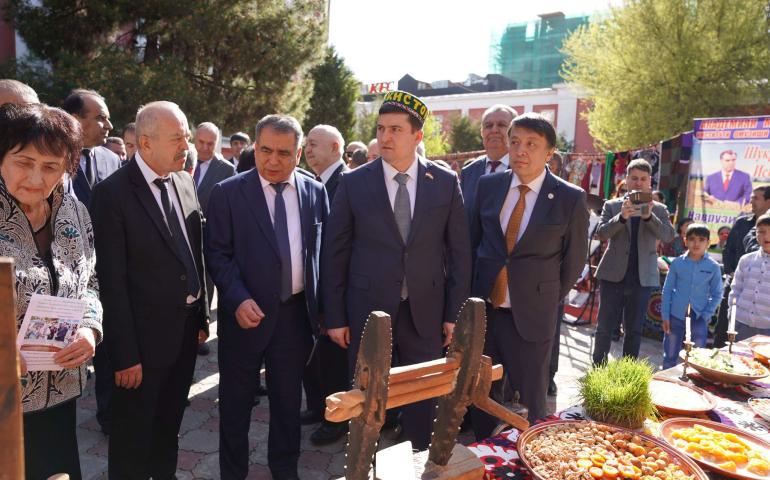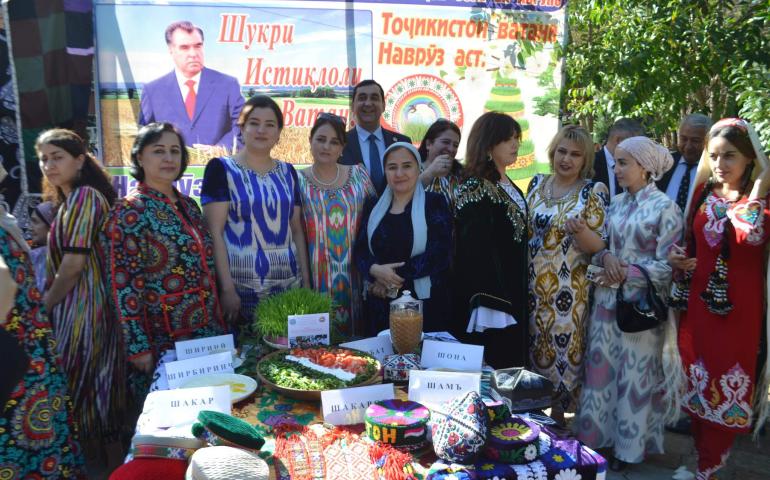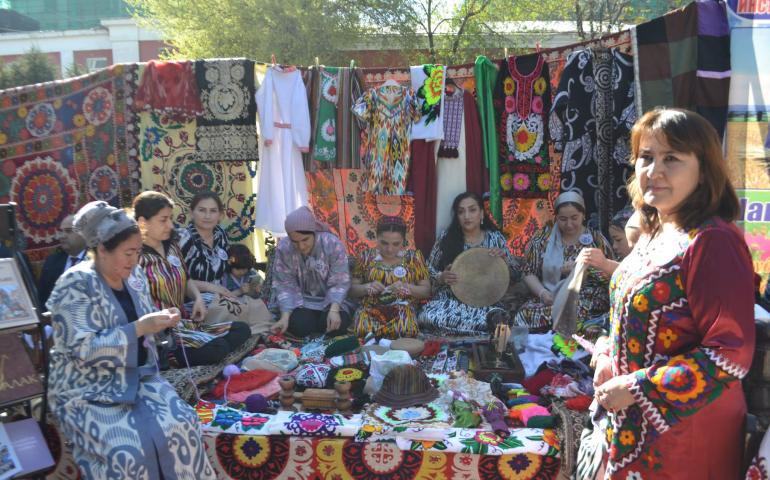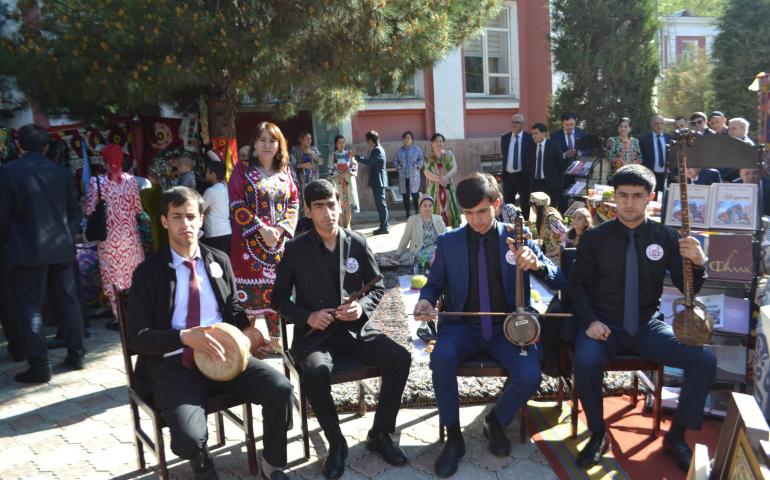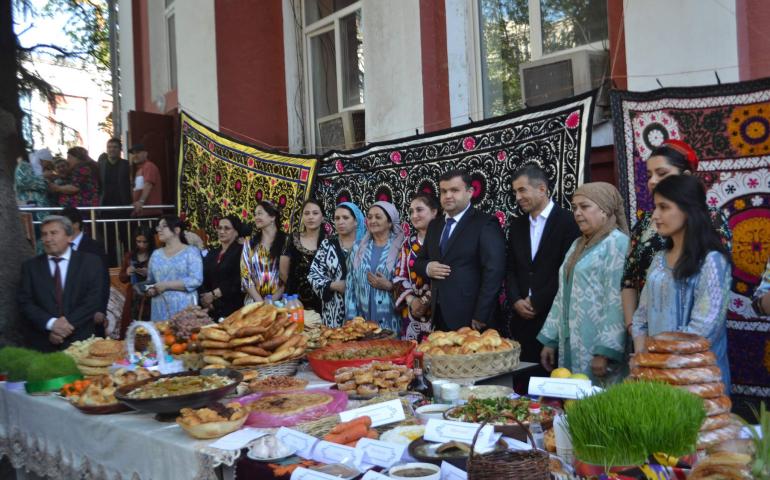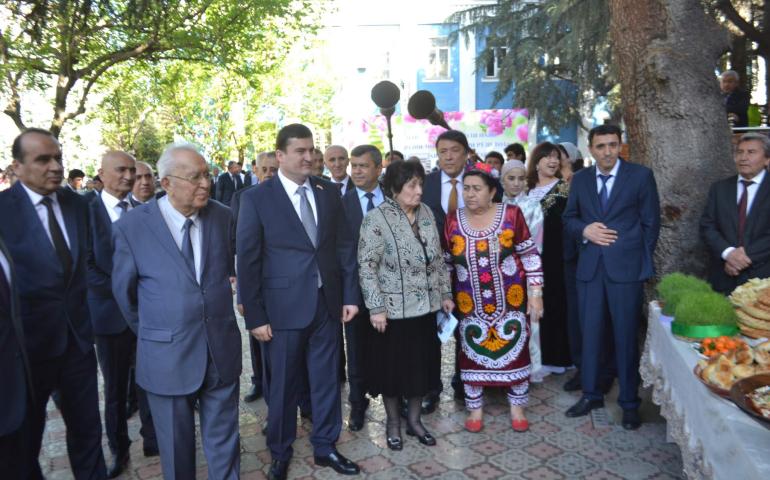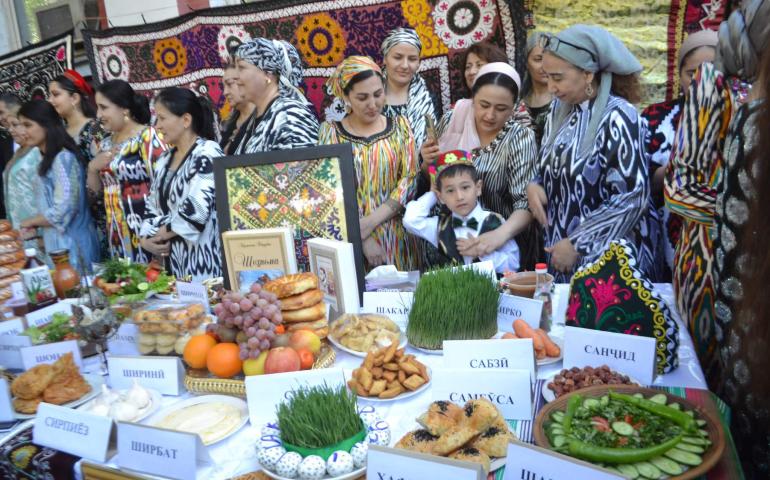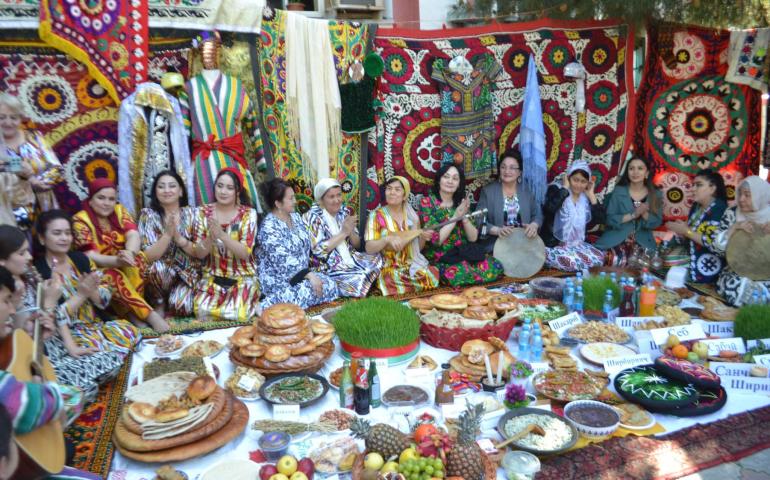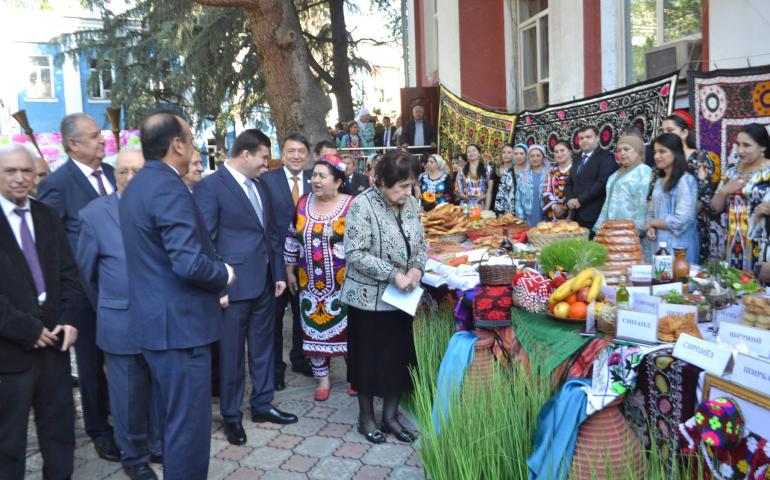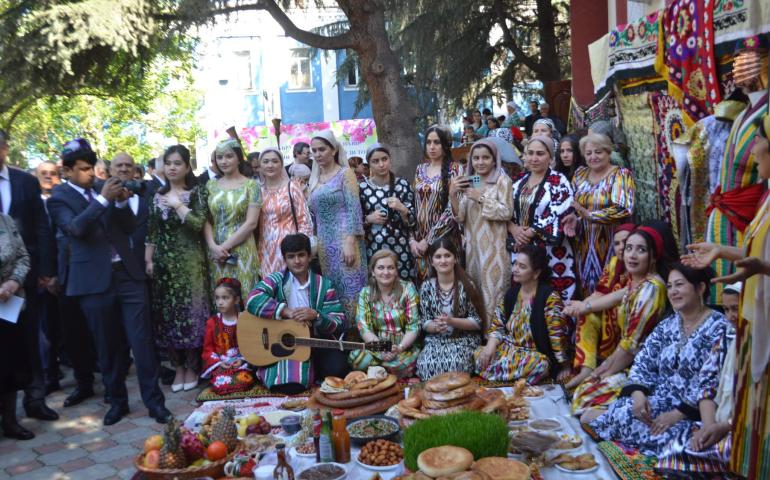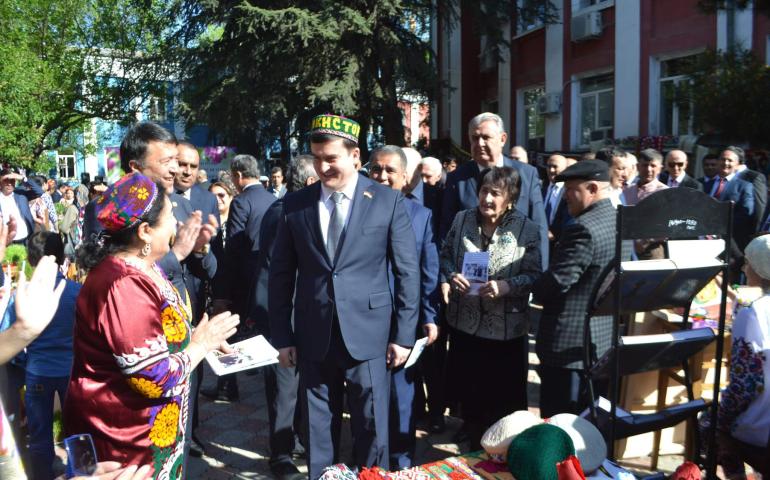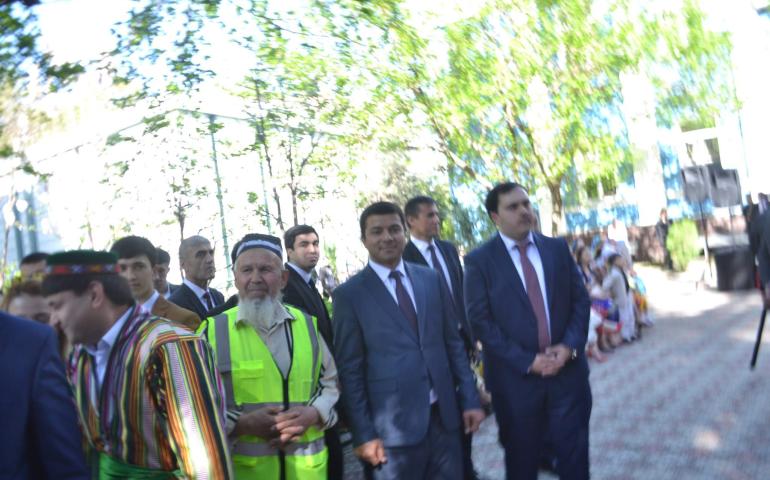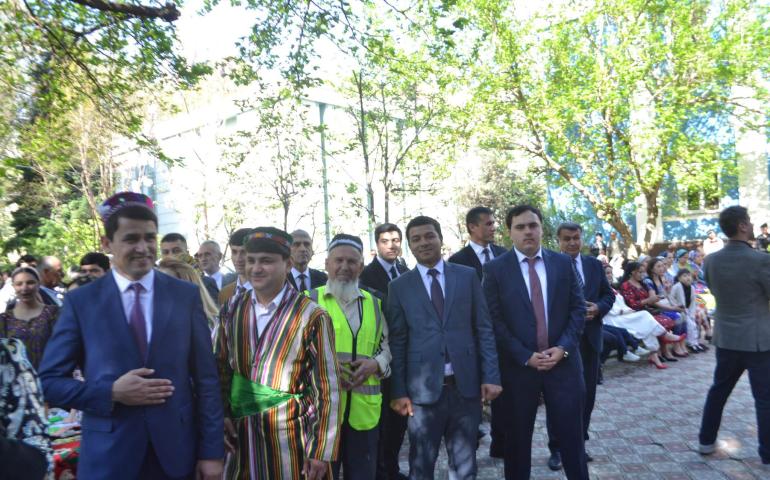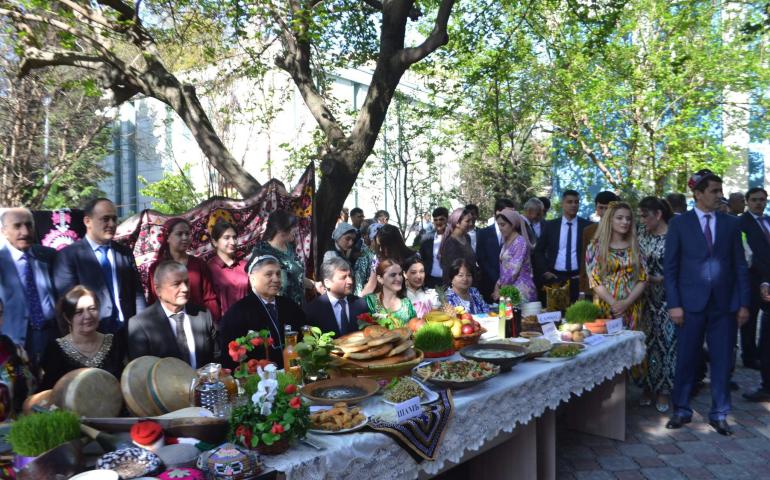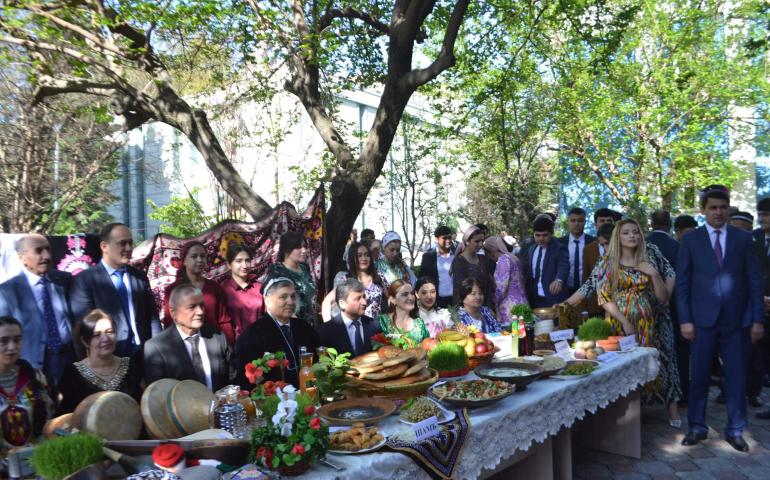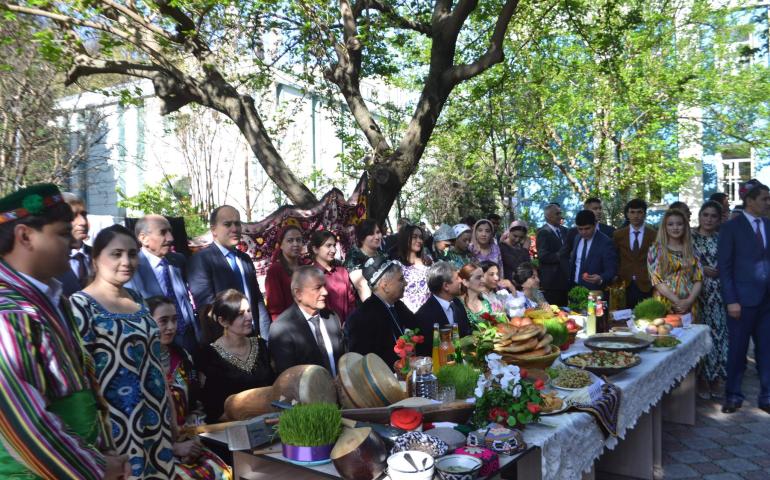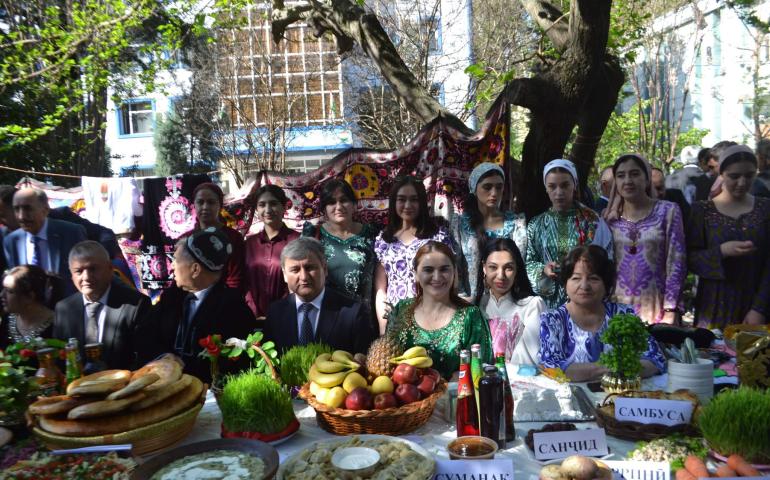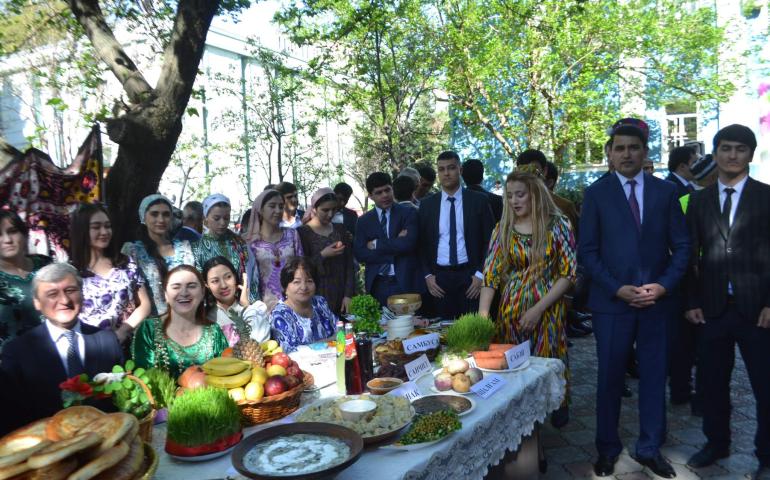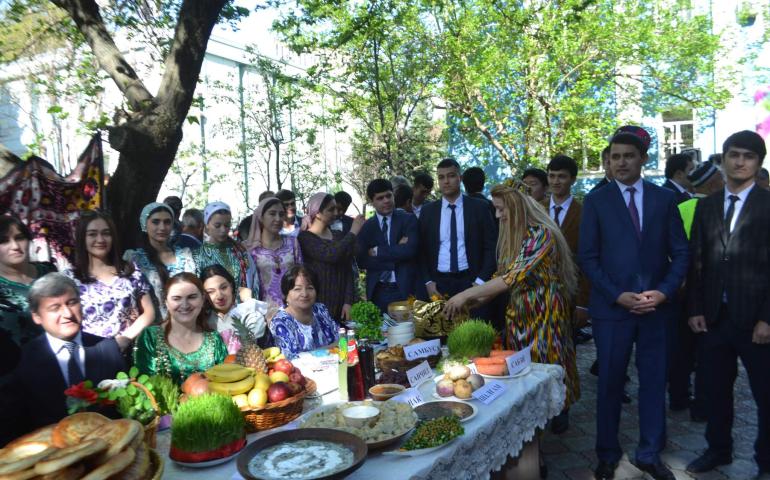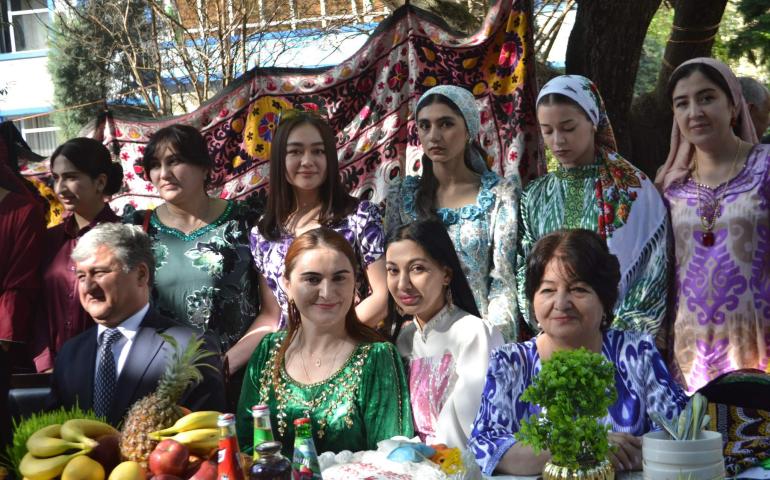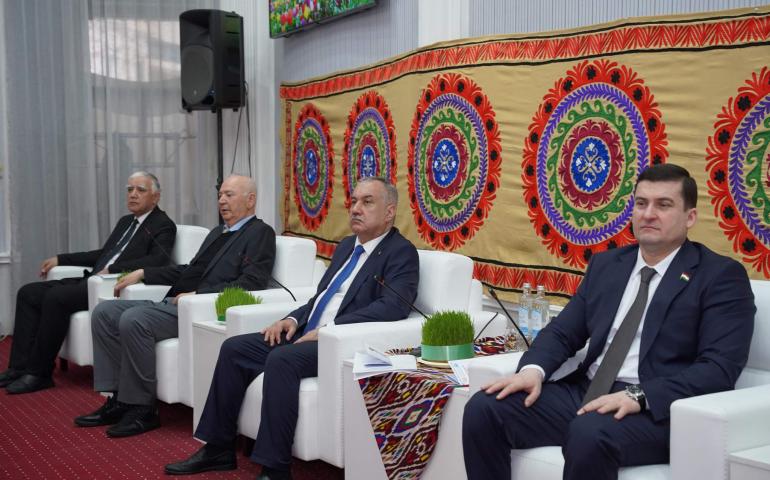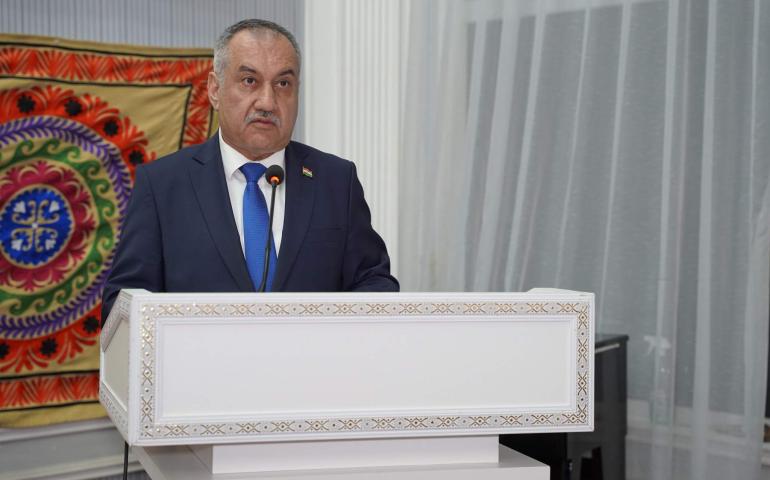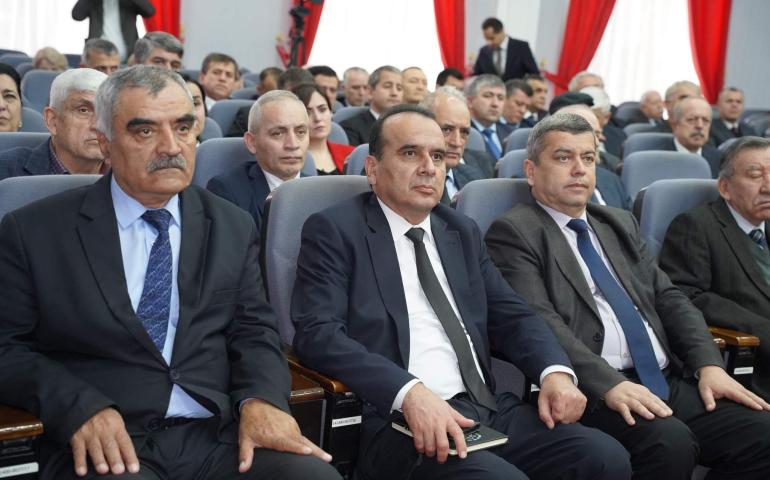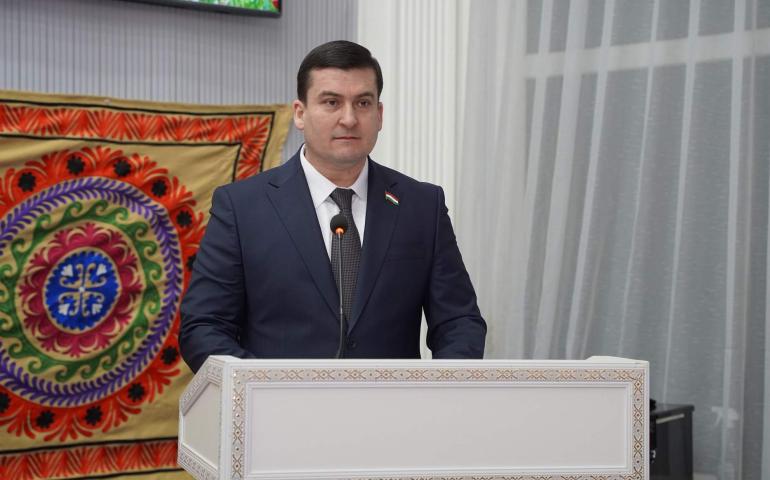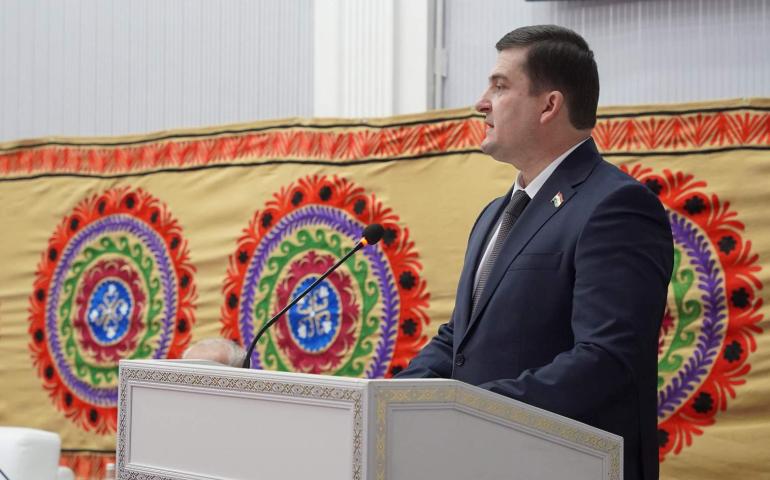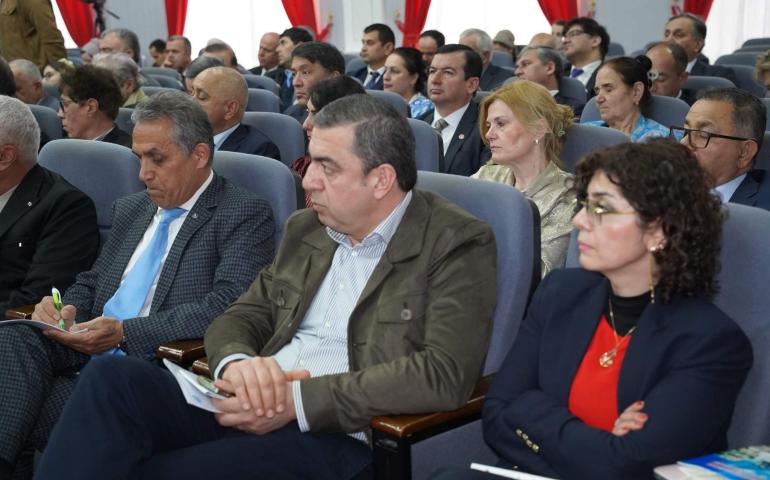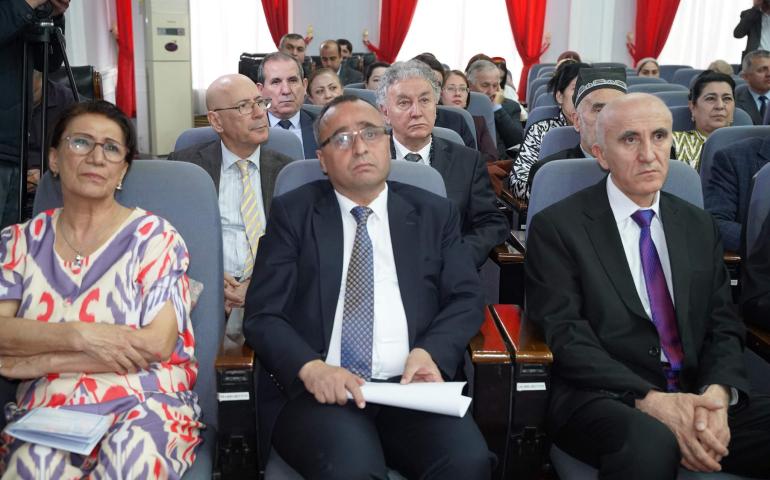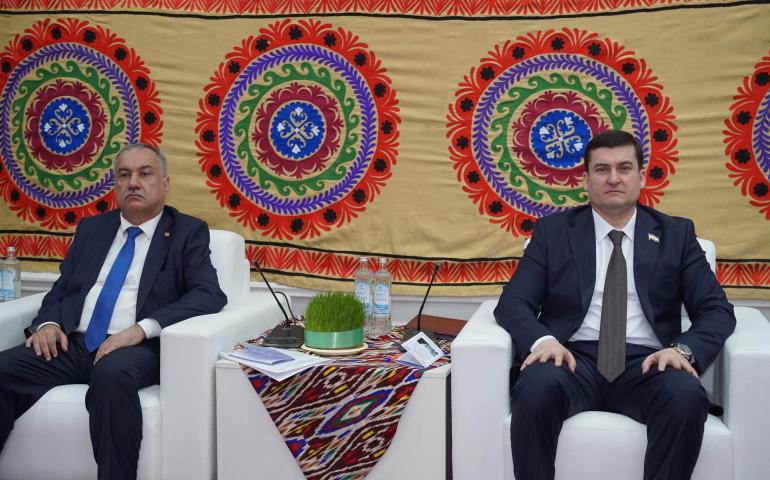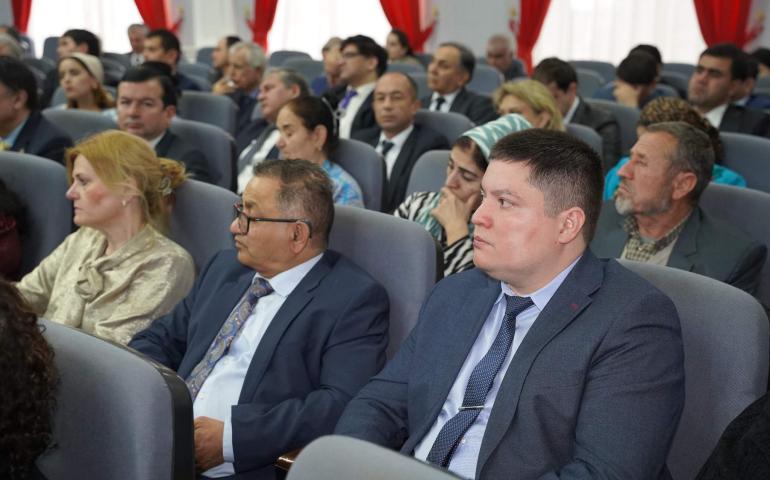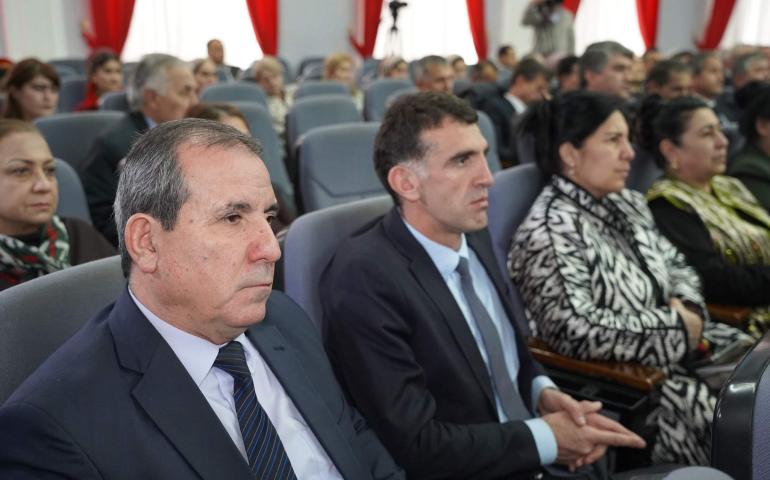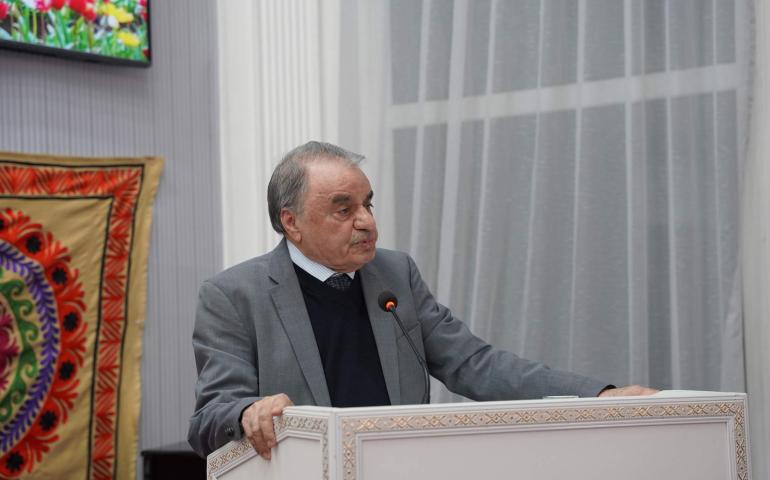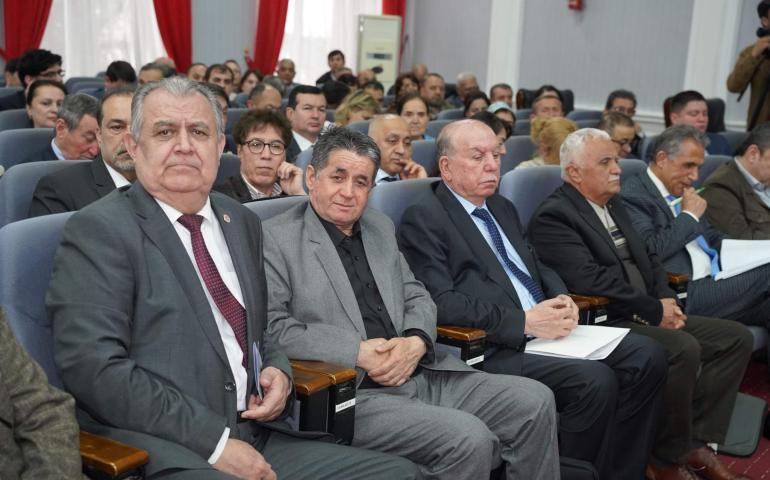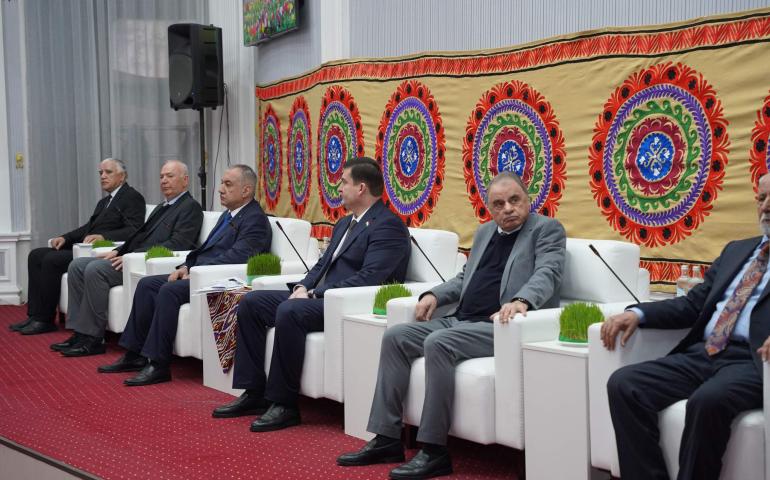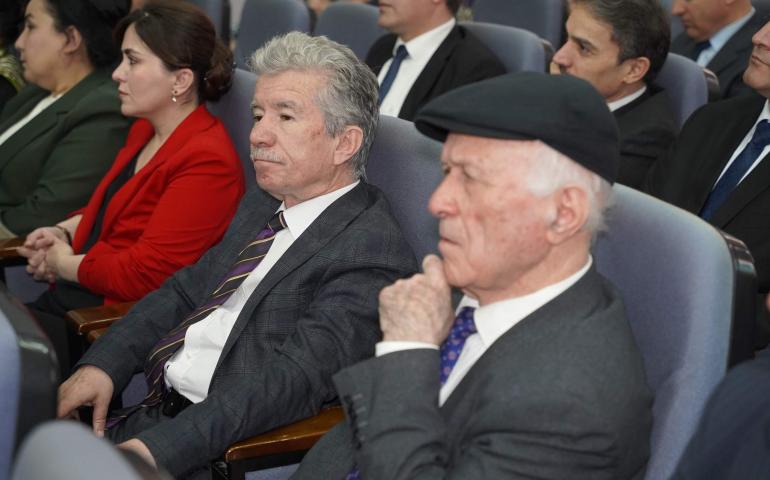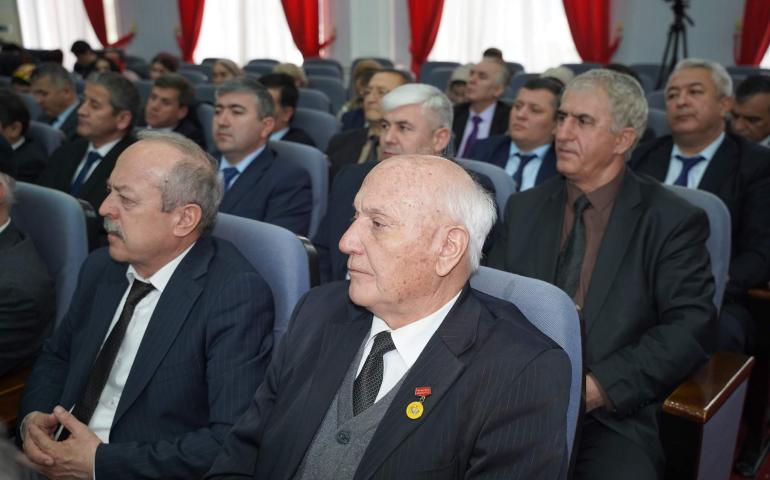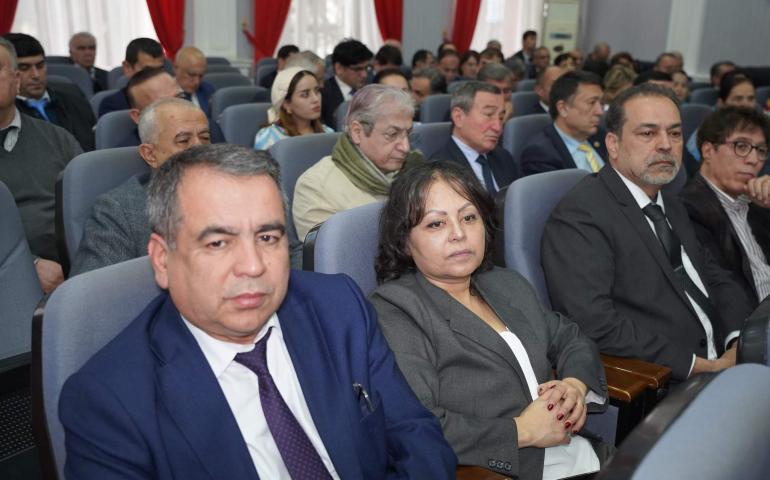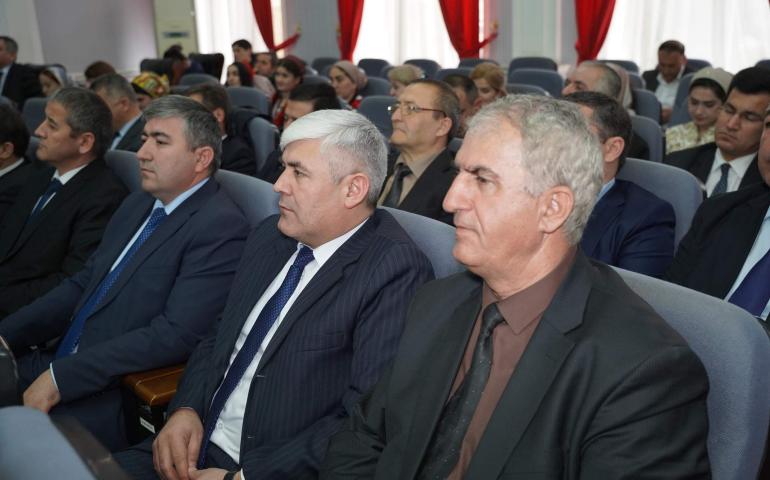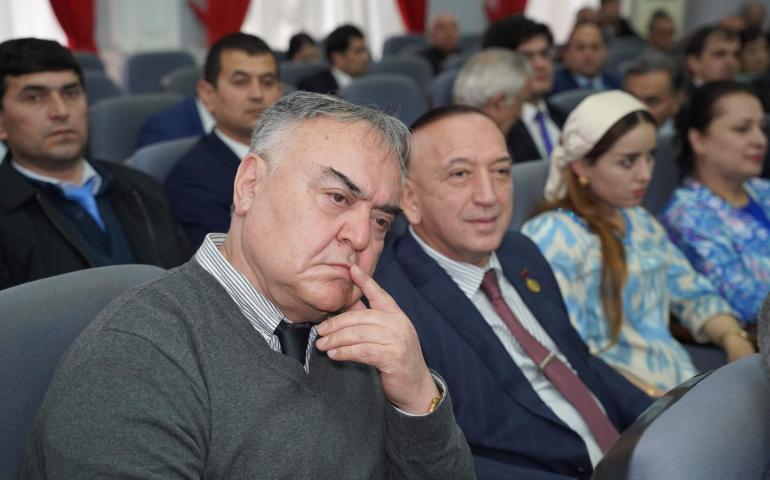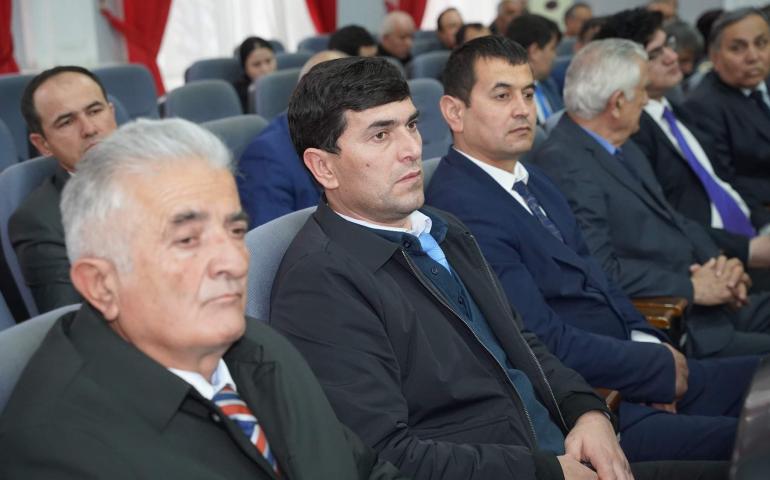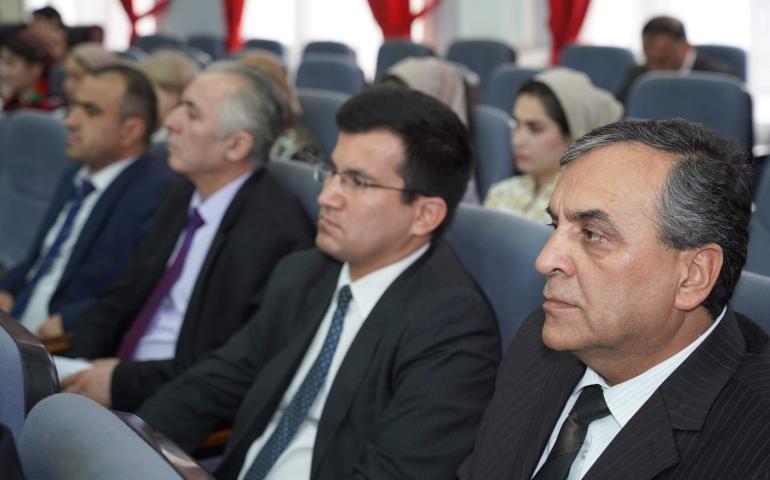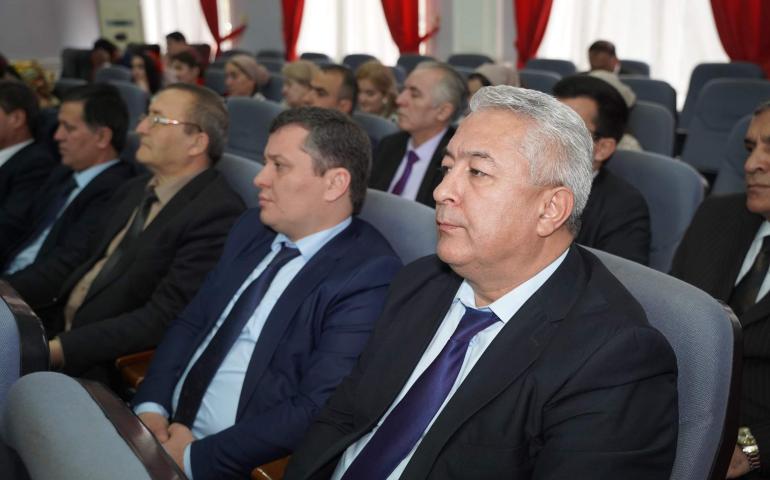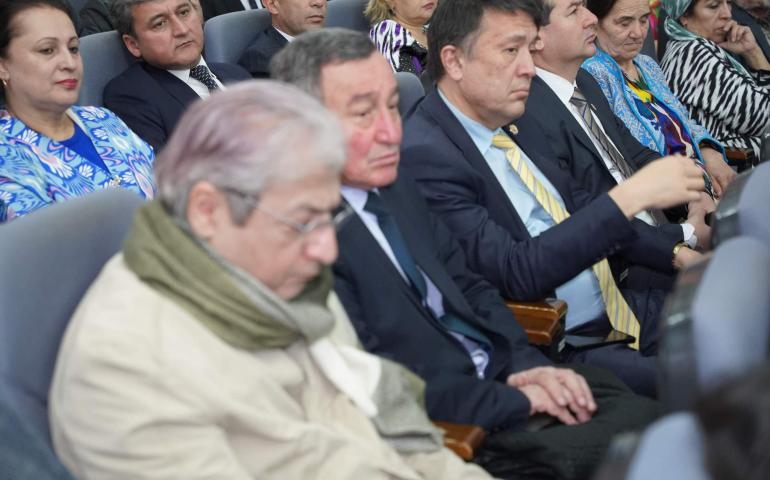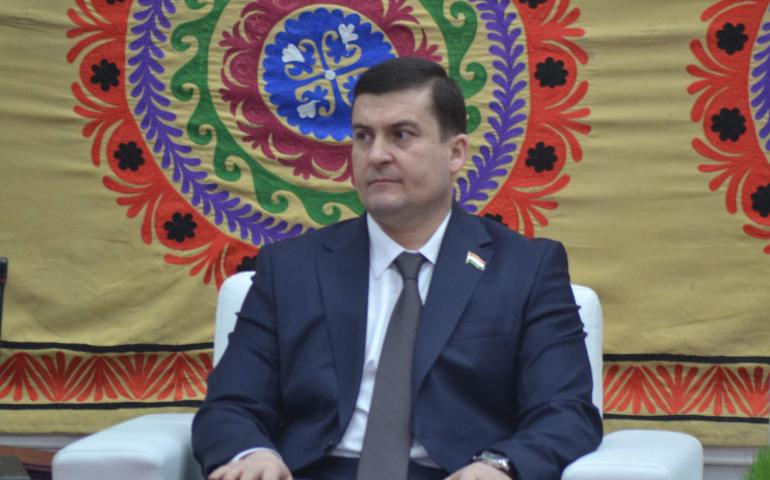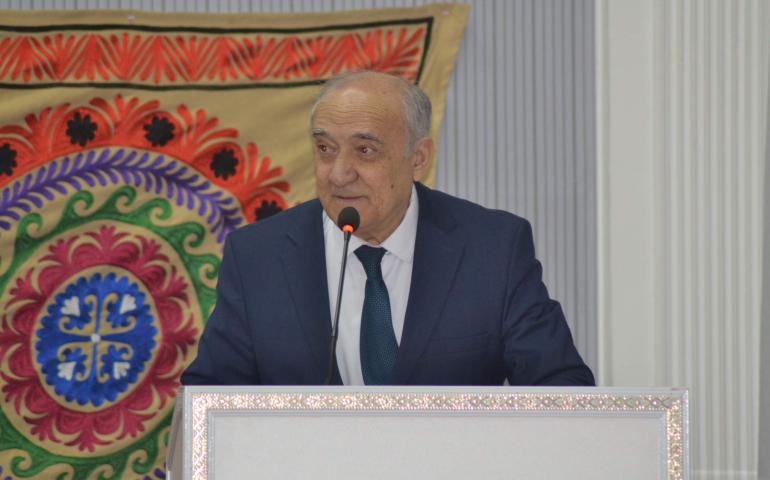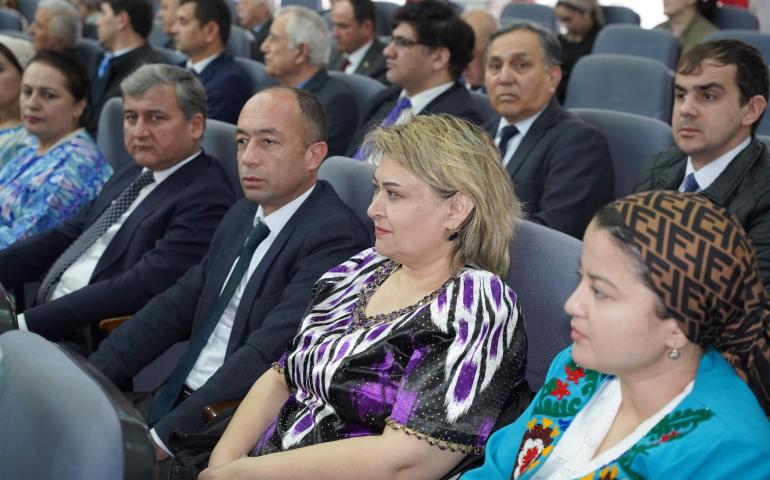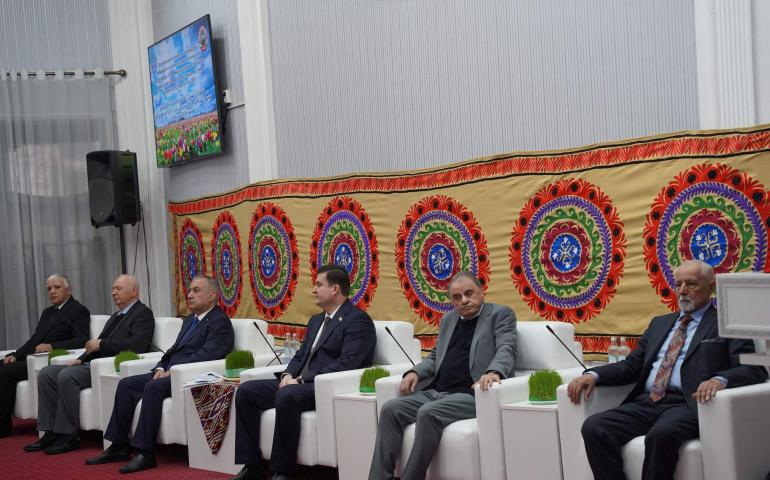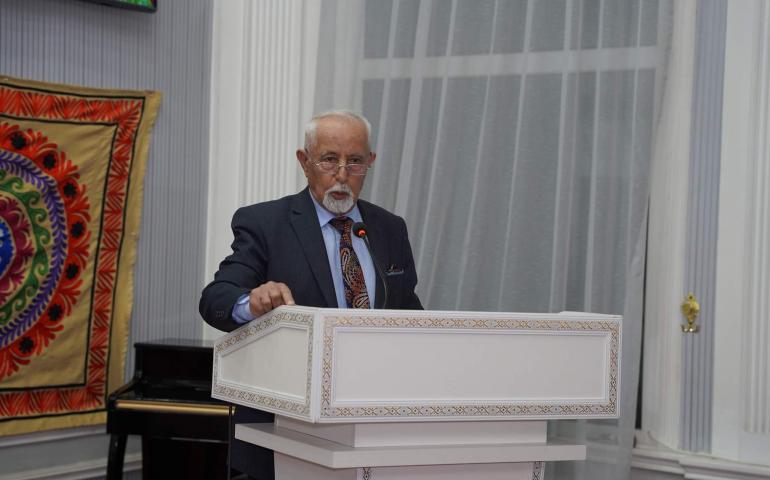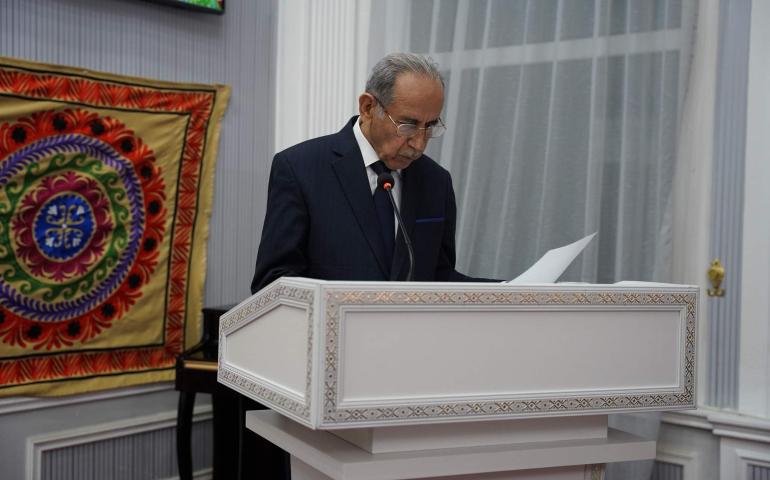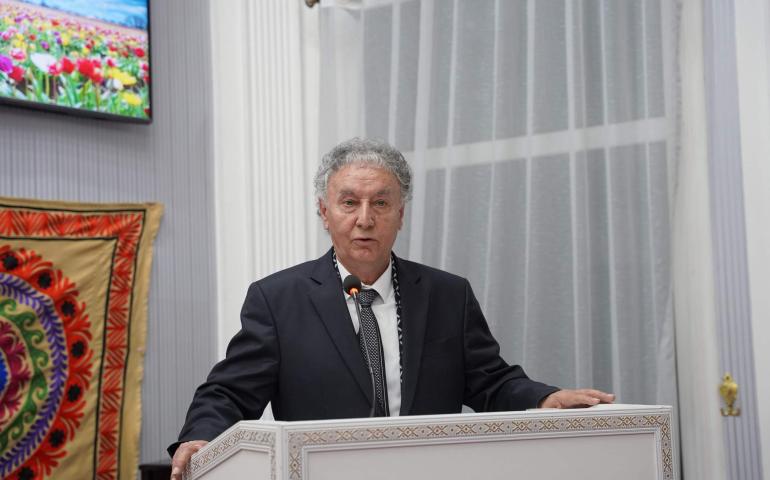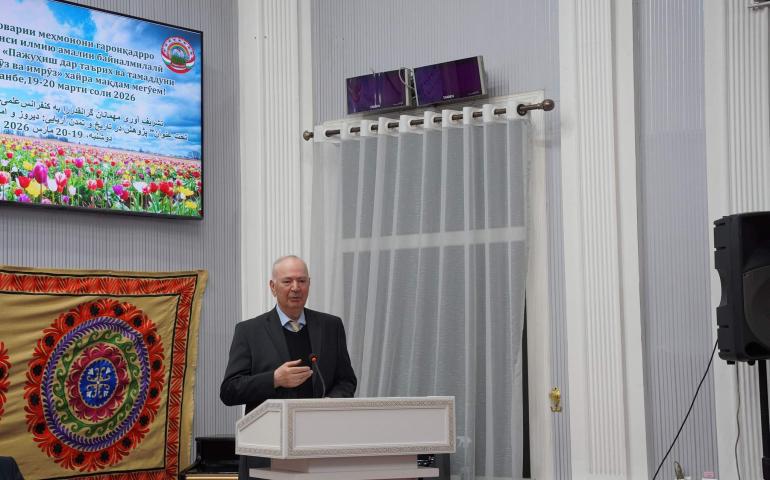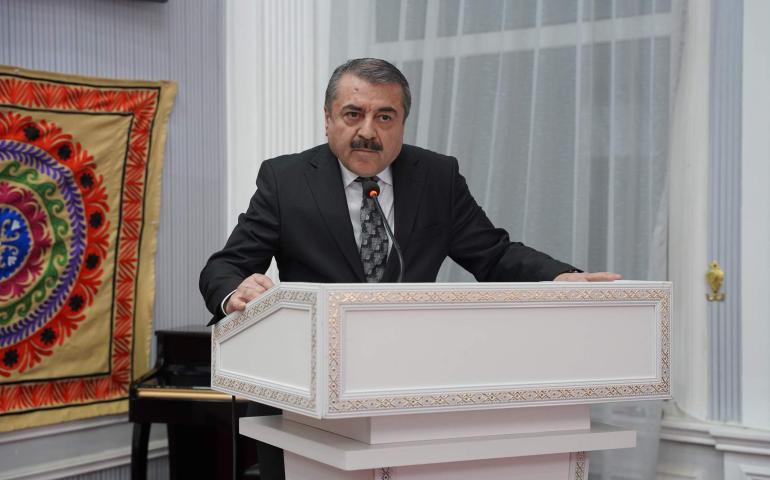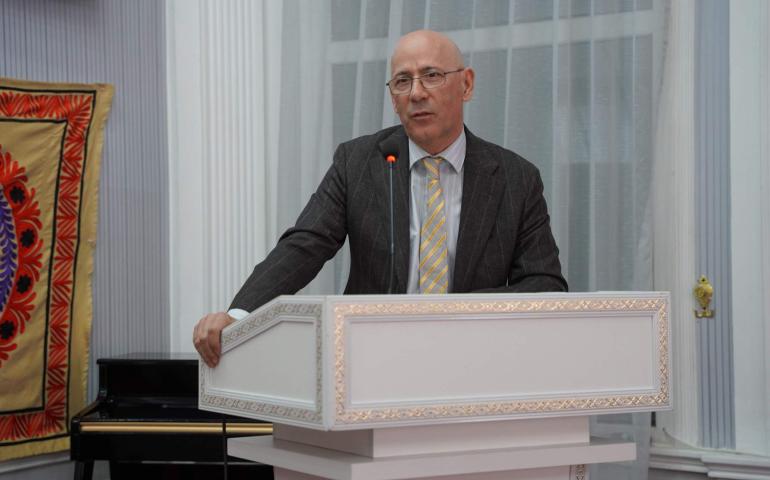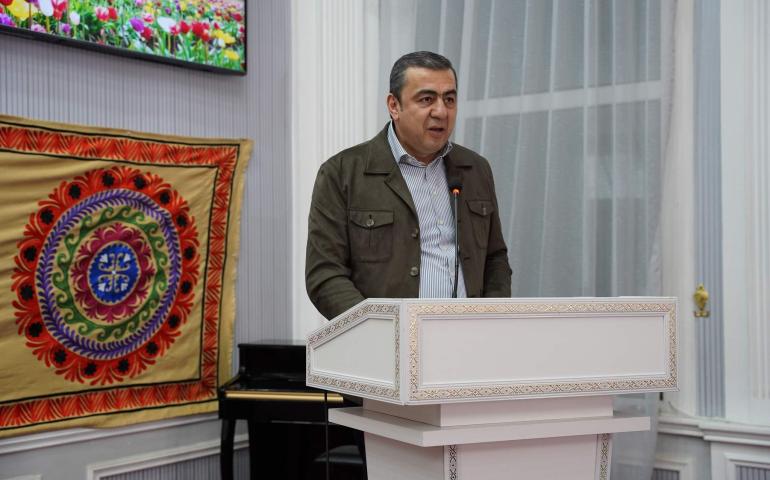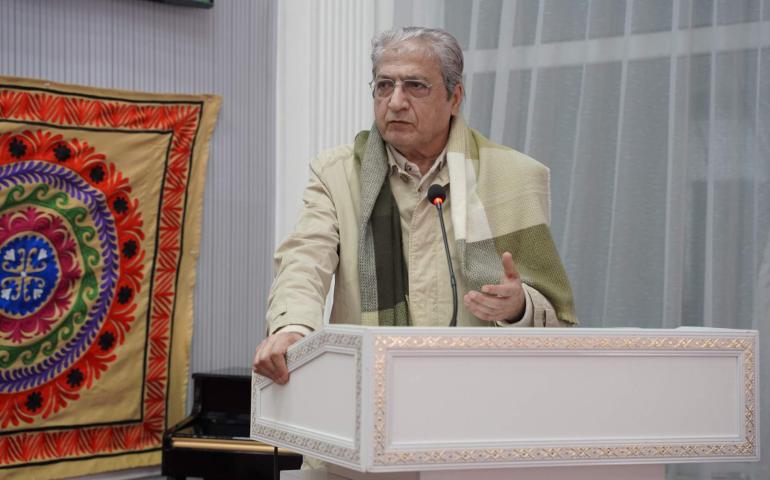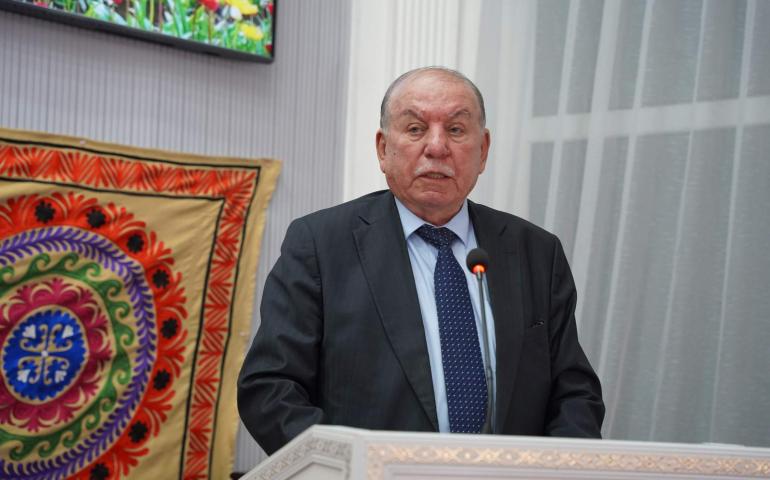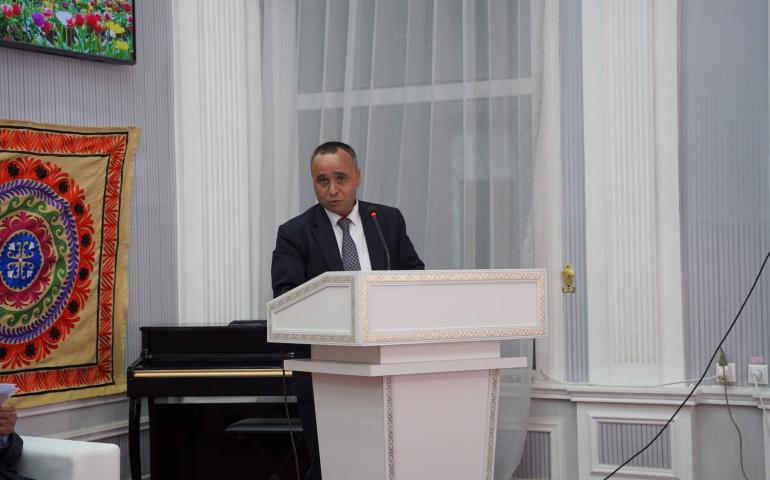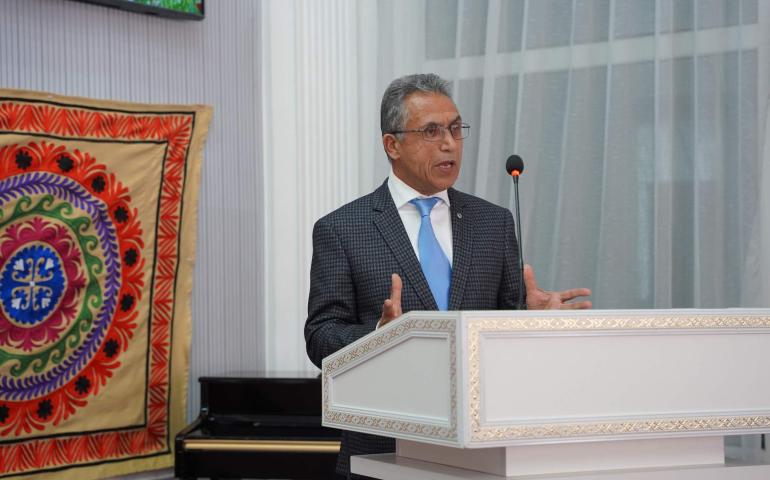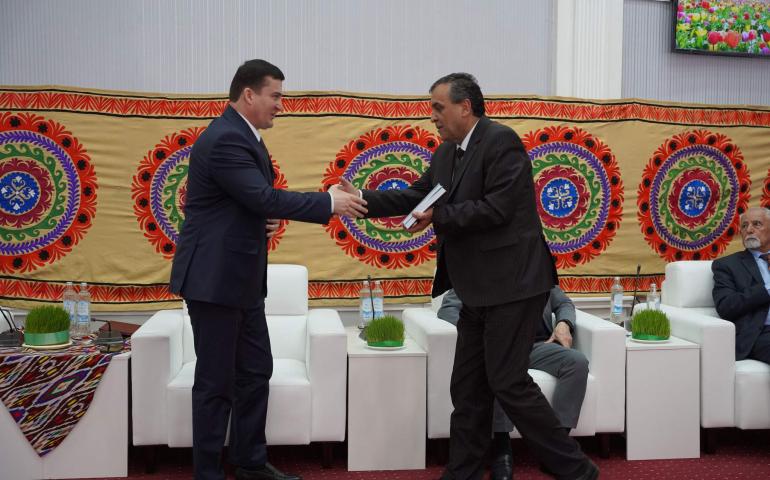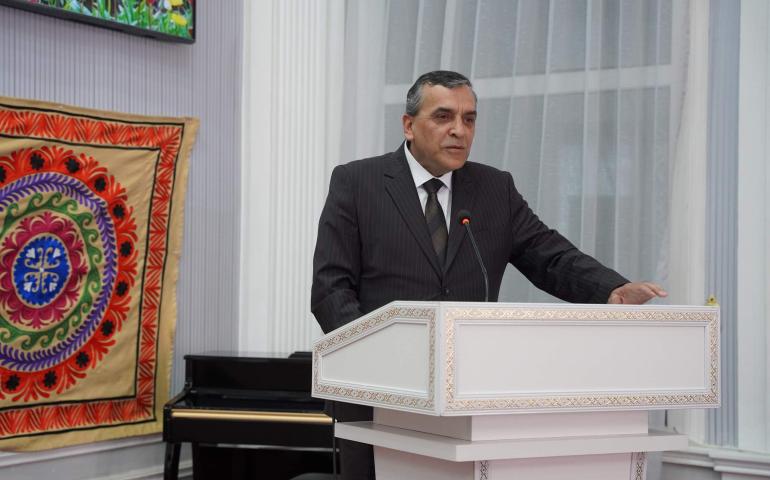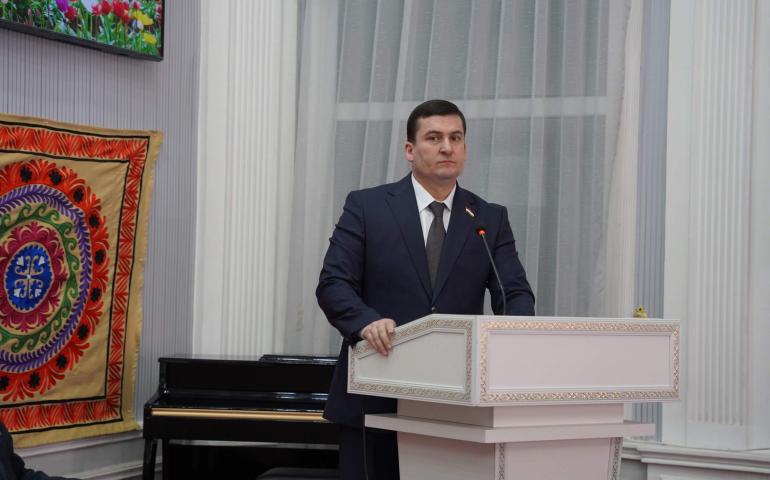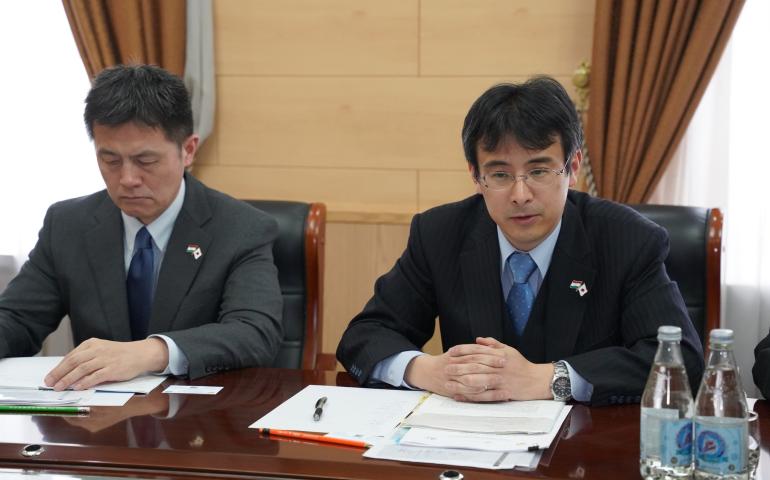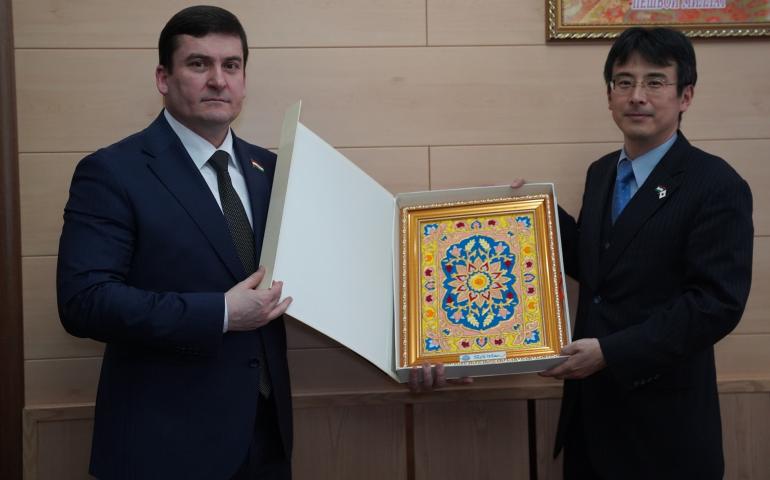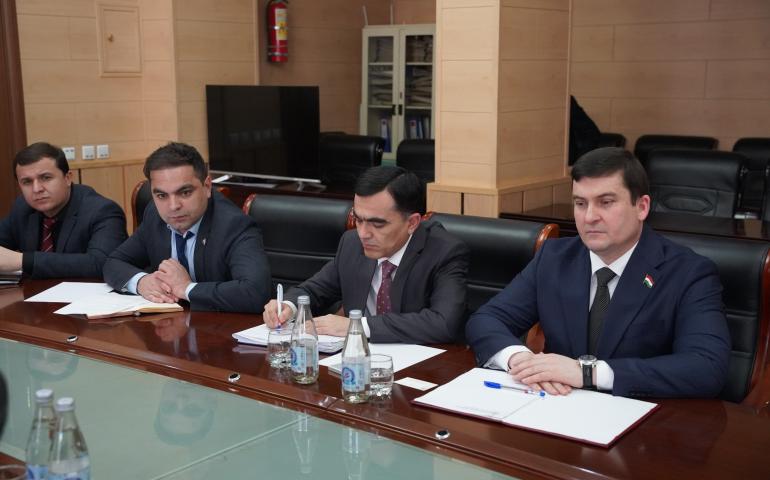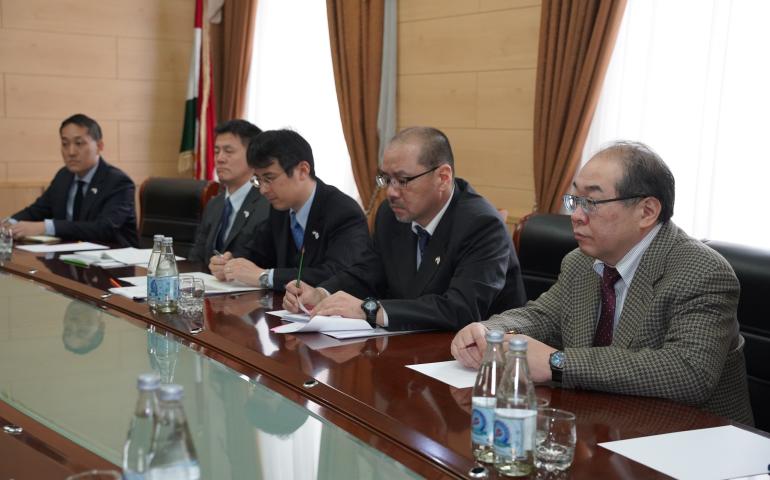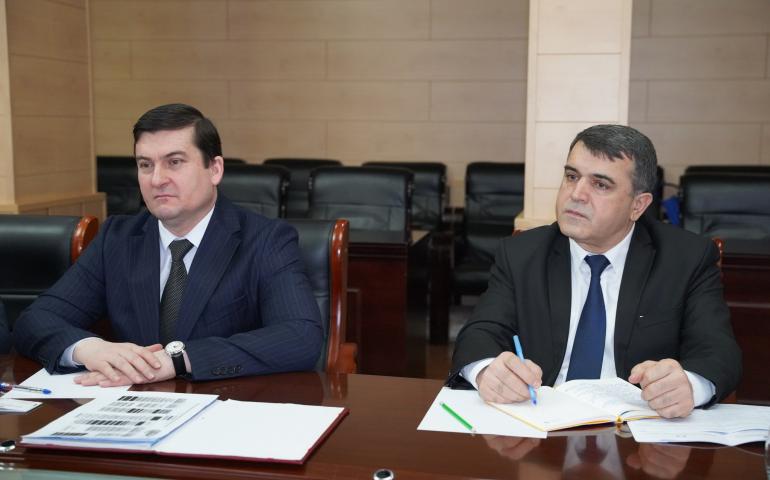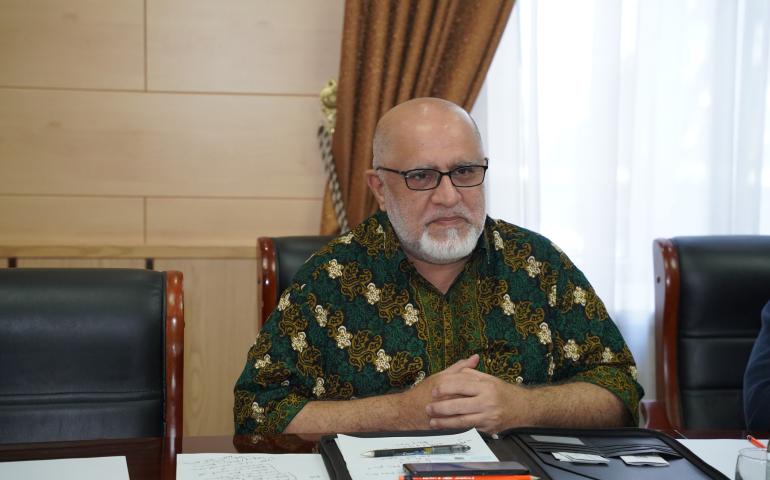

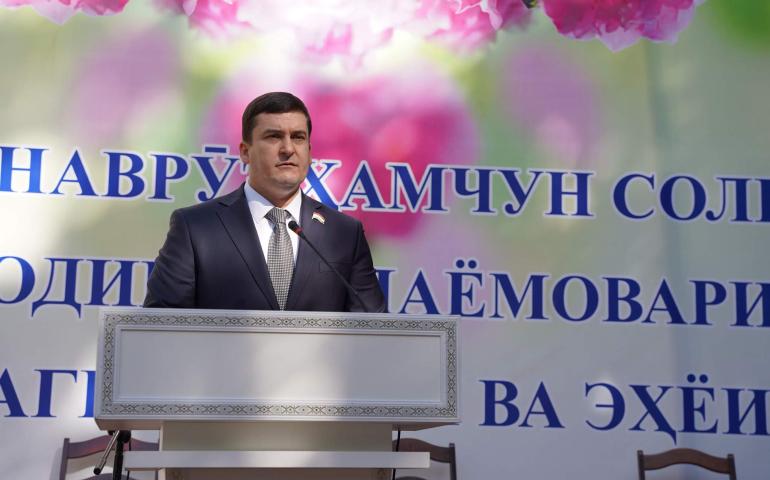
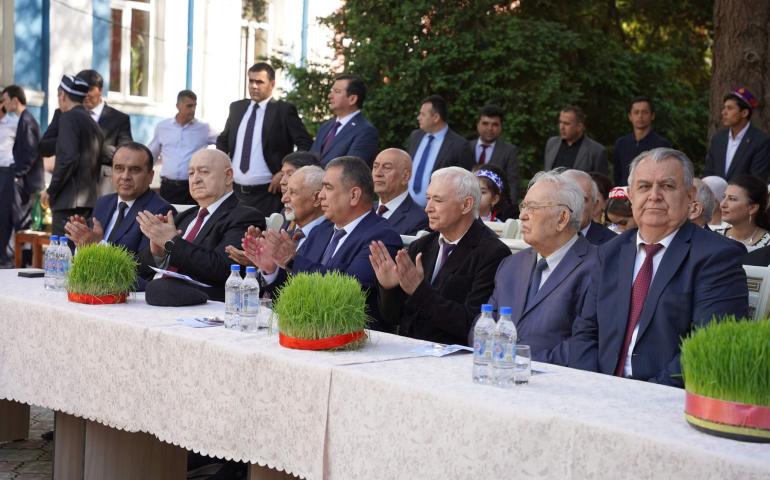
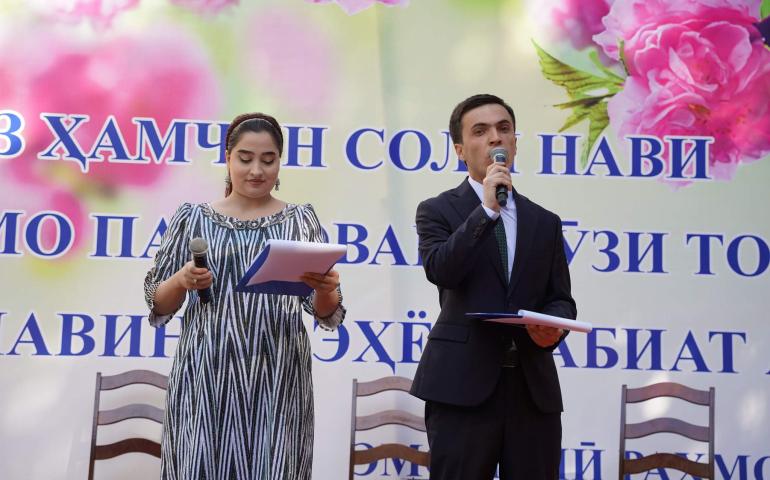
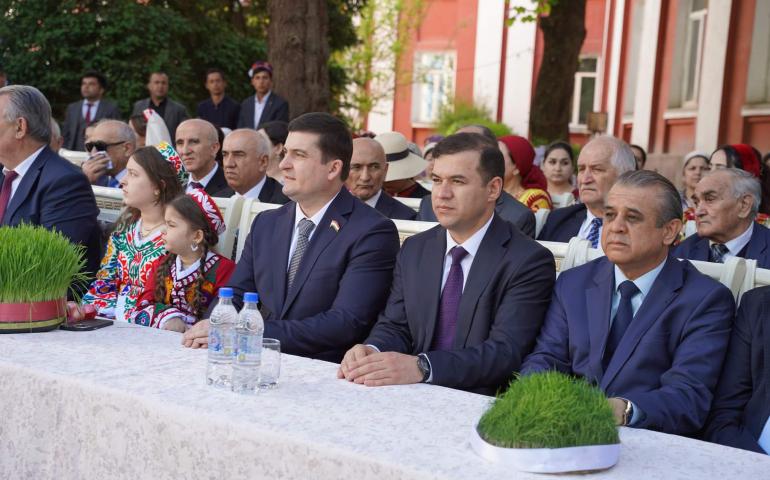
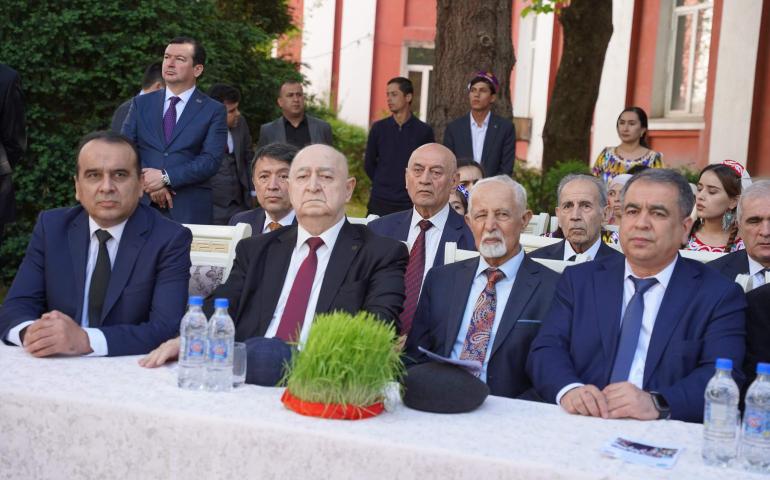
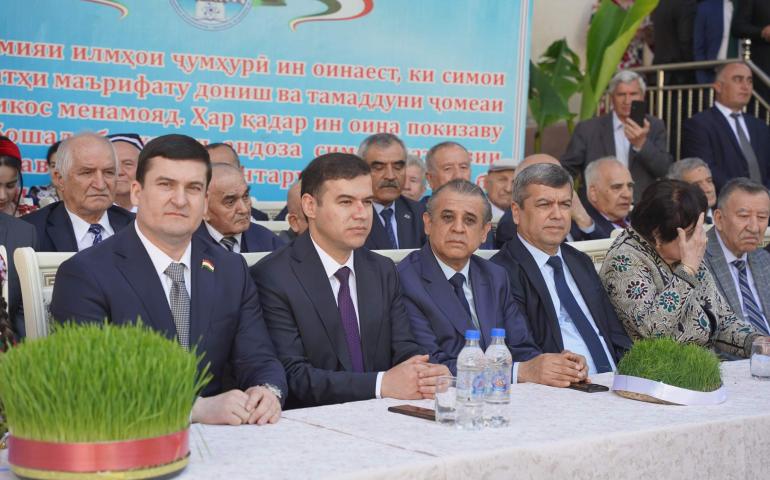
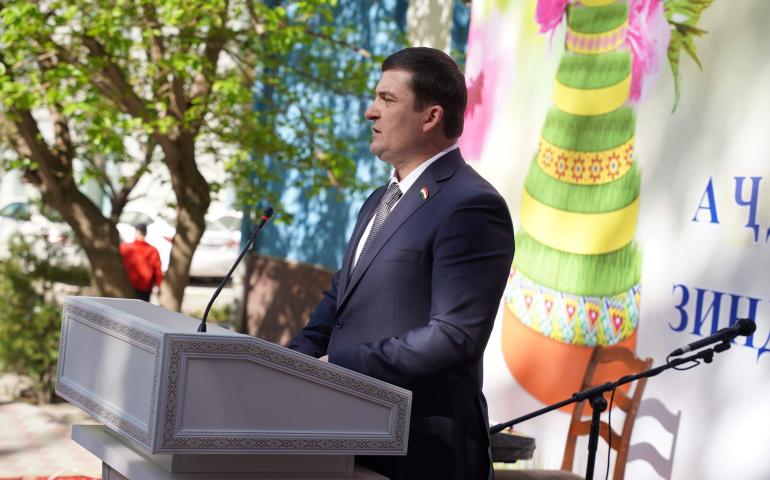
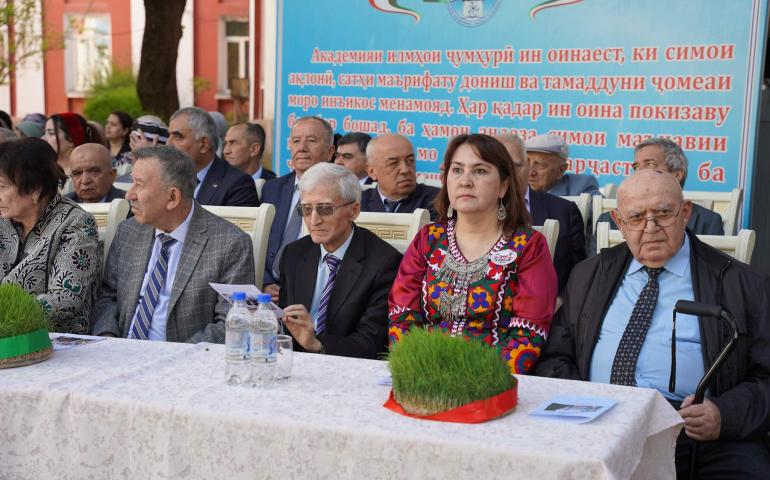
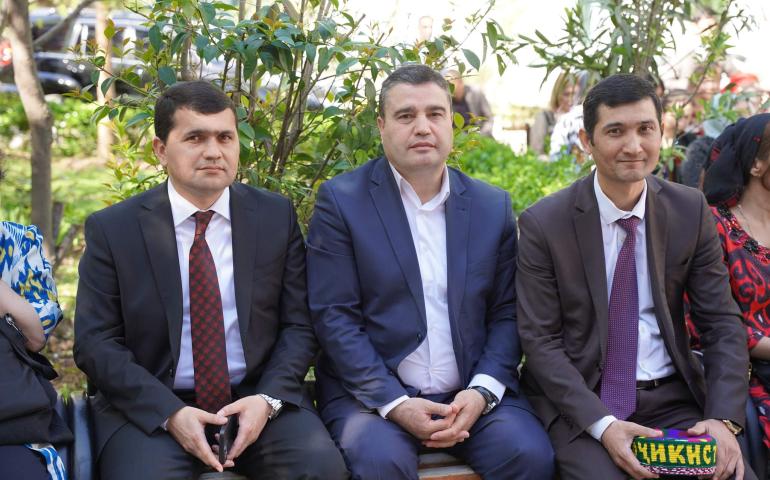
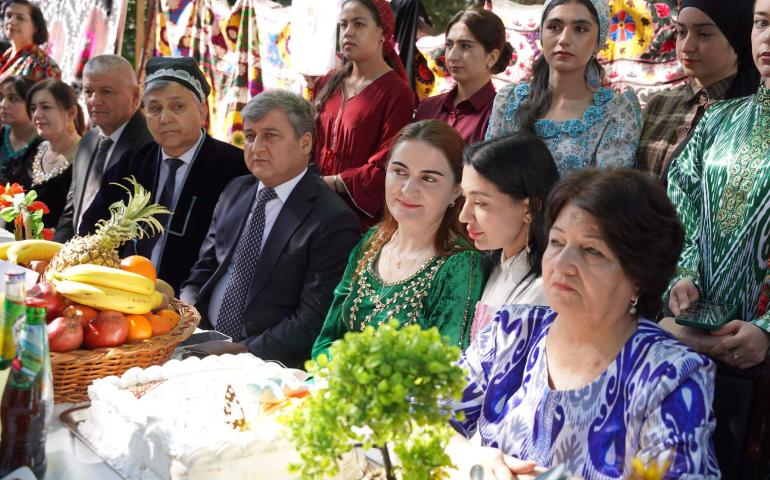
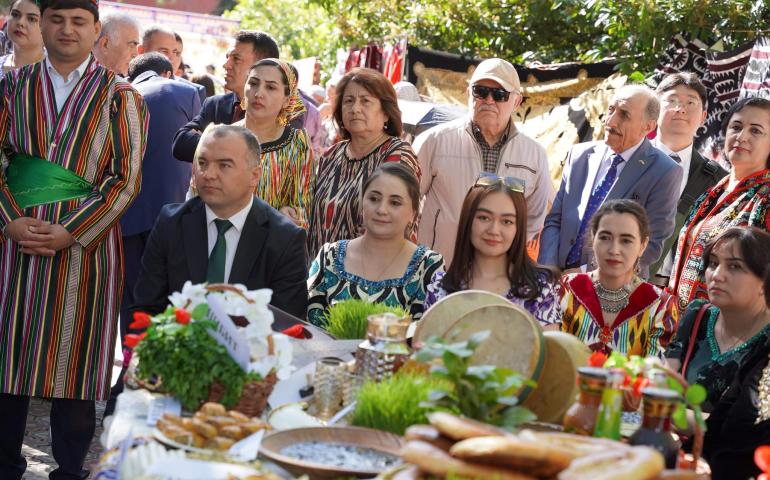
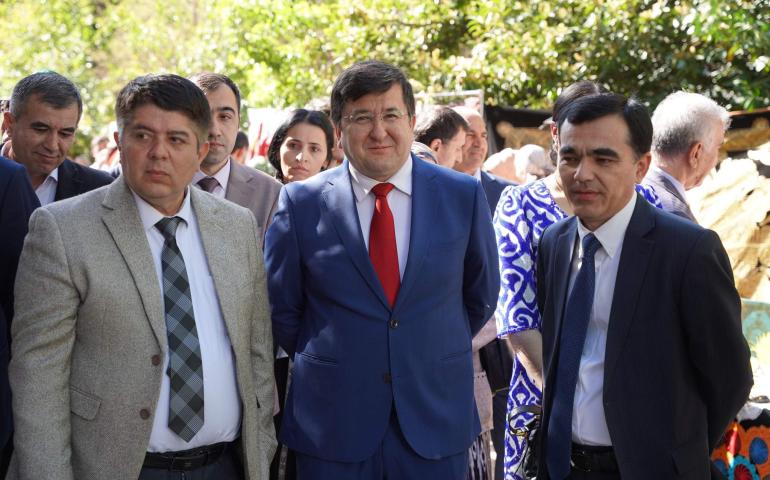
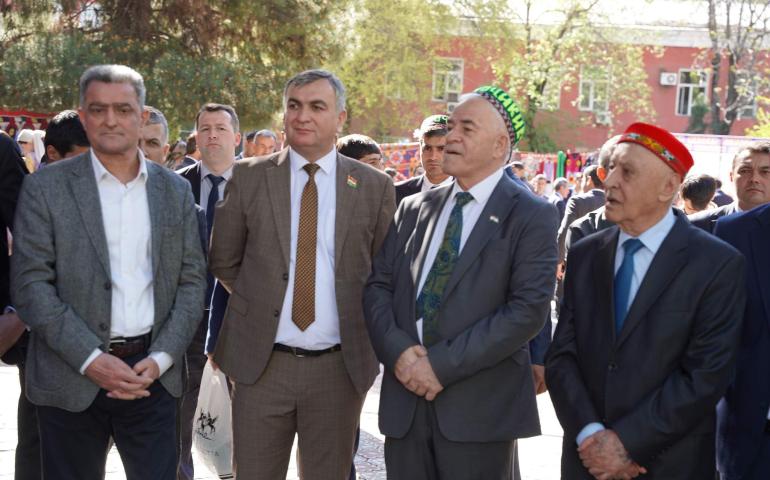
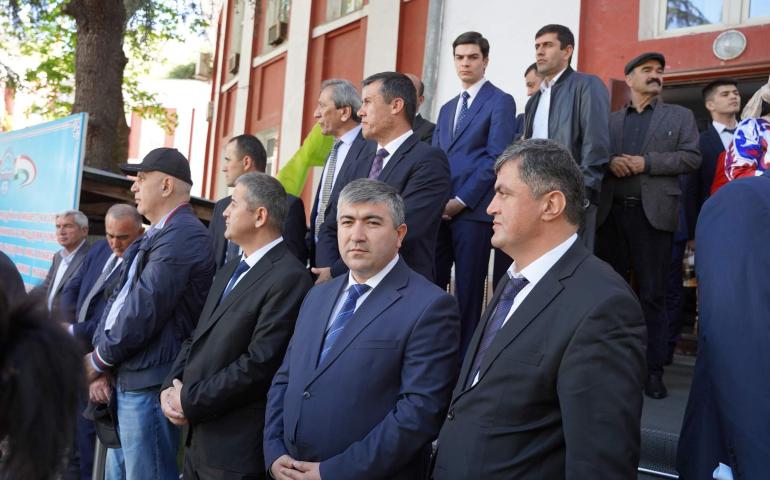
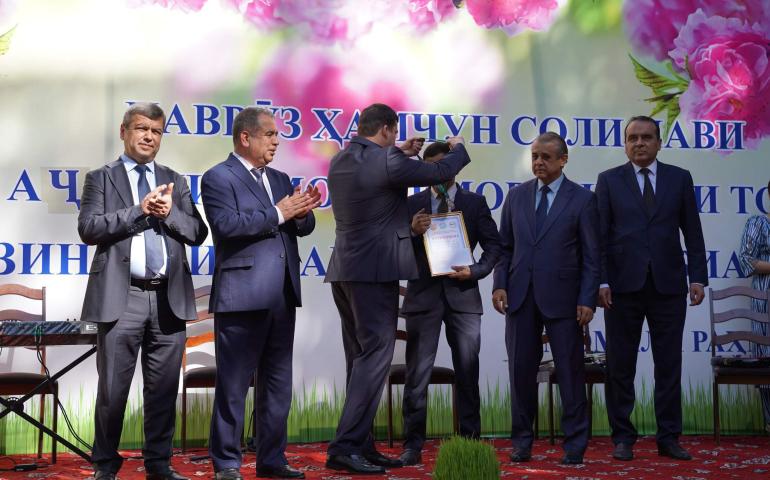
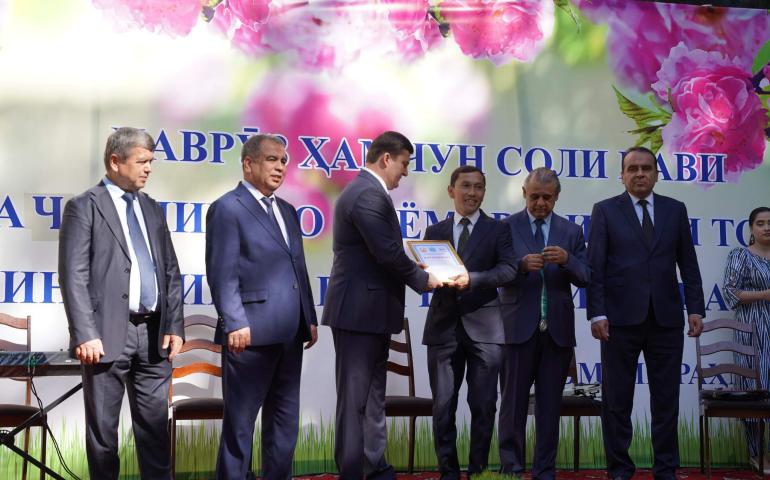
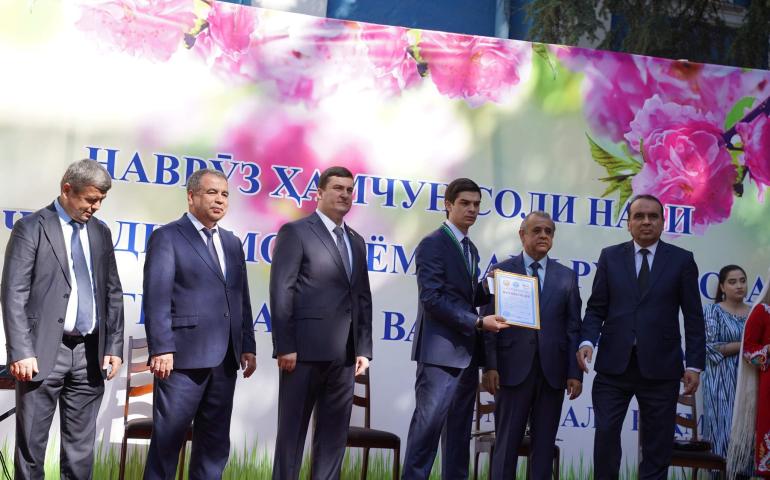
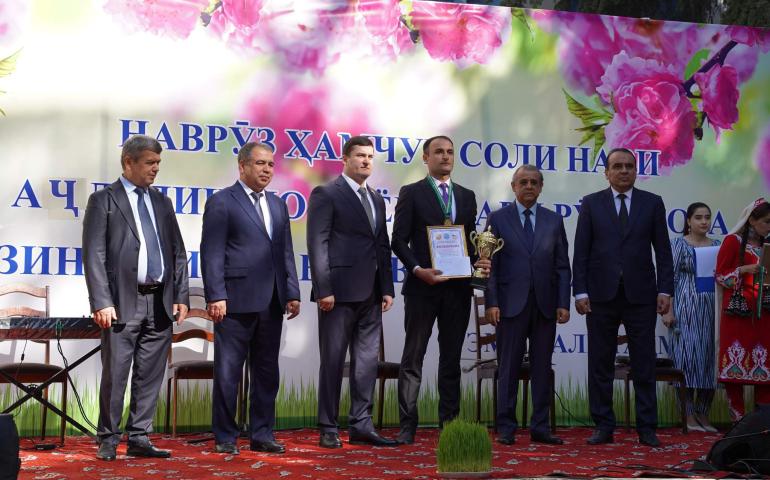
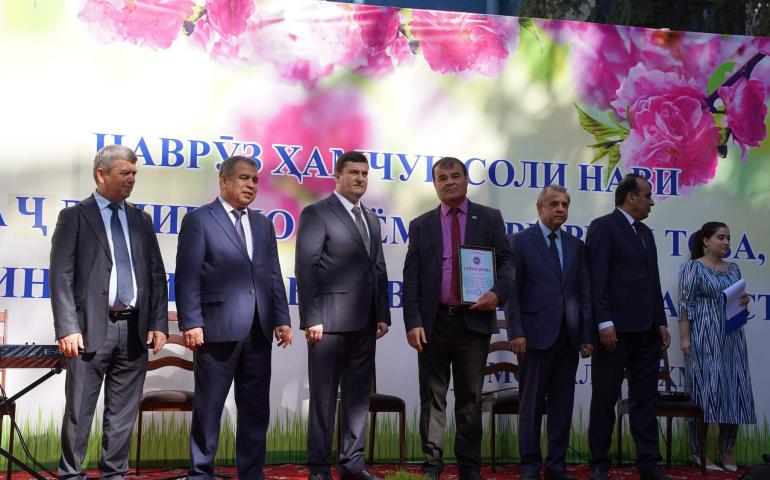
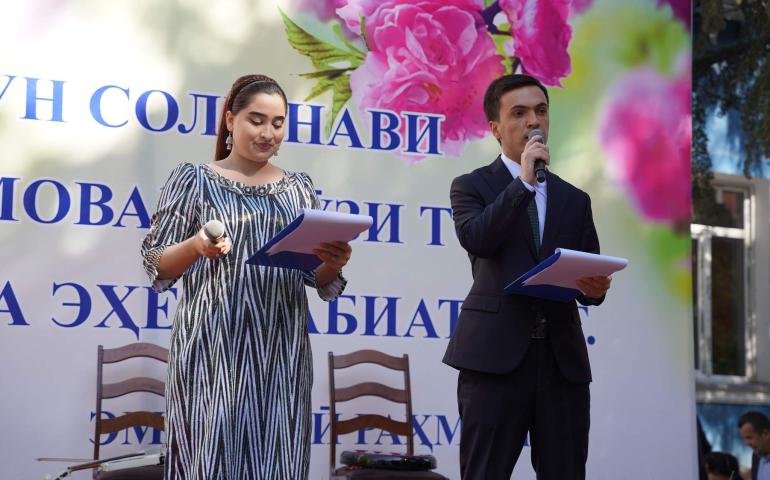
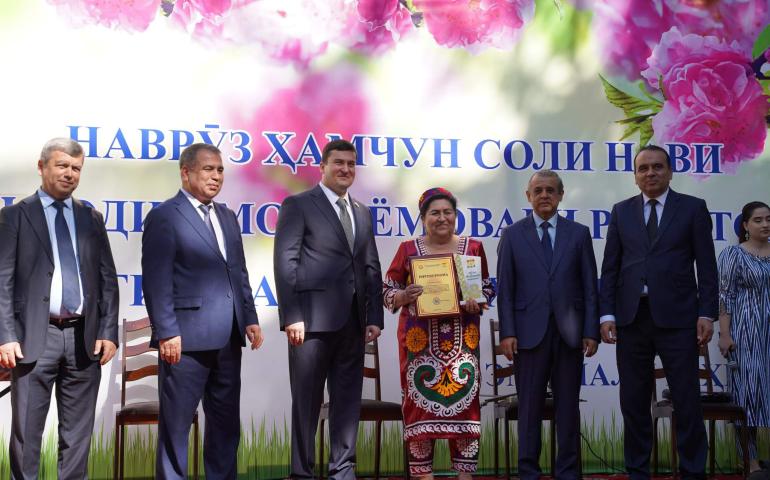
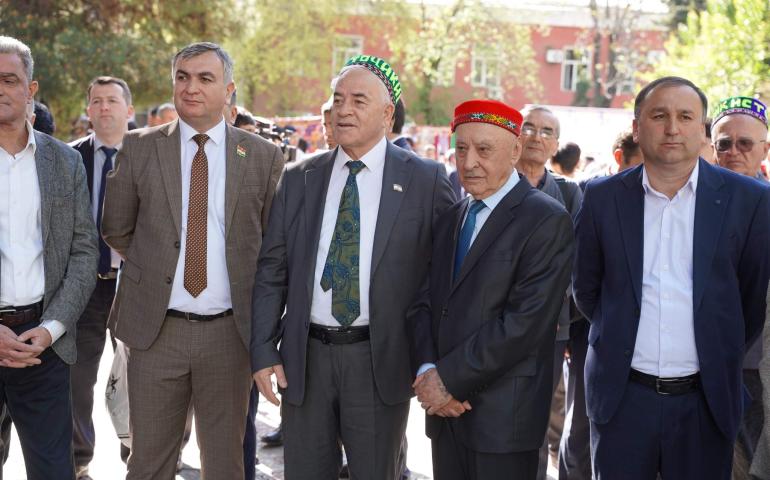
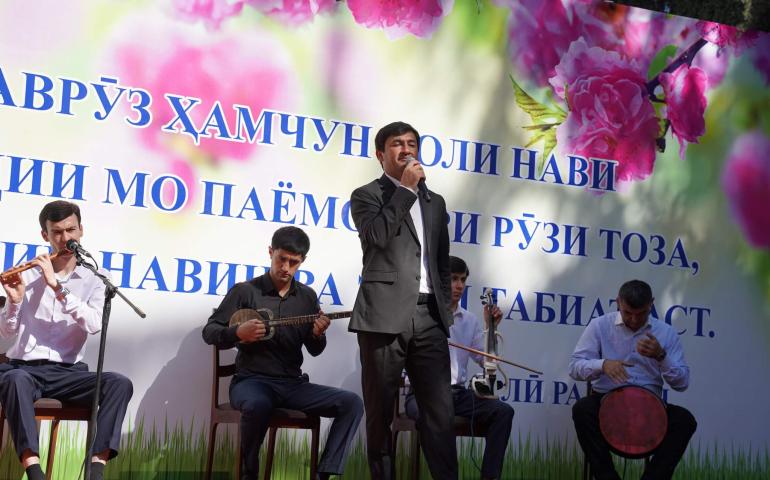
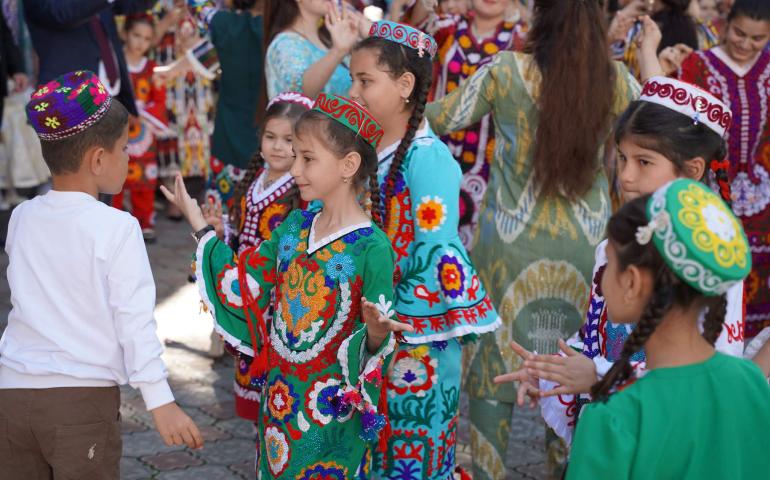
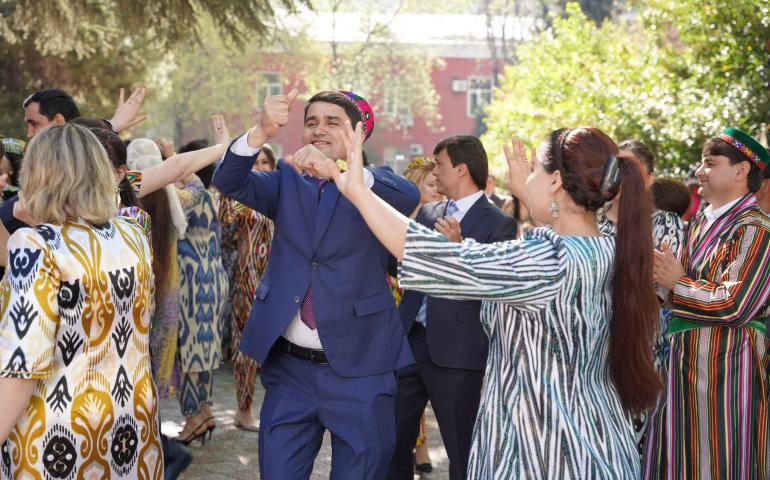
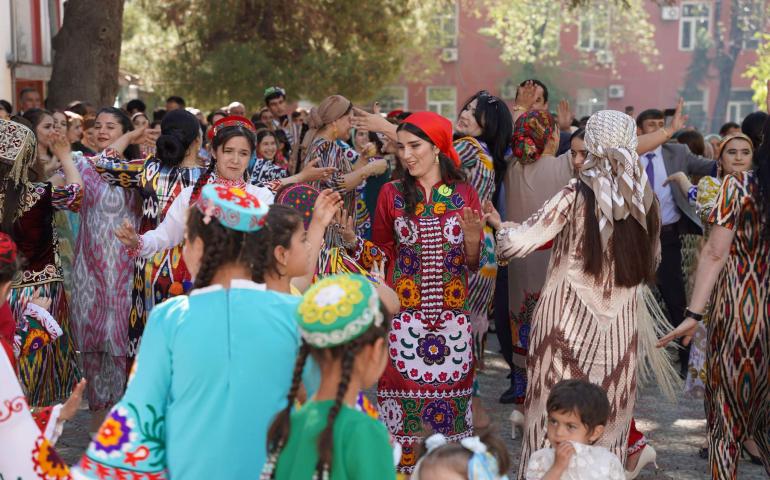
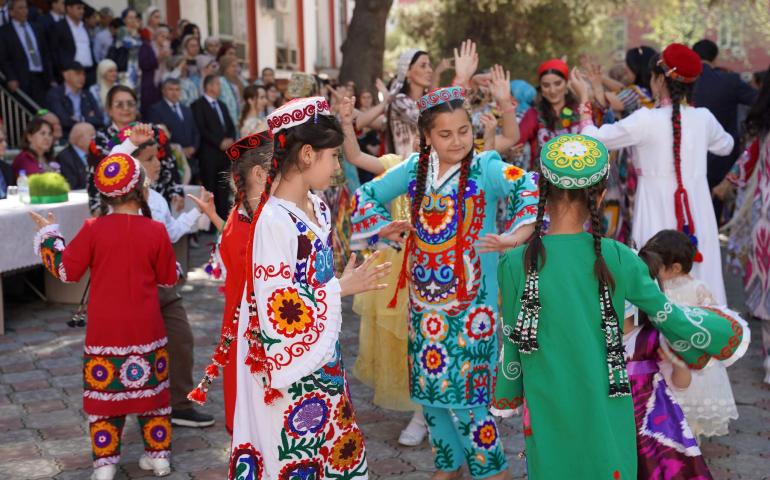
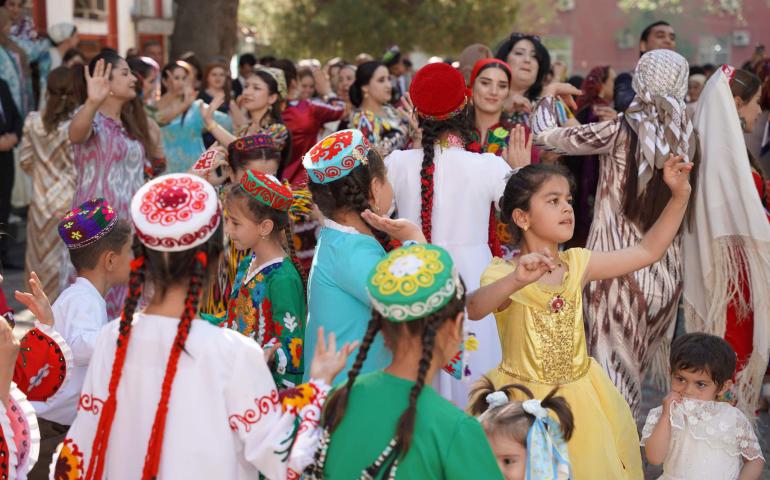
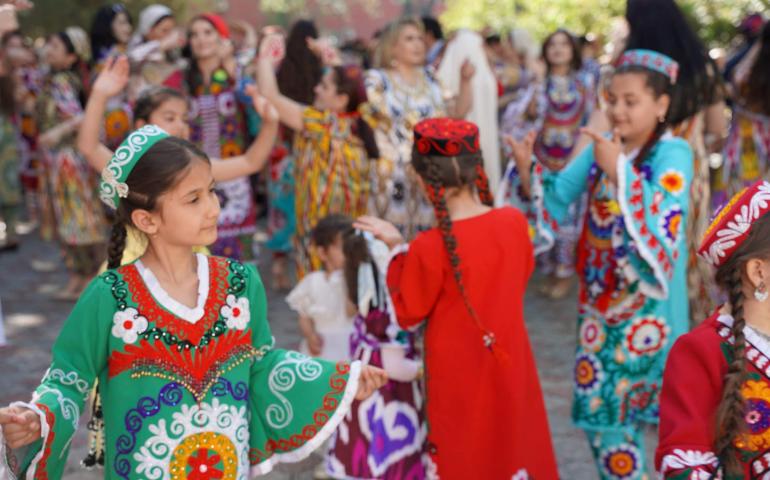
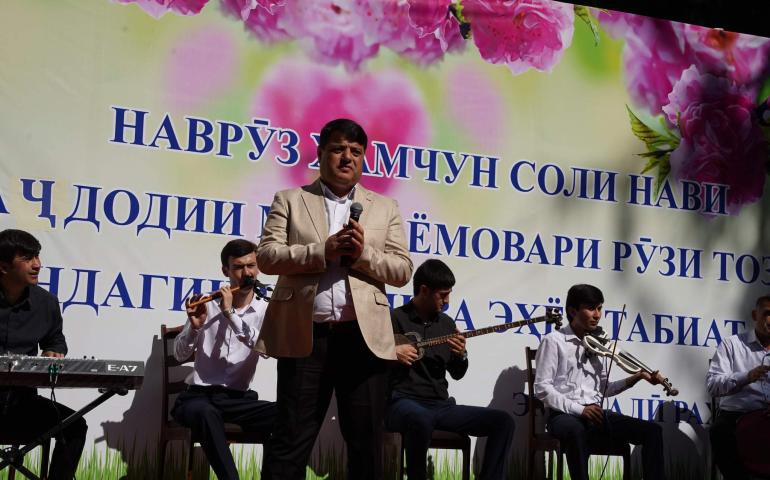
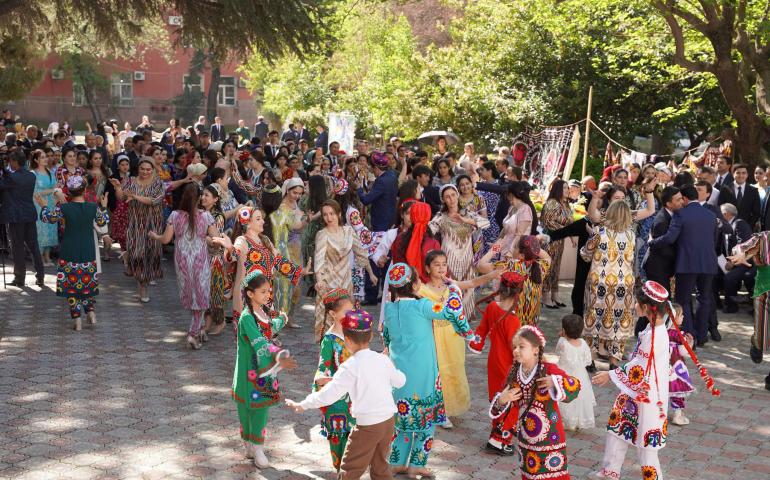
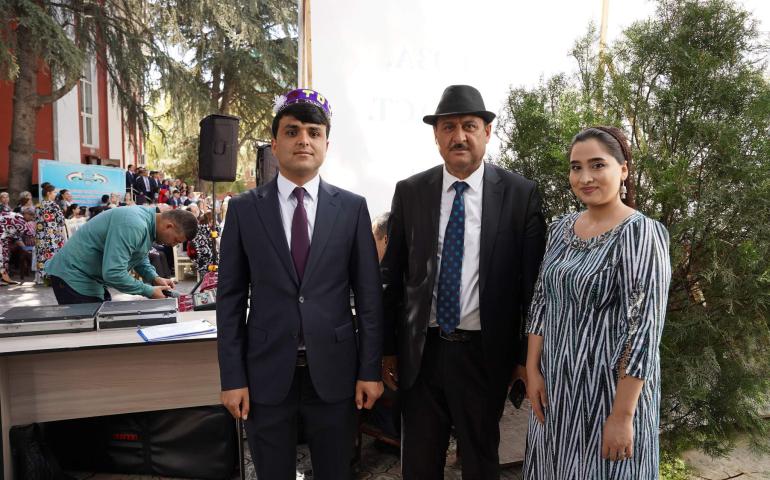
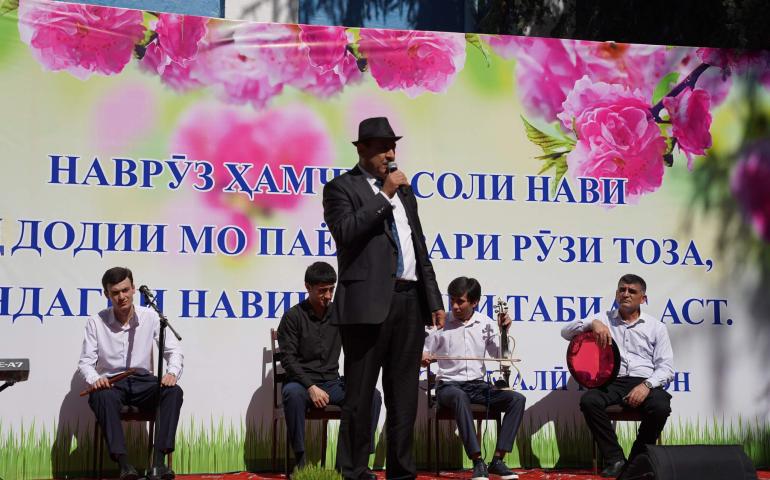
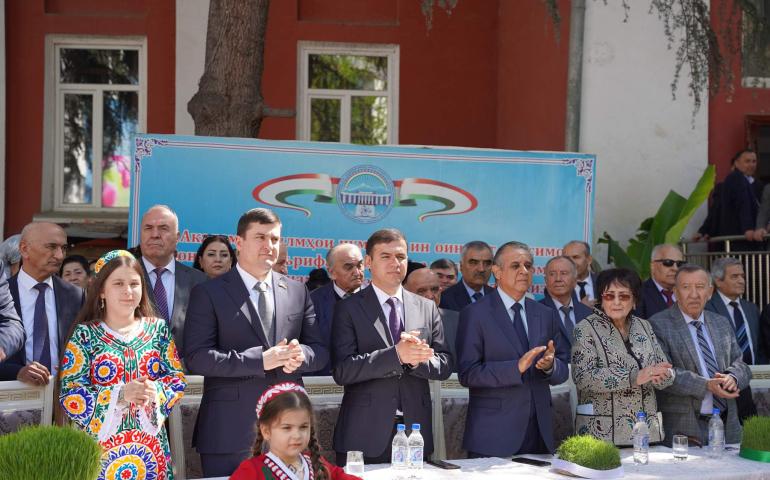
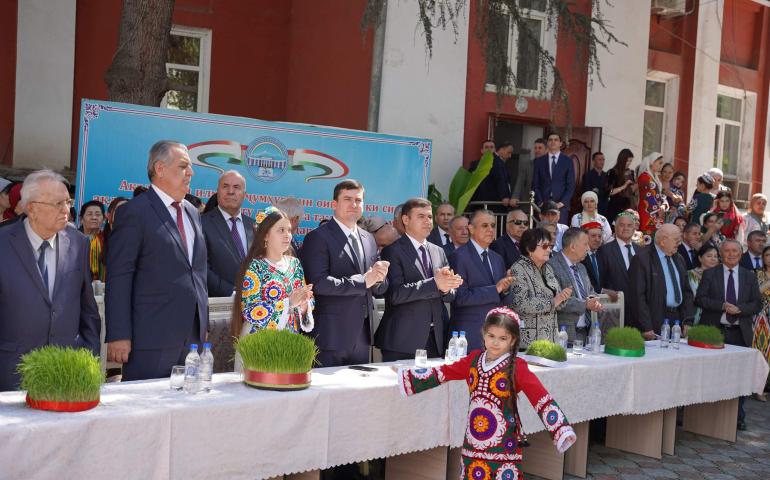
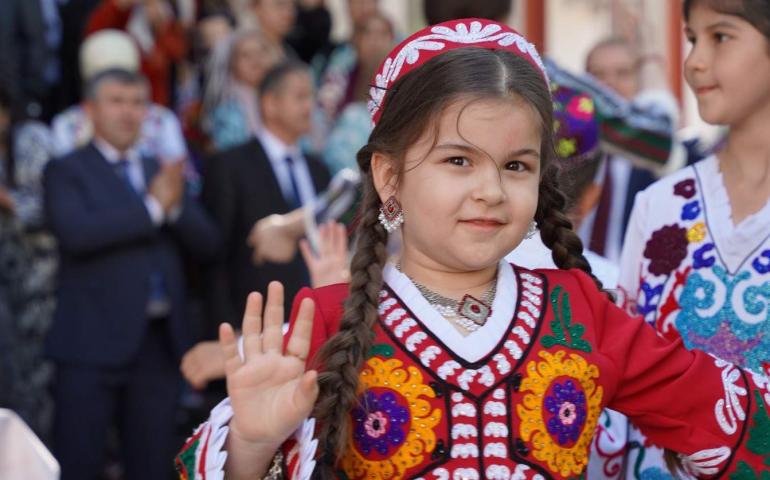
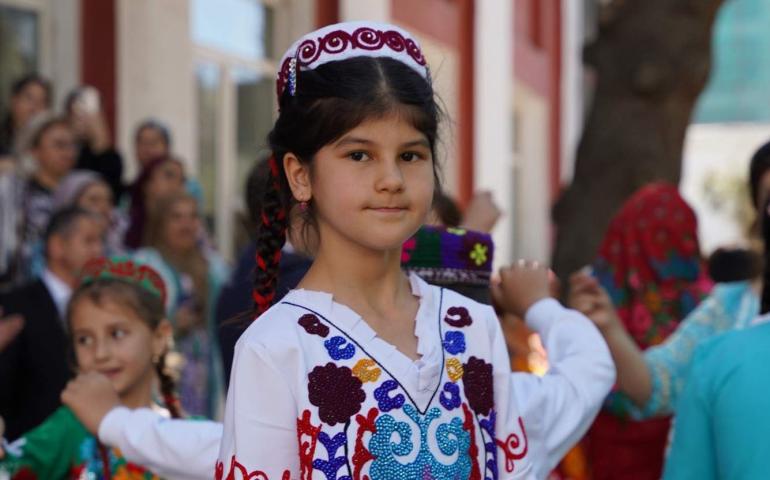
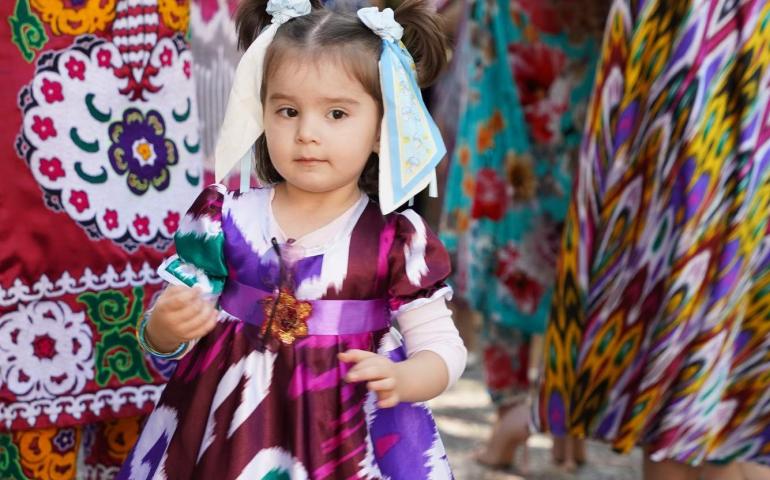
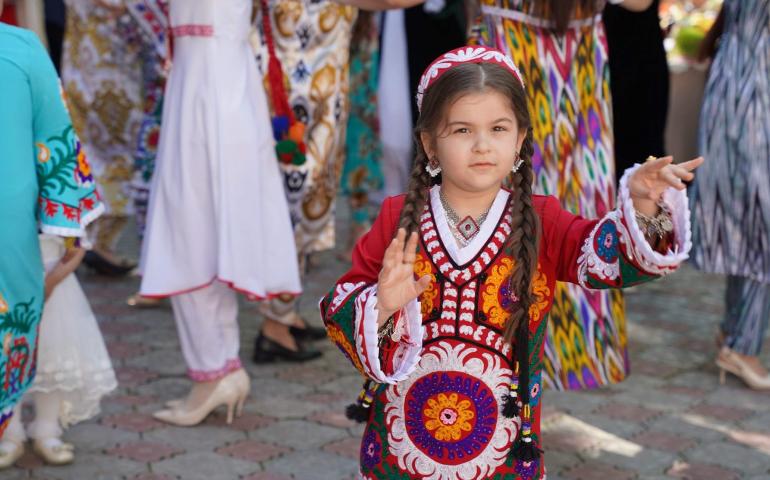
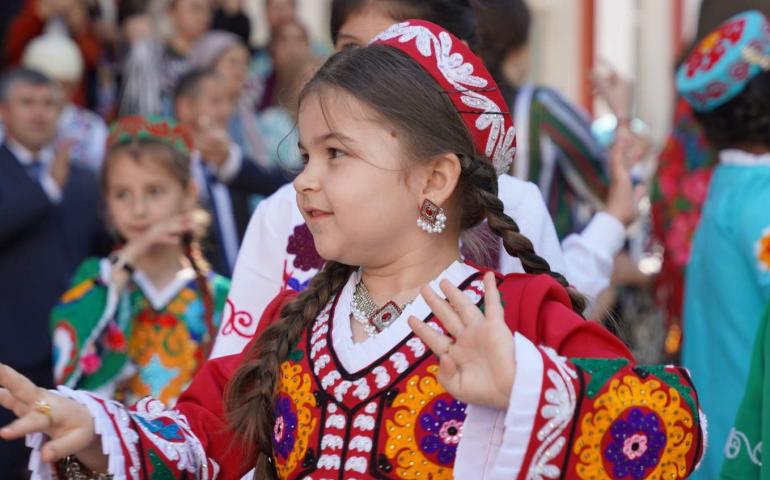
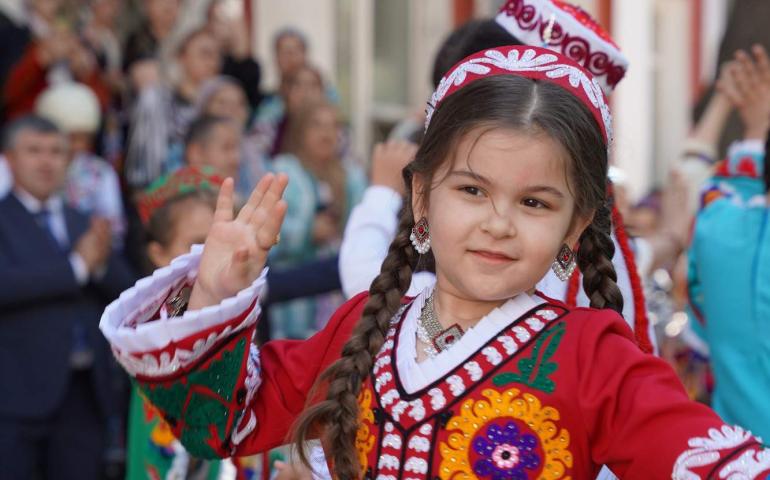
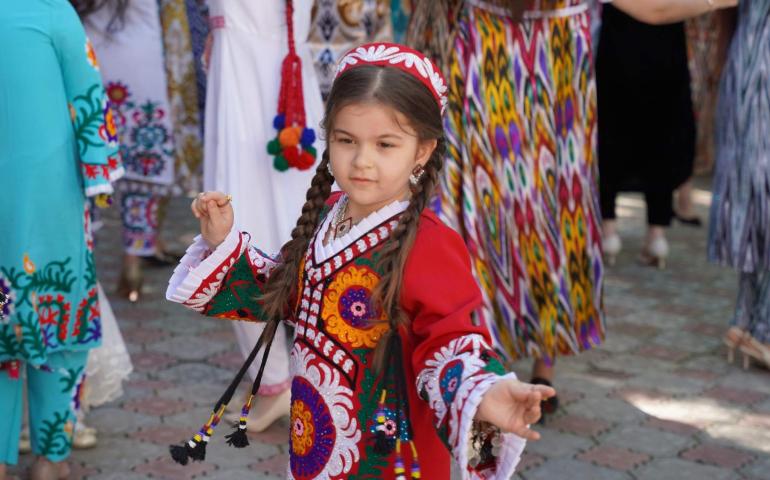
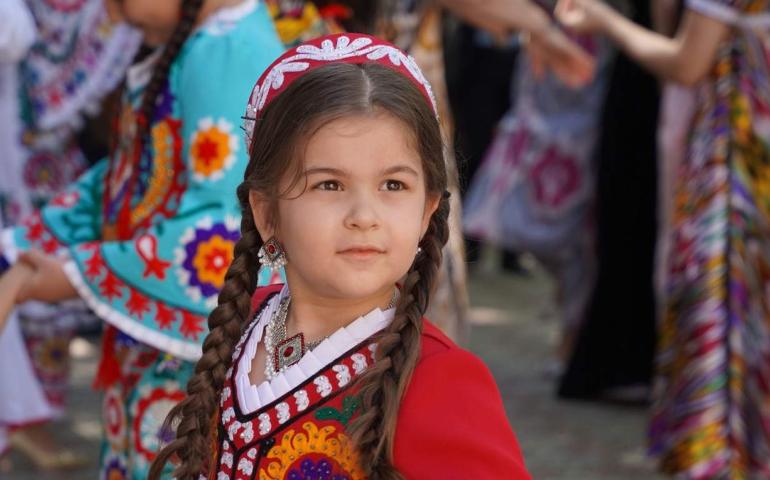
Today, Aprile 1, the International Navruz holiday was celebrated with special grandeur at the National Academy of Sciences of Tajikistan. On this occasion, a festive cultural program was held in the courtyard of the Presidium building of the Academy, where employees and scholars of the research institutions participated with a high festive spirit.
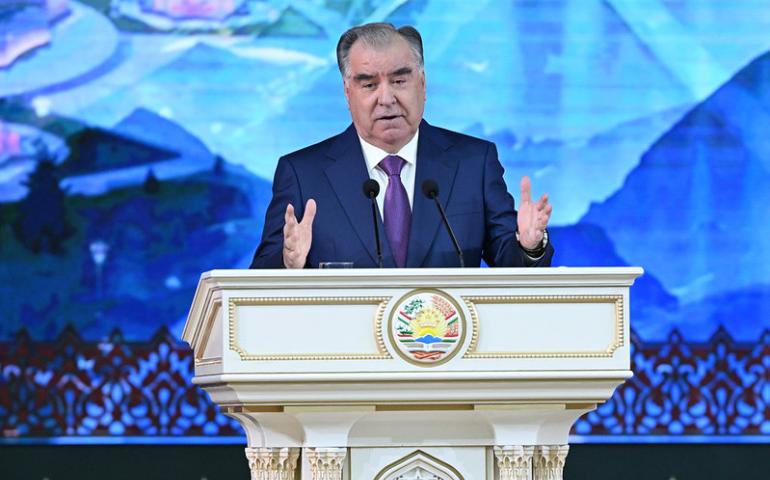
The President of the National Academy of Sciences of Tajikistan, Academician Khushvakhtzoda Qobiljon Khushvakht, once again congratulated all scientists and staff on the International Navruz holiday and noted that the grand celebration of Navruz and its acquisition of international status, along with the revival of other material and spiritual values of our people — the Tajiks — are among the noble initiatives and cultural policy of the Founder of Peace and National Unity — the Leader of the Nation, President of the Republic of Tajikistan, Honorable Emomali Rahmon, which has created favorable conditions for the worthy presentation of our state and nation on the world stage.
It was emphasized that Navruz is considered one of the most ancient and magnificent celebrations of the Tajik people and other peoples of Aryan origin. This holiday has a very ancient history and, according to researchers, dates back more than five to six thousand years. The word “Navruz” consists of two words — “nav” and “ruz”, meaning “new day”, “new beginning”, and “the start of a new life”. Navruz is always celebrated with the arrival of spring and the equalization of day and night. During this time, nature awakens from its winter sleep, trees turn green, flowers bloom, and a new life begins. For this reason, Navruz is a symbol of revival, renewal, hope, and joy for the future.
It was noted that the history of Navruz dates back to very ancient times, to the era of the Aryan civilization. Historical sources and ancient legends state that Navruz was celebrated even during the time of the legendary king Jamshid. According to the legends, after defeating cold and darkness, Jamshid declared the new day as the beginning of the new year, and people celebrated that day with joy and happiness. Since then, this day became known among the people as a blessed and auspicious day and a symbol of the awakening of nature.
It was said that many scholars and historians believe that Navruz is not only a folk celebration but also an important part of the ancient culture of the peoples of the East. In different historical periods, including during the reign of the Achaemenids and the Sassanids, Navruz was celebrated with great ceremonies. Kings organized grand celebrations on this day, gave gifts to the people, and the people congratulated one another with joy.
It was noted that interesting information about Navruz can also be found in the works of many scholars and famous poets and writers of the world. For example, the great Eastern scholar Abu Rayhan Biruni provided valuable information about the origin and traditions of Navruz in his works. Likewise, the great Tajik-Persian poet Abulqosim Ferdowsi mentioned Navruz in his famous work “Shahnameh” as a blessed holiday and a symbol of the victory of light over darkness. In addition, the famous poet and astronomer Omar Khayyam in his work “Navruznama” also referred to the importance of this holiday and considered Navruz as a symbol of the beginning of a new life and the beauty of nature.
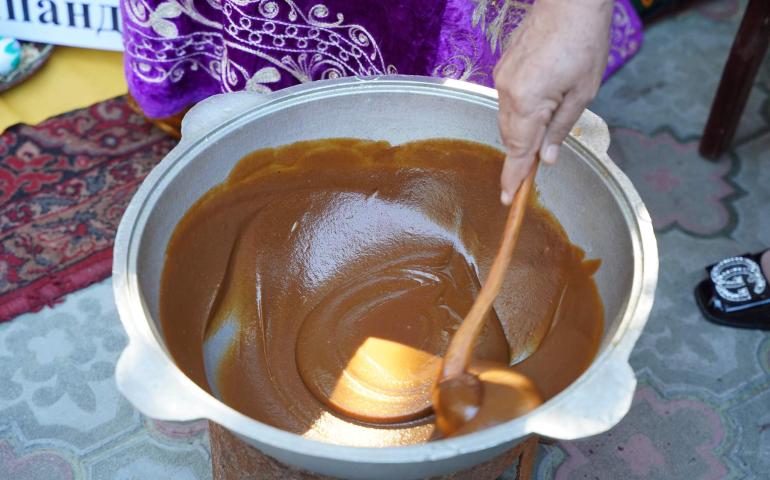
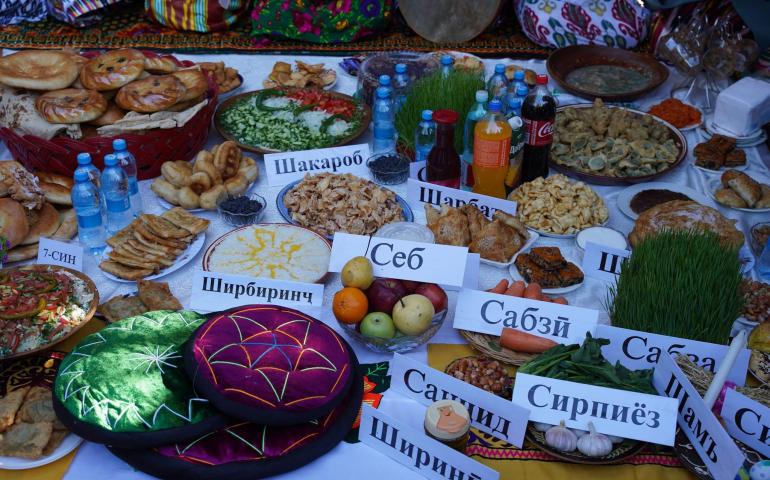
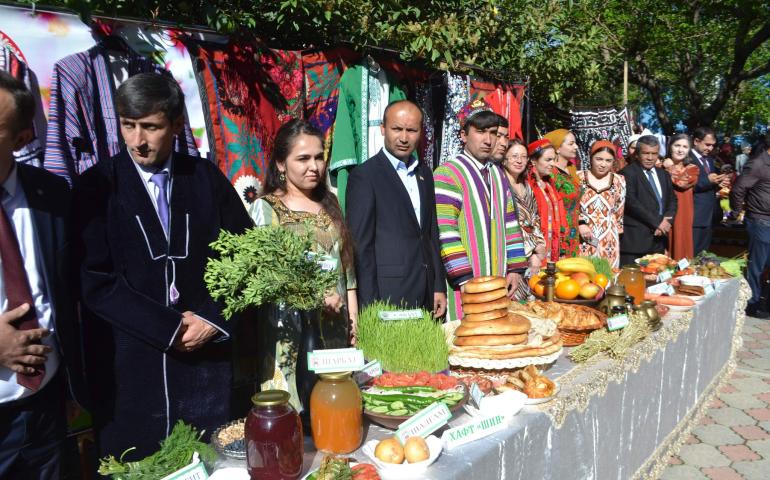
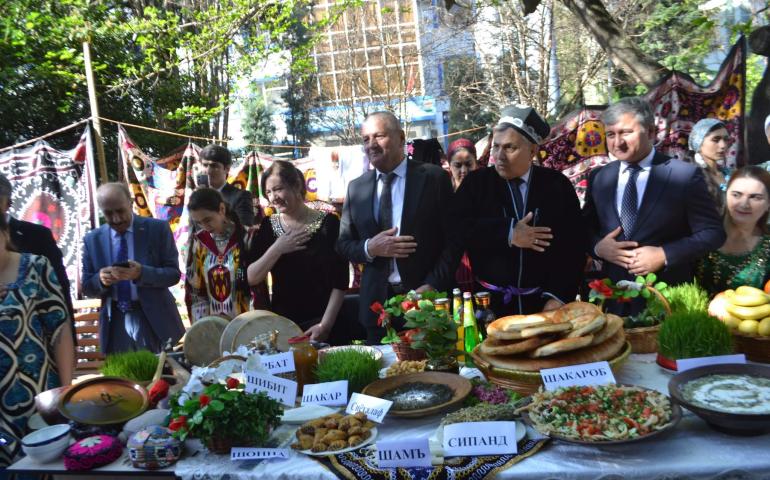
It was noted that one of the important traditions of Navruz is the preparation of sumanak. Sumanak is made from sprouted wheat and symbolizes abundance and prosperity in life. The preparation of sumanak usually lasts throughout the night. During this ritual, women and girls gather together and cook this symbolic dish with songs and joy. This custom is considered one of the beautiful traditions of Tajik culture and has been preserved to this day in all regions of Tajikistan. Along with sumanak, decorating the Navruz festive table is also considered one of the ancient traditions. The Navruz table is decorated with festive dishes of “haft sin” and “haft shin” and household items. Each of these dishes and items has its own symbolic meaning and represents prosperity and abundance in life.
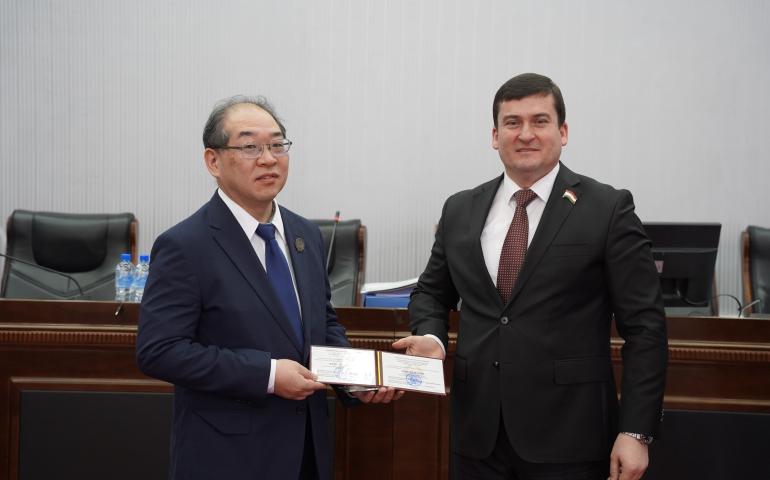
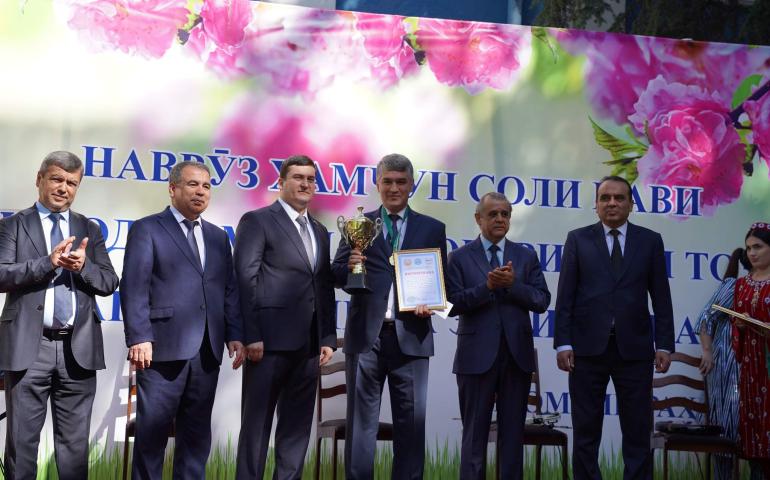
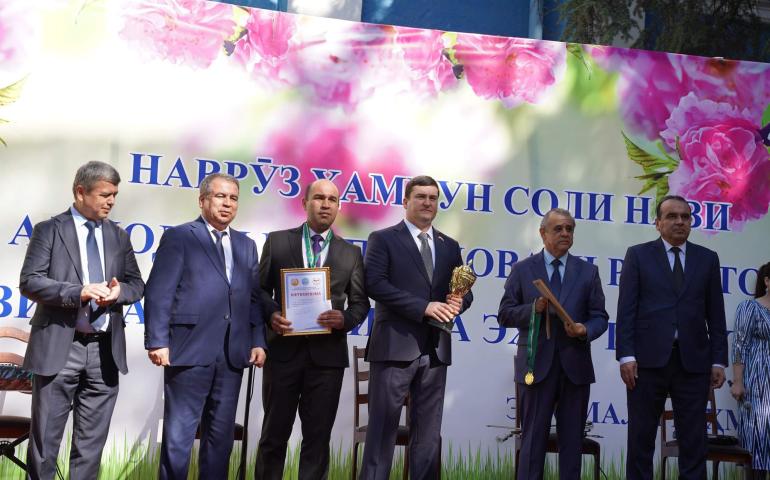
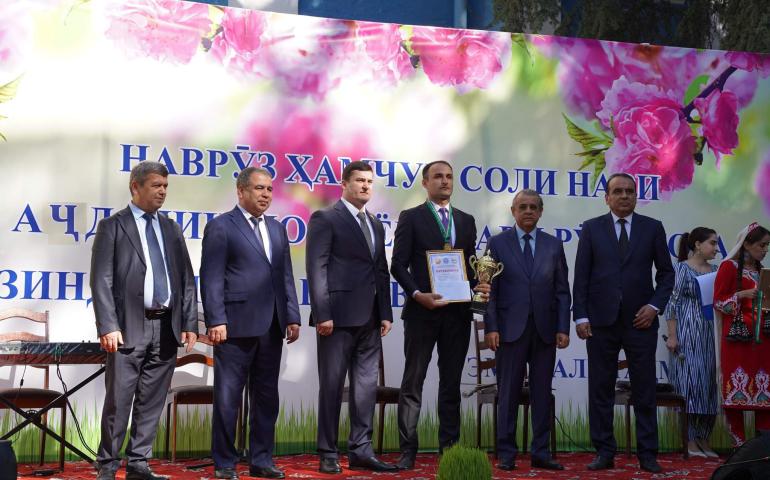
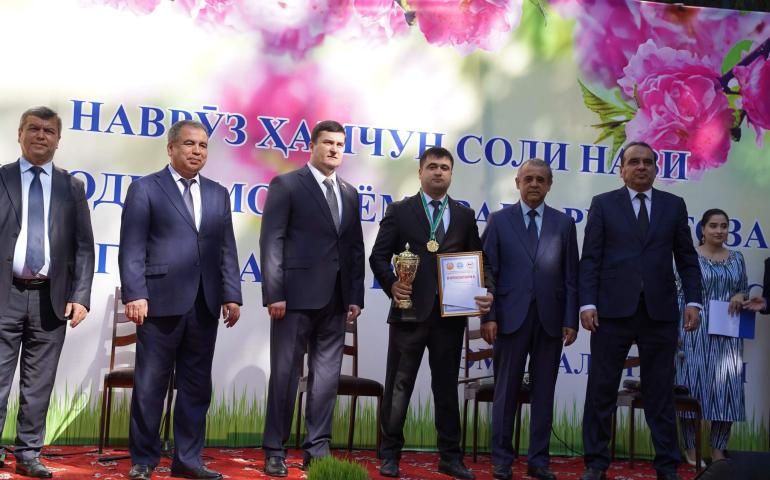
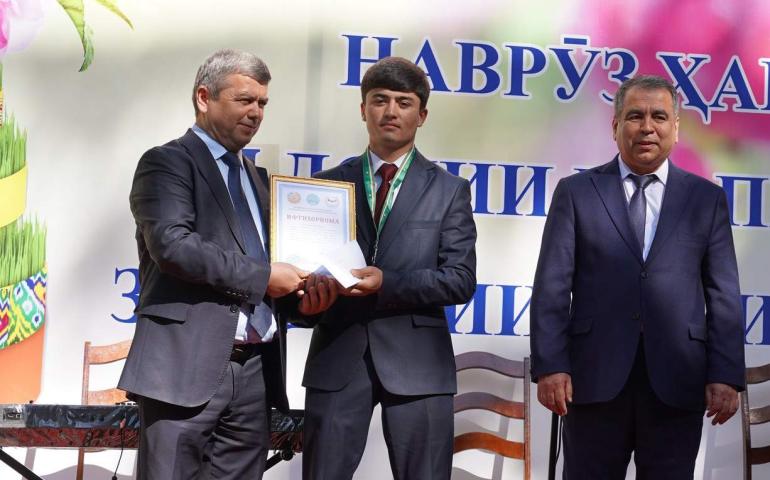
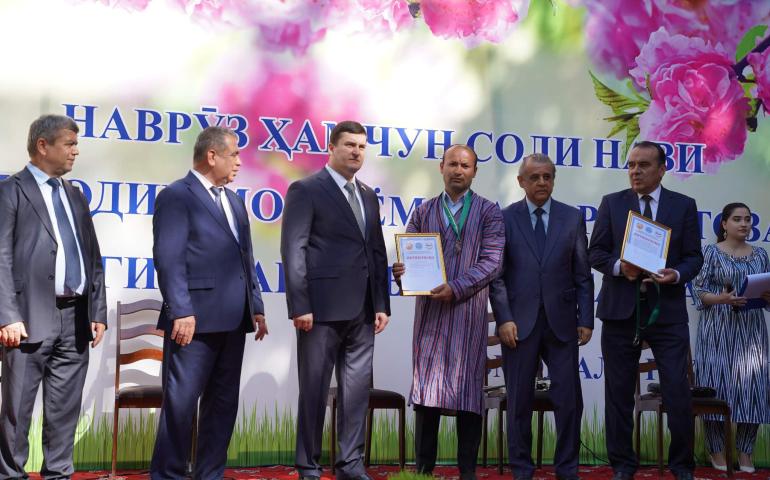
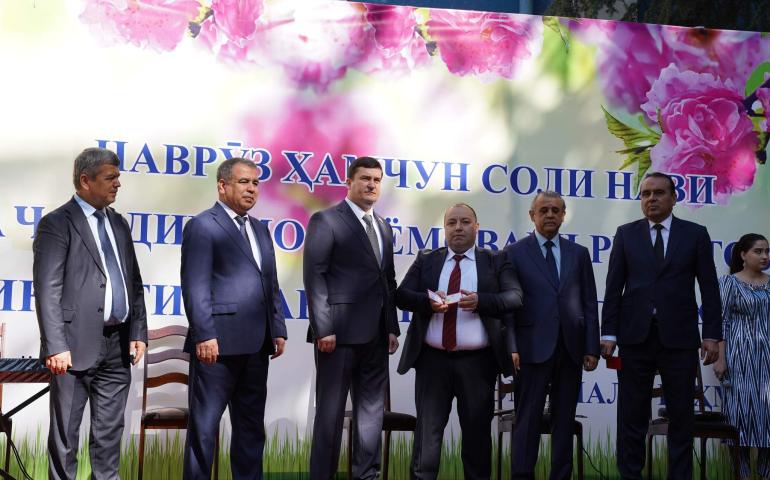
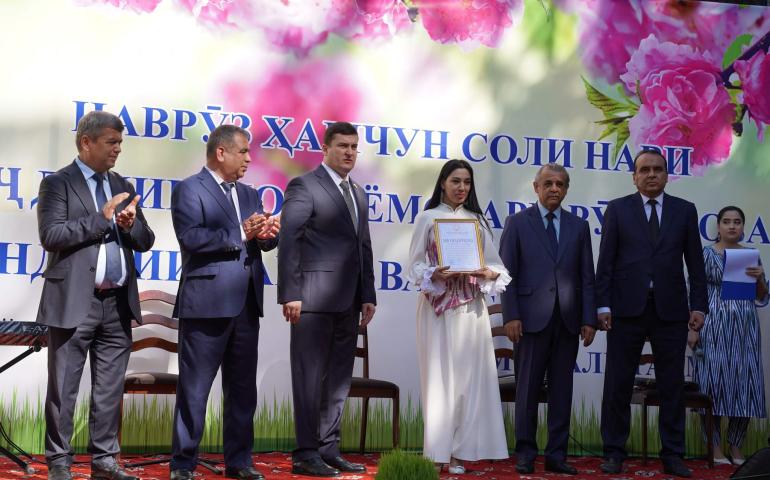
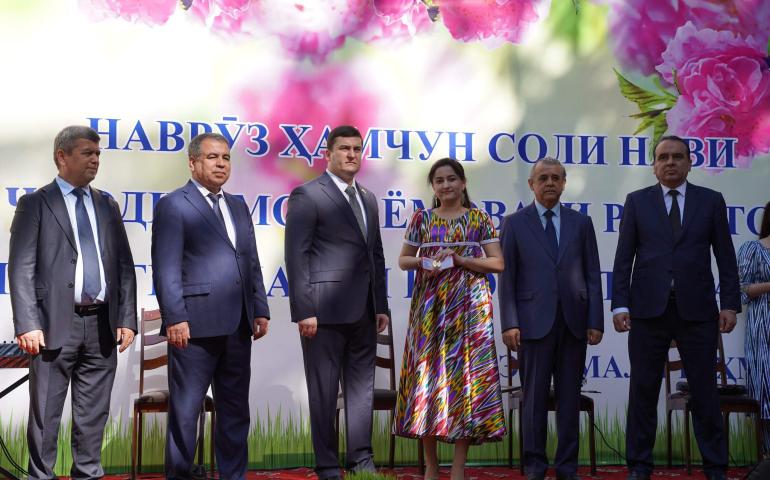
During the continuation of the event dedicated to the International Navruz holiday, the winners of sports competitions, who demonstrated high skill, strong will, and sports spirit, were awarded commemorative gifts and certificates of appreciation. At the same time, two activists were awarded the badge “Excellent Worker of Education” and the Certificate of Honor of the Ministry of Education and Science of the Republic of Tajikistan for their valuable contribution to the development of the education sector.
Then, at the festive event, well-known artists of the republic performed and delighted the audience with their colorful songs.