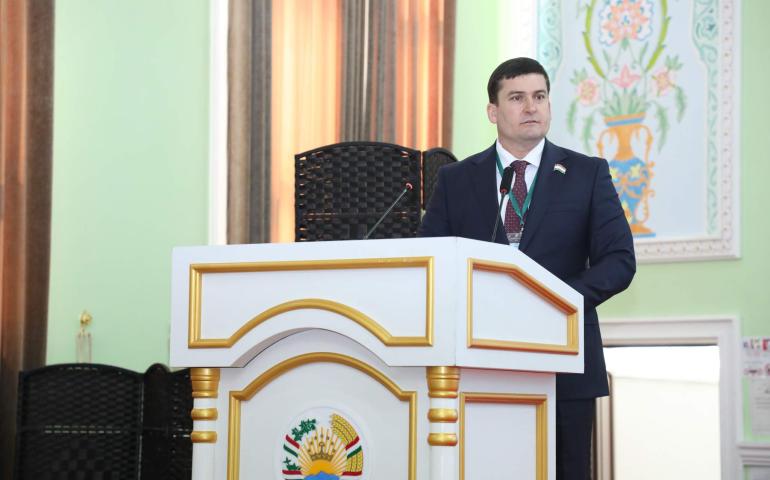
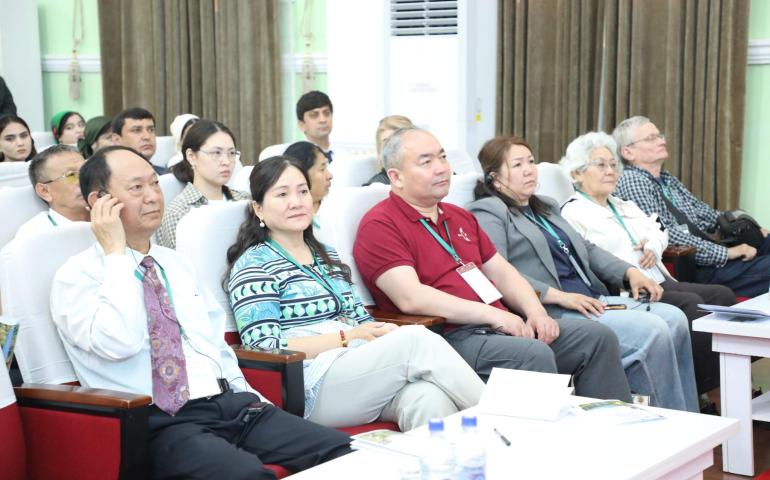
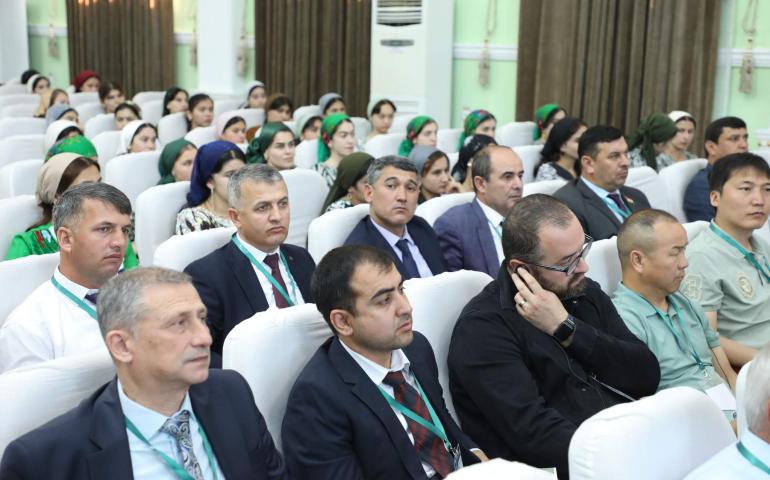
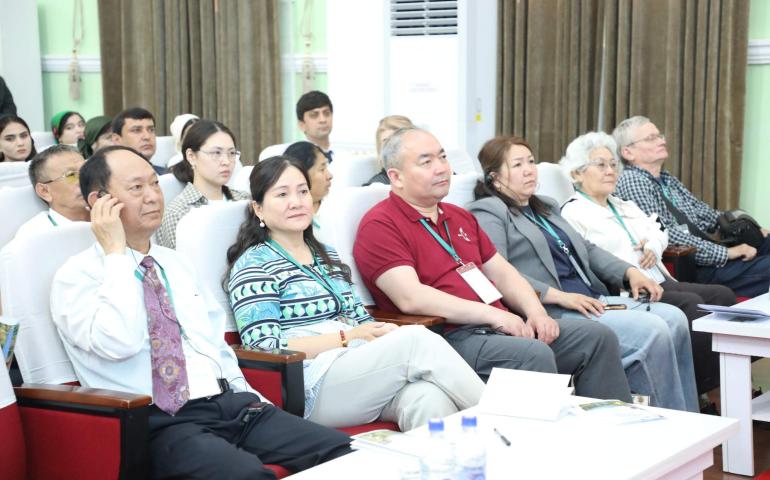
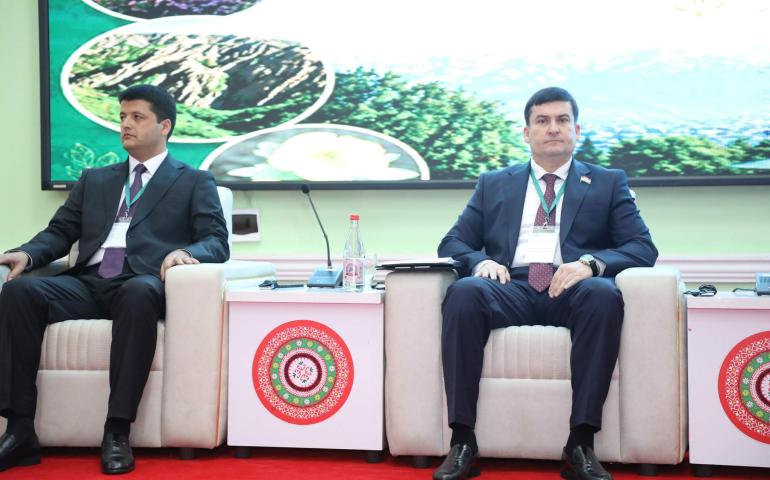
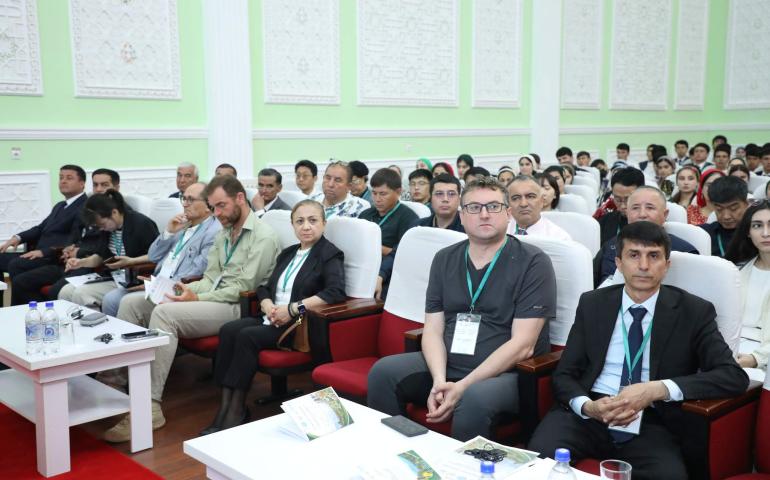
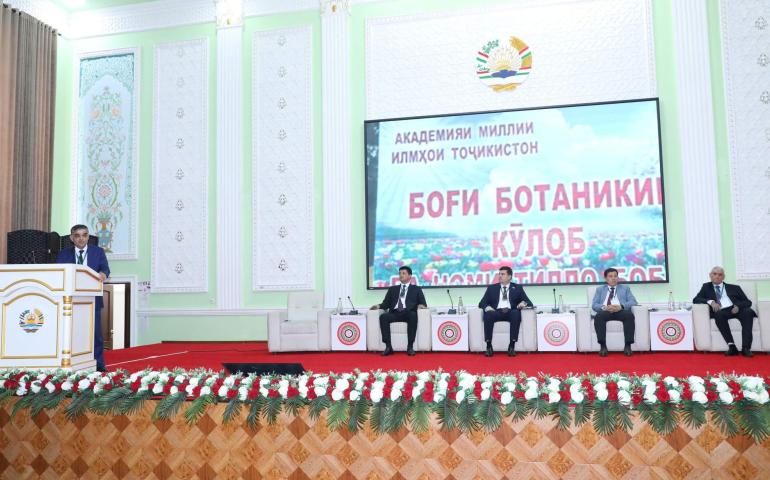
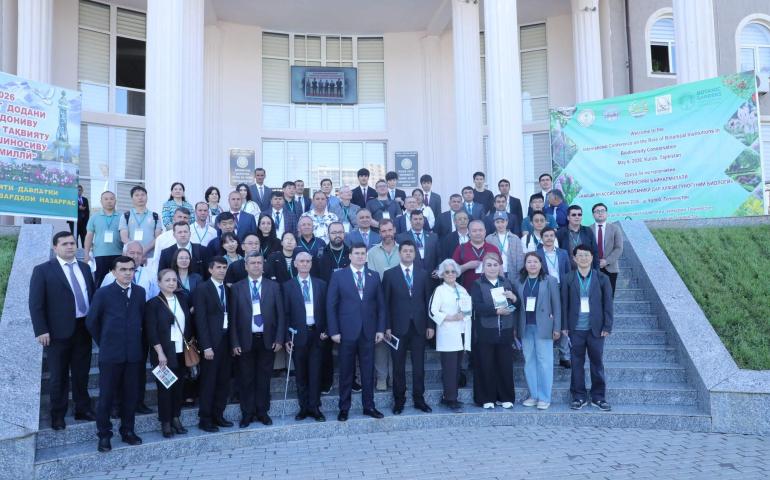
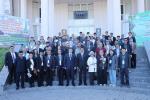
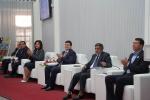
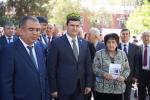
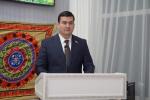
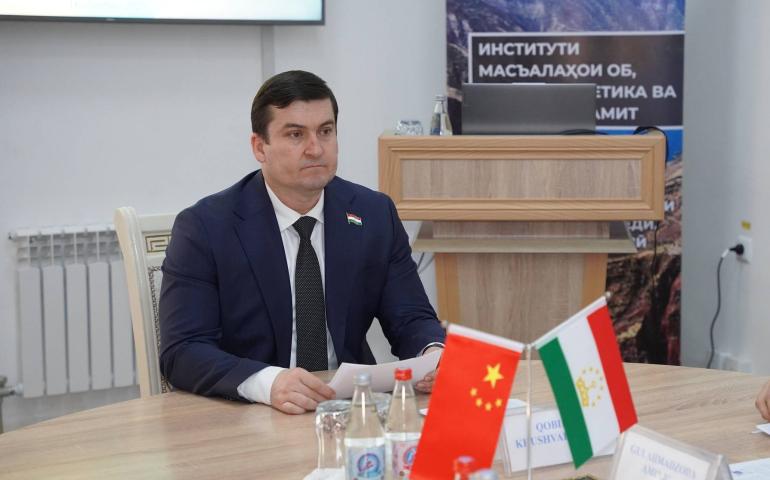
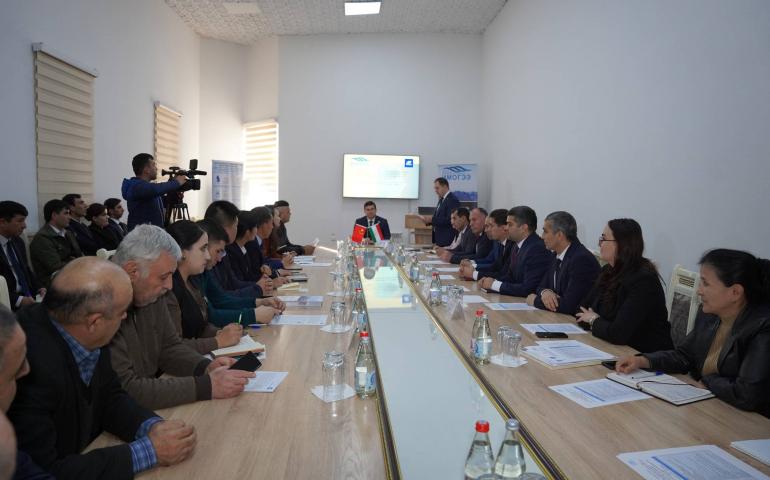
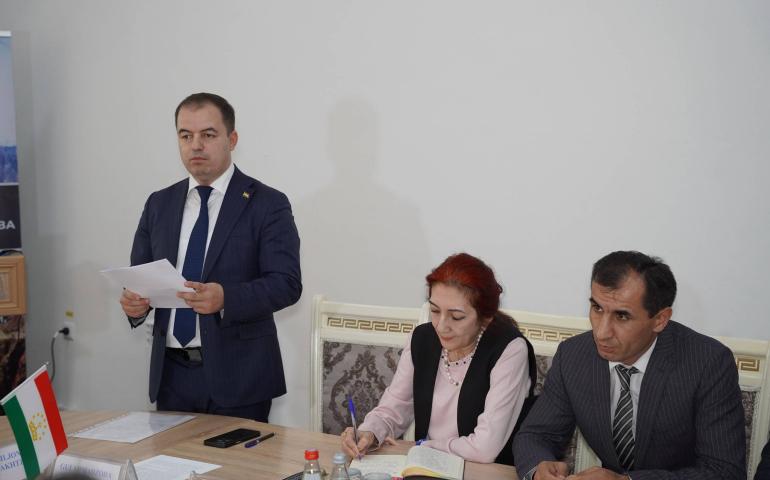
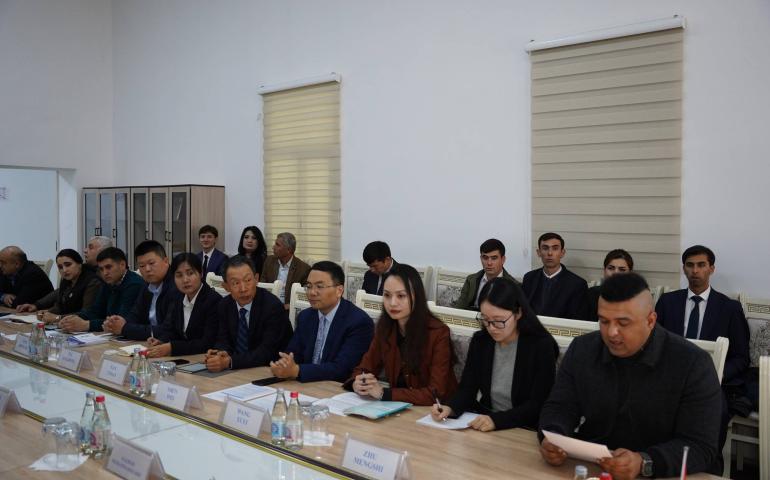
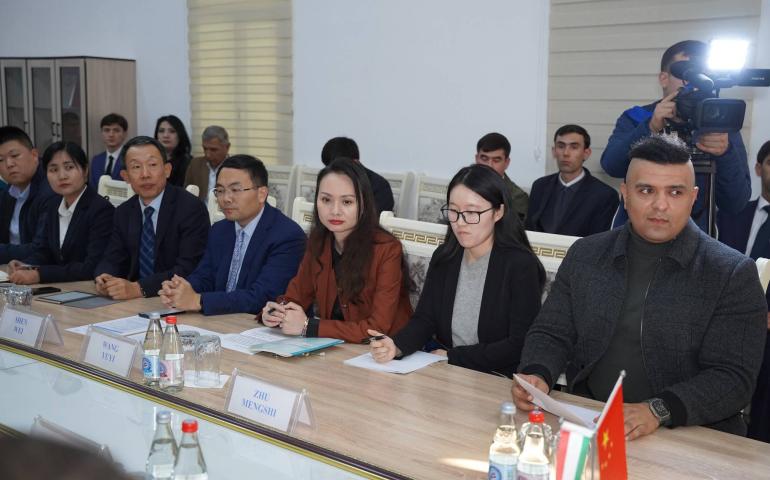
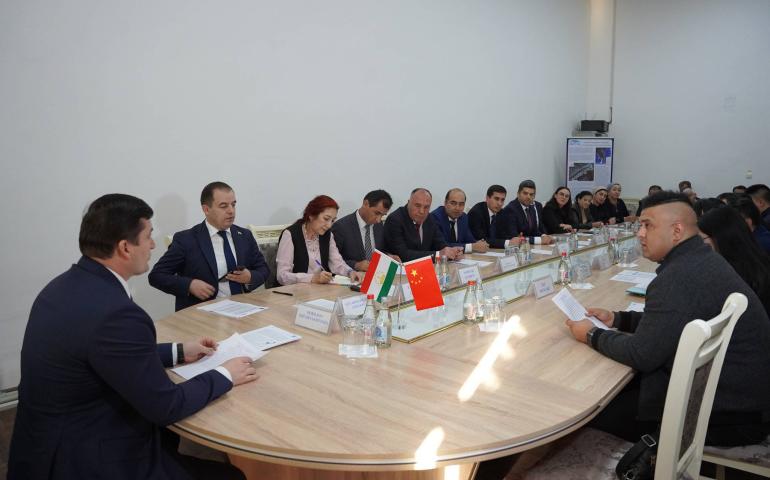
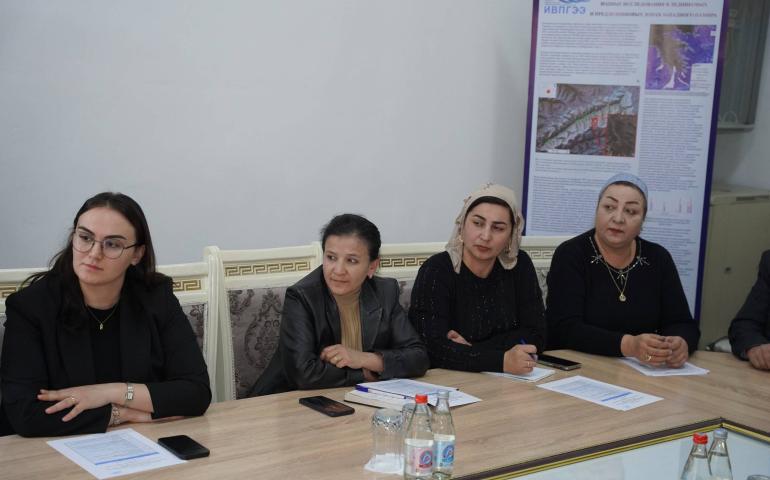
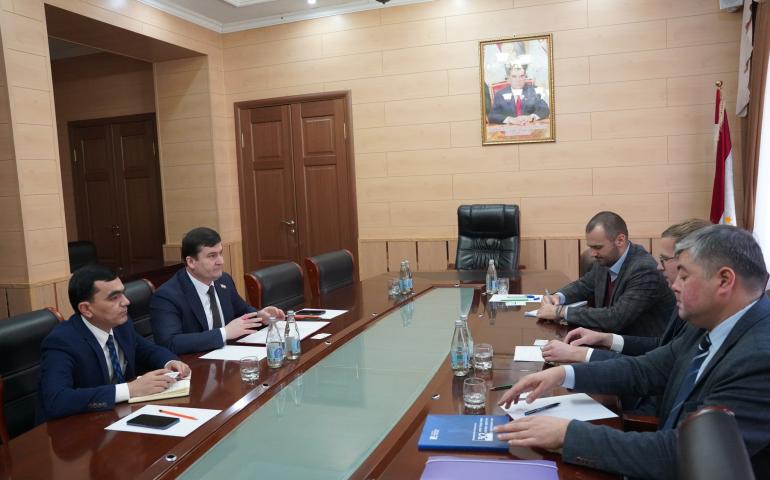
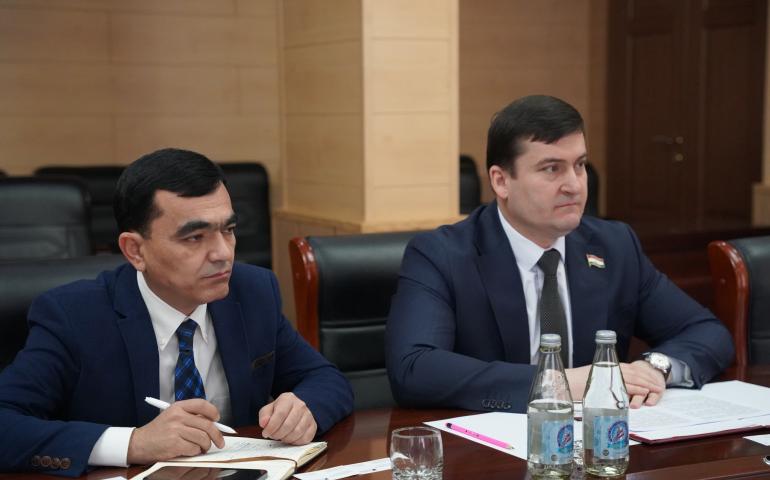
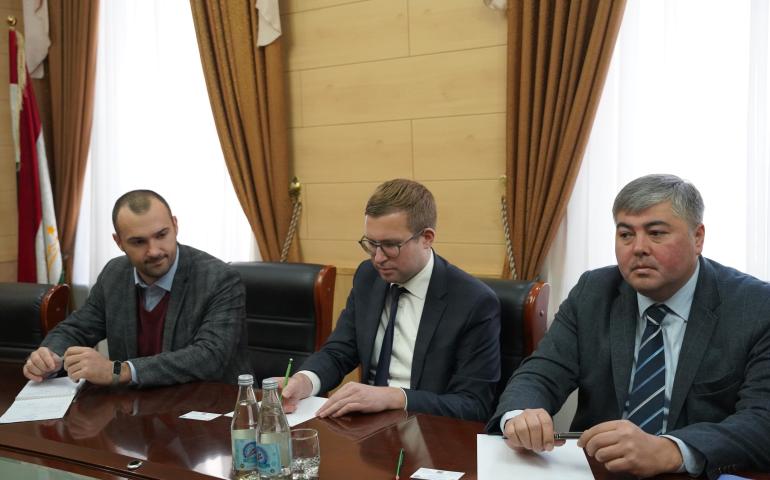
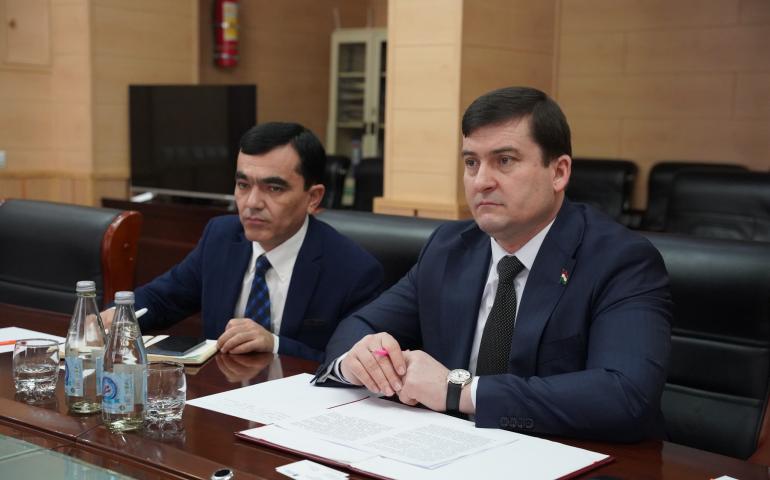
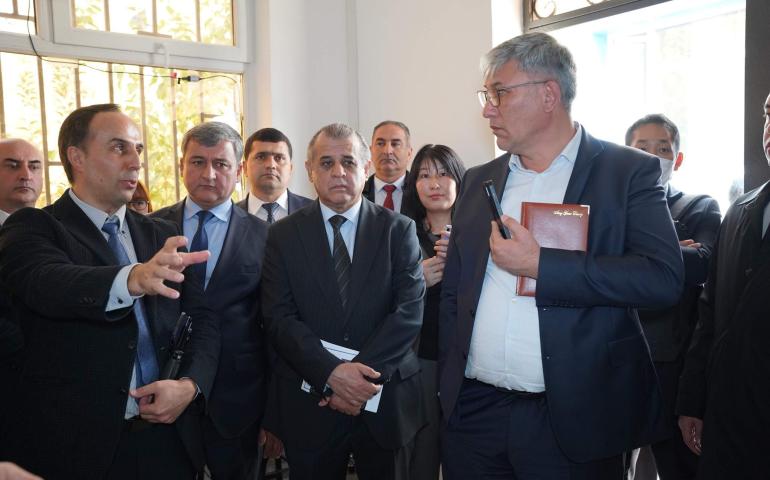
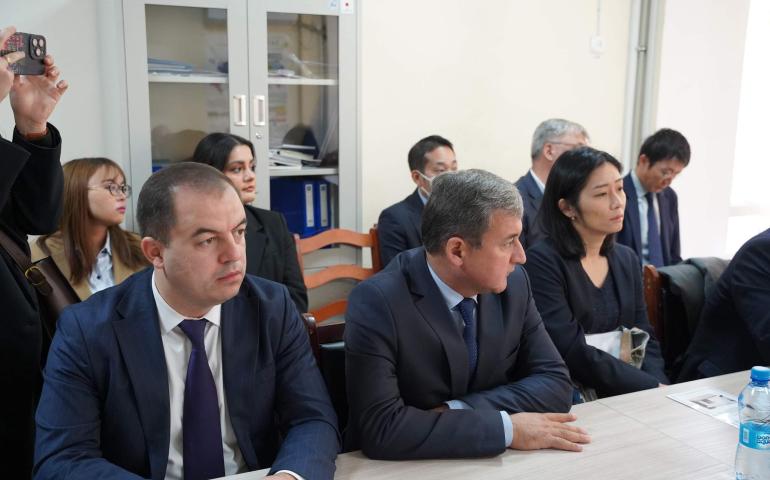
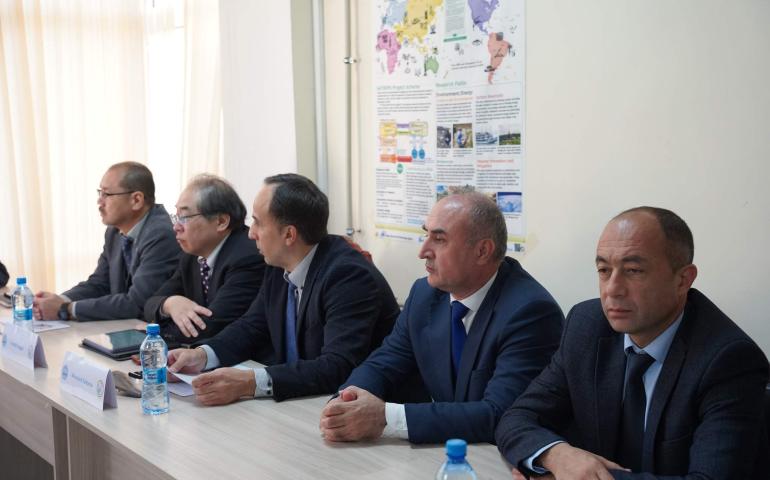
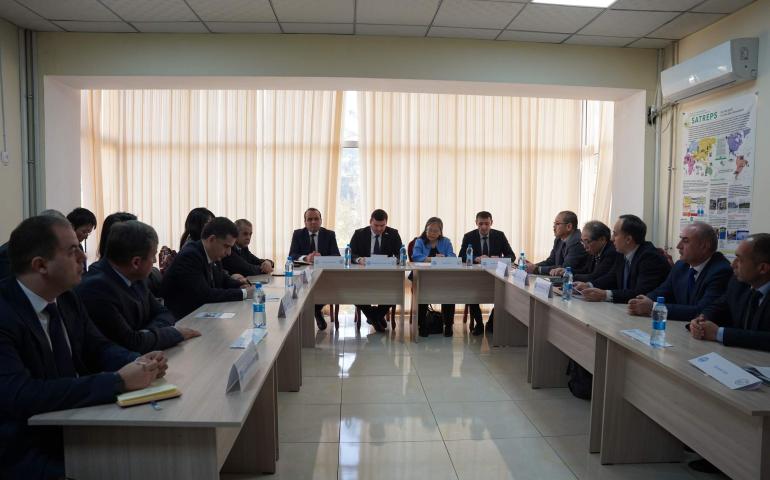
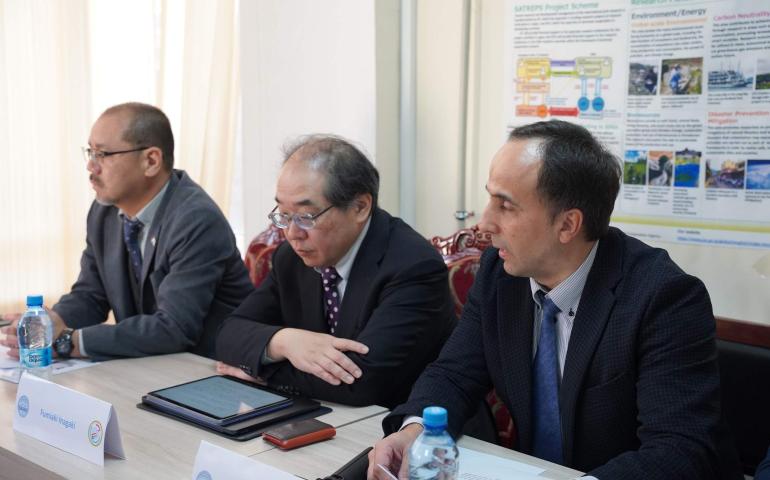
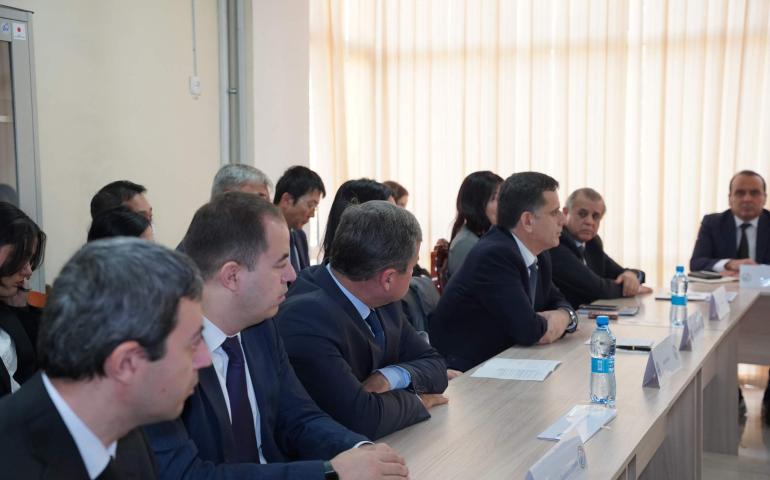
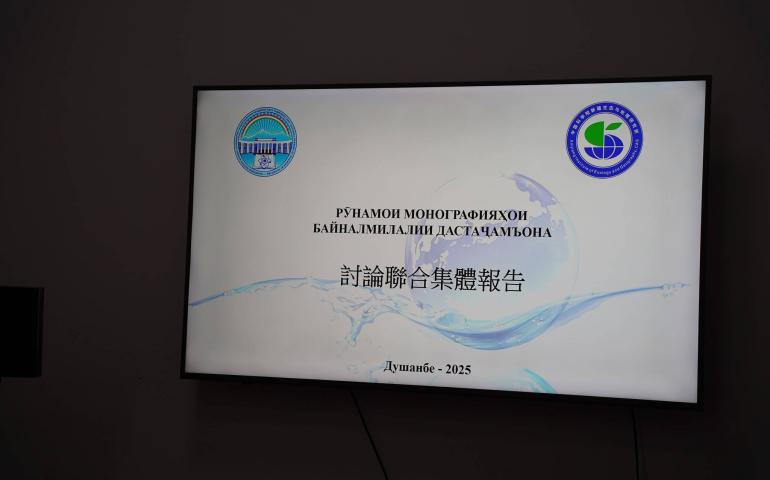
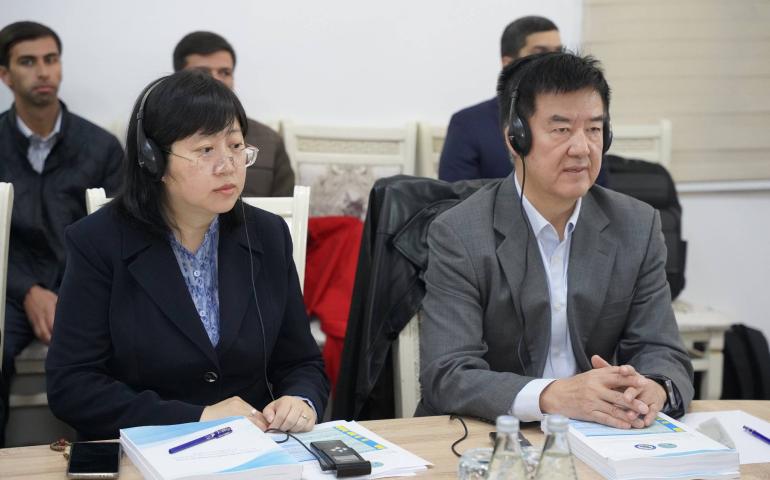
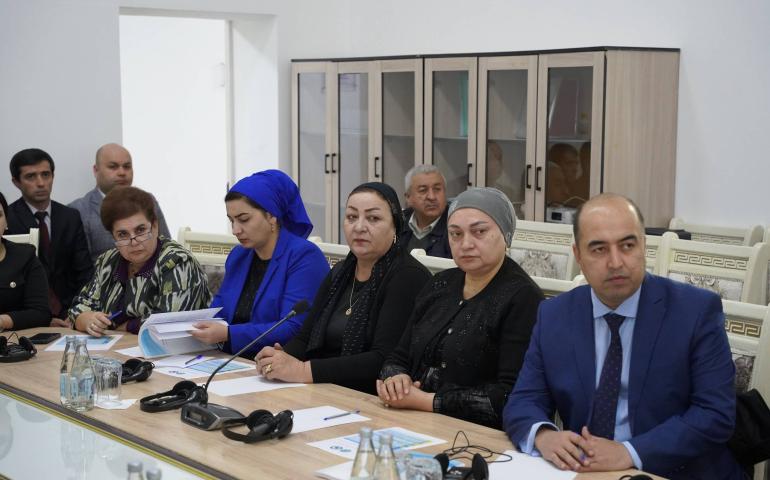
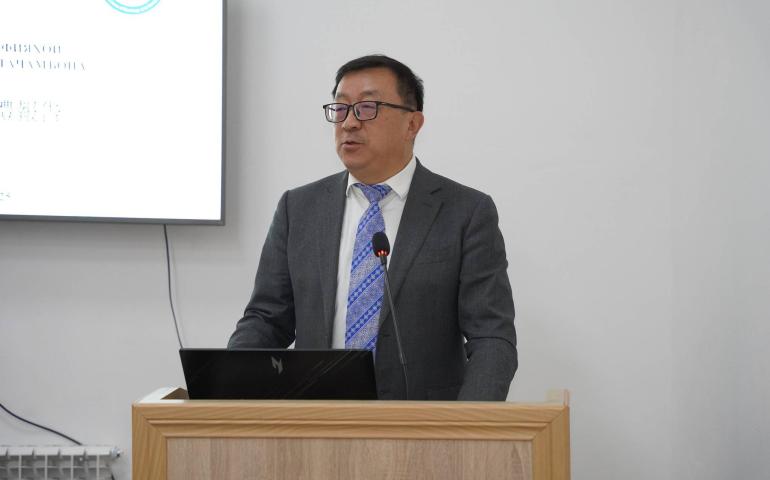
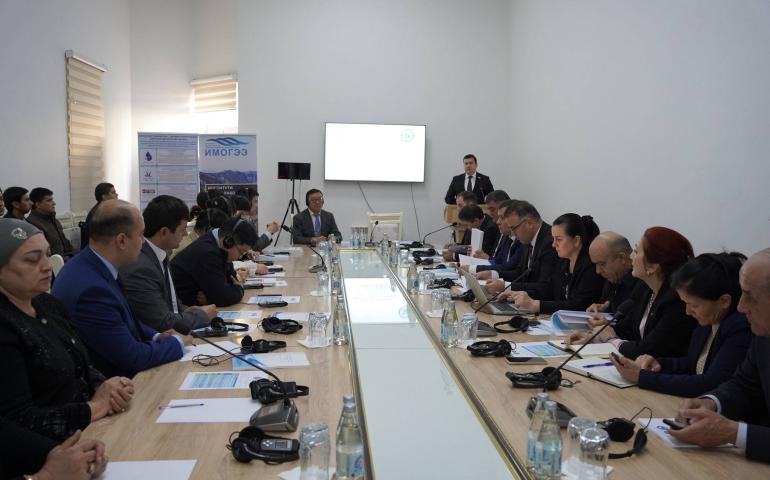
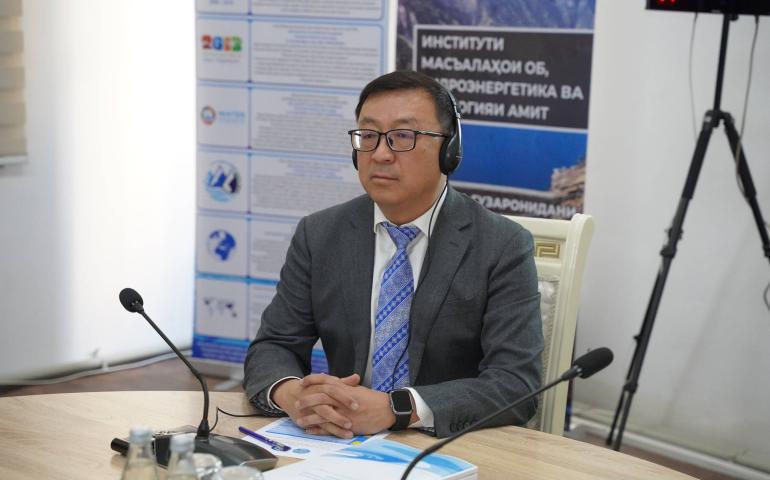
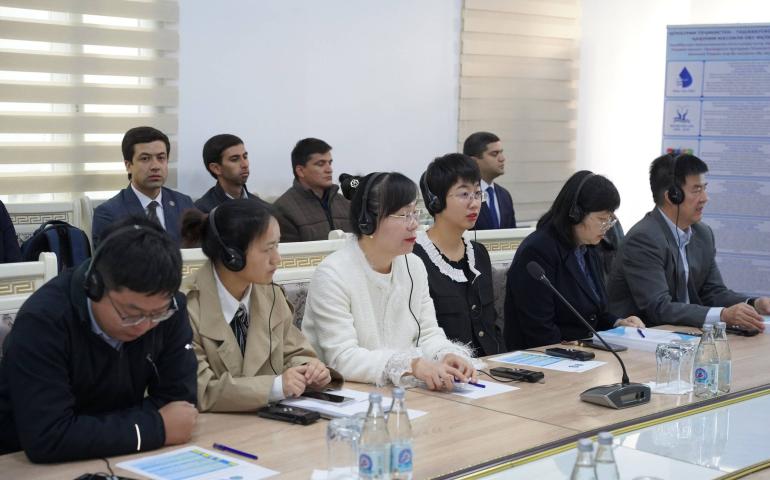
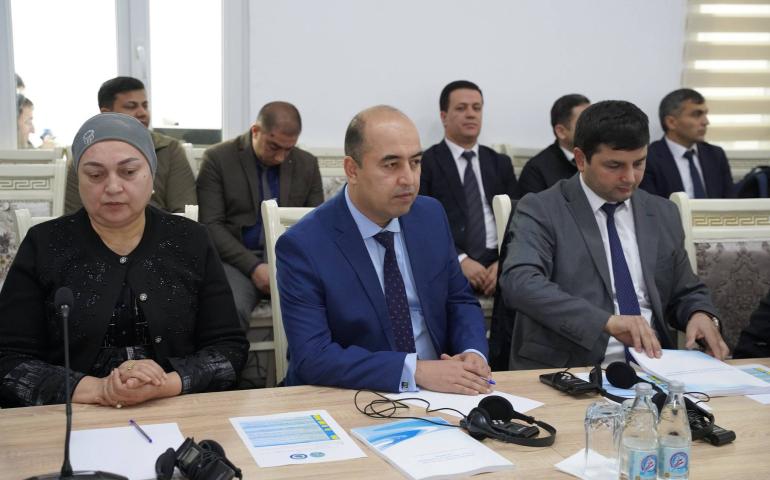
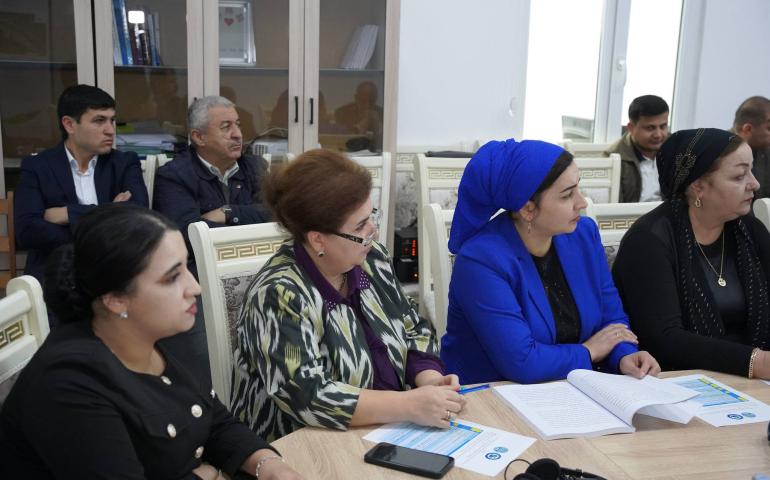
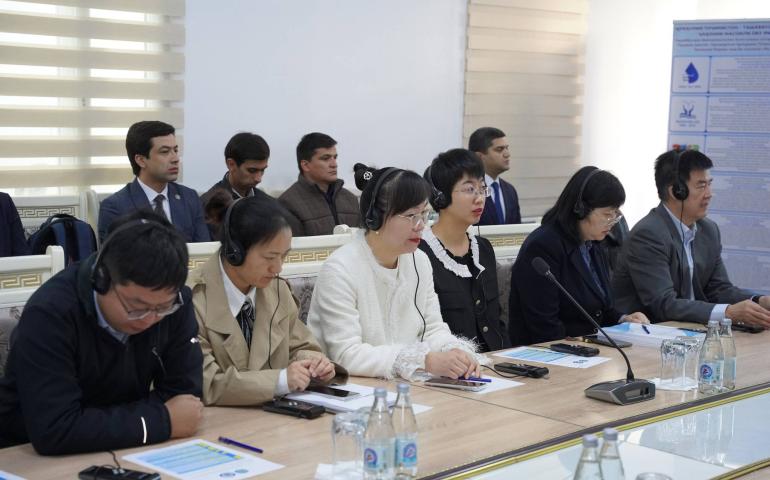
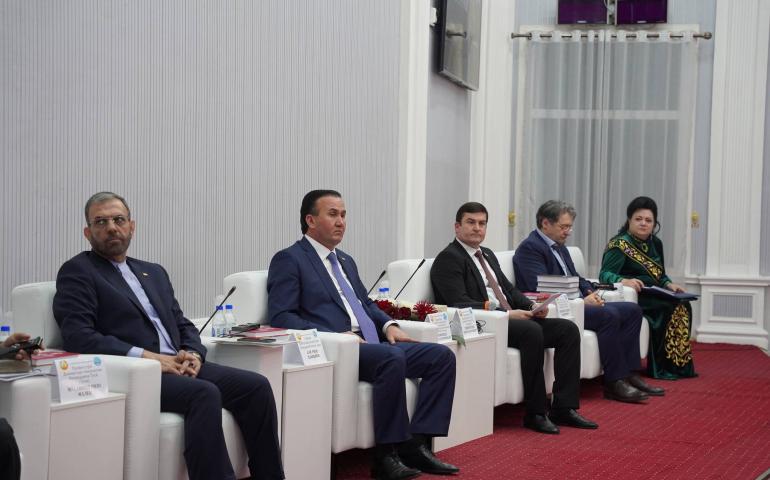
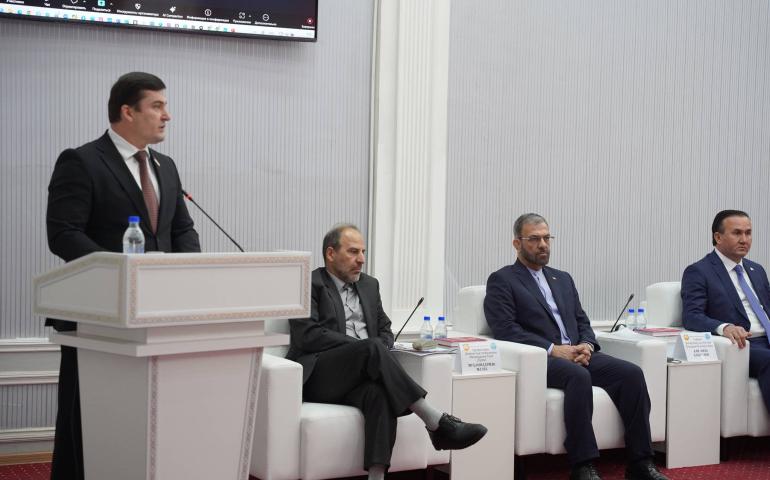
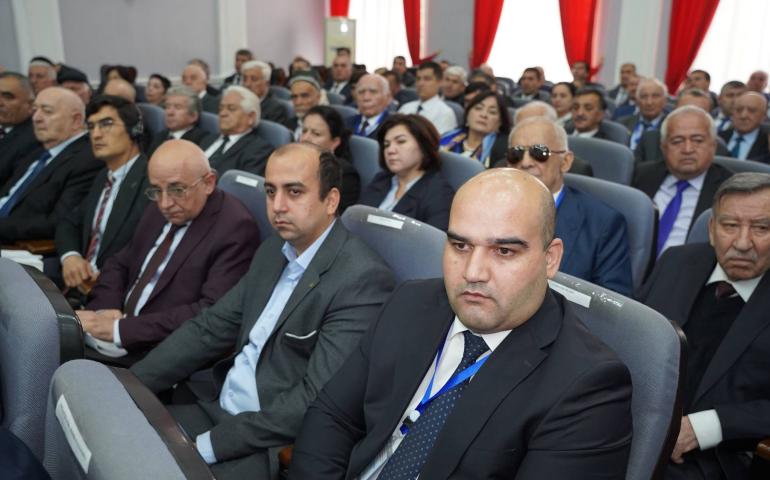
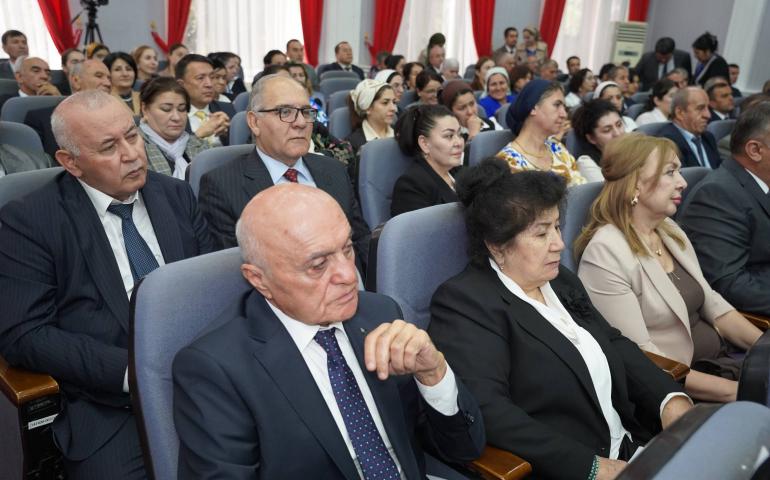
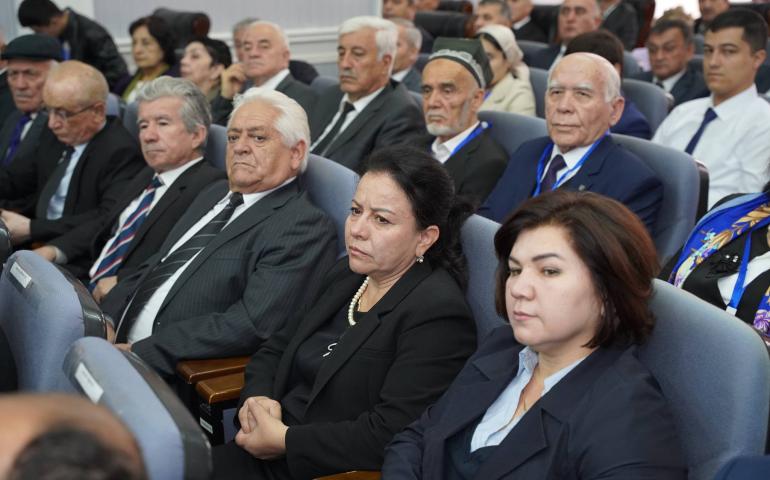
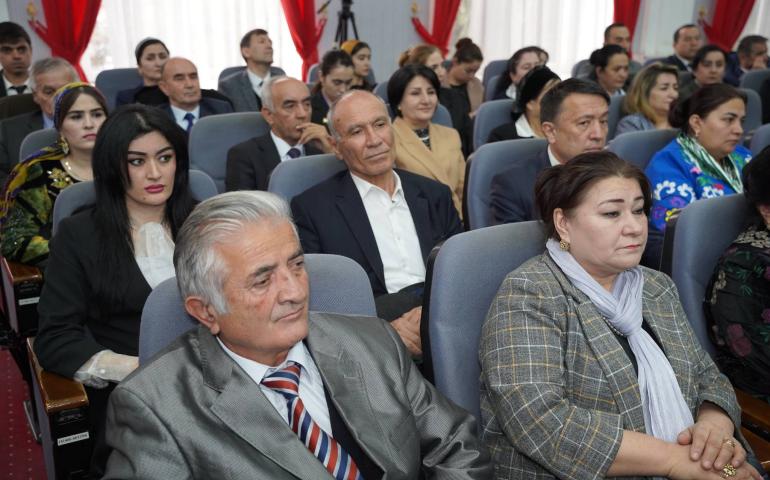
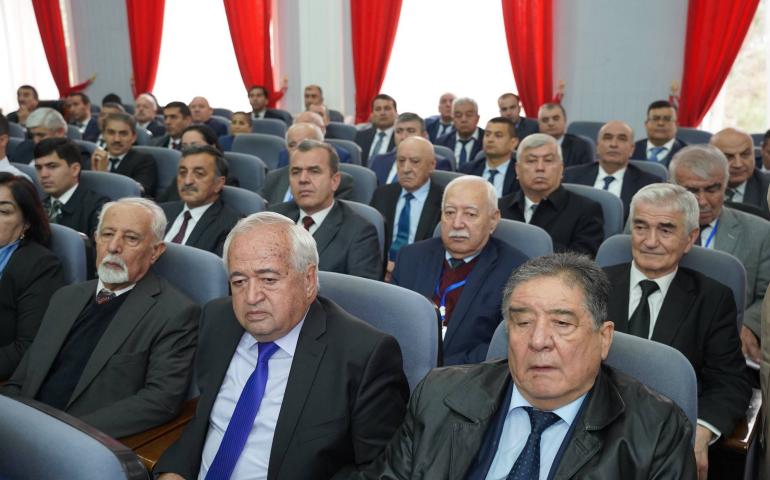
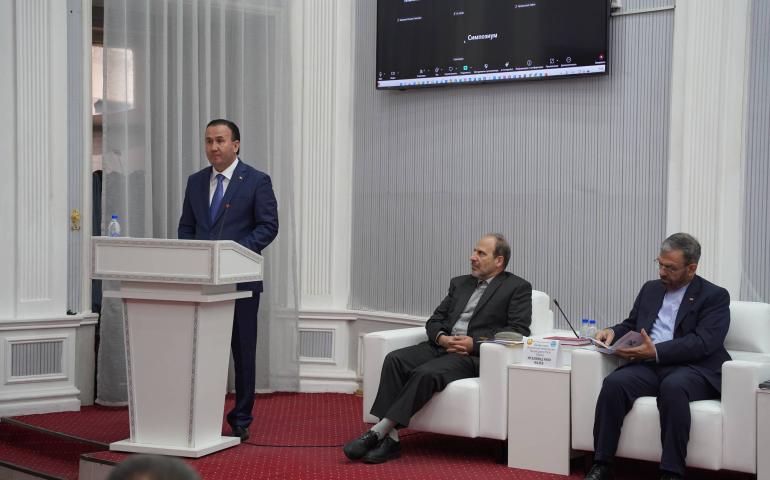
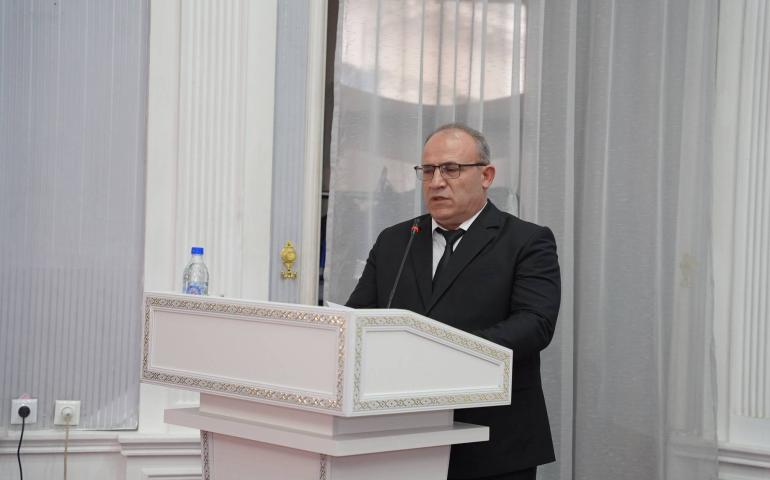
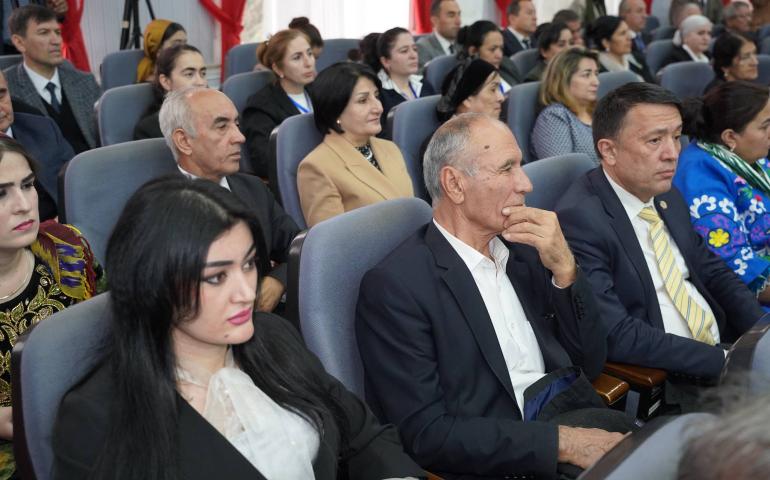
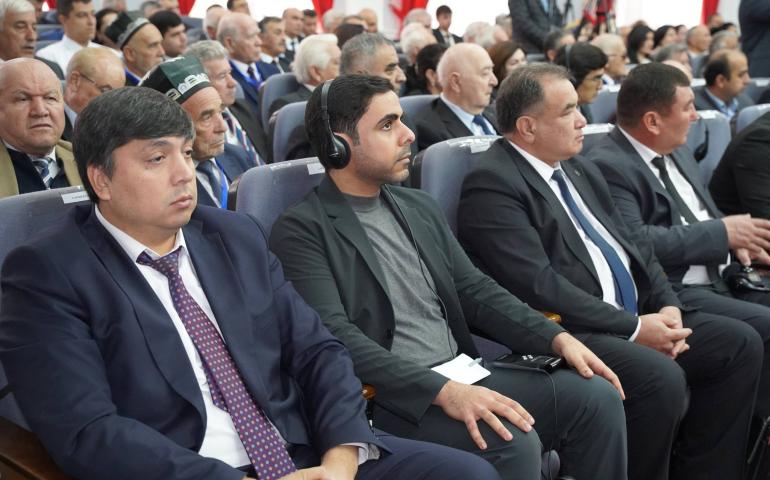
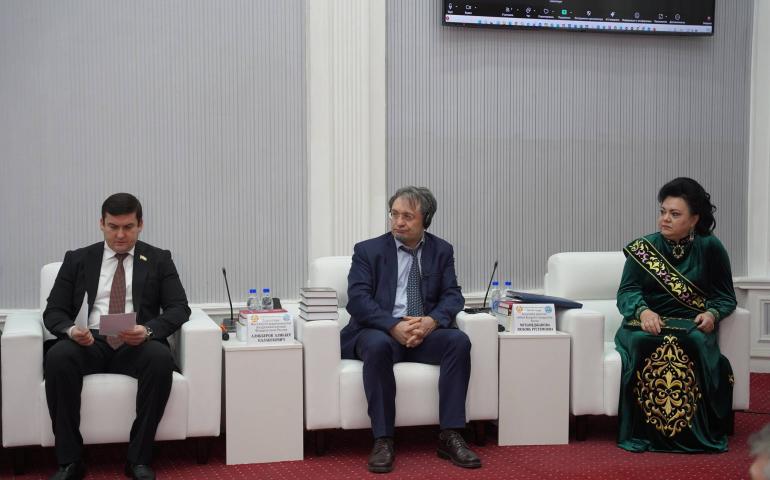
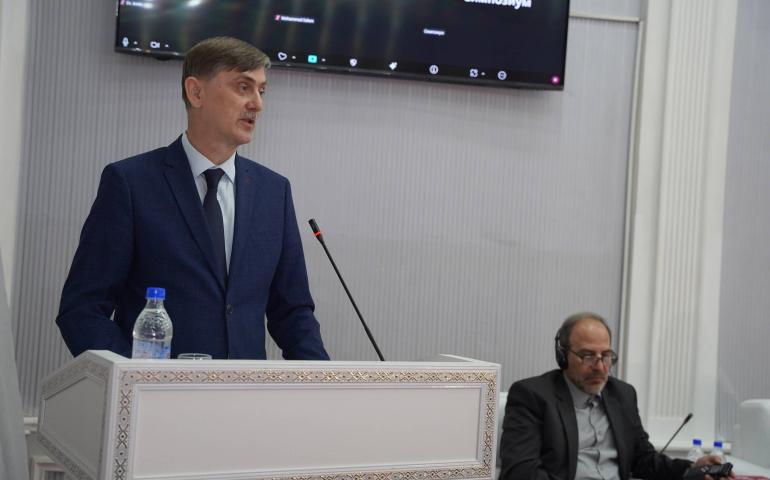
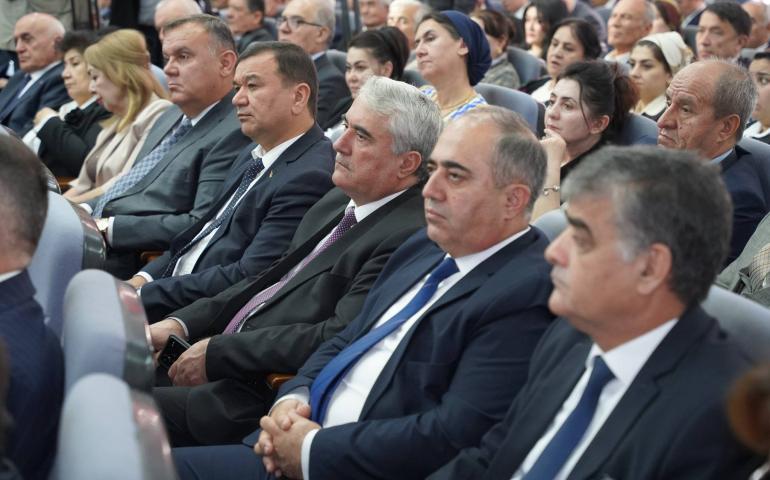
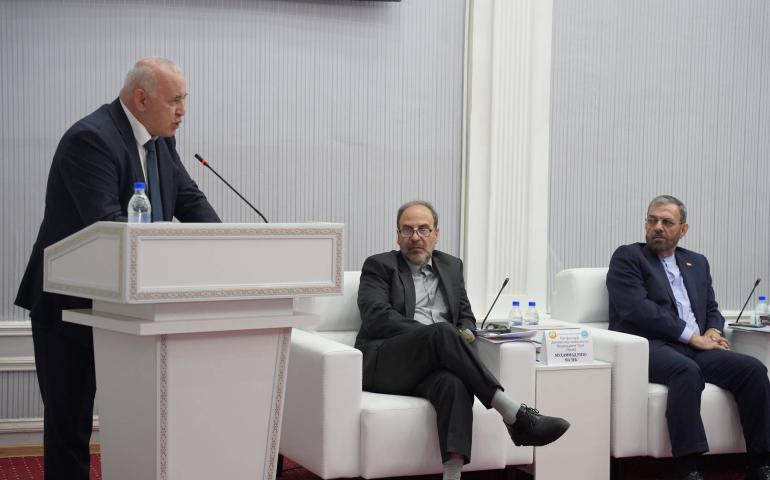
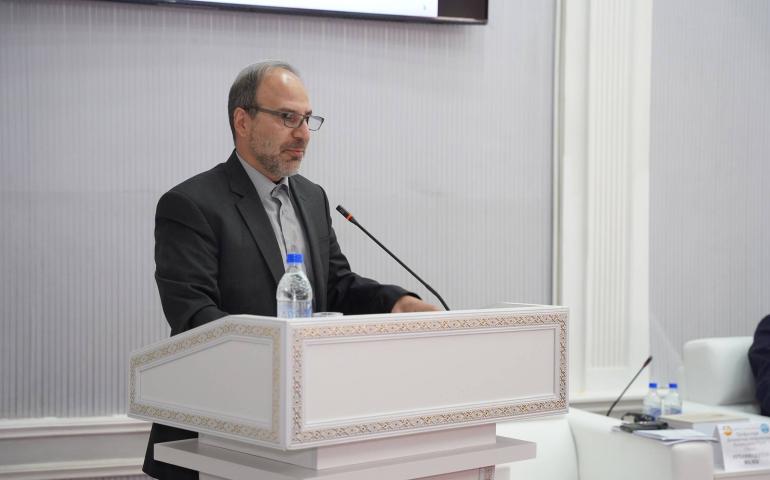
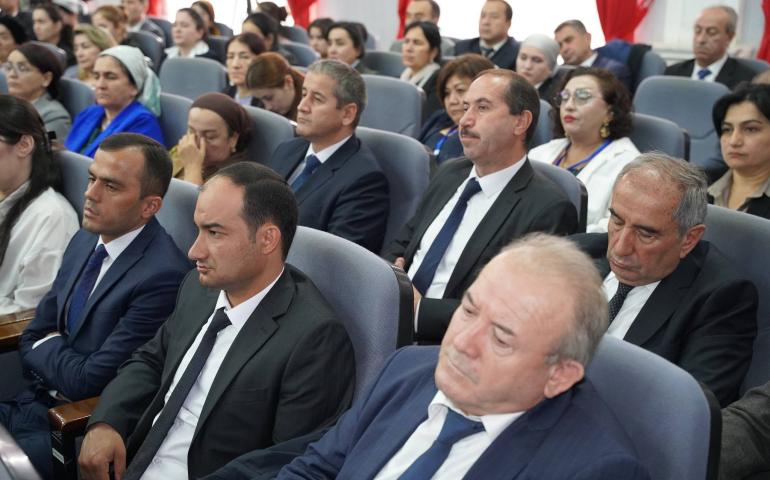
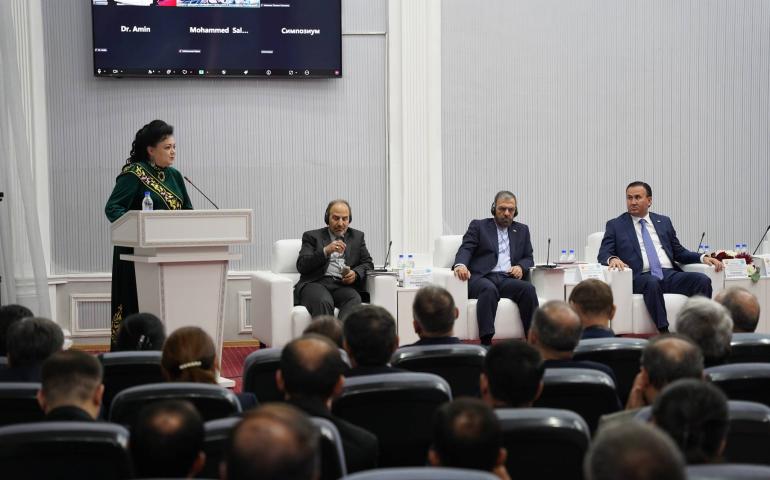
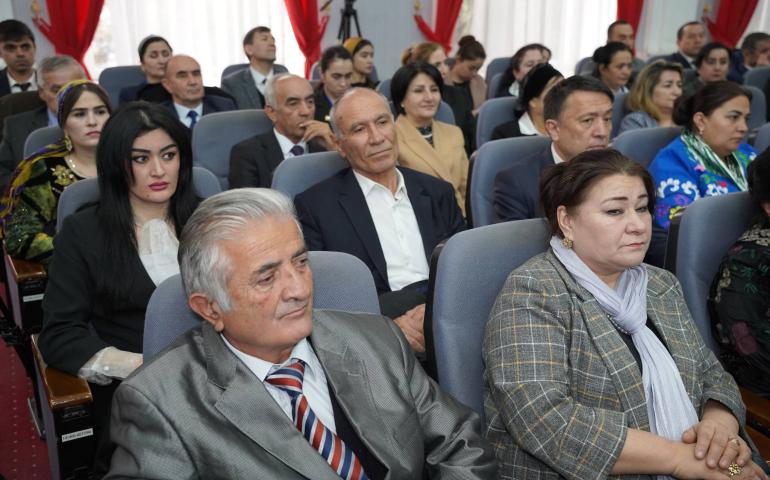
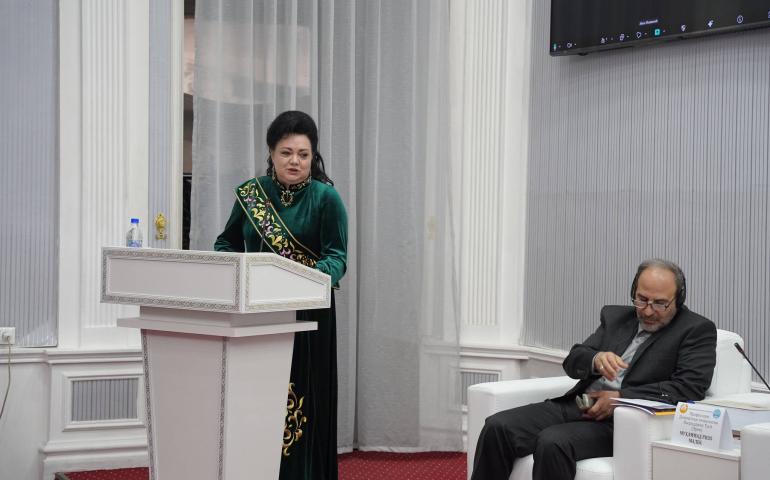
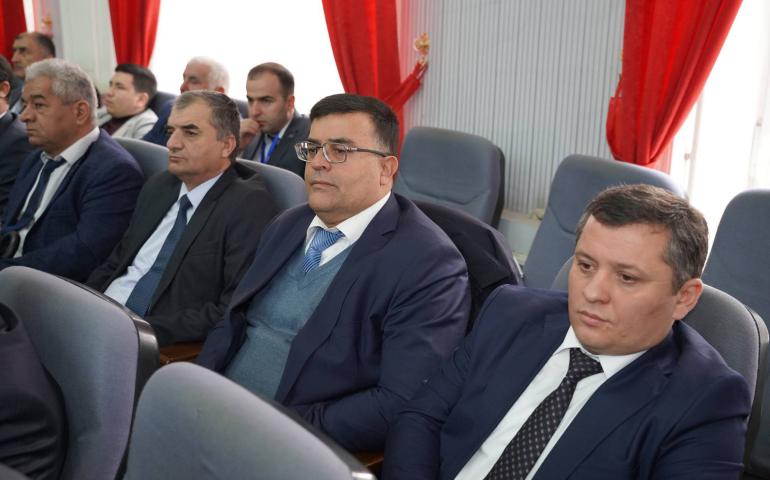
Today, on November 4, an international symposium dedicated to the 1045th anniversary of the great Tajik scholar Abu Ali Ibn Sino (Avicenna) was held in the conference hall of the Presidium of the National Academy of Sciences of Tajikistan (NAST).
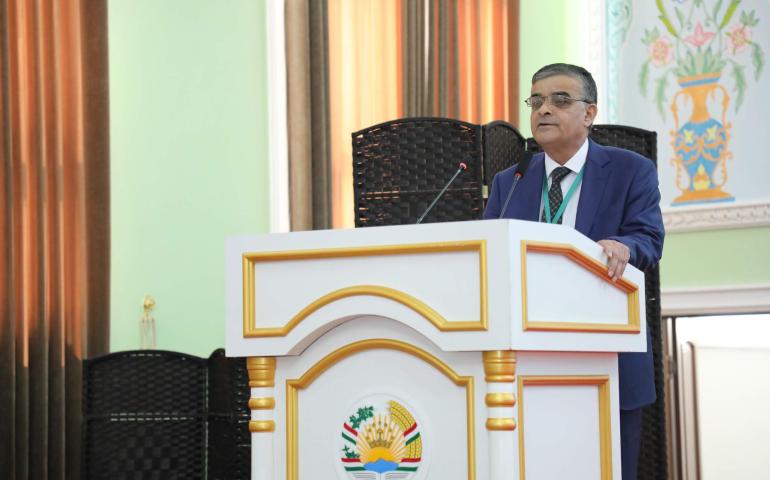
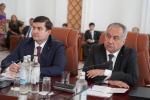
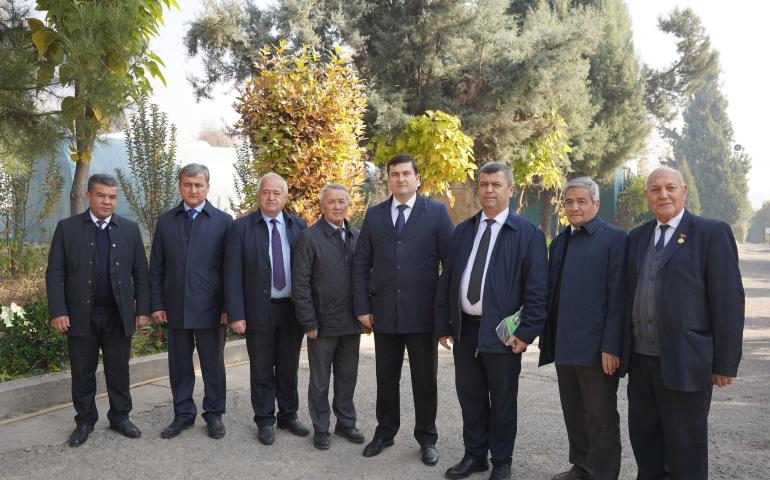
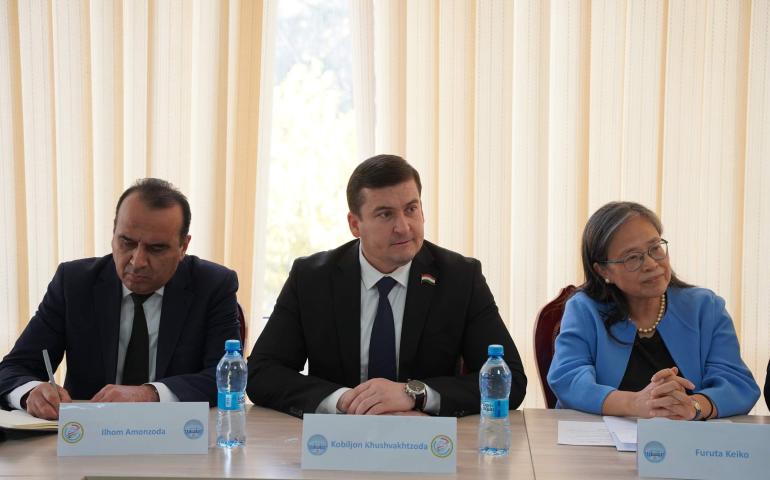
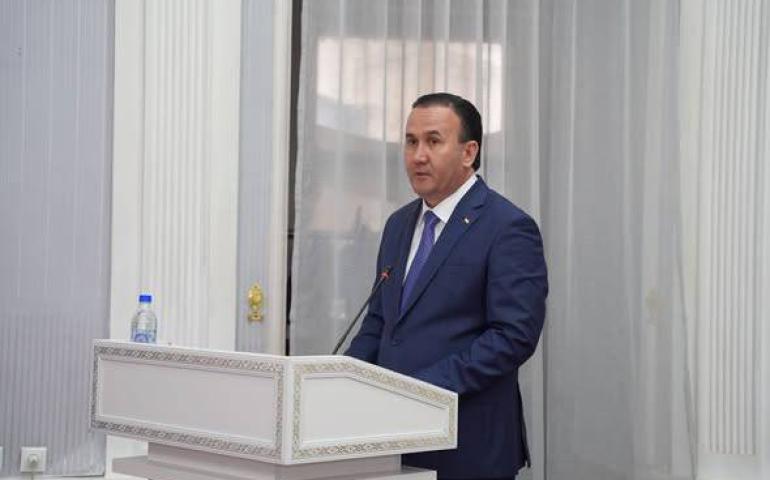
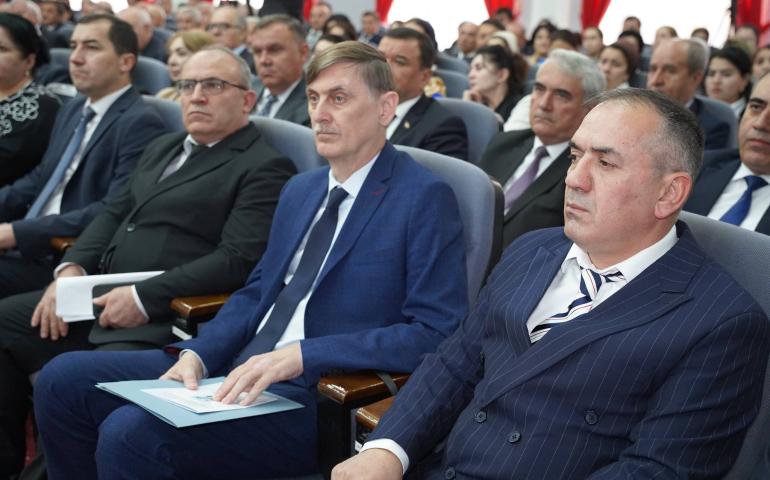
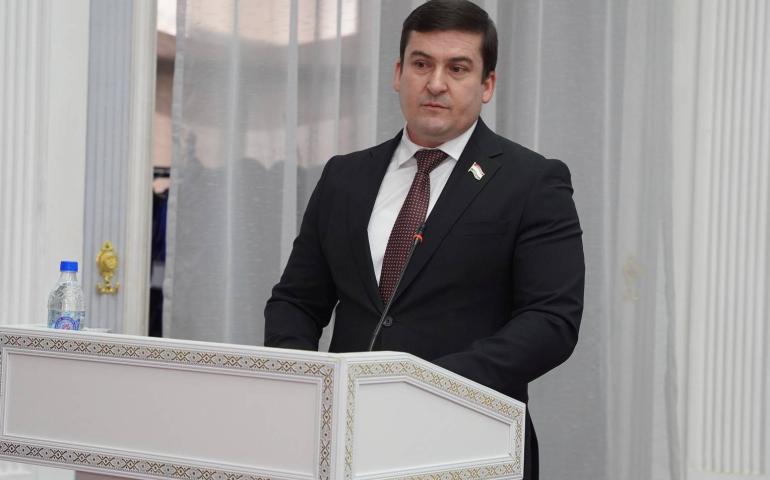
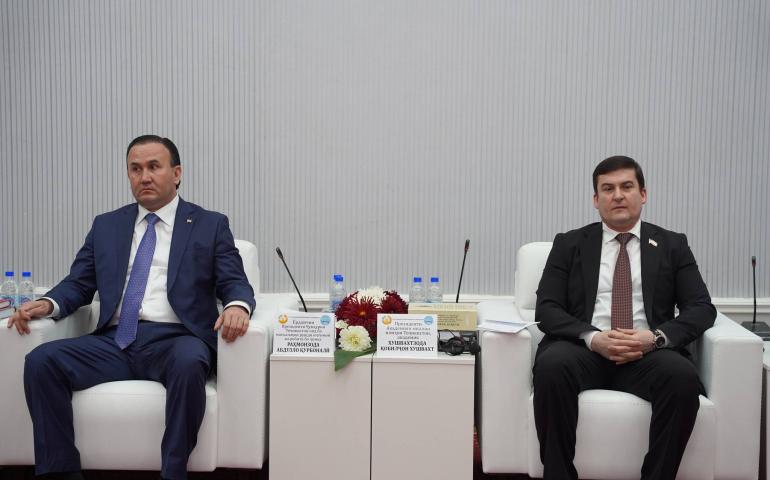
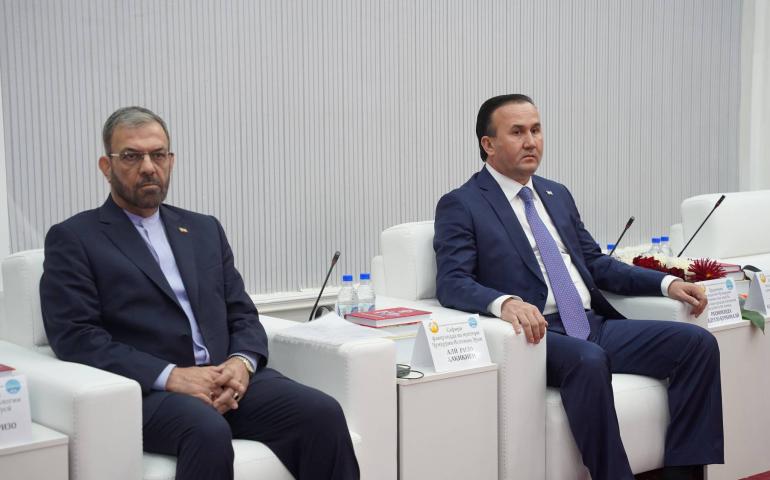
The symposium was attended by the Assistant to the President of the Republic of Tajikistan on Social Development and Public Relations, Rahmonzoda Abdullo Qurbonali; the President of the National Academy of Sciences of Tajikistan, Academician Khushvakhtzoda Qobiljon Khushvakht; the Extraordinary and Plenipotentiary Ambassador of the Islamic Republic of Iran to the Republic of Tajikistan, Alireza Haqiqian; as well as other scholars and researchers, who delivered speeches at the event.
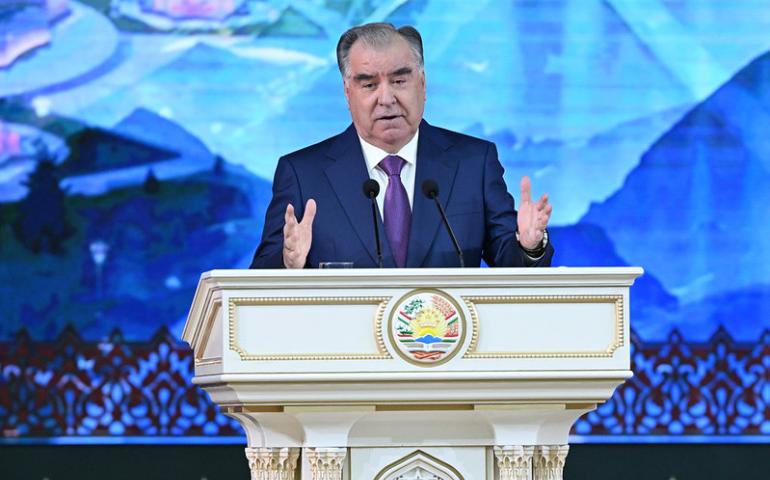
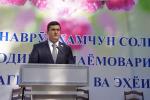
The symposium was opened by the President of the National Academy of Sciences of Tajikistan, Academician Khushvakhtzoda Qobiljon Khushvakht, who emphasized that the Academy takes great pride in organizing this event under the enlightened policy of science and scholarship pursued by the Founder of Peace and National Unity — Leader of the Nation, President of the Republic of Tajikistan, His Excellency Emomali Rahmon.
He stated that it is a great honor to welcome numerous researchers and scientists from various countries of the world to beautiful Tajikistan — the homeland of a genius like Abu Ali Ibn Sino, whose immortal works have served all of humanity. The symposium, entitled “Avicenna’s Contribution to the Development of Science, Philosophy, and World Civilization,” is being held in recognition of this invaluable legacy.
It was noted that Ibn Sinо is among those thinkers whose life and works have been widely studied by scholars both in the past and present. Therefore, the main aim of this symposium is to highlight only some of the achievements of this “Elder Sage of the East” in the development of the sciences of his era, particularly in the natural and mathematical sciences, and to present his eminent role in the advancement of world science.
It is well established that among all the works of Ibn Sino, eleven are devoted to the fields of natural science and exact disciplines. His most important and widely read work, both in the past and in modern times, is “The Canon of Medicine” (Al-Qanun fi al-Tib), consisting of five volumes. This monumental work has been translated into most European languages. In The Canon of Medicine, Ibn Sino elaborates on the general theory of medicine, anatomy, physiology, surgery, diagnostics, methods of treatment, pharmaceuticals, and the prevention of various diseases. He also discusses both rapidly spreading and chronic illnesses.
It was noted that Ibn Sino’s contribution to the development of botany is also of great importance. He dedicated “The Book of Plants” (Kitob ul-Nabot) to this field, and within The Canon of Medicine, he included several sections related to botany. In The Book of Plants, he lists over 500 names of medicinal plants that were used in both ancient and contemporary medicine, and he even predicted that some of them would be studied further in the future.
It was mentioned that Ibn Sino also made a valuable contribution to the development of chemistry. He explained the properties of inorganic substances such as iron, minerals, and chemical compounds, offering insightful critiques of theories related to the transformation of base metals into gold. The classification of chemical substances proposed by Ibn Sino differs from that of Jabir ibn Hayyan and Muhammad Zakariya al-Razi by its simplicity and originality.
It was emphasized that Ibn Sino possessed an extraordinary and comprehensive intellect, with vast knowledge in many branches of medieval science. His greatest achievement was that, unlike the alchemists of his time, he was the first to demonstrate correct methods for conducting chemical reactions and experiments using various chemical substances in the regions of Transoxiana and Khorasan.
It should be noted that in the history of literature, Sheikh al-Rais Ibn Sino is also recognized as the founder of the philosophical rubai (quatrain) genre. Indeed, expressing profound philosophical ideas within the concise form of a quatrain requires exceptional intellect and talent. His subtle and far-reaching thought, his mastery of eloquence, and his deep devotion to national culture and his native language enabled Ibn Sino to be the first to express broad philosophical, psychological, and logical ideas through this concise poetic form.
Continuing the discussion, the Assistant to the President of the Republic of Tajikistan for Social Development and Public Relations, Rahmonzoda Abdullo Qurbonali, in his speech stated that Abu Ali Ibn Sino, known in Western countries as Avicenna, was not only a rationalist philosopher but also a skilled physician, a scholar well-versed in all the social and natural sciences of his time, an encyclopedic scientist, and a true genius of civilized humanity. He made numerous innovations in every field he studied, determining the course of development of these sciences for many centuries to come.
It was emphasized that because of his outstanding services to humanity, a statue of Ibn Sino was erected in front of the UNESCO headquarters, alongside those of Abu Rayhan al-Biruni, Abu Bakr Muhammad Zakariya al-Razi, and Omar Khayyam. Furthermore, since 2003, UNESCO has awarded the Avicenna Prize for Ethics in Science every two years. The international astronomical community has named a lunar crater after Ibn Sino. Between 2008 and 2015, there existed the Avicenna Directory, established with the support of the World Health Organization, which listed the world’s medical universities and colleges. It is now known as the World Directory of Medical Schools. The founders of this directory noted that it was named after Ibn Sino due to his role in “bridging Eastern and Western knowledge and his profound influence on the development of medicine and public health.”
It was stated that Ibn Sino was born in 980 into the family of Abdullah ibn Hasan ibn Ali ibn Sino, a native of Balkh of Tajik origin. During the Samanid dynasty, under the reign of Nuh ibn Mansur, the family migrated to the capital of the Samanid state in the late 10th century. His mother was also Tajik, from the village of Afshana near Bukhara. From childhood, Ibn Sino studied religious sciences, the grammar of the Tajik and Arabic languages, stylistics, and poetry, mastering them completely by the age of ten. He later studied mathematics, logic, and jurisprudence, and then began teaching philosophy and natural sciences, with a special focus on medicine.
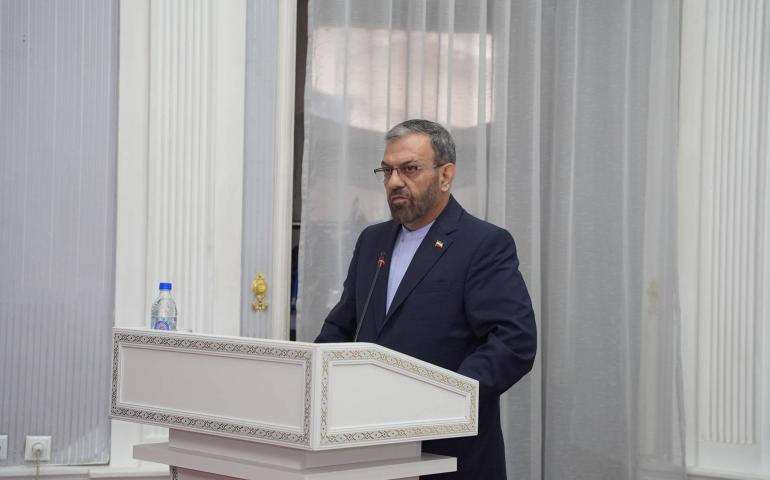
Later, the Ambassador Extraordinary and Plenipotentiary of the Islamic Republic of Iran to the Republic of Tajikistan, Alireza Haqiqian, along with other scholars and researchers, also delivered speeches, highly praising Ibn Sino’s contribution to the formation of world civilization and the development of medicine, philosophy, and logic, describing his achievements as exceptional and unparalleled.
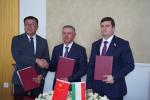
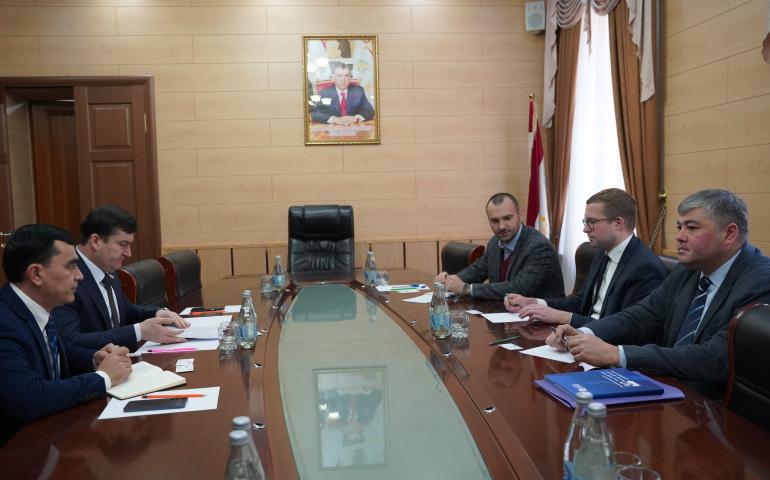
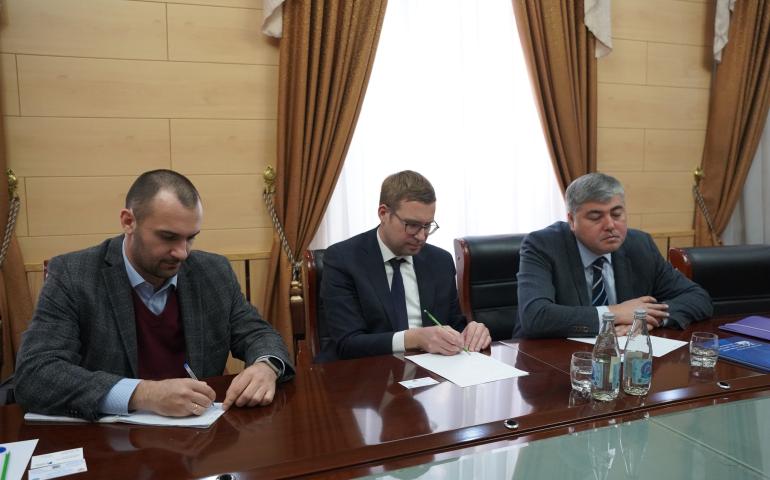
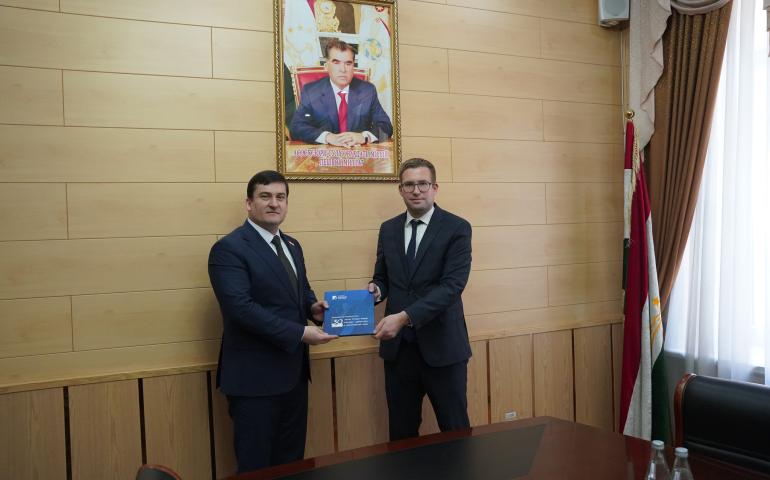
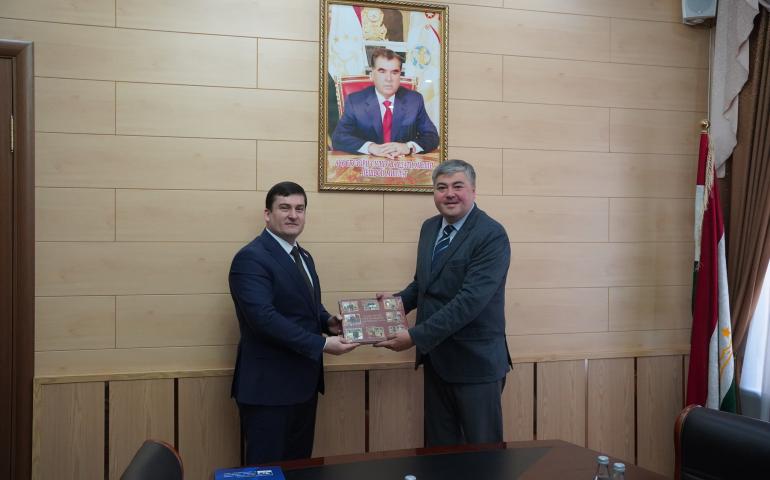
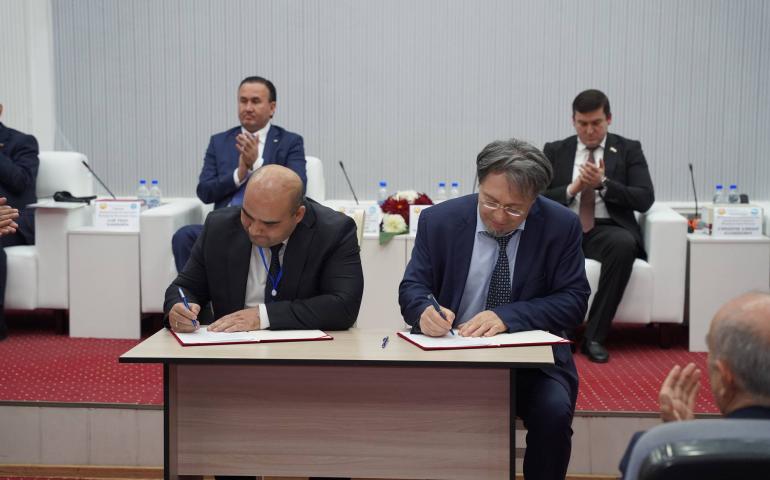
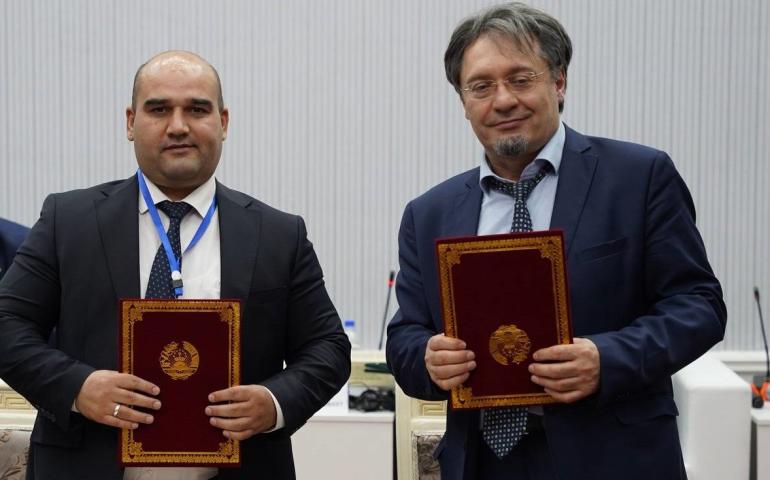
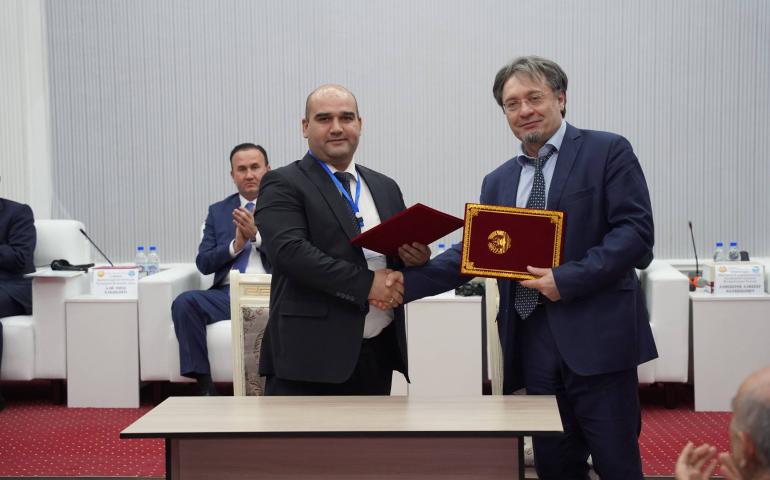
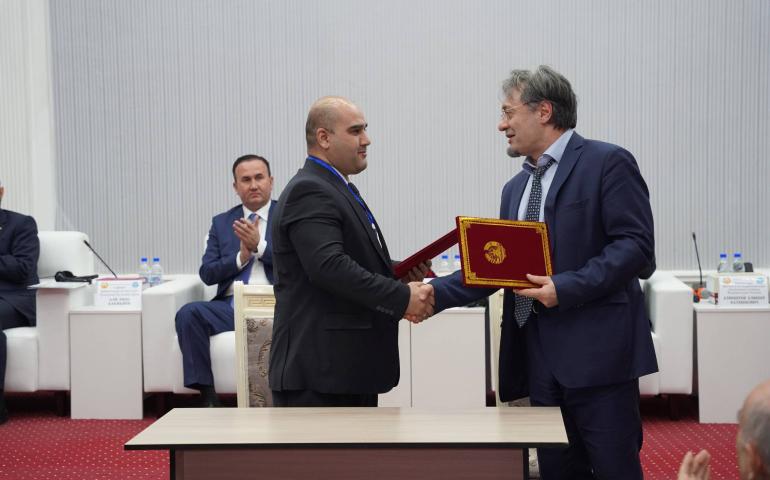
Additionally, at the conclusion of the event, a Cooperation Agreement was signed between the A. M. Bakhovaddinov Institute of Philosophy, Political Science and Law of the National Academy of Sciences of Tajikistan and the Institute of Oriental Studies of the Russian Academy of Sciences.