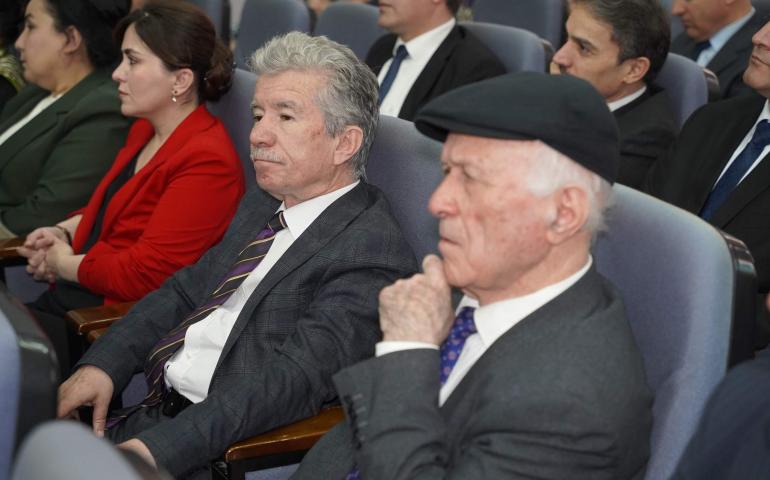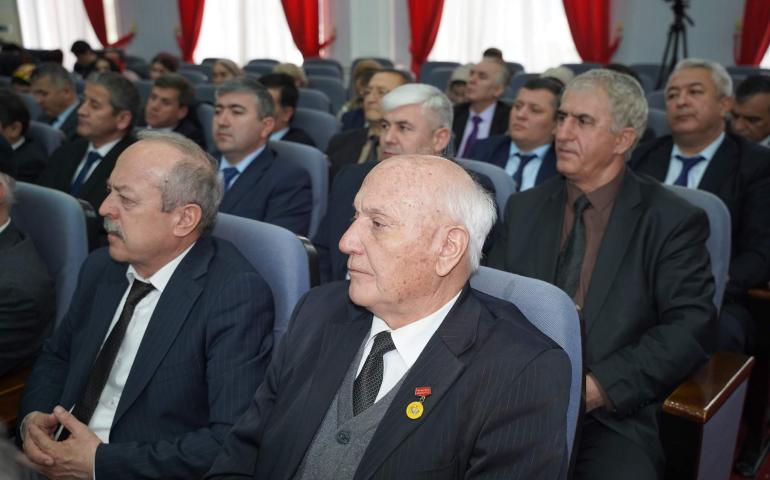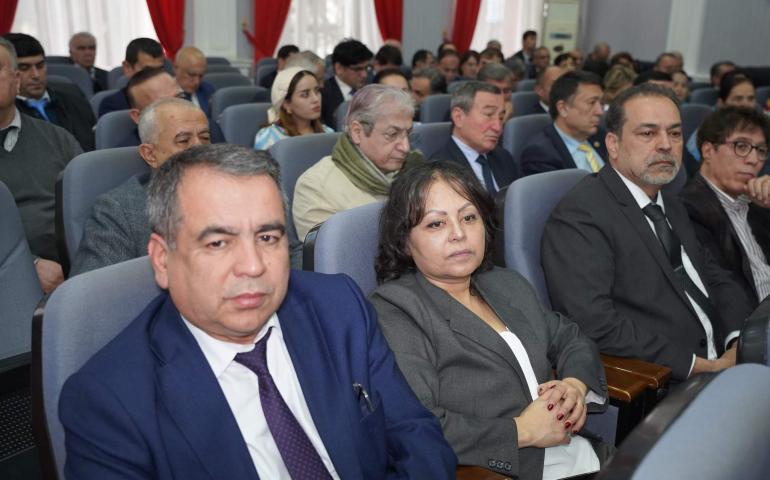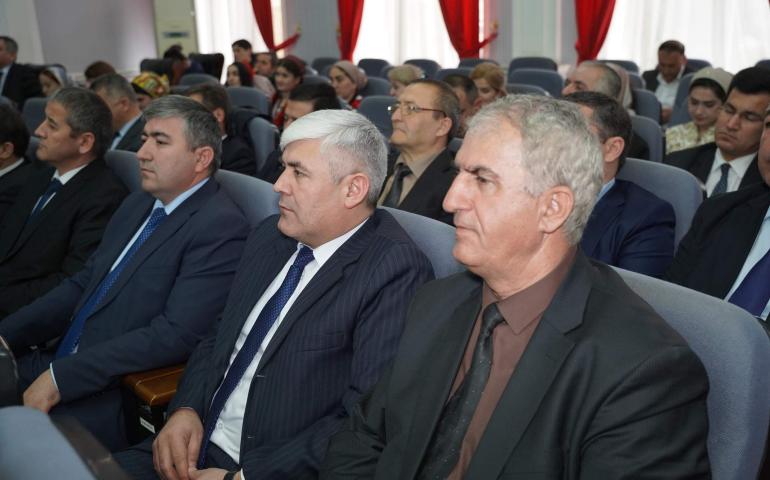

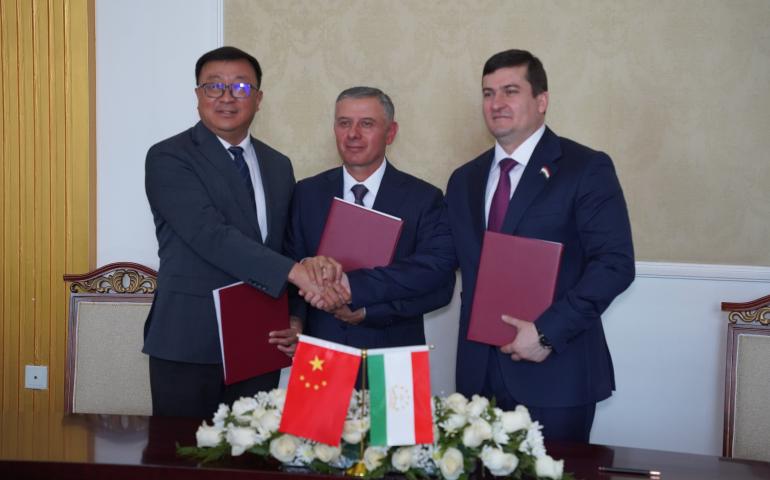
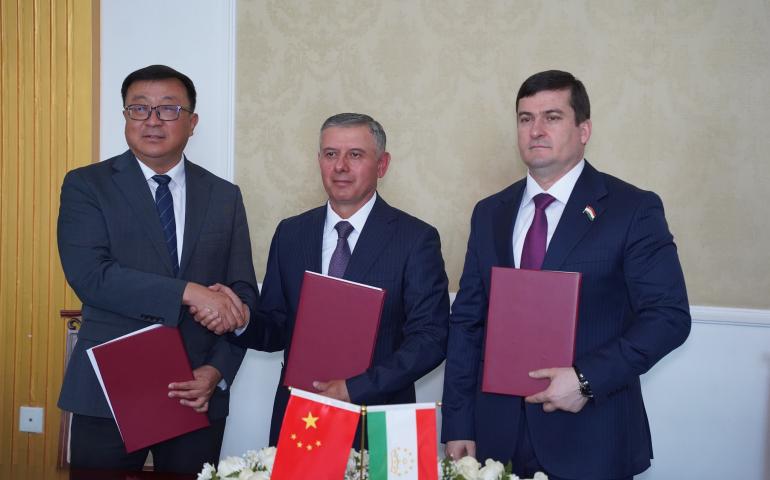
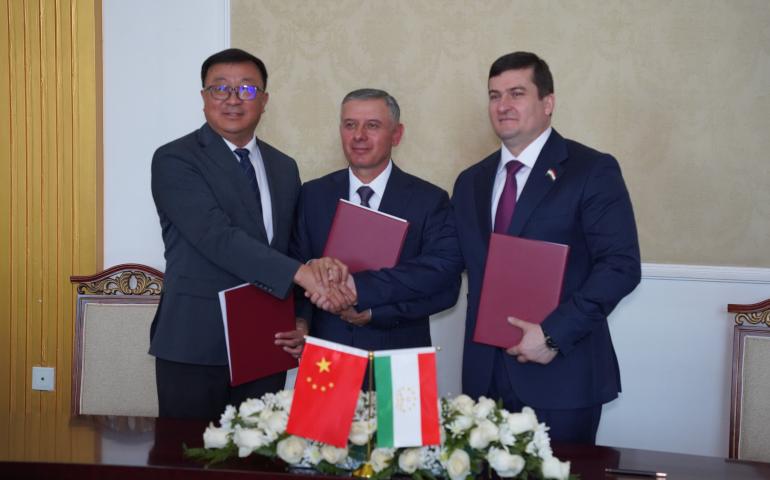
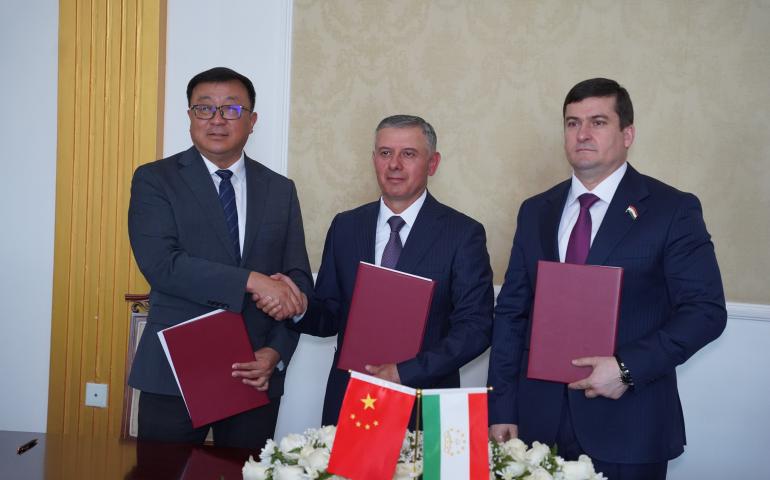
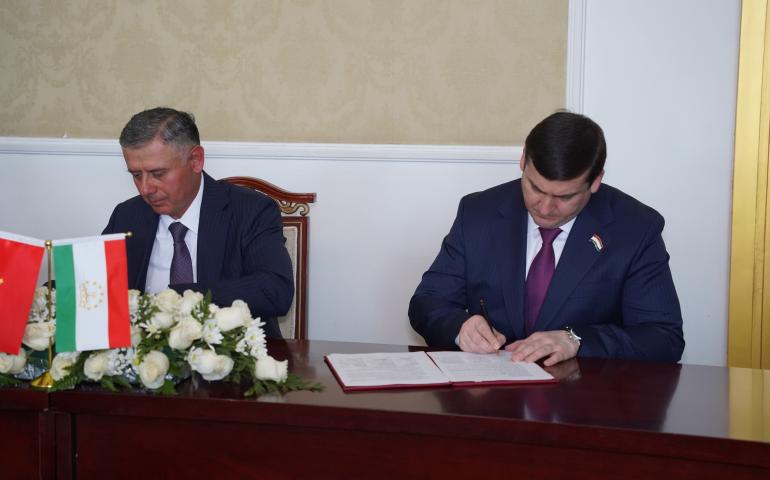
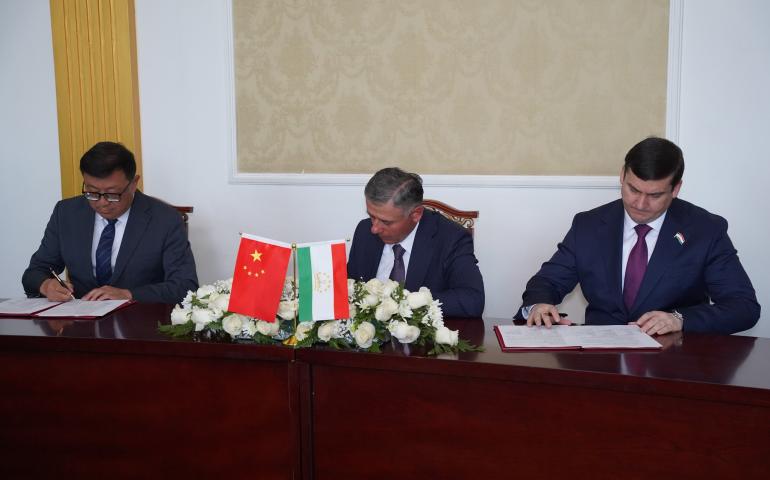
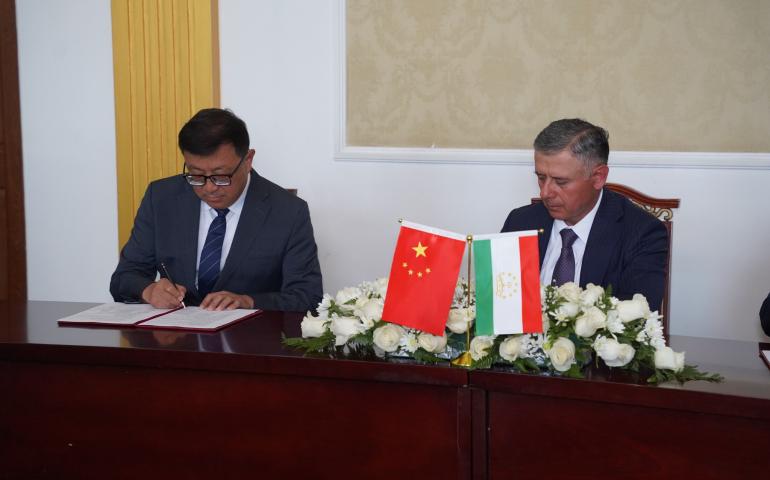
A MEMORANDUM OF UNDERSTANDING WAS SIGNED BETWEEN THE NATIONAL ACADEMY OF SCIENCES OF TAJIKISTAN, THE COMMITTEE OF EMERGENCY SITUATIONS AND CIVIL DEFENSE UNDER THE GOVERNMENT OF THE REPUBLIC OF TAJIKISTAN, AND THE XINJIANG INSTITUTE OF ECOLOGY AND GEOGRAPH
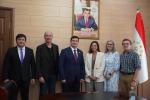
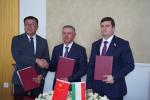
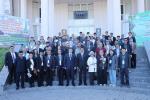
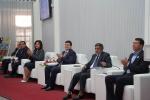
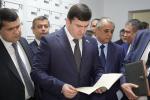
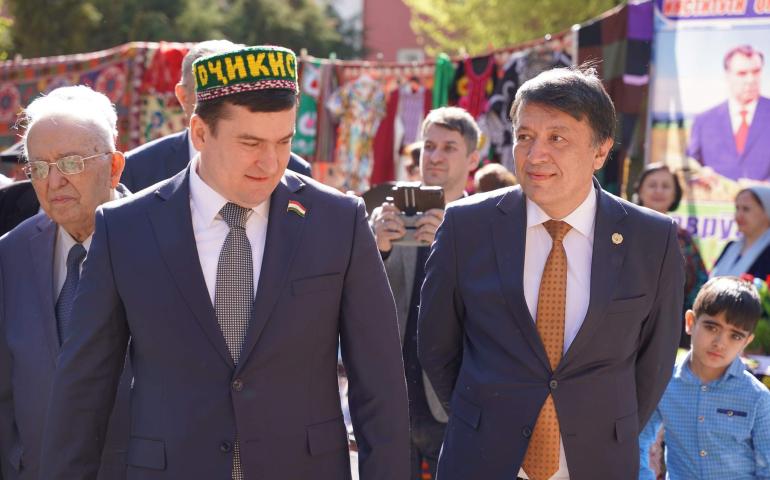
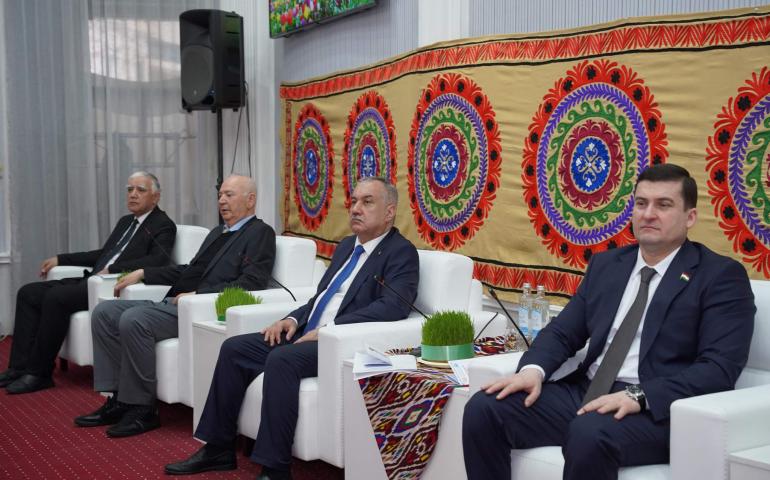
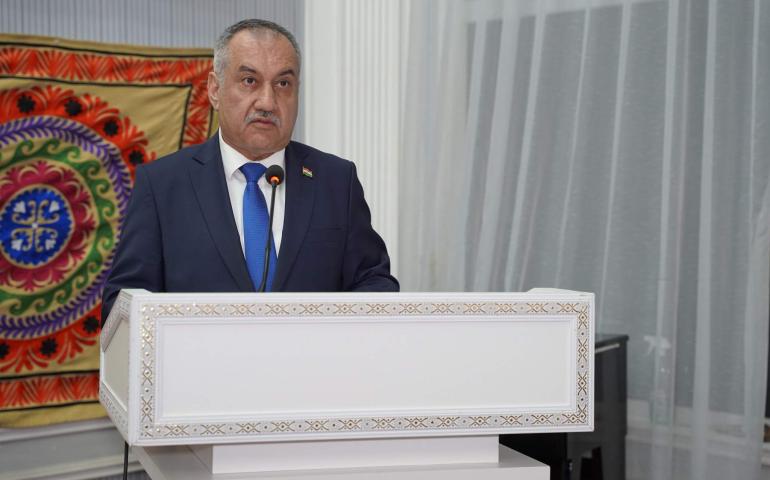
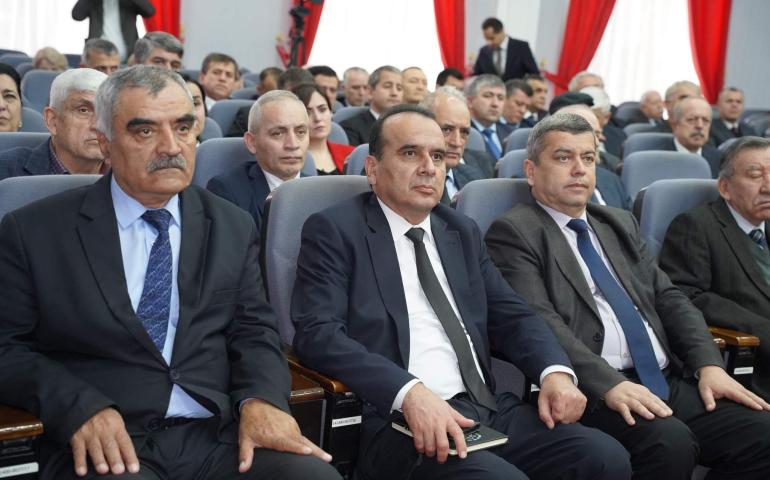
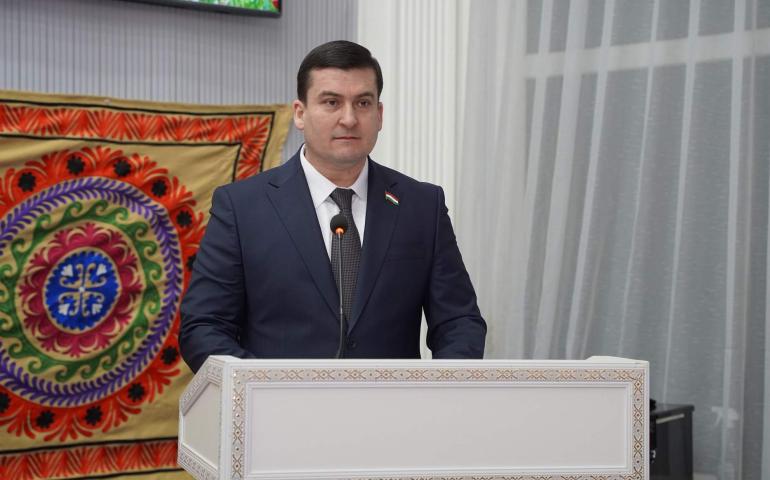
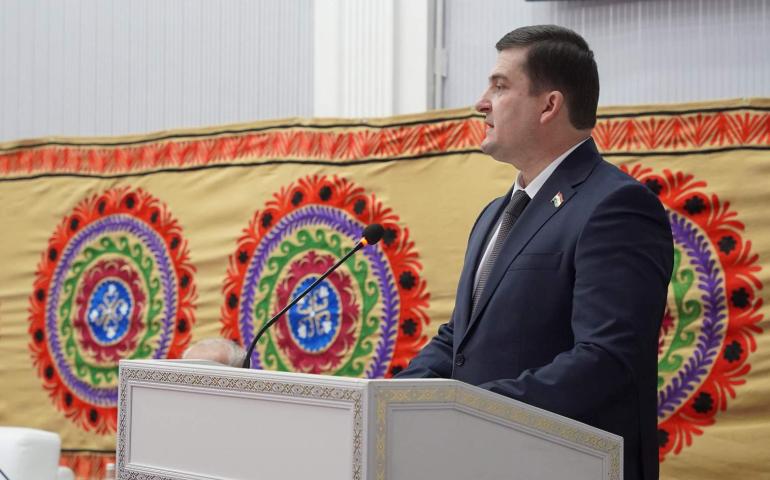
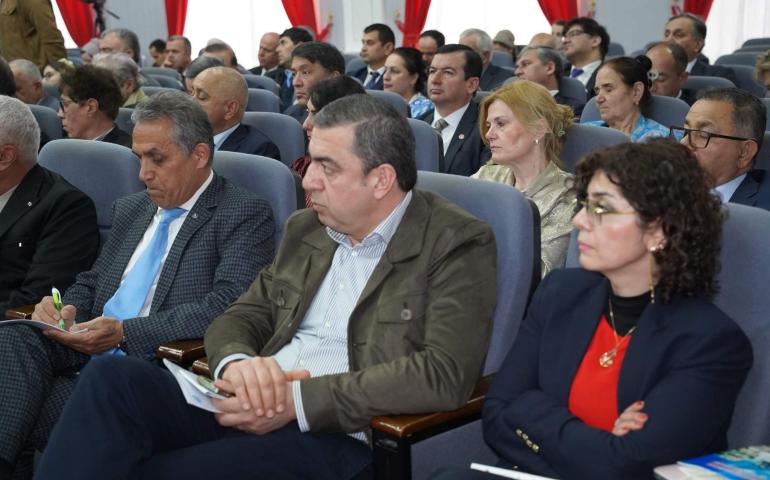
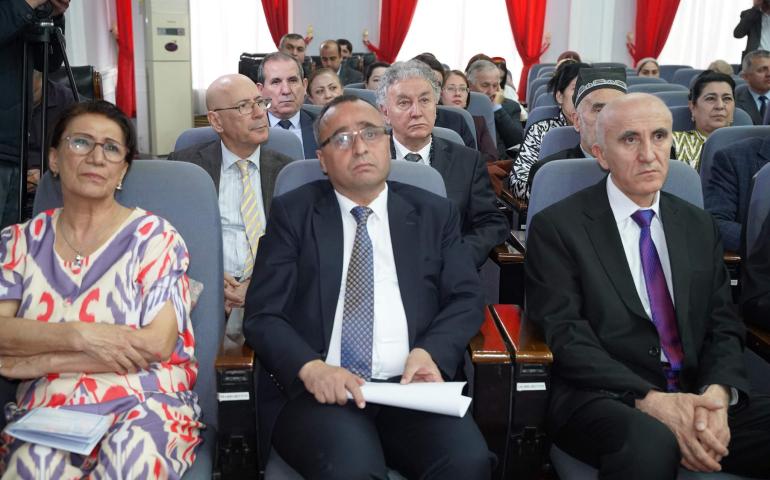
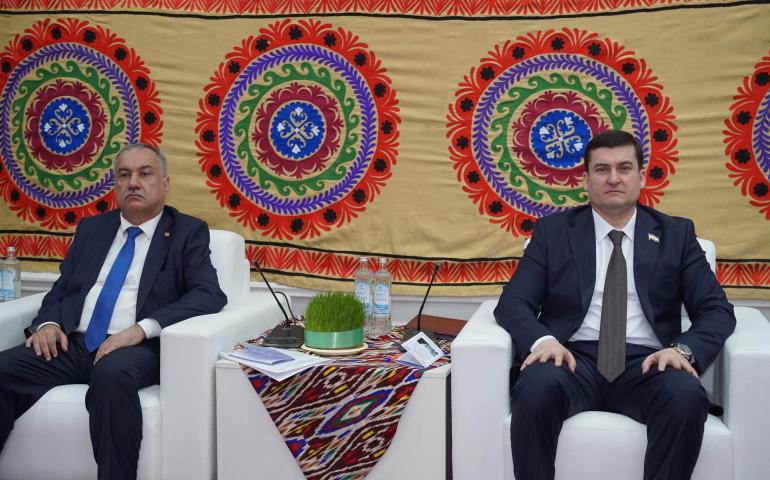
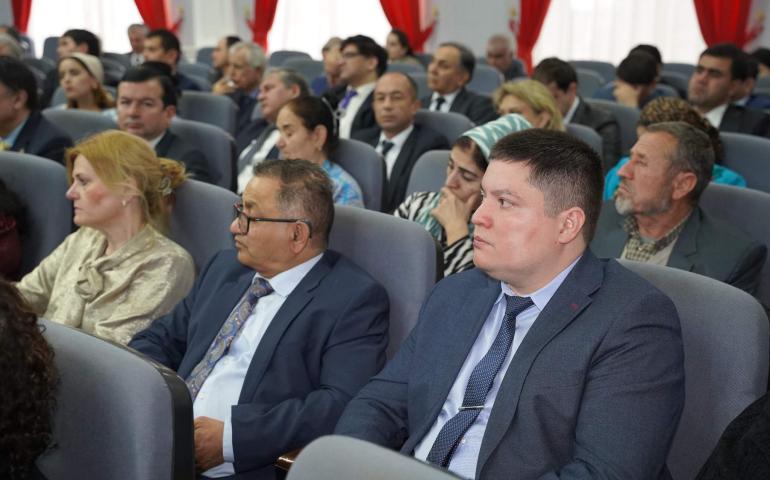
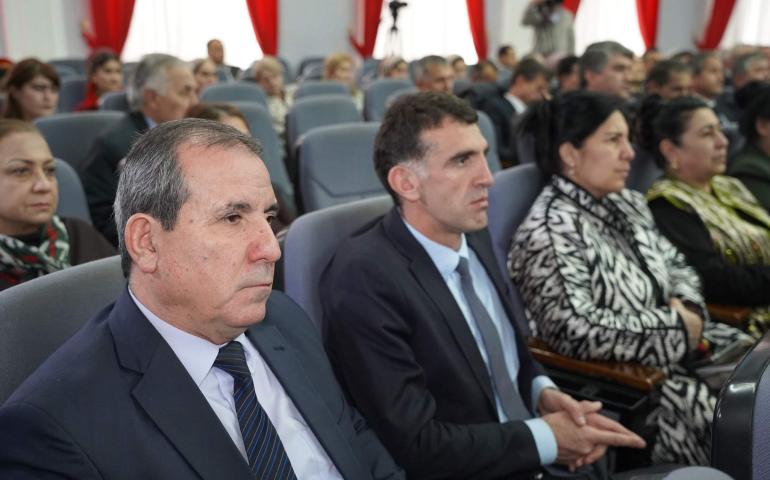
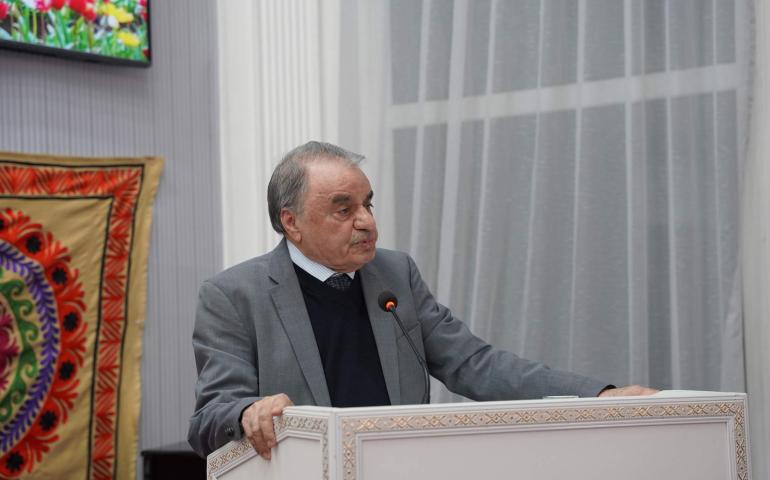
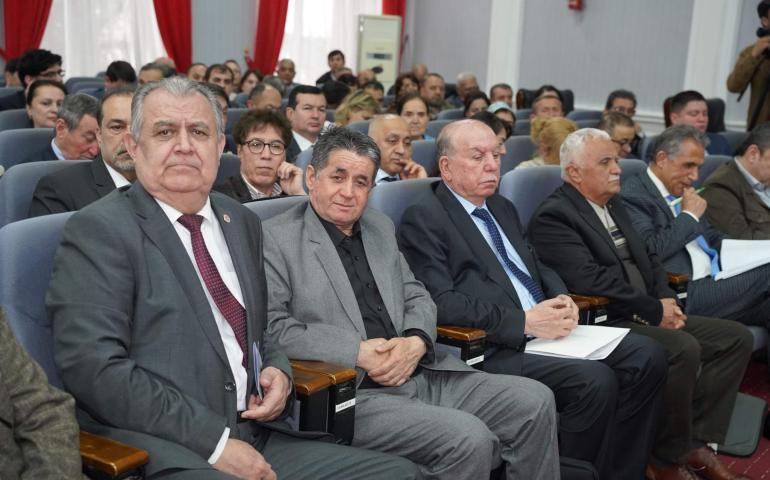
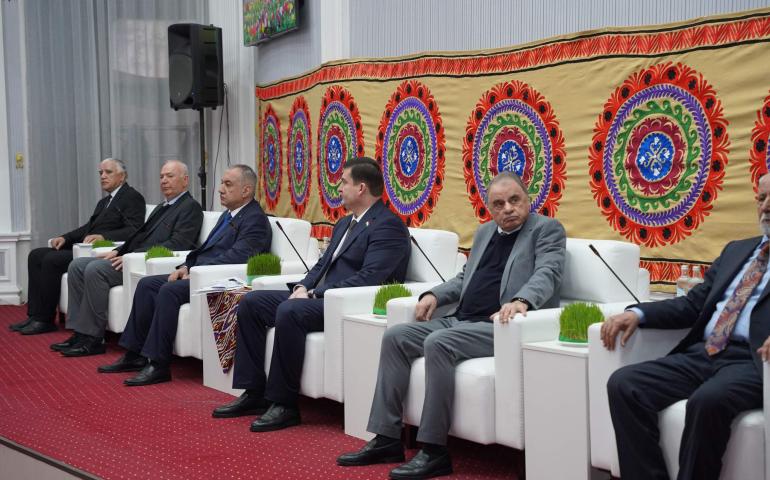
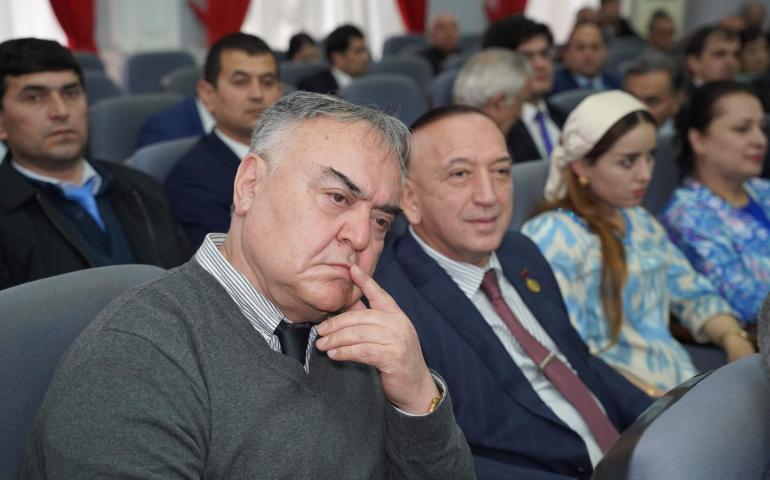
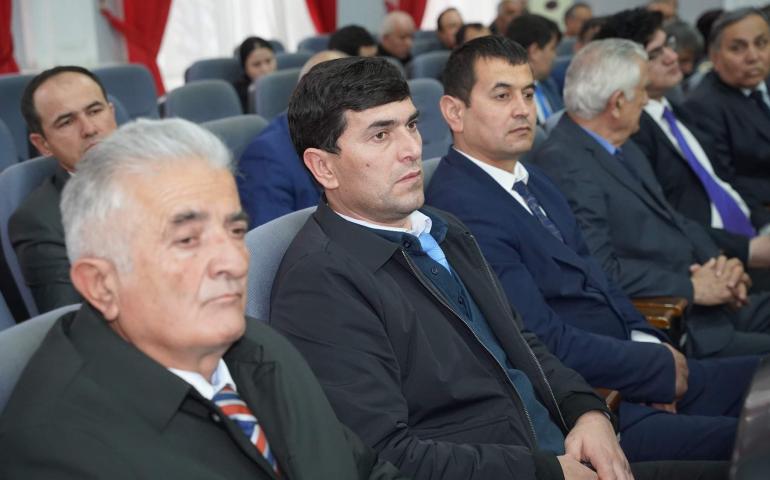
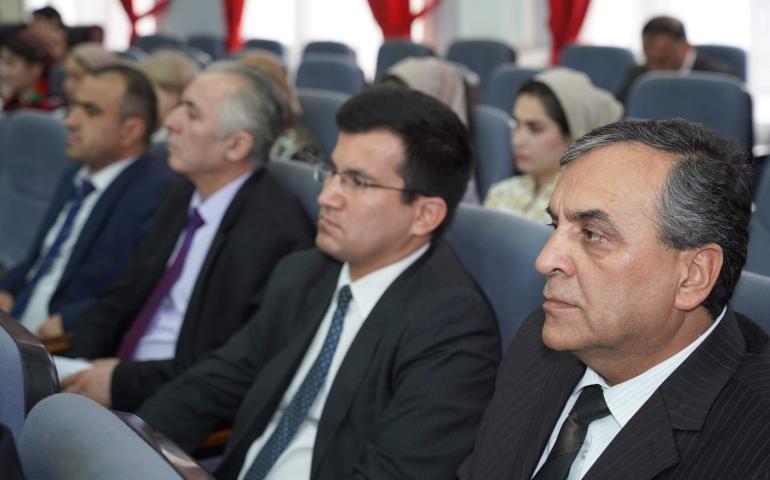
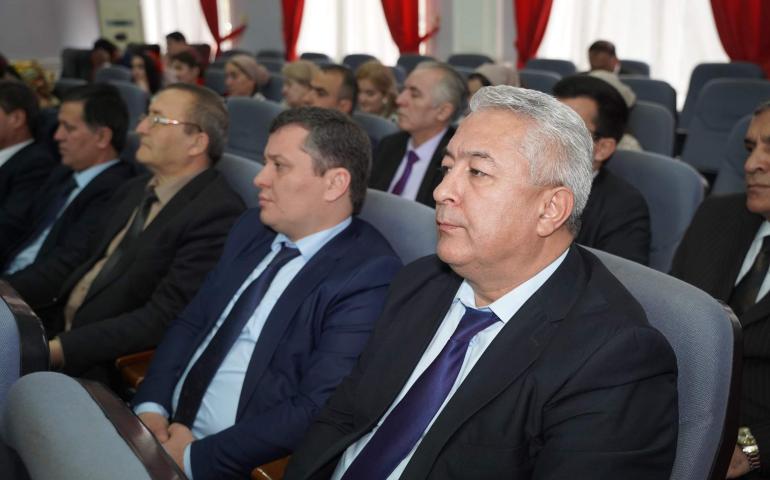
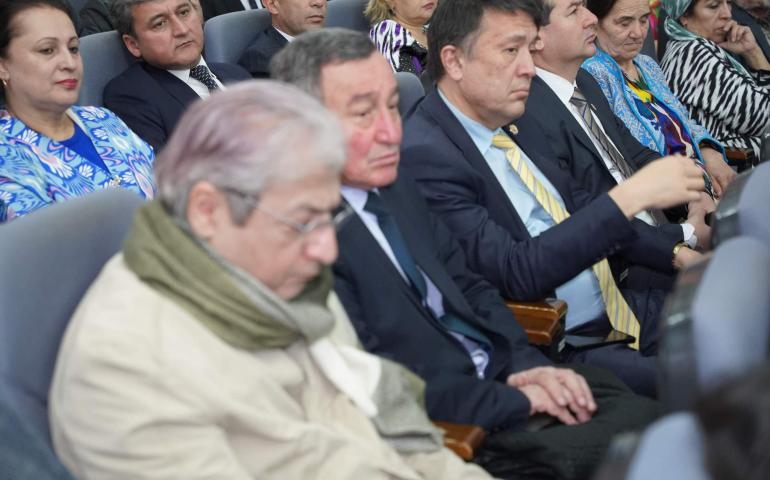
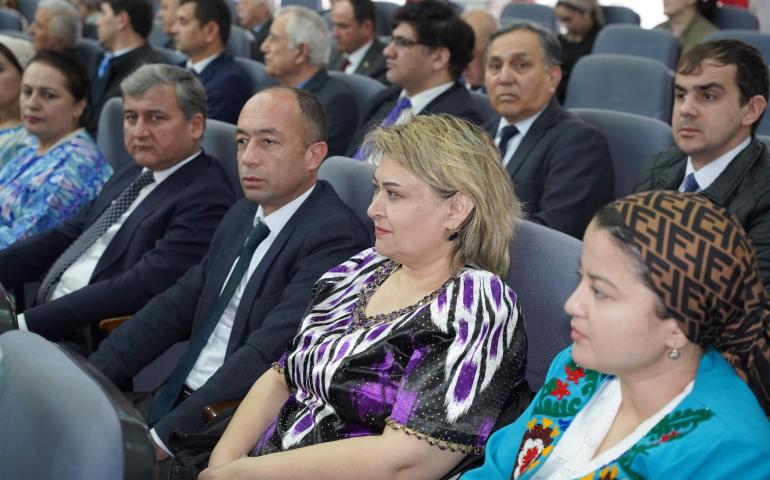
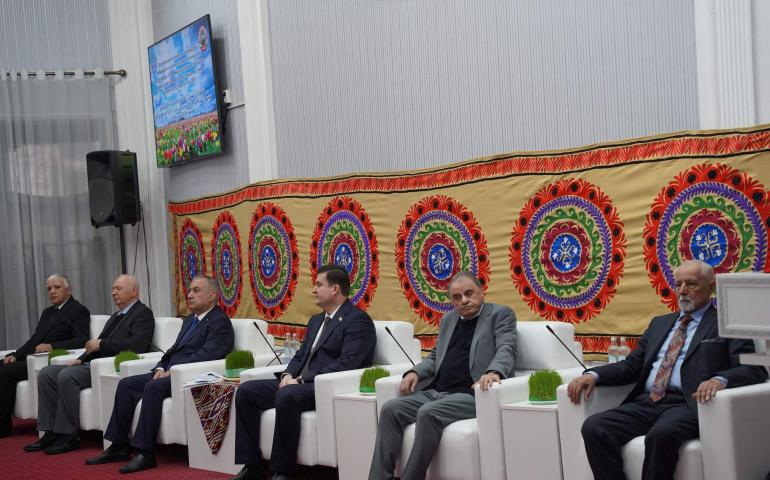
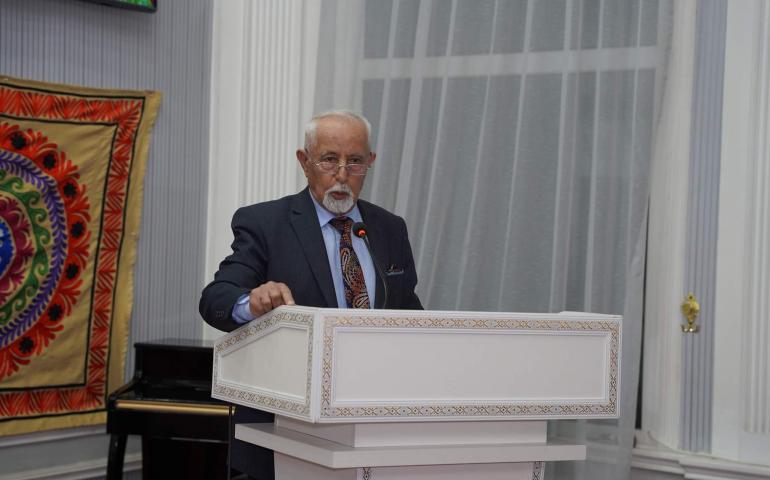
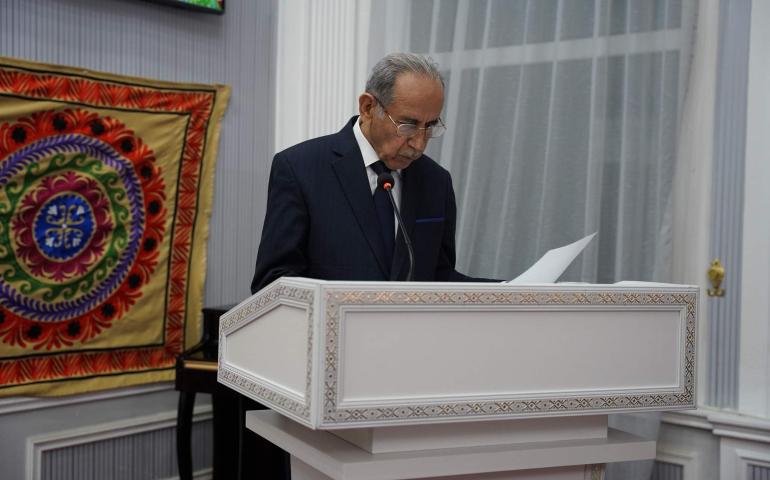
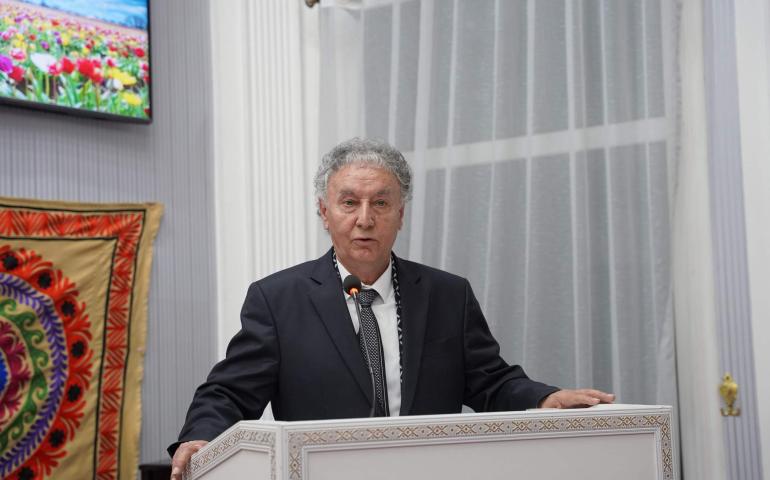
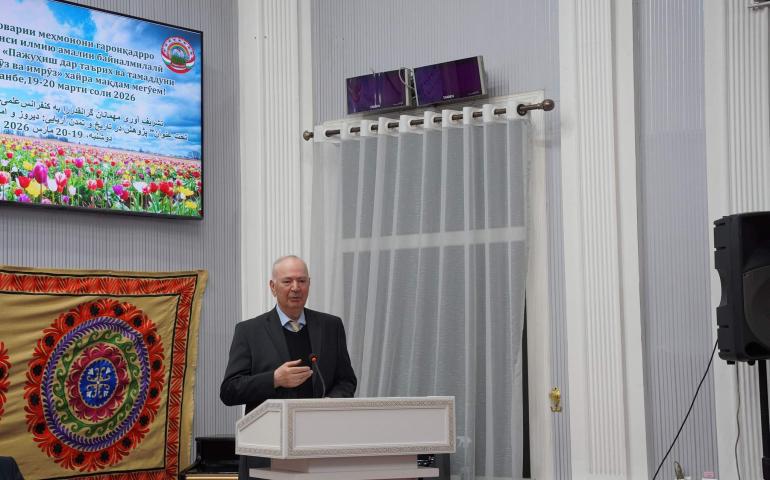
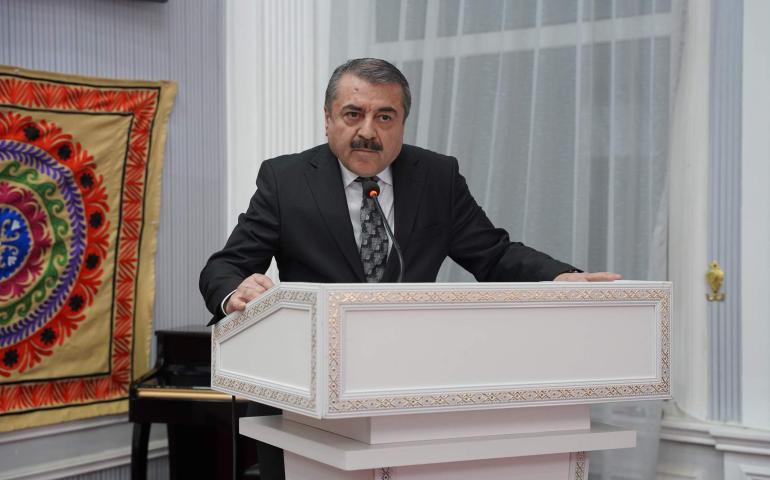
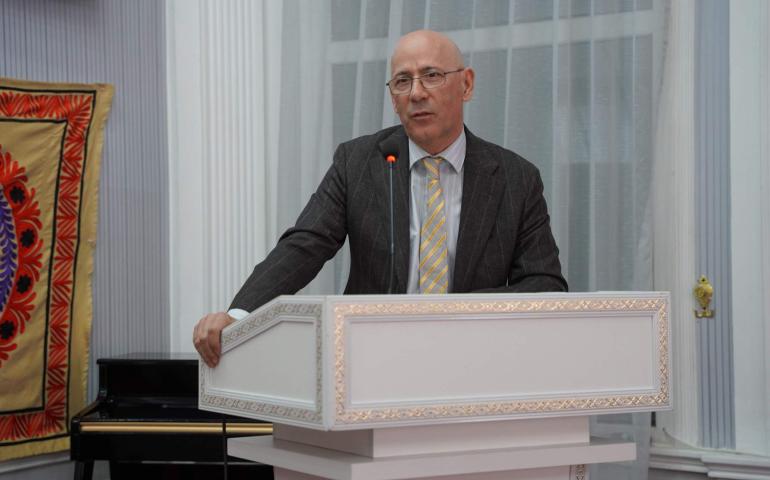
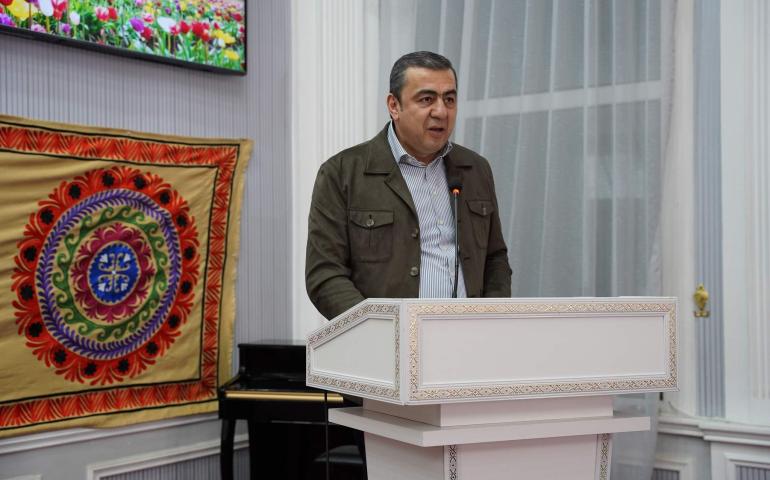
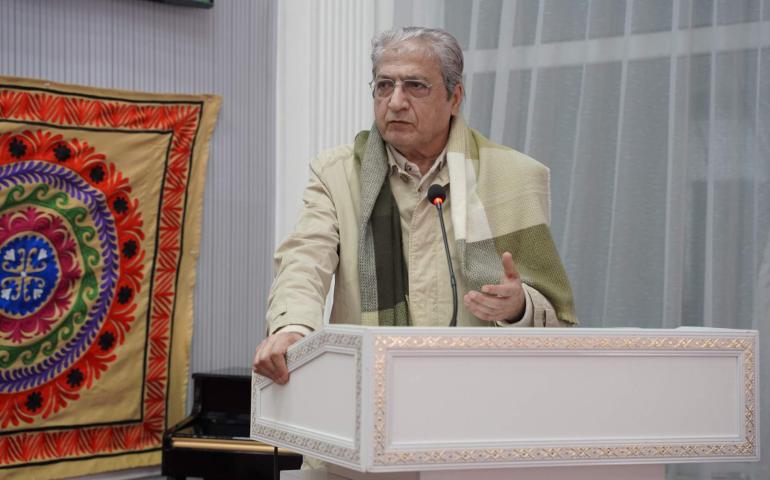
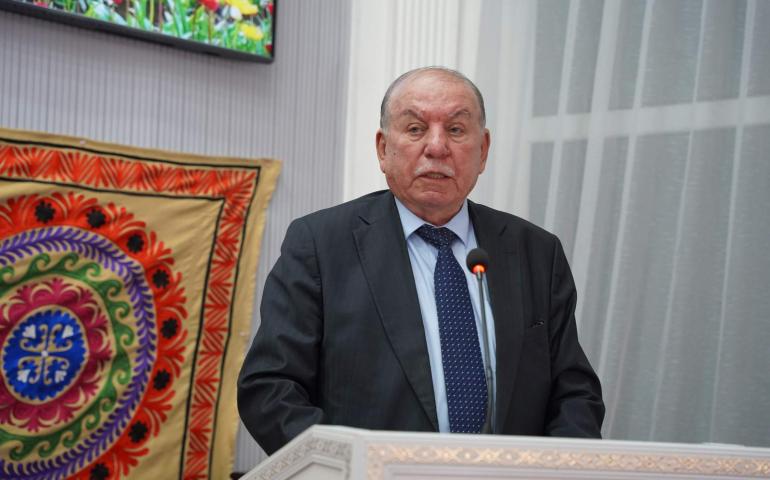
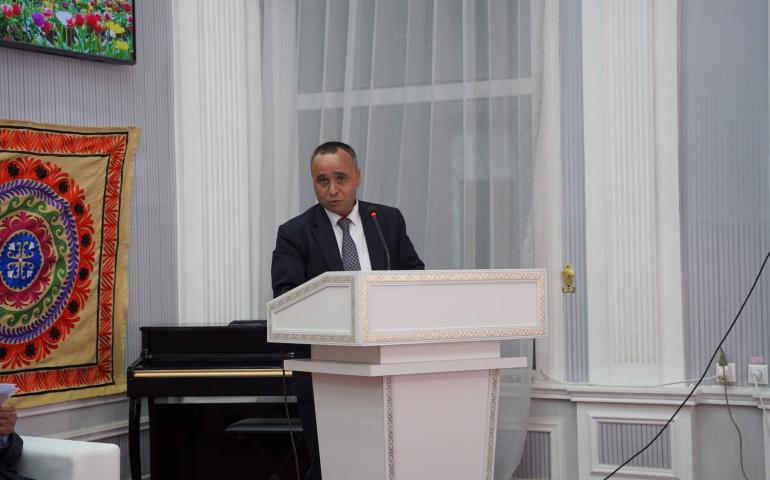
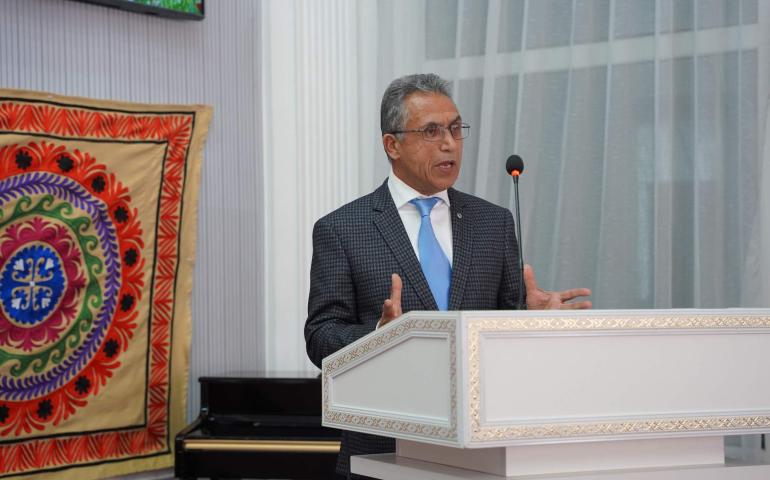
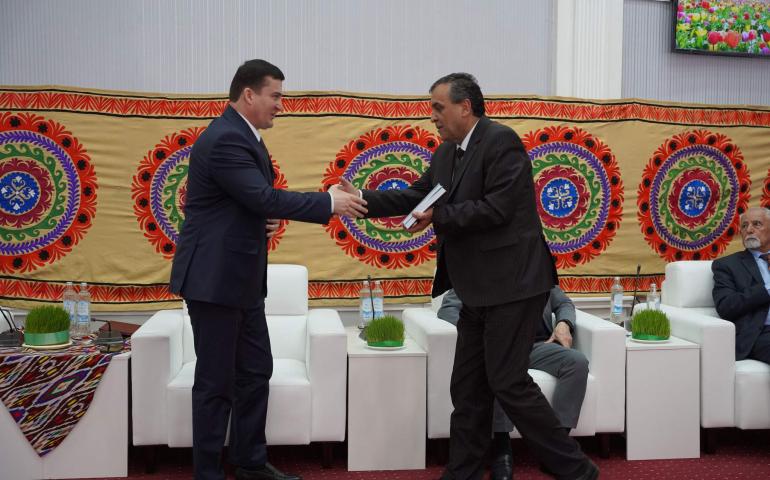
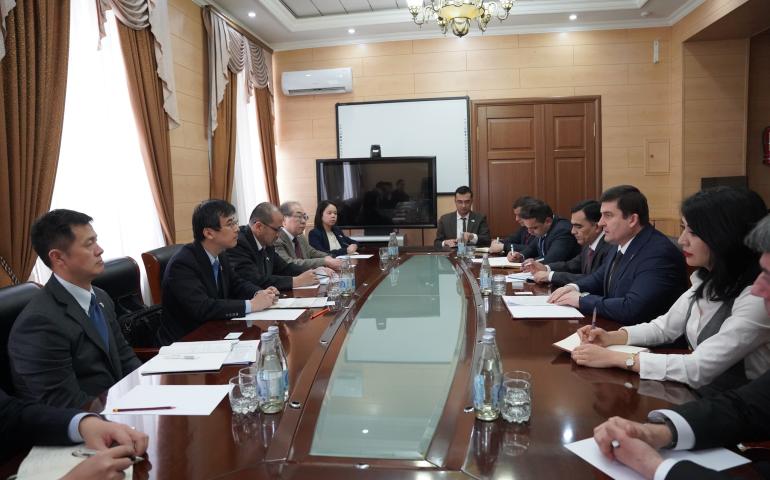
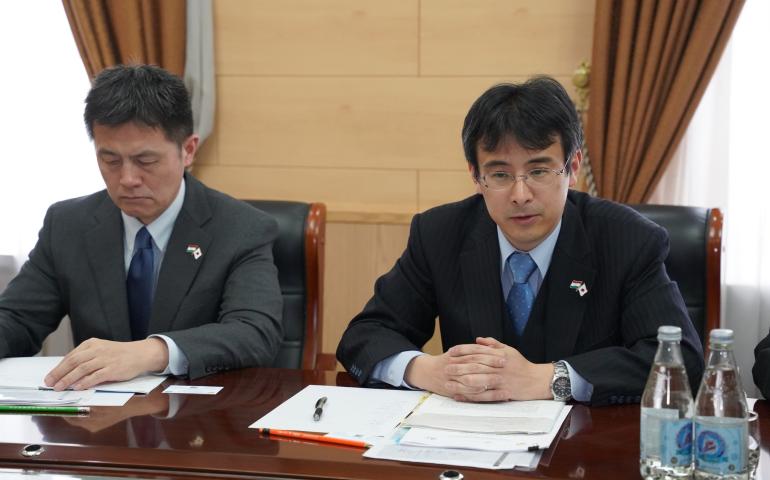
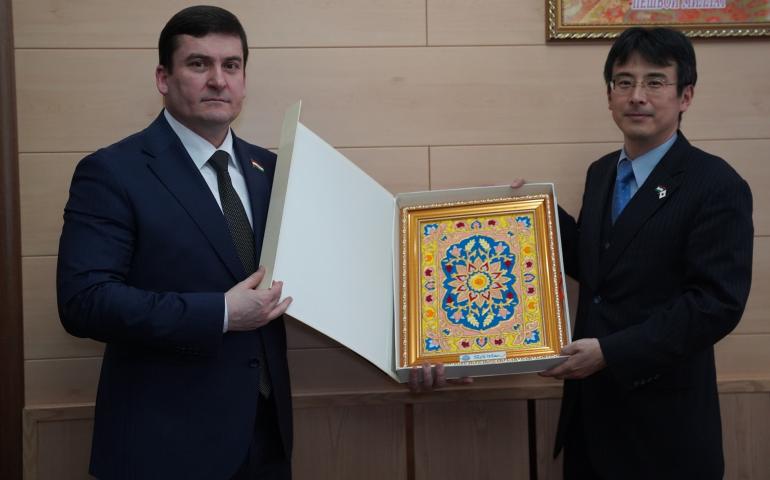
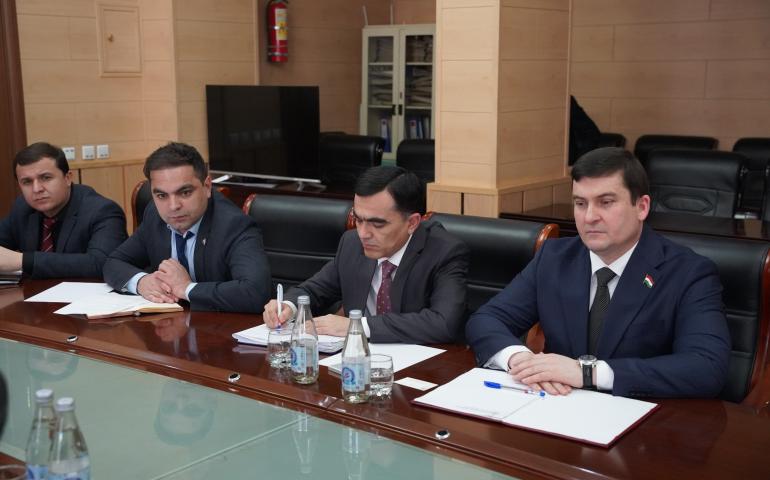
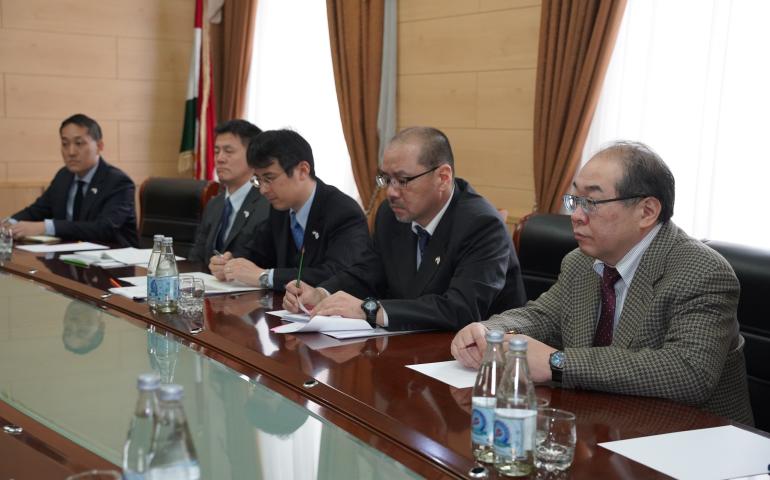
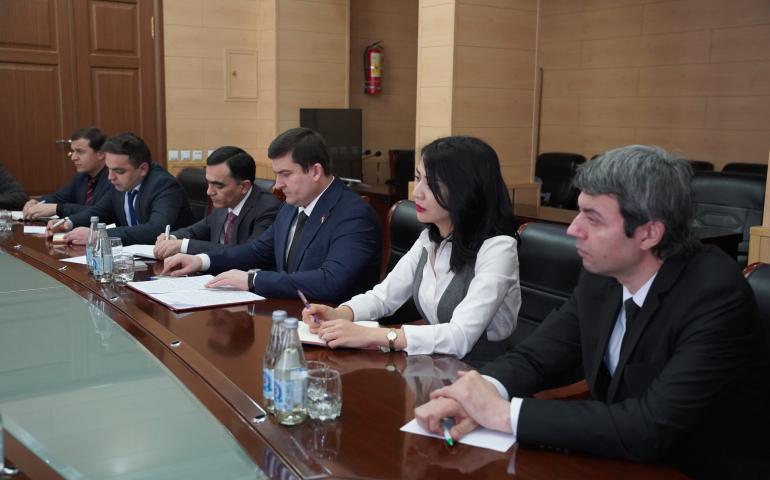
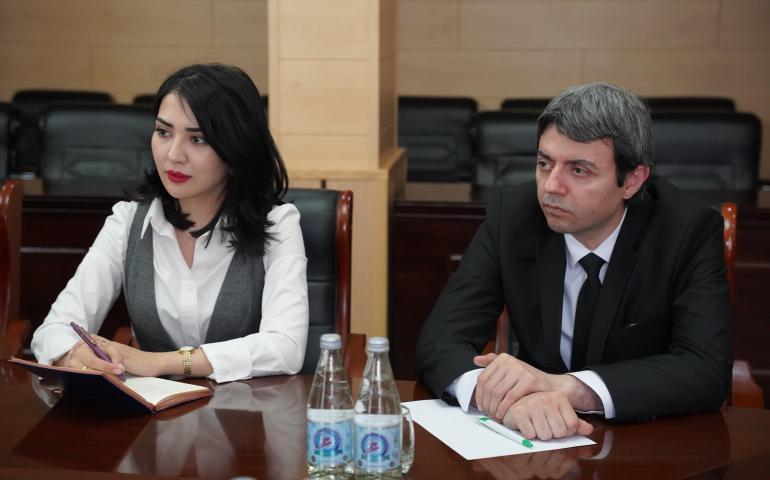
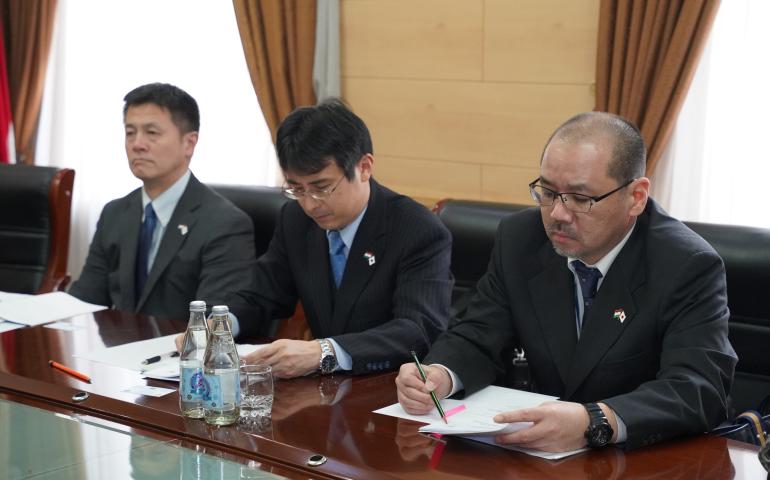
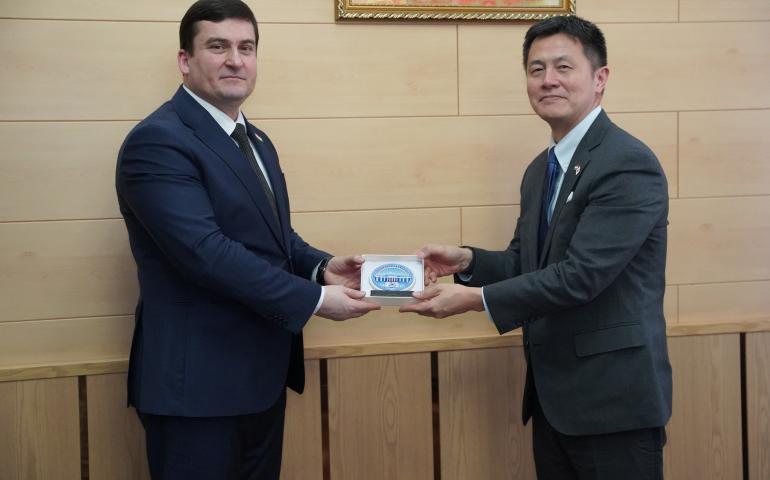
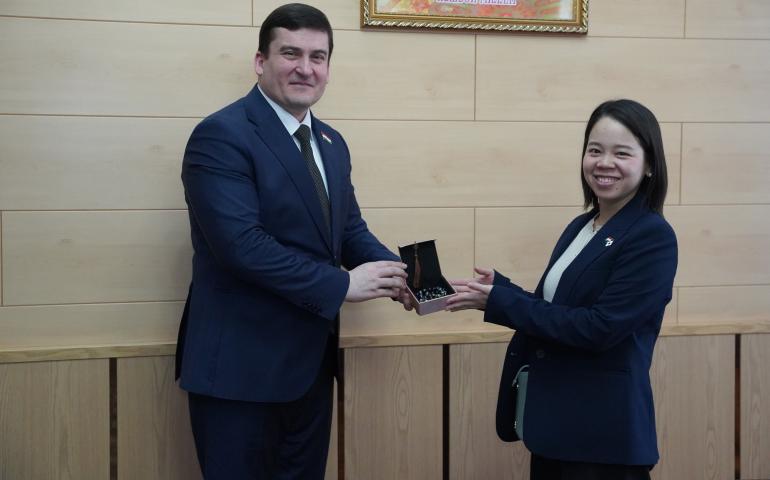
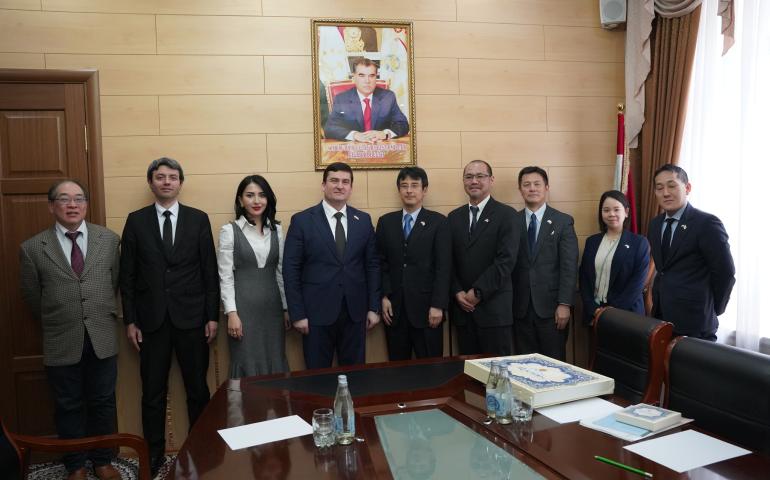
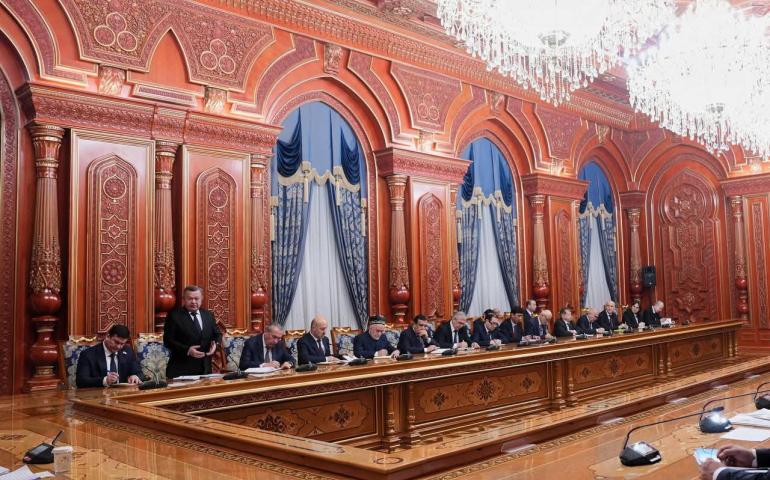
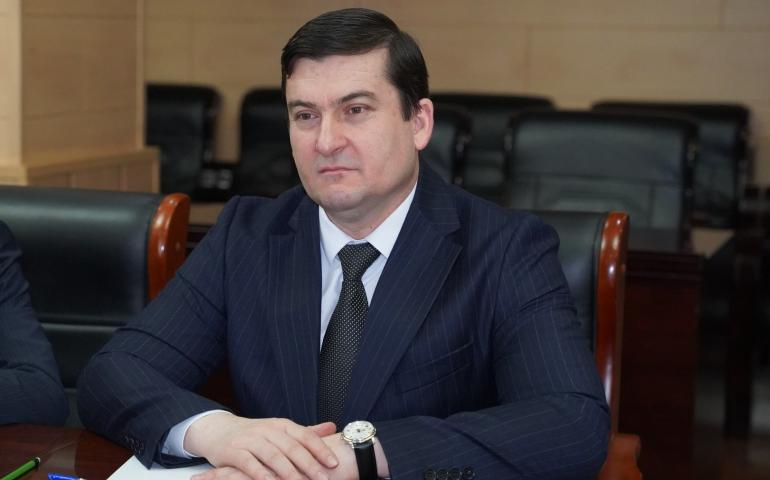
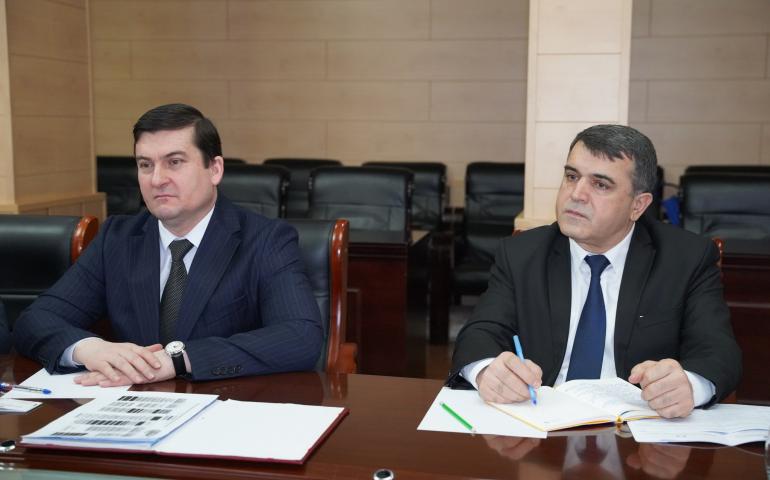
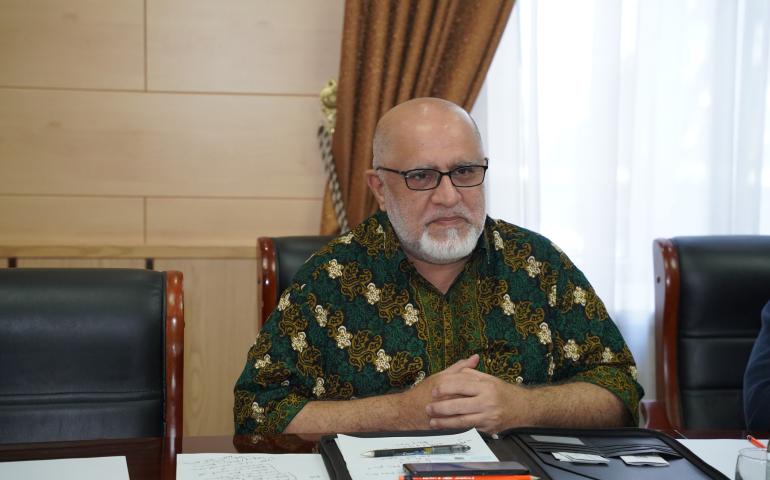
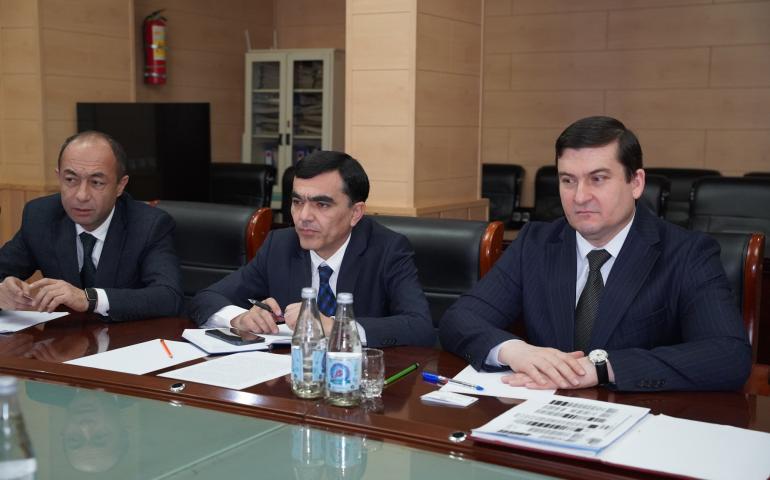
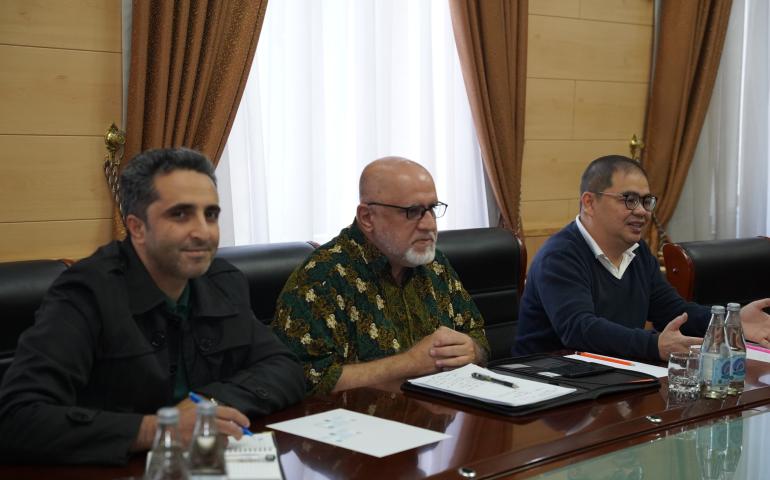
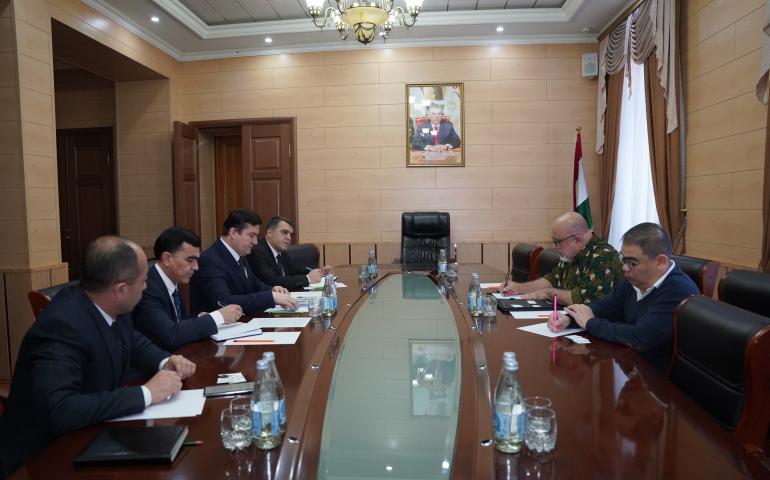
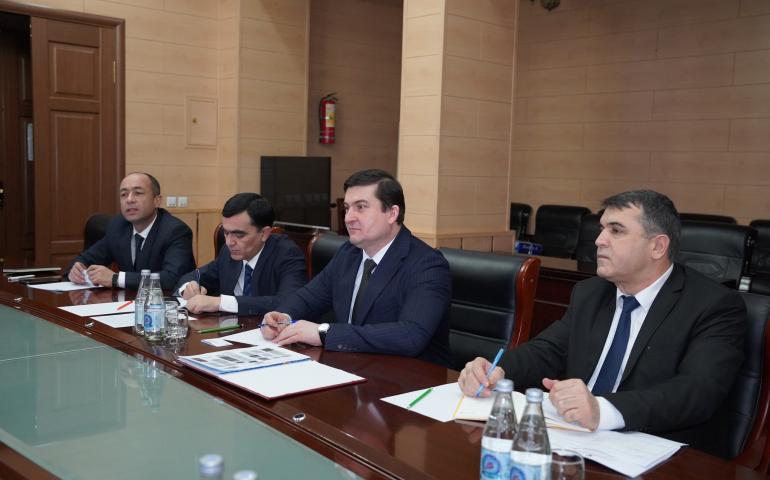
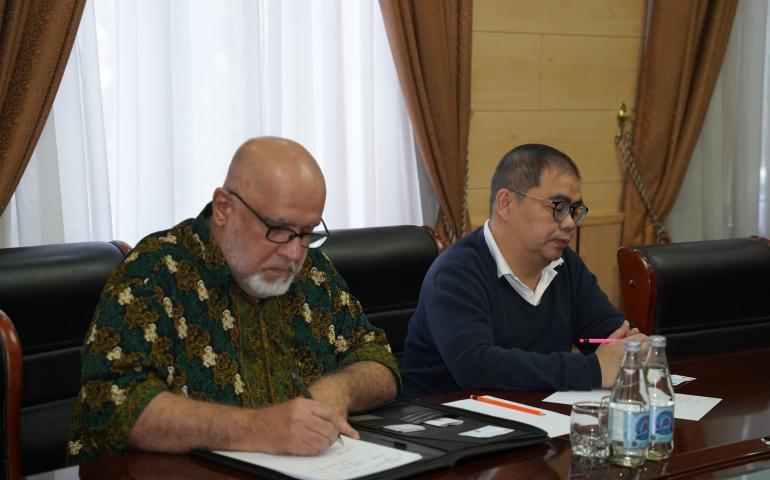
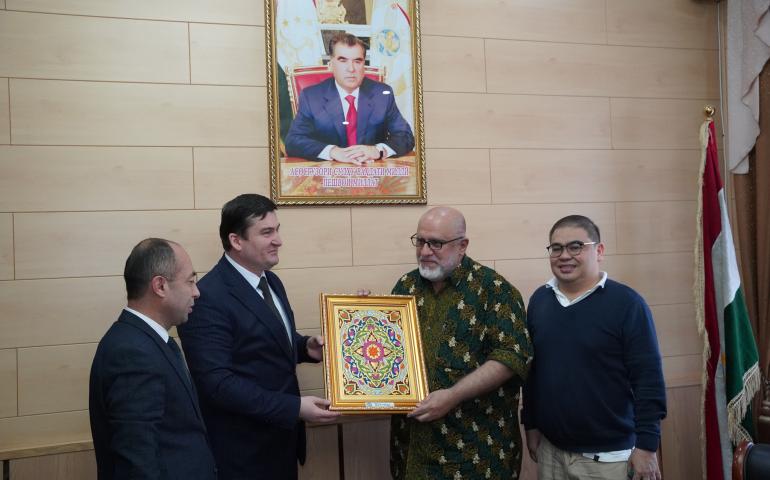
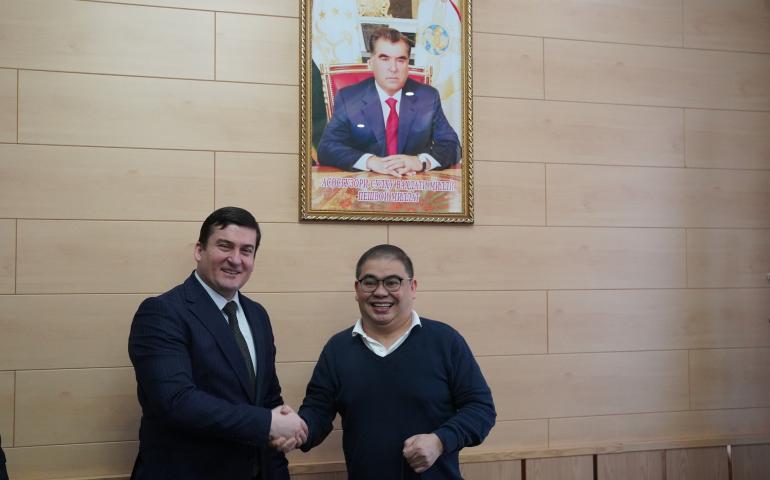
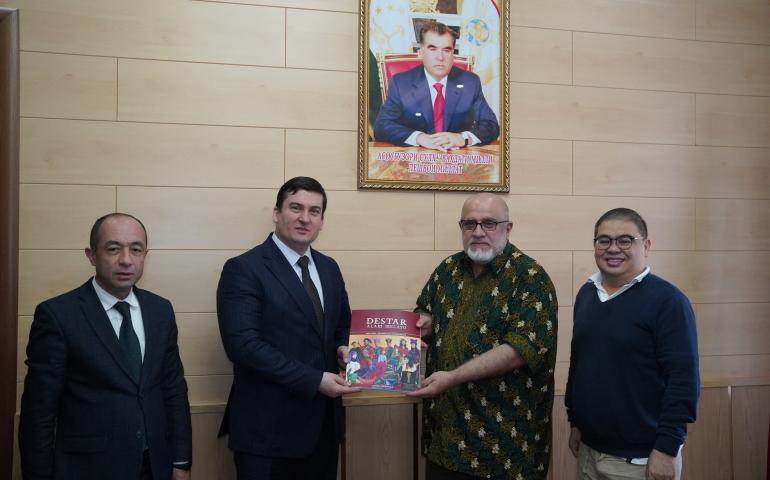
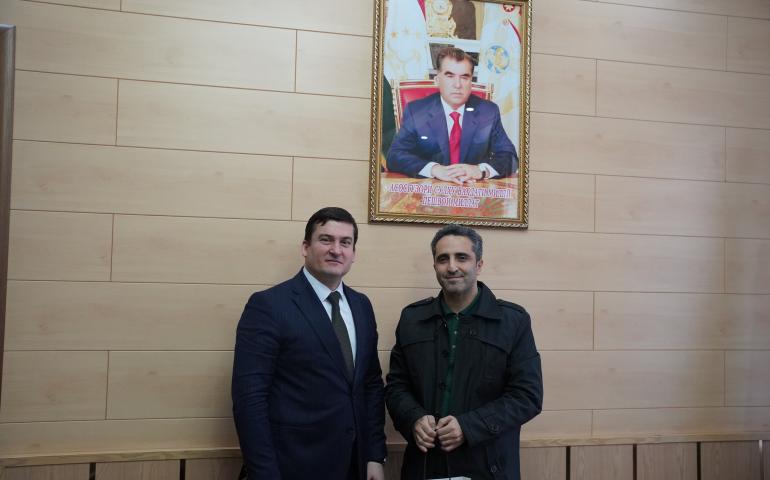
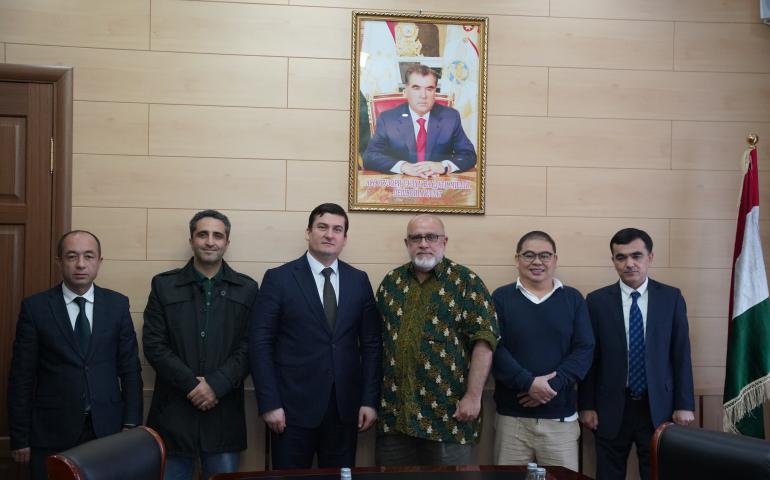
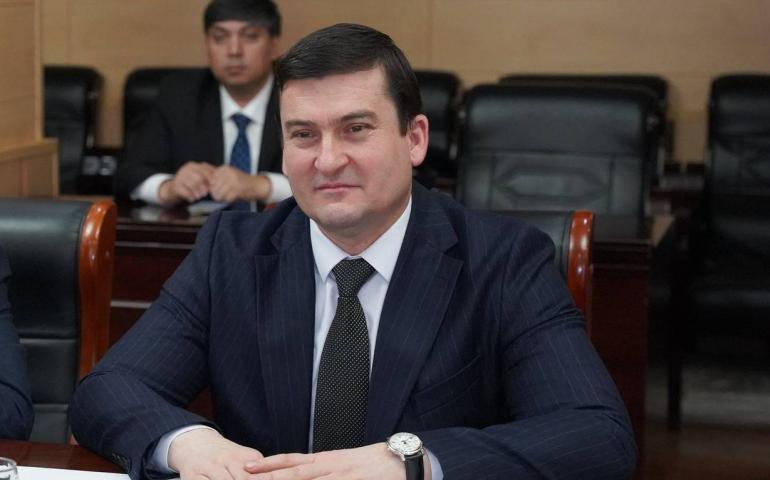
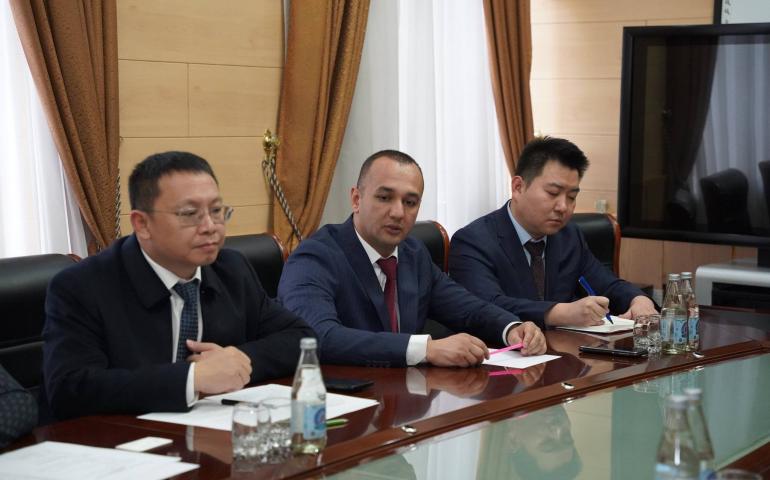
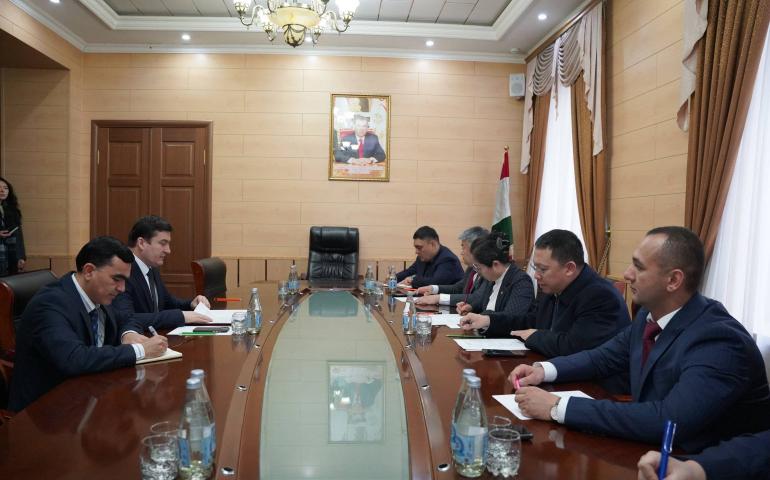
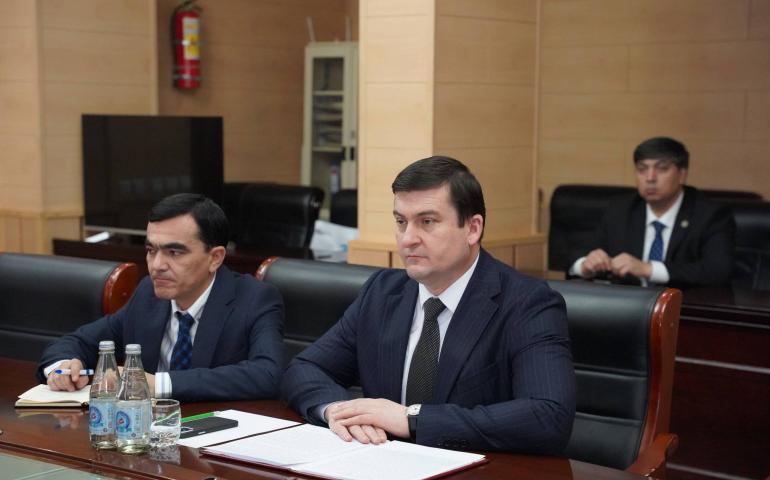
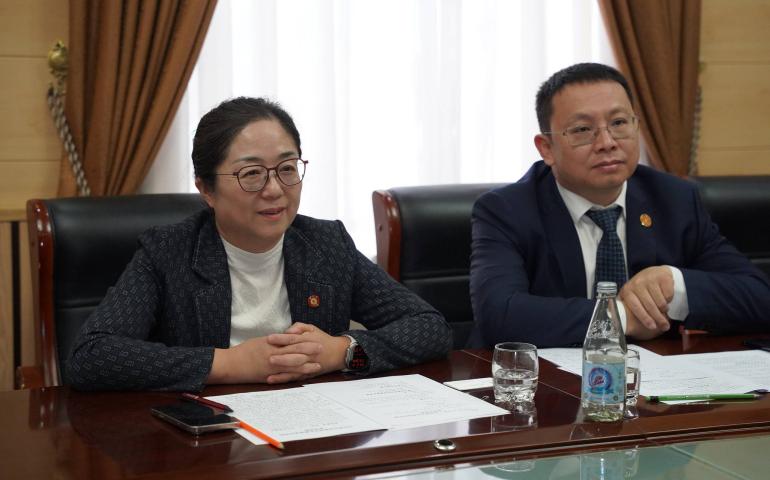
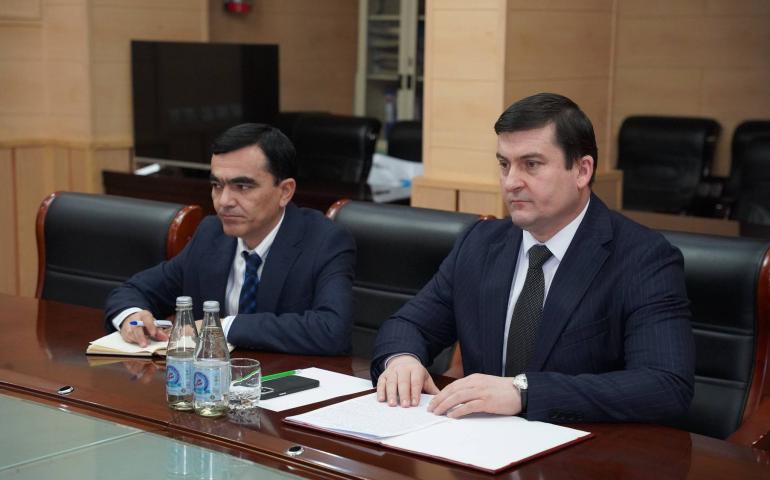
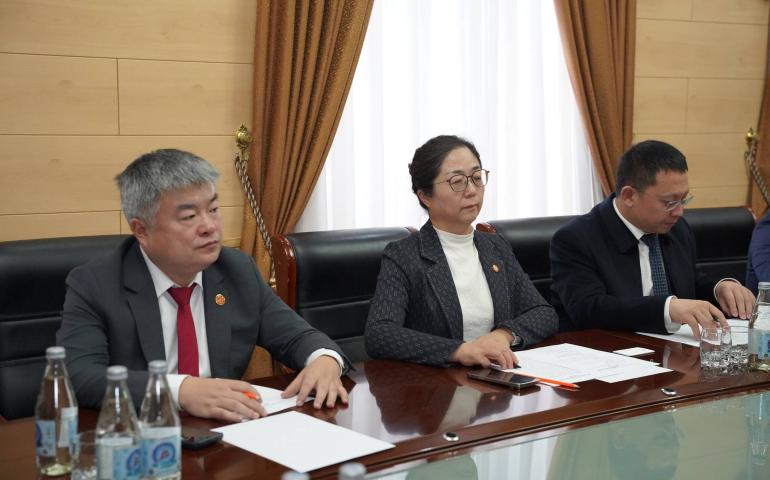
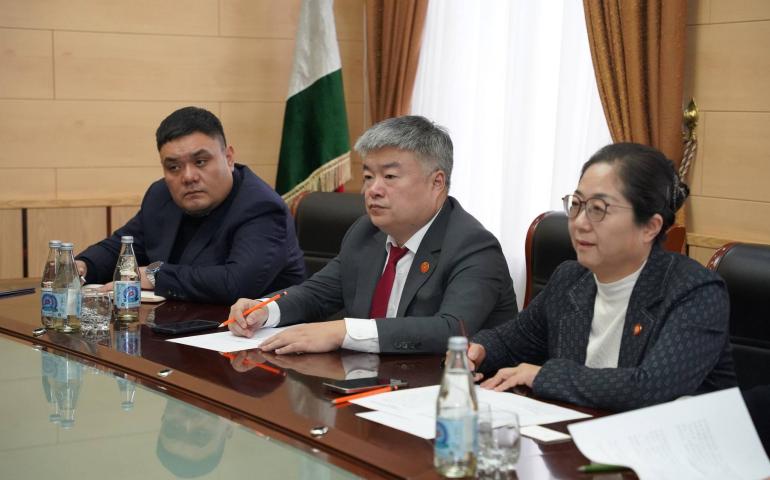
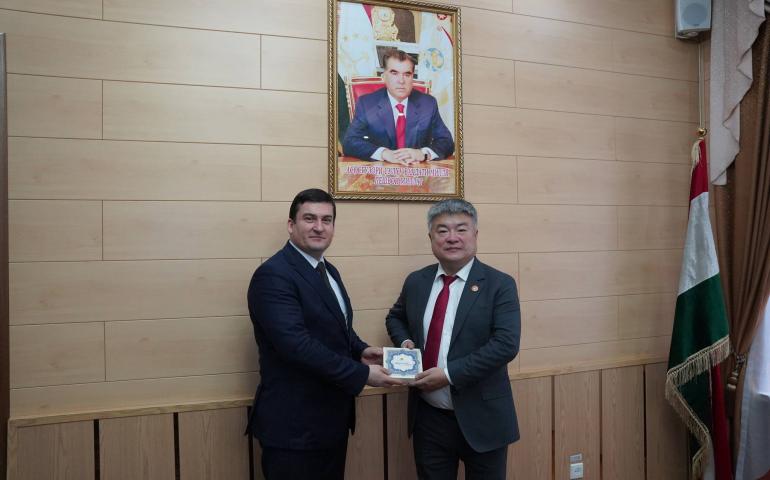
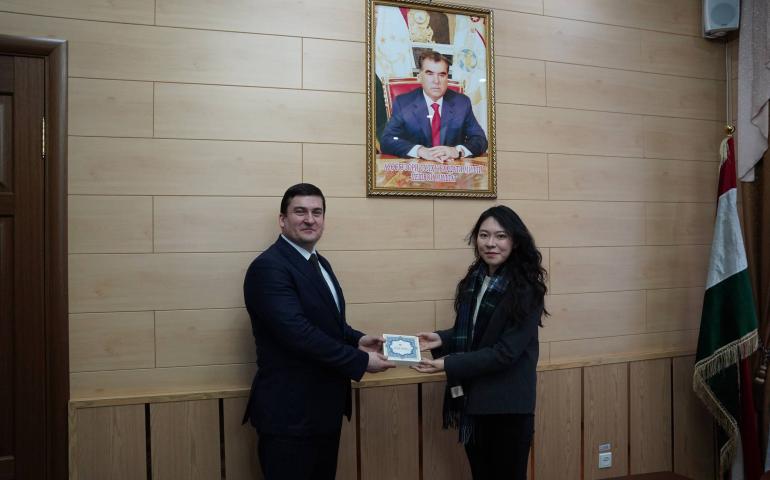
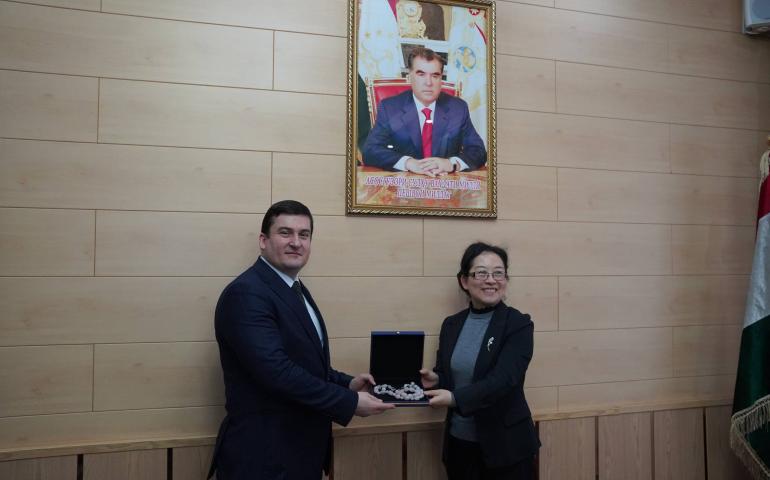
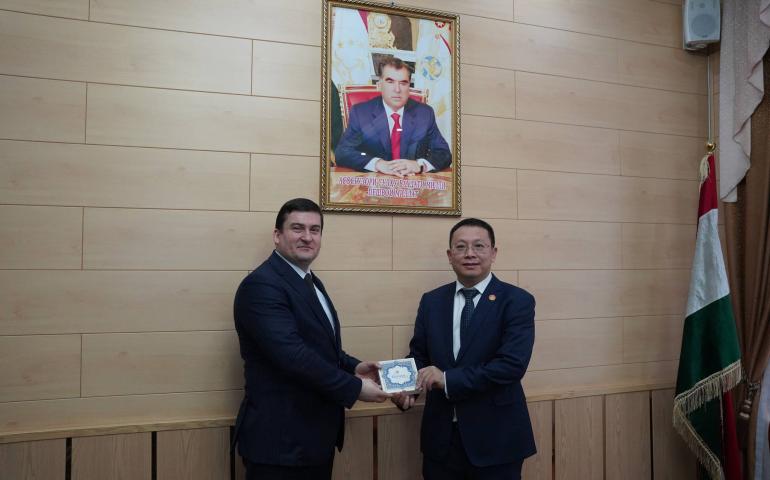
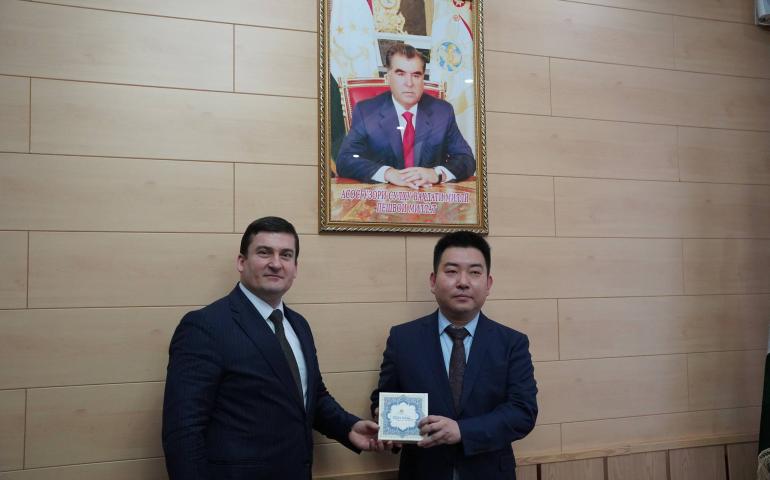
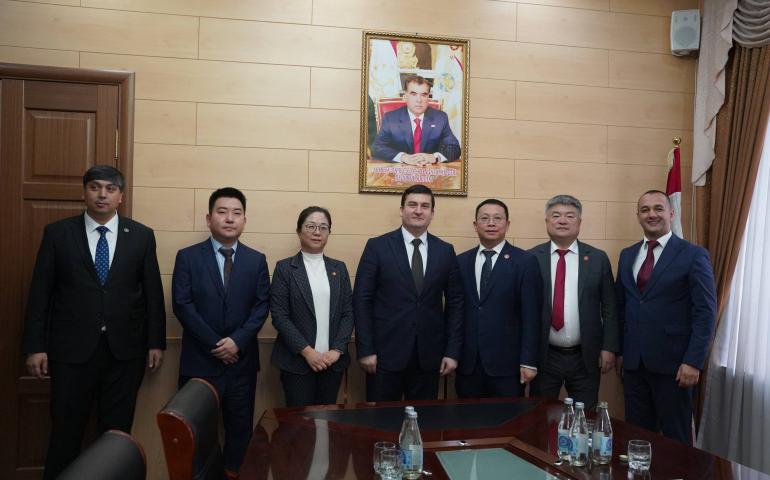
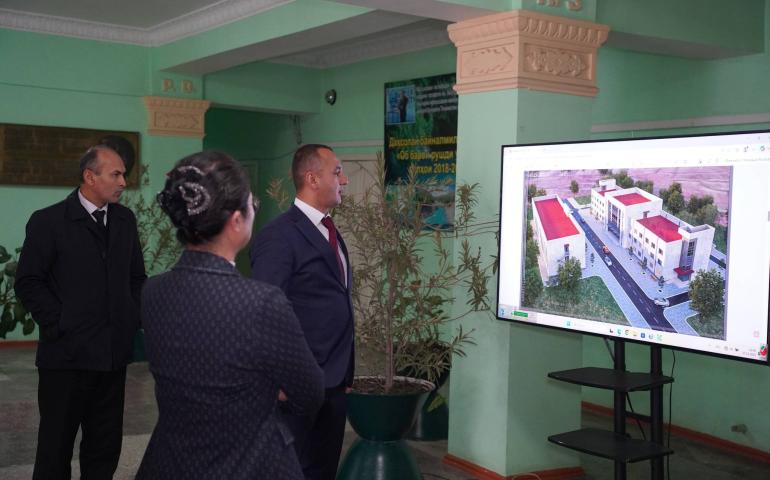
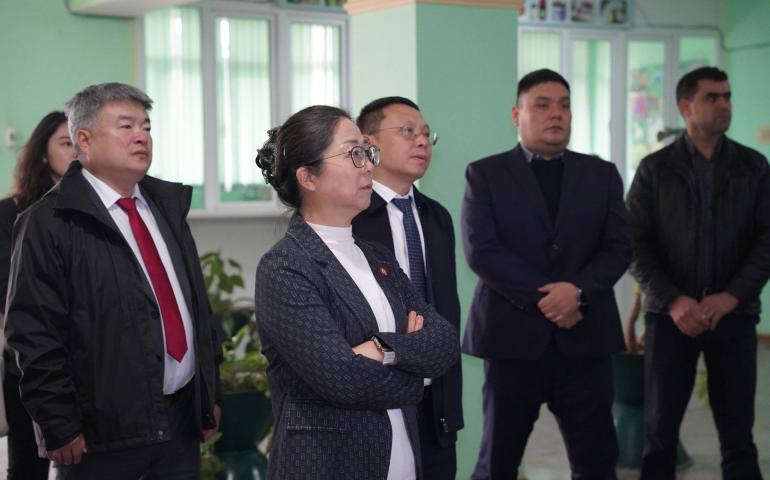
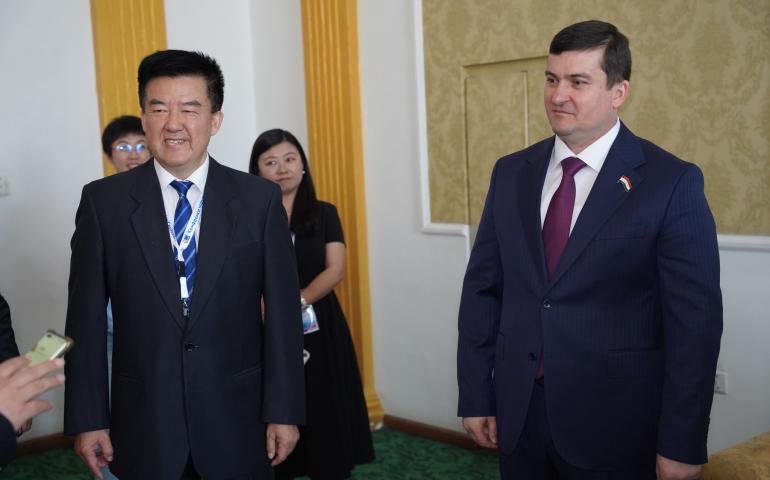
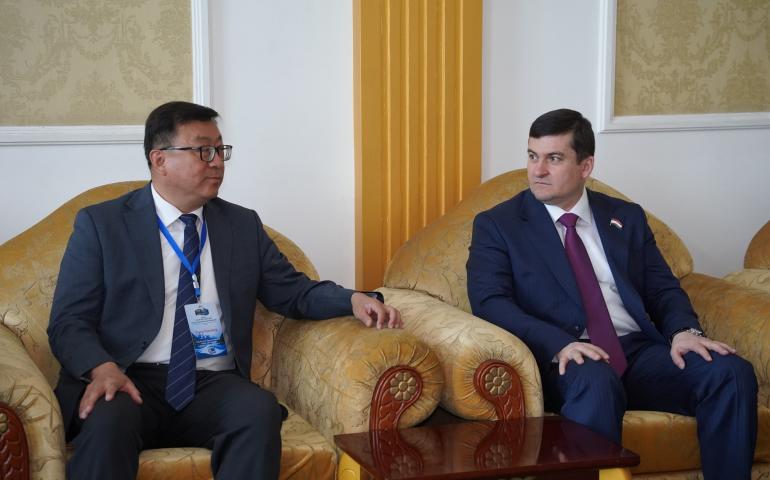
Today, May 25, prior to the Forum “Water and Climate Risks: Science, Monitoring and Management” dedicated to the 115th anniversary of Lake Sarez, which was held at the National Library of Tajikistan within the framework of the Fourth High-Level International Conference on the International Decade for Action “Water for Sustainable Development, 2018–2028,” a Memorandum of Understanding on scientific and technical cooperation was signed between the National Academy of Sciences of Tajikistan, the Committee of Emergency Situations and Civil Defense under the Government of the Republic of Tajikistan, and the Xinjiang Institute of Ecology and Geography of the Chinese Academy of Sciences.
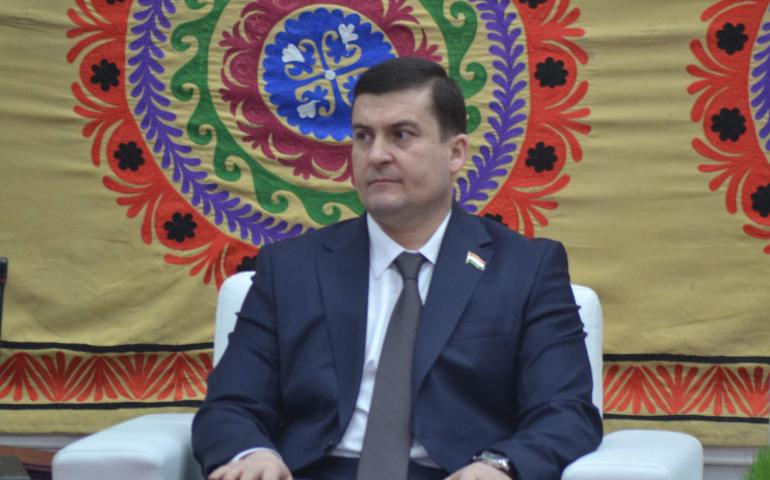
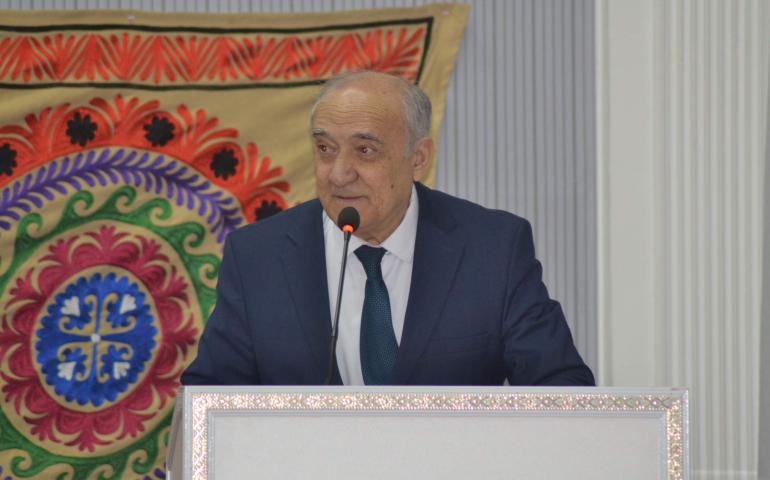
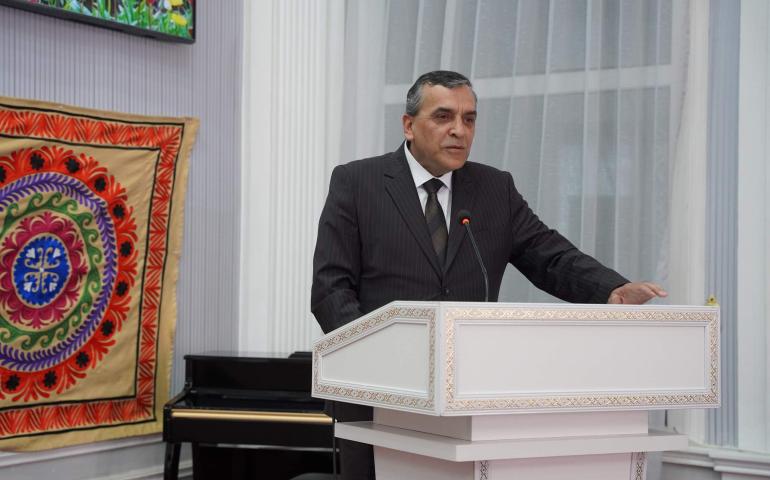
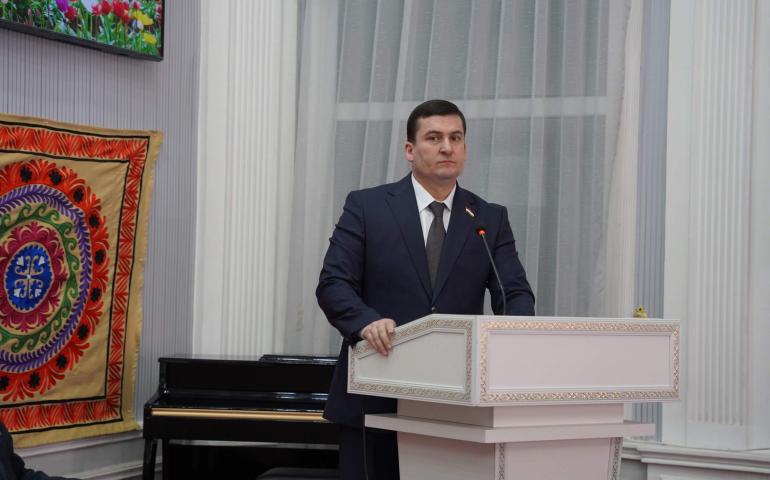
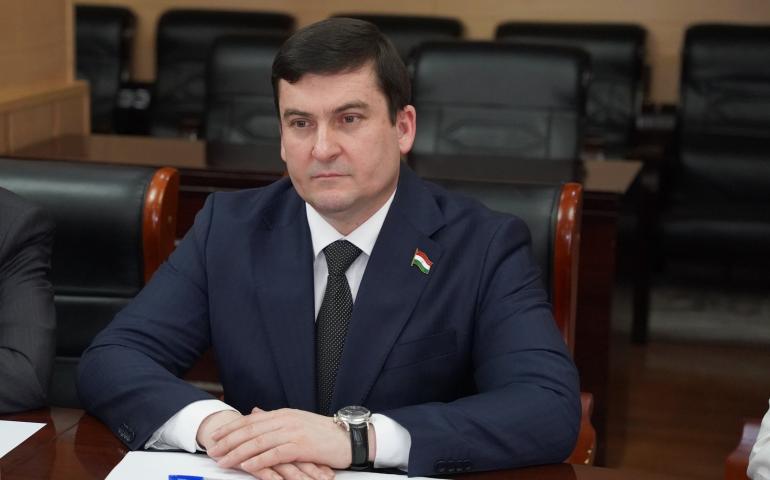
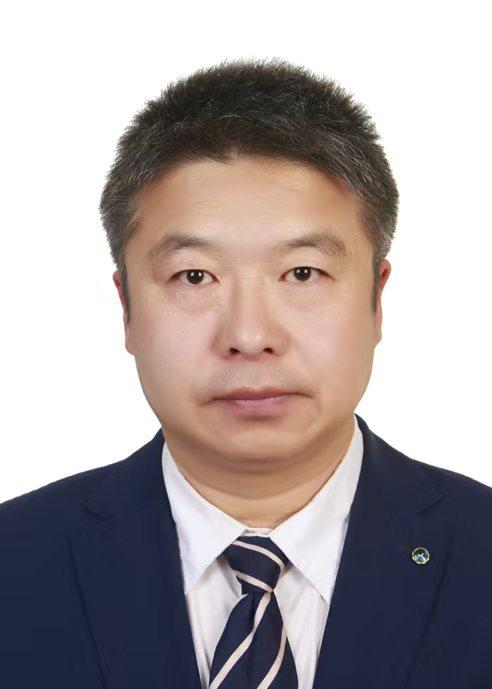
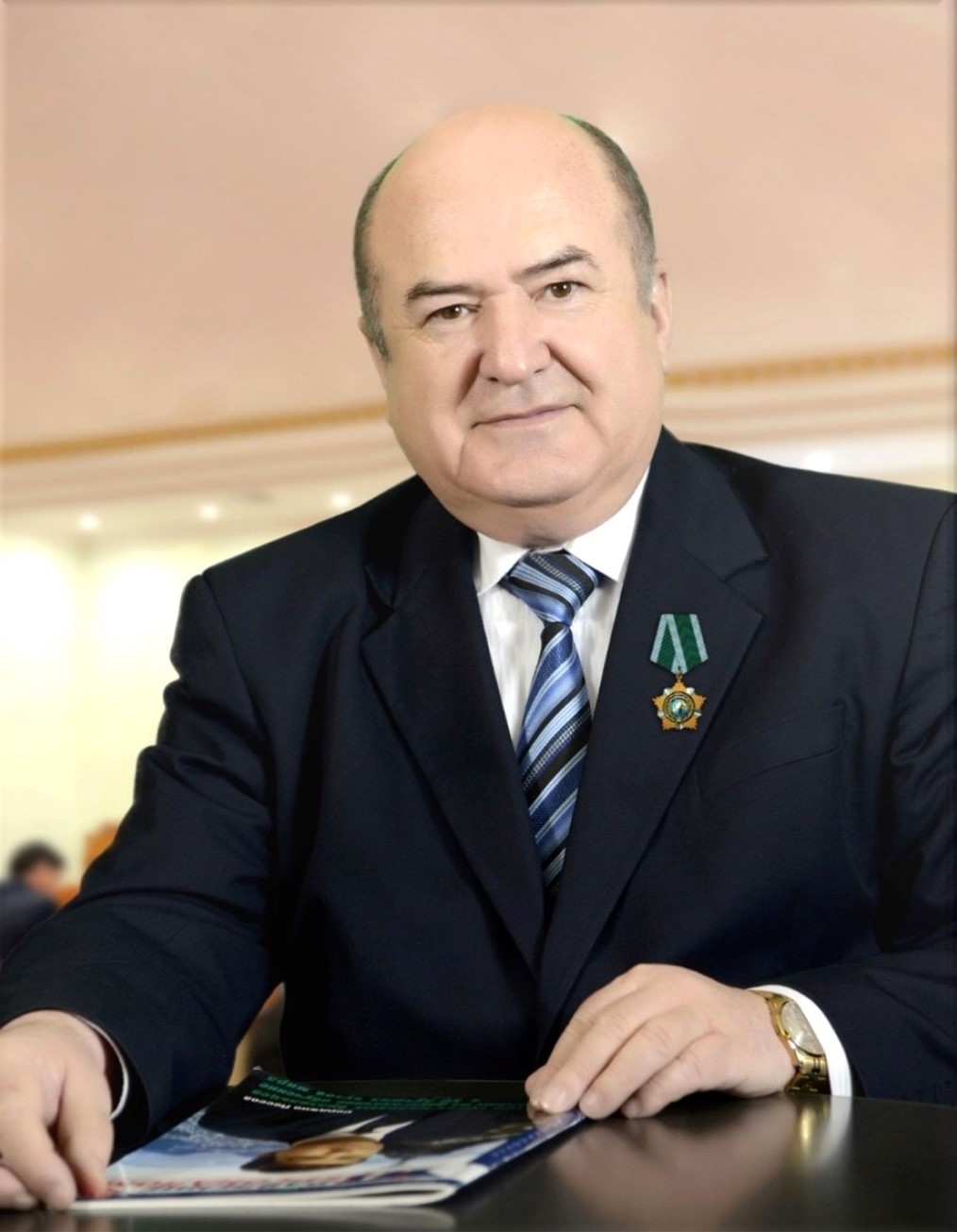
The signing ceremony of the Memorandum was attended by the President of the National Academy of Sciences of Tajikistan, Academician Khushvakhtzoda Qobiljon Khushvakht, the Chairman of the Committee of Emergency Situations and Civil Defense under the Government of the Republic of Tajikistan, Rajabali Rahmonali, and the Director of the Xinjiang Institute of Ecology and Geography of the Chinese Academy of Sciences, Zhang Yaoming.
It should be noted that this agreement was developed with the aim of strengthening bilateral cooperation in the field of scientific research, the study of natural disasters, and the implementation of modern technologies for the prevention and elimination of emergency situations.
Within the framework of this memorandum, the parties decided to expand cooperation in important scientific and technical areas. In particular, the study of natural disasters such as mudflows, avalanches, floods, and other emergency situations, the study of glaciers and hydrological processes, as well as the impact of climate change on the environment, are considered the main areas of cooperation.
At the same time, within the framework of this cooperation, special attention will be paid to the development and implementation of modern monitoring and early warning systems, and the parties will take initiatives to exchange experience and use innovative technologies.
Another important aspect of the document is the training and professional development of scientific and technical personnel. In this regard, seminars, training sessions, scientific conferences, and the implementation of joint research projects are envisaged.It was emphasized that the signing of the Memorandum of Understanding creates a favorable basis for strengthening scientific ties between Tajikistan and China, developing joint research, and enhancing scientific and technical capacity in the field of prevention and management of natural disasters.
The parties expressed confidence that the practical implementation of this document will contribute to the expansion of mutually beneficial cooperation and the achievement of significant results in the fields of science and environmental security.
塔吉克斯坦国家科学院、塔吉克斯坦共和国政府紧急情况与民防委员会以及中国科学院新疆生态与地理研究所签署谅解备忘录
今天,5月25日,在“水与气候风险:科学、监测与管理”论坛举行之前,为纪念萨雷兹湖成立115周年,并作为“2018—2028年水促进可持续发展国际行动十年”第四届高级别国际会议框架内的活动,该论坛在塔吉克斯坦国家图书馆举行。期间,塔吉克斯坦国家科学院、塔吉克斯坦共和国政府紧急情况与民防委员会以及中国科学院新疆生态与地理研究所签署了关于科技合作的谅解备忘录。
出席备忘录签署仪式的有塔吉克斯坦国家科学院院长、院士胡什瓦赫特佐达·科比尔琼·胡什瓦赫特,塔吉克斯坦共和国政府紧急情况与民防委员会主席拉贾巴利·拉赫莫纳利,以及中国科学院新疆生态与地理研究所所长张耀明。
应当指出,该协议旨在加强双方在科学研究、自然灾害研究以及在预防和消除紧急情况领域应用现代技术方面的合作。
根据该备忘录,双方决定在重要科技领域扩大合作。特别是,对泥石流、雪崩、洪水及其他紧急情况等自然灾害的研究,对冰川和水文过程的研究,以及气候变化对环境影响的研究,被视为双方合作的主要方向。
同时,在此次合作框架内,双方将特别关注现代监测和预警系统的开发与实施,并将推动经验交流和新技术的应用。
该文件的另一个重要内容是科学和技术人才的培养与能力提升。为此,双方计划举办研讨会、培训课程、科学会议,并实施联合科研项目。
会议强调,签署该谅解备忘录将为加强塔吉克斯坦与中国之间的科研联系、发展联合研究以及提升自然灾害预防和管理领域的科技能力奠定良好基础。
双方表示相信,该文件的实际落实将有助于扩大互利合作,并在科学和生态安全领域取得显著成果。
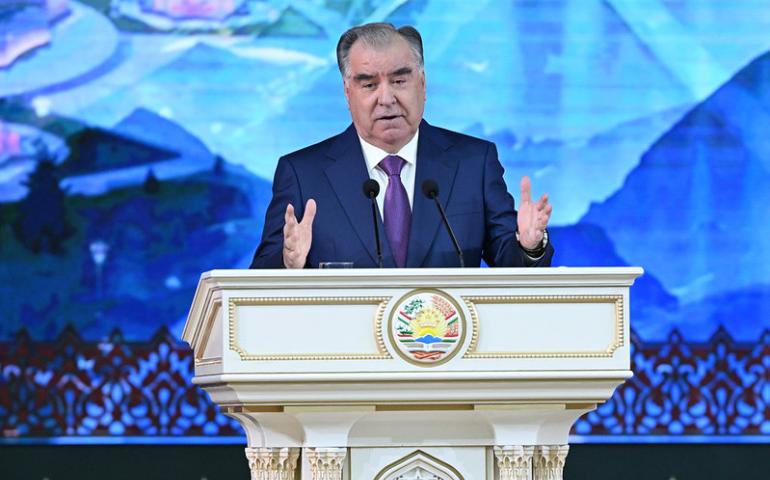
ELECTION OF HONORARY AND FOREIGN MEMBERS OF THE NATIONAL ACADEMY OF SCIENCES OF TAJIKISTAN IN 2025


In 2025, by decision of the General Assembly of the National Academy of Sciences of Tajikistan, 11 scholars and prominent figures from foreign scientific institutions were elected as foreign members of the National Academy of Sciences of Tajikistan.
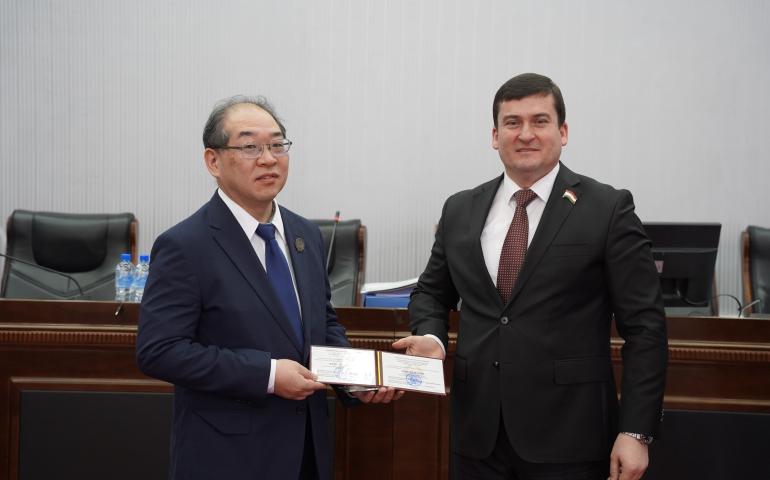
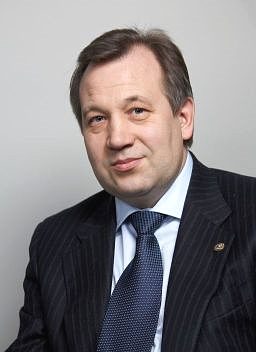
In recognition of their significant contribution to the development of science, strengthening international scientific relations, expanding research cooperation, and supporting joint scientific initiatives, Academician of the Academy of Sciences of the Republic of Uzbekistan Kalandar Abdurakhmonov, President of the Russian Academy of Sciences Gennady Yakovlevich Krasnikov, Head of the Information Department of the Executive Authorities of Shuozhou City of the People’s Republic of China Wu Bao Hua, as well as Zhanseit Kanseitovich Tuymebaev, Nasrullo Abdulloevich Shonazarov, Khojiakbar Aisa, Rahom Asha, Fumiaki Inagaki, Daizo Ishiyama, Ilya Raskin, Xinbo Gao and others were elected as foreign members of the National Academy of Sciences of Tajikistan.
The election of foreign members reflects the recognition of the high level of scientific activity of these individuals and at the same time demonstrates the growing prestige and international standing of the National Academy of Sciences of Tajikistan. The membership of foreign scholars provides a solid foundation for expanding scientific cooperation, exchanging experience, implementing joint projects, and advancing fundamental and applied research.
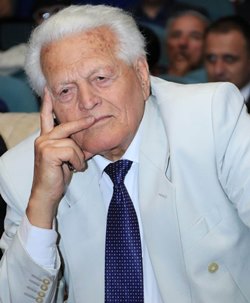
Furthermore, for the first time in the history of science, the People’s Artist of the Tajik SSR, master actor Hashim Gadoev, was elected an honorary member of the National Academy of Sciences of Tajikistan for his outstanding services in the development of art, his significant contribution to the education of the younger generation, and his role in strengthening the national culture of the Tajik people.
Participation of a Representative of the National Academy of Sciences of Tajikistan in an International Seminar on Digital Archaeology in Xi’an, People’s Republic of China
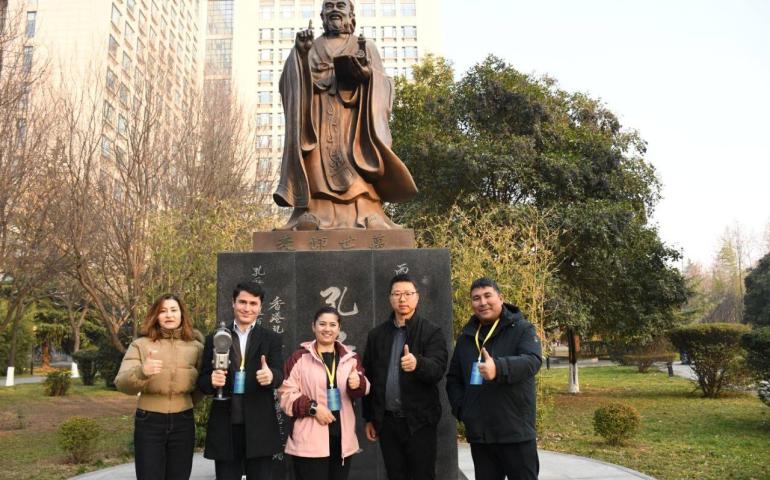
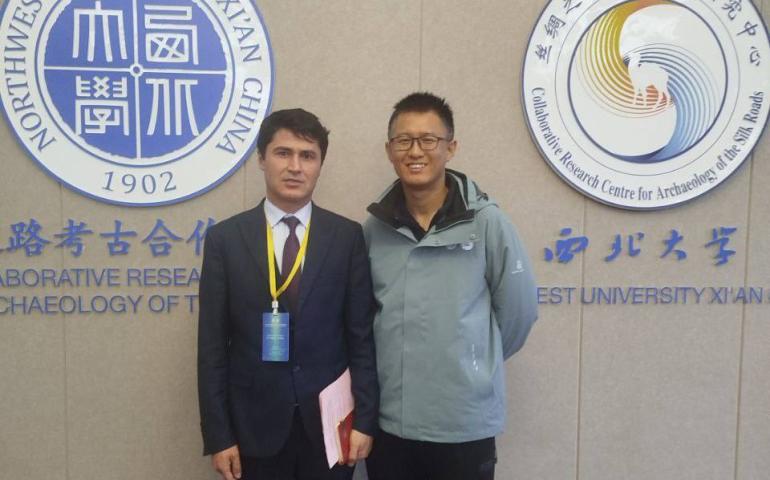
The Director of the National Museum of Antiquities of Tajikistan under the A. Donish Institute of History, Archaeology and Ethnology of the National Academy of Sciences of Tajikistan, Abdurahmon Pulotov, took part in the first Training Course on Digital Archaeology for Central Asian Countries, held from 16 to 25 December 2025 at the Collaborative Research Centre for Archaeology of the Silk Road of Northwest University of the People’s Republic of China, in Xi’an.
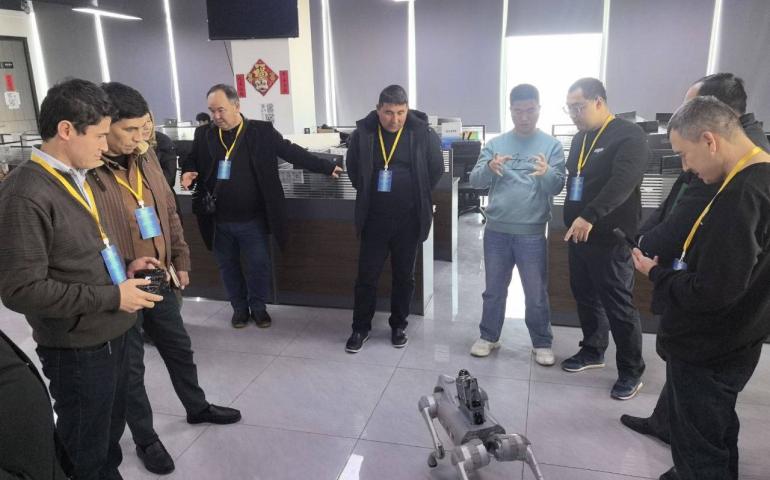
During the training seminar, participants became familiar with advanced digital technologies in archaeology, including photogrammetry, three-dimensional (3D) modeling, laser scanning, digital data processing, as well as modern methods for the preservation and presentation of cultural heritage.
The implementation of the training program was actively supported by specialized technological organizations and companies, which presented state-of-the-art equipment and practical solutions in the fields of digital mapping, 3D scanning, spatial modeling, and geospatial data processing. This scientific and technological collaboration enabled participants to apply theoretical knowledge directly through hands-on experience.
The seminar was also attended by representatives and young archaeologists from neighboring countries – Uzbekistan, Kyrgyzstan, Kazakhstan, and Turkmenistan, fostering professional exchange and strengthening regional academic cooperation.
The participation of Abdurahmon Pulotov in this international event is regarded as an important step toward the integration of modern digital technologies into archaeology and museum practice in Tajikistan, and toward the further development of scientific and cultural cooperation between the countries of Central Asia and the People’s Republic of China.
Today, December 24, a meeting was held at the National Academy of Sciences of Tajikistan between the President of the National Academy of Sciences of Tajikistan, Academician Khushvakhtzoda Qobiljon Khushvakht, and Professor Sabzali Musa Khan of the University of Malaysia, as well as Dr. Awang Azman Awang Powi.
During the meeting, the head of the Academy warmly welcomed the guests and provided detailed information on the priority areas of activity of the country’s leading scientific center — the National Academy of Sciences of Tajikistan.
The parties also discussed issues related to conducting field research in the fields of history, preservation of national and cultural values, and comprehensive study of the handwritten manuscripts of prominent scholars and thinkers of Central Asia. In this context, cooperation in research and preservation of cultural heritage, organization of expeditions, and exchange of scientific and research experience were highlighted.
The meeting addressed key areas of cooperation, including the launch of joint research programs, exchange of students and academic staff, organization and holding of seminars and international conferences, as well as strengthening academic ties in the fields of energy, engineering, and new technologies.
It was emphasized that one of the important areas of bilateral cooperation between scientific institutions of Tajikistan and Malaysia is the training of highly qualified scientific personnel at the master’s and doctoral (PhD) levels.
The parties also agreed to further expand cooperation, noting that the signing of a cooperation agreement in the future would be significant for the development of bilateral relations and the strengthening of scientific, cultural, and historical cooperation.
MEETING WITH DEVELOPMENT PARTNERS FROM XI’AN JIAOTONG UNIVERSITY, PEOPLE’S REPUBLIC OF CHINA
Today, December 17, a meeting was held at the National Academy of Sciences of Tajikistan between the President of the National Academy of Sciences of Tajikistan, Academician Khushvakhtzoda Qobiljon Khushvakht, and development partners from Xi’an Jiaotong University, People’s Republic of China.
The meeting was also attended by Vice President of Xi’an Jiaotong University Bie Chaohun, Executive Vice President of the Research Institute Shao Jingyu, Director of the International Center for New Technology Transfer Wang Wen, Deputy Director of the International Office Meng Xiangli, as well as the President’s Advisor and Head of the Department of International Scientific Relations of the National Academy of Sciences of Tajikistan.
During the meeting, the parties discussed issues related to the implementation of the planned activities for the construction of the buildings of the Scientific Center for Information Technology and the dormitory to implement the joint program for training scientific personnel (Master’s and PhD).
In addition, the meeting addressed the expansion of cooperation in the field of international scientific projects and their joint implementation with the participation of scientists and researchers from Xi’an Jiaotong University, People’s Republic of China.
In this regard, the university representatives expressed their full readiness to cooperate with the President of the National Academy of Sciences of Tajikistan, Academician Khushvakhtzoda Qobiljon Khushvakht. On the sidelines of the visit, based on the agreement between the National Academy of Sciences and Xi’an Jiaotong University, the Xi’an–Tajikistan International Center for New Technology Transfer was inaugurated.
At the same time, the university representatives visited the selected site for the construction of the Scientific Center for Information Technology and the dormitory and commenced construction works on these facilities.
COMMISSIONING OF THE JOINT LABORATORY ON ENVIRONMENTAL MONITORING AND BIG DATA UTILIZATION
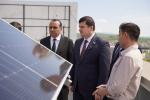
Today, December 10, at the Institute of Water Problems, Hydropower, and Ecology of the Academy of Sciences of Tajikistan, with the participation of the President of the Academy of Sciences of Tajikistan, Academician Khushvakhtzoda Kobiljon Khushvakht, representatives of the Ministry of Transport of the People’s Republic of China, the Ministry of Ecology and Environment of China, and the company Hebei Sailhero Environmental Protection, the joint laboratory on environmental monitoring and big data utilization, equipped with modern technologies, was officially commissioned.
During the opening, it was noted that the advanced equipment installed in the laboratory as part of the joint cooperation and with the support of the Ministry of Transport of the PRC, the Ministry of Ecology and Environment of China, and Hebei Sailhero Environmental Protection is intended for environmental monitoring, quality analysis, and efficient use of natural resources.
The laboratory provides opportunities for scientists from Tajikistan and China to expand scientific collaboration and joint research in the fields of ecology and energy, exchange knowledge and experience, and conduct research at the international level using advanced technologies.
The inauguration of the joint laboratory is an important step in strengthening scientific and technological cooperation between Tajikistan and China, opening wide prospects for sustainable environmental development and scientific progress in both countries. It should be noted that this equipment has been introduced to Tajikistan for the first time, creating new opportunities for advanced environmental research and big data utilization.
The laboratory is equipped with modern and advanced instruments, including a multiparameter water quality analyzer, a portable multiparameter water quality meter P-MP1000, and a networked air quality monitor XHAQSN-822. This equipment is used for environmental monitoring, collection of ecological data, and implementation of joint scientific and technological research.
CEREMONY FOR PRESENTING THE ACHIEVEMENTS OF THE FIRST PHASE OF INTERGOVERNMENTAL SCIENTIFIC AND TECHNOLOGICAL COOPERATION BETWEEN CHINA AND TAJIKISTAN
Today, December 10, at the Institute of Water Problems, Hydropower, and Ecology of the Academy of Sciences of Tajikistan, with the participation of the President of the Academy of Sciences of Tajikistan, Academician Khushvakhtzoda Kobiljon Khushvakht, representatives of the Ministry of Transport of the People’s Republic of China, the Ministry of Ecology and Environment of China, and the company Hebei Sailhero Environmental Protection, a ceremony was held to present the achievements of the first phase of intergovernmental scientific and technological cooperation between China and Tajikistan.
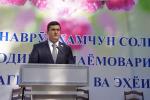
In his opening remarks, the President of the Academy of Sciences of Tajikistan, Academician Khushvakhtzoda Kobiljon Khushvakht, warmly welcomed the guests and noted that for more than three decades, following the restoration of diplomatic relations, friendly ties and constructive cooperation between our countries have been steadily strengthening. Today, this cooperation spans the economy, infrastructure, education, science, and technology, reaching a qualitatively new level.
It was emphasized that intergovernmental scientific and technological cooperation is one of the key directions of bilateral relations. This constructive cooperation, implemented through official mechanisms, contributes to the development of scientific integration, the introduction of modern technologies, and the strengthening of the scientific potential of both Tajikistan and China.
It was also noted that in the context of rapid climate change, global competition, and challenges in food and energy security, countries capable of effectively applying scientific knowledge and innovation gain a strategic advantage. For Tajikistan, intergovernmental scientific and technological cooperation with China serves as a powerful tool to achieve these goals. It enables the enhancement of the country’s scientific and technical potential, access to advanced technologies and laboratory infrastructure, development of human resources and scientific competencies, strengthening the state’s capacity to respond to climate and natural challenges, and support for strategic sectors, including water resources, ecology, agriculture, energy, and biodiversity. All of these make cooperation not only beneficial but essential for the sustainable development of the country.
Following this, representatives of the Ministry of Transport of the PRC and the Ministry of Ecology and Environment of China delivered detailed presentations on the results of the first phase of cooperation. They highlighted practical achievements, including the establishment of new laboratories, implementation of advanced technologies, expansion of scientific infrastructure, and introduction of new methods in the fields of ecology and hydropower. In addition, they outlined opportunities for future cooperation in scientific and technological areas, including human resource development, enhancement of scientific expertise, deployment of innovative equipment, and expansion of joint research for sustainable economic and environmental development.
These presentations demonstrated that the cooperation between the two countries has not only produced tangible results but also opens wide prospects for strengthening scientific integration, adopting modern technologies, and enhancing the scientific potential of both nations.
Today, on December 1, the President of the National Academy of Sciences of Tajikistan, Academician Khushvakhtzoda Qobiljon Khushvakht, held a meeting with the Head of the Regional Programme for Central Asia, Andre Algermissen, and the Project Coordinator for Central Asia, Ashraf Alikulov.
During the meeting, the parties exchanged views on strengthening scientific cooperation within the framework of the Regional Programme for Central Asia and emphasized the need to develop effective coordination mechanisms between scientific institutions of the region and international organizations. It was noted that scientific cooperation and the use of the intellectual potential of Central Asian countries are among the key factors in ensuring sustainable regional development.
The President of the National Academy of Sciences of Tajikistan, Academician Khushvakhtzoda Qobiljon Khushvakht, stressed that the National Academy of Sciences of Tajikistan is ready to enhance cooperation in priority scientific areas, including natural sciences, energy, ecology, information technologies, and climate change studies. It was noted that the implementation of joint projects would contribute to strengthening scientific capacity, attracting qualified specialists, and developing the country’s scientific infrastructure.
Further, the Head of the Regional Programme, Andre Algermissen, expressed satisfaction with cooperation with the Republic of Tajikistan and emphasized that within its mandate, the Programme is ready to provide comprehensive support for new scientific and innovative initiatives, the organization of training programmes, human capacity development, and the expansion of regional scientific networks. It was also noted that effective scientific ties can have a positive impact on strengthening regional stability and security, as well as on improving natural resource management mechanisms.
At the conclusion of the meeting, the parties underscored the importance of developing science diplomacy and expressed their readiness to elaborate specific cooperation plans, hold joint conferences and seminars, and expand relations with international organizations.
VISIT OF THE PRESIDENT OF THE ACADEMY OF SCIENCES TO THE GREENHOUSE FOR GROWING LEMONS AND OTHER SUBTROPICAL FRUITS AT THE EXPERIMENTAL FIELDS OF THE INSTITUTE OF BOTANY
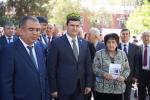
Today, on 25 November, the President of the National Academy of Sciences of Tajikistan, Academician Khushvakhtzoda Qobiljon Khushvakht, visited the greenhouse for growing lemons and other subtropical fruits on the experimental fields of the Institute of Botany, Physiology and Plant Genetics of the National Academy of Sciences of Tajikistan.
It was reported that on the experimental plots of the Institute of Botany, Physiology and Plant Genetics, considering the establishment of a collection orchard of subtropical plants, a mother orchard and the future expansion of nurseries of mandarin and orange varieties, research experiments are being conducted on seedlings propagated by cuttings — Meyer lemon, ponderosa, grapefruit, lime, avocado, mango, feijoa, chayote (Mexican cucumber), passion fruit, momordica, papaya (melon tree) and olive. The purpose of these studies is to increase the productivity of these crops and develop scientifically based recommendations for their introduction into production.
It was emphasized that in the experimental zone, in order to study the productivity of dwarf apple trees in intensive orchards, apple trees grafted on dwarf rootstocks have been planted, and phenological observations and scientific research are being carried out. Various kiwi varieties have also been planted in the experimental area to establish kiwi cultivation in the future under the climatic conditions of Tajikistan; methods of cultivation and propagation are being studied.
During the visit, it was noted that citrus plants represent a large group of evergreen fruit trees belonging to the genus Citrus, which is part of the subfamily Aurantioideae of the family Rutaceae. In Tajikistan, citrus plants have been grown in trenches and lemon houses since the 1930s. The climatic conditions of the Khatlon and Sughd regions, Hisor valley, Lower Kofarnihon valley, Panj river valley, and the valleys of the Surkhob and Yakhsu rivers, as well as central districts, are particularly suitable for their cultivation.
It was also stated that chayote — the Mexican cucumber (Sechium edule L.) - is a perennial climbing plant. Its fruits have been used as food by American Indians since ancient times. Chayote was first brought to Tajikistan by researchers of the Institute of Botany, Physiology and Plant Genetics of the Academy of Sciences from the Krasnodar region of Russia and was included in scientific studies. The methods of chayote propagation, cultivation techniques and fruit quality are being comprehensively studied. Chayote fruit contains oils, proteins, sugar, starch, carotene, mineral substances — potassium, magnesium, iron, phosphorus, vitamins C, B1, B2, PP, as well as proteins containing 19 amino acids, eight of which are essential.
It was reported that passion fruit (marakuya) is a tropical fruit belonging to the group of climbing plants. It has a brightly colored and attractive flower. The fruit is oval, 8–10 cm long. Although the outer appearance of the fruit may seem unattractive, the inside is bright yellow, aromatic and delicious. Due to its rich biochemical composition, passion fruit has high nutritional and medicinal value. The fruit contains 25–40% juice. Passion fruit juice contains provitamin A, vitamins C, B2, B3, B6, B9, microelements K, Fe, Mg, P, and also 73% water, 22% carbohydrates, 2% protein, and 0.7% fat.
In addition, momordica (Momordica) is a tropical climbing plant. The cultivation of momordica on the experimental plots of the Institute of Botany, Physiology and Plant Genetics is the first study of this plant under the conditions of Tajikistan. The plant grows 2.5–3 meters in a season and bears fruit in the same year. The fruit grows up to 10–15 cm. Due to its rich biochemical composition, momordica has significant nutritional and medicinal value. It is used to treat hypertension, hemorrhoids, gastric ulcer, diabetes, leukemia, reduce blood cholesterol levels, strengthen immunity, reduce weight, and оthers.