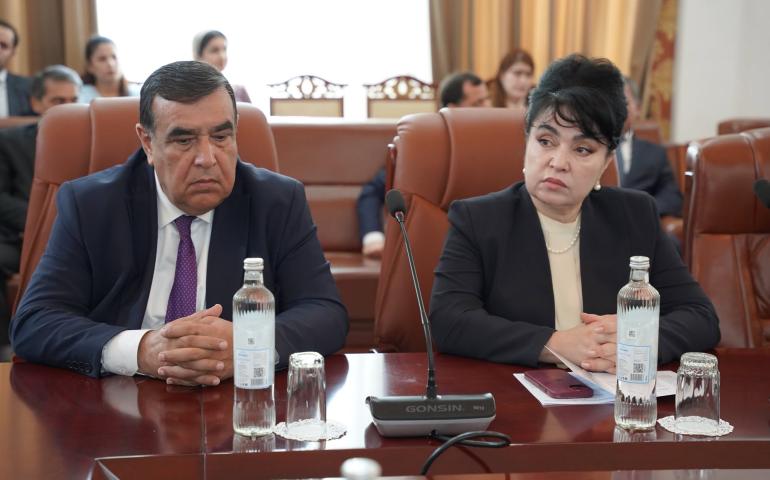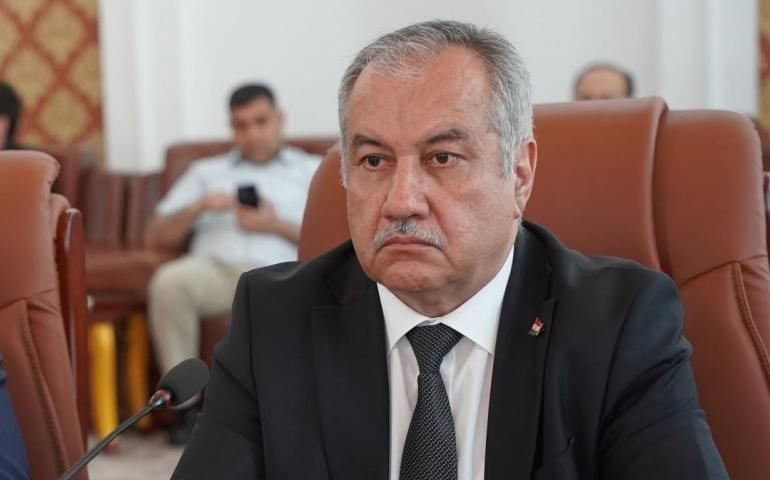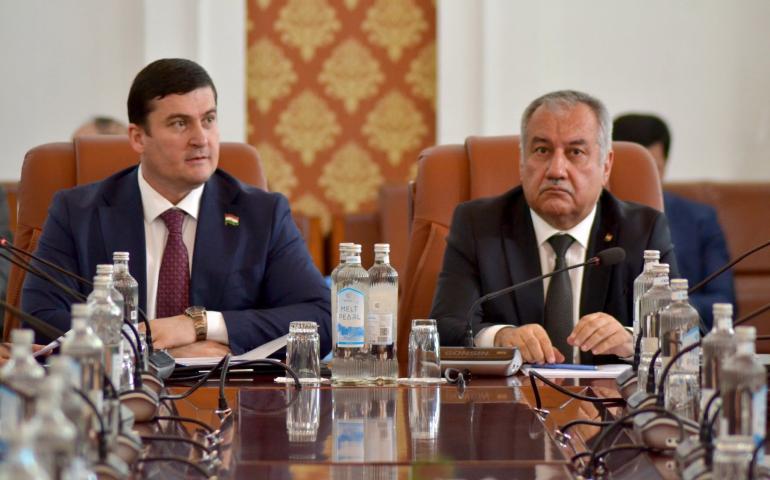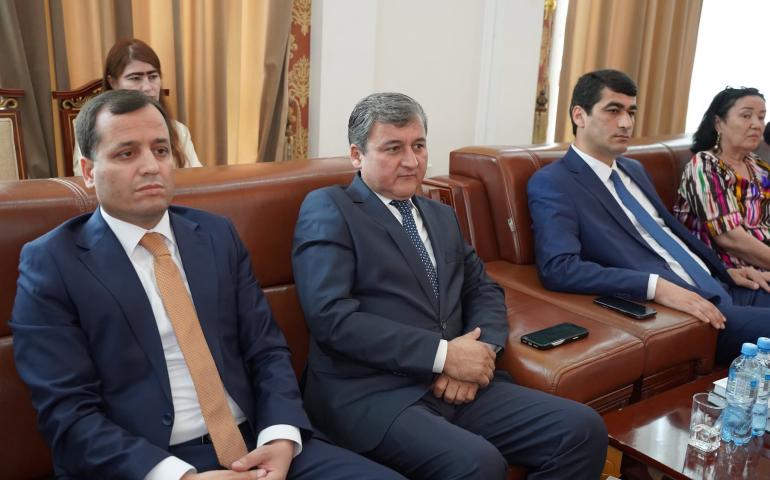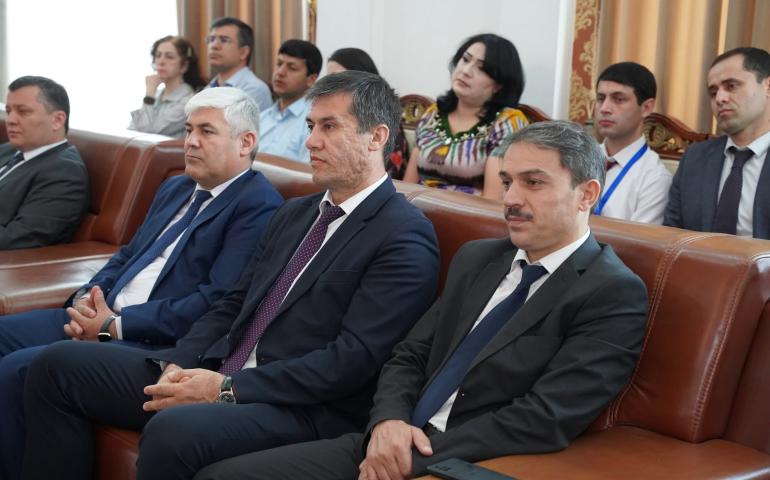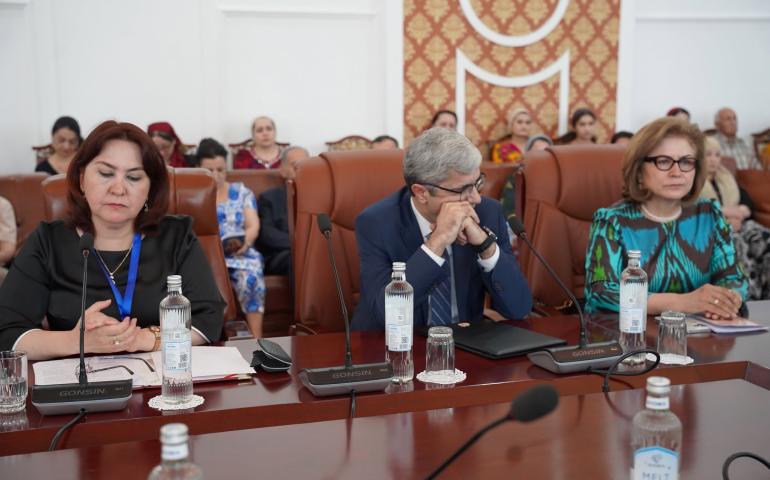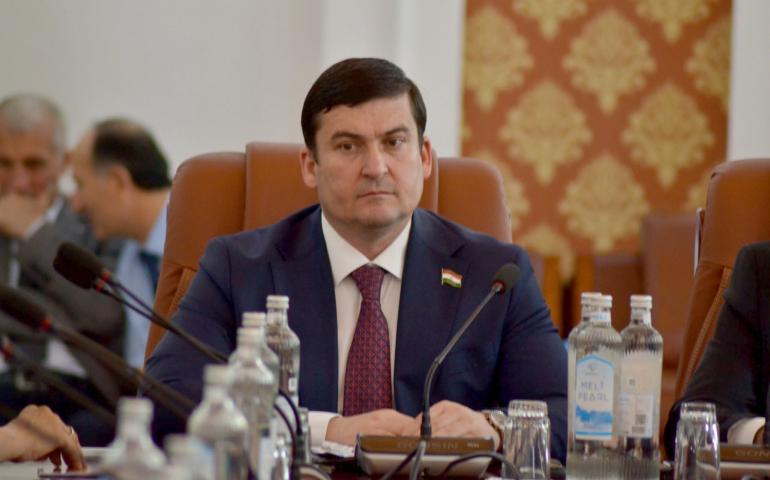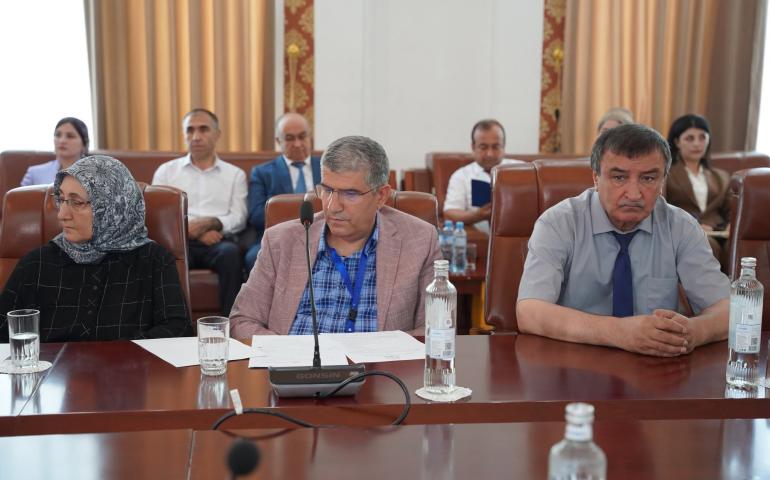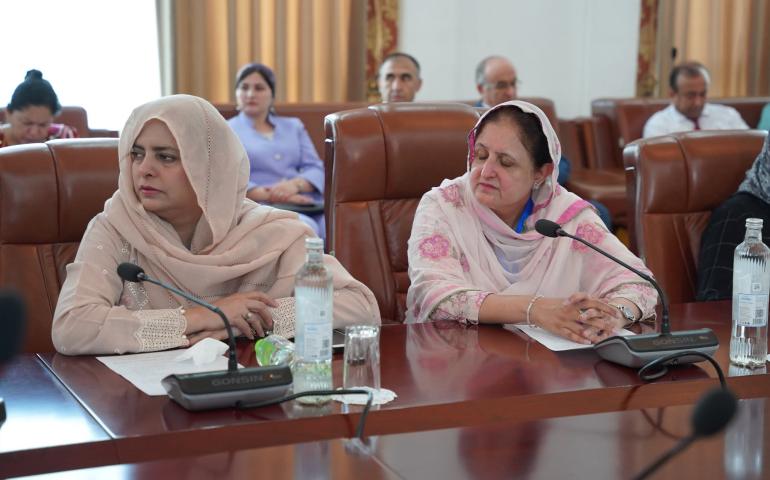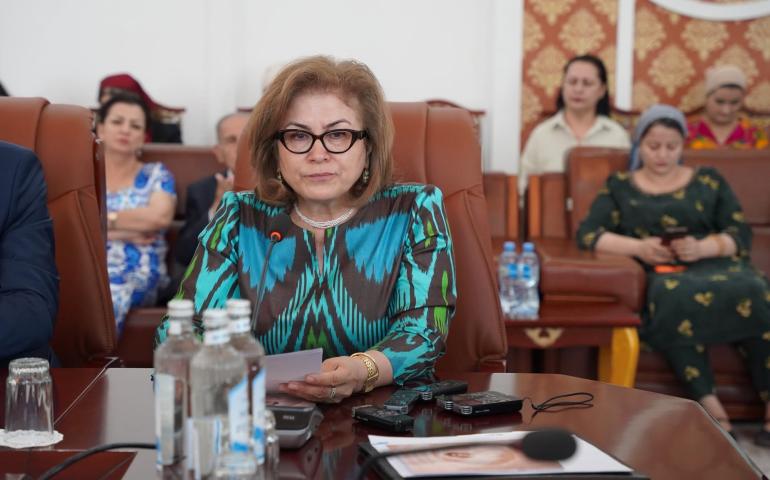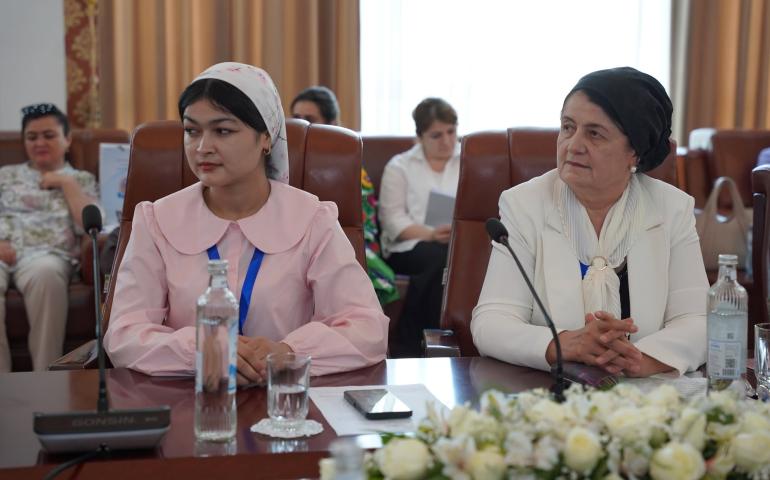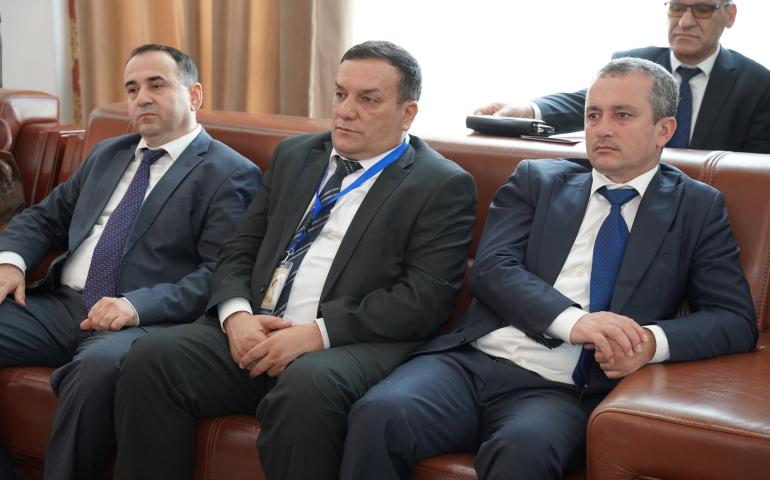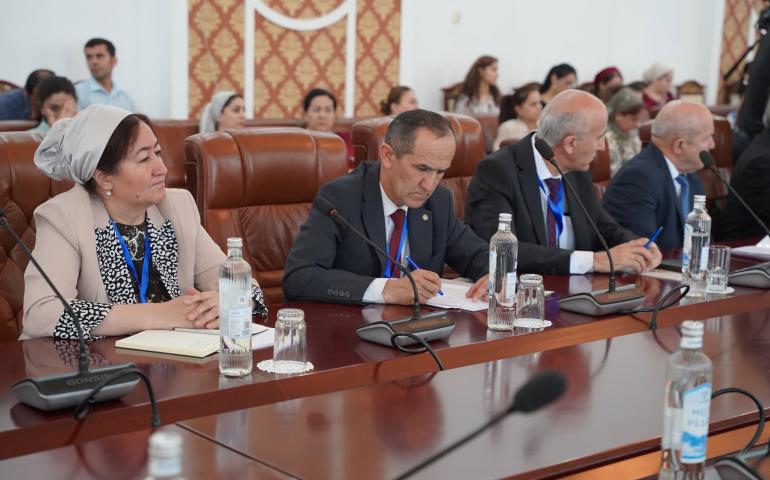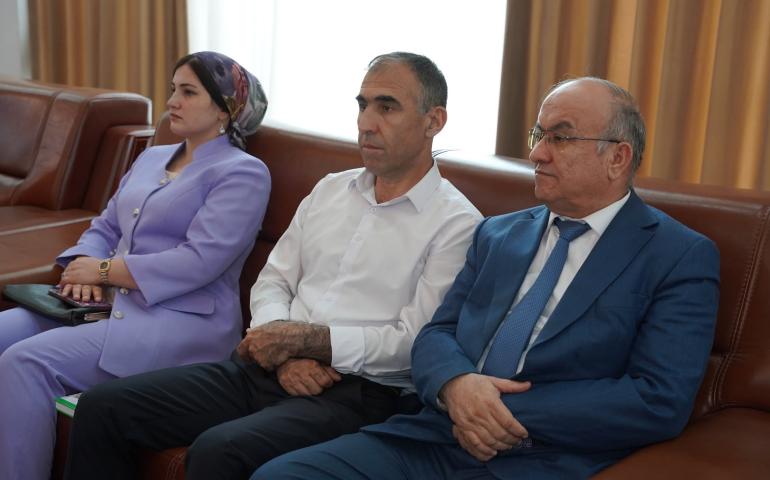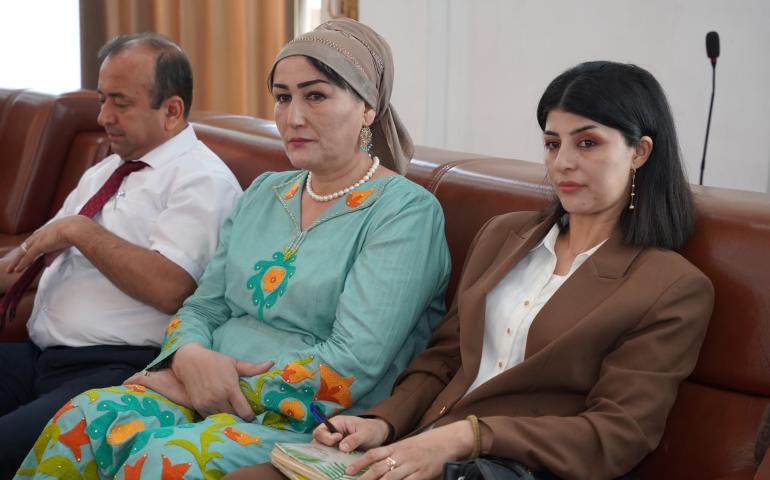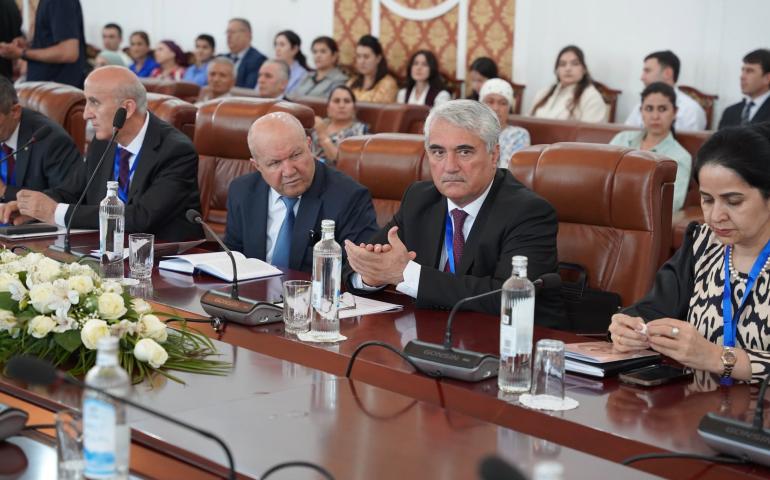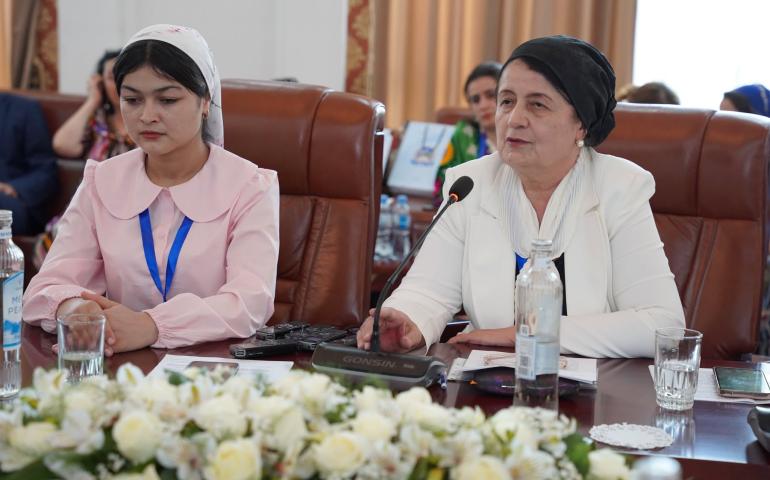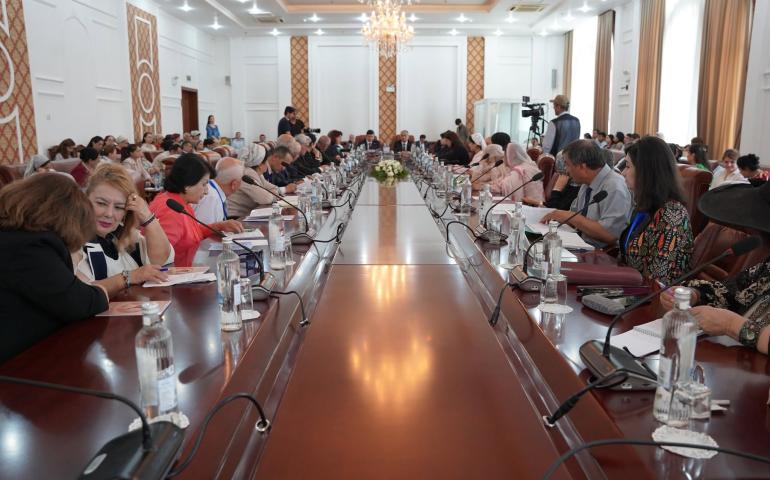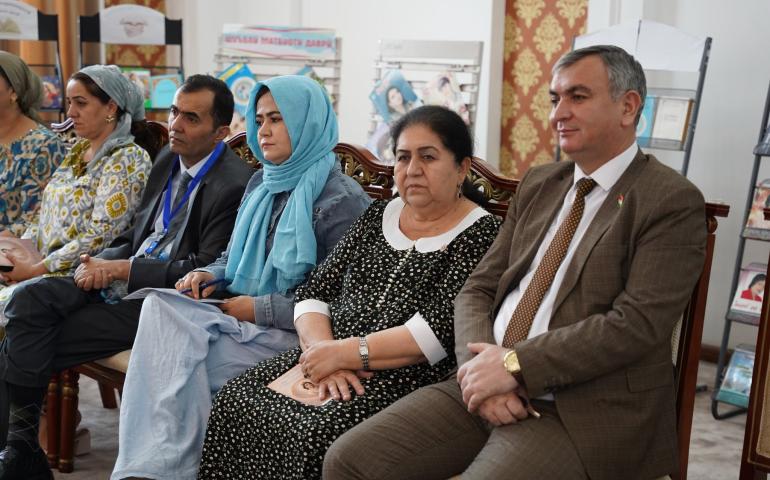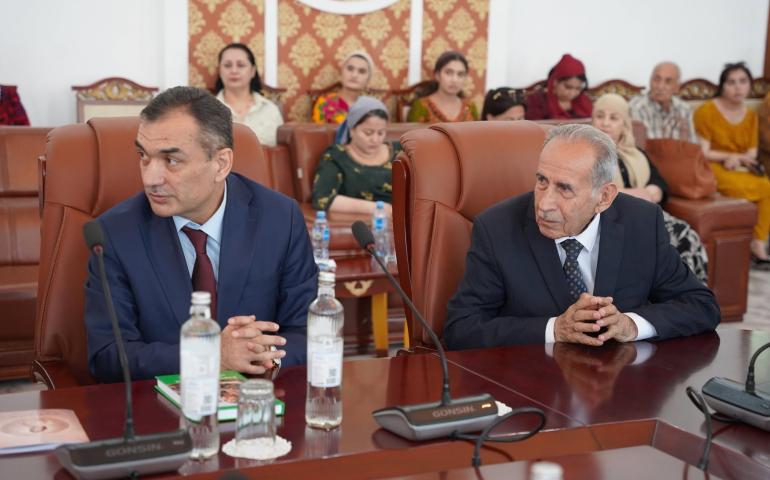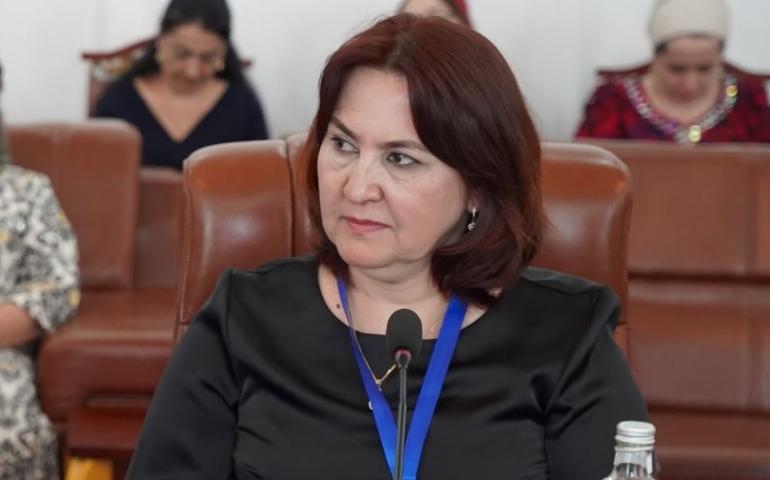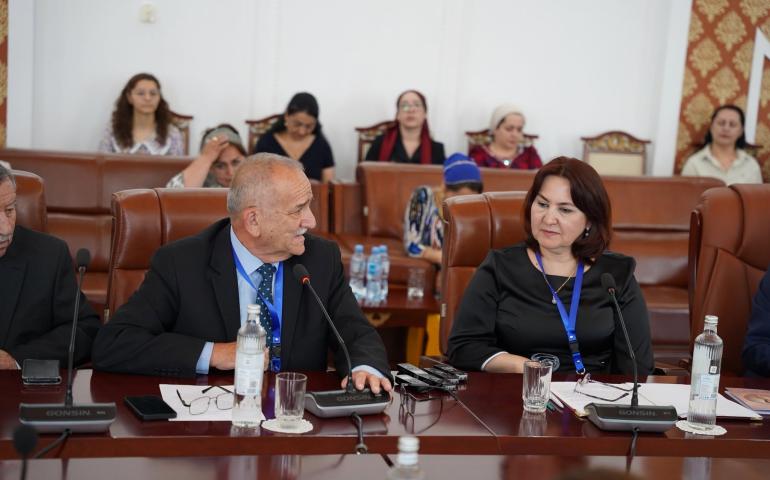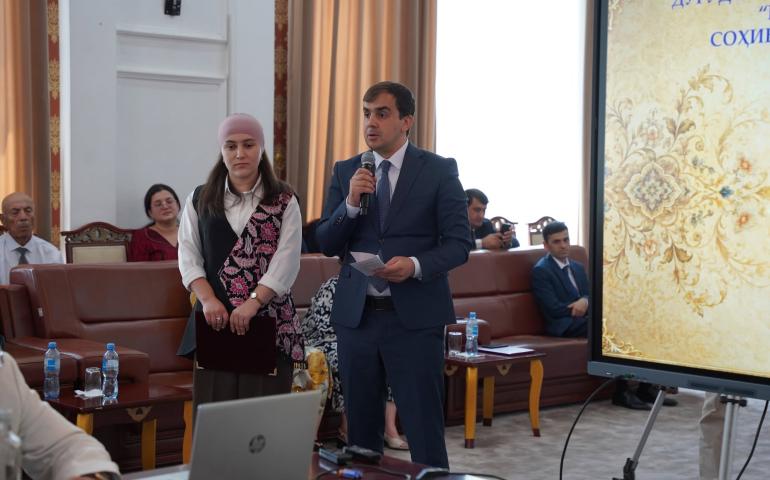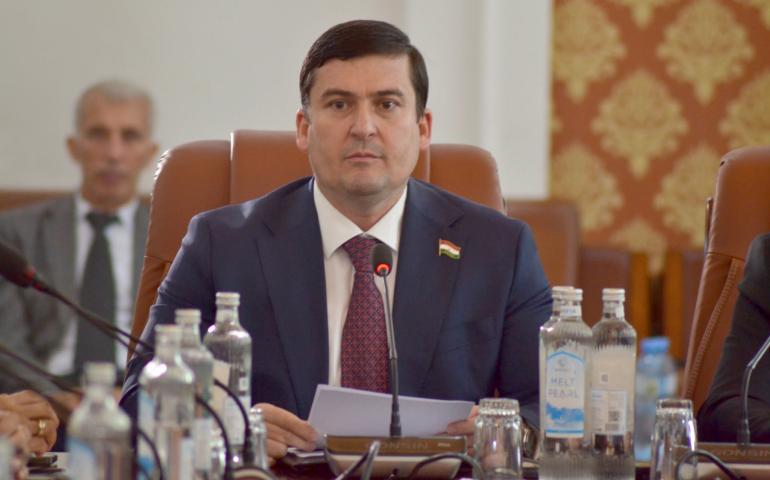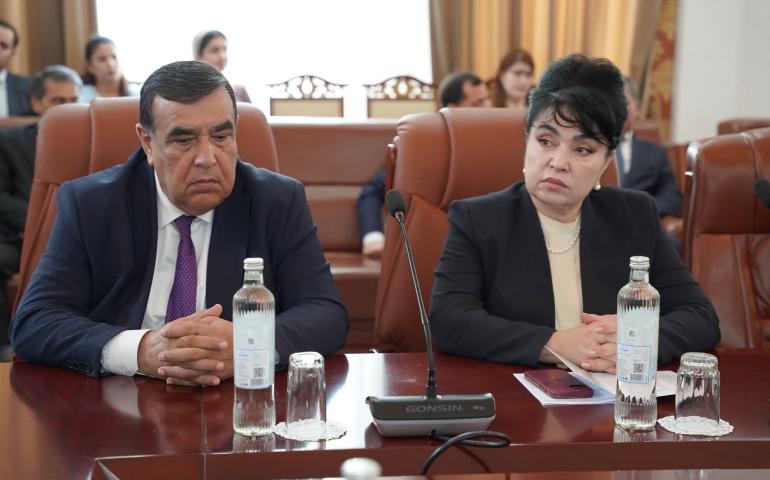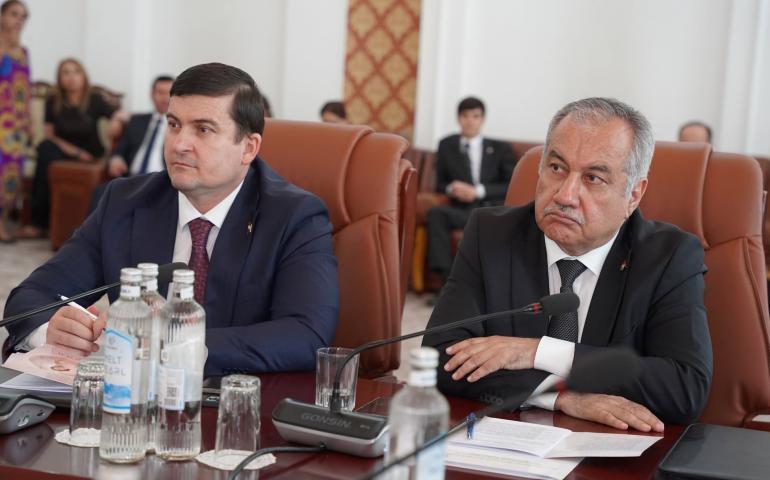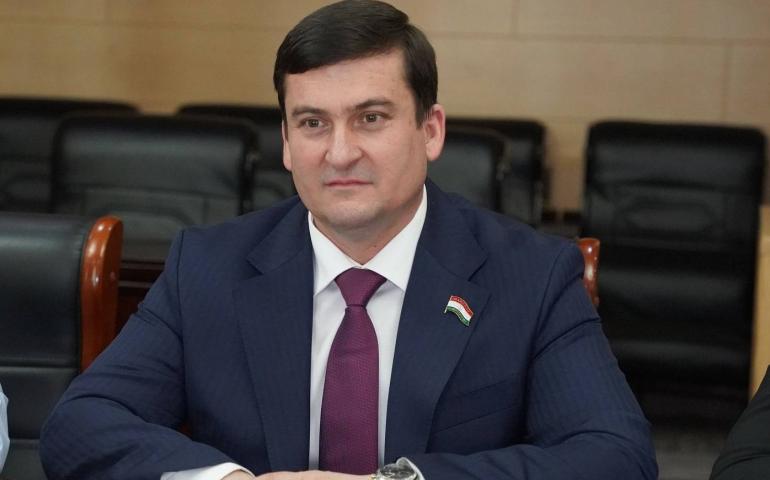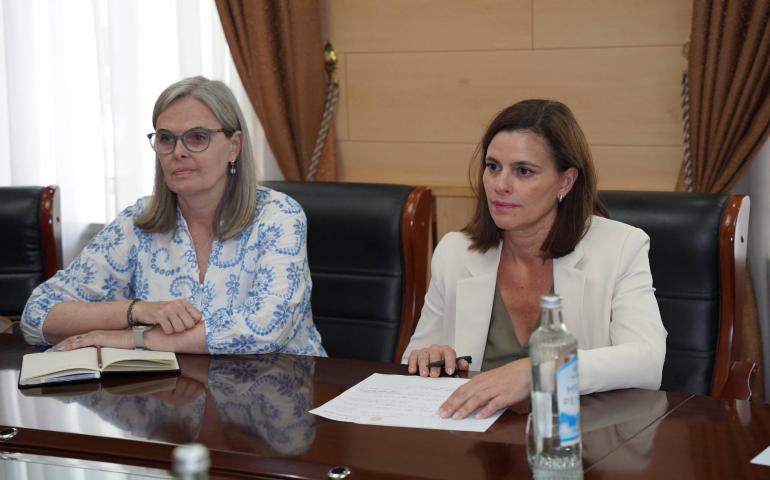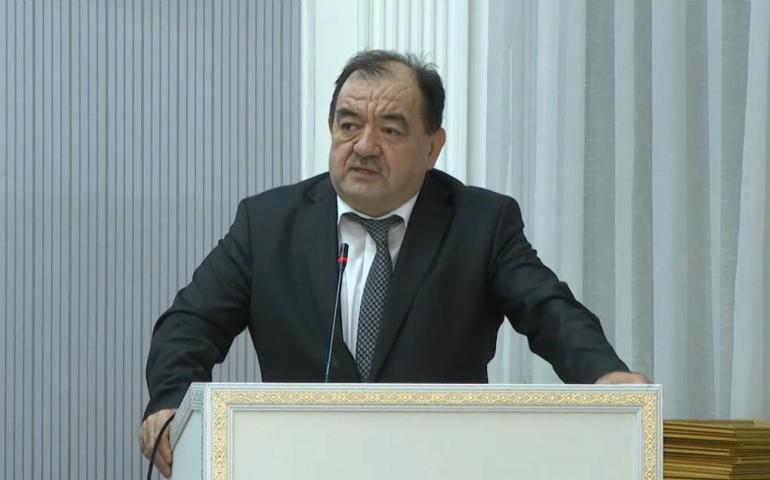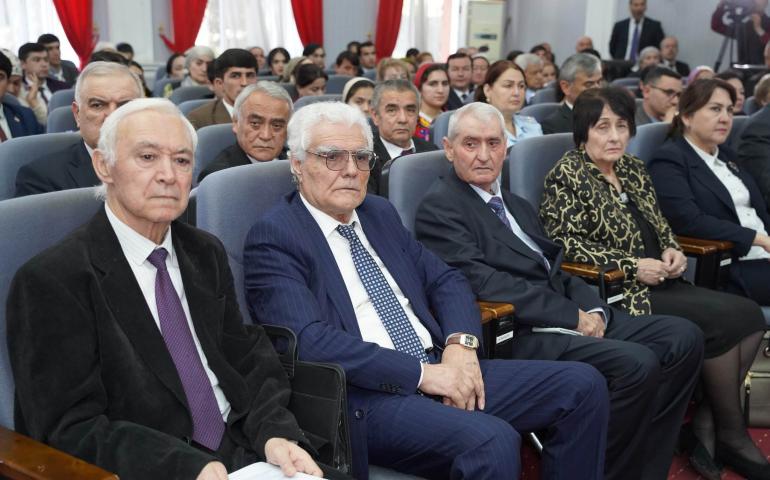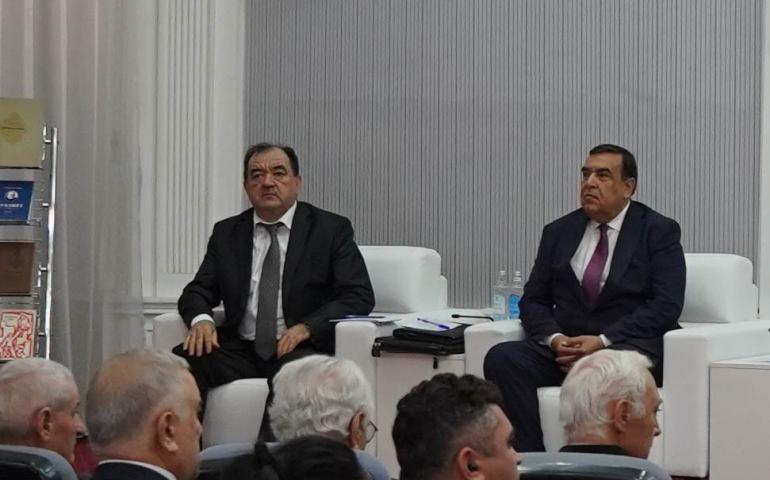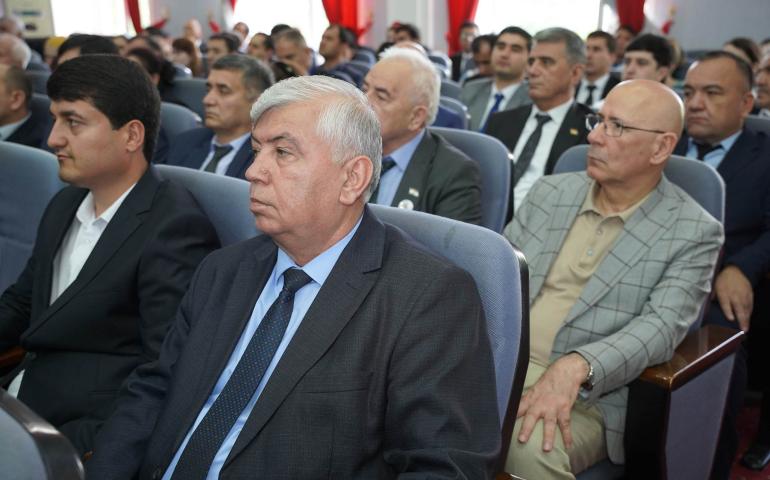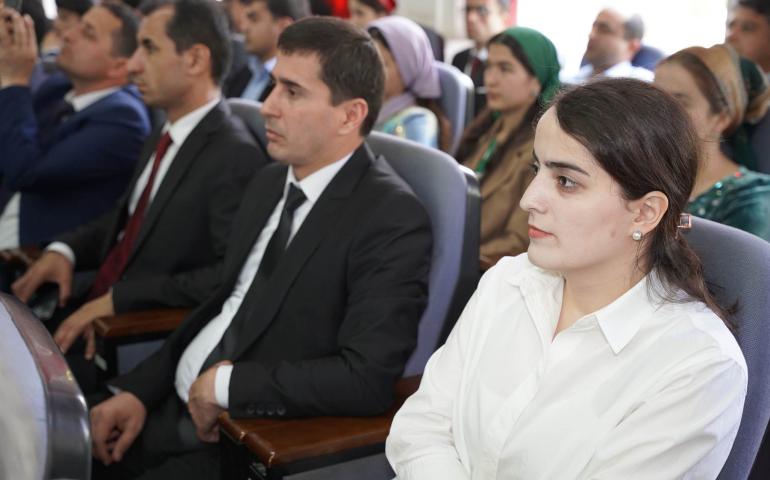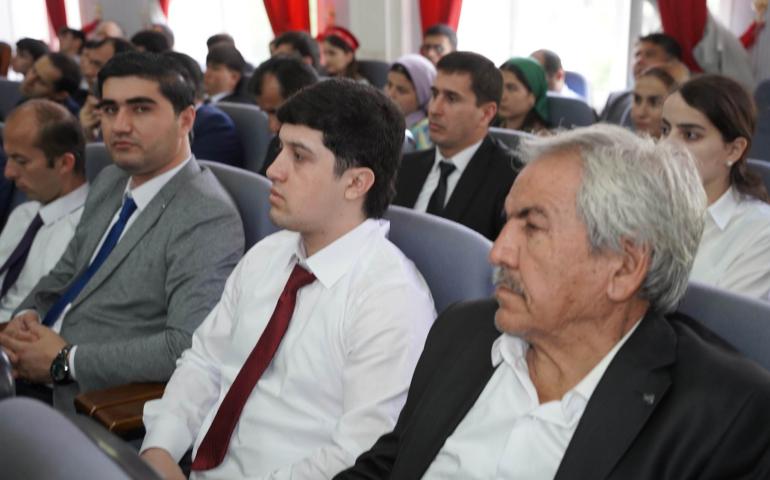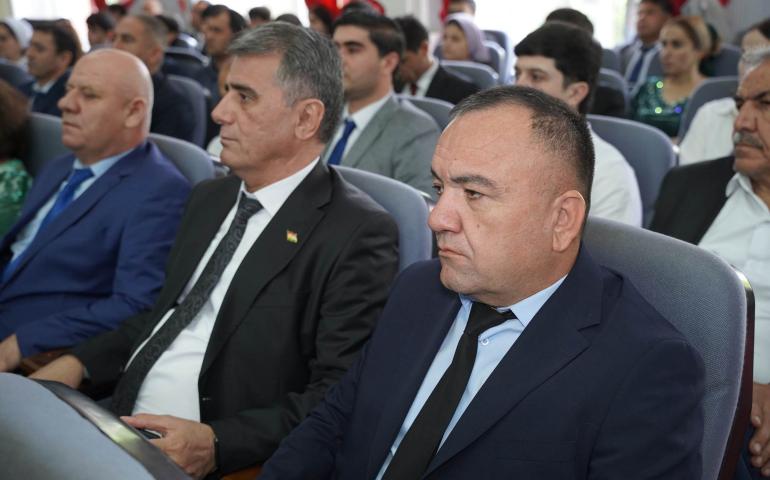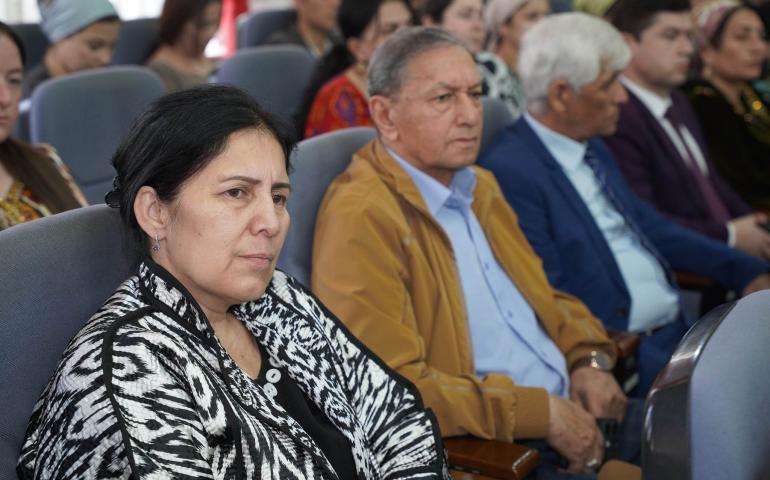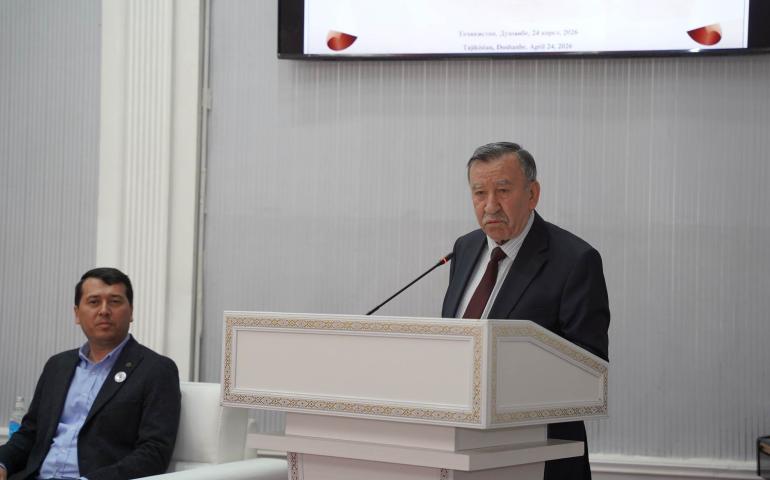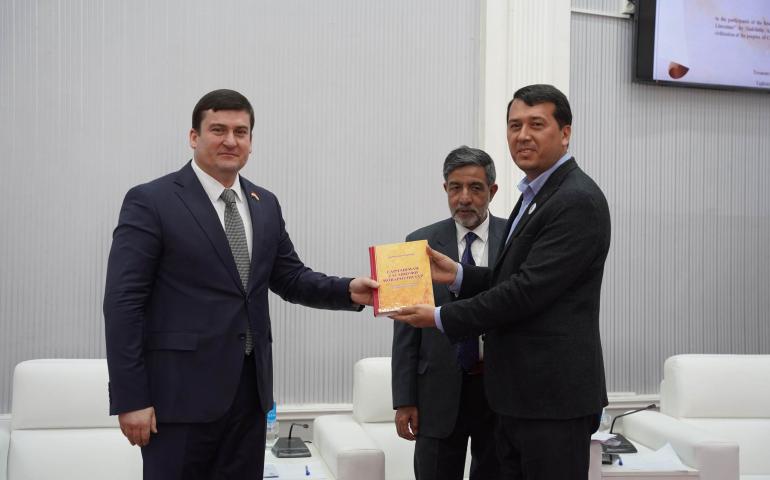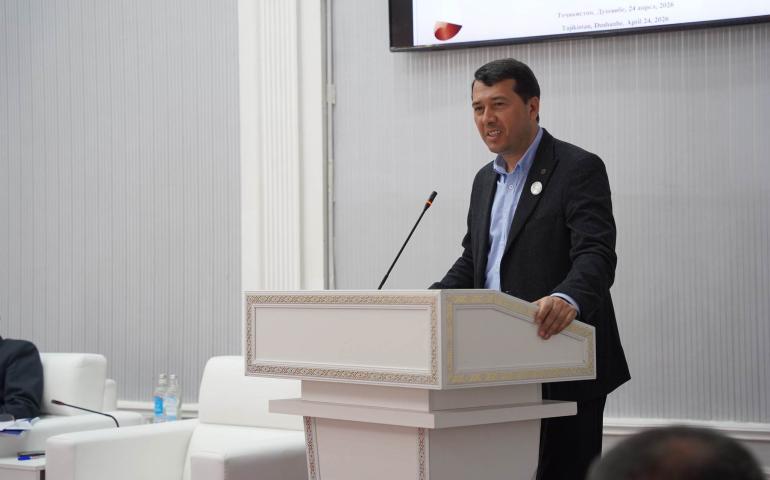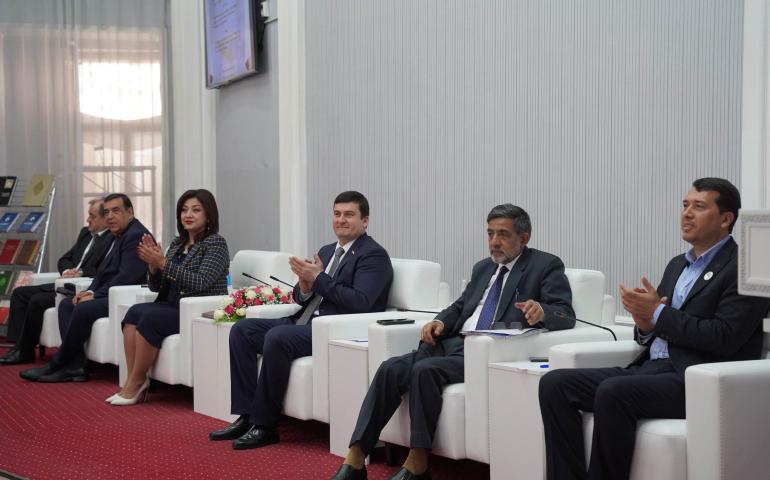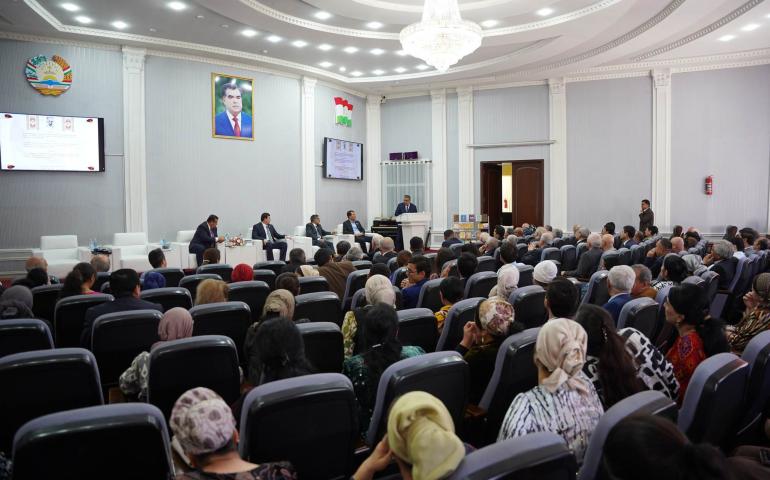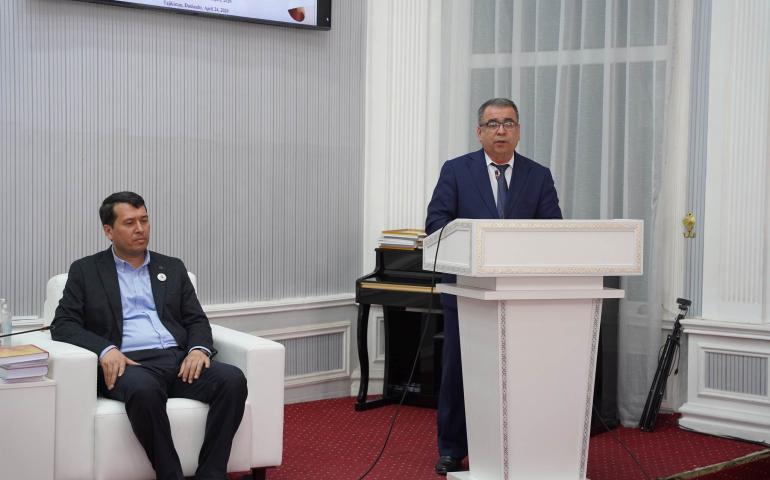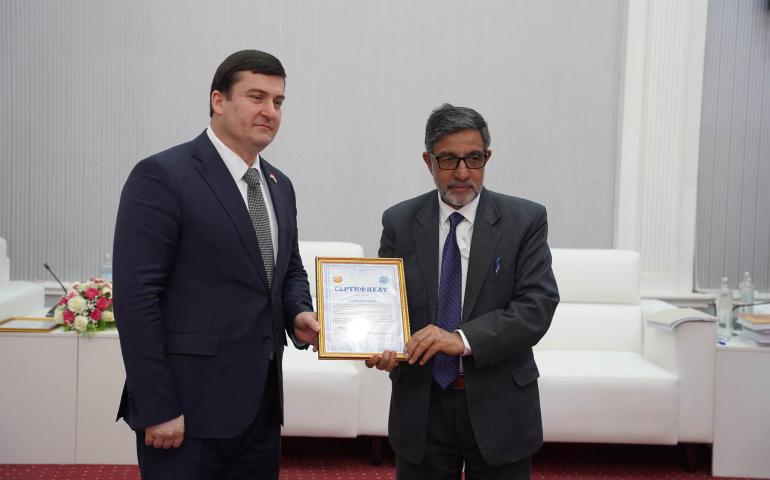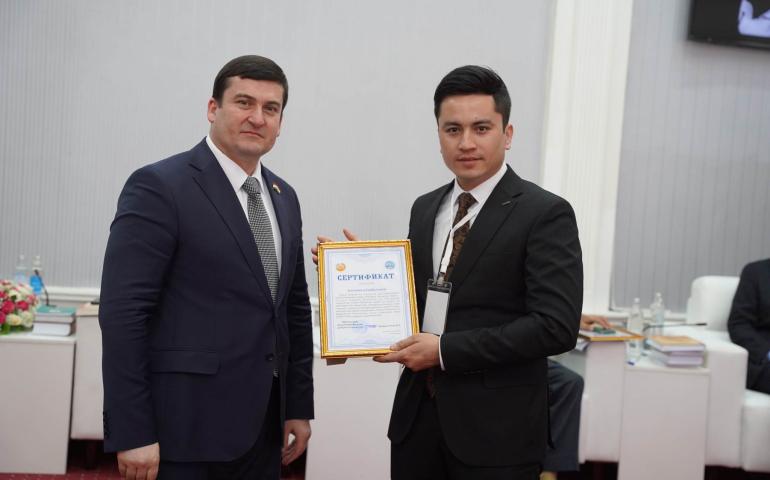


Дар ҷомеаи инсонӣ оила ҳамчун яке аз муҳимтарин институтҳои иҷтимоӣ шинохта мешавад. Дар доираи ин институт нақши модар мавқеи махсус дорад, зеро маҳз модар сарчашмаи ҳаёт, тарбия ва ташаккули аввалини шахсият ба ҳисоб меравад. Аз давраҳои қадим то имрӯз ҷомеаҳо ба нақши модар аҳамияти калон дода, ӯро ҳамчун рамзи меҳру муҳаббат, сабру таҳаммул ва фидокорӣ мешиносанд. Рӯзи Модарон ҳамчун ҷашни иҷтимоӣ ва фарҳангӣ ба қадршиносии заҳмат ва саҳми модарон дар рушду пешрафти ҷомеа бахшида шудааст.
Аз нигоҳи илмҳои педагогика, психология ва ҷомеашиносӣ, тарбияи насли солим ва босавод бештар аз муҳити оилавӣ оғоз меёбад. Дар ин раванд модар нақши марказиро мебозад. Муносибати модар бо фарзанд, усули тарбия, сатҳи фарҳанг ва ҷаҳонбинии ӯ ба ташаккули ахлоқӣ, равонӣ ва иҷтимоии кӯдак таъсири мустақим мерасонад. Бинобар ин, омӯзиши нақши модар дар ташаккули шахсият ва рушди ҷомеа яке аз масъалаҳои муҳими илмӣ ба ҳисоб меравад. Ташаккули шахсият раванди мураккаби иҷтимоӣ ва равонӣ мебошад, ки аз давраи кӯдакӣ оғоз мегардад. Дар ин марҳила модар аввалин шахсест, ки бо кӯдак робитаи наздик барқарор мекунад. Аз рӯзҳои аввали зиндагӣ кӯдак тавассути меҳрубонӣ, сухан ва рафтори модар муҳити атрофро дарк мекунад.
Муҳаққиқони соҳаи психология бар он ақидаанд, ки муносибати гарм ва дастгирии модар ба рушди солими равонии кӯдак мусоидат мекунад. Агар кӯдак дар муҳити пур аз меҳр ва ғамхорӣ ба воя расад, дар ӯ ҳисси боварӣ ба худ, эҳтиром ба дигарон ва масъулиятшиносӣ ташаккул меёбад. Баръакс, камбуди таваҷҷуҳ ва муҳаббат метавонад ба рушди равонӣ ва иҷтимоии кӯдак таъсири манфӣ расонад. Илова бар ин, модар ҳамчун аввалин омӯзгор ба рушди маърифатии фарзанд таъсири калон мерасонад. Ӯ ба кӯдак сухан гуфтан, рафтори дуруст, одобу ахлоқ ва арзишҳои асосии ҳаётиро меомӯзонад. Бинобар ин, сатҳи маърифат ва фарҳанги модар ба сатҳи тарбияи фарзандон бевосита вобаста аст. Тарбияи ахлоқӣ яке аз ҷанбаҳои муҳими рушди шахсият мебошад. Дар ин раванд модар ҳамчун намунаи ибрат барои фарзанд хизмат мекунад. Рафтор, сухан ва муносибати ӯ бо дигарон ба тарзи фикрронӣ ва рафтори кӯдак таъсир мерасонад. Дар оила модар аксар вақт муҳити дӯстӣ, ҳамдигарфаҳмӣ ва ҳамкориро ташкил медиҳад. Ин муҳит ба кӯдак имконият медиҳад, ки арзишҳои иҷтимоӣ, аз қабили эҳтиром, адолат, ростқавлӣ ва масъулиятшиносиро аз худ намояд. Ҳамин тавр, тарбияи дурусти модар ба ташаккули шаҳрвандони фаъол ва масъулиятшинос мусоидат мекунад.
Ғайр аз ин, модар дар рушди малакаҳои иҷтимоии фарзанд нақши муҳим мебозад. Ӯ ба кӯдак меомӯзонад, ки бо дигарон муоширати дуруст дошта бошад, мушкилотро бо роҳи сулҳомез ҳал намояд ва дар ҷомеа фаъолона иштирок кунад. Нақши модар танҳо ба доираи оила маҳдуд намешавад. Ӯ ҳамчун аъзои фаъоли ҷомеа дар рушди иҷтимоӣ ва фарҳангӣ саҳми муҳим мегузорад. Сифати тарбияе, ки дар оила дода мешавад, ба рушди умумии ҷомеа таъсири назаррас мерасонад. Агар модарон сатҳи баланди маърифат ва фарҳанг дошта бошанд, насли оянда низ бо ҳамин арзишҳо тарбия меёбад. Дар ҷомеаи муосир модарон на танҳо дар тарбияи фарзандон, балки дар соҳаҳои гуногуни иқтисодӣ, илмӣ ва фарҳангӣ низ фаъолона иштирок мекунанд. Онҳо ҳамчун омӯзгор, табиб, муҳандис ва мутахассисони соҳаҳои гуногун ба пешрафти ҷомеа саҳм мегузоранд. Бо вуҷуди ин, нақши асосии онҳо ҳамчун тарбиятгари насли оянда боқӣ мемонад. Аз ин рӯ, дастгирии иҷтимоӣ ва иқтисодии модарон яке аз вазифаҳои муҳими давлат ва ҷомеа мебошад. Таъмини шароити мусоид барои таҳсил, кор ва ҳифзи саломатии занон ба беҳтар шудани сифати зиндагии оила ва рушди ҷомеа мусоидат мекунад. Дар фарҳанги тоҷикӣ эҳтироми модар аз қадим мавқеи баланд дорад.
Дар фолклор, адабиёт ва анъанаҳои миллӣ модар ҳамчун шахси муқаддас ва меҳрубон васф карда мешавад. Мақолу зарбулмасалҳои халқӣ низ ба бузургии модар ишора мекунанд, масалан: «Биҳишт зери қадамҳои модарон аст» ё «Дуои модар чароғи роҳ аст». Адибон ва шоирони тоҷик низ дар осори худ мақоми модарро бо эҳтироми зиёд васф кардаанд. Онҳо модарро ҳамчун рамзи меҳрубонӣ, фидокорӣ ва муҳаббати беандоза тасвир намудаанд. Ин анъанаи фарҳангӣ нишон медиҳад, ки дар ҷомеаи тоҷик қадршиносии модар яке аз арзишҳои асосии ахлоқӣ ба ҳисоб меравад. Ҷашни Рӯзи Модарон низ идомаи ҳамин анъанаи қадршиносӣ мебошад. Ин рӯз на танҳо барои табрик кардани модарон, балки барои баланд бардоштани эҳтиром ва таваҷҷуҳи ҷомеа ба нақши онҳо аҳамияти муҳим дорад.
Бо дарназардошти таҳлилҳои илмӣ метавон гуфт, ки модар дар ташаккули шахсият ва рушди ҷомеа нақши бениҳоят муҳим дорад. Ӯ аввалин омӯзгор, тарбиятгар ва роҳнамои кӯдак мебошад. Муҳаббат, ғамхорӣ ва донишҳои модар ба рушди равонӣ, ахлоқӣ ва иҷтимоии фарзанд таъсири амиқ мерасонанд. Дар баробари ин, модар ҳамчун аъзои фаъоли ҷомеа дар пешрафти фарҳангӣ, иҷтимоӣ ва иқтисодии кишвар саҳм мегузорад. Аз ин рӯ, қадршиносӣ ва дастгирии модарон яке аз шартҳои муҳими рушди устувори ҷомеа ба ҳисоб меравад. Ҷашни Рӯзи Модарон имконият медиҳад, ки ҷомеа бори дигар аҳамияти нақши модарро дар зиндагии инсон ва рушди ҷомеа эътироф намояд. Қадр кардани модар на танҳо нишонаи эҳтиром ба зан, балки рамзи эҳтиром ба ҳаёт, фарҳанг ва ояндаи миллат мебошад.
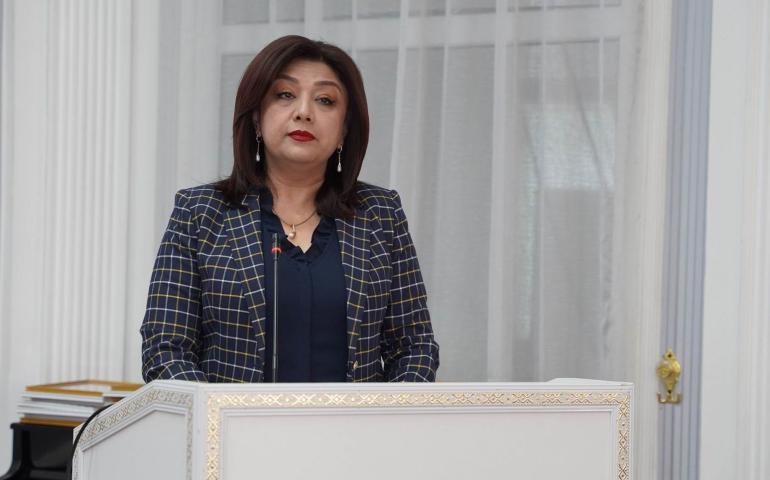
Окимшоева Рухсора Суҳробовна номзади илмҳои педагогӣ Котиби
илмии Институти омӯзиши масъалаҳои давлатҳои Осиё ва Аврупои АМИТ
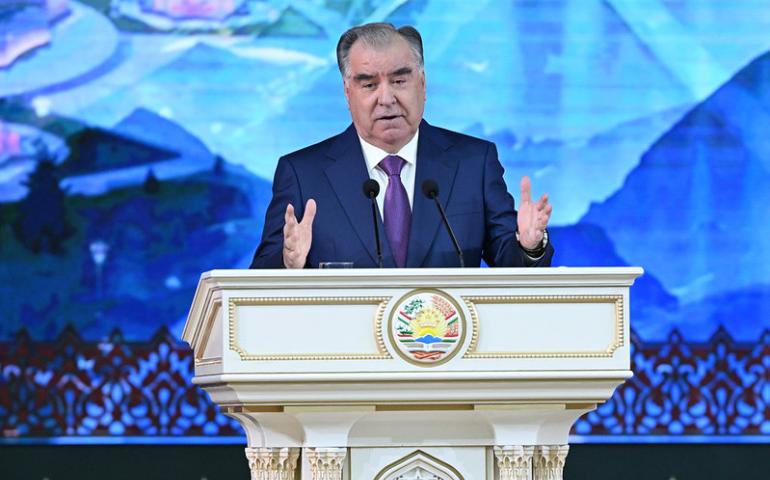
COMPLETION OF THE MAJOR RENOVATION OF THE FOLKLORE FUND AT THE ABUABDULLOH RUDAKI INSTITUTE OF LANGUAGE AND LITERATURE OF THE NATIONAL ACADEMY OF SCIENCES OF TAJIKISTAN
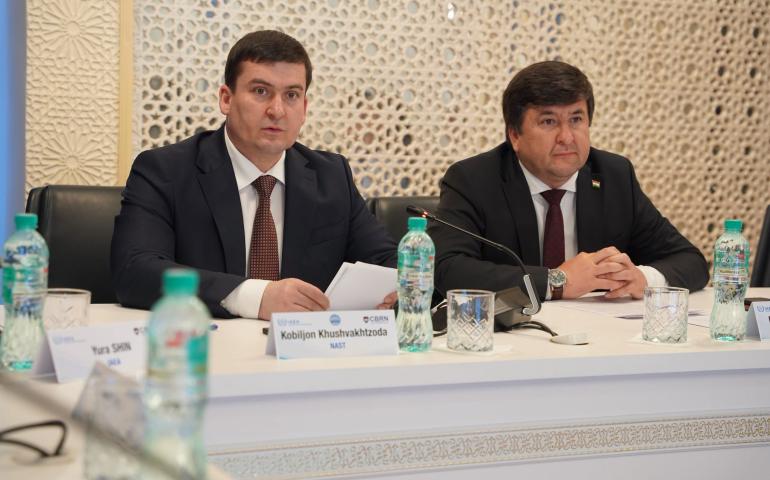
Today, April 13 on the occasion of the 35th anniversary of the State Independence of the Republic of Tajikistan, the Folklore Collection of the Abuabdulloh Rudaki Institute of Language and Literature of the National Academy of Sciences of Tajikistan was reopened after a long period of major renovation, with the participation of the President of the National Academy of Sciences of Tajikistan, Academician Khushvakhtzoda Qobiljon Khushvakht, as well as other scholars and staff.
During the opening, it was reported that the collection contains rare folklore materials, including manuscripts, audio recordings, oral texts, samples of oral creativity, and other valuable cultural heritage of the Tajik people. The major renovation was carried out to ensure preservation, proper storage, and better presentation of the national intangible heritage, as well as to provide favorable scientific conditions for researchers and scholars.
It was emphasized that the restoration and commissioning of such collections are of particular importance for the study, collection, and research of Tajik folklore, and play a significant role in strengthening national identity and preserving cultural values.
It was noted that within the framework of the renovation, storage conditions were brought in line with modern requirements, including the creation of specialized rooms equipped with necessary facilities such as temperature and humidity control systems, special shelving for document storage, as well as conditions for digitization and scientific processing of materials. This initiative will enable not only the preservation of rare folklore materials but also their wide use in research activities.
It was also highlighted that the reopening of the renovated collection provides new research opportunities for scholars, master’s students, and doctoral candidates, creating a solid foundation for conducting research, preparing dissertations, and publishing scientific works.
INSTALLATION OF SOLAR PANELS IN THE BUILDING OF THE REGIONAL CENTER FOR SAFETY, SECURITY AND SAFEGUARDS IN THE FIELD OF CHEMICAL, BIOLOGICAL, RADIATION AND NUCLEAR SAFETY
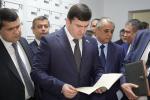
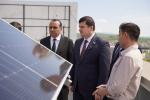
Today, April 10, the President of the National Academy of Sciences of the Republic of Tajikistan, Academician Khushvakhtzoda Qobiljon Khushvakht, together with a group of scientists and staff, visited the site of solar panel installation in the building of the Regional Center for Safety, Security and Safeguards in the field of chemical, biological, radiation and nuclear safety of the Agency for Chemical, Biological, Radiation and Nuclear Safety of the National Academy of Sciences of the Republic of Tajikistan and became fully acquainted with the operation of the solar panels.
It was noted that, in order to implement the Strategy of the Government of the Republic of Tajikistan in the field of introducing and developing a “green” economy, the staff of the National Academy of Sciences of the Republic of Tajikistan have organized scientific research activities. In this context, employees of the S.U. Umarov Institute of Physics and Technology of the Academy are developing and preparing solar panels that contribute to the advancement of renewable energy sources.
It was emphasized that the installation of such modern equipment creates opportunities to supply the institution with clean and environmentally friendly electricity, while also increasing the efficiency of energy resource utilization. This initiative can also serve as an example of best practice for the implementation of “green” technologies in other scientific institutions and various sectors of the national economy.
It was also noted that, by the Executive Authority of the city of Dushanbe, in order to save electricity, in the future, in accordance with the instruction of the Chairman of the city of Dushanbe, esteemed Rustam Emomali, solar panels must be installed in all newly constructed multi-storey residential buildings, higher education institutions, and educational facilities. In this regard, scientific staff of the National Academy of Sciences have organized the construction, commissioning, and installation of solar panels.
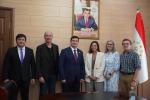
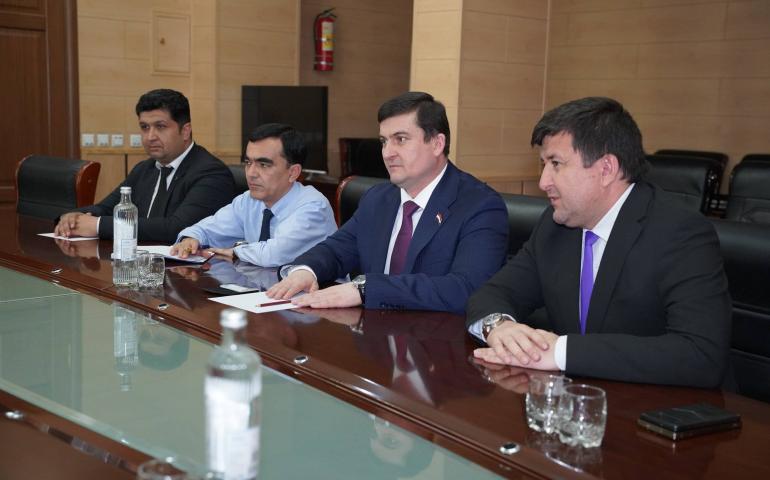
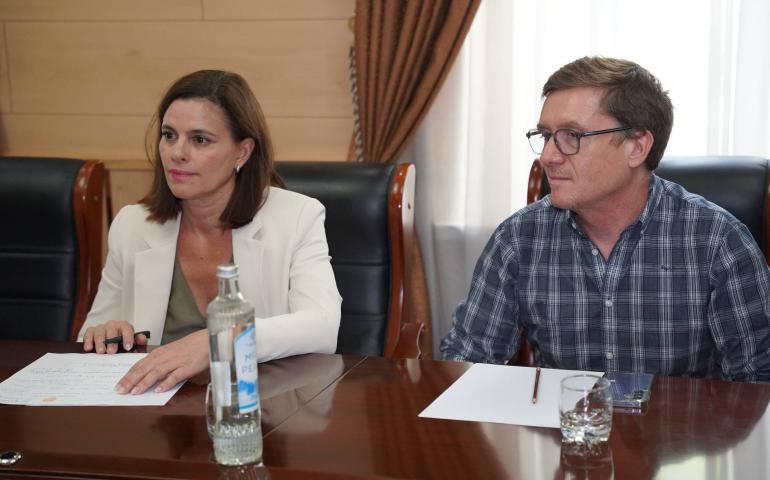
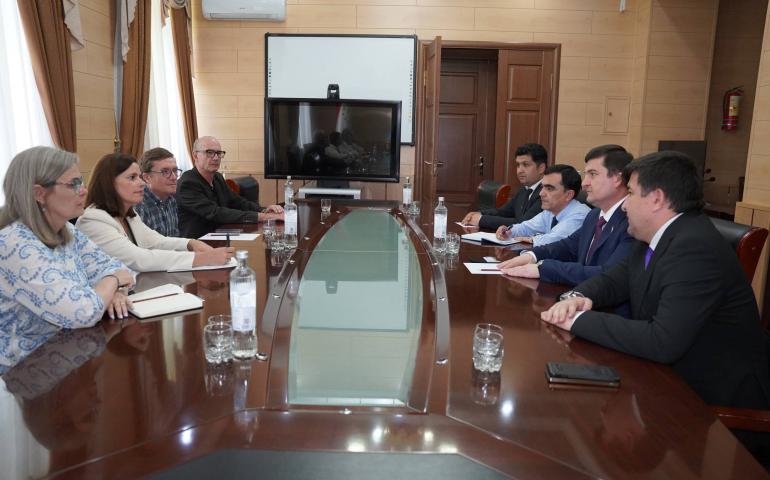
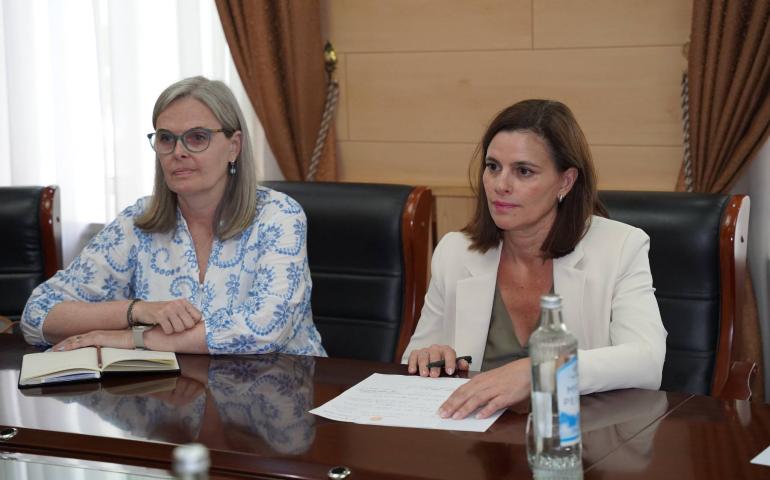
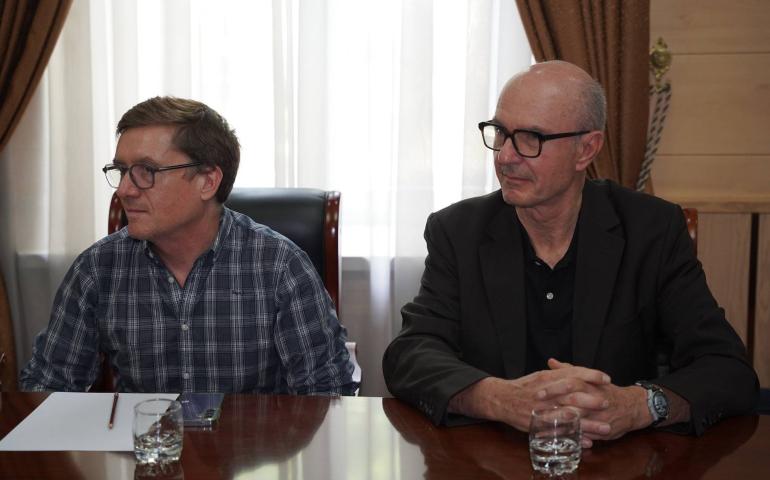
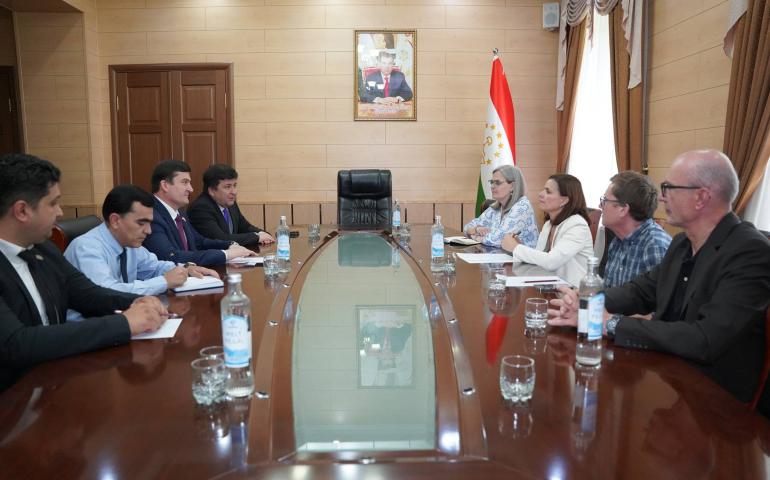
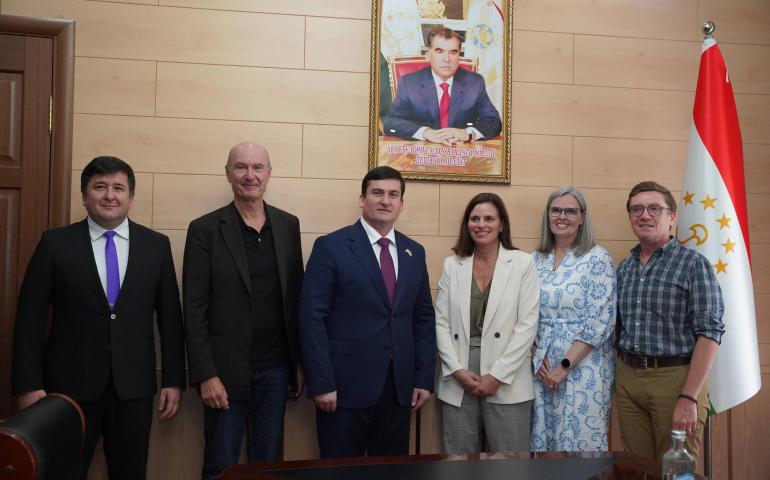
Today, April 8, a meeting was held at the National Academy of Sciences of Tajikistan between the President of the National Academy of Sciences of Tajikistan, Academician Khushvakhtzoda Qobiljon Khushvakht, and representatives of the University of Oxford.
The meeting was attended by the leadership, the Vice President, and the Head of the Department of International Relations, as well as specialists in Persian language and literature from the University of Oxford, including Professor Edmund Herzig, Dr. Farniyaz Zaker, and Ms. Ani Beth-Moses.
During the meeting, the parties discussed issues related to establishing an agreement between the National Academy of Sciences of Tajikistan and the University of Oxford, expanding research cooperation, exchanging experience among scholars, launching joint educational programs, and implementing international projects.
It was emphasized that cooperation in the study of Persian language and literature, research on cultural heritage, and the development of academic relations can serve the interests of both parties. Particular attention was paid to the training of scientific personnel from among master's and doctoral students, and the parties stressed the need to strengthen cooperation in training highly qualified specialists.
It was noted that attracting talented youth to master's and doctoral programs, organizing exchanges of students and researchers, and creating favorable conditions for conducting joint research can contribute to the further development of science and education and to strengthening the intellectual potential of society.
The parties also agreed to hold joint scientific conferences and seminars in the future, emphasizing that such events can provide a favorable platform for knowledge exchange, presentation of research results, and expansion of scientific cooperation. It was noted that the regular organization of such events will contribute to strengthening academic ties and developing the scientific environment of both sides.
COMMISSIONING OF THE SEISMIC MONITORING CENTER AT THE INSTITUTE OF GEOLOGY, EARTHQUAKE-RESISTANT CONSTRUCTION AND SEISMOLOGY OF NASТ
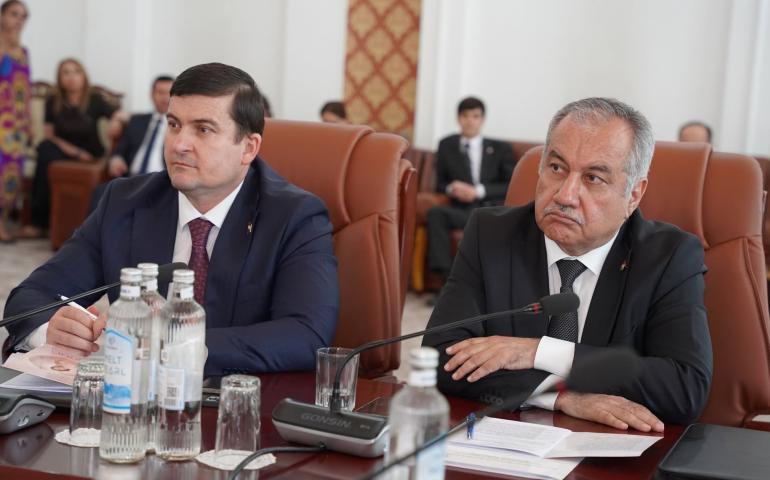
Today, April 2, at the Institute of Geology, Earthquake-Resistant Construction and Seismology of the National Academy of Sciences of Tajikistan, with the participation of the President of the National Academy of Sciences of Tajikistan, Academician Khushvakhtzoda Qobiljon Khushvakht, as well as other scientists and guests, the Seismic Monitoring Center equipped with modern equipment was commissioned.
It was emphasized that the main objective of the Seismic Monitoring Center of the Institute of Geology, Earthquake-Resistant Construction and Seismology of the National Academy of Sciences of Tajikistan is прежде всего the establishment of round-the-clock seismic monitoring, including the recording and processing of all seismic events in Tajikistan in real time (real-time), determination of the coordinates of the earthquake source (epicenter), its depth and magnitude using local hodographs, as well as the creation and maintenance of a seismic database for future scientific research and the training of young technical and scientific personnel.
It was noted that currently two types of seismic stations are used at the Seismic Monitoring Center to record earthquakes and determine their parameters. In particular, broadband digital seismic stations are designed for continuous and accurate recording of a wide range of seismic vibrations (from distant earthquakes to microtremors), and the obtained data are used to determine and assess the seismic regime of various regions of Tajikistan, study the geological structure of the Earth, the activity of tectonic faults, and conduct engineering and geological research.
At the same time, equipment for recording strong seismic vibrations (accelerometers) makes it possible to quantitatively record strong ground motions and structural vibrations during earthquakes. This equipment records the velocity and acceleration of seismic waves in the ground and is used for assessing seismic hazards, analyzing the behavior of buildings, designing earthquake-resistant structures, as well as for early warning of natural disasters, including infrastructure collapse and landslides.
It should be noted that the initiative of the Presidium of the National Academy of Sciences of Tajikistan to establish the Seismic Monitoring Center at the Institute of Geology, Earthquake-Resistant Construction and Seismology is the first in the 75-year history of the Academy and represents an important step toward strengthening research infrastructure and developing seismology in the country. This initiative provides a favorable basis for improving the study and research of seismic processes, ensuring seismic safety, and effective preparedness for emergency situations.
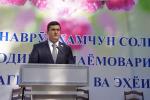
Today, Aprile 1, the International Navruz holiday was celebrated with special grandeur at the National Academy of Sciences of Tajikistan. On this occasion, a festive cultural program was held in the courtyard of the Presidium building of the Academy, where employees and scholars of the research institutions participated with a high festive spirit.
The President of the National Academy of Sciences of Tajikistan, Academician Khushvakhtzoda Qobiljon Khushvakht, once again congratulated all scientists and staff on the International Navruz holiday and noted that the grand celebration of Navruz and its acquisition of international status, along with the revival of other material and spiritual values of our people — the Tajiks — are among the noble initiatives and cultural policy of the Founder of Peace and National Unity — the Leader of the Nation, President of the Republic of Tajikistan, Honorable Emomali Rahmon, which has created favorable conditions for the worthy presentation of our state and nation on the world stage.
It was emphasized that Navruz is considered one of the most ancient and magnificent celebrations of the Tajik people and other peoples of Aryan origin. This holiday has a very ancient history and, according to researchers, dates back more than five to six thousand years. The word “Navruz” consists of two words — “nav” and “ruz”, meaning “new day”, “new beginning”, and “the start of a new life”. Navruz is always celebrated with the arrival of spring and the equalization of day and night. During this time, nature awakens from its winter sleep, trees turn green, flowers bloom, and a new life begins. For this reason, Navruz is a symbol of revival, renewal, hope, and joy for the future.
It was noted that the history of Navruz dates back to very ancient times, to the era of the Aryan civilization. Historical sources and ancient legends state that Navruz was celebrated even during the time of the legendary king Jamshid. According to the legends, after defeating cold and darkness, Jamshid declared the new day as the beginning of the new year, and people celebrated that day with joy and happiness. Since then, this day became known among the people as a blessed and auspicious day and a symbol of the awakening of nature.
It was said that many scholars and historians believe that Navruz is not only a folk celebration but also an important part of the ancient culture of the peoples of the East. In different historical periods, including during the reign of the Achaemenids and the Sassanids, Navruz was celebrated with great ceremonies. Kings organized grand celebrations on this day, gave gifts to the people, and the people congratulated one another with joy.
It was noted that interesting information about Navruz can also be found in the works of many scholars and famous poets and writers of the world. For example, the great Eastern scholar Abu Rayhan Biruni provided valuable information about the origin and traditions of Navruz in his works. Likewise, the great Tajik-Persian poet Abulqosim Ferdowsi mentioned Navruz in his famous work “Shahnameh” as a blessed holiday and a symbol of the victory of light over darkness. In addition, the famous poet and astronomer Omar Khayyam in his work “Navruznama” also referred to the importance of this holiday and considered Navruz as a symbol of the beginning of a new life and the beauty of nature.
It was noted that one of the important traditions of Navruz is the preparation of sumanak. Sumanak is made from sprouted wheat and symbolizes abundance and prosperity in life. The preparation of sumanak usually lasts throughout the night. During this ritual, women and girls gather together and cook this symbolic dish with songs and joy. This custom is considered one of the beautiful traditions of Tajik culture and has been preserved to this day in all regions of Tajikistan. Along with sumanak, decorating the Navruz festive table is also considered one of the ancient traditions. The Navruz table is decorated with festive dishes of “haft sin” and “haft shin” and household items. Each of these dishes and items has its own symbolic meaning and represents prosperity and abundance in life.
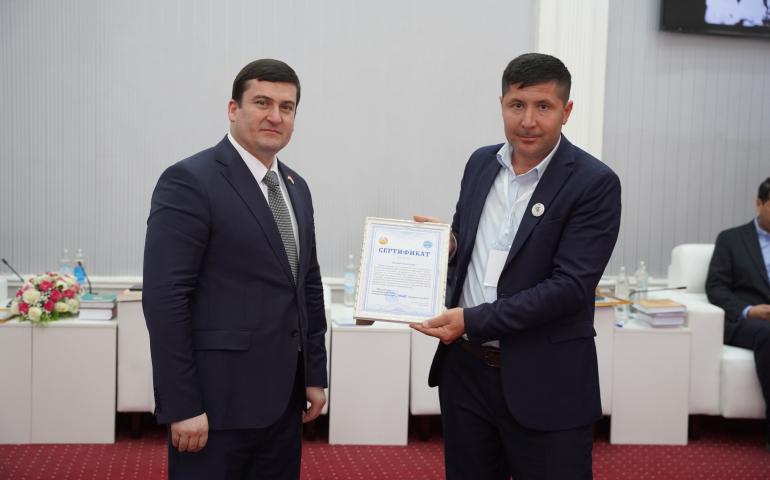
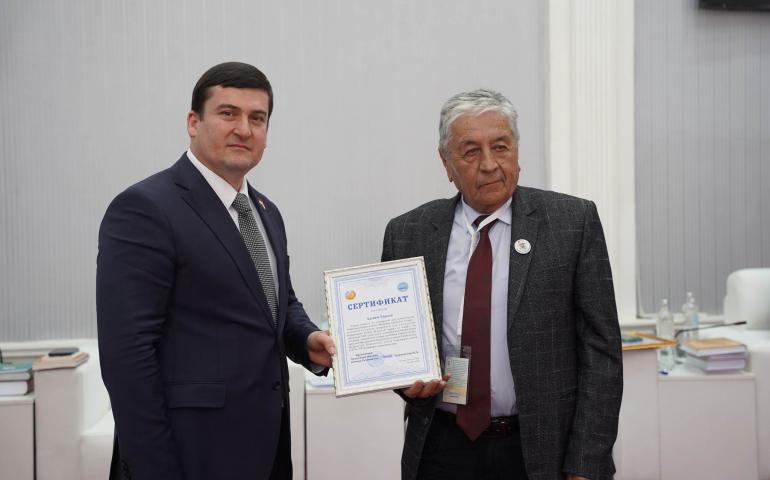
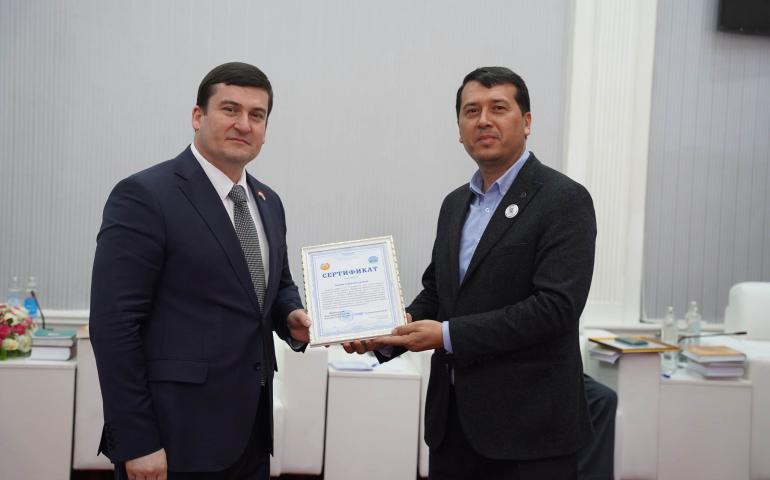
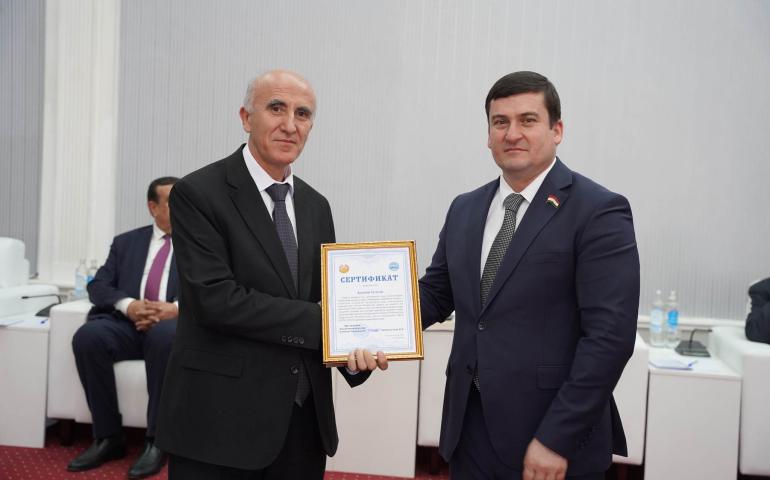
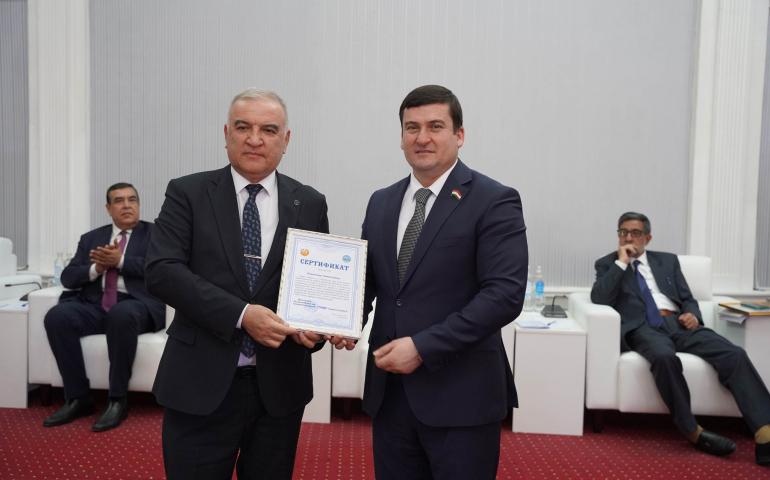
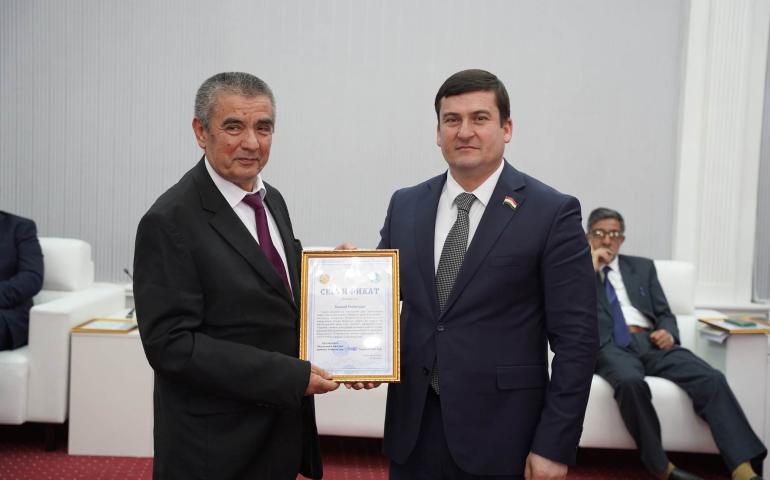
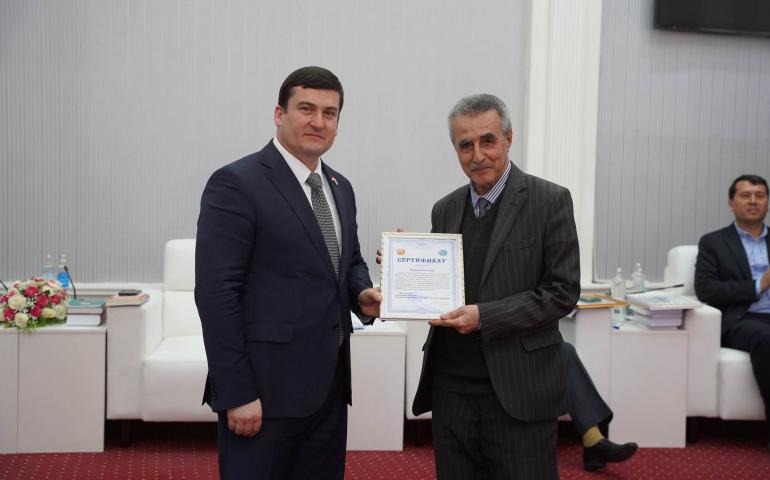
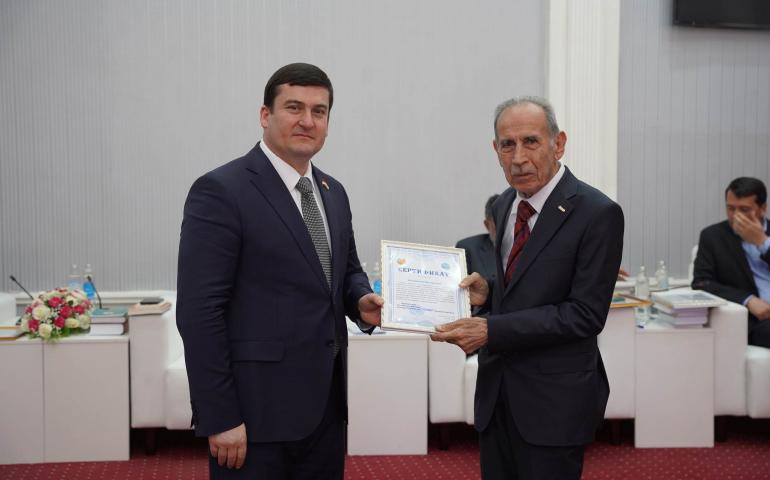
During the continuation of the event dedicated to the International Navruz holiday, the winners of sports competitions, who demonstrated high skill, strong will, and sports spirit, were awarded commemorative gifts and certificates of appreciation. At the same time, two activists were awarded the badge “Excellent Worker of Education” and the Certificate of Honor of the Ministry of Education and Science of the Republic of Tajikistan for their valuable contribution to the development of the education sector.
Then, at the festive event, well-known artists of the republic performed and delighted the audience with their colorful songs.
VISIT TO THE NAVRUZ FESTIVE TABLE OF THE RESEARCH INSTITUTIONS OF THE NATIONAL ACADEMY OF SCIENCES OF TAJIKISTAN
Today, on Aprile 1, in honor of the International Day of Navruz, a traditional Navruz festive table was arranged in the courtyard of the Presidium building of the National Academy of Sciences of Tajikistan by the scholars and staff of the Academy’s research institutions, observing national customs and traditions, including the symbolic “Haft-Sin” and “Haft-Shin”.
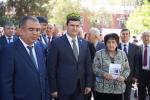
During the visit, the leadership of the National Academy of Sciences of Tajikistan, along with scholars and staff members, viewed the Navruz festive tables prepared by the research institutions and became closely acquainted with their arrangement, Navruz traditions, and the examples of national art and culture presented by each institution.
It was emphasized that Navruz, as an ancient celebration and a symbol of the revival of nature, peace, friendship, and unity among peoples, holds a special status and, during the years of State Independence, under the culture-supporting policy of the Leader of the Nation, His Excellency Emomali Rahmon, has gained even greater respect and recognition.
It was also noted that arranging the Navruz festive table is considered one of the ancient traditions of the Tajik people and symbolizes abundance, purity, kindness, and the beginning of the new agricultural year. In this regard, the staff of the Academy’s research institutions, showing respect for the cultural heritage of their ancestors and the national traditions of the Tajik people, decorated the Navruz tables with special skill and a distinctive national style, presenting traditional dishes, sweets, and various symbolic products.
The event was held in a warm and friendly atmosphere and once again demonstrated the respect and appreciation of the scholars and staff of the research institutions for national values, the rich culture, and the noble traditions of the Tajik people.
Such initiatives, along with strengthening national self-awareness, also contribute to the presentation of ancient Navruz traditions and the preservation and promotion of national culture.
CONFERENCE: “RESEARCH IN THE HISTORY AND CIVILIZATION OF THE ARYANS: PAST AND PRESENT
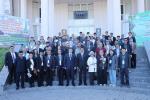
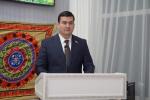
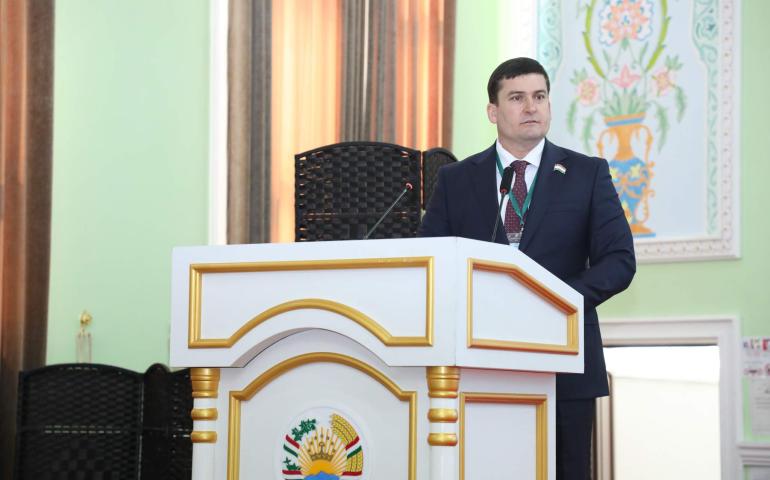
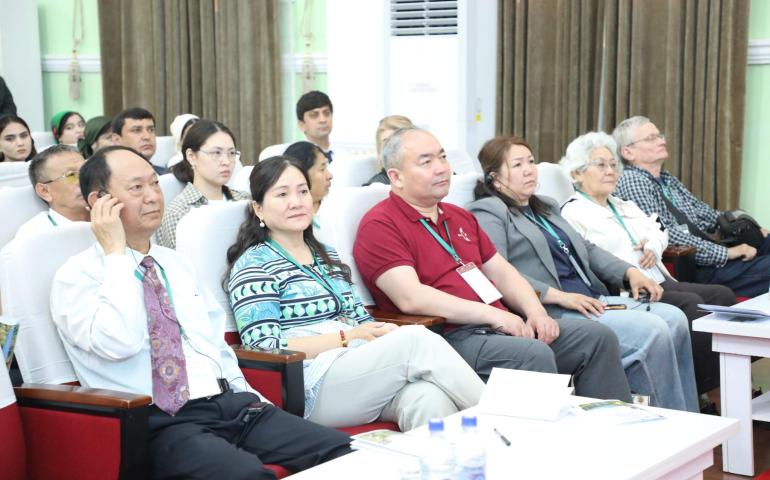
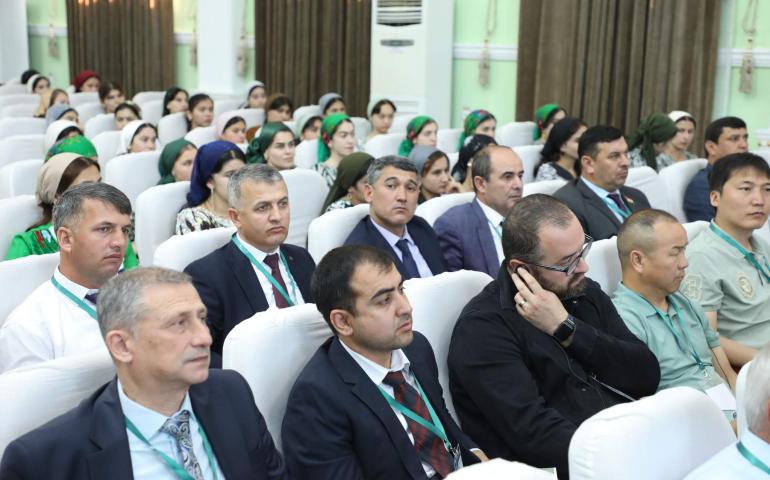
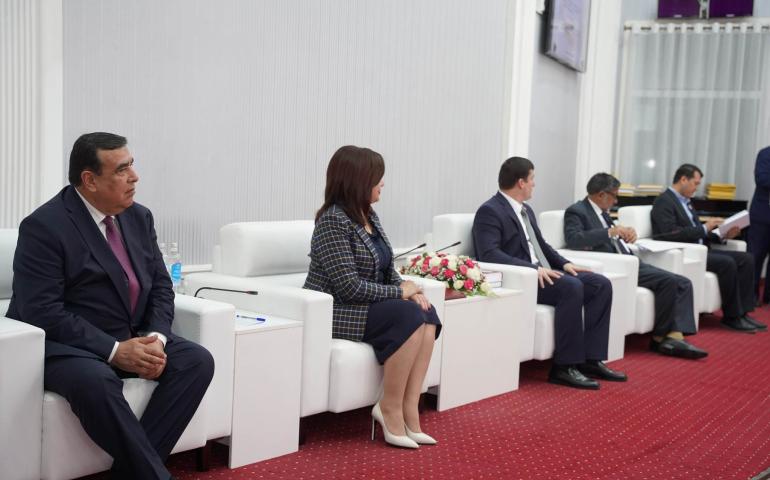
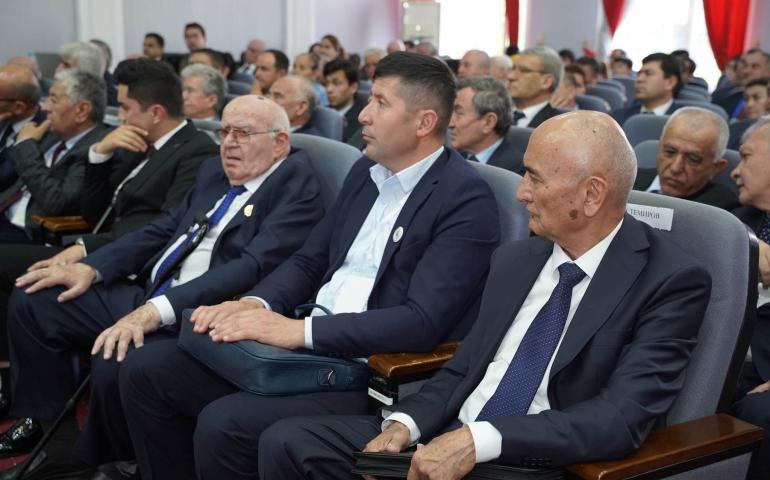
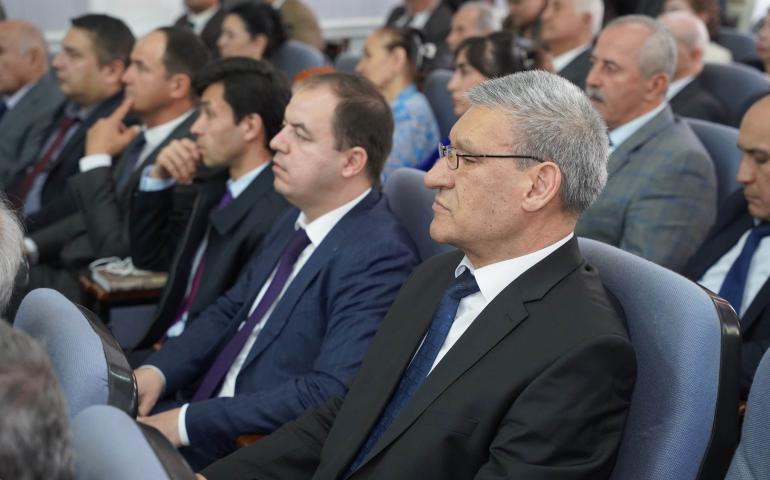
”Today, on March 19, an international scientific and practical conference titled “Research in the History and Civilization of the Aryans: Past and Present” was held in the hall of the Presidium of the National Academy of Sciences of Tajikistan.
The conference was organized in connection with the proposals of the Founder of Peace and National Unity — Leader of the Nation, President of the Republic of Tajikistan Emomali Rahmon, regarding the establishment of the Center for Aryan Civilization and the International Navruz Center in the city of Dushanbe. Representatives of the Executive Office of the President of the Republic of Tajikistan, the leadership of the National Academy of Sciences, scholars and researchers, Persian-speaking intellectuals from Navruz-celebrating countries, as well as representatives of the Society for Friendship and Cultural Relations of Tajikistan with Foreign Countries participated in the conference and delivered speeches.
In his opening remarks, the President of the National Academy of Sciences of Tajikistan, Academician Kobiljon Khushvakhtzoda, emphasized that in his recent address to the nation the President of the Republic of Tajikistan E. Rahmon proposed the establishment of the Center for Aryan Civilization and the International Navruz Center in Dushanbe. According to him, this initiative once again demonstrates the continuous attention of the country’s leadership to the revival, research, and promotion of the historical and cultural values of the Tajik people and the ancient Aryan civilization.
It was noted that the Aryan civilization is one of the oldest civilizations in human history and has played a fundamental role in the formation of culture, language, worldview, social systems, and spiritual values of many peoples. Studies in history, archaeology, linguistics, anthropology, and cultural studies confirm that Central Asia, including the territory of present-day Tajikistan, is one of the main centers of the formation of Aryan civilization. The Tajik language, as a continuation of ancient Aryan languages such as Avestan, Pahlavi, Sogdian, and Bactrian, serves as a living testimony to this historical continuity.
Participants emphasized that the establishment of the Center for Aryan Civilization would create a solid scientific foundation for systematic and continuous research into this significant heritage. Such a center could become an interdisciplinary institution where comprehensive research on the history of civilization, migration, state formation, legal systems, religion, philosophy, and both material and intangible culture of the Aryan peoples would be conducted.
According to the speakers, the center could unite domestic and international scholars and transform Tajikistan into an important international platform for Aryan studies.
It was also stressed that the establishment of the Center for Aryan Civilization would contribute significantly to strengthening national self-awareness. In the context of globalization, where processes of cultural homogenization threaten the diversity of civilizations, studying and promoting the historical roots of a nation plays an important protective role.
During the conference, Senior Adviser of the Assistant to the President of the Republic of Tajikistan for Social Development and Public Relations Masrur Abdullozoda highlighted that studying and promoting Aryan civilization is essential for strengthening national identity, expanding scientific cooperation, and encouraging intercultural dialogue.
Deputy Chairman of the Society for Friendship and Cultural Relations of Tajikistan with Foreign Countries Ibrohim Abdullozoda also noted that the study and promotion of Aryan civilization contributes to strengthening cultural ties among the countries of the Navruz cultural area. Shared cultural values and traditions, he stated, can serve as an important basis for friendship, mutual understanding, and the development of scientific and cultural cooperation among peoples.
During the conference, all the scholars and researchers from various countries expressed their support for the initiative of the President of Tajikistan to establish the Center for Aryan Civilization and the International Navruz Center in Dushanbe, emphasizing the importance of such institutions for the study, preservation, and international promotion of Aryan cultural heritage.
The participants also noted that the establishment of these centers could create favorable conditions for expanding scientific and cultural cooperation and strengthening friendly relations among the countries of the Navruz cultural sphere.
MEETING WITH THE VICE PRESIDENT OF THE JAPAN INTERNATIONAL COOPERATION AGENCY (JICA)
Today, January 26, a meeting was held at the Academy of Sciences of Tajikistan between the President of the Academy of Sciences of Tajikistan, Academician Khushvakhtzoda Qobiljon Khushvakht, and the Vice President of the Japan International Cooperation Agency (JICA), Yoshikawa Yoshifumi.
During the meeting, the parties exchanged views on expanding scientific and research cooperation, implementing joint educational and training projects, as well as sharing international experience in the fields of exact and natural sciences. The participants also discussed issues related to climate change, environmental protection, and other global challenges, along with prospects for conducting joint scientific research and implementing strategic projects in these areas.
In addition, the meeting addressed the development of cooperation between Tajikistan and Japan in the field of green energy, geothermal technologies, and the implementation of new projects in this sector. Special attention was given to the training of specialists in renewable energy and innovative technologies.
The President of the National Academy of Sciences of Tajikistan, Academician Khushvakhtzoda Qobiljon, emphasized the importance of strengthening scientific ties and strategic cooperation, highlighting the critical role of green energy and international partnerships in addressing global challenges.
For his part, the Vice President of the Japan International Cooperation Agency (JICA), Mr. Yoshifumi Yoshikawa, highly praised the Academy’s achievements in advancing science and implementing important environmental projects in Tajikistan. He also expressed JICA’s readiness to support new initiatives, joint research projects, and the training of young specialists in the fields of green energy and geothermal technologies.
At the conclusion of the meeting, both sides reaffirmed their commitment to continuing mutually beneficial cooperation and further developing Tajikistan’s scientific and energy sectors.