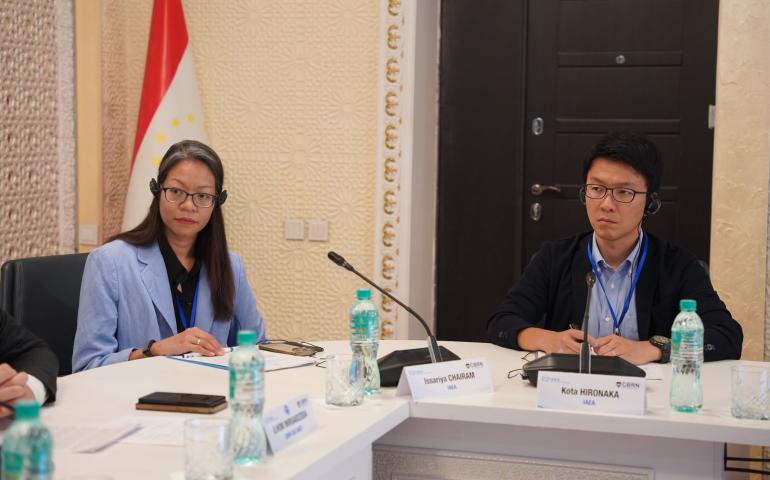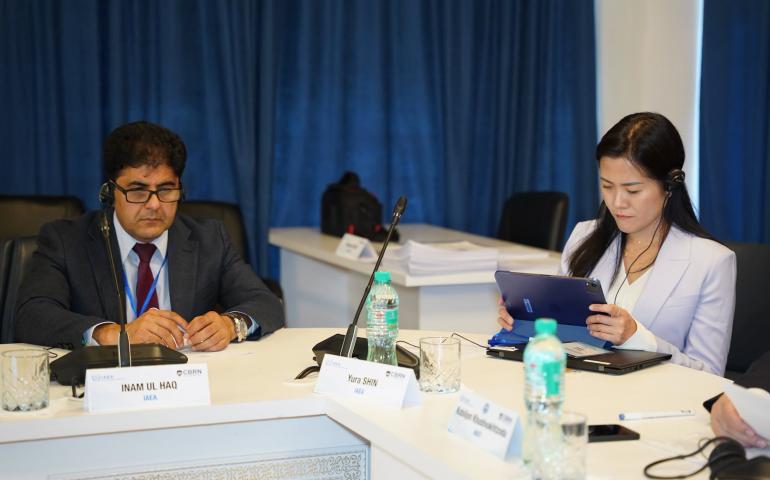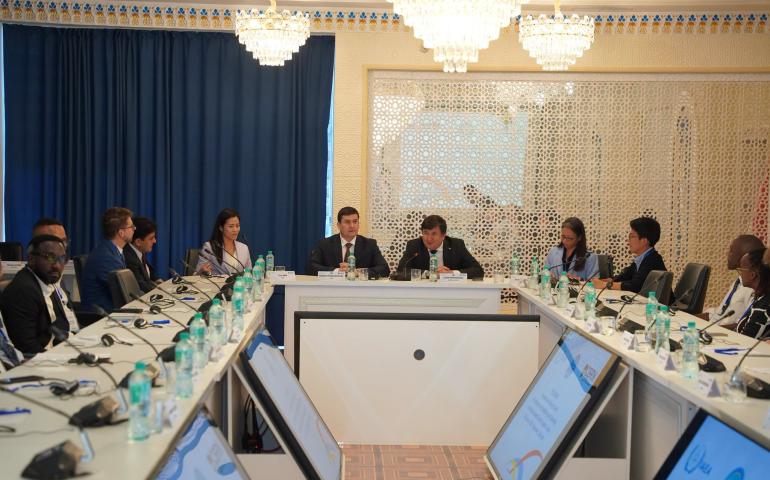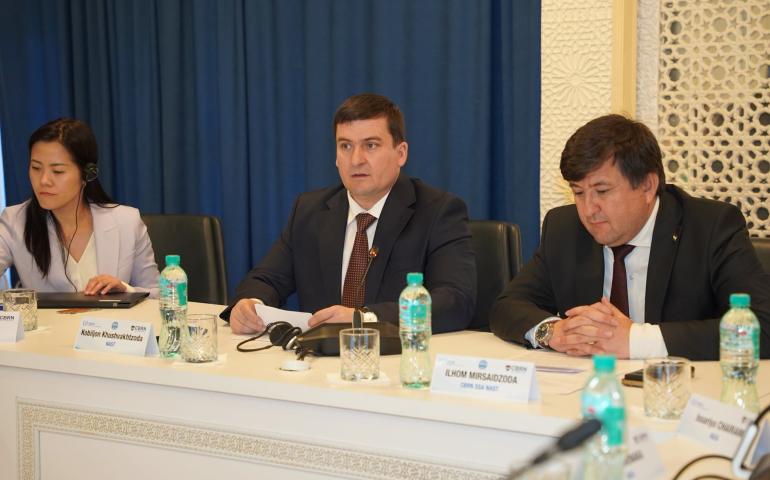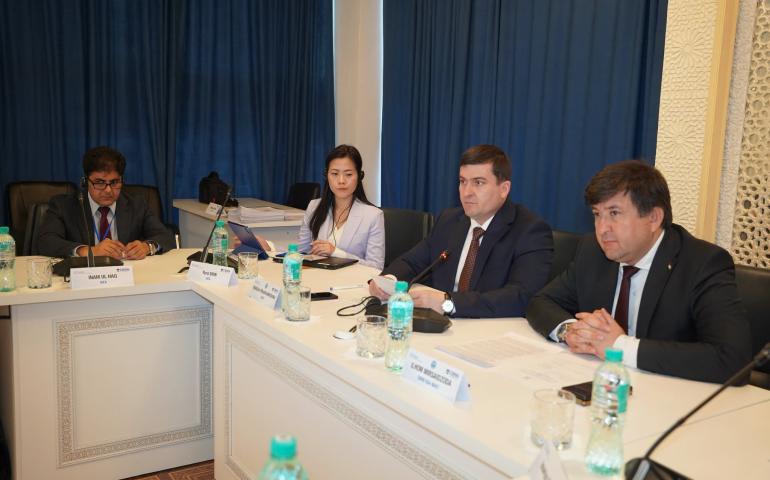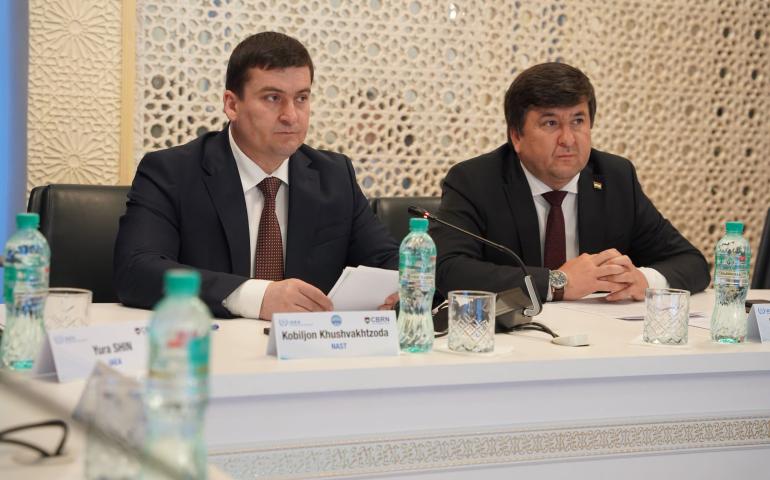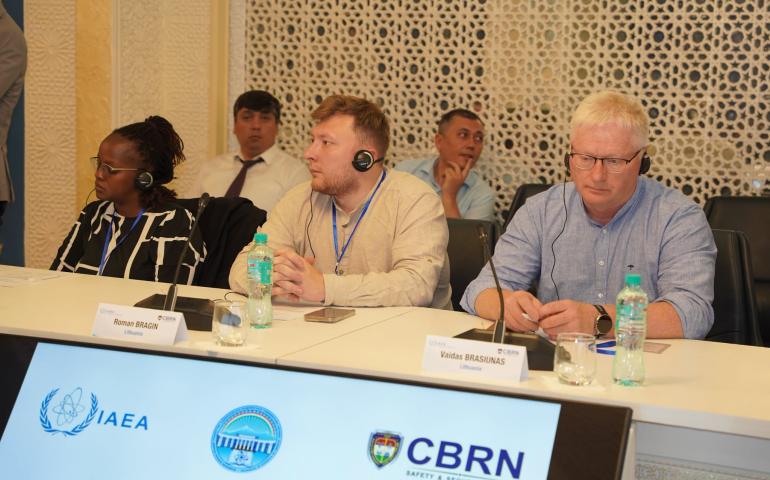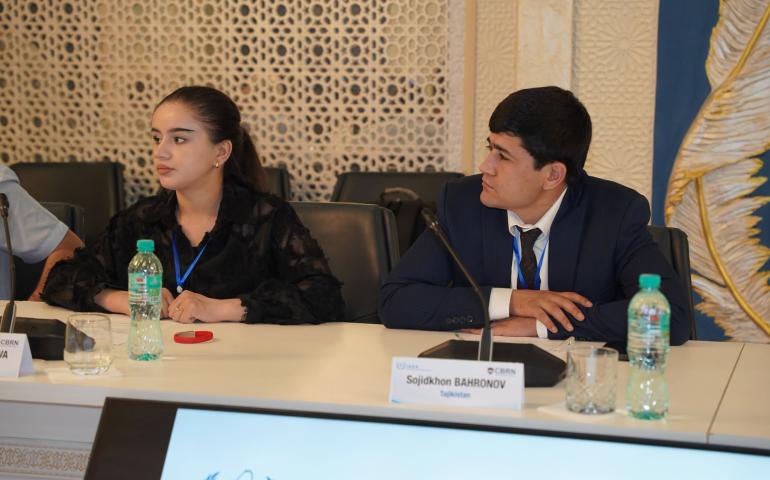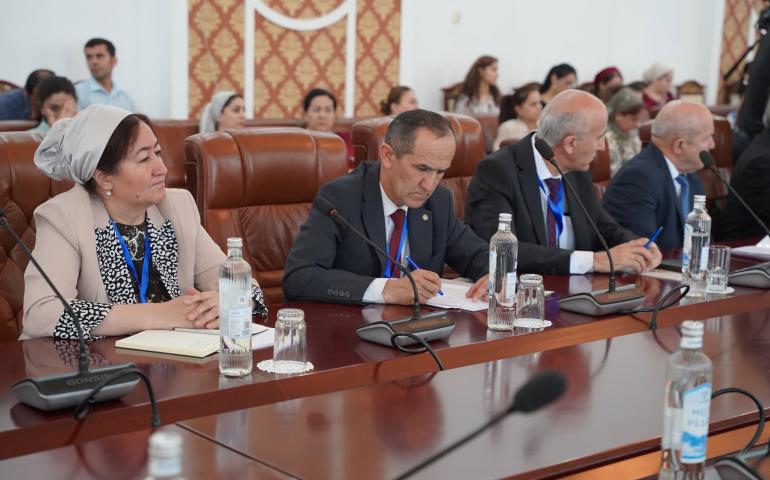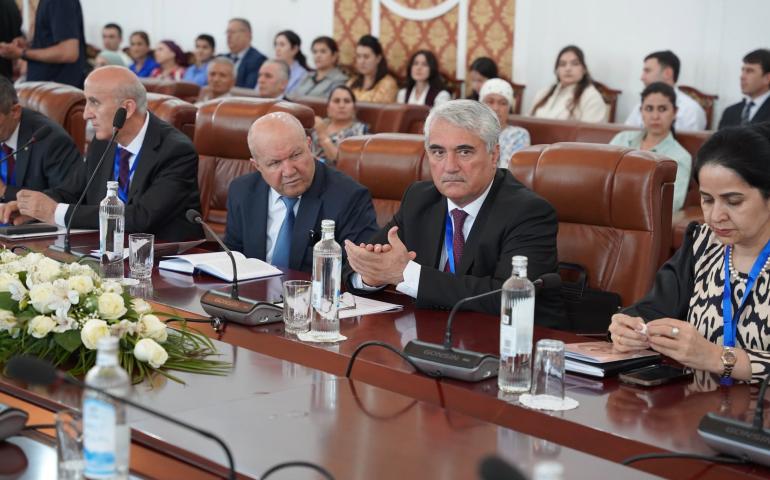

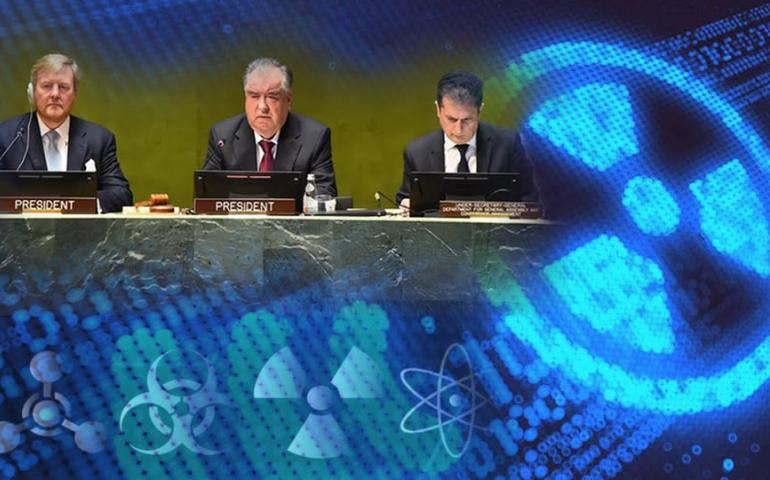
Дар асри 21, технологияҳои рақамӣ (Digital Technology) ва зеҳни сунъӣ (Artificial Intelligence) ба воситаи муҳими таъмини амнияти химиявӣ, биологӣ, радиатсионӣ ва ядроӣ (ХБРЯ) табдил ёфтаанд. Технологияҳои мазкур бо қобилияти таҳлилии зуд, пешгӯии хатарҳо ва автоматикунонии равандҳо ба ҳифзи амнияти миллӣ, саломатии аҳолӣ ва муҳити зист мусоидат мекунанд. Дар Ҷумҳурии Тоҷикистон, ки яке аз кишварҳои фаъол дар татбиқи сиёсати инноватсионӣ аст, истифодаи технологияҳои мазкур дар соҳаи амнияти ХБРЯ аҳамияти хоса дорад. Дар ин ҷода, бо ташаббуси Асосгузори сулҳу ваҳдати миллӣ-Пешвои миллат, Президенти кишвар, муҳтарам Эмомалӣ Раҳмон дар ҳошияи Маҷмаи Умумии Созмони Милали Муттаҳид пешниҳод ва қабули қатъномаи «Нақши зеҳни сунъӣ дар фароҳам овардани имконоти навин барои рушди устувор дар Осиёи Марказӣ» A/79/L.94 аз 25 июли 2025 нақши муҳимро мебозад.
Технологияҳои рақамӣ, аз қабили сенсорҳои интеллектуалӣ, таҳлили маълумоти калон ва блокчейн, дар идора ва пешгирии хатарҳои ХБРЯ нақши хос дорад. Сенсорҳои интеллектуалии муосир имкон медиҳанд, ки сатҳи радиатсияро дар вақти воқеӣ назорат карда ва аз паҳншавии радионуклидҳо дар боду ҳаво маълумоти пешакӣ ва дақиқ диҳанд, ҳамзамон ба саломатии инсон ва ҳифзи экологии кишвар сари вақт мусоидат намояд.
Системаи таҳлилии маълумот бошад, дар муддати кӯтоҳ маълумотҳои калонро ҷамъоварӣ ва таҳлил карда, ба қабули қарорҳои фаврӣ мусоидат мекунад. Таҳлили маълумотҳо метавонад, ки пешгуи аз паҳншавии бемориҳои сироятиро таъмин намоянд ва аз таҳдиди биологӣ нигоҳ доранд.
Раванди блокчейн барои сабт ва нигоҳдории бехатарӣ маълумот дар соҳаи амнияти ХБРЯ истифода мешавад. Технологияи мазкур шаффофият ва пешгирии дастрасии ғайриқонунии маълумотро таъмин менамояд. Масалан, блокчейн метавонад барои пайгирии маводи ядроӣ ва радиоактивӣ дар занҷираи таъмини маълумот ва таърихи пайдоиши онҳо истифода гардад ва дар пешгирии ғайриқонунии истифодаи маводҳои хатарноки ядроӣ ва радиоактивӣ мусоидат намояд.
Ҳамин тариқ, зеҳни сунъӣ бо қобилияти худкорсозӣ, пешгӯии хатарҳо ва таҳлили мураккаб дар таъмини амнияти ХБРЯ саҳми беназир дорад. Технологияи мазкур на танҳо самаранокиро баланд мебардорад, балки хатарҳоро бо дақиқии баланди маълумотҳо муайян мекунад.
Зеҳни сунъӣ дар муҳофизат аз ҳамлаҳои киберӣ низ нақши муҳим дорад. Масалан, системаи ба монанди Darktrace, таҳдидҳои кибериро дар вақти воқеӣ ошкор карда, онҳоро пеш аз расонидани зарари ҷиддӣ манъ мекунад.
Бо ташаббуси Асосгузори сулҳу ваҳдати миллӣ-Пешвои миллат, Президенти Ҷумҳурии Тоҷикистон, муҳтарам Эмомалӣ Раҳмон, Тоҷикистон дар Маҷмаи Умумии Созмони Милали Муттаҳид лоиҳаи қатъномаи махсусро зери унвони «Нақши зеҳни сунъӣ дар фароҳам овардани имконоти навин барои рушди устувор дар Осиёи Марказӣ» пешниҳод намуд, ки 25 июли соли 2025 бо иттифоқи оро қабул гардид. Қатъномаи мазкур аҳамияти зеҳни сунъиро дар таъмини рушди устувор, аз ҷумла дар соҳаи амнияти ХБРЯ, таъкид мекунад. Ташаббуси мазкур на танҳо дар сатҳи минтақа, балки дар сатҳи ҷаҳонӣ низ Тоҷикистонро ҳамчун кишвари пешсаф дар истифодаи технологияҳои нав муаррифӣ менамояд. Инчунин, қатъномаи мазкур барои густариш додани ҳамкорӣ бо созмонҳои байналмилалӣ, ба монанди Агентии байналмилалии нерӯи атомӣ (АБНА, IAEA) ва дигар ташкилотҳои бонуфузи байналмилалӣ, барои татбиқи технологияҳои зеҳни сунъӣ дар соҳаи ядроӣ ва радиатсионӣ мусоидат менамояд.
Барои истифодаи пурсамари технологияҳои рақамӣ ва зеҳни сунъӣ, омодасозии мутахассисони баландихтисос нақши муҳимро мебозад.
Истифодаи технологияҳои рақамӣ ва зеҳни сунъӣ дар амнияти ХБРЯ айни замон ба якчанд мушкилиҳо рӯ ба рӯ аст ва муҳимтарини онҳо чунинанд:
- шумораи мутахассисони таҷрибадори соҳаи амнияти киберӣ ва зеҳни сунъӣ дар Тоҷикистон маҳдуд аст.
- ҷорӣ кардани технологияҳои нав ба сармоягузории зиёд ниёз дорад.
- системаҳои рақамӣ ба ҳамлаҳои киберӣ осебпазиранд.
Бо вуҷуди ин, дурнамои рушд умедбахш аст. Сиёсати давлатии Тоҷикистон барои солҳои 2025-2030, ки ҳамчун “Солҳои рушди иқтисоди рақамӣ ва инноватсия” эълон шудаанд, ба татбиқи технологияҳои нав мусоидат хоҳад кард ва ташаббусҳои Тоҷикистон, аз ҷумла қатъномаи таърихии СММ, ки бо пешниҳоди Пешвои муаззами миллат қабул гардид, аҳамияти ин технологияҳоро дар сатҳи ҷаҳонӣ таъкид менамояд.
Манучеҳр ШОКИРОВ – Мудири шуъбаи амнияти киберӣ, кафолатҳо, омодагӣ ва вокуниш ба садамаҳои ХБРЯ-и Агентии амнияти ХБРЯ-и АМИТ
Олимҷон АЗИЗОВ – Мудири шуъбаи менеҷмент, Шуъбаи муносибатҳои байналмилалӣ ва робита бо ҷомеаи Агентии амнияти ХБРЯ-и АМИТ
Адабиёт:
1. Сомонаи расмии Президенти Ҷумҳурии Тоҷикистон. www.president.tj/
2. Сомонаи расмии Вазорати корҳои хориҷӣ. www.mfa.tj/
3. Сомонаи расмии Академияи миллии илмҳои Тоҷикистон. www.amit.tj/
4. Сомонаи расмии Агентии амнияти ХБРЯ-и АМИТ. www.cbrn.tj/
5. “Истифодаи зеҳни сунъӣ дар фаъолияти илмӣ: Абзорҳо ва равишҳои нав”. Донишгоҳи давлатии тиббии Тоҷикистон, 2024. www.tajmedun.tj
6. “Нақши муҳим ва муассири технологияҳои рақамӣ ва зеҳни сунъӣ дар рушди соҳаҳои иқтисодию иҷтимоӣ”. Донишгоҳи технологии Тоҷикистон, 2023. www.iutet.tj
7. “Зеҳни сунъӣ ва нақши он дар замони муосир”. Донишгоҳи миллии Тоҷикистон, 2023. www.mmf.tnu.tj
8. “Қатъномаи таърихии Тоҷикистон оид ба зеҳни сунъӣ дар Маҷмаи Умумии СММ қабул гардид”. АМИТ «Ховар», 2025. www.khovar.tj
9. IAEA. “Nuclear Security and Digital Technologies”. www.iaea.org
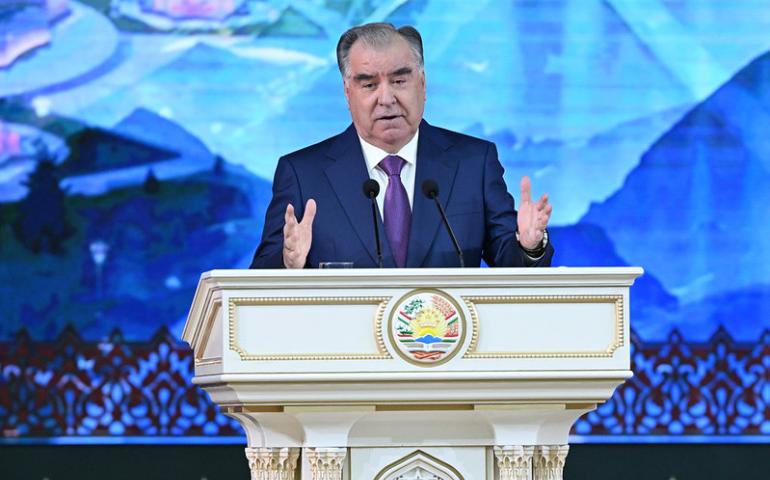
THE CONTRIBUTION OF SCIENCE TO THE IMPLEMENTATION OF THE INTERNATIONAL INITIATIVES OF THE REPUBLIC OF TAJIKISTAN
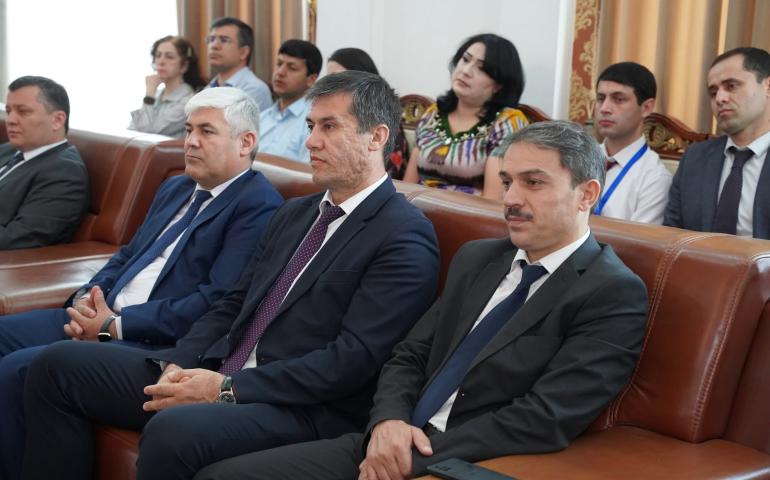
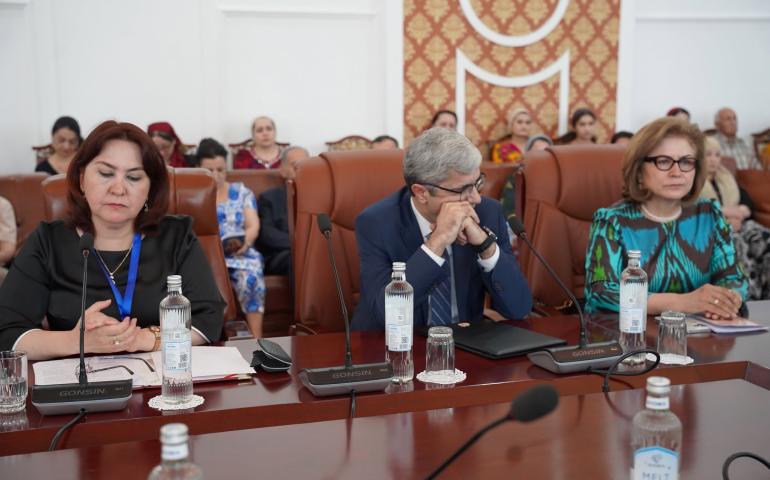
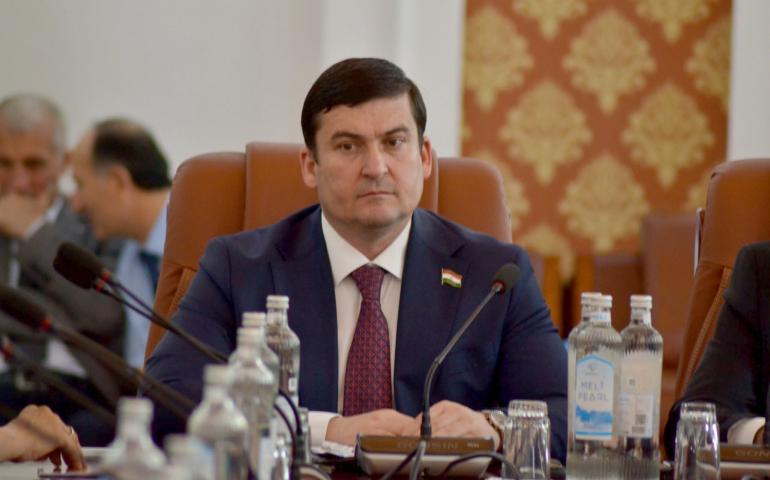
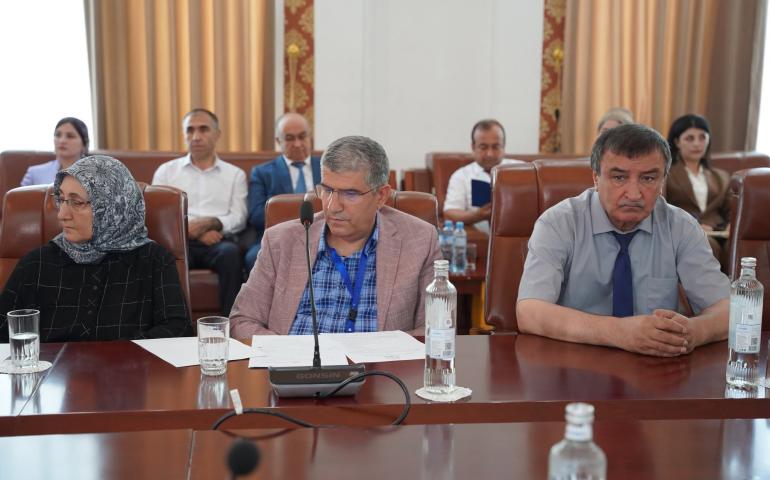
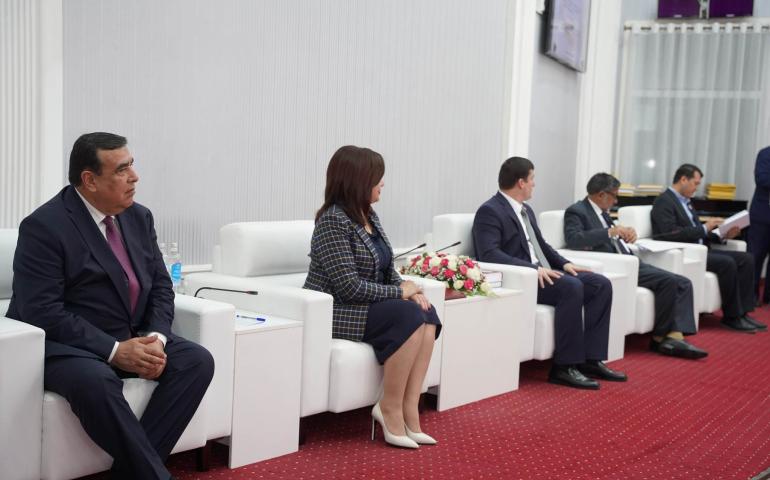
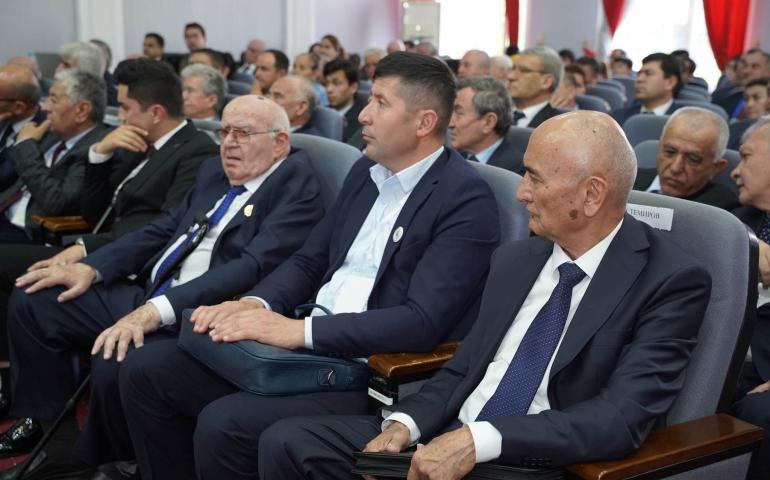
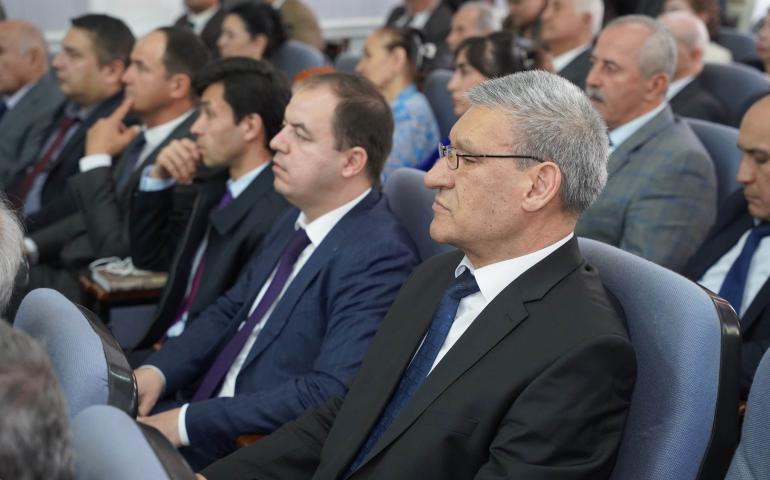
Today, on May 12, a scientific and theoretical conference entitled “The Contribution of Science to the Implementation of the International Initiatives of the Republic of Tajikistan” was held in the hall of the Presidium of the National Academy of Sciences of Tajikistan, dedicated to the Fourth High-Level International Conference on the International Decade for Action “Water for Sustainable Development, 2018–2028”.
In his opening remarks, the President of the National Academy of Sciences of Tajikistan, Academician Khushvakhtzoda Qobiljon Khushvakht, stated that the Founder of Peace and National Unity – Leader of the Nation, President of the Republic of Tajikistan, Honourable Emomali Rahmon, has been recognized internationally as an initiator of humanitarian and integrative ideas related to water, climate, and environmental protection issues.
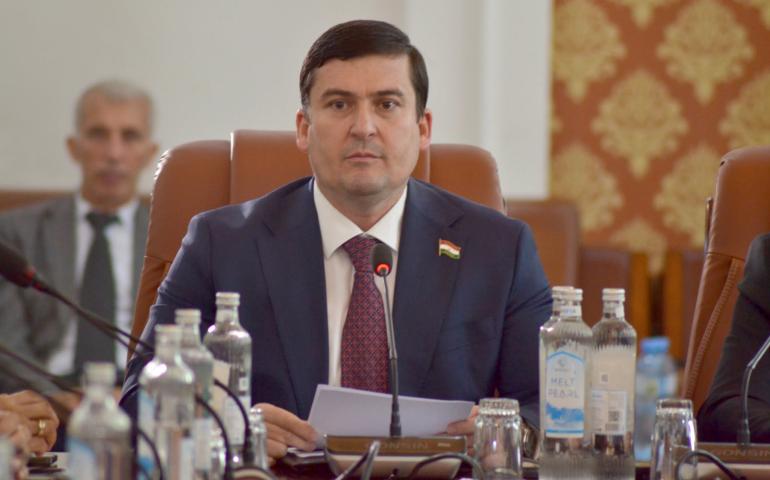
It was emphasized that since the early 2000s, the initiatives of the Leader of the Nation, Honourable Emomali Rahmon, entitled “International Year of Freshwater” (2003), “International Decade for Action ‘Water for Life’” (2005–2015), “International Year of Water Cooperation” (2013), “International Decade for Action ‘Water for Sustainable Development’” (2018–2028), “International Year of Glaciers’ Preservation” (2025), “Decade of Action for Cryospheric Sciences” (2025–2034), “Strengthening Cooperation on Water Resources and Climate Change for Sustainable Development in the Asia-Pacific Region” (2025), and “Preservation of Glaciers and the Cryosphere, Especially in Mountainous Regions” (2025) have all been endorsed by the international community.
It was noted that one of the unique initiatives of the Government of Tajikistan aimed at implementing the timely and significant initiatives of the Leader of the Nation, Honourable Emomali Rahmon, and creating a platform for political dialogue, partnership, and action in the field of water resources and sustainable development, is the Dushanbe Water Process. Within the framework of this process, the Government of the country, in cooperation with the United Nations, organizes high-level international conferences every two years to ensure the practical implementation of the key objectives of the International Decade for Action “Water for Sustainable Development, 2018–2028”.
It was mentioned that within the framework of the Dushanbe Water Process platform, three high-level international conferences (held in 2018, 2022, and 2024), as well as the United Nations Water Conference in 2023, have already taken place. Currently, preparations are underway in the country, particularly in the city of Dushanbe, for the Fourth High-Level International Conference, which will be held on May 25–28, 2026.
It was stated that within the framework of the first high-level international conference, which marked the beginning of the implementation of the goals of the International Decade for Action “Water for Sustainable Development, 2018–2028”, six side events were organized, creating favorable conditions for broad discussions on water-related issues and the priority themes of the conference. At the conclusion of the conference, three important and timely documents were adopted – the Co-Chairs’ Summary, the Final Declaration, and the Call for Action and Partnership. The Final Declaration of the first conference reflected important conclusions and recommendations and called upon member states and other stakeholders to invest in the water sector, strengthen the efficient use of water resources, eliminate inequalities in the sector, and ensure universal access to safe drinking water and sanitation.
It was also noted that the second high-level international conference was held under the title “Promoting Action and Partnership on Water Resources at the Local, National, Regional, and Global Levels” and created new opportunities and conditions for bringing together political leaders and sectoral experts in water resource management to discuss existing challenges and ways to address them. Its main objective was to identify key issues related to water resource management, develop strategies to improve access to drinking water, and strengthen cooperation among governments, organizations, stakeholders, and civil society to ensure sustainable development. Within its framework, ways to encourage public participation in decision-making processes at various levels were also discussed.
Continuing the conference, the Director of the Institute of Water Problems, Hydropower and Ecology of the National Academy of Sciences of Tajikistan, Gulahmadzoda Aminjon Abdujabbor, representatives of ministries and agencies, scientists, and researchers delivered reports on pressing issues related to the water sector, climate change, glacier preservation, and the role of science in implementing the international initiatives of the Republic of Tajikistan. They also exchanged views on ways to strengthen scientific cooperation and expand research in the field of sustainable development.
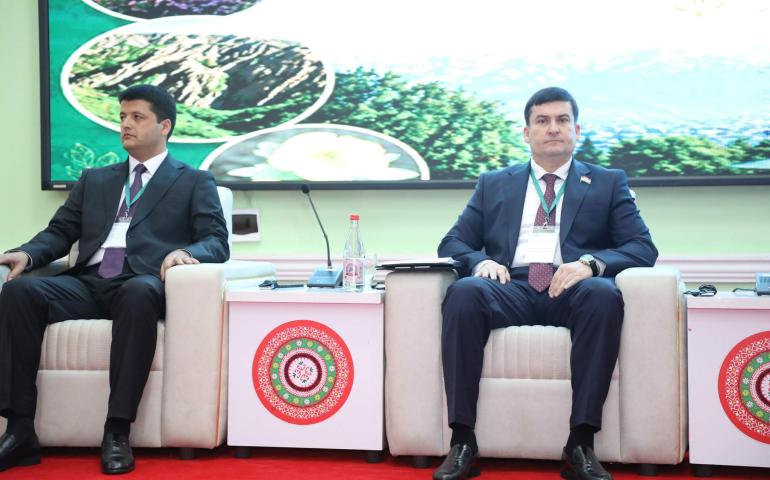
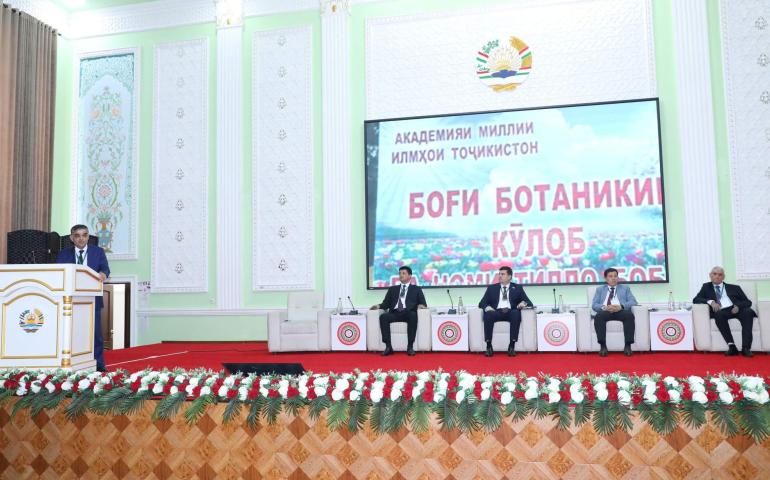
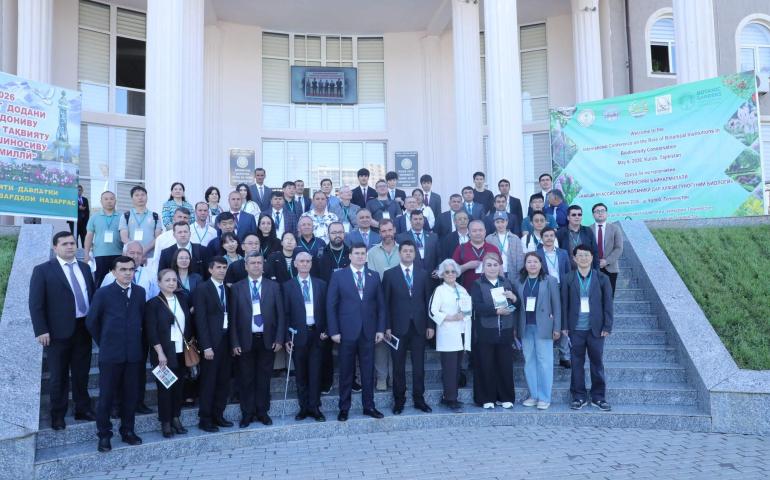
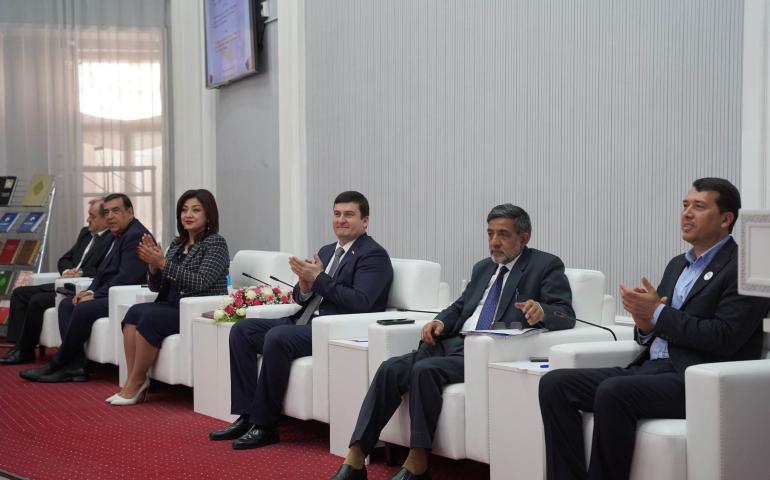
Today, on May 6 in the hall of Kulob State University named after Abuabdullohi Rudaki, at the initiative of the Khatlon Scientific Center of the National Academy of Sciences of Tajikistan, an international conference entitled “The Role of Botanical Institutions in the Conservation of Biodiversity” was held, dedicated to the 35th anniversary of the State Independence of the Republic of Tajikistan and the 40th anniversary of the Kulob Botanical Garden named after Tillo Boboev.
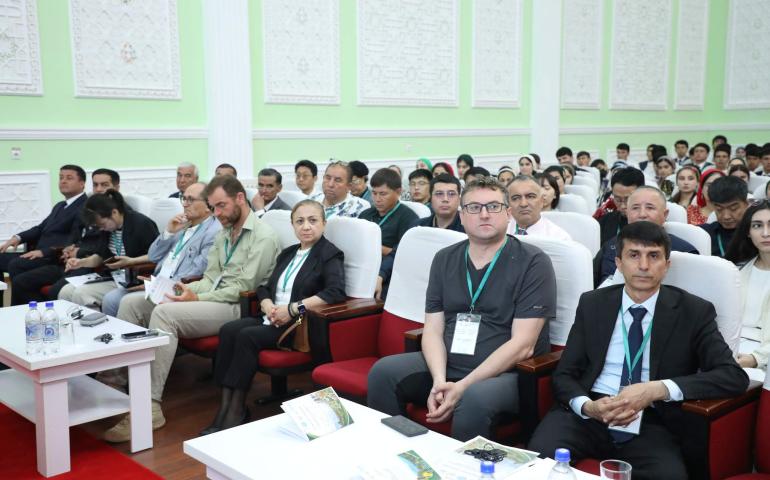
The conference was attended by the President of the National Academy of Sciences of Tajikistan, Academician Khushvakhtzoda Qobiljon Khushvakht, a representative of the executive body of state authority of the city of Kulob, the Vice-Rector for Academic Affairs of Kulob State University named after Abuabdullohi Rudaki, as well as scientists and researchers from within the country and abroad.
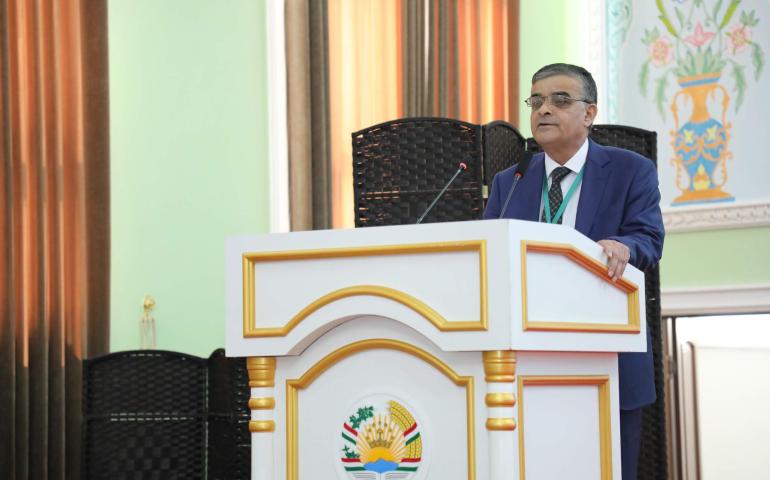
In his opening speech, the President of the National Academy of Sciences of Tajikistan, Academician Khushvakhtzoda Qobiljon Khushvakht, noted that in the context of climate change and the increasing impact of anthropogenic factors, the conservation and rational use of natural resources, including biodiversity, has become one of the key issues of modern science. It was emphasized that botanical institutions, as important scientific-theoretical and practical centers, play a significant role in the study, conservation, restoration, and enrichment of plant diversity.
It was noted that botanical gardens serve not only as scientific bases but also as educational and awareness centers for enhancing public knowledge and environmental awareness. In this regard, strengthening international cooperation, implementing modern technologies, and involving young specialists in scientific activities are considered priority areas.
It was stated that the state policy of the Republic of Tajikistan, under the leadership of the Founder of Peace and National Unity — Leader of the Nation, President of the Republic of Tajikistan, Honourable Emomali Rahmon, pays special attention to environmental protection and the sustainable use of natural resources, creating favorable conditions for the development of natural sciences and the expansion of scientific institutions.
Subsequently, Corresponding Member of the Academy of Sciences of the Republic of Tajikistan Saidov Abdusattor and other scientists and researchers, in their speeches, paid special attention to key issues in the development of botanical sciences and biodiversity conservation. It was noted that in-depth study of floristic resources, identification of rare and endangered species, as well as the development of effective mechanisms for their protection, are among the primary tasks of scientific institutions.
At the same time, participants emphasized that in the context of globalization and rapid climate change, the need to strengthen research activities, introduce innovative methods, and use modern technologies in environmental protection is steadily increasing. In this regard, the expansion of scientific cooperation with leading international centers and the implementation of joint programs for ecosystem conservation were recognized as important.
#Symposium. “THE SAMPLE OF TAJIK LITERATURE” – A HISTORICAL AND CULTURAL PHENOMENON IN THE CIVILIZATION OF THE PEOPLES OF CENTRAL ASIA
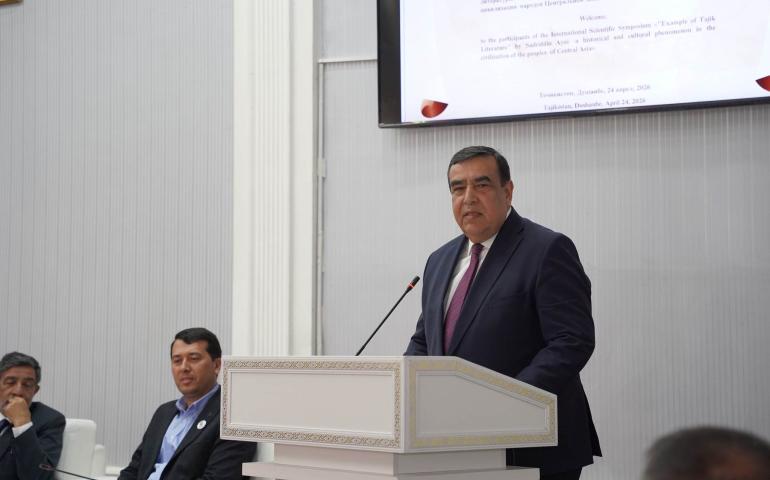
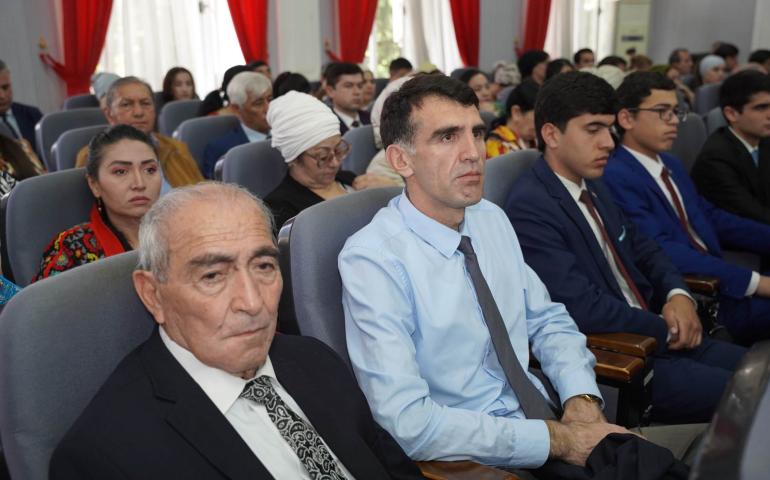
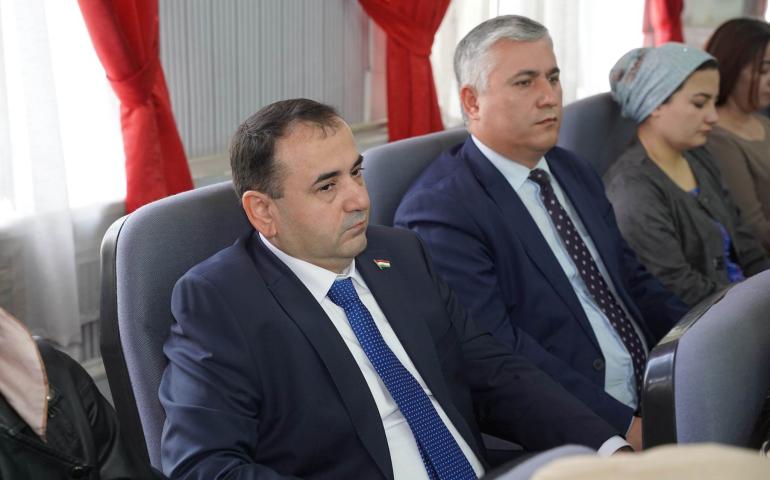
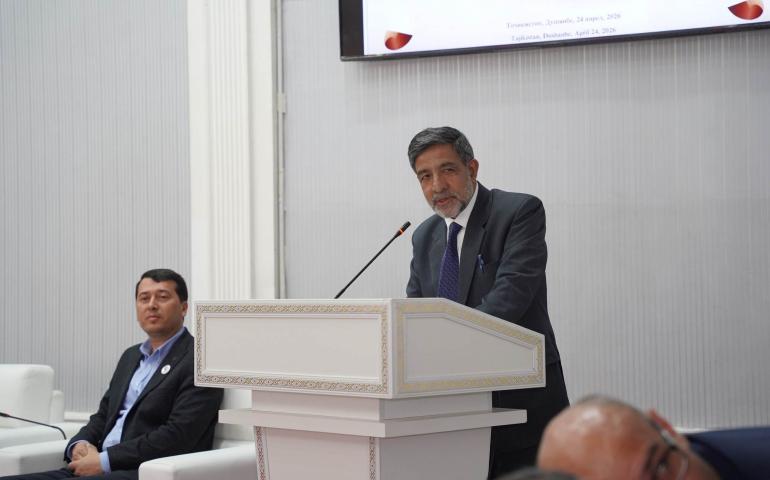
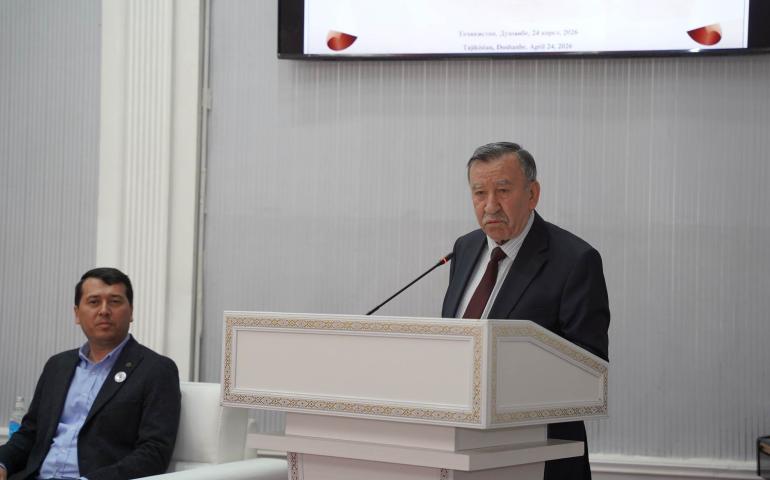
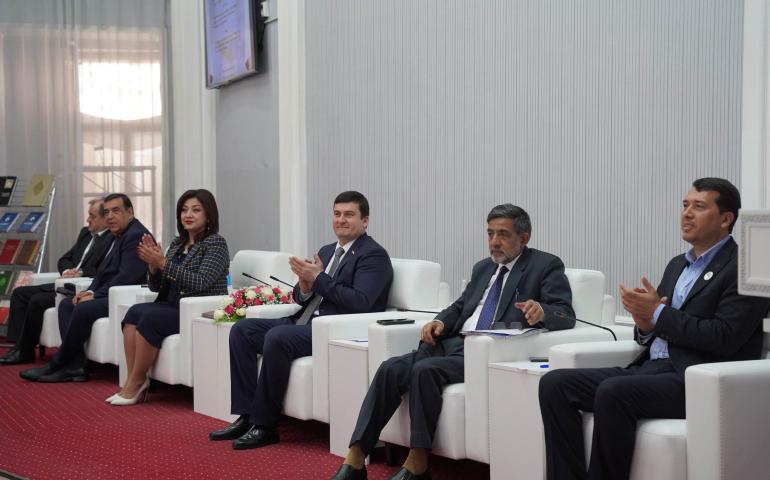
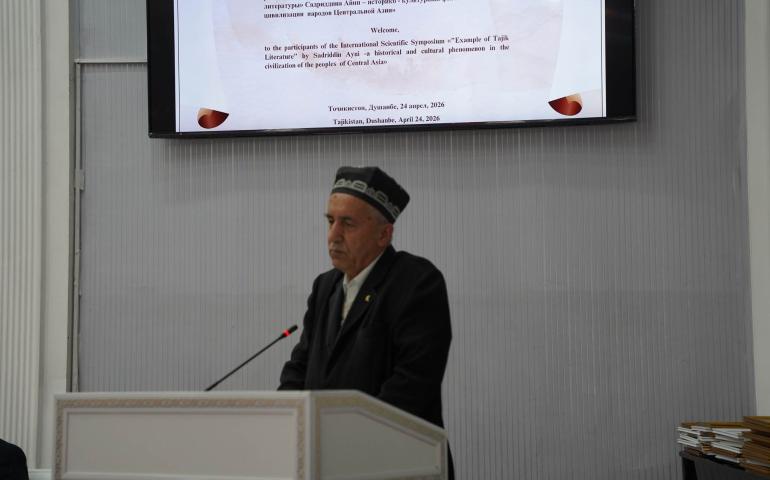
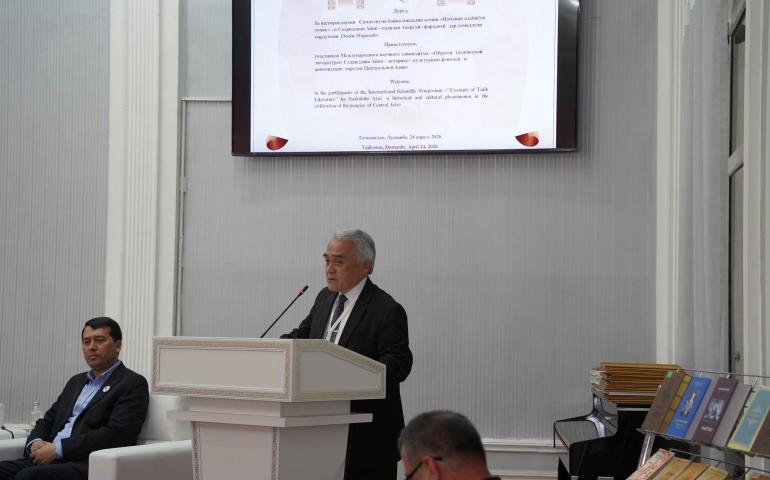
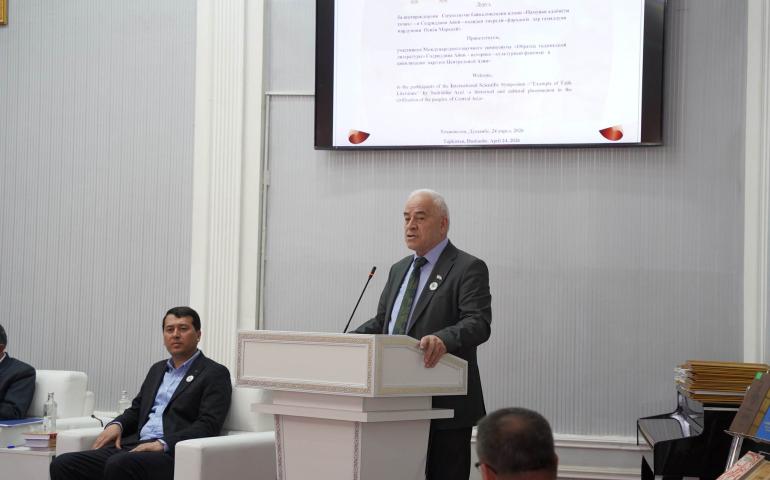
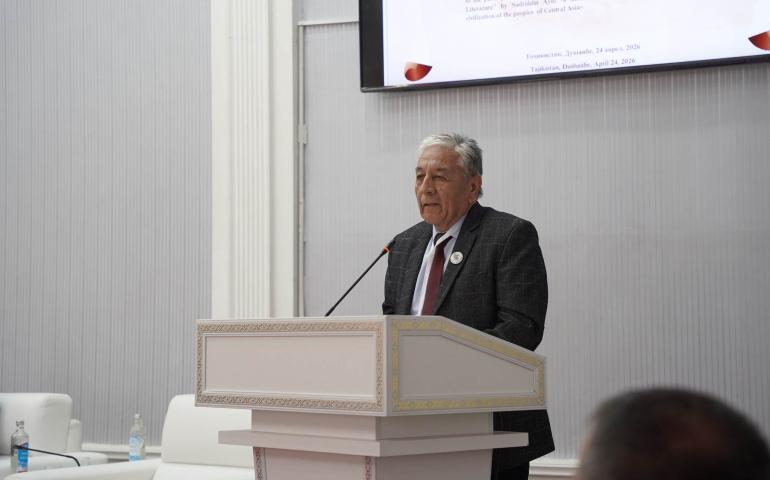
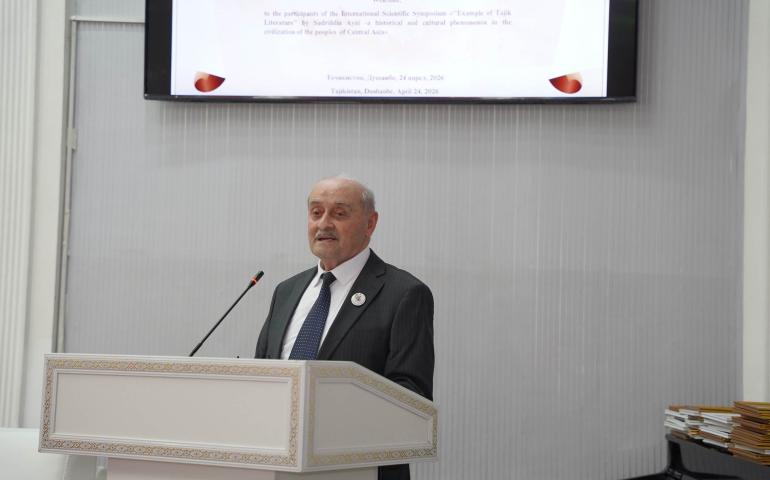
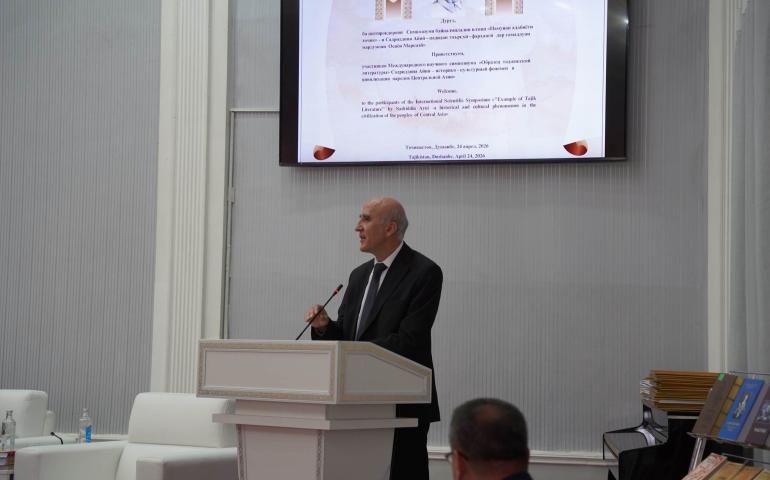
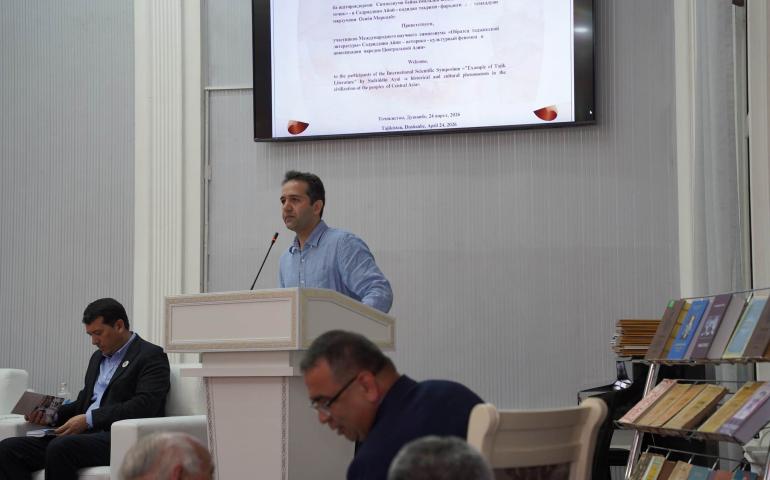
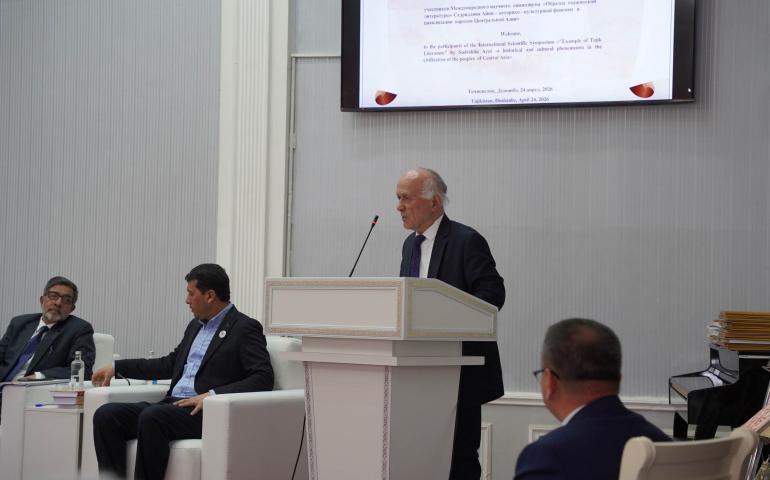
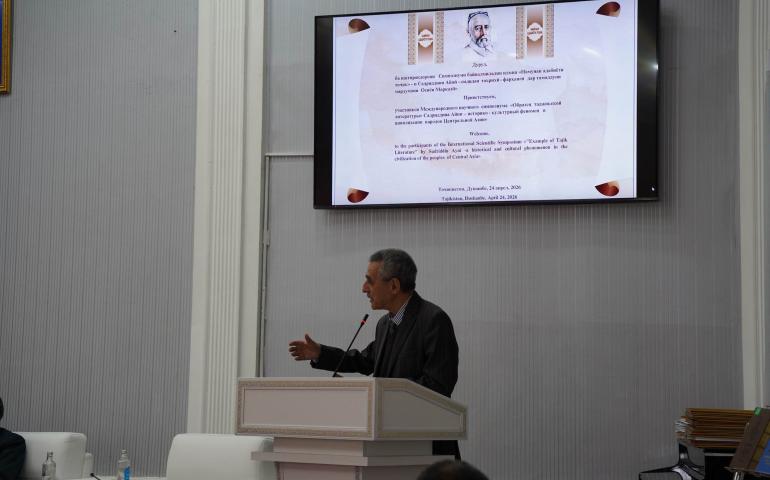
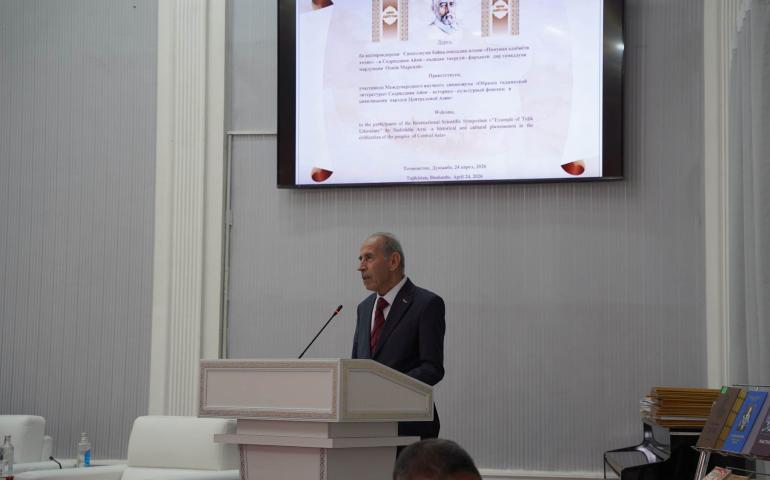
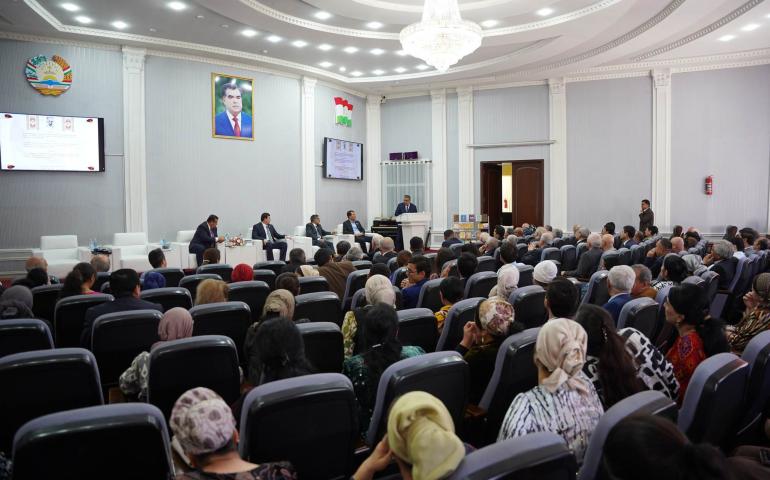
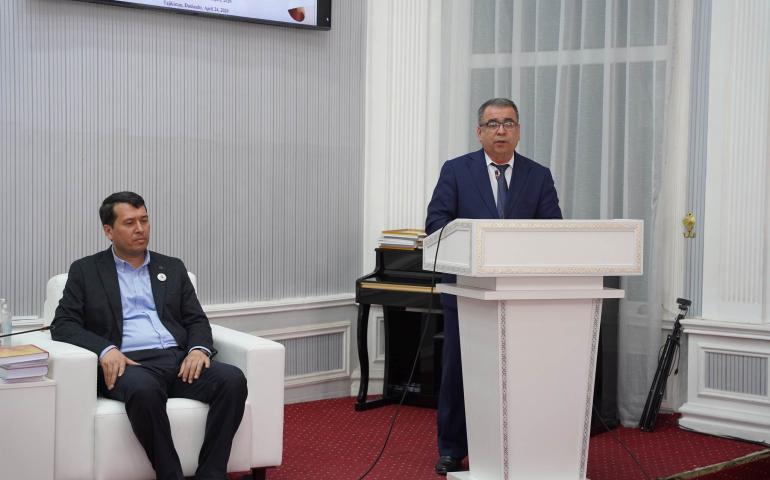
Today, April 24, the International Scientific Symposium titled “The Sample of Tajik Literature” – a historical and cultural phenomenon in the civilization of the peoples of Central Asia” was held in the hall of the Presidium of the National Academy of Sciences of Tajikistan. The event was dedicated to the 100th anniversary of the creation and publication of the historical-literary work “The Sample of Tajik Literature” by the founder of modern Tajik literature, Ustod Sadriddin Ayni.
At the symposium, the Deputy Prime Minister of the Republic of Tajikistan, Dilrabo Mansuri, delivered a speech emphasizing that this work, as a unique historical and cultural phenomenon, reflects the rich literary heritage of the Tajik people and has played a significant role in the development of national self-awareness and the strengthening of cultural identity. It was noted that “The Sample of Tajik Literature” is not only a collection of literary works but also an important scientific source for studying the history of literature, language, and culture of the peoples of Central Asia. The work was created under complex historical conditions and laid a solid foundation for the revival of national values and the presentation of Tajik literary heritage on the international stage.
The President of the National Academy of Sciences of Tajikistan, Academician Khushvakhtzoda Qobiljon Khushvakht, in his opening speech that Sadriddin Ayni’s work “The Sample of Tajik Literature” holds special significance as a valuable national heritage and a major scientific and cultural achievement, playing a key role in the formation and development of modern Tajik literature.It was emphasized that this work not only compiled the legacy of the ancestors but also served as a bridge between generations, making a significant contribution to preserving and presenting national values. It was also noted that comprehensive study and research of this work in modern conditions remain highly important and provide a solid basis for strengthening national self-awareness and expanding regional cultural relations.
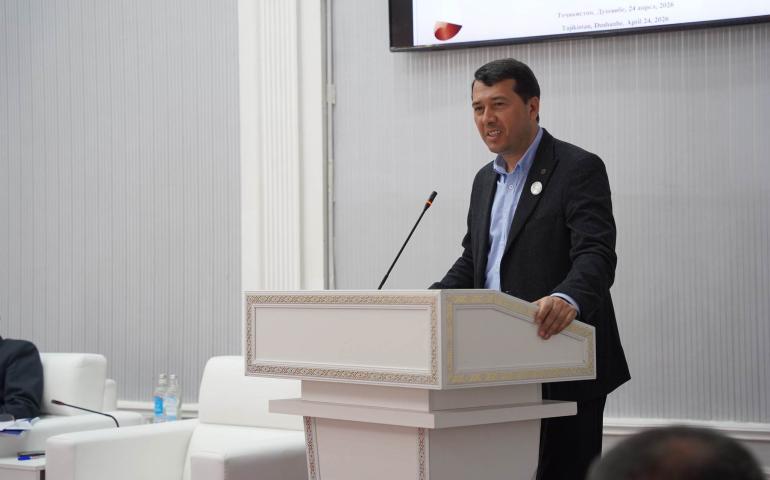
Subsequently, the Deputy Minister of Culture of the Republic of Tajikistan, Davlat Safar, Academician of the National Academy of Sciences of Tajikistan, Abdujabbor Rahmonzoda, along with other scholars and researchers from within the country and abroad, delivered insightful presentations on the historical, cultural, and scientific significance of “The Sample of Tajik Literature.”
It was noted that this work, as an important source for studying the history of Tajik literature and a factor in strengthening national identity, plays an effective role in the development of the spiritual culture of society. Participants also paid special attention to issues of further research on the literary heritage of ancestors, expansion of scientific cooperation, and promotion of Tajik cultural values at the international level.
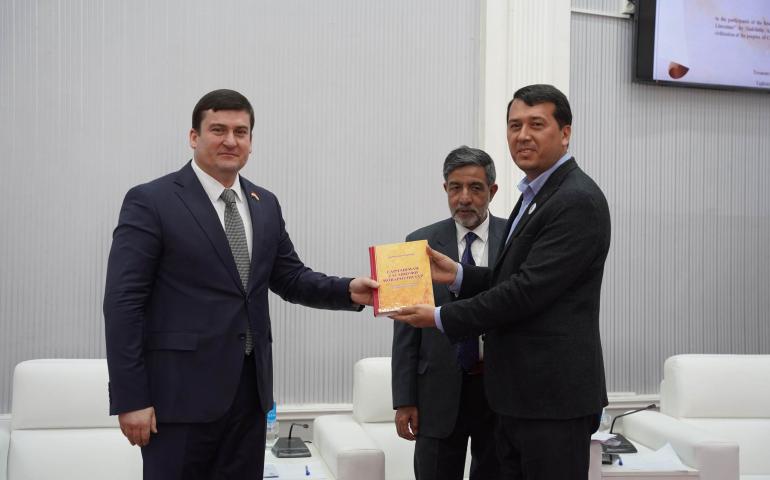
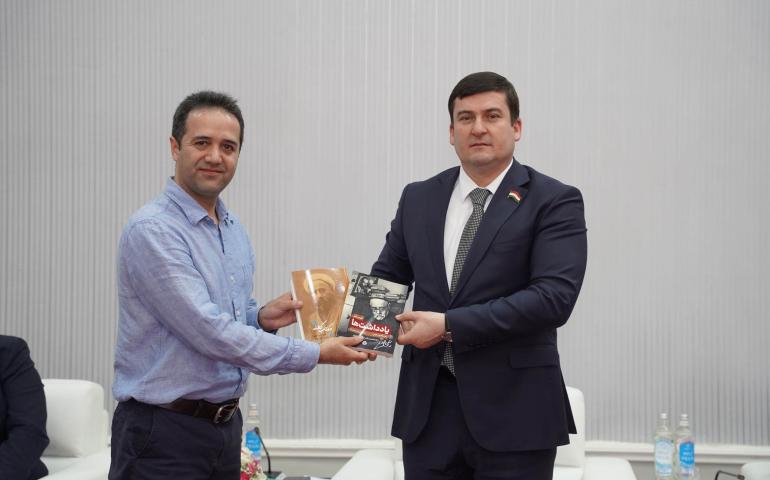
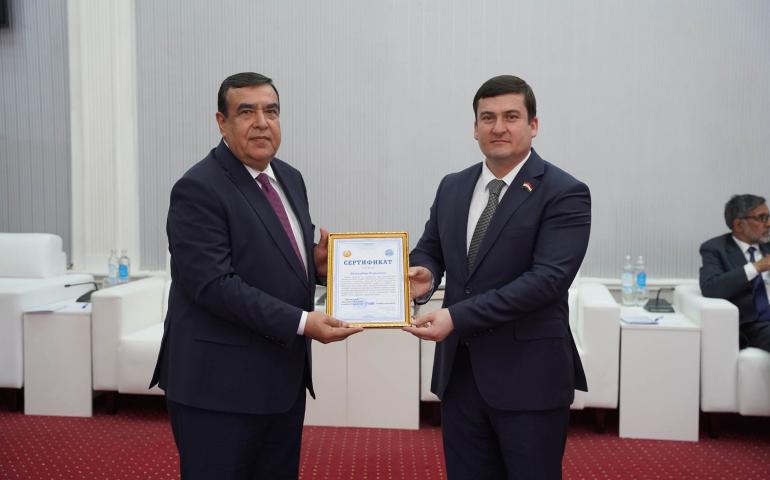
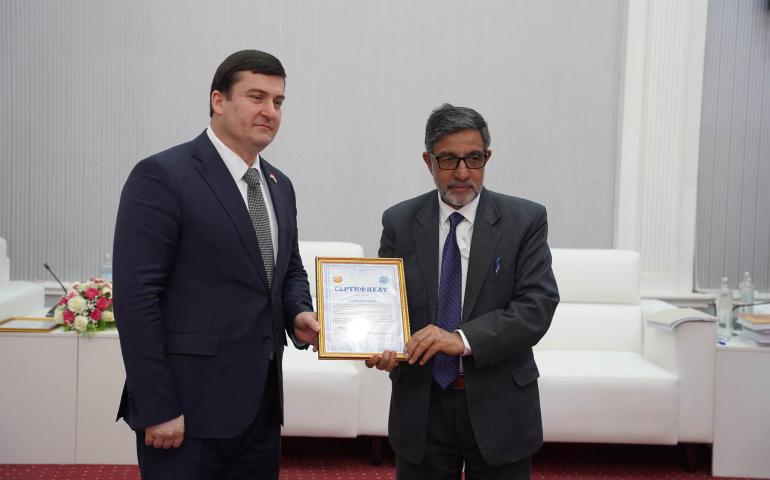
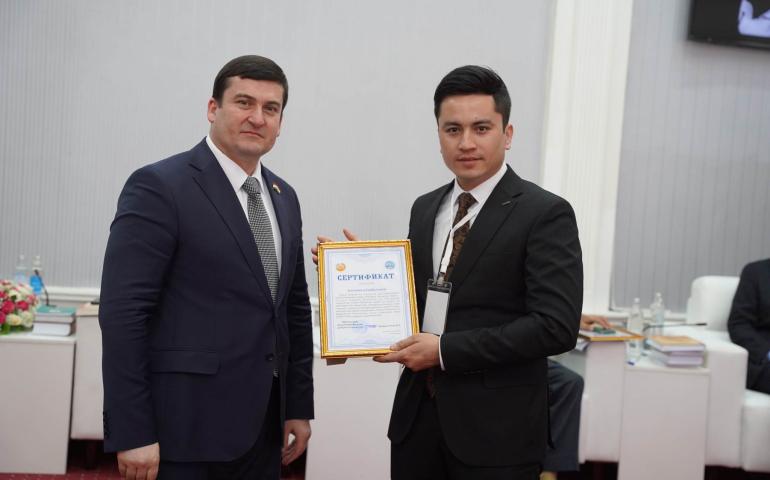
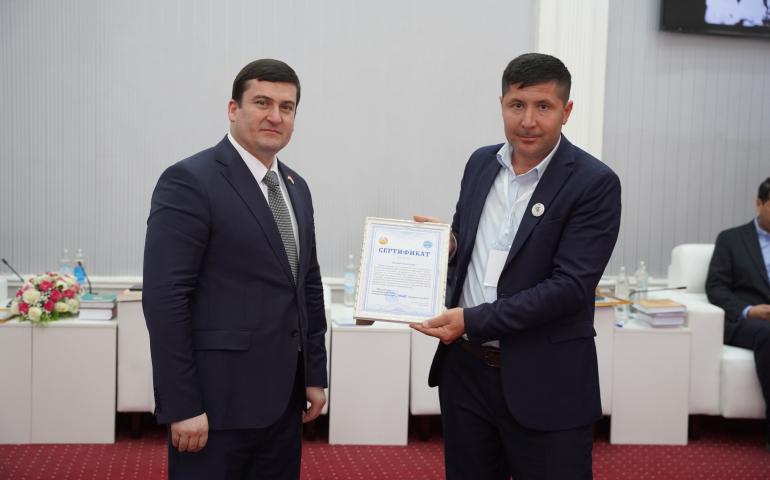
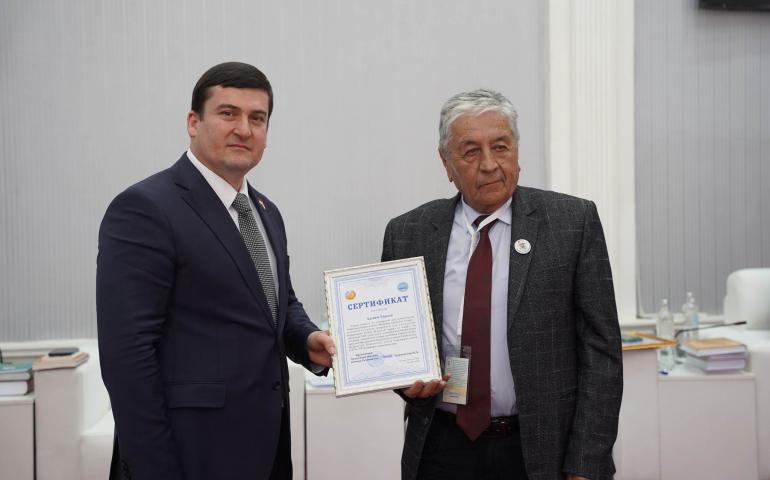
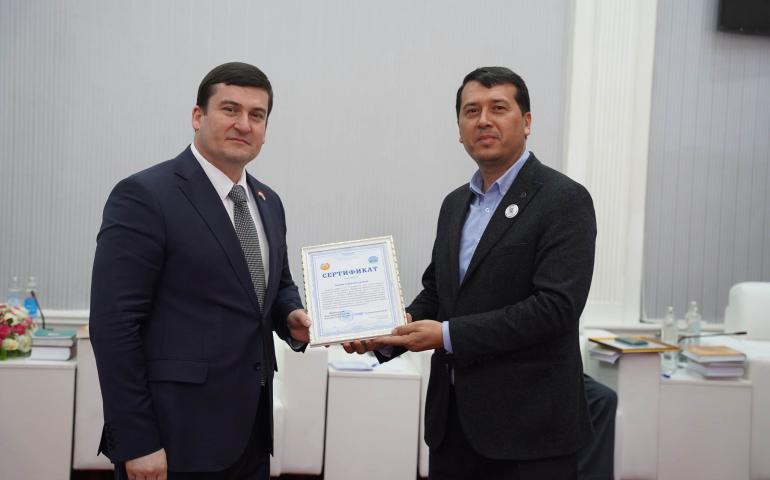
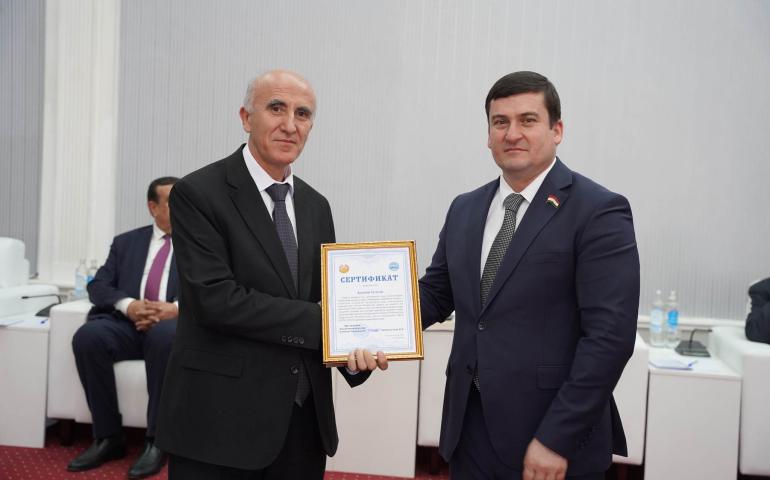
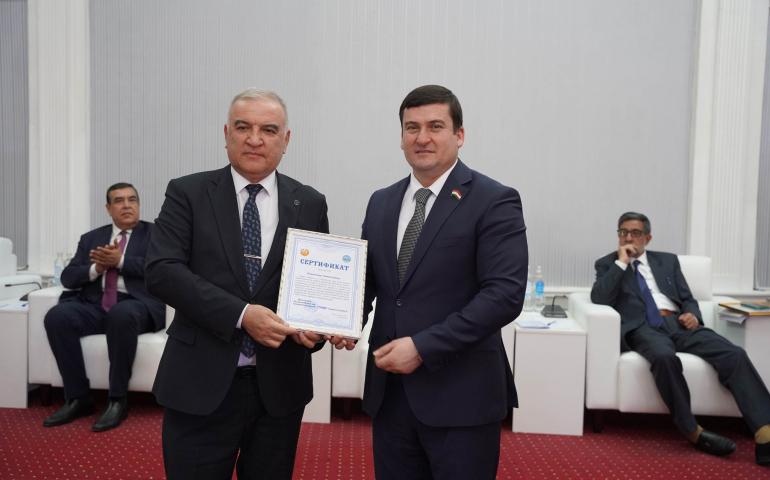
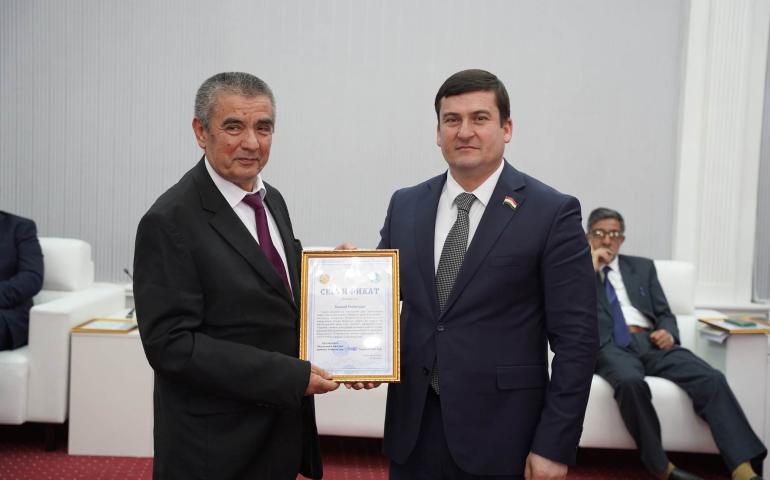
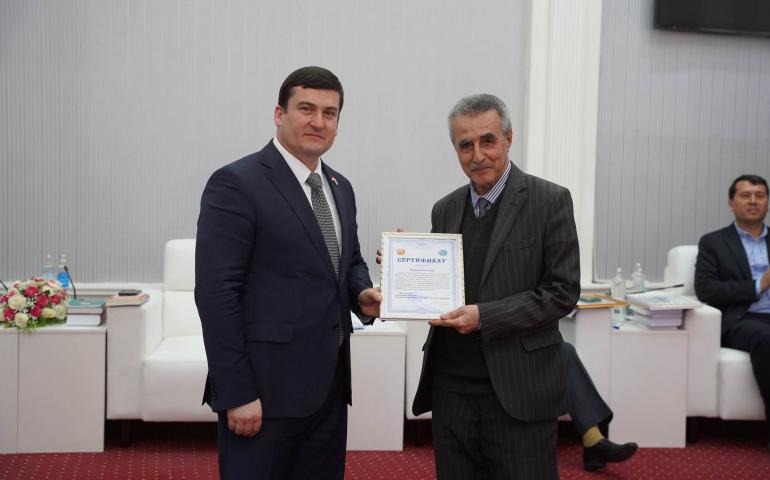
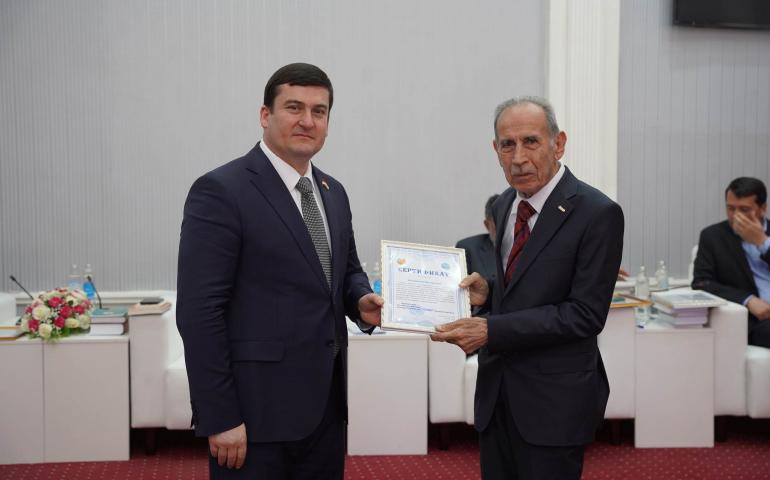
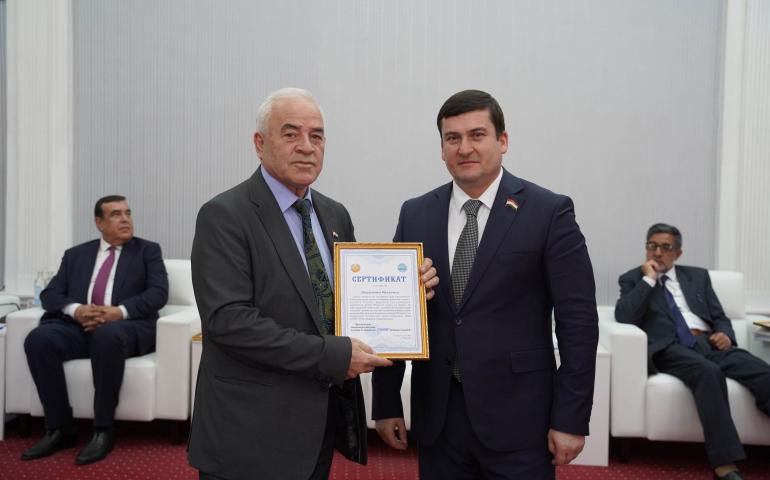
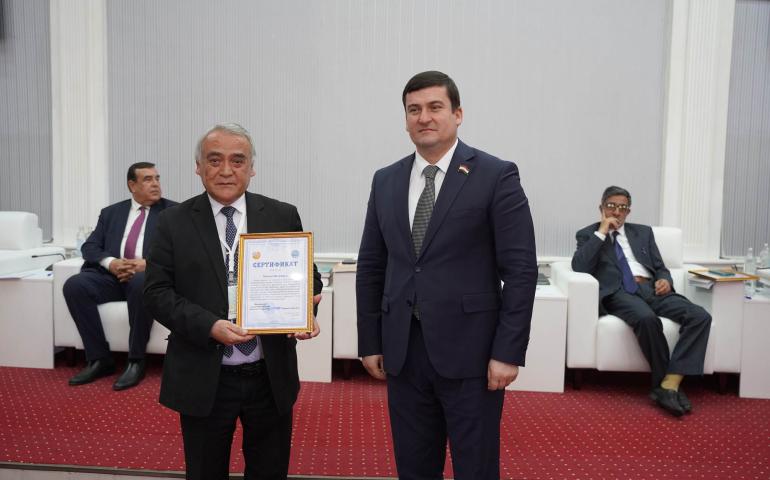
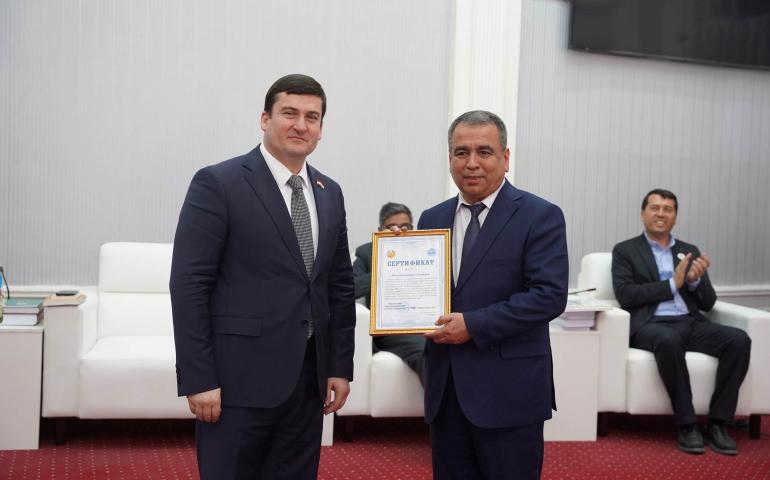
At the conclusion, a number of scholars and researchers who contributed to the organization of the symposium and presented scientific reports were awarded special certificates.
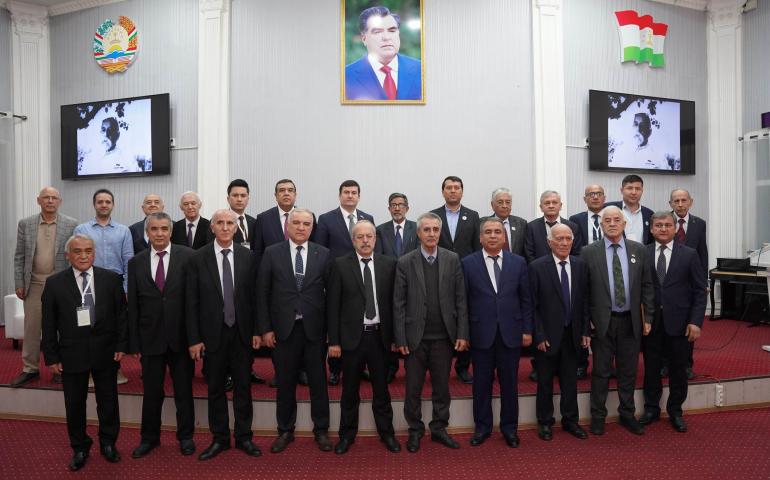
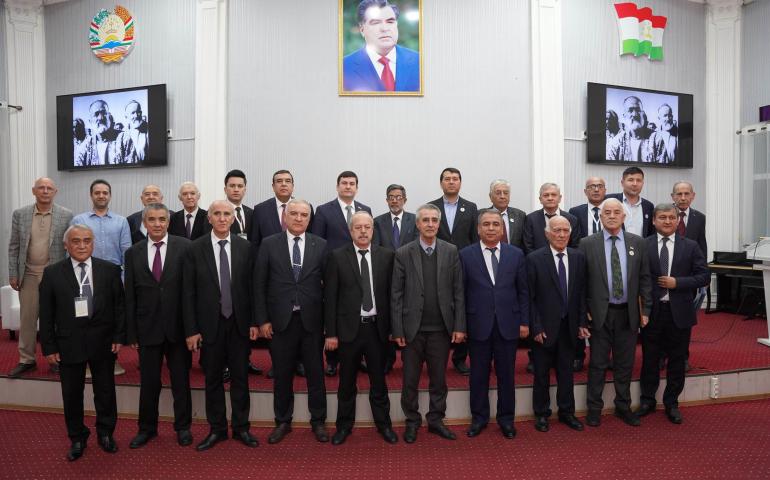
THE ROLE OF INTERNATIONAL VETERANS’ ORGANIZATIONS AND SCIENTIFIC-TECHNICAL ORGANIZATIONS FOR REGULATORY AUTHORITIES IN ENSURING NUCLEAR AND RADIATION SAFETY
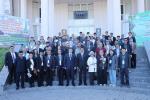
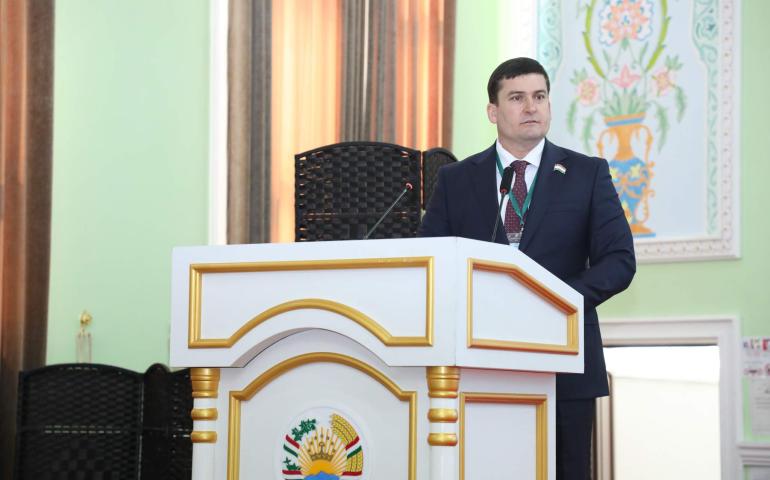
Today, April 15 an International scientific and practical conference on the topic “The role of international veterans’ organizations and scientific-technical organizations for regulatory authorities in ensuring nuclear and radiation safety” was held at the Regional Center for Safety, Security and Safeguards of Chemical, Biological, Radiological and Nuclear Safety of the Agency for Chemical, Biological, Radiological and Nuclear Safety of the National Academy of Sciences of Tajikistan.
The President of the National Academy of Sciences of Tajikistan, Academician Khushvakhtzoda Qobiljon Khushvakht, in his speech noted that today it can be stated with satisfaction that the scientific and technical potential of the National Academy of Sciences of Tajikistan and the Agency for Chemical, Biological, Radiological and Nuclear Safety makes it possible not only to solve national-level tasks, but also to make a significant contribution to the implementation of the regional agenda.
It was emphasized that with the support of the Government of the Republic of Tajikistan, the International Atomic Energy Agency (IAEA) and development partners, a technical services laboratory and a regional center for safety, security and safeguards have been established, which provide a favorable basis for improving safety levels and strengthening sectoral infrastructure.
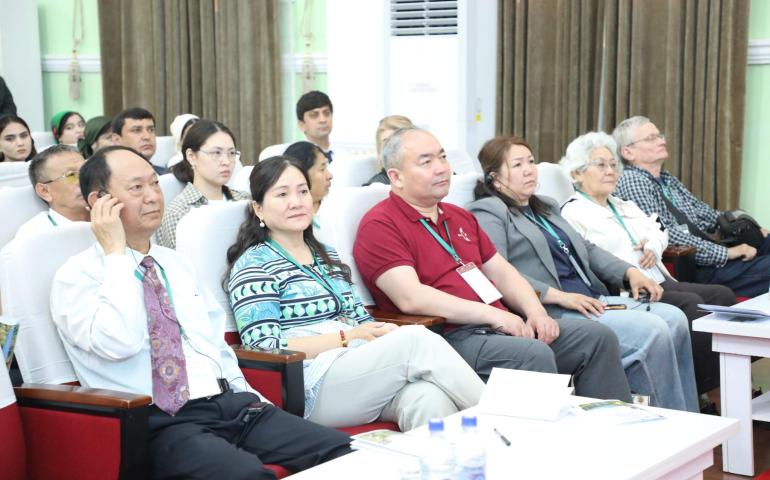
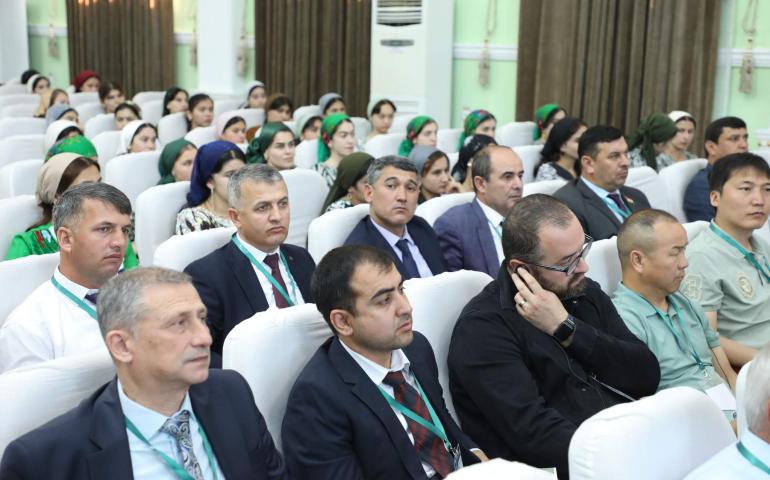
Further, other scientists and researchers from within the country and abroad delivered speeches, exchanging views on important issues of ensuring nuclear and radiation safety, the role of regulatory bodies, the use of advanced international experience and the implementation of the latest scientific research achievements.
The participants also emphasized the importance of strengthening scientific and technical cooperation, improving the training level of highly qualified personnel and expanding institutional relations to prevent potential risks and ensure sustainable safety.It should be noted that the event is attended by industry specialists from Tajikistan, Uzbekistan, Kazakhstan, Armenia, Belarus, Mongolia, Turkey, Austria, the Russian Federation, as well as international organizations such as the International Atomic Energy Agency, the World Association of Nuclear Operators, CIS base organizations for radioactive waste processing, and experts from regulatory authorities of other countries in the field of nuclear and radiation safety, both in person and online.
Within the framework of the conference, a number of researchers and industry specialists were awarded membership certificates of the International Association of Veterans of Energy and Nuclear Industry (MSVAEP), and were also honored with medals and other sectoral veteran awards for their significant contribution to the development of the nuclear and radiation safety system.
THE ROLE OF INTERNATIONAL VETERANS’ ORGANIZATIONS AND SCIENTIFIC-TECHNICAL ORGANIZATIONS FOR REGULATORY AUTHORITIES IN ENSURING NUCLEAR AND RADIATION SAFETY
Today, April 15 an International scientific and practical conference on the topic “The role of international veterans’ organizations and scientific-technical organizations for regulatory authorities in ensuring nuclear and radiation safety” was held at the Regional Center for Safety, Security and Safeguards of Chemical, Biological, Radiological and Nuclear Safety of the Agency for Chemical, Biological, Radiological and Nuclear Safety of the National Academy of Sciences of Tajikistan.
The President of the National Academy of Sciences of Tajikistan, Academician Khushvakhtzoda Qobiljon Khushvakht, in his speech noted that today it can be stated with satisfaction that the scientific and technical potential of the National Academy of Sciences of Tajikistan and the Agency for Chemical, Biological, Radiological and Nuclear Safety makes it possible not only to solve national-level tasks, but also to make a significant contribution to the implementation of the regional agenda.
It was emphasized that with the support of the Government of the Republic of Tajikistan, the International Atomic Energy Agency (IAEA) and development partners, a technical services laboratory and a regional center for safety, security and safeguards have been established, which provide a favorable basis for improving safety levels and strengthening sectoral infrastructure.
Further, other scientists and researchers from within the country and abroad delivered speeches, exchanging views on important issues of ensuring nuclear and radiation safety, the role of regulatory bodies, the use of advanced international experience and the implementation of the latest scientific research achievements.
The participants also emphasized the importance of strengthening scientific and technical cooperation, improving the training level of highly qualified personnel and expanding institutional relations to prevent potential risks and ensure sustainable safety.It should be noted that the event is attended by industry specialists from Tajikistan, Uzbekistan, Kazakhstan, Armenia, Belarus, Mongolia, Turkey, Austria, the Russian Federation, as well as international organizations such as the International Atomic Energy Agency, the World Association of Nuclear Operators, CIS base organizations for radioactive waste processing, and experts from regulatory authorities of other countries in the field of nuclear and radiation safety, both in person and online.
Within the framework of the conference, a number of researchers and industry specialists were awarded membership certificates of the International Association of Veterans of Energy and Nuclear Industry (MSVAEP), and were also honored with medals and other sectoral veteran awards for their significant contribution to the development of the nuclear and radiation safety system.
COMMISSIONING OF THE LABORATORY FOR RESEARCH ON TECHNOGENIC TRANSFORMATION OF THE GEOLOGICAL
Today, April 14, at the Regional Center for Safety, Security and Safeguards in Chemical, Biological, Radiological and Nuclear Safety of the Agency for Chemical, Biological, Radiological and Nuclear Safety of the Academy of Sciences of the Republic of Tajikistan, the Laboratory for Research on Technogenic Transformation of the Geological Environment, Radiation Monitoring and Nuclear Safety was put into operation.
The opening ceremony was attended by the President of the Academy of Sciences of the Republic of Tajikistan, Academician Khushvakhtzoda Qobiljon Khushvakht, the Rector of the Belarusian National Technical University, Sergey Vasilevich Kharitonchik, and other staff members.
It was noted during the opening that the establishment of this laboratory was implemented within the framework of an agreement between the Belarusian National Technical University and the Agency for Chemical, Biological, Radiological and Nuclear Safety of the Academy of Sciences of the Republic of Tajikistan.
It was reported that its activities are aimed at conducting fundamental and applied research, including the development of technologies for extracting rare earth element compounds from industrial phosphogypsum waste and uranium production waste, assessing the risks of technogenic accidents in waste dumps and storage facilities, developing geological and information models of technogenically burdened areas, conducting computational and experimental research in the field of nuclear and radiation safety, as well as developing technical regulatory legal documents in this field.
It is noted that the new laboratory will operate at two scientific and educational sites: at the Regional Center for Safety, Security and Safeguards in Chemical, Biological, Radiological and Nuclear Safety under the Agency in the city of Dushanbe, and at the Faculty of Mining and Engineering Ecology of the Belarusian National Technical University in the city of Minsk.
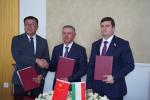
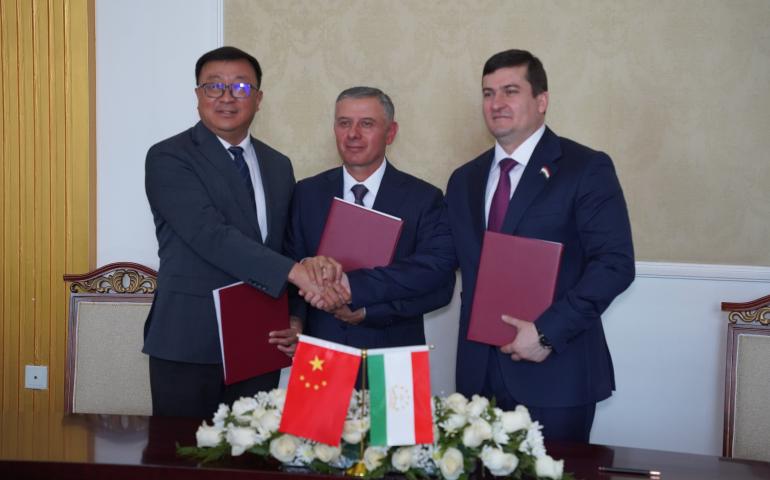
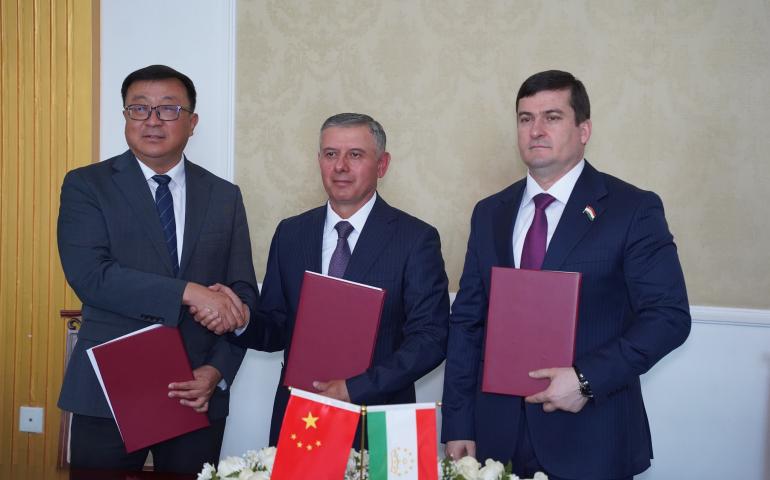
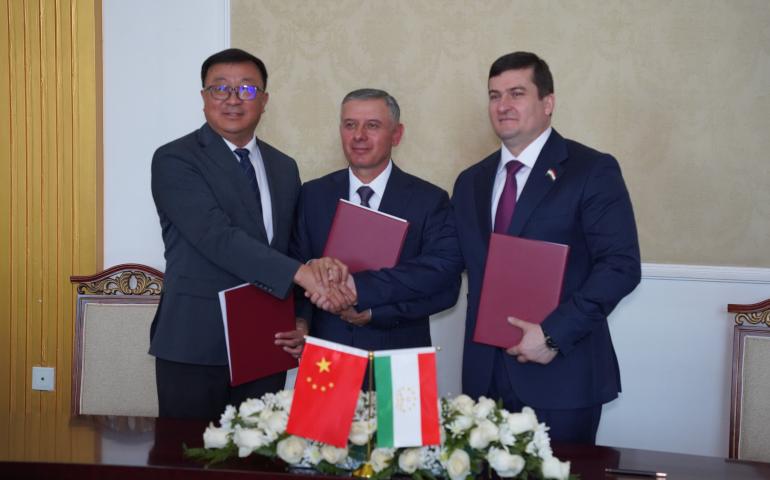
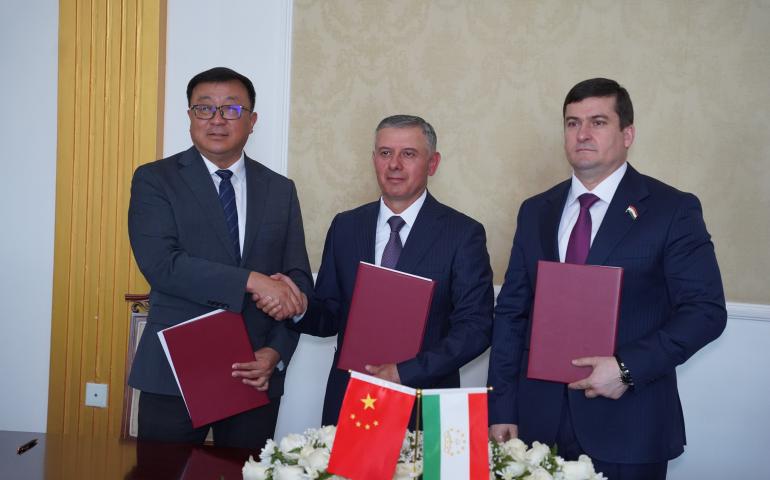
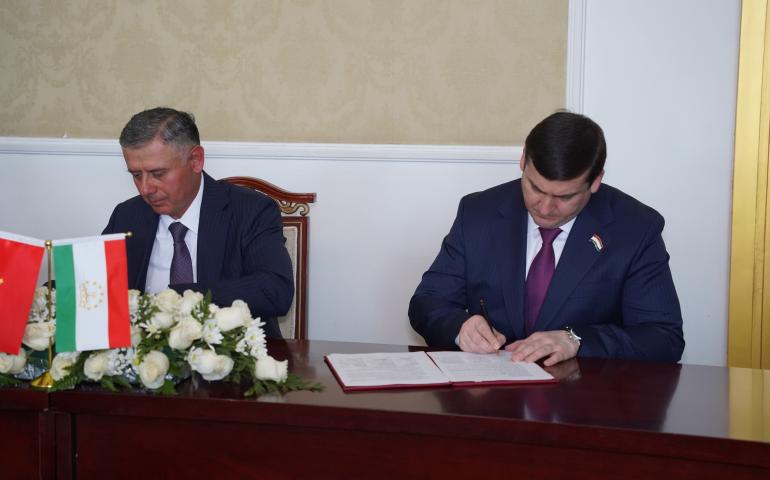
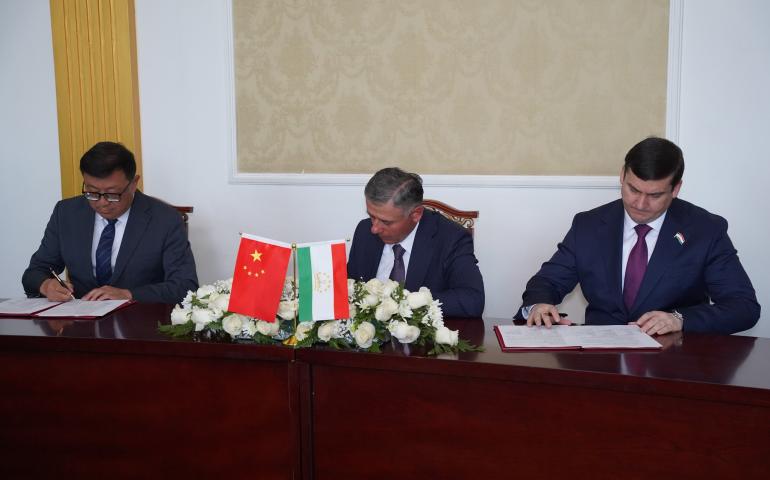
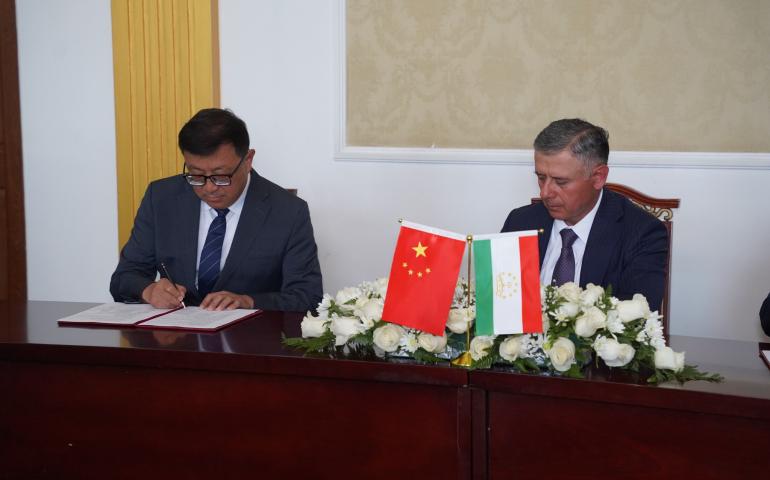
Subsequently, an agreement on the establishment and operation of a joint scientific laboratory between the Agency for Chemical, Biological, Radiological and Nuclear Safety of the Academy of Sciences of the Republic of Tajikistan and the Belarusian National Technical University was signed.
COMPLETION OF THE MAJOR RENOVATION OF THE FOLKLORE FUND AT THE ABUABDULLOH RUDAKI INSTITUTE OF LANGUAGE AND LITERATURE OF THE NATIONAL ACADEMY OF SCIENCES OF TAJIKISTAN
Today, April 13 on the occasion of the 35th anniversary of the State Independence of the Republic of Tajikistan, the Folklore Collection of the Abuabdulloh Rudaki Institute of Language and Literature of the National Academy of Sciences of Tajikistan was reopened after a long period of major renovation, with the participation of the President of the National Academy of Sciences of Tajikistan, Academician Khushvakhtzoda Qobiljon Khushvakht, as well as other scholars and staff.
During the opening, it was reported that the collection contains rare folklore materials, including manuscripts, audio recordings, oral texts, samples of oral creativity, and other valuable cultural heritage of the Tajik people. The major renovation was carried out to ensure preservation, proper storage, and better presentation of the national intangible heritage, as well as to provide favorable scientific conditions for researchers and scholars.
It was emphasized that the restoration and commissioning of such collections are of particular importance for the study, collection, and research of Tajik folklore, and play a significant role in strengthening national identity and preserving cultural values.
It was noted that within the framework of the renovation, storage conditions were brought in line with modern requirements, including the creation of specialized rooms equipped with necessary facilities such as temperature and humidity control systems, special shelving for document storage, as well as conditions for digitization and scientific processing of materials. This initiative will enable not only the preservation of rare folklore materials but also their wide use in research activities.
It was also highlighted that the reopening of the renovated collection provides new research opportunities for scholars, master’s students, and doctoral candidates, creating a solid foundation for conducting research, preparing dissertations, and publishing scientific works.
INSTALLATION OF SOLAR PANELS IN THE BUILDING OF THE REGIONAL CENTER FOR SAFETY, SECURITY AND SAFEGUARDS IN THE FIELD OF CHEMICAL, BIOLOGICAL, RADIATION AND NUCLEAR SAFETY
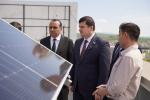
Today, April 10, the President of the National Academy of Sciences of the Republic of Tajikistan, Academician Khushvakhtzoda Qobiljon Khushvakht, together with a group of scientists and staff, visited the site of solar panel installation in the building of the Regional Center for Safety, Security and Safeguards in the field of chemical, biological, radiation and nuclear safety of the Agency for Chemical, Biological, Radiation and Nuclear Safety of the National Academy of Sciences of the Republic of Tajikistan and became fully acquainted with the operation of the solar panels.
It was noted that, in order to implement the Strategy of the Government of the Republic of Tajikistan in the field of introducing and developing a “green” economy, the staff of the National Academy of Sciences of the Republic of Tajikistan have organized scientific research activities. In this context, employees of the S.U. Umarov Institute of Physics and Technology of the Academy are developing and preparing solar panels that contribute to the advancement of renewable energy sources.
It was emphasized that the installation of such modern equipment creates opportunities to supply the institution with clean and environmentally friendly electricity, while also increasing the efficiency of energy resource utilization. This initiative can also serve as an example of best practice for the implementation of “green” technologies in other scientific institutions and various sectors of the national economy.
It was also noted that, by the Executive Authority of the city of Dushanbe, in order to save electricity, in the future, in accordance with the instruction of the Chairman of the city of Dushanbe, esteemed Rustam Emomali, solar panels must be installed in all newly constructed multi-storey residential buildings, higher education institutions, and educational facilities. In this regard, scientific staff of the National Academy of Sciences have organized the construction, commissioning, and installation of solar panels.