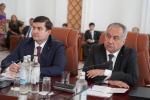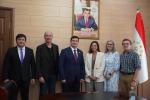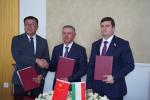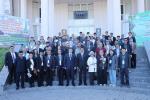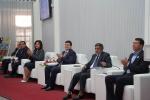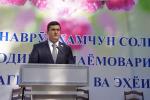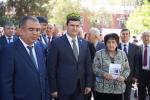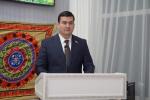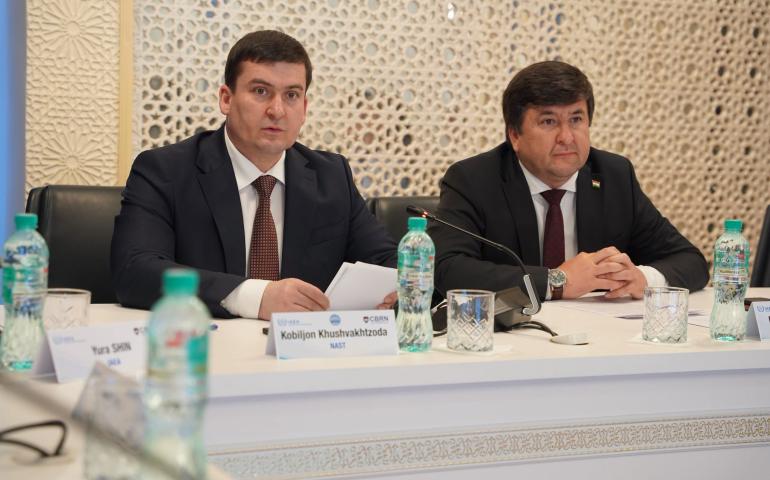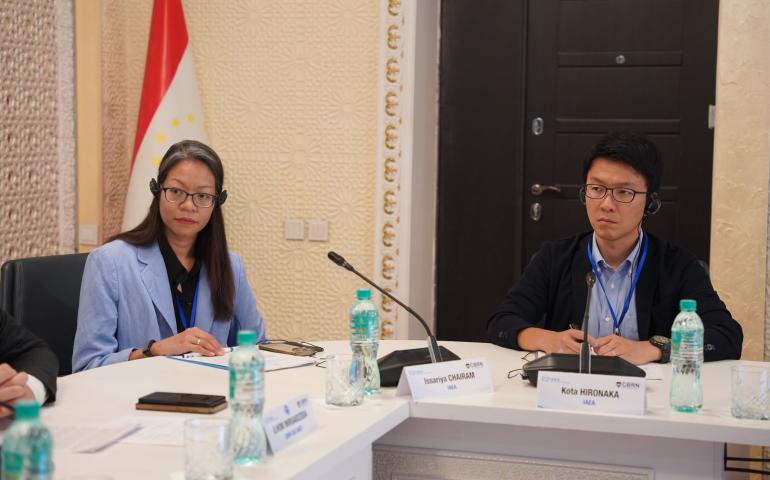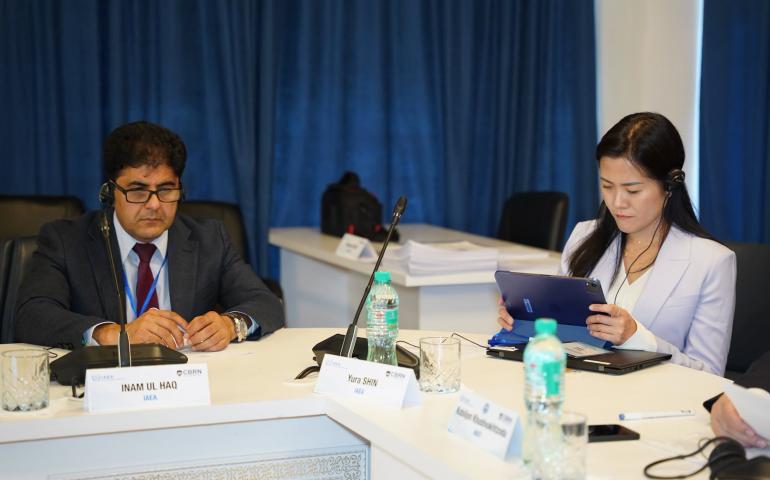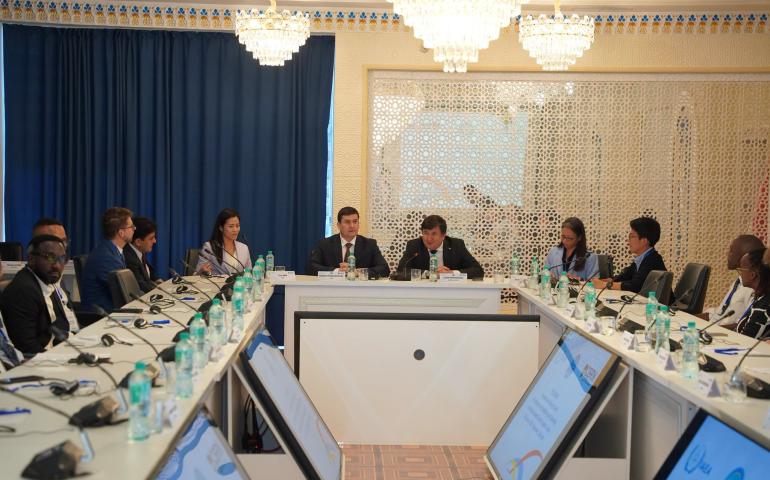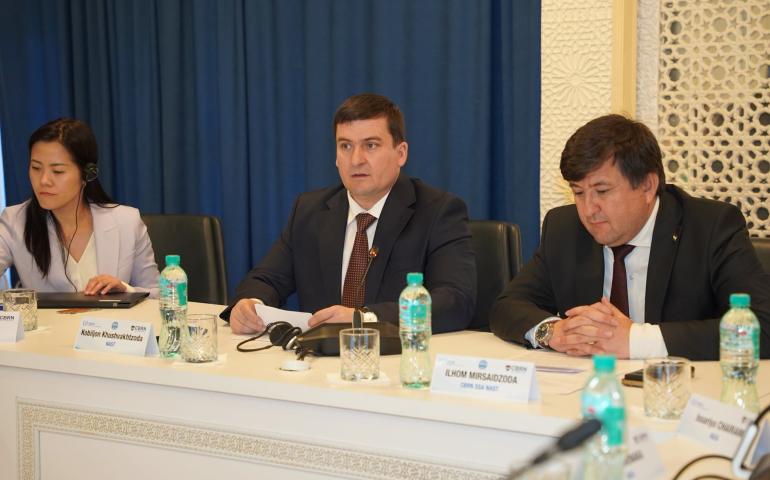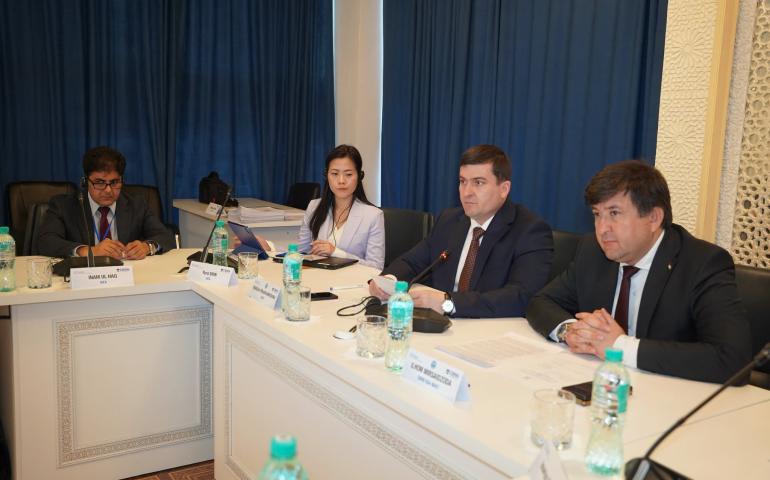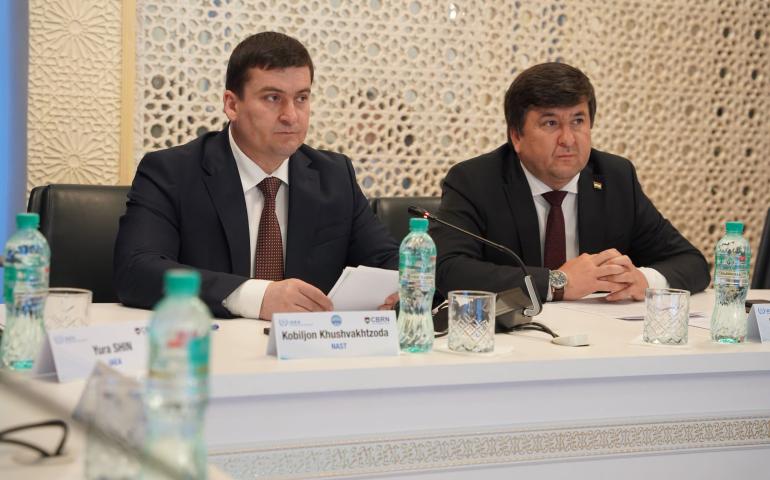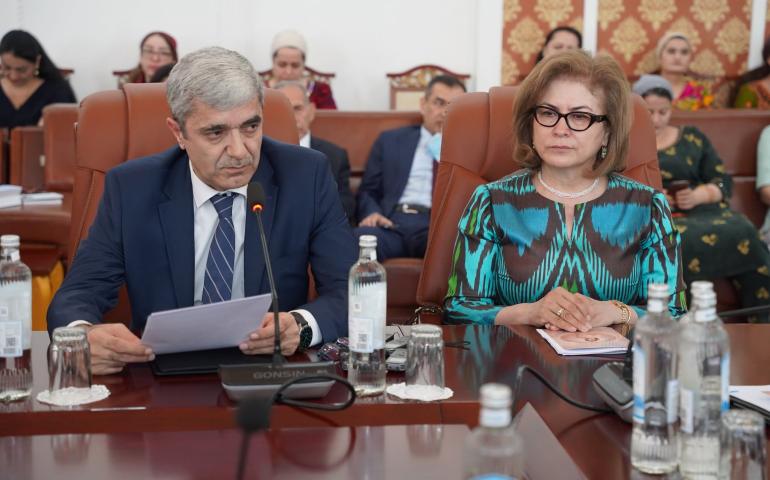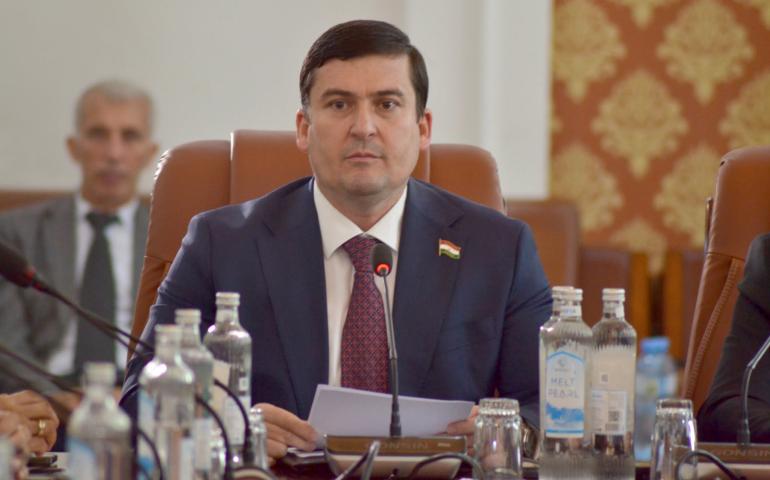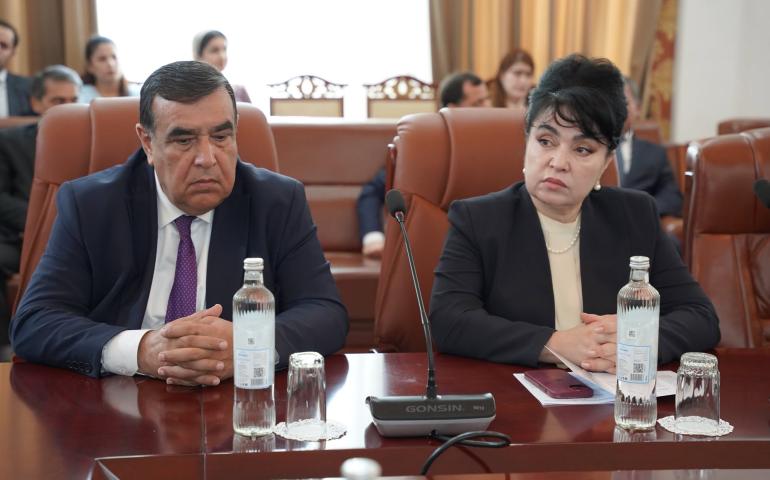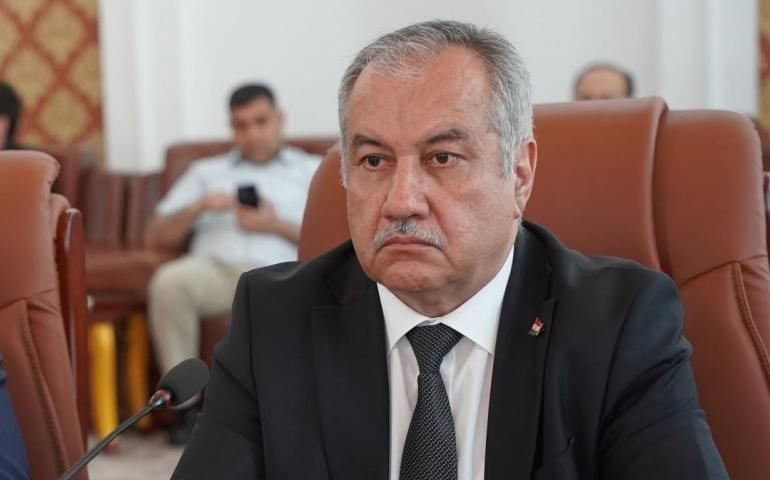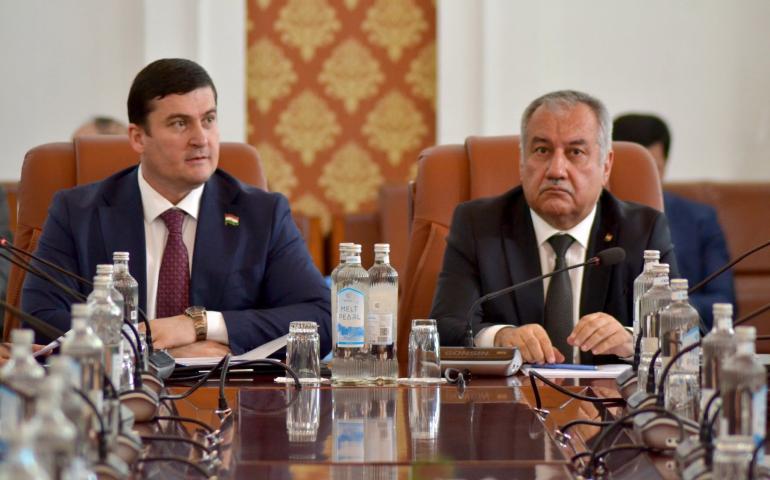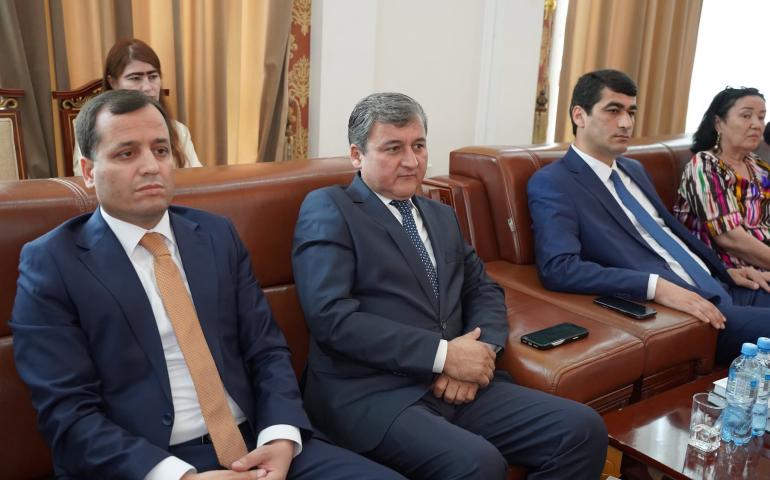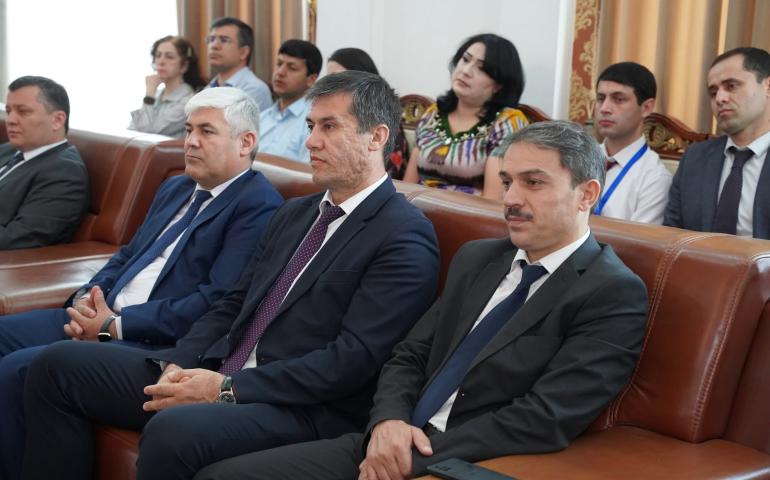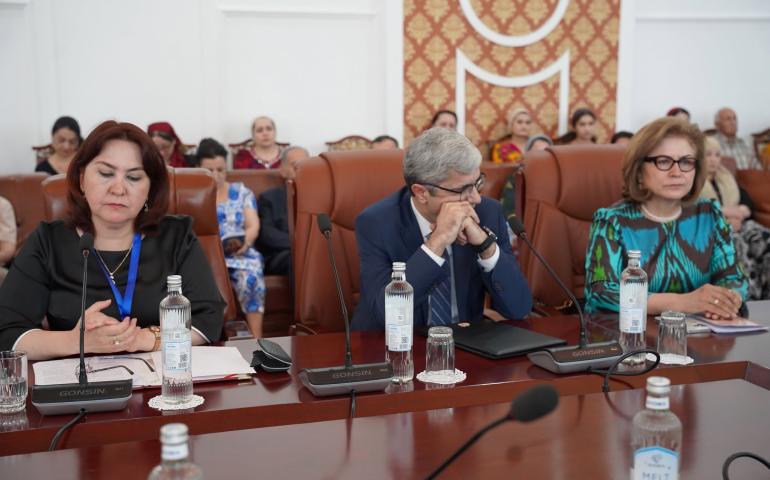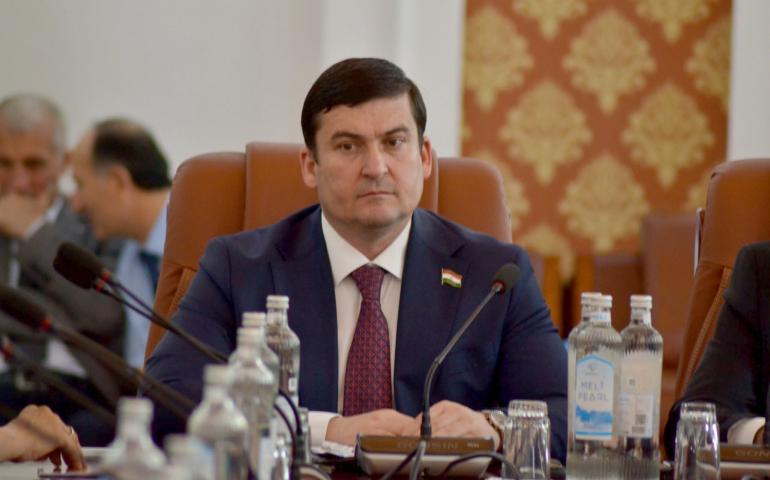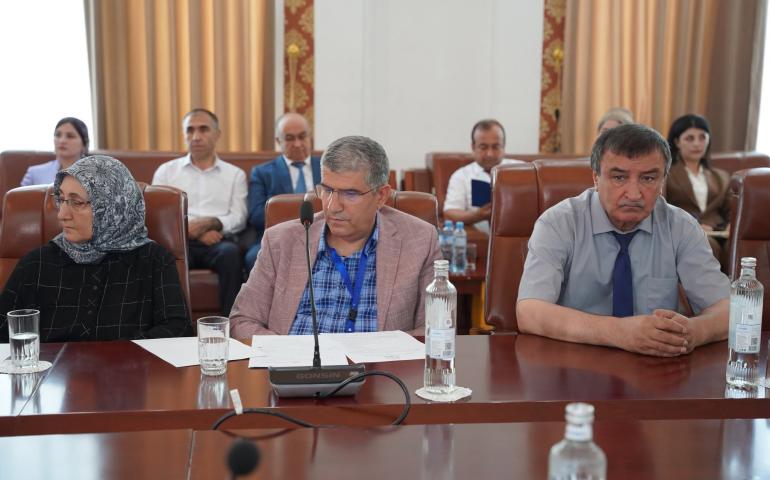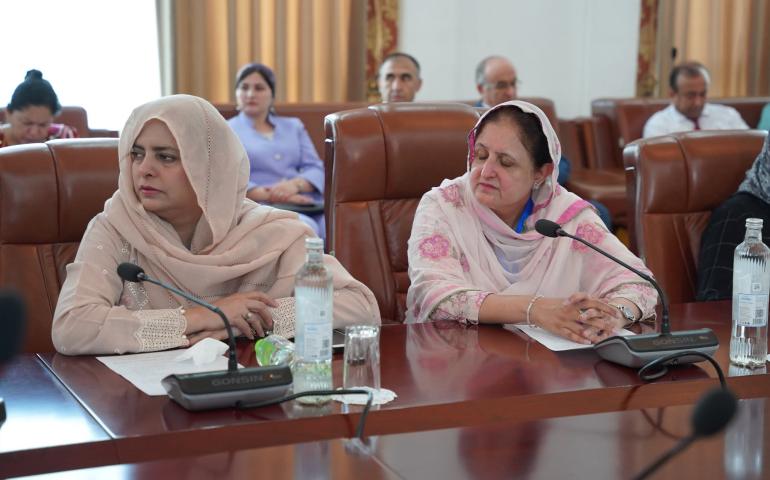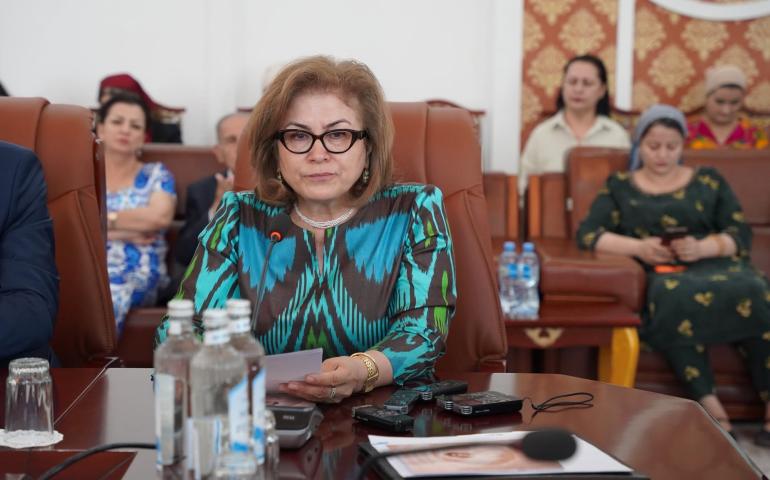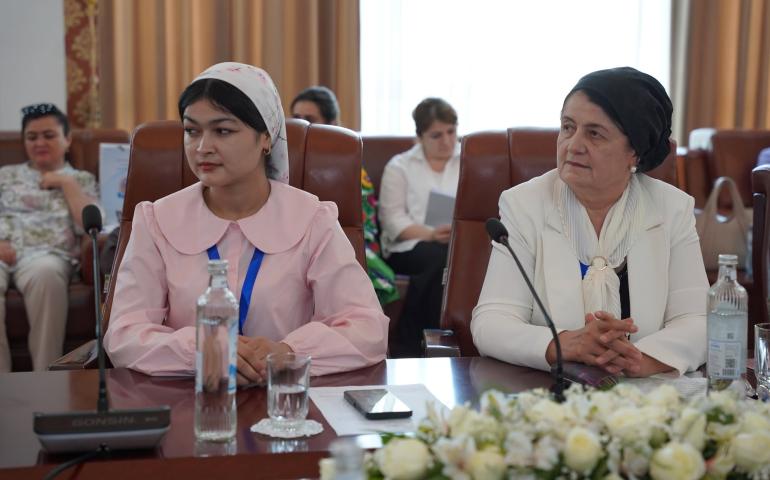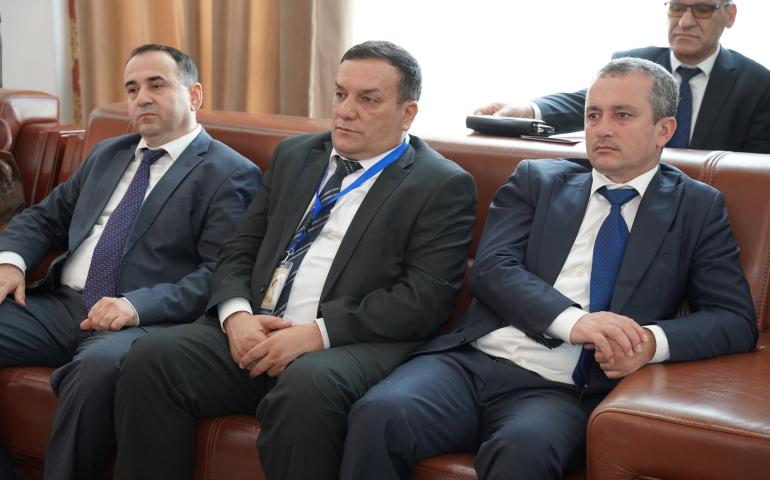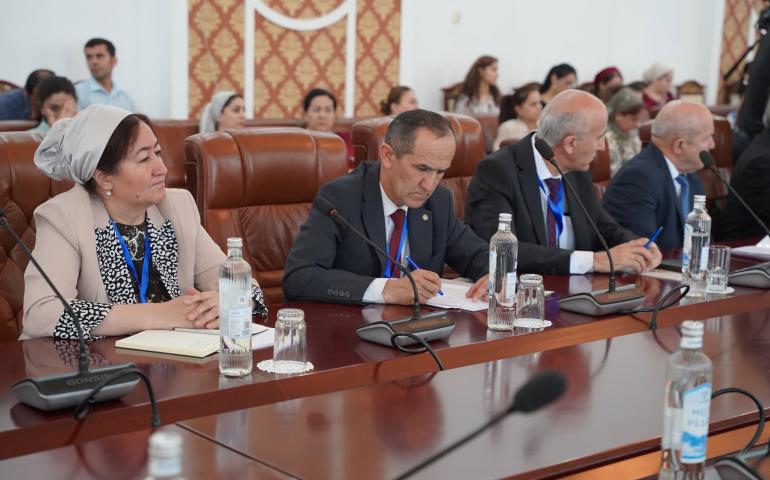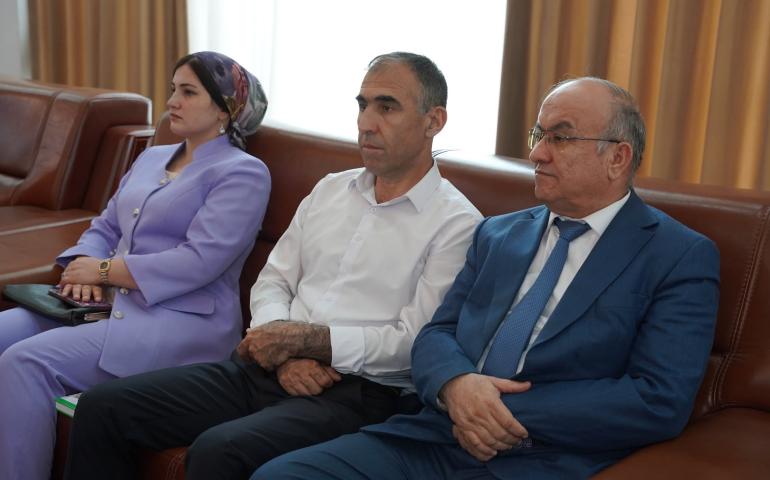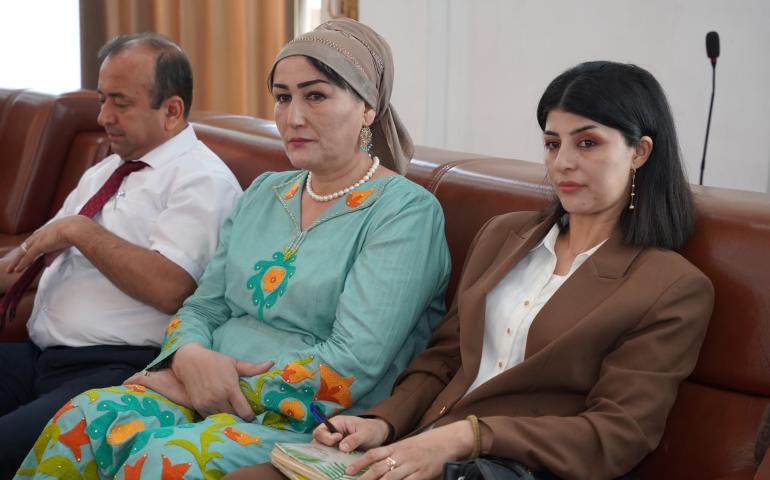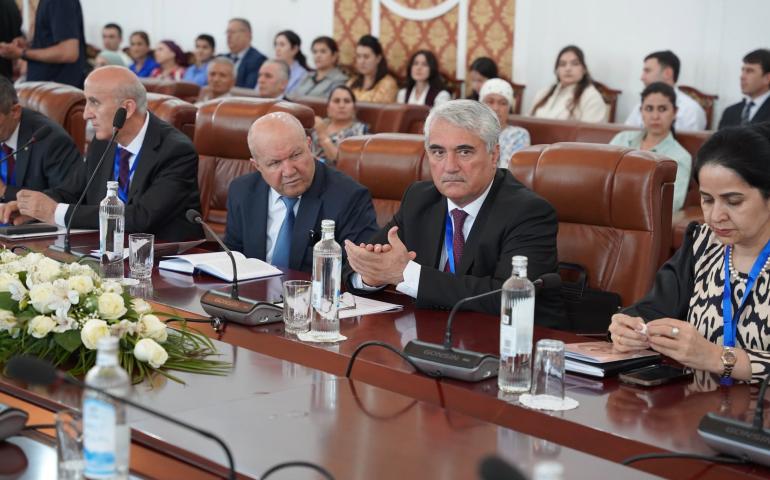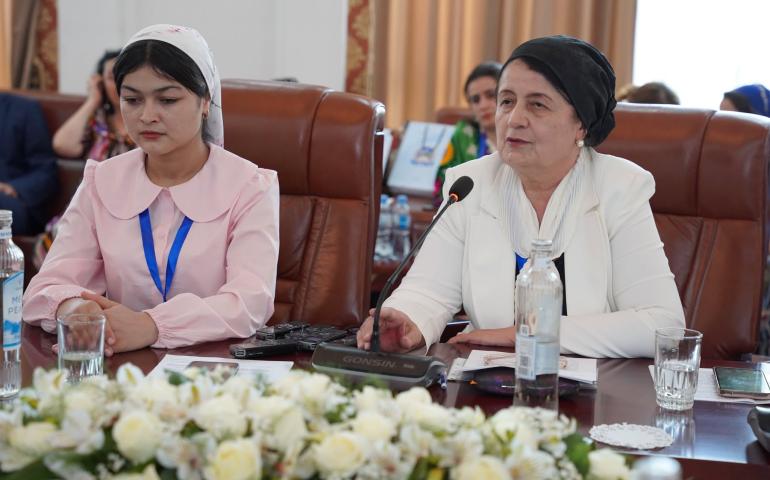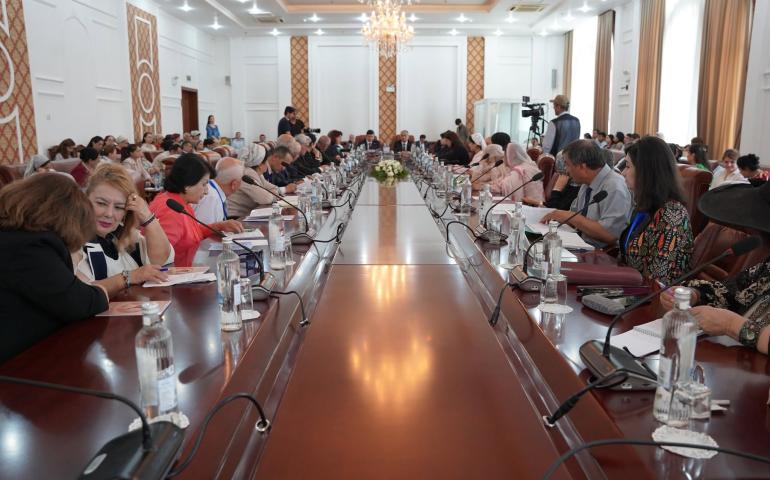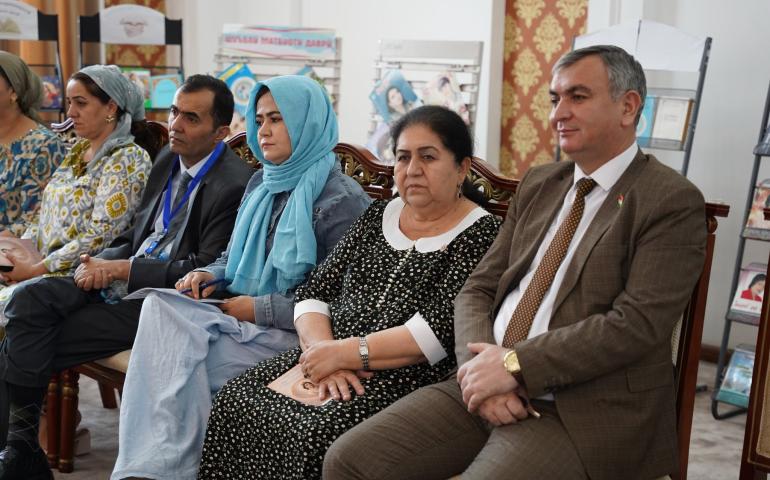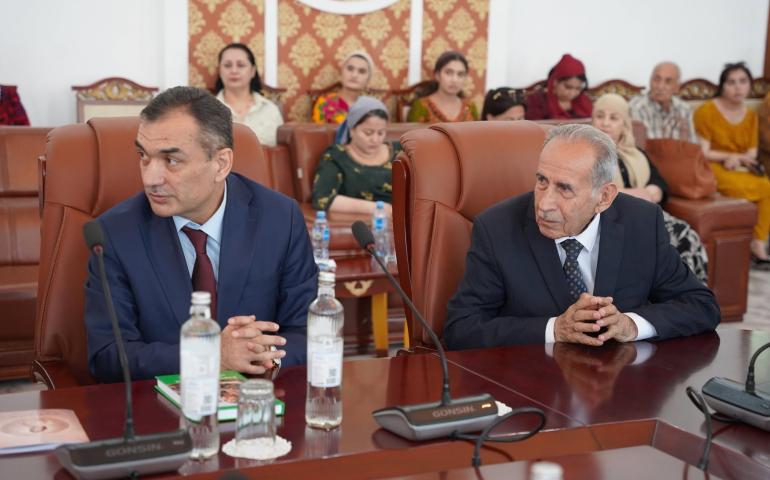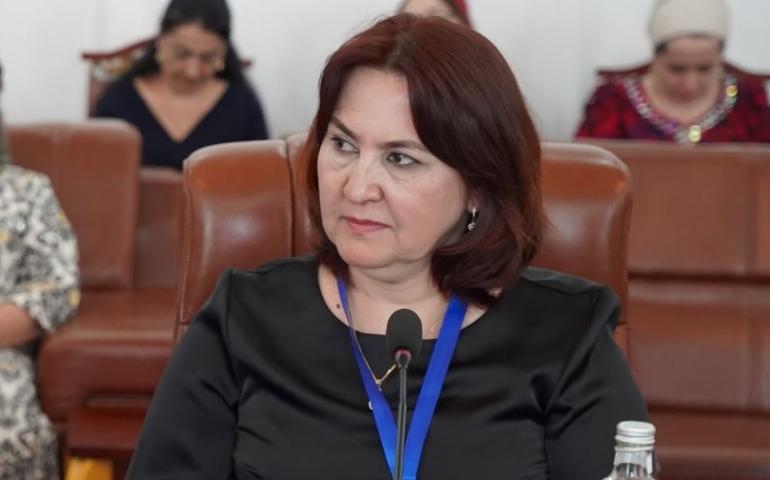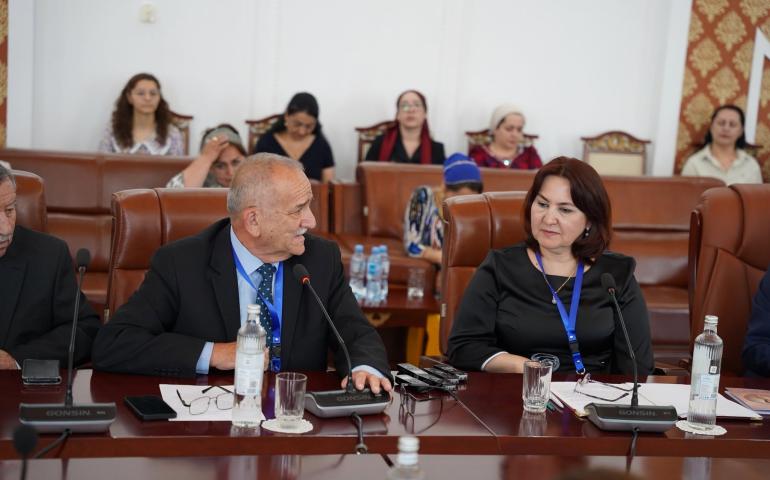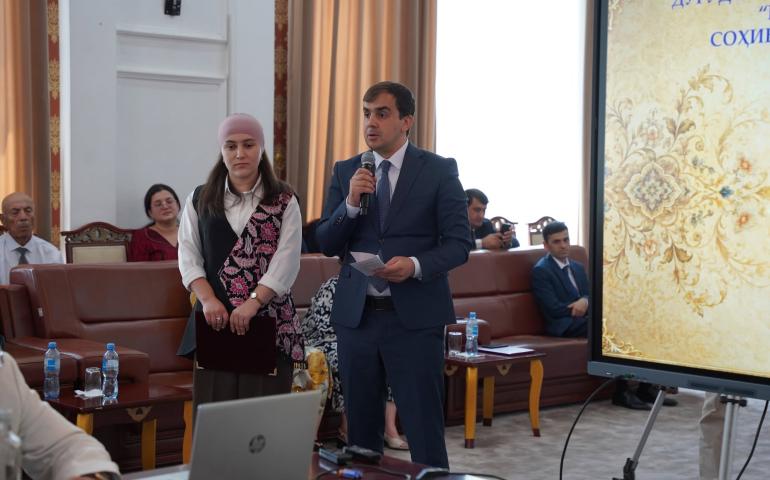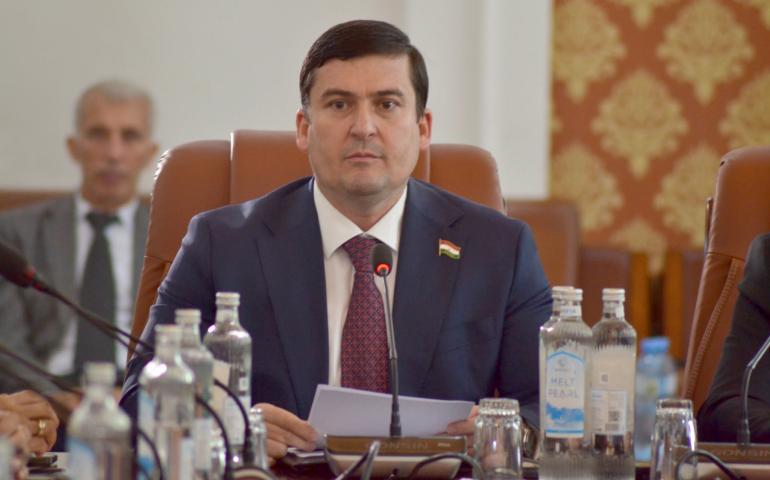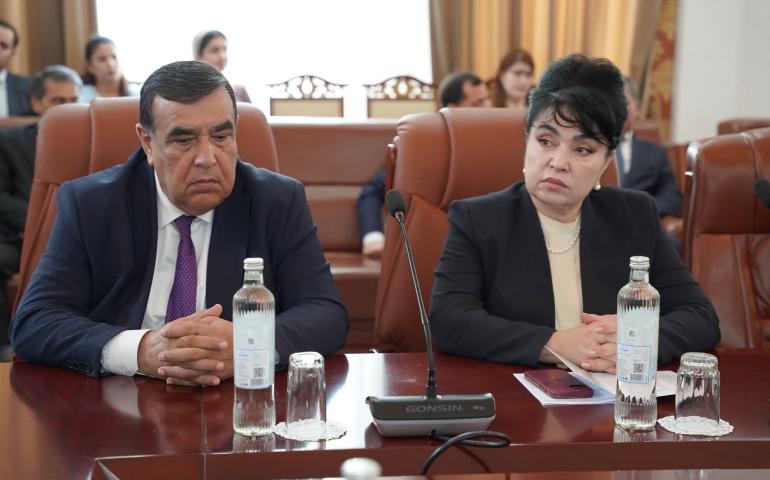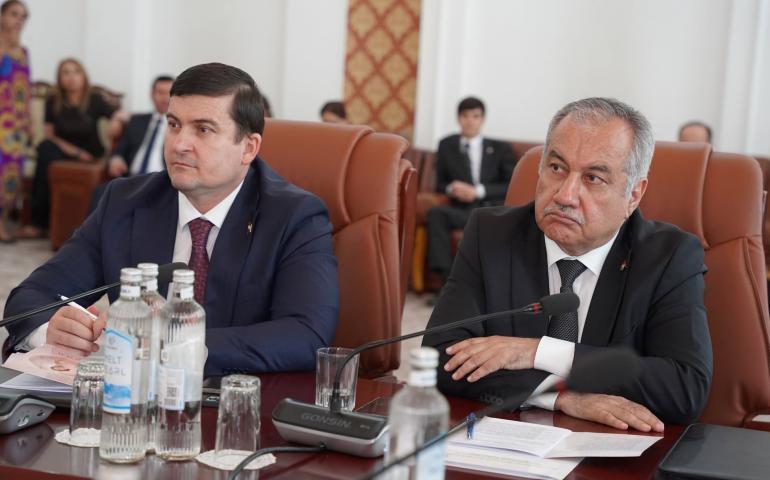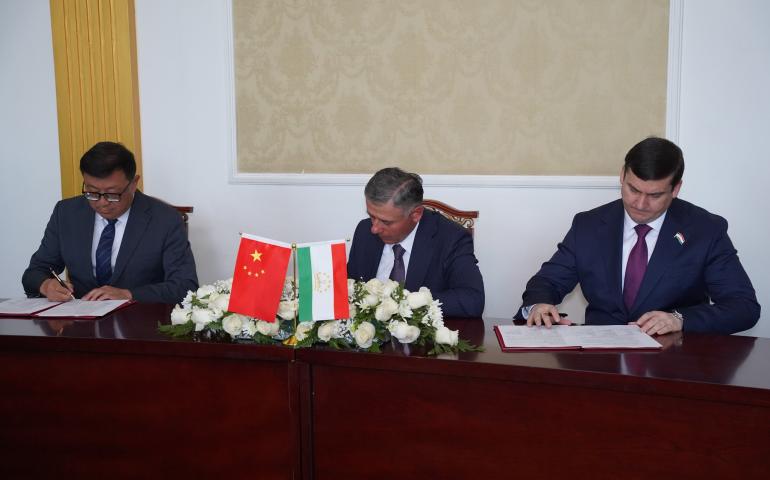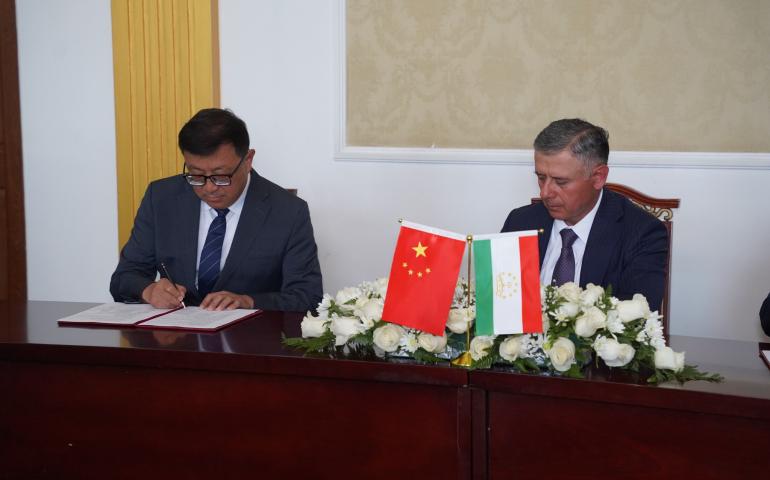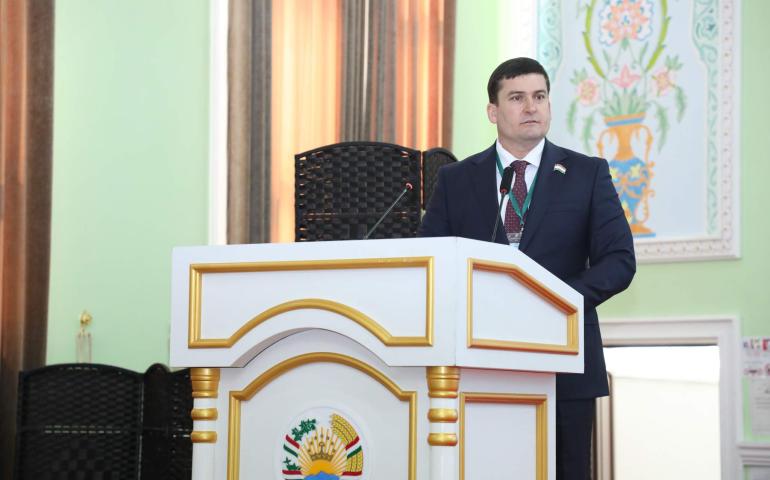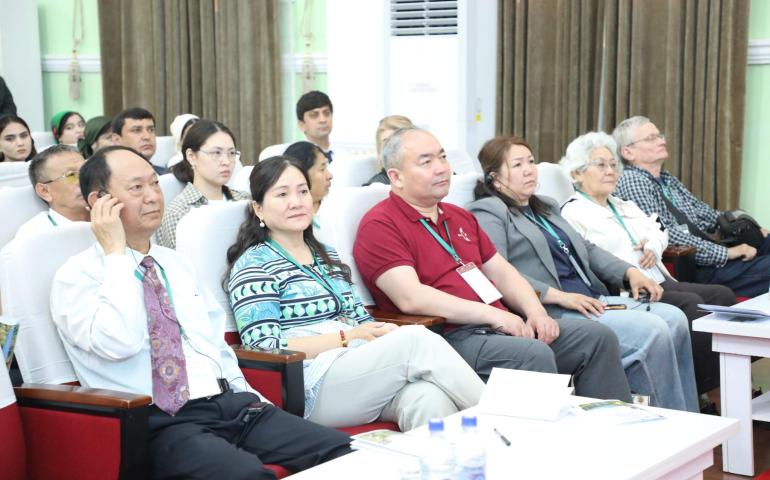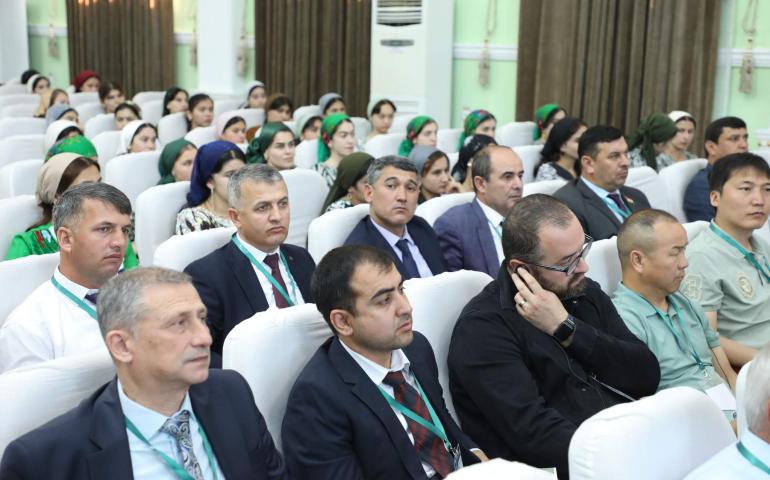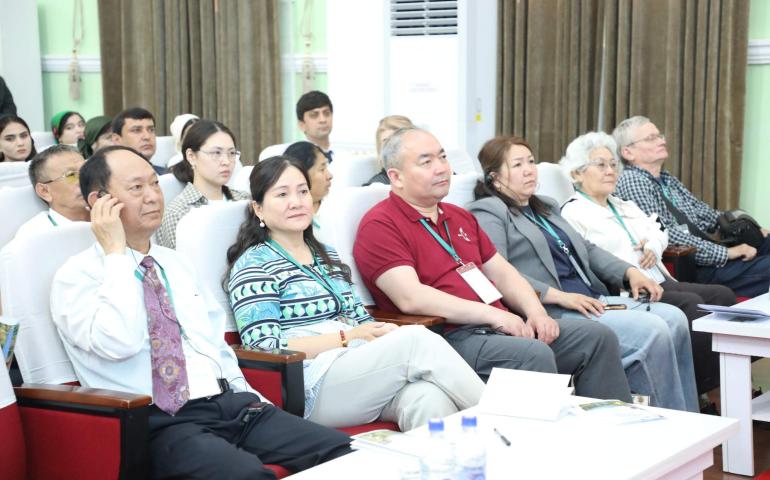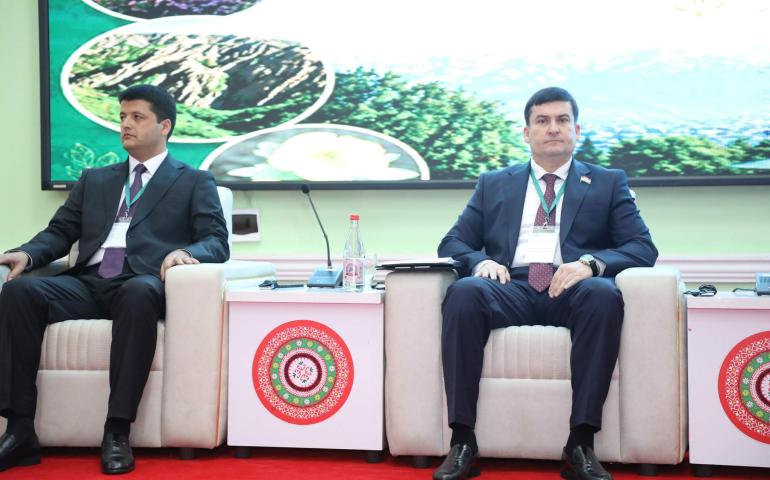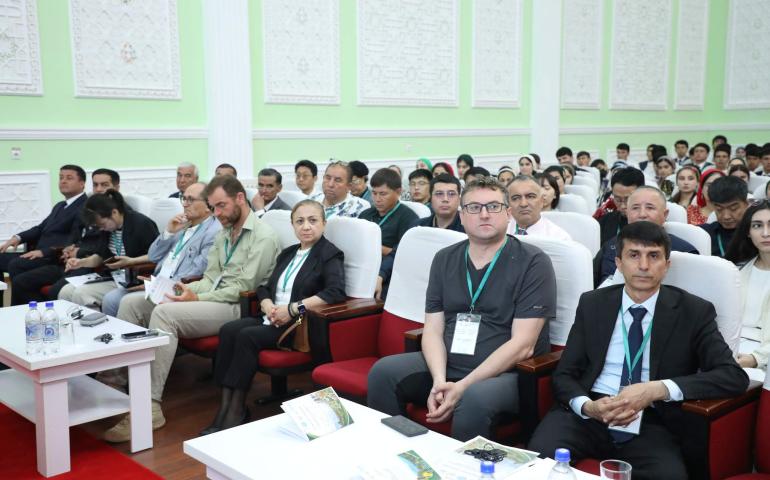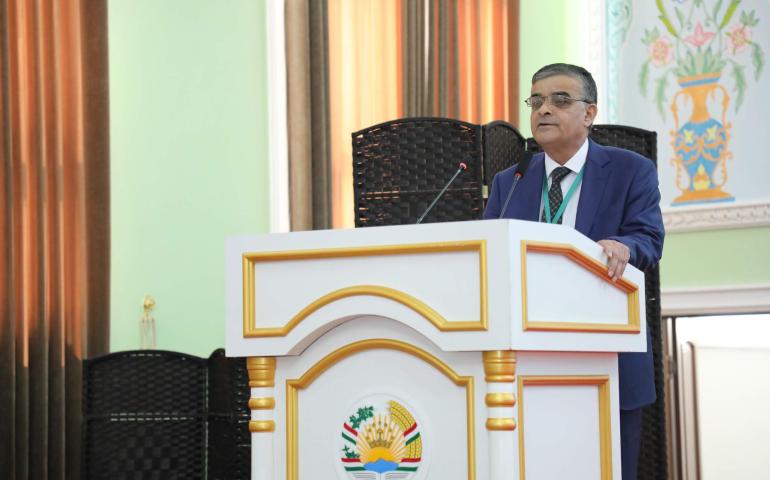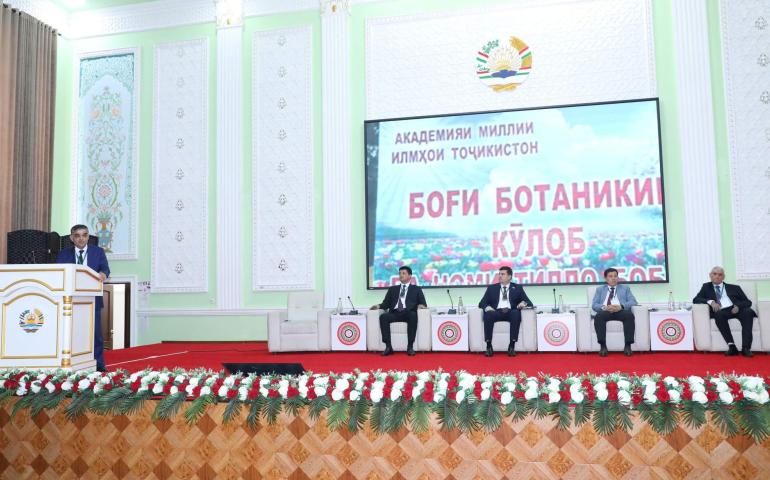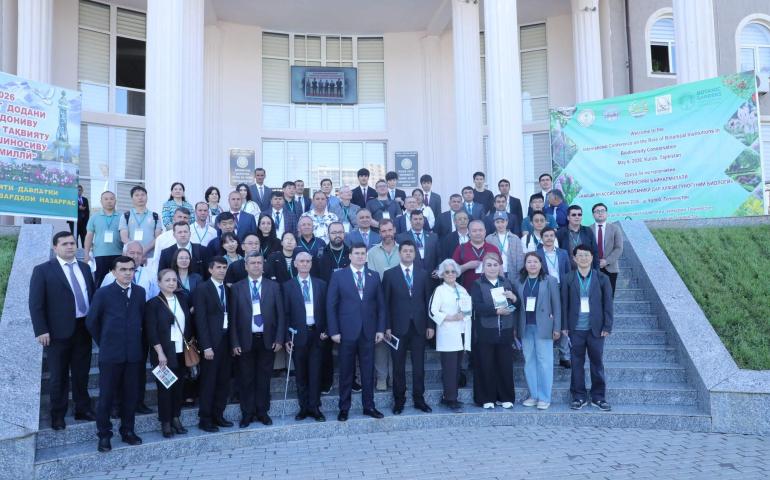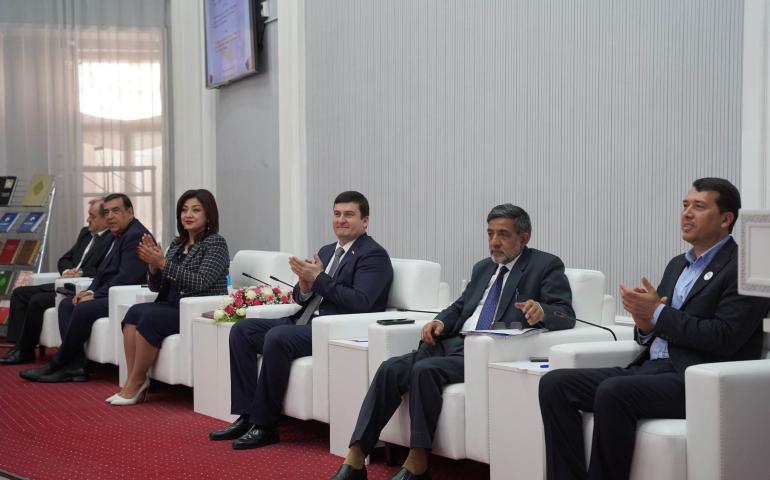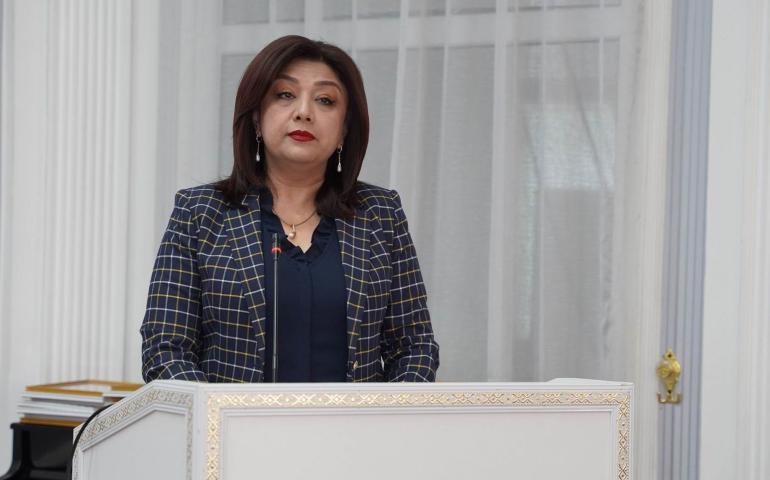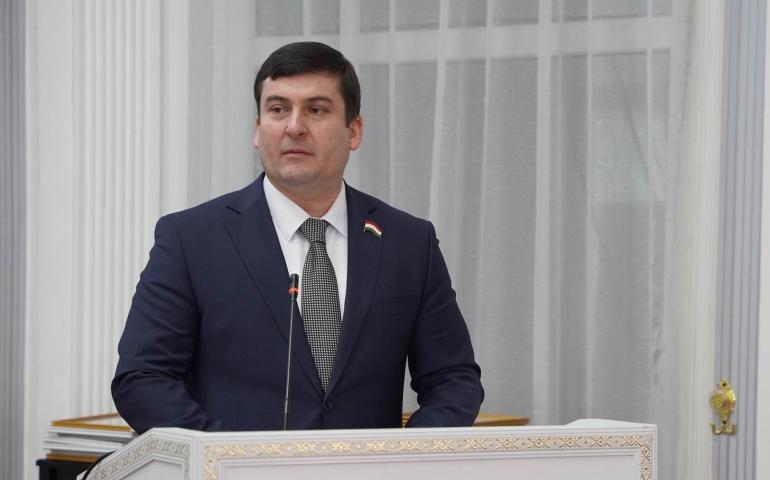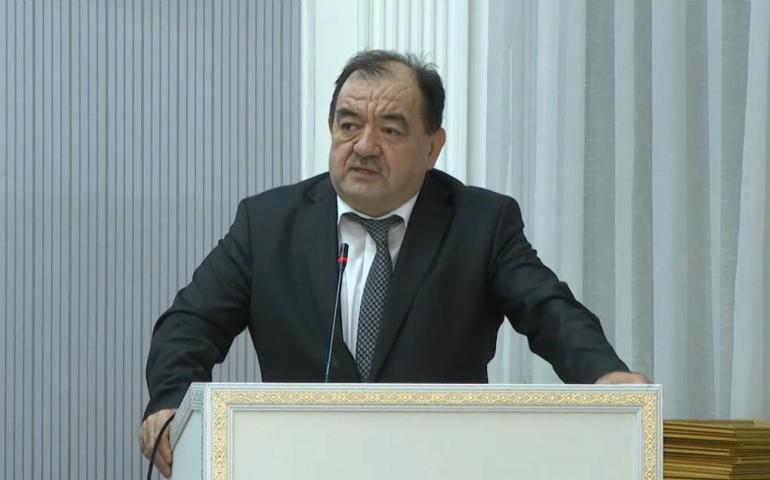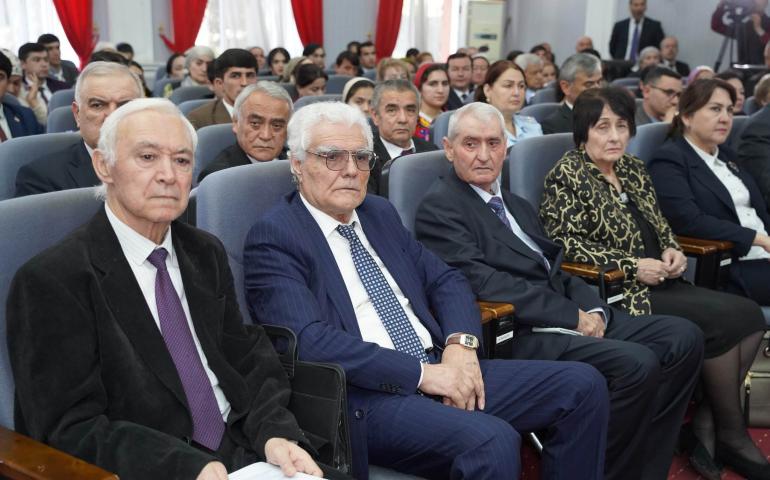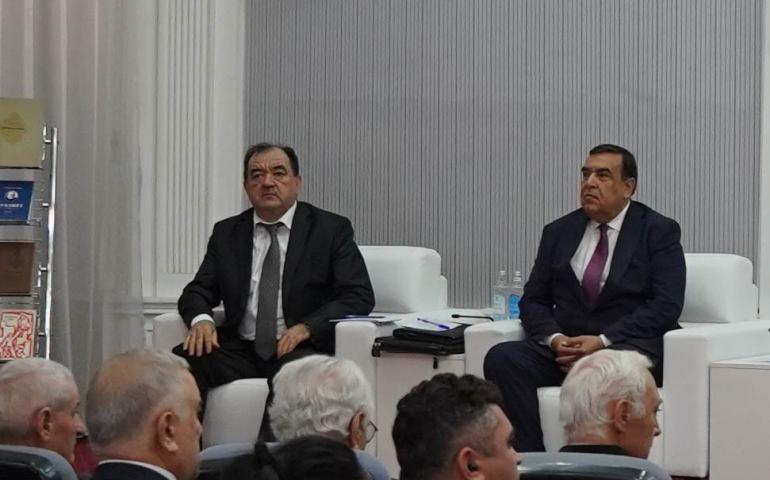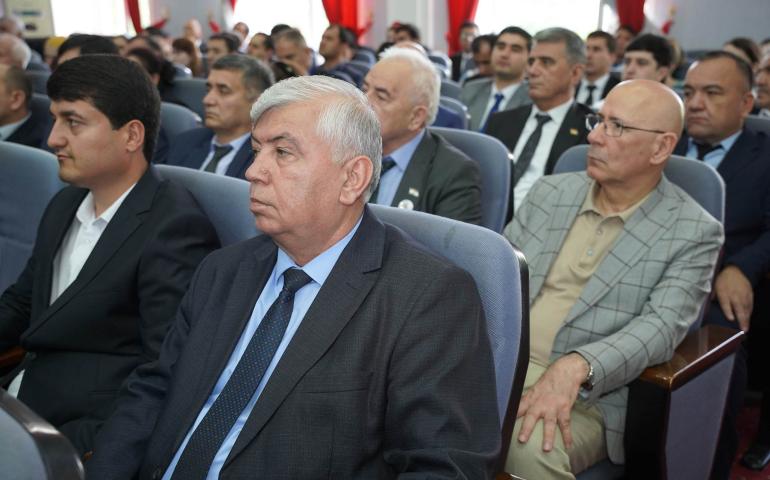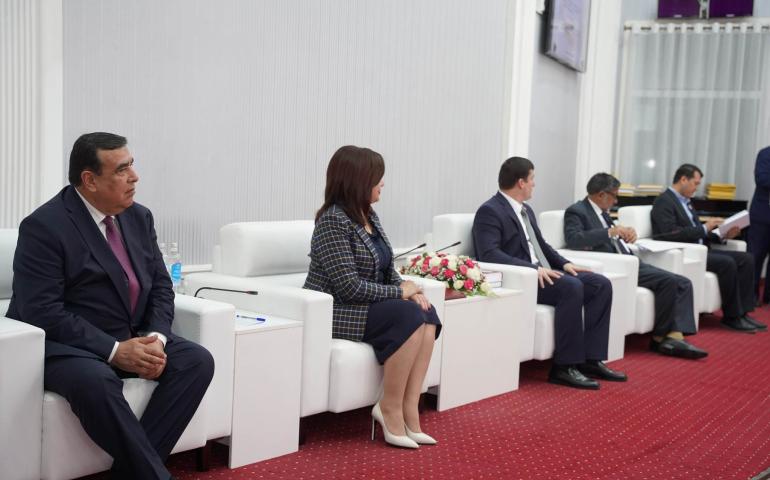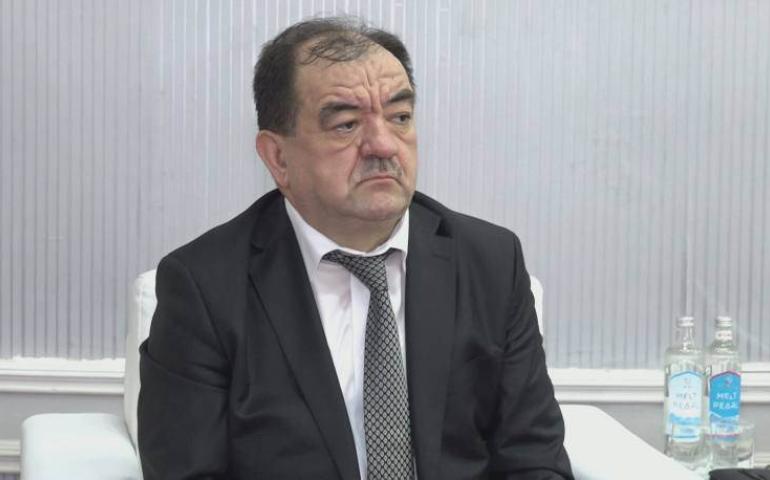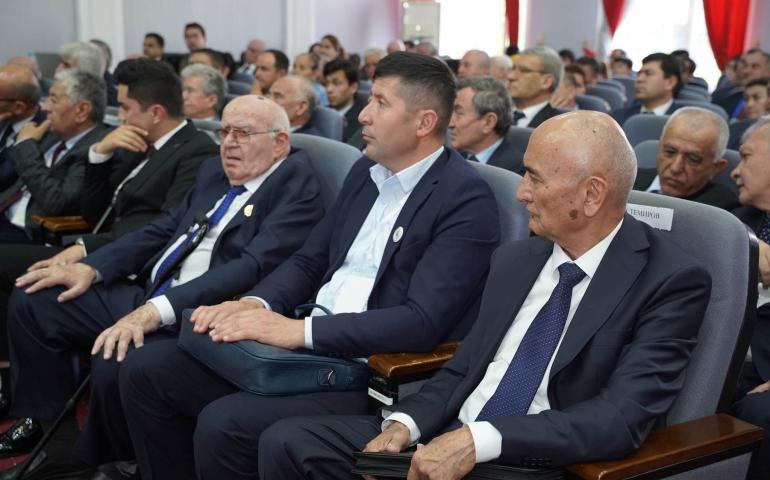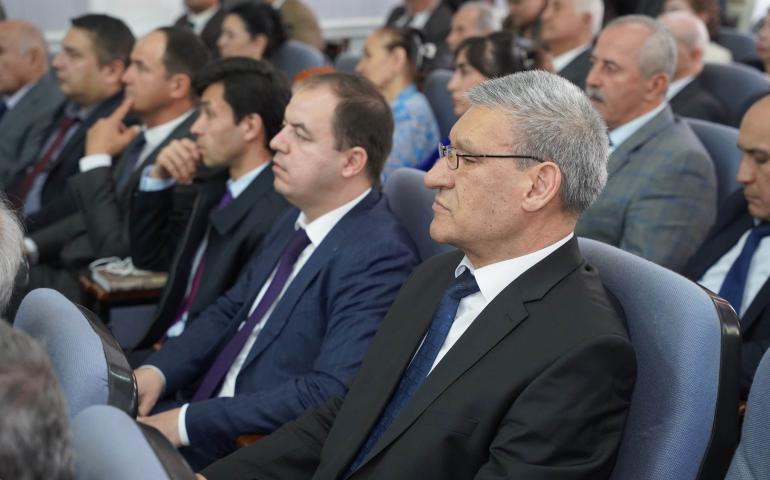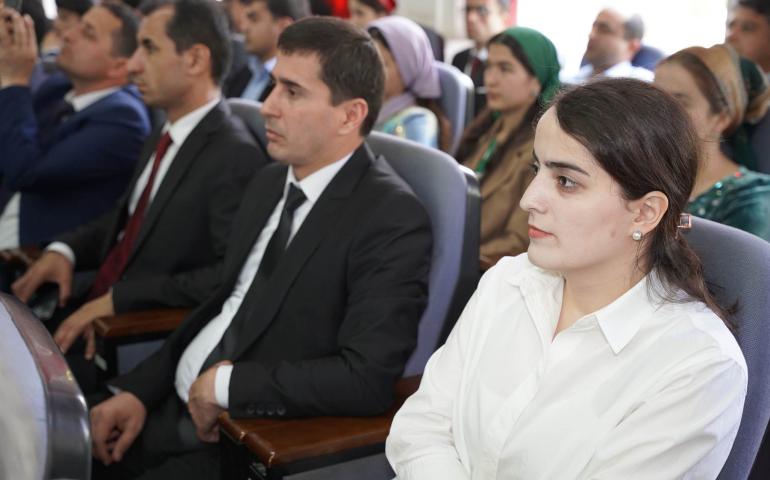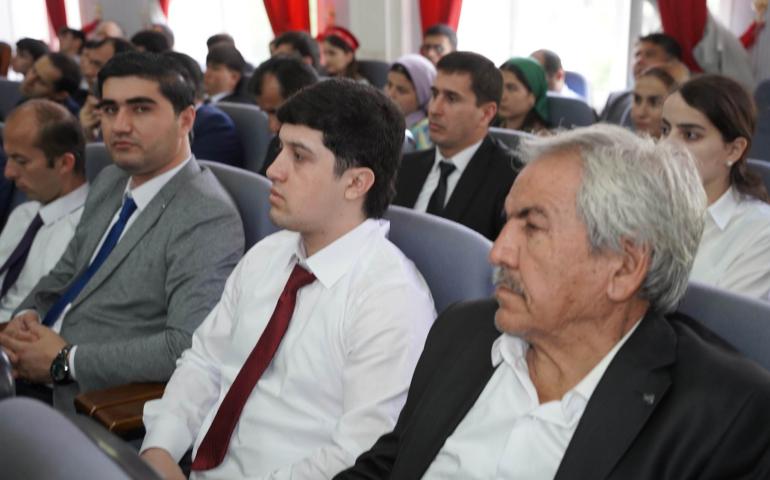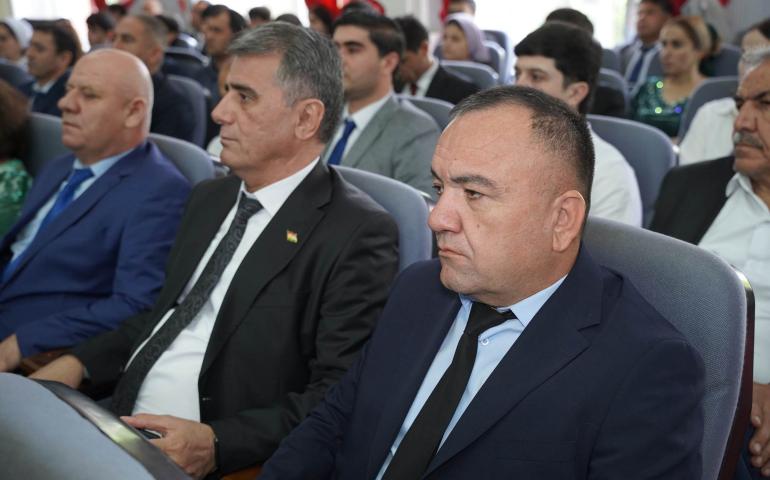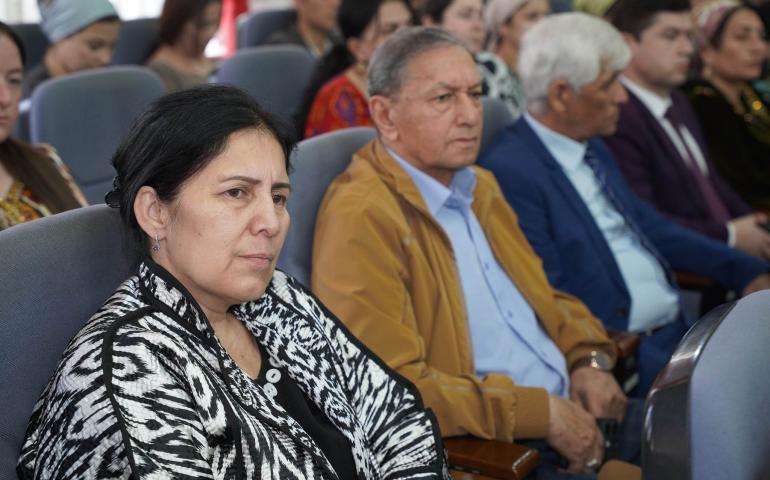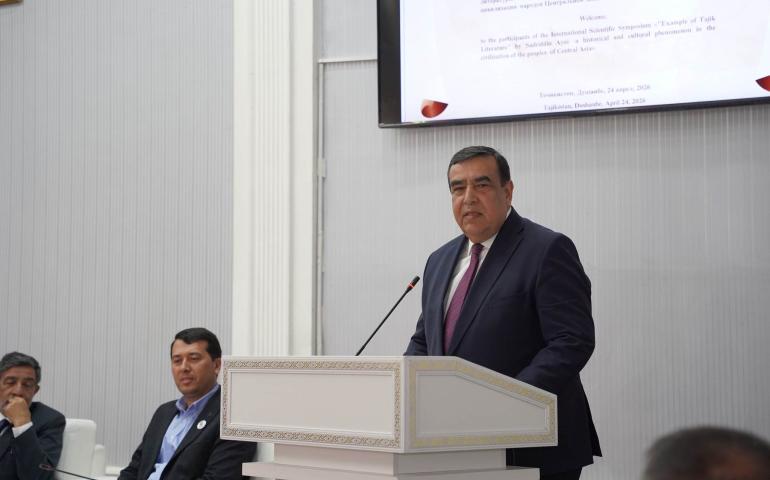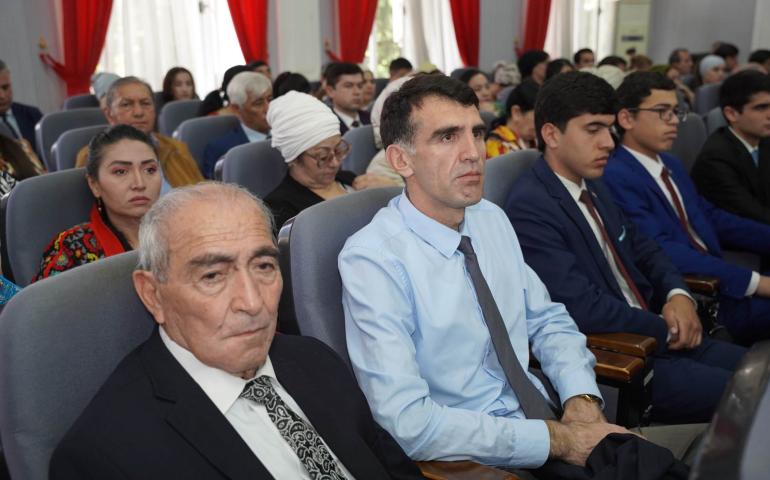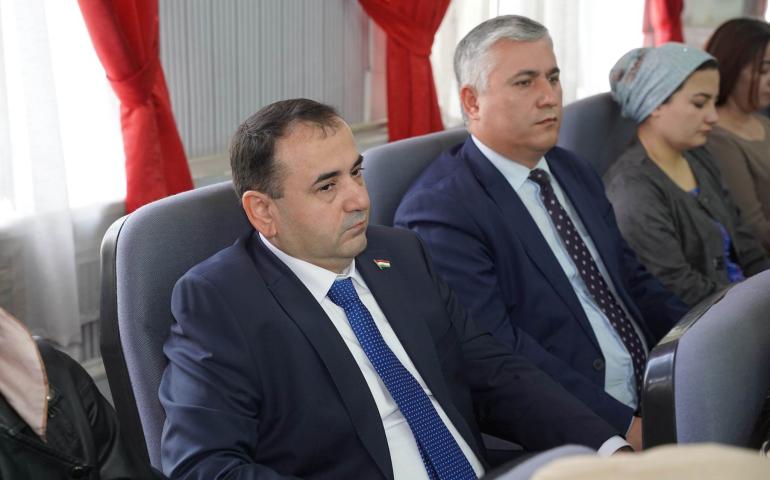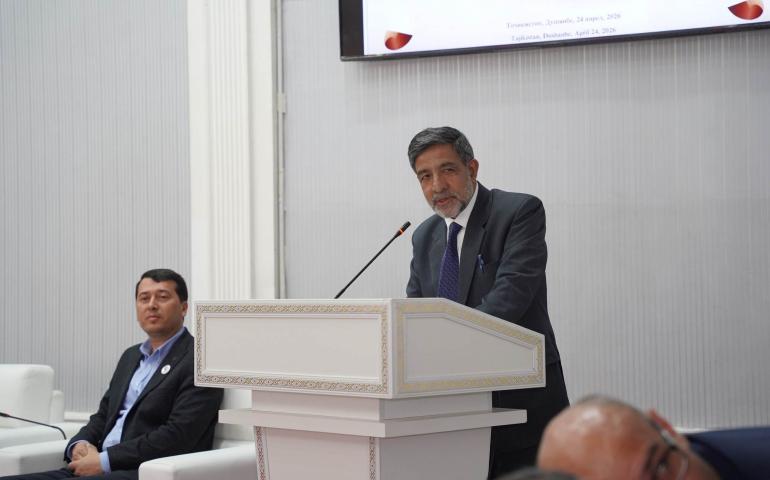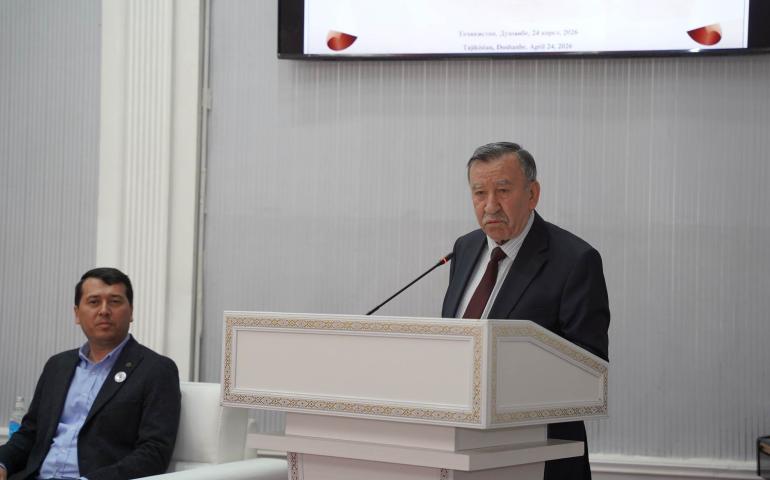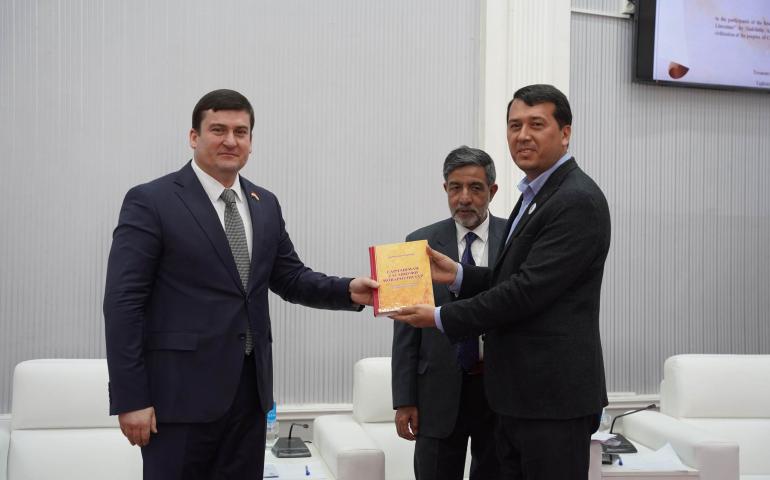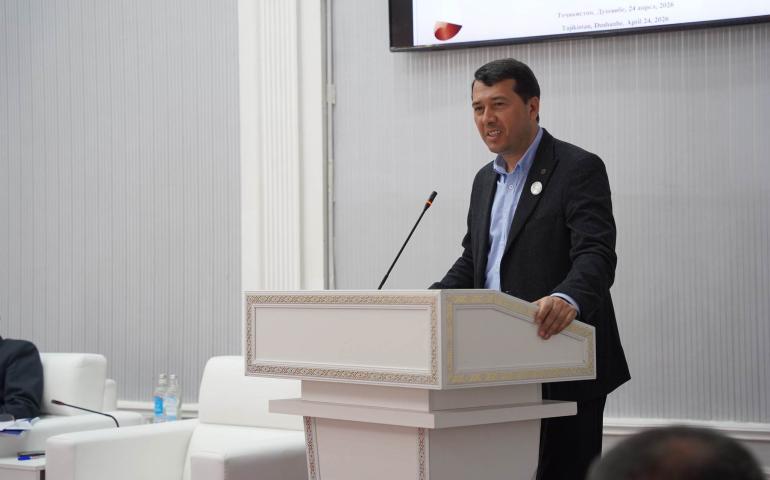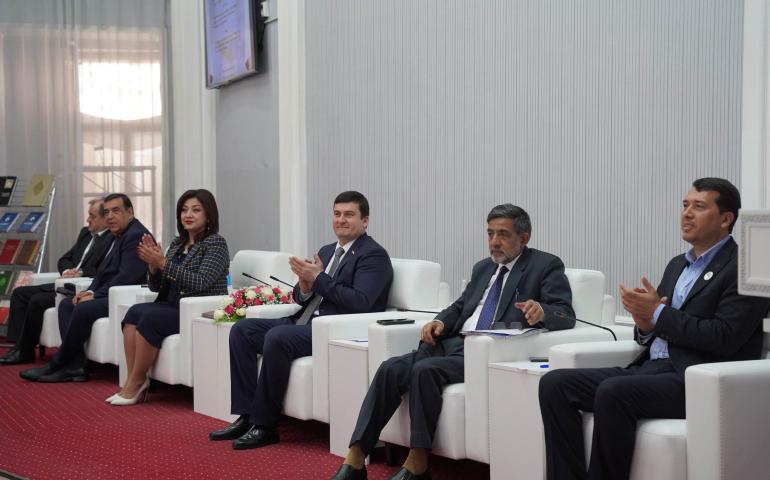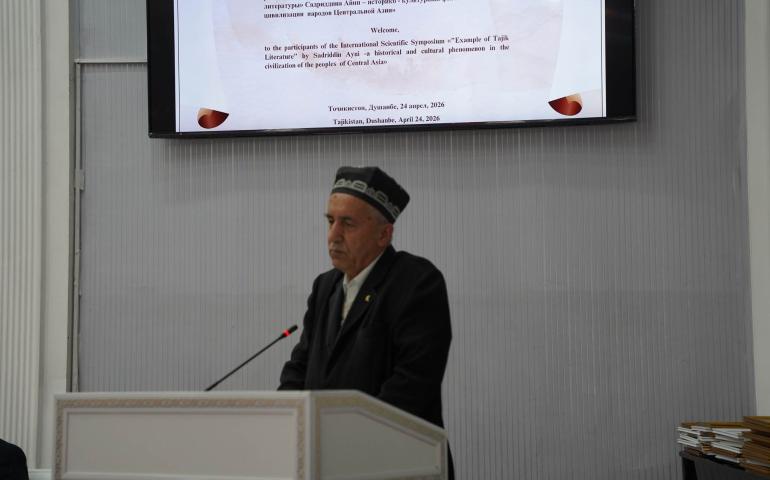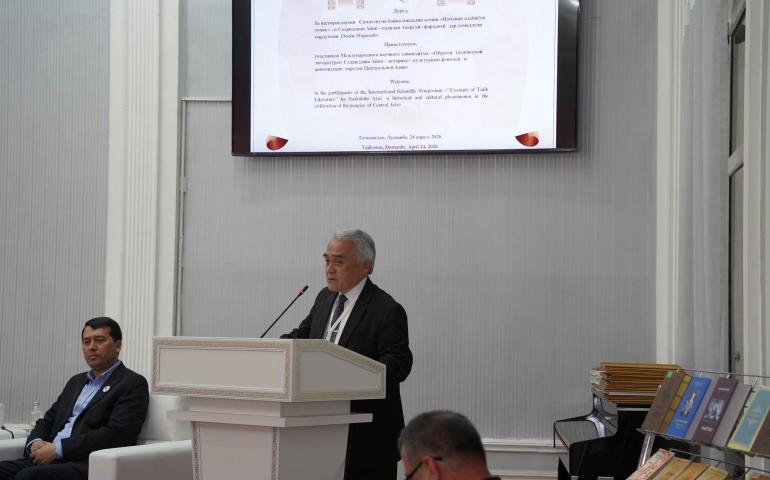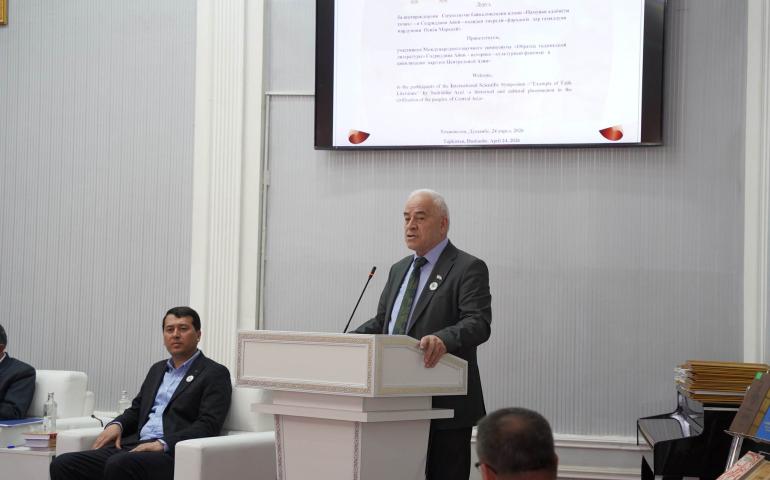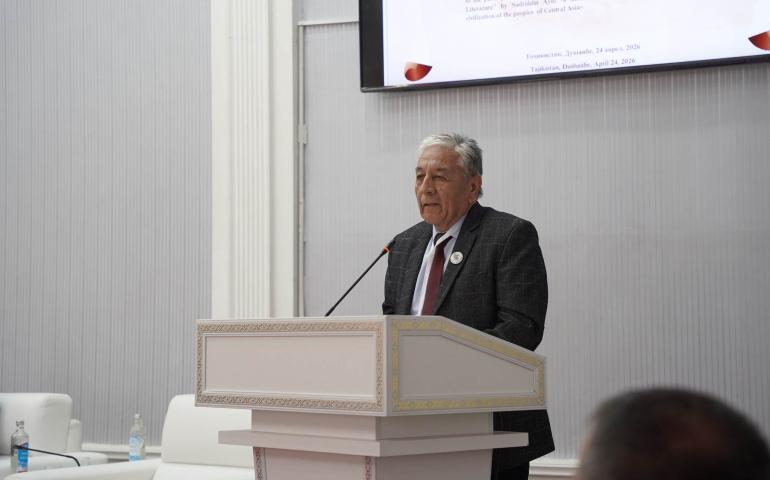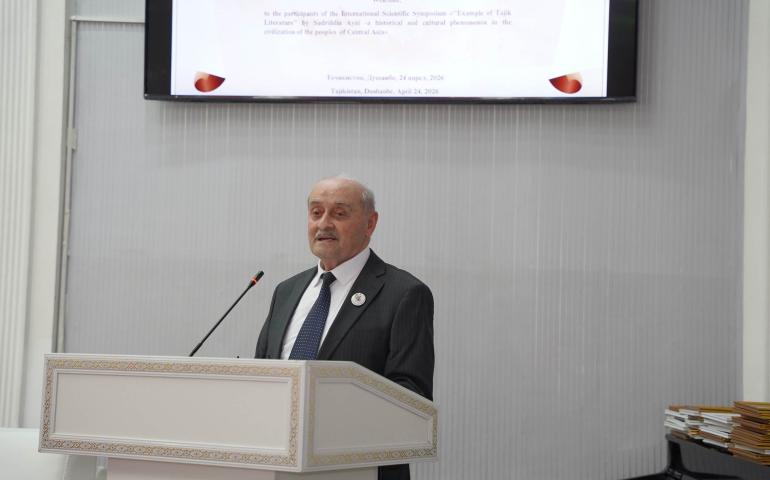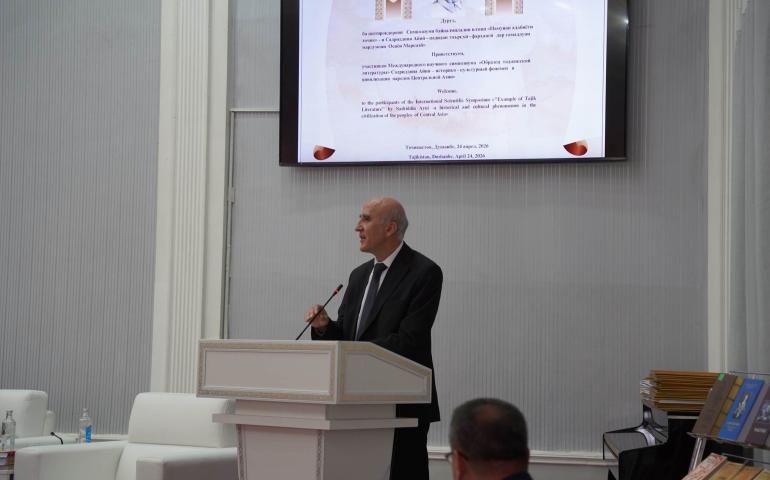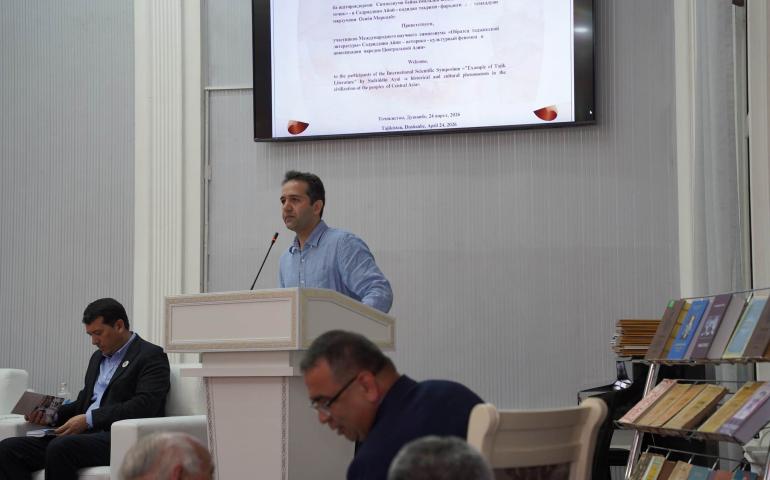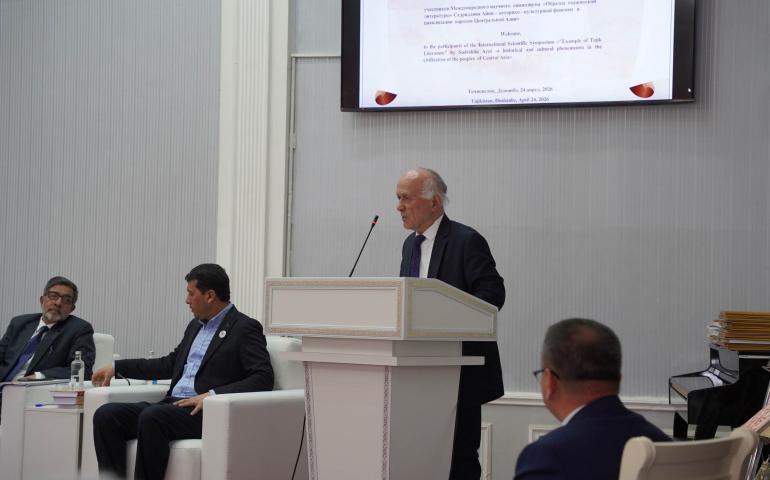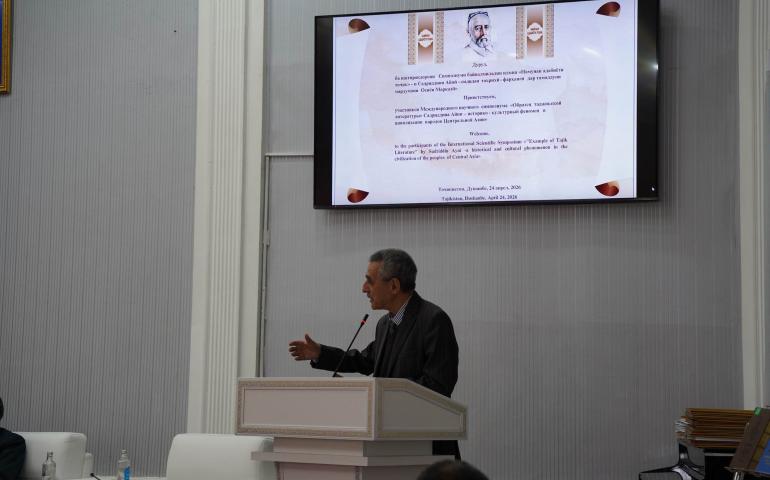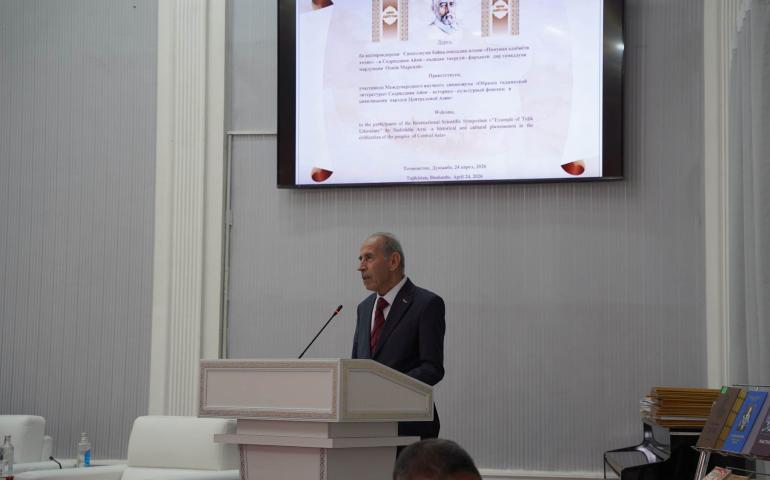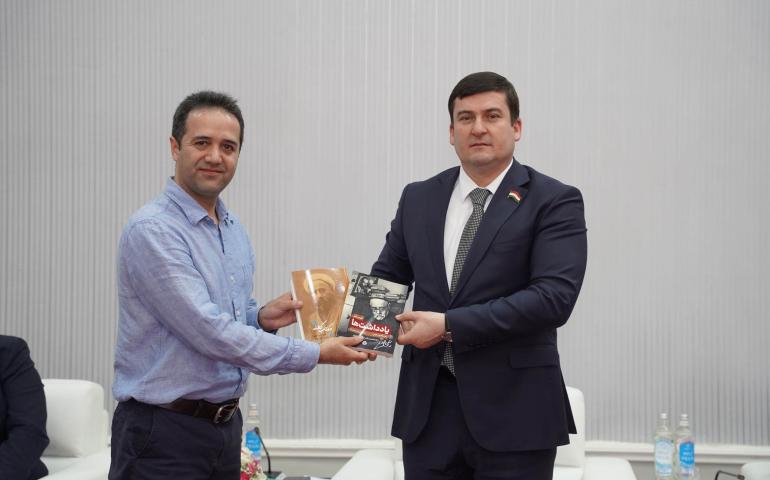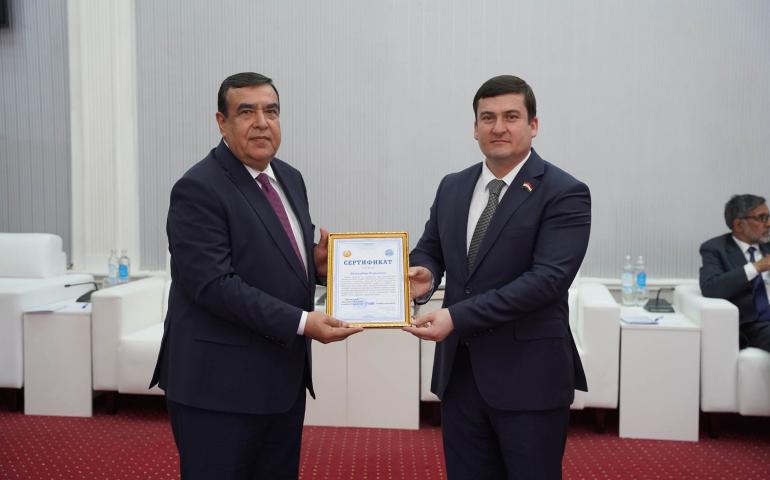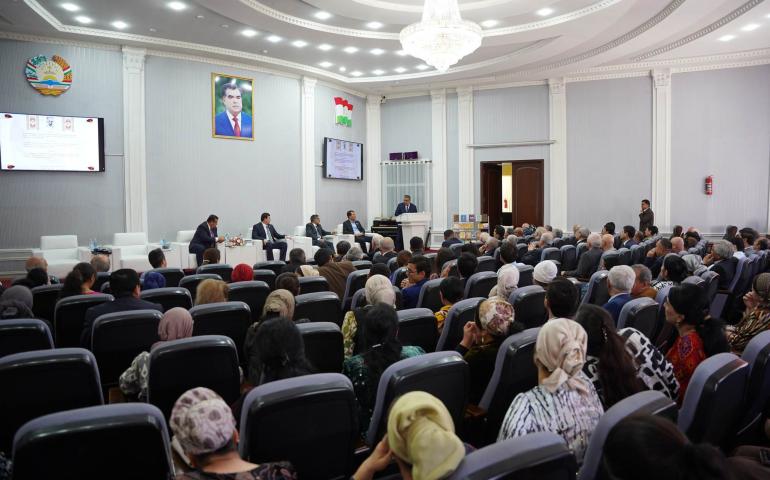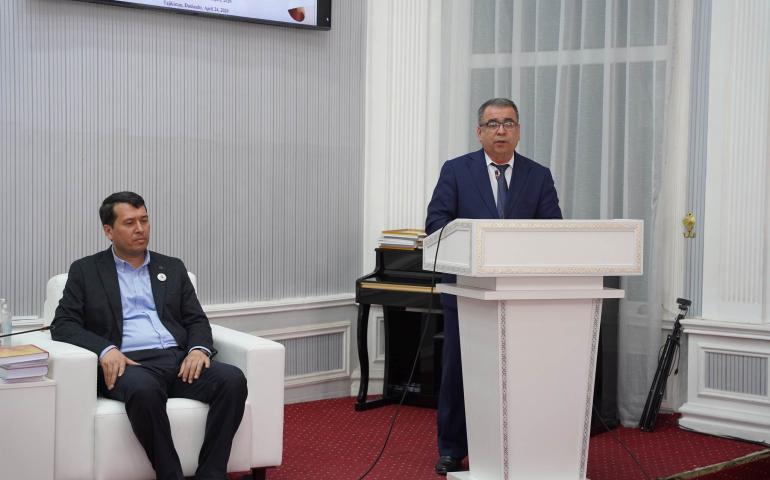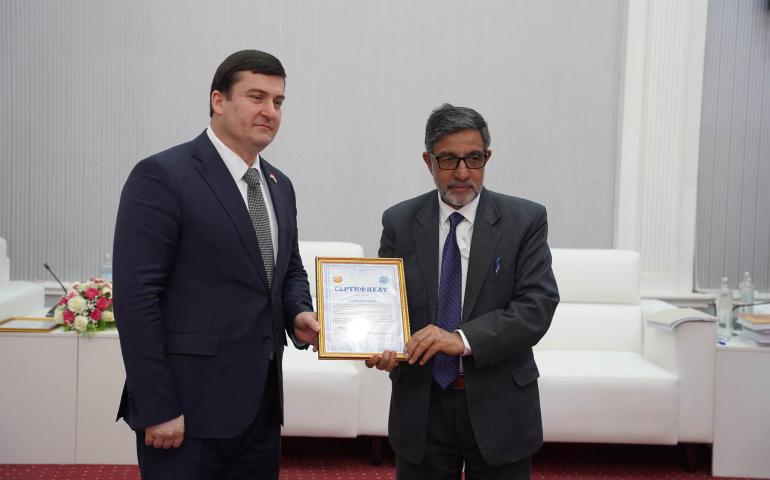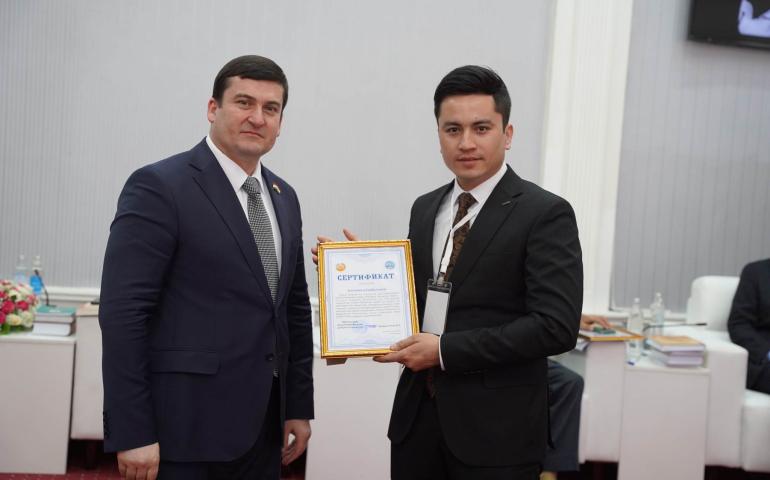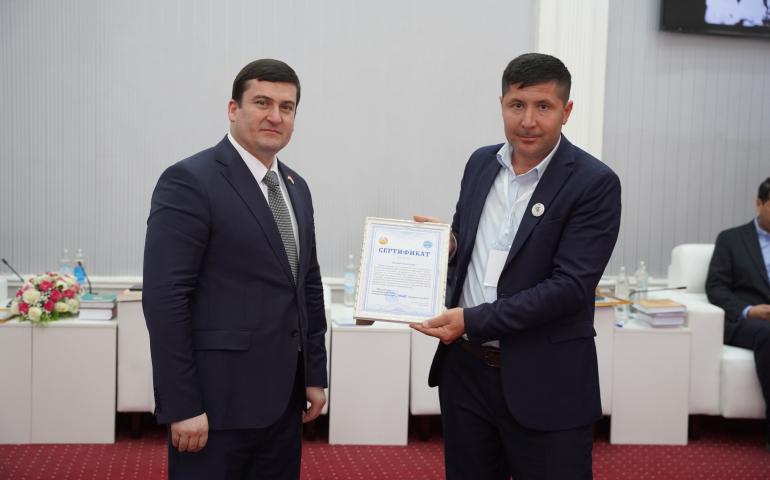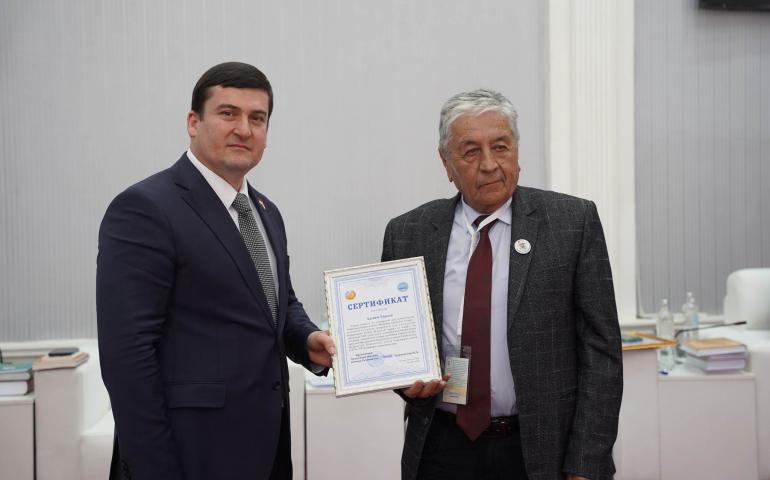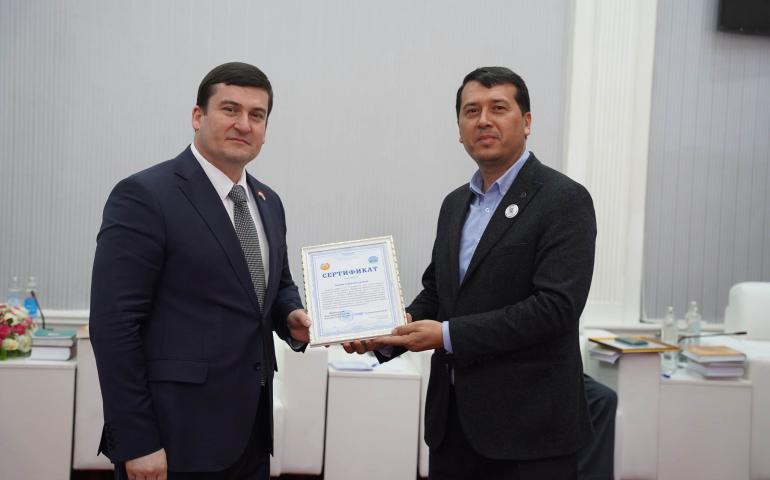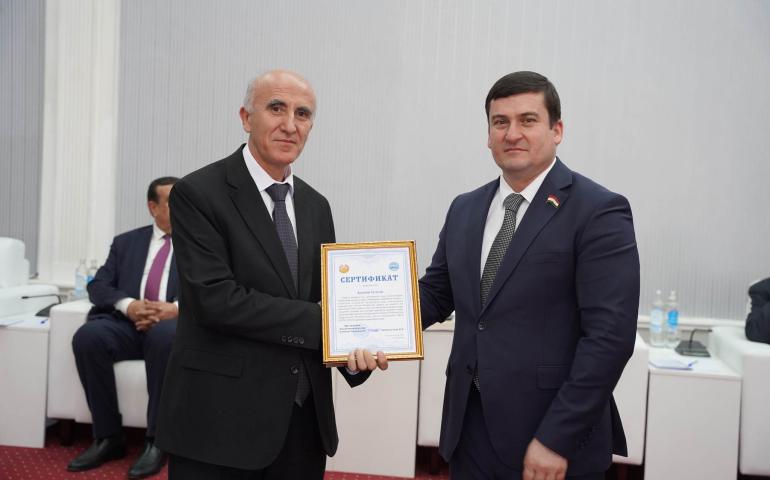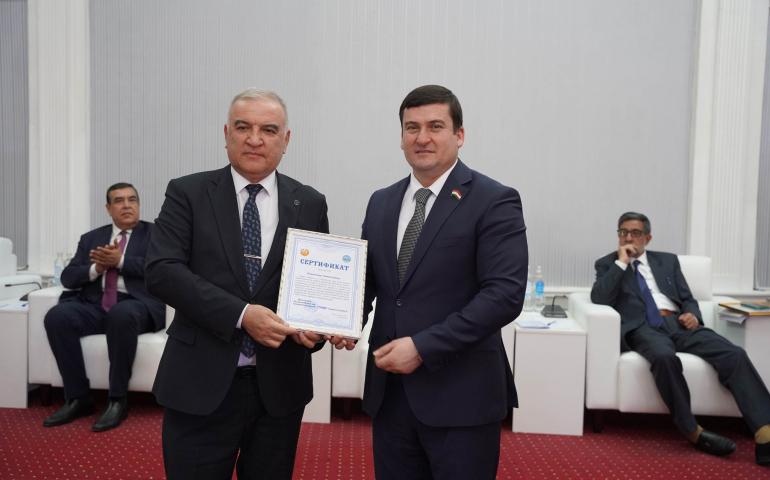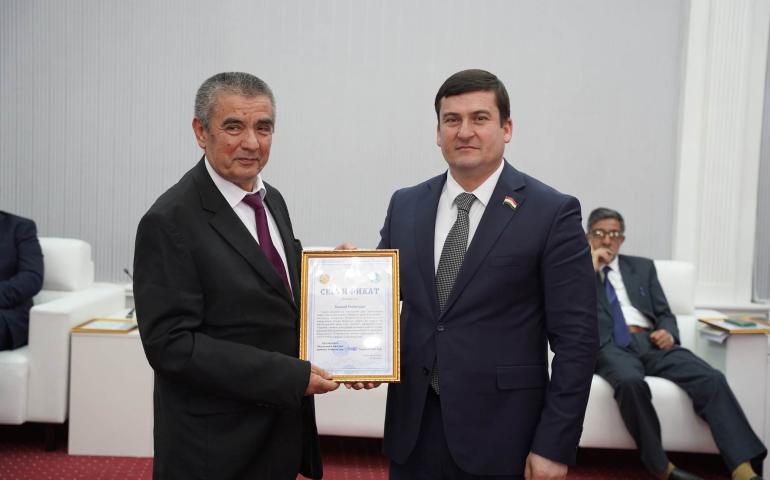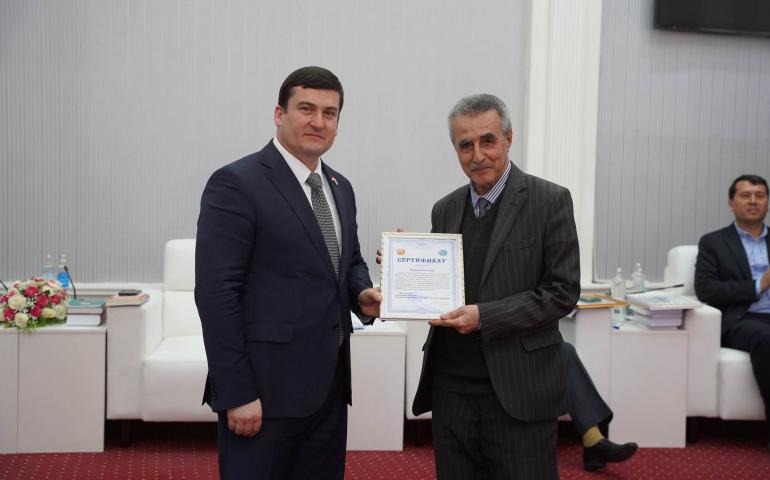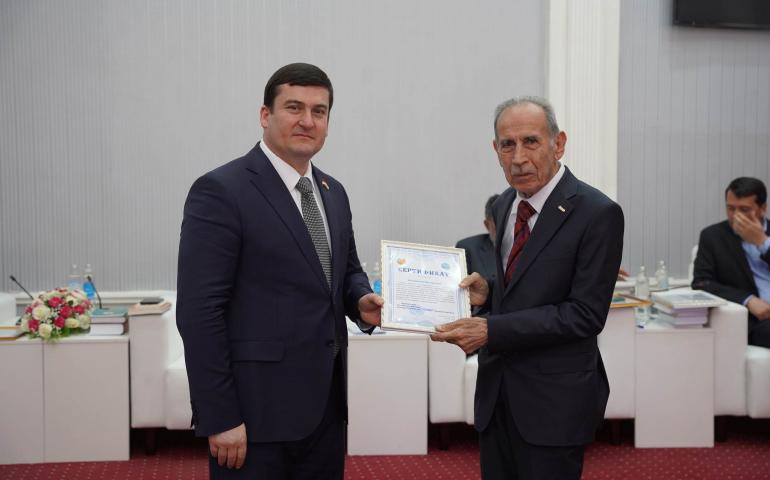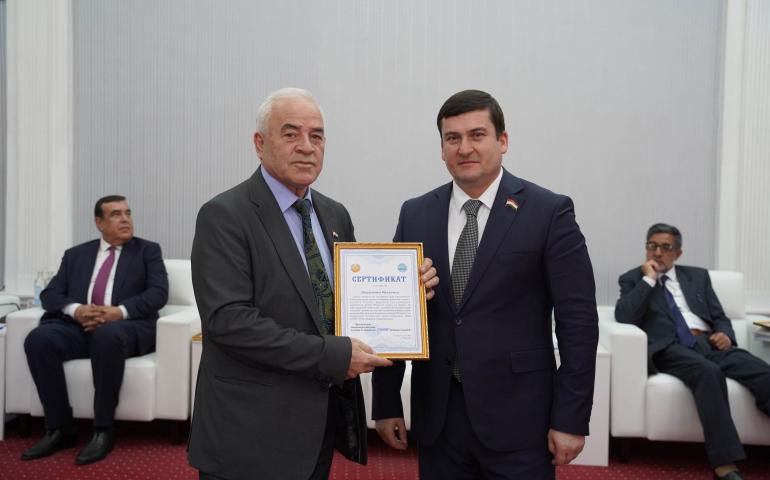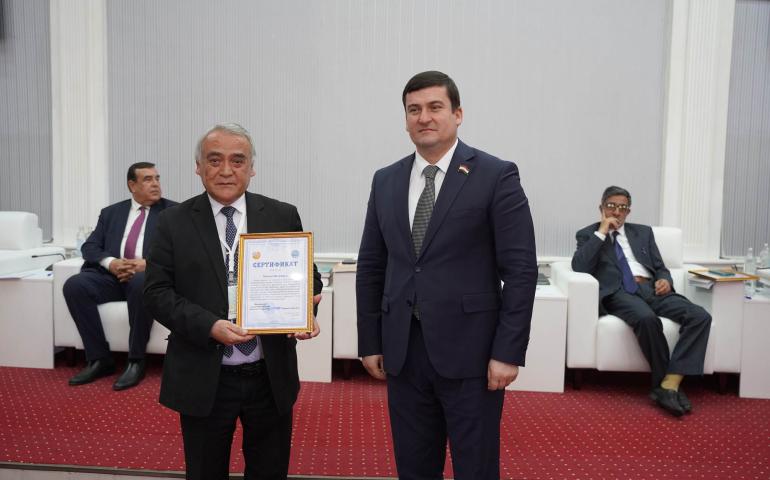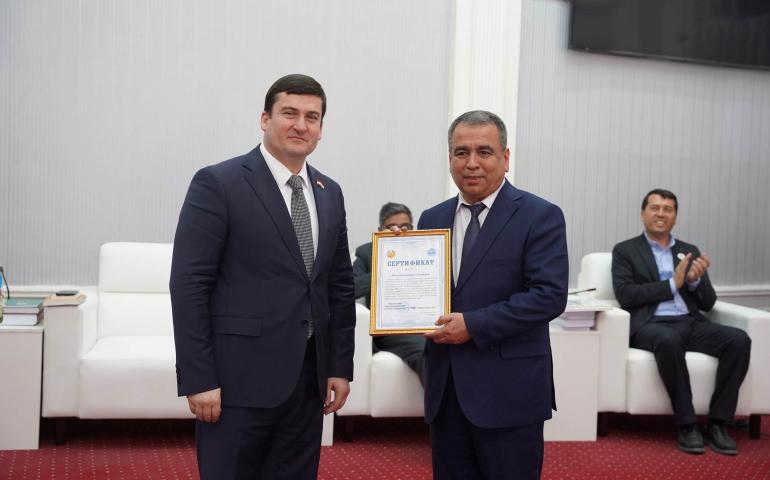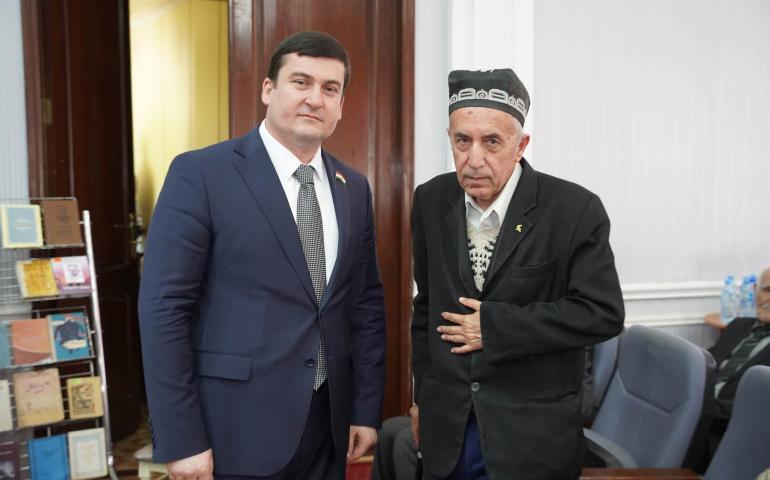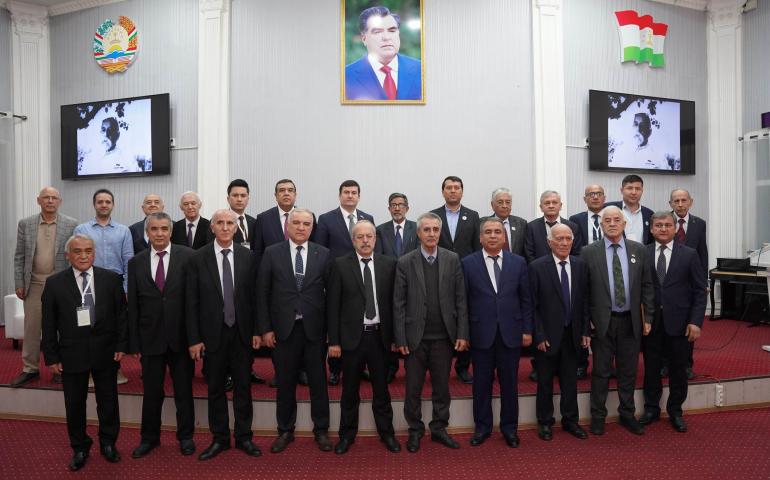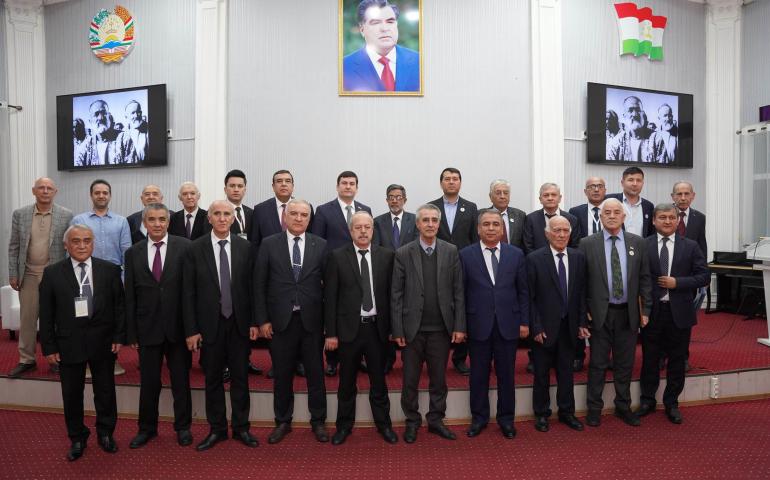
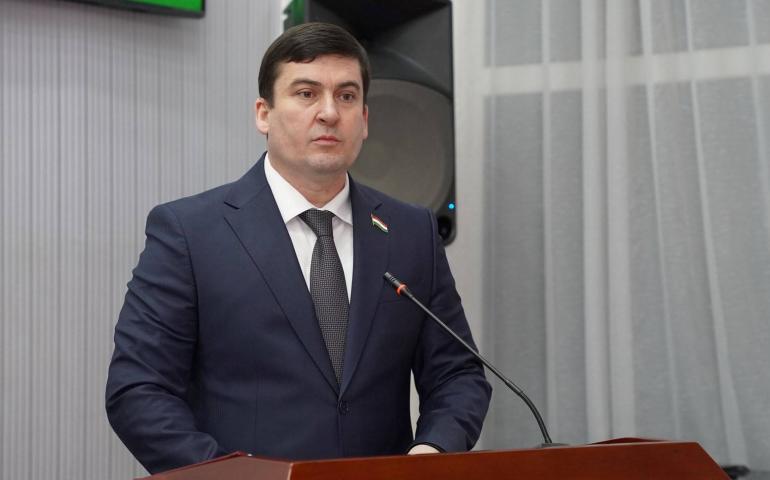
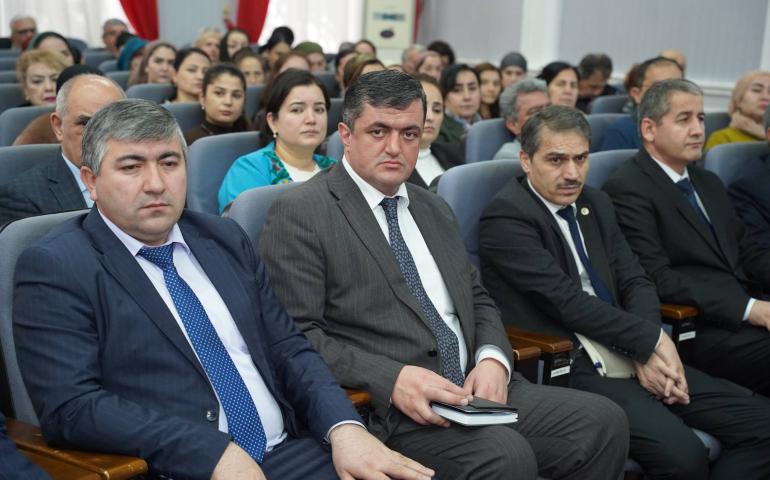
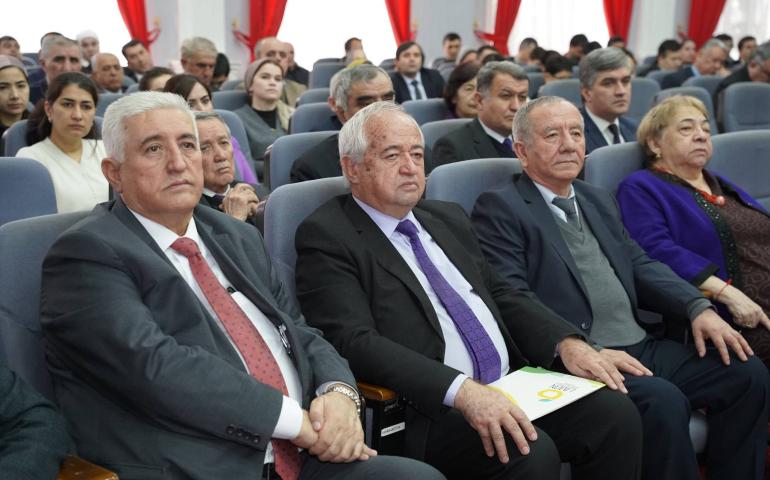
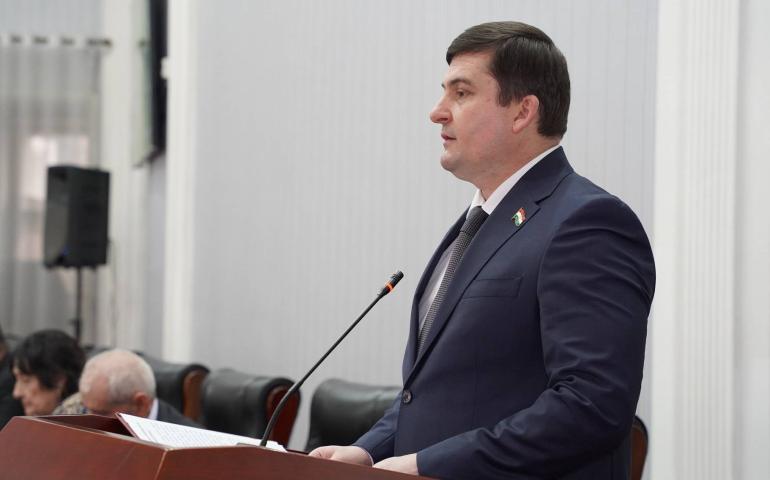
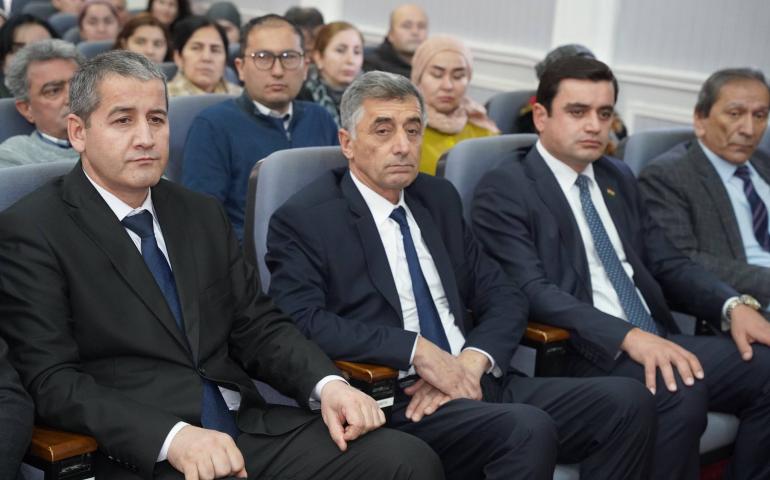
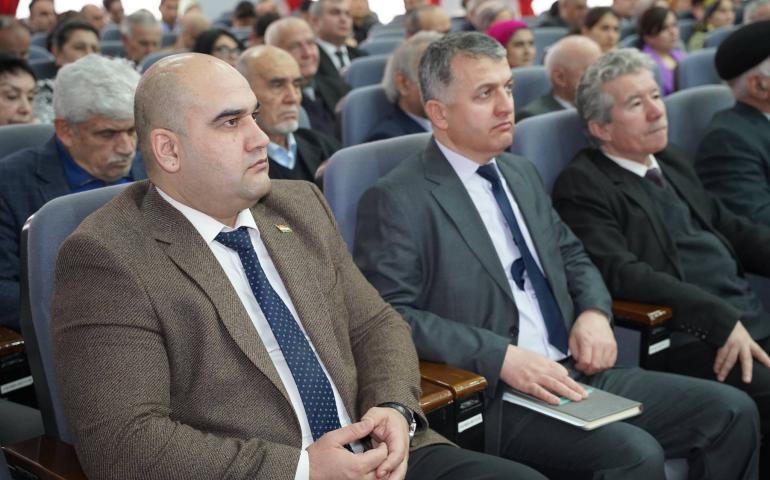
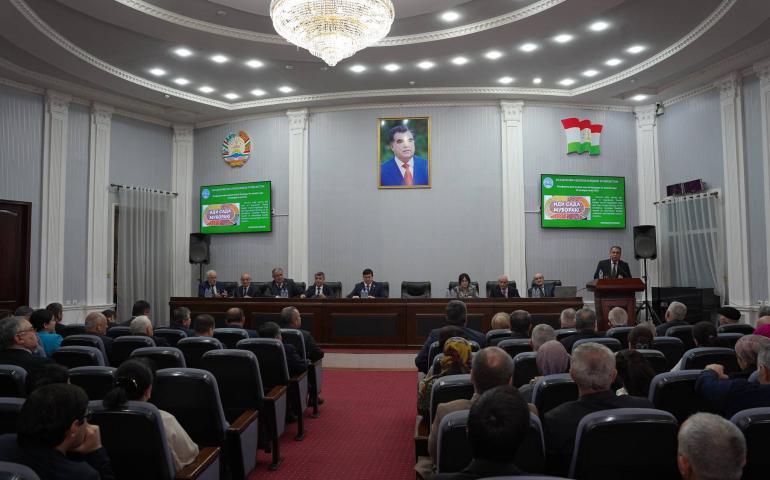
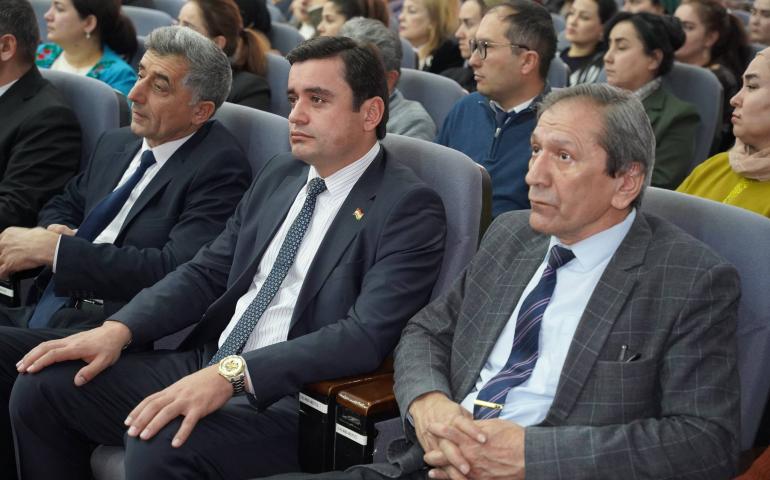
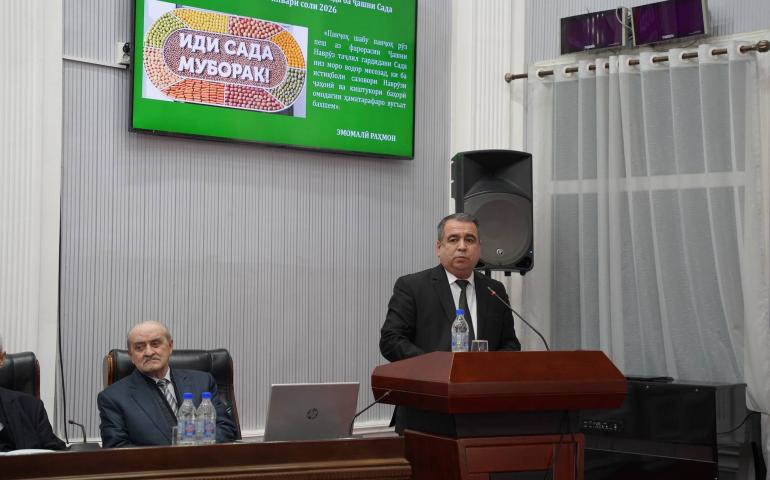
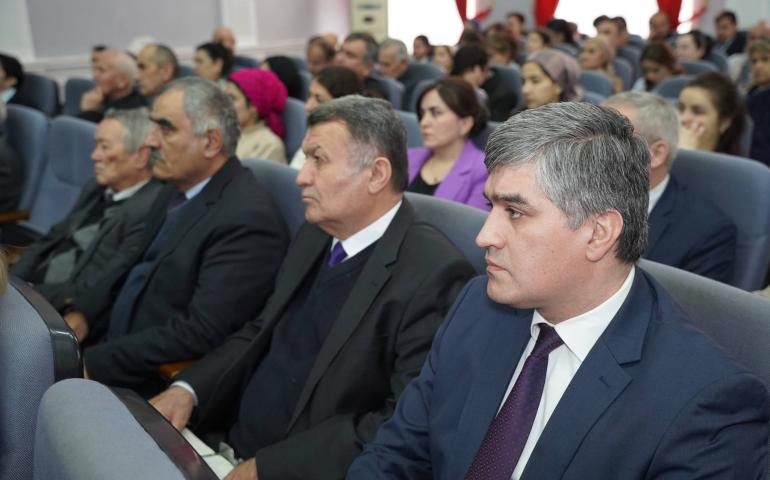
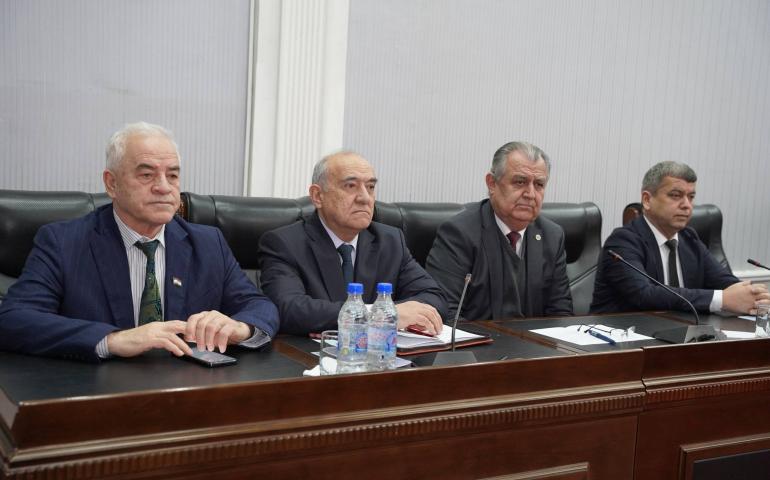
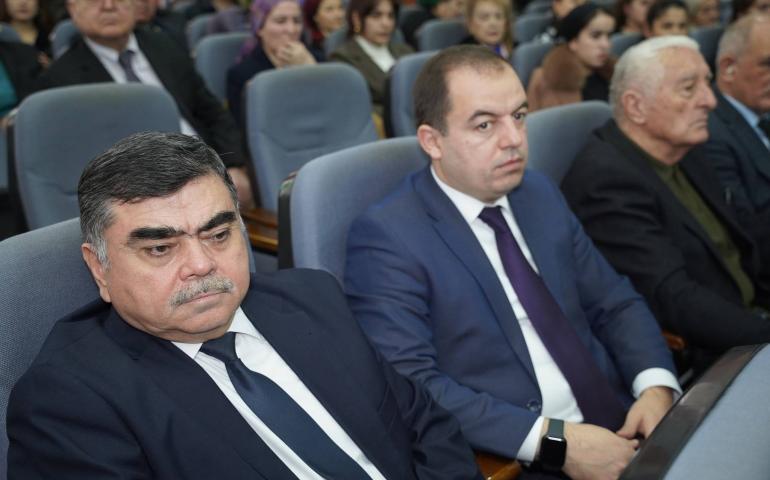
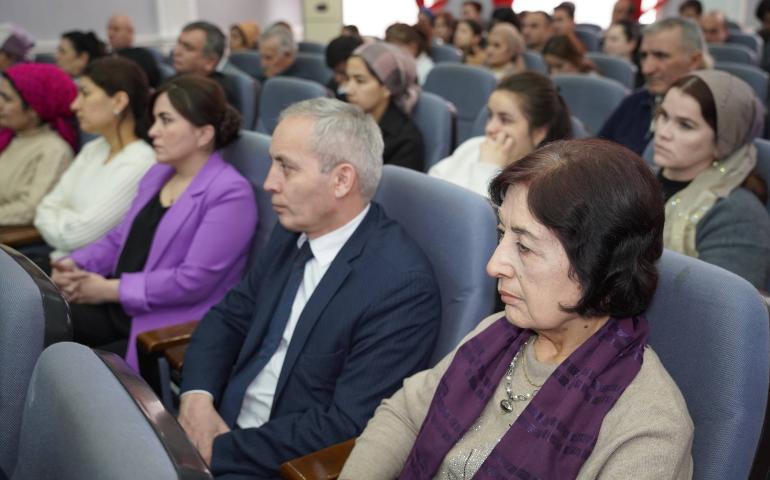
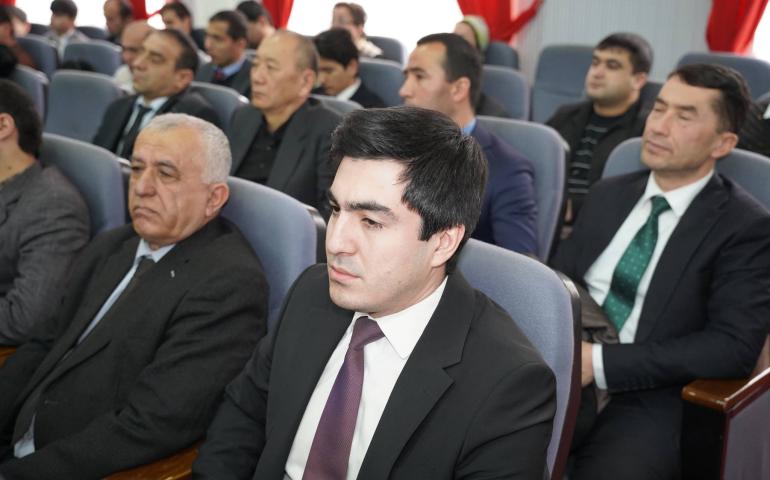
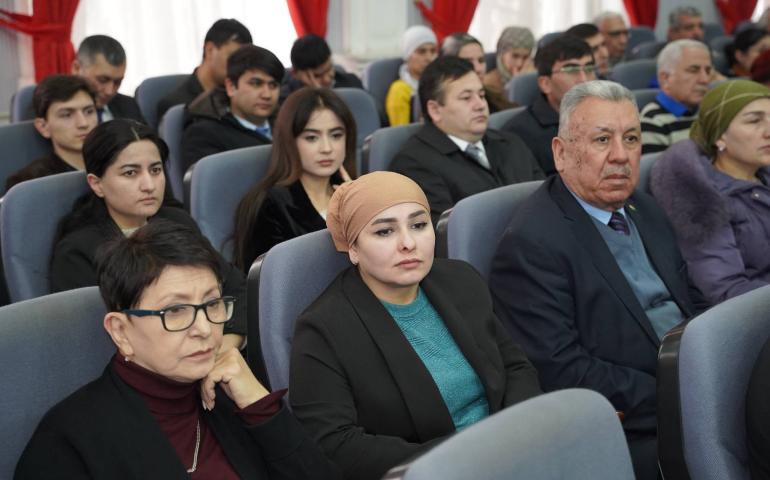
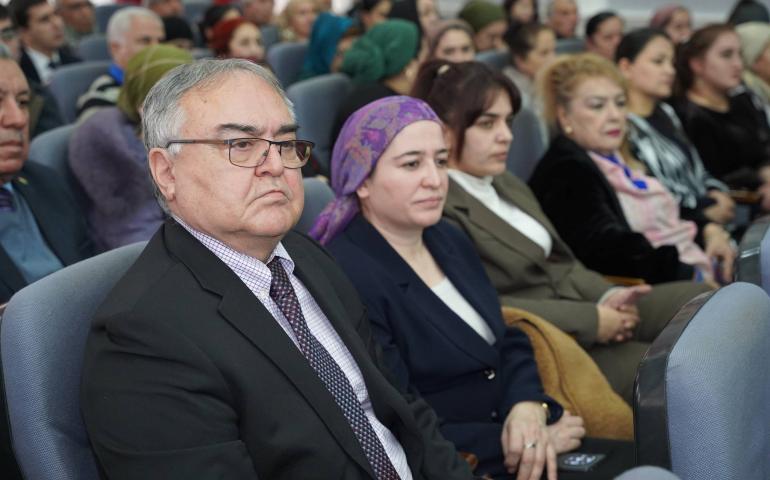
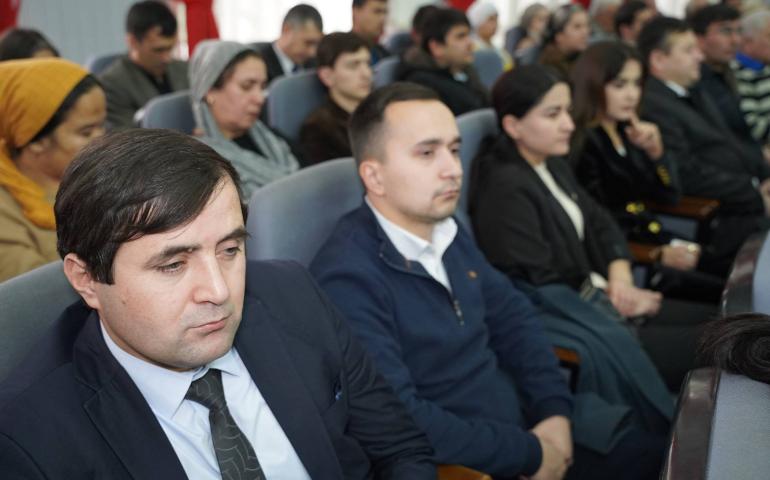
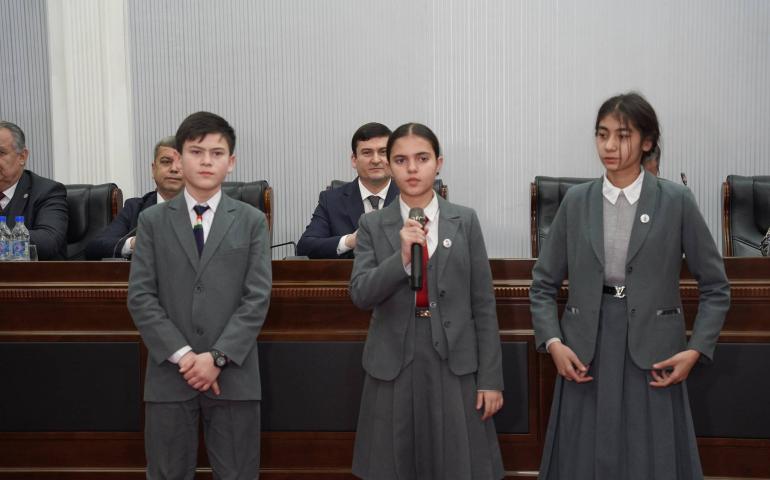
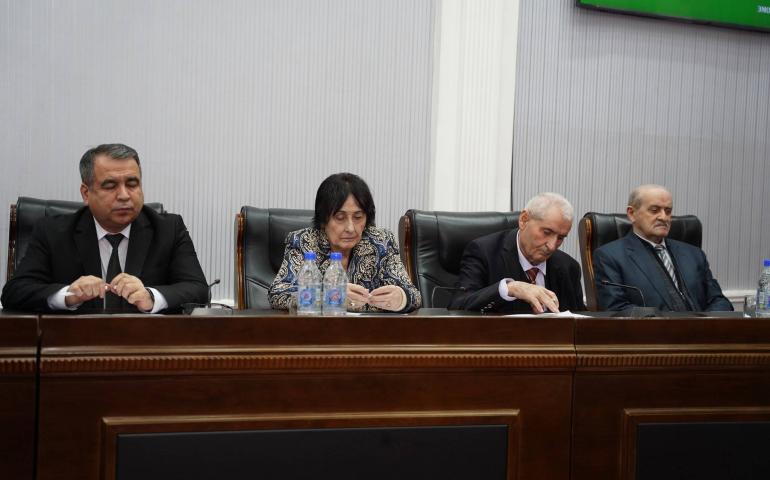
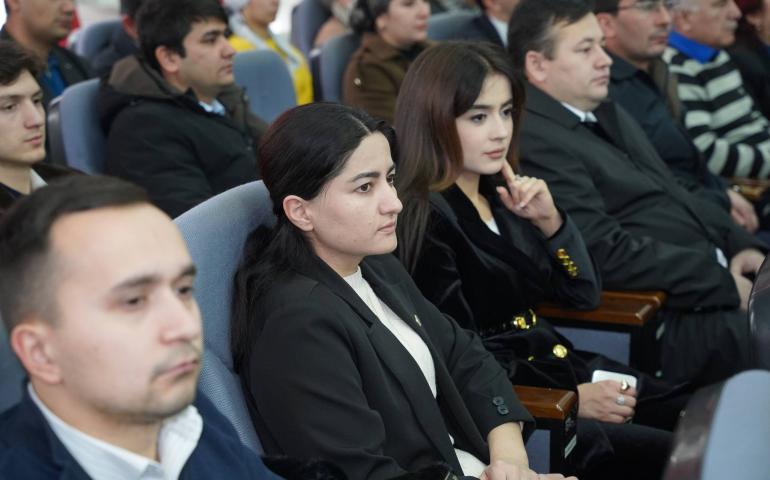
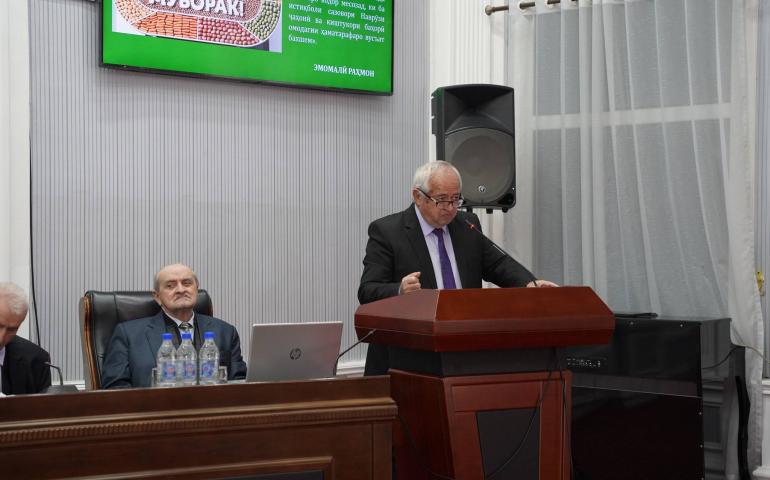
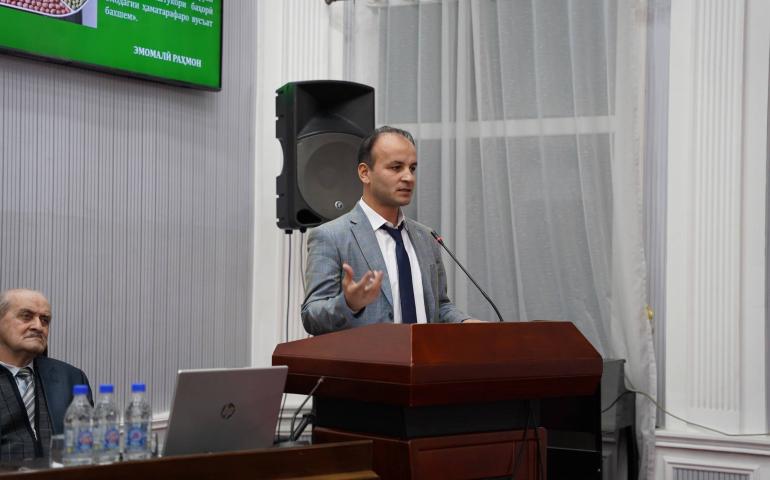
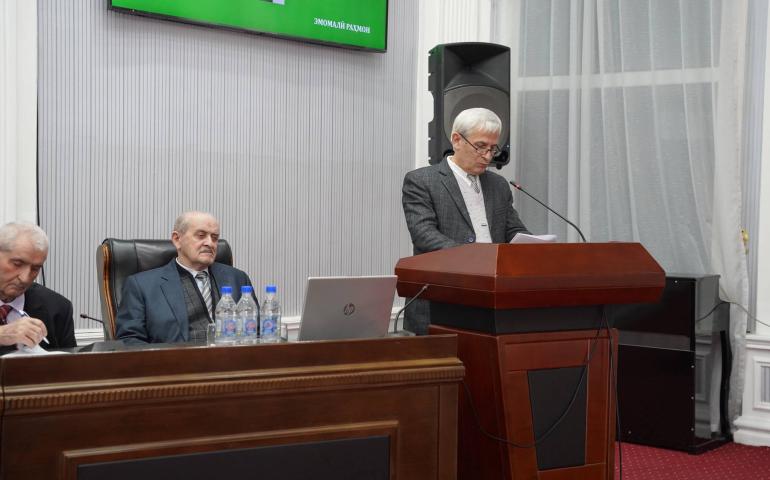
Имрӯз, 30 январ дар толори Раёсати Академияи миллии илмҳои Тоҷикистон бахшида ба ҷашни Сада Конференсияи илмию амалӣ дар мавзуи “Ҷашни Сада: таърих, моҳият ва рамзҳои миллии он” баргузор гардид. Ба кори конфронс ноиби президенти Академияи миллии илмҳои Тоҷикистон Саломиён Муҳаммаддовуд ҳусни оғоз бахшида, дар суханронии худ аз арзиши баланди миллӣ ва фарҳангии ҷашни бостонии Сада ёдовар шуд.
Президенти Академияи миллии илмҳои Тоҷикистон, академик Хушвахтзода Қобилҷон Хушвахт дар сухани ифтитоҳии хеш тамоми олимону кормандонро ба муносибати ин ҷашни миллӣ табрику таҳният гуфта, иброз дошт, ки Сада яке аз ҷашнҳои қадимаи мардуми ориёинажод буда, бо ташаббус ва ибтикори Асосгузори сулҳу ваҳдати миллӣ, Пешвои миллат, Президенти Ҷумҳурии Тоҷикистон муҳтарам Эмомалӣ Раҳмон эҳё гардида, ба яке аз ҷашнҳои дустдоштаи миллӣ табдил ёфтааст.
Пешвои миллат дар баромадҳои хеш таъкид менамоянд, ки "-ҷашнҳои Наврӯз, Тиргон, Меҳргон ва Сада пояҳои асолати миллии тоҷикон ба шумор мераванд, зеро ҳамаи онҳо маҳз дар марзу буми аҷдодии мо, яъне дар қаламрави таърихии тоҷикон зуҳур карда, ташаккул ёфтаанд”.Аз ин хотир, эҳтиром гузоштан ба суннату ойинҳои миллӣ, бахусус, ҷашни Сада, арҷгузорӣ ба миллату давлат, сарзамини муқаддас ва таъриху фарҳанги куҳанбунёди халқи тамаддунсозамон мебошад.
Таъкид гардид, ки имрӯз дар қатори дигар ҷашну суннатҳои неки ниёгон Сада бо шукуҳу шаҳомати хосса дар Тоҷикистон таҷлил мегардад. Ин ҷашн ҳазорон сол қидмат дорад ва аз куҳантарин ҷашнҳои ориёӣ (ҳатто қадимитар аз Наврӯз) ба шумор меравад. Сада рамзе аз куҳан будани фарҳанги миллати тамаддунофари тоҷик аст, ки дар худ маърифат ва шинохти табиату ҷомеаро аз ҷониби ниёгони мо ҳанӯз дар аҳди бостон инъикос кардааст.
Гуфта шуд, ки Сада далели бумӣ, кишоварзу шаҳрнишин ва тамаддунофар будани тоҷикон аст. Ин ҷашн гувоҳи он аст, ки гузаштагони мо кишоварзу муқимӣ буда, дар соҳили дарёҳо ва водиҳои хушманзар ба сар мебурданд. Кишоварзон дар ин айём тибқи анъана бояд ба кандани наҳрҳову заҳбурҳо, тоза намудани ҷӯйборҳо, мондани яхоб, пошидани пору ба замин, омода намудани тухмӣ, воситаҳои кишоварзии мавриди ниёз, нигоҳубини махсуси ҳайвоноти хонагӣ барои аз зимистон солим баровардани онҳо чораҳои лозима меандешиданд.
Бояд гуфт, ки Сада ҳам монанди ҷашнҳои дигари суннатии сол аз дидгоҳи ниёгони мо ҷузве аз ҳодисаву дигаргуниҳои воқеии кайҳонӣ мебошад, ки акси садои таҳвилу таҳаввул ва таъсири бевоситаи ҳаракати ҷирмҳои мунири осмонӣ ба табиат нуфузи муассири худро гузошта метавонад. Ин ҷашн тибқи устураҳо дар замони шоҳони қадими пешдодӣ, ки таърихи тахминан 6-7 ҳазорсола доранд, баргузор мешудааст.
Дар идомаи конференсия як зумра аз олимону муҳаққиқон бо маърӯзаҳои илмӣ баромад намуда, вобаста ба таърих, моҳият ва рамзҳои миллии ҷашни Сада андешаҳои худро баён карданд. Ҳамчунин, мактабачагони Академияи хурди илмҳои Тоҷикистон доир ба ин ҷашни бостонӣ аз ашъори шоирон порчаҳо қироат намуданд.
Today, Aprile 1, the International Navruz holiday was celebrated with special grandeur at the National Academy of Sciences of Tajikistan. On this occasion, a festive cultural program was held in the courtyard of the Presidium building of the Academy, where employees and scholars of the research institutions participated with a high festive spirit.
The President of the National Academy of Sciences of Tajikistan, Academician Khushvakhtzoda Qobiljon Khushvakht, once again congratulated all scientists and staff on the International Navruz holiday and noted that the grand celebration of Navruz and its acquisition of international status, along with the revival of other material and spiritual values of our people — the Tajiks — are among the noble initiatives and cultural policy of the Founder of Peace and National Unity — the Leader of the Nation, President of the Republic of Tajikistan, Honorable Emomali Rahmon, which has created favorable conditions for the worthy presentation of our state and nation on the world stage.
It was emphasized that Navruz is considered one of the most ancient and magnificent celebrations of the Tajik people and other peoples of Aryan origin. This holiday has a very ancient history and, according to researchers, dates back more than five to six thousand years. The word “Navruz” consists of two words — “nav” and “ruz”, meaning “new day”, “new beginning”, and “the start of a new life”. Navruz is always celebrated with the arrival of spring and the equalization of day and night. During this time, nature awakens from its winter sleep, trees turn green, flowers bloom, and a new life begins. For this reason, Navruz is a symbol of revival, renewal, hope, and joy for the future.
It was noted that the history of Navruz dates back to very ancient times, to the era of the Aryan civilization. Historical sources and ancient legends state that Navruz was celebrated even during the time of the legendary king Jamshid. According to the legends, after defeating cold and darkness, Jamshid declared the new day as the beginning of the new year, and people celebrated that day with joy and happiness. Since then, this day became known among the people as a blessed and auspicious day and a symbol of the awakening of nature.
It was said that many scholars and historians believe that Navruz is not only a folk celebration but also an important part of the ancient culture of the peoples of the East. In different historical periods, including during the reign of the Achaemenids and the Sassanids, Navruz was celebrated with great ceremonies. Kings organized grand celebrations on this day, gave gifts to the people, and the people congratulated one another with joy.
It was noted that interesting information about Navruz can also be found in the works of many scholars and famous poets and writers of the world. For example, the great Eastern scholar Abu Rayhan Biruni provided valuable information about the origin and traditions of Navruz in his works. Likewise, the great Tajik-Persian poet Abulqosim Ferdowsi mentioned Navruz in his famous work “Shahnameh” as a blessed holiday and a symbol of the victory of light over darkness. In addition, the famous poet and astronomer Omar Khayyam in his work “Navruznama” also referred to the importance of this holiday and considered Navruz as a symbol of the beginning of a new life and the beauty of nature.
It was noted that one of the important traditions of Navruz is the preparation of sumanak. Sumanak is made from sprouted wheat and symbolizes abundance and prosperity in life. The preparation of sumanak usually lasts throughout the night. During this ritual, women and girls gather together and cook this symbolic dish with songs and joy. This custom is considered one of the beautiful traditions of Tajik culture and has been preserved to this day in all regions of Tajikistan. Along with sumanak, decorating the Navruz festive table is also considered one of the ancient traditions. The Navruz table is decorated with festive dishes of “haft sin” and “haft shin” and household items. Each of these dishes and items has its own symbolic meaning and represents prosperity and abundance in life.
During the continuation of the event dedicated to the International Navruz holiday, the winners of sports competitions, who demonstrated high skill, strong will, and sports spirit, were awarded commemorative gifts and certificates of appreciation. At the same time, two activists were awarded the badge “Excellent Worker of Education” and the Certificate of Honor of the Ministry of Education and Science of the Republic of Tajikistan for their valuable contribution to the development of the education sector.
Then, at the festive event, well-known artists of the republic performed and delighted the audience with their colorful songs.
VISIT TO THE NAVRUZ FESTIVE TABLE OF THE RESEARCH INSTITUTIONS OF THE NATIONAL ACADEMY OF SCIENCES OF TAJIKISTAN
Today, on Aprile 1, in honor of the International Day of Navruz, a traditional Navruz festive table was arranged in the courtyard of the Presidium building of the National Academy of Sciences of Tajikistan by the scholars and staff of the Academy’s research institutions, observing national customs and traditions, including the symbolic “Haft-Sin” and “Haft-Shin”.
During the visit, the leadership of the National Academy of Sciences of Tajikistan, along with scholars and staff members, viewed the Navruz festive tables prepared by the research institutions and became closely acquainted with their arrangement, Navruz traditions, and the examples of national art and culture presented by each institution.
It was emphasized that Navruz, as an ancient celebration and a symbol of the revival of nature, peace, friendship, and unity among peoples, holds a special status and, during the years of State Independence, under the culture-supporting policy of the Leader of the Nation, His Excellency Emomali Rahmon, has gained even greater respect and recognition.
It was also noted that arranging the Navruz festive table is considered one of the ancient traditions of the Tajik people and symbolizes abundance, purity, kindness, and the beginning of the new agricultural year. In this regard, the staff of the Academy’s research institutions, showing respect for the cultural heritage of their ancestors and the national traditions of the Tajik people, decorated the Navruz tables with special skill and a distinctive national style, presenting traditional dishes, sweets, and various symbolic products.
The event was held in a warm and friendly atmosphere and once again demonstrated the respect and appreciation of the scholars and staff of the research institutions for national values, the rich culture, and the noble traditions of the Tajik people.
Such initiatives, along with strengthening national self-awareness, also contribute to the presentation of ancient Navruz traditions and the preservation and promotion of national culture.
CONFERENCE: “RESEARCH IN THE HISTORY AND CIVILIZATION OF THE ARYANS: PAST AND PRESENT
”Today, on March 19, an international scientific and practical conference titled “Research in the History and Civilization of the Aryans: Past and Present” was held in the hall of the Presidium of the National Academy of Sciences of Tajikistan.
The conference was organized in connection with the proposals of the Founder of Peace and National Unity — Leader of the Nation, President of the Republic of Tajikistan Emomali Rahmon, regarding the establishment of the Center for Aryan Civilization and the International Navruz Center in the city of Dushanbe. Representatives of the Executive Office of the President of the Republic of Tajikistan, the leadership of the National Academy of Sciences, scholars and researchers, Persian-speaking intellectuals from Navruz-celebrating countries, as well as representatives of the Society for Friendship and Cultural Relations of Tajikistan with Foreign Countries participated in the conference and delivered speeches.
In his opening remarks, the President of the National Academy of Sciences of Tajikistan, Academician Kobiljon Khushvakhtzoda, emphasized that in his recent address to the nation the President of the Republic of Tajikistan E. Rahmon proposed the establishment of the Center for Aryan Civilization and the International Navruz Center in Dushanbe. According to him, this initiative once again demonstrates the continuous attention of the country’s leadership to the revival, research, and promotion of the historical and cultural values of the Tajik people and the ancient Aryan civilization.
It was noted that the Aryan civilization is one of the oldest civilizations in human history and has played a fundamental role in the formation of culture, language, worldview, social systems, and spiritual values of many peoples. Studies in history, archaeology, linguistics, anthropology, and cultural studies confirm that Central Asia, including the territory of present-day Tajikistan, is one of the main centers of the formation of Aryan civilization. The Tajik language, as a continuation of ancient Aryan languages such as Avestan, Pahlavi, Sogdian, and Bactrian, serves as a living testimony to this historical continuity.
Participants emphasized that the establishment of the Center for Aryan Civilization would create a solid scientific foundation for systematic and continuous research into this significant heritage. Such a center could become an interdisciplinary institution where comprehensive research on the history of civilization, migration, state formation, legal systems, religion, philosophy, and both material and intangible culture of the Aryan peoples would be conducted.
According to the speakers, the center could unite domestic and international scholars and transform Tajikistan into an important international platform for Aryan studies.
It was also stressed that the establishment of the Center for Aryan Civilization would contribute significantly to strengthening national self-awareness. In the context of globalization, where processes of cultural homogenization threaten the diversity of civilizations, studying and promoting the historical roots of a nation plays an important protective role.
During the conference, Senior Adviser of the Assistant to the President of the Republic of Tajikistan for Social Development and Public Relations Masrur Abdullozoda highlighted that studying and promoting Aryan civilization is essential for strengthening national identity, expanding scientific cooperation, and encouraging intercultural dialogue.
Deputy Chairman of the Society for Friendship and Cultural Relations of Tajikistan with Foreign Countries Ibrohim Abdullozoda also noted that the study and promotion of Aryan civilization contributes to strengthening cultural ties among the countries of the Navruz cultural area. Shared cultural values and traditions, he stated, can serve as an important basis for friendship, mutual understanding, and the development of scientific and cultural cooperation among peoples.
During the conference, all the scholars and researchers from various countries expressed their support for the initiative of the President of Tajikistan to establish the Center for Aryan Civilization and the International Navruz Center in Dushanbe, emphasizing the importance of such institutions for the study, preservation, and international promotion of Aryan cultural heritage.
The participants also noted that the establishment of these centers could create favorable conditions for expanding scientific and cultural cooperation and strengthening friendly relations among the countries of the Navruz cultural sphere.
MEETING WITH THE VICE PRESIDENT OF THE JAPAN INTERNATIONAL COOPERATION AGENCY (JICA)
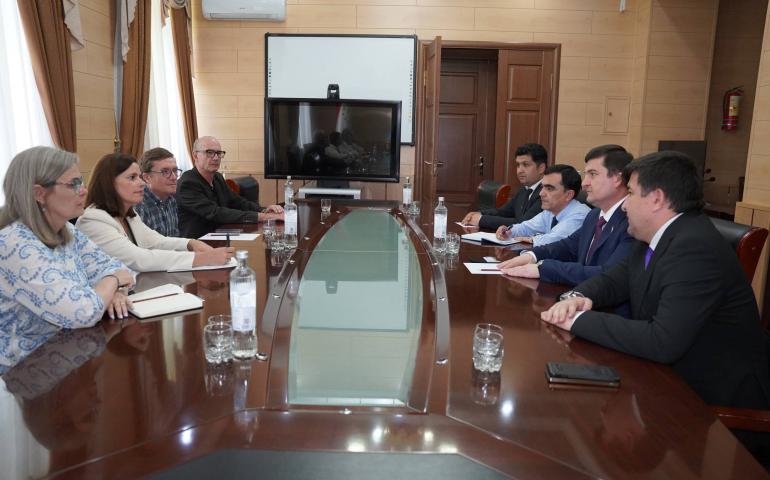
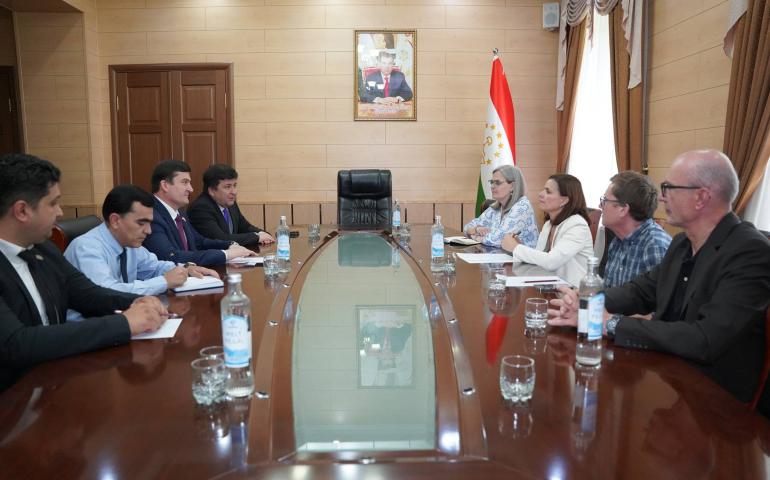
Today, January 26, a meeting was held at the Academy of Sciences of Tajikistan between the President of the Academy of Sciences of Tajikistan, Academician Khushvakhtzoda Qobiljon Khushvakht, and the Vice President of the Japan International Cooperation Agency (JICA), Yoshikawa Yoshifumi.
During the meeting, the parties exchanged views on expanding scientific and research cooperation, implementing joint educational and training projects, as well as sharing international experience in the fields of exact and natural sciences. The participants also discussed issues related to climate change, environmental protection, and other global challenges, along with prospects for conducting joint scientific research and implementing strategic projects in these areas.
In addition, the meeting addressed the development of cooperation between Tajikistan and Japan in the field of green energy, geothermal technologies, and the implementation of new projects in this sector. Special attention was given to the training of specialists in renewable energy and innovative technologies.
The President of the National Academy of Sciences of Tajikistan, Academician Khushvakhtzoda Qobiljon, emphasized the importance of strengthening scientific ties and strategic cooperation, highlighting the critical role of green energy and international partnerships in addressing global challenges.
For his part, the Vice President of the Japan International Cooperation Agency (JICA), Mr. Yoshifumi Yoshikawa, highly praised the Academy’s achievements in advancing science and implementing important environmental projects in Tajikistan. He also expressed JICA’s readiness to support new initiatives, joint research projects, and the training of young specialists in the fields of green energy and geothermal technologies.
At the conclusion of the meeting, both sides reaffirmed their commitment to continuing mutually beneficial cooperation and further developing Tajikistan’s scientific and energy sectors.
Today, the Chairman of the Majlisi milli of the Majlisi Oli of the Republic of Tajikistan, Chairman of the city of Dushanbe, Honourable Rustam Emomali, held a meeting with a number of archaeologists, historians, cultural experts, and other representatives
Today, the Chairman of the Majlisi milli of the Majlisi Oli of the Republic of Tajikistan, Chairman of the city of Dushanbe, Honourable Rustam Emomali, held a meeting with a number of archaeologists, historians, cultural experts, and other representatives of science and literature.
During the meeting was discussed the issue of establishing a Complex for the revival of historical memory and the strengthening of national identity in the city of Dushanbe. The participants welcomed the new initiative of Honourable Rustam Emomali and expressed their opinions and proposals on the matter.
@RustamEmomali
ELECTION OF HONORARY AND FOREIGN MEMBERS OF THE NATIONAL ACADEMY OF SCIENCES OF TAJIKISTAN IN 2025


In 2025, by decision of the General Assembly of the National Academy of Sciences of Tajikistan, 11 scholars and prominent figures from foreign scientific institutions were elected as foreign members of the National Academy of Sciences of Tajikistan.
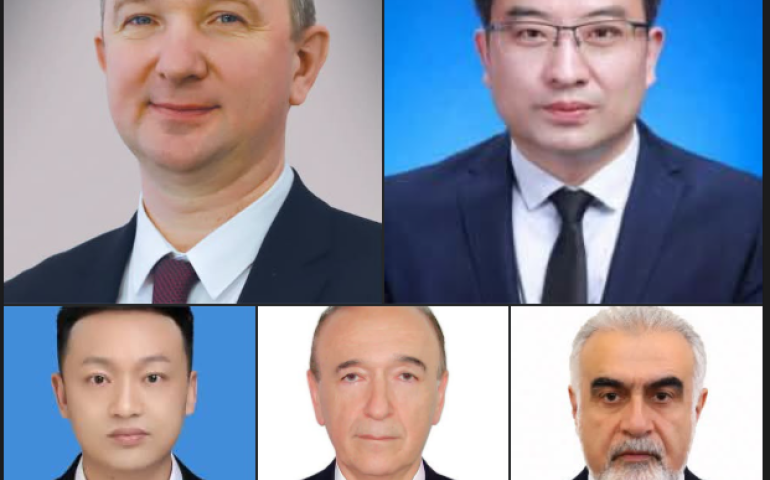
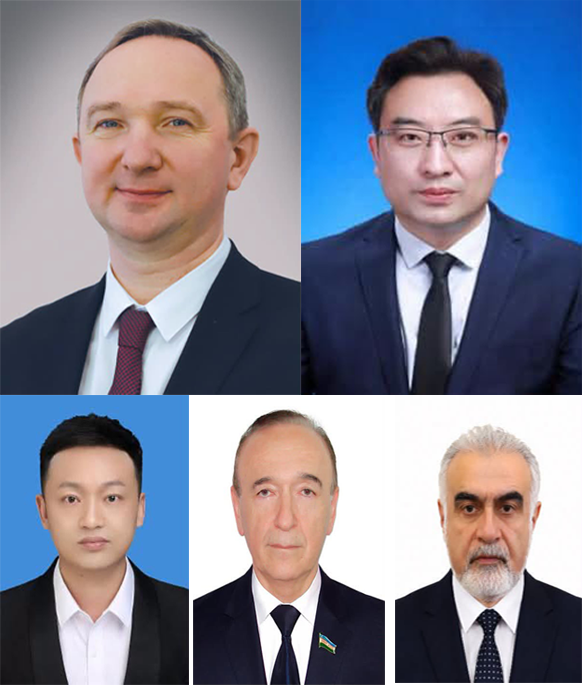
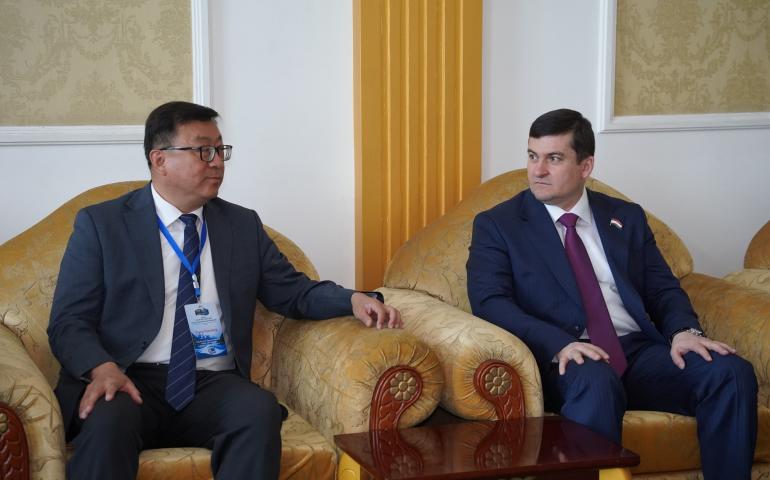
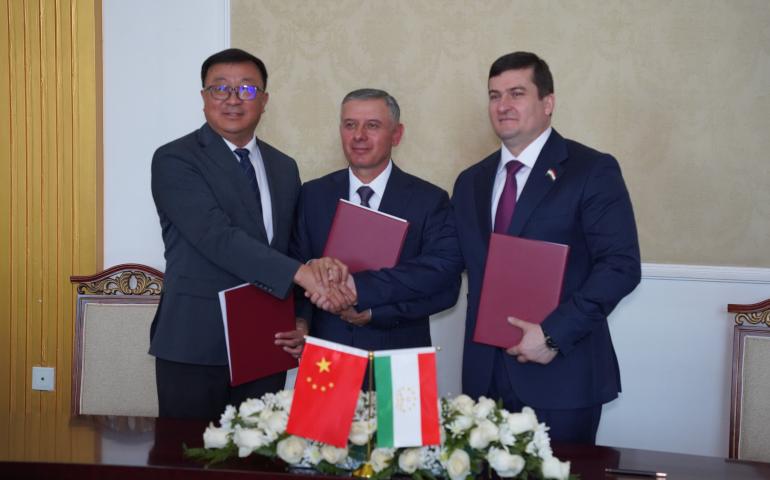
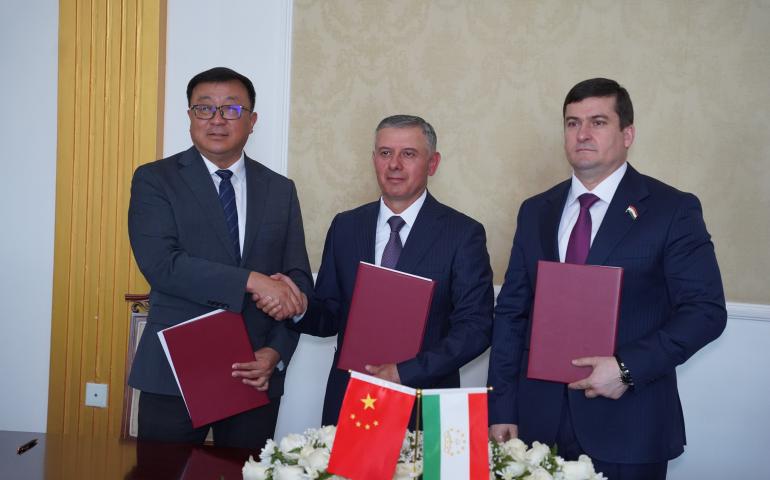
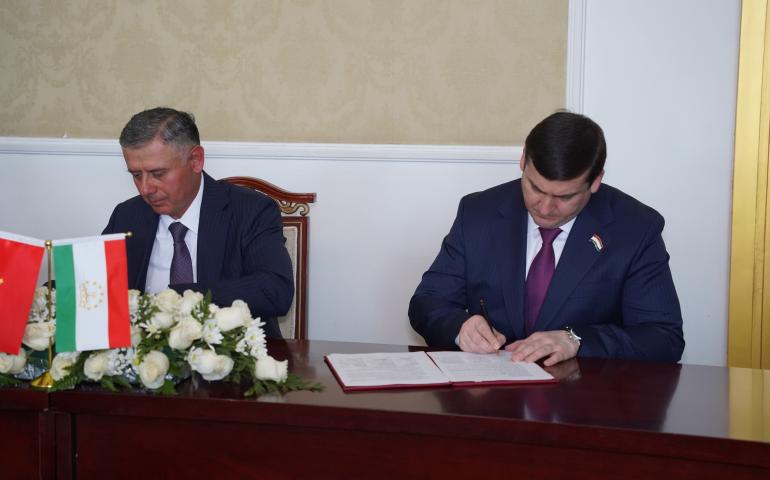
In recognition of their significant contribution to the development of science, strengthening international scientific relations, expanding research cooperation, and supporting joint scientific initiatives, Academician of the Academy of Sciences of the Republic of Uzbekistan Kalandar Abdurakhmonov, President of the Russian Academy of Sciences Gennady Yakovlevich Krasnikov, Head of the Information Department of the Executive Authorities of Shuozhou City of the People’s Republic of China Wu Bao Hua, as well as Zhanseit Kanseitovich Tuymebaev, Nasrullo Abdulloevich Shonazarov, Khojiakbar Aisa, Rahom Asha, Fumiaki Inagaki, Daizo Ishiyama, Ilya Raskin, Xinbo Gao and others were elected as foreign members of the National Academy of Sciences of Tajikistan.
The election of foreign members reflects the recognition of the high level of scientific activity of these individuals and at the same time demonstrates the growing prestige and international standing of the National Academy of Sciences of Tajikistan. The membership of foreign scholars provides a solid foundation for expanding scientific cooperation, exchanging experience, implementing joint projects, and advancing fundamental and applied research.
Furthermore, for the first time in the history of science, the People’s Artist of the Tajik SSR, master actor Hashim Gadoev, was elected an honorary member of the National Academy of Sciences of Tajikistan for his outstanding services in the development of art, his significant contribution to the education of the younger generation, and his role in strengthening the national culture of the Tajik people.
Participation of a Representative of the National Academy of Sciences of Tajikistan in an International Seminar on Digital Archaeology in Xi’an, People’s Republic of China
The Director of the National Museum of Antiquities of Tajikistan under the A. Donish Institute of History, Archaeology and Ethnology of the National Academy of Sciences of Tajikistan, Abdurahmon Pulotov, took part in the first Training Course on Digital Archaeology for Central Asian Countries, held from 16 to 25 December 2025 at the Collaborative Research Centre for Archaeology of the Silk Road of Northwest University of the People’s Republic of China, in Xi’an.
During the training seminar, participants became familiar with advanced digital technologies in archaeology, including photogrammetry, three-dimensional (3D) modeling, laser scanning, digital data processing, as well as modern methods for the preservation and presentation of cultural heritage.
The implementation of the training program was actively supported by specialized technological organizations and companies, which presented state-of-the-art equipment and practical solutions in the fields of digital mapping, 3D scanning, spatial modeling, and geospatial data processing. This scientific and technological collaboration enabled participants to apply theoretical knowledge directly through hands-on experience.
The seminar was also attended by representatives and young archaeologists from neighboring countries – Uzbekistan, Kyrgyzstan, Kazakhstan, and Turkmenistan, fostering professional exchange and strengthening regional academic cooperation.
The participation of Abdurahmon Pulotov in this international event is regarded as an important step toward the integration of modern digital technologies into archaeology and museum practice in Tajikistan, and toward the further development of scientific and cultural cooperation between the countries of Central Asia and the People’s Republic of China.
Today, December 24, a meeting was held at the National Academy of Sciences of Tajikistan between the President of the National Academy of Sciences of Tajikistan, Academician Khushvakhtzoda Qobiljon Khushvakht, and Professor Sabzali Musa Khan of the University of Malaysia, as well as Dr. Awang Azman Awang Powi.
During the meeting, the head of the Academy warmly welcomed the guests and provided detailed information on the priority areas of activity of the country’s leading scientific center — the National Academy of Sciences of Tajikistan.
The parties also discussed issues related to conducting field research in the fields of history, preservation of national and cultural values, and comprehensive study of the handwritten manuscripts of prominent scholars and thinkers of Central Asia. In this context, cooperation in research and preservation of cultural heritage, organization of expeditions, and exchange of scientific and research experience were highlighted.
The meeting addressed key areas of cooperation, including the launch of joint research programs, exchange of students and academic staff, organization and holding of seminars and international conferences, as well as strengthening academic ties in the fields of energy, engineering, and new technologies.
It was emphasized that one of the important areas of bilateral cooperation between scientific institutions of Tajikistan and Malaysia is the training of highly qualified scientific personnel at the master’s and doctoral (PhD) levels.
The parties also agreed to further expand cooperation, noting that the signing of a cooperation agreement in the future would be significant for the development of bilateral relations and the strengthening of scientific, cultural, and historical cooperation.