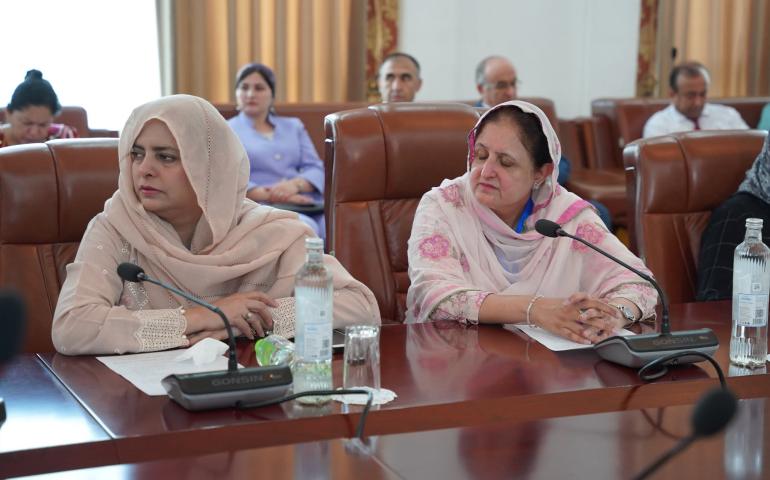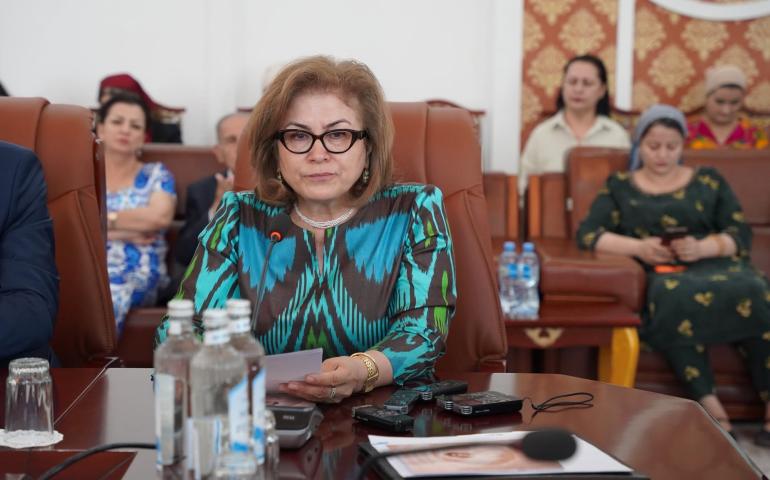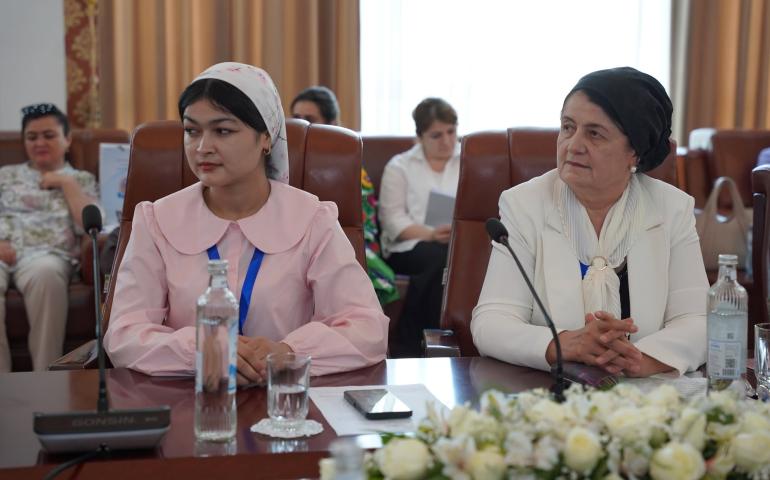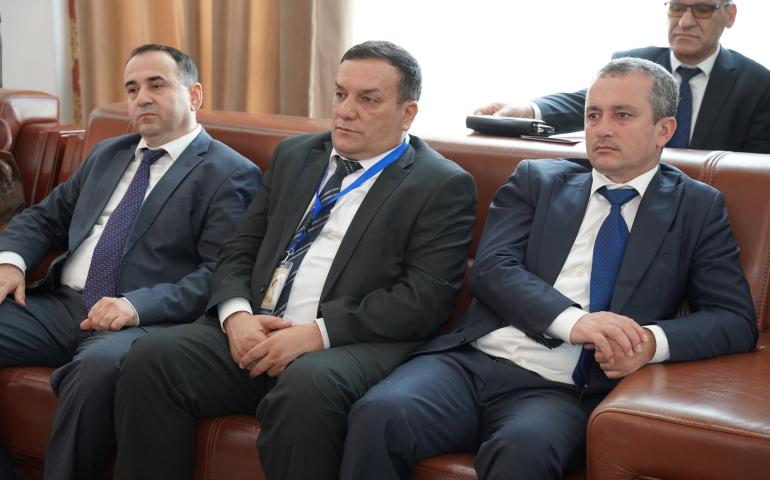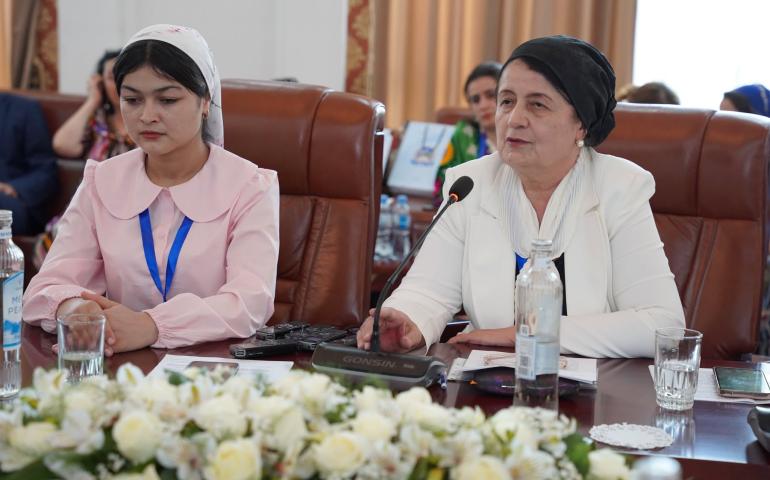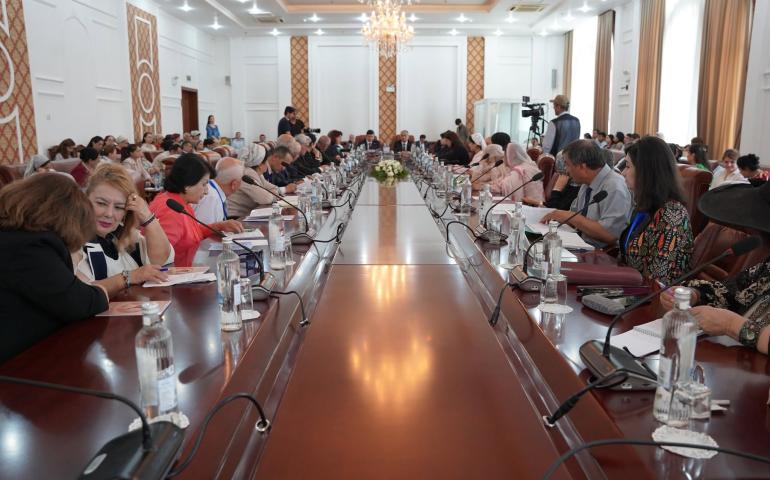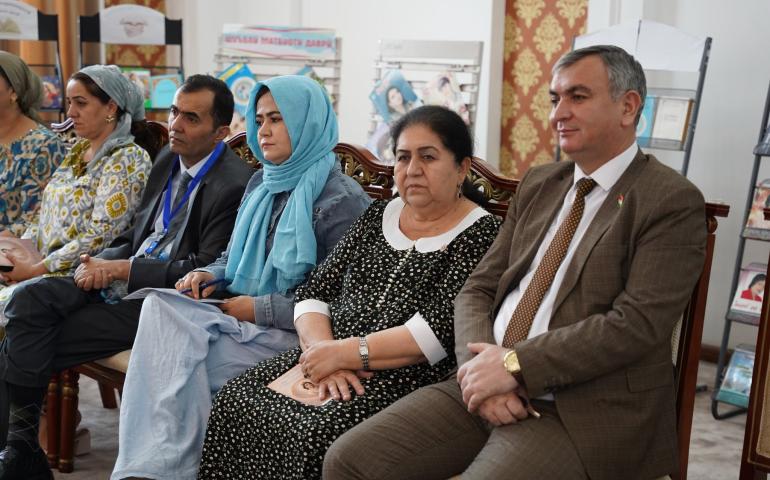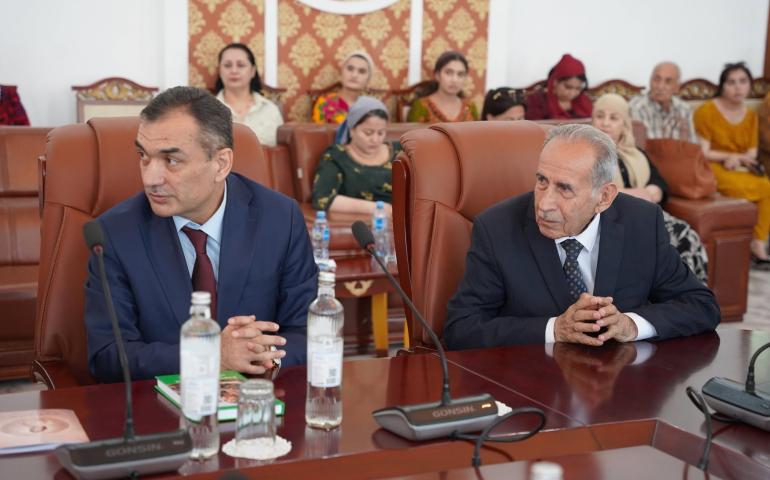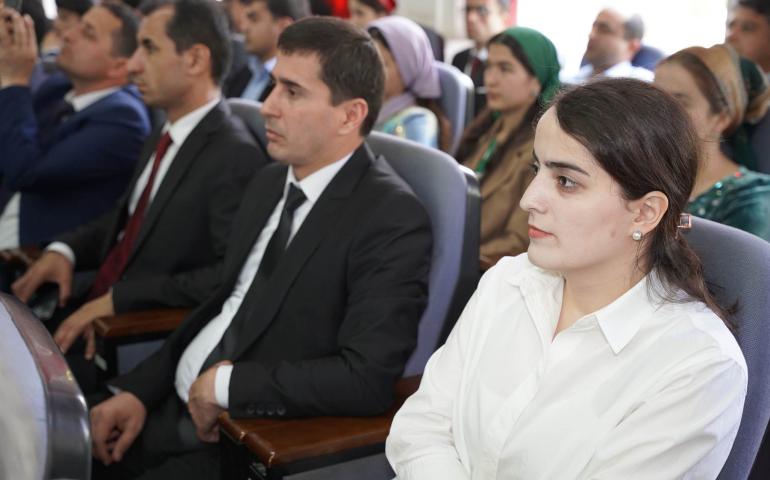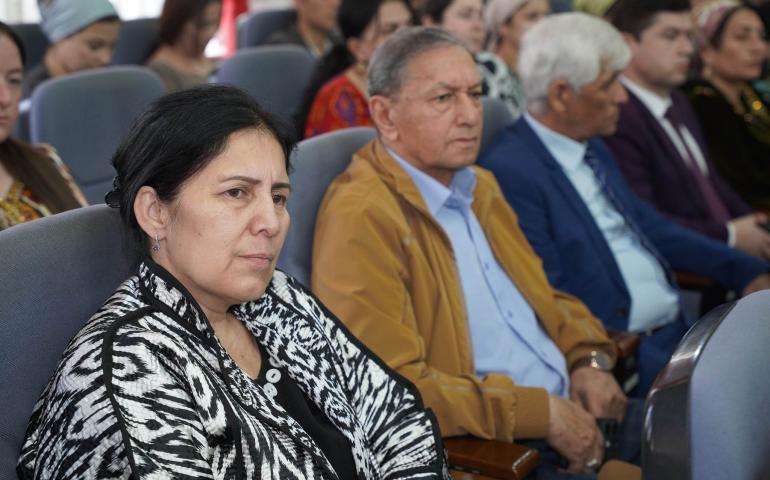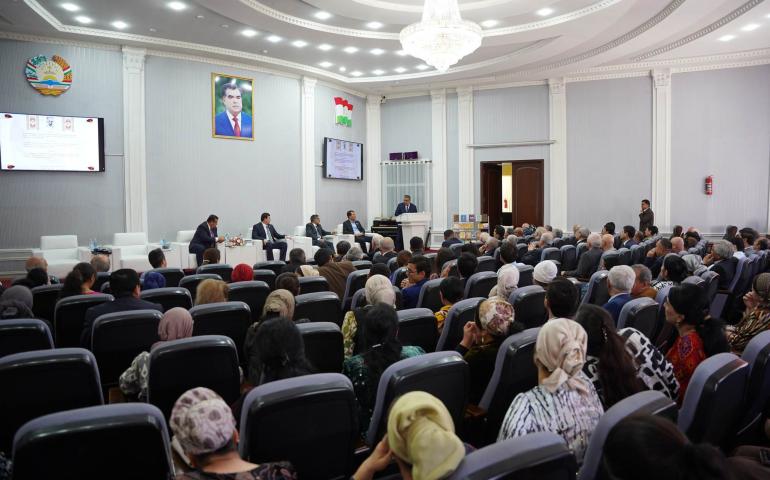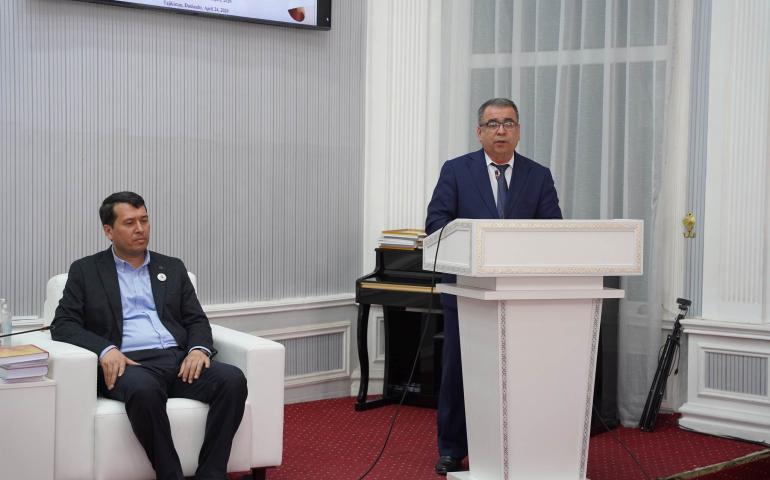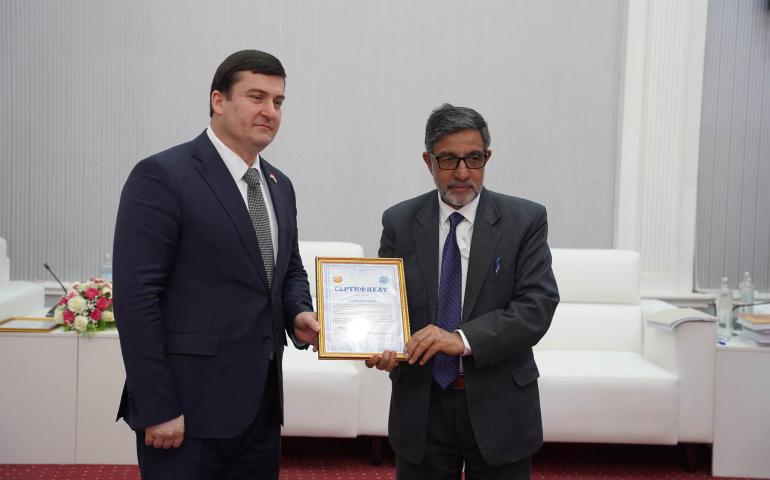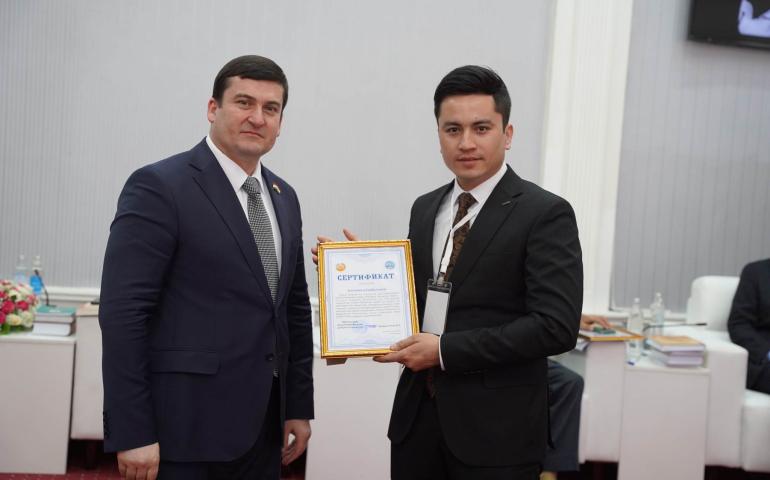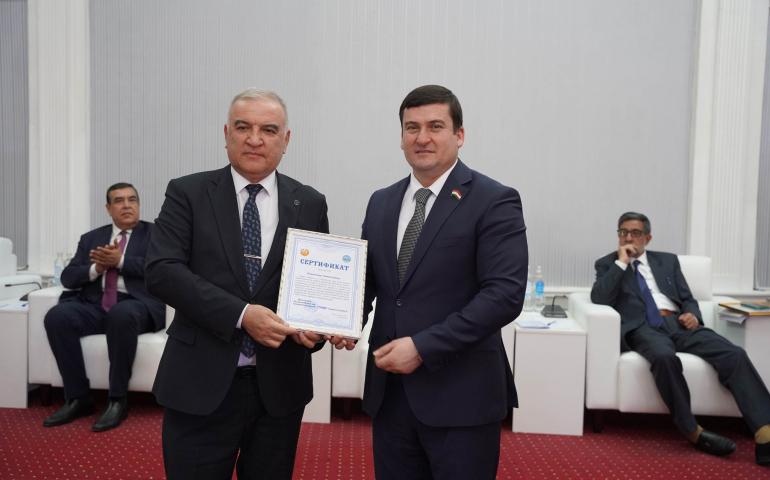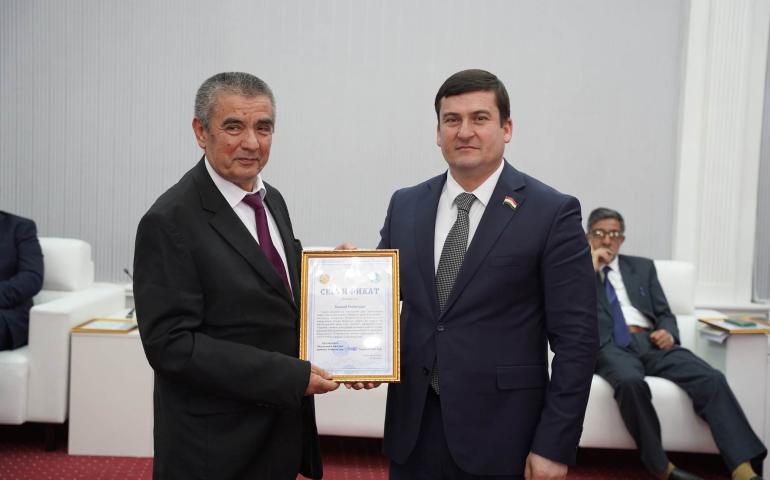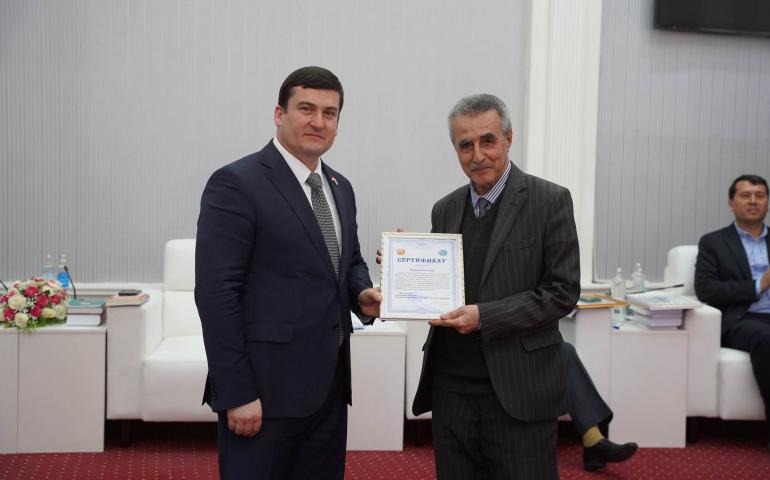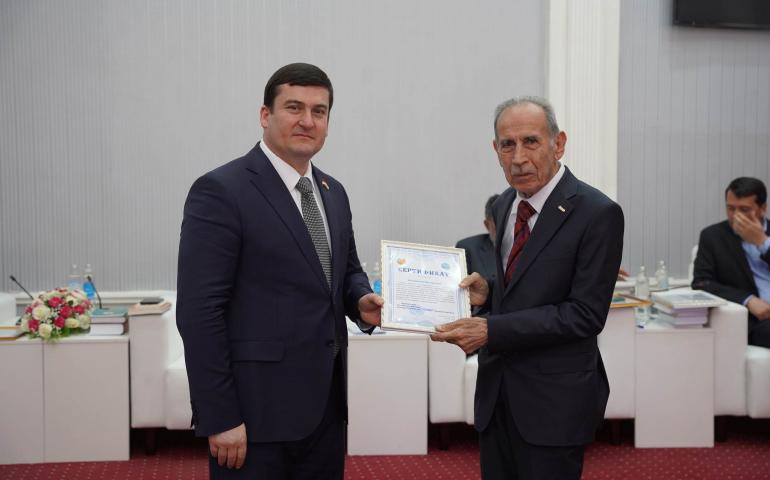

Зан–модар дар тамаддуни башарӣ яке аз арзишмандтарин ва муқаддастарин мавқеъро ишғол менамояд. Ӯ сарчашмаи ҳаёт, рамзи меҳру муҳаббат, таҷассумгари покӣ ва пояи устувори пойдории ҷомеа ба шумор меравад. Ҳар як инсон аз домони поки модар ба дунё омада, дар оғӯши гарми ӯ нахустин сабақҳои зиндагӣ — муҳаббат, садоқат, инсондӯстӣ ва ахлоқи ҳамидаи инсониро меомӯзад. Аз ҳамин лиҳоз, модар нахустин омӯзгор, аввалин мураббӣ ва мактаби ибтидоии тарбия барои ҳар як фарзанд мебошад.
Бузургии зан–модар пеш аз ҳама дар рисолати муқаддаси ӯ — офаридани ҳаёт ва тарбияи насли инсонӣ зоҳир мегардад. Модар бо меҳри беандоза ва ғамхории бепоён фарзандро ба воя расонида, ӯро ба роҳи дурусти зиндагӣ ҳидоят менамояд. Маҳз бо дуои неки модар ва дастгирии маънавии ӯ инсон метавонад ба қуллаҳои баланди дониш, маърифат ва камолоти инсонӣ бирасад. Аз ин рӯ, меҳри модар ҳамчун муқаддастарин эҳсос дар зиндагии инсон мақоми хос дорад ва ҳамеша чароғи роҳнамои фарзандон маҳсуб меёбад.
Дар фарҳангу анъанаҳои миллӣ арҷгузорӣ ба зан–модар ҷойгоҳи хоса дорад. Ҷомеае, ки занро гиромӣ медорад, дар асл ба арзишҳои олии инсонӣ, ахлоқӣ ва маънавӣ эҳтиром мегузорад. Зеро зан–модар на танҳо тарбиятгари фарзанд, балки бунёдгузори муҳити маънавии ҷомеа ва нигаҳбони суннатҳои неки миллӣ мебошад. Маҳз тавассути меҳру муҳаббат, сабру таҳаммул ва бурдбории модарон фазои орому солими оила ва ҷомеа ташаккул меёбад.
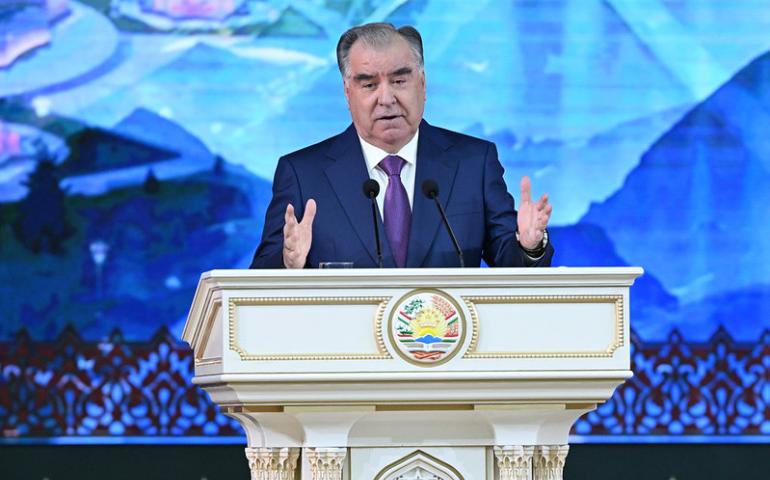
Асосгузори сулҳу ваҳдати миллӣ — Пешвои миллат, Президенти Ҷумҳурии Тоҷикистон муҳтарам Эмомалӣ Раҳмон дар суханрониҳои худ пайваста ба мақому манзалати баланди зан–модар ишора намуда, таъкид менамоянд, ки зан–модар сарчашмаи меҳру муҳаббат, рамзи покӣ, сабру таҳаммул ва идомабахши ҳаёти инсон мебошад. Ин андешаи пурҳикмат бозгӯи он аст, ки тарбияи насли солиму ватандӯст пеш аз ҳама аз домони поки модар оғоз меёбад.
Дар даврони соҳибистиқлолии Тоҷикистон мақому манзалати занону бонувон дар ҷомеа боз ҳам баланд гардида, барои иштироки фаъолонаи онҳо дар тамоми соҳаҳои ҳаёти ҷамъиятӣ шароити мусоид фароҳам оварда шудааст. Занони тоҷик имрӯз дар рушди илму маориф, фарҳанг, иқтисодиёт, сиёсат ва дигар бахшҳои муҳими ҷомеа саҳми назаррас мегузоранд. Онҳо бо фазлу заковат, масъулиятшиносӣ ва ҳисси баланди ватандӯстӣ дар пешрафту ободии кишвар нақши арзанда доранд.
Зан–модар на танҳо тарбиятгари насли оянда, балки нигаҳбони арзишҳои маънавӣ ва фарҳангии миллат низ мебошад. Модарон бо заҳмати шабонарӯзӣ ва муҳаббати беканор фарзандонро дар рӯҳияи худшиносӣ, ифтихори миллӣ, эҳтиром ба таъриху фарҳанг ва садоқат ба Ватан тарбия менамоянд. Маҳз чунин тарбия асоси бунёди ҷомеаи солим, пешрафта ва мутамаддин мегардад.
Дар васфи зан–модар бузургтарин шоирону адибони тоҷик суханҳои пурҳикмат гуфтаанд. Аз ҷумла, устоди сухан Мирзо Турсунзода дар байти пурмазмуни худ чунин мефармояд:
Зан агар оташ намешуд, хом мемондем мо,
Норасида бодаи дар ҷом мемондем мо.
Зан агар оташ намешуд, хонаи мо сард буд,
Бе чароғи равшане дар шом мемондем мо.
Ин суханони пурҳикмат бозгӯи ҳақиқати равшананд: агар меҳру муҳаббати зан–модар набошад, зиндагӣ гармӣ ва маънии аслии худро аз даст медиҳад. Маҳз муҳаббати поки модар аст, ки ба зиндагии инсон равшанӣ мебахшад ва ӯро ба роҳи неку созандагӣ ҳидоят менамояд.
Аз ин рӯ, эҳтиром ва арҷгузорӣ ба зан–модар қарзи инсониву виҷдонии ҳар як фарди ҷомеа мебошад. Гиромидошти модар дар асл гиромидошти зиндагӣ, оила, миллат ва ояндаи давлат аст.
Дар ин айёми фархунда ба ҳамаи модарону бонувони гиромӣ сиҳатмандии бардавом, рӯзгори ободу осуда, саодати зиндагӣ ва комёбиҳои бепоён орзу менамоем. Бигзор хонадони ҳар яки онҳо пур аз меҳру муҳаббат, сулҳу оромӣ ва файзу баракат бошад. Нури чеҳраашон ҳамеша тобон, қалбашон пур аз умед ва умрашон дарозу пурсаодат бод.
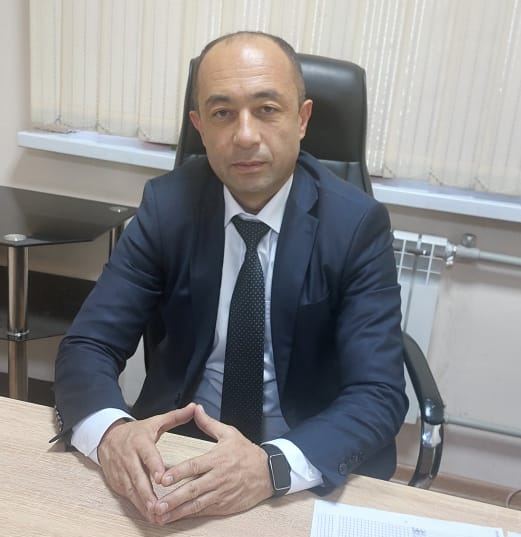
Саидзода Ҳалим Азиз - доктори илмҳои филологӣ, профессор, мудири кафедраи
забонҳои хориҷии назди Раёсати тайёр кардани кадрҳои илмии АМИТ
MEETING WITH THE VICE PRESIDENT OF THE JAPAN INTERNATIONAL COOPERATION AGENCY (JICA)
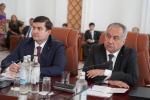
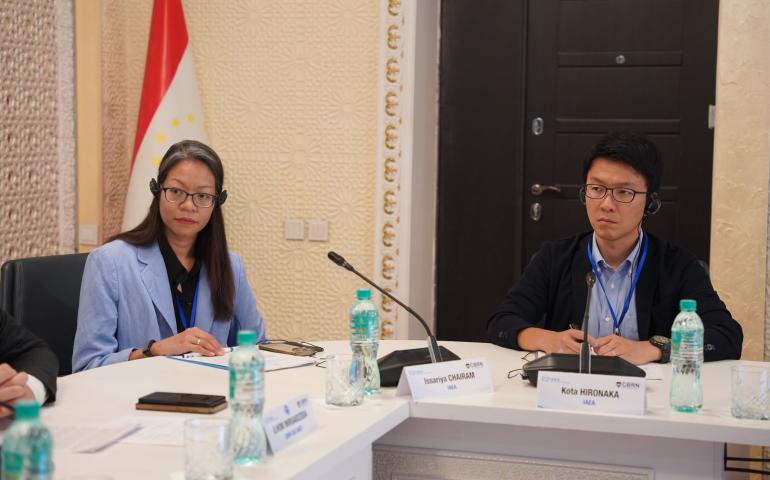
Today, January 26, a meeting was held at the Academy of Sciences of Tajikistan between the President of the Academy of Sciences of Tajikistan, Academician Khushvakhtzoda Qobiljon Khushvakht, and the Vice President of the Japan International Cooperation Agency (JICA), Yoshikawa Yoshifumi.
During the meeting, the parties exchanged views on expanding scientific and research cooperation, implementing joint educational and training projects, as well as sharing international experience in the fields of exact and natural sciences. The participants also discussed issues related to climate change, environmental protection, and other global challenges, along with prospects for conducting joint scientific research and implementing strategic projects in these areas.
In addition, the meeting addressed the development of cooperation between Tajikistan and Japan in the field of green energy, geothermal technologies, and the implementation of new projects in this sector. Special attention was given to the training of specialists in renewable energy and innovative technologies.
The President of the National Academy of Sciences of Tajikistan, Academician Khushvakhtzoda Qobiljon, emphasized the importance of strengthening scientific ties and strategic cooperation, highlighting the critical role of green energy and international partnerships in addressing global challenges.
For his part, the Vice President of the Japan International Cooperation Agency (JICA), Mr. Yoshifumi Yoshikawa, highly praised the Academy’s achievements in advancing science and implementing important environmental projects in Tajikistan. He also expressed JICA’s readiness to support new initiatives, joint research projects, and the training of young specialists in the fields of green energy and geothermal technologies.
At the conclusion of the meeting, both sides reaffirmed their commitment to continuing mutually beneficial cooperation and further developing Tajikistan’s scientific and energy sectors.
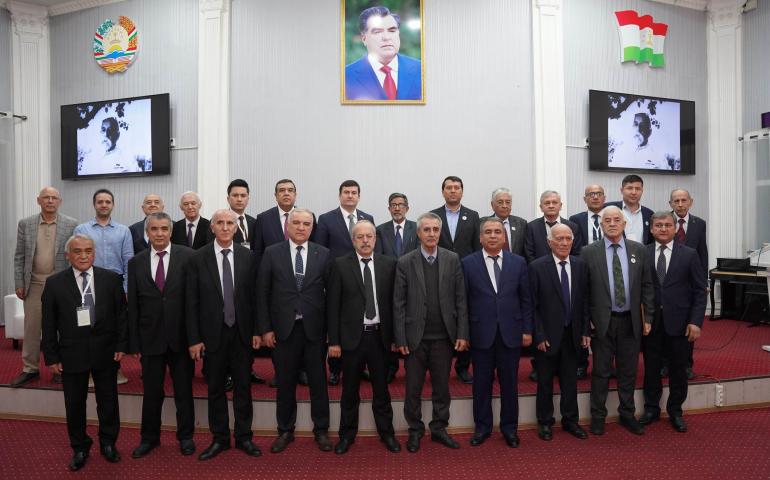
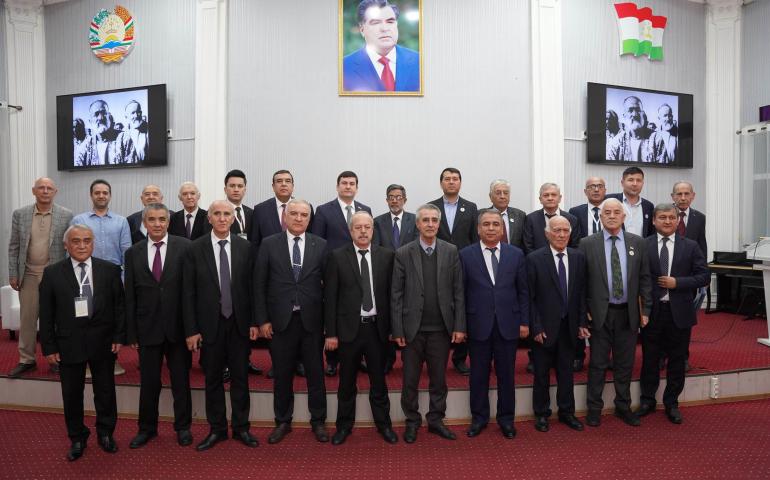
Today, the Chairman of the Majlisi milli of the Majlisi Oli of the Republic of Tajikistan, Chairman of the city of Dushanbe, Honourable Rustam Emomali, held a meeting with a number of archaeologists, historians, cultural experts, and other representatives
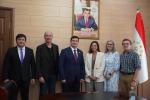
Today, the Chairman of the Majlisi milli of the Majlisi Oli of the Republic of Tajikistan, Chairman of the city of Dushanbe, Honourable Rustam Emomali, held a meeting with a number of archaeologists, historians, cultural experts, and other representatives of science and literature.
During the meeting was discussed the issue of establishing a Complex for the revival of historical memory and the strengthening of national identity in the city of Dushanbe. The participants welcomed the new initiative of Honourable Rustam Emomali and expressed their opinions and proposals on the matter.
@RustamEmomali
ELECTION OF HONORARY AND FOREIGN MEMBERS OF THE NATIONAL ACADEMY OF SCIENCES OF TAJIKISTAN IN 2025


In 2025, by decision of the General Assembly of the National Academy of Sciences of Tajikistan, 11 scholars and prominent figures from foreign scientific institutions were elected as foreign members of the National Academy of Sciences of Tajikistan.
In recognition of their significant contribution to the development of science, strengthening international scientific relations, expanding research cooperation, and supporting joint scientific initiatives, Academician of the Academy of Sciences of the Republic of Uzbekistan Kalandar Abdurakhmonov, President of the Russian Academy of Sciences Gennady Yakovlevich Krasnikov, Head of the Information Department of the Executive Authorities of Shuozhou City of the People’s Republic of China Wu Bao Hua, as well as Zhanseit Kanseitovich Tuymebaev, Nasrullo Abdulloevich Shonazarov, Khojiakbar Aisa, Rahom Asha, Fumiaki Inagaki, Daizo Ishiyama, Ilya Raskin, Xinbo Gao and others were elected as foreign members of the National Academy of Sciences of Tajikistan.
The election of foreign members reflects the recognition of the high level of scientific activity of these individuals and at the same time demonstrates the growing prestige and international standing of the National Academy of Sciences of Tajikistan. The membership of foreign scholars provides a solid foundation for expanding scientific cooperation, exchanging experience, implementing joint projects, and advancing fundamental and applied research.
Furthermore, for the first time in the history of science, the People’s Artist of the Tajik SSR, master actor Hashim Gadoev, was elected an honorary member of the National Academy of Sciences of Tajikistan for his outstanding services in the development of art, his significant contribution to the education of the younger generation, and his role in strengthening the national culture of the Tajik people.
Participation of a Representative of the National Academy of Sciences of Tajikistan in an International Seminar on Digital Archaeology in Xi’an, People’s Republic of China
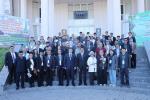
The Director of the National Museum of Antiquities of Tajikistan under the A. Donish Institute of History, Archaeology and Ethnology of the National Academy of Sciences of Tajikistan, Abdurahmon Pulotov, took part in the first Training Course on Digital Archaeology for Central Asian Countries, held from 16 to 25 December 2025 at the Collaborative Research Centre for Archaeology of the Silk Road of Northwest University of the People’s Republic of China, in Xi’an.
During the training seminar, participants became familiar with advanced digital technologies in archaeology, including photogrammetry, three-dimensional (3D) modeling, laser scanning, digital data processing, as well as modern methods for the preservation and presentation of cultural heritage.
The implementation of the training program was actively supported by specialized technological organizations and companies, which presented state-of-the-art equipment and practical solutions in the fields of digital mapping, 3D scanning, spatial modeling, and geospatial data processing. This scientific and technological collaboration enabled participants to apply theoretical knowledge directly through hands-on experience.
The seminar was also attended by representatives and young archaeologists from neighboring countries – Uzbekistan, Kyrgyzstan, Kazakhstan, and Turkmenistan, fostering professional exchange and strengthening regional academic cooperation.
The participation of Abdurahmon Pulotov in this international event is regarded as an important step toward the integration of modern digital technologies into archaeology and museum practice in Tajikistan, and toward the further development of scientific and cultural cooperation between the countries of Central Asia and the People’s Republic of China.
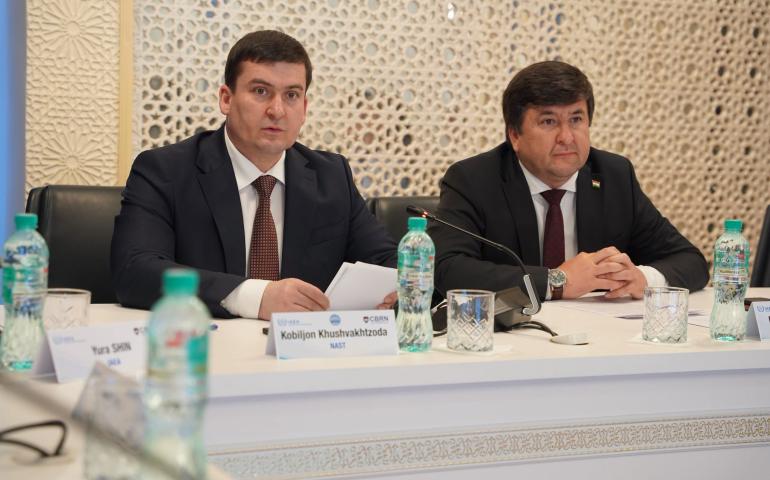
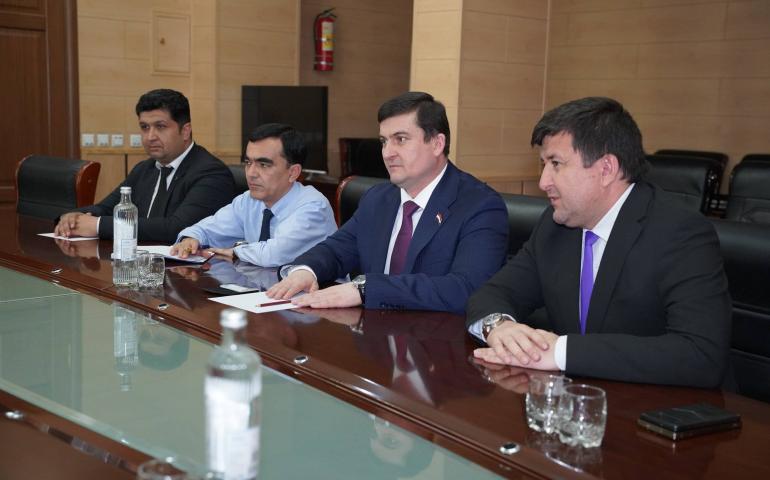
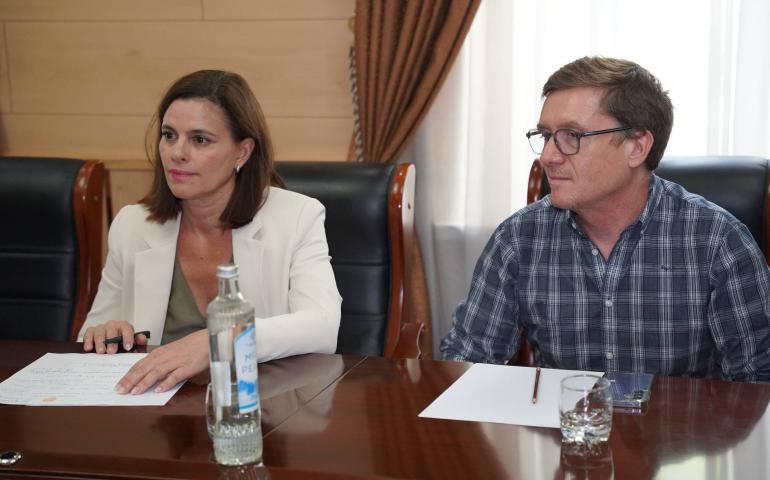
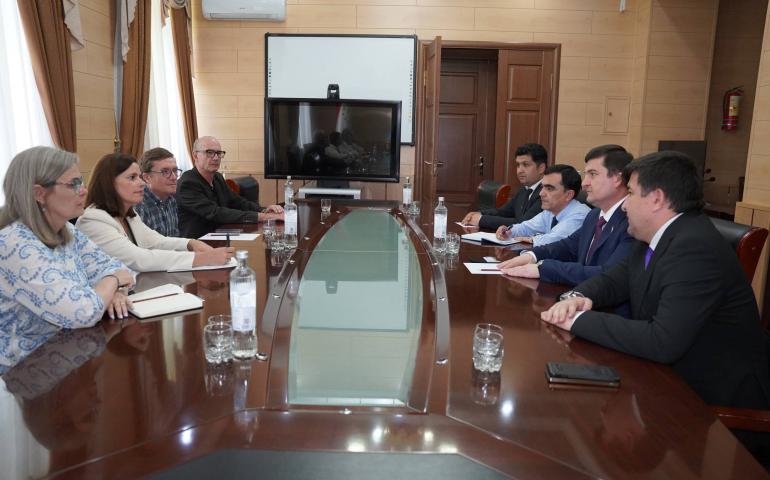
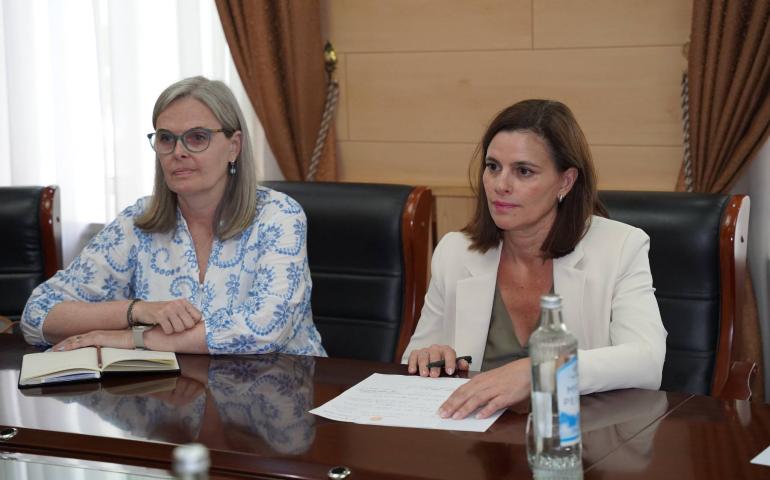
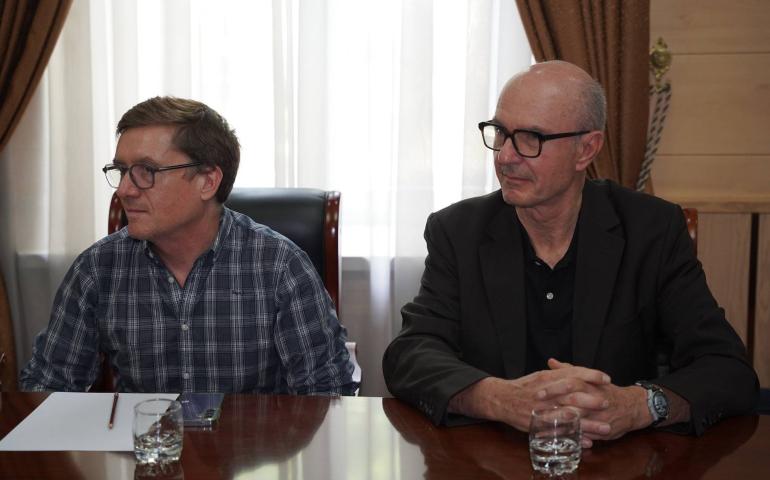
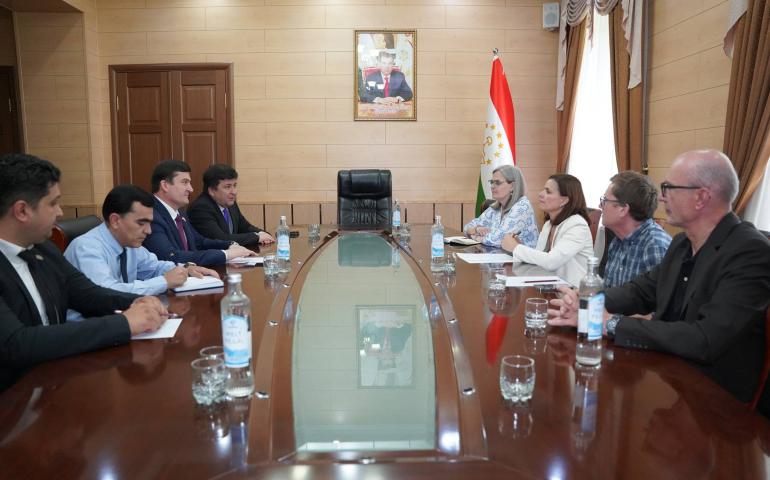
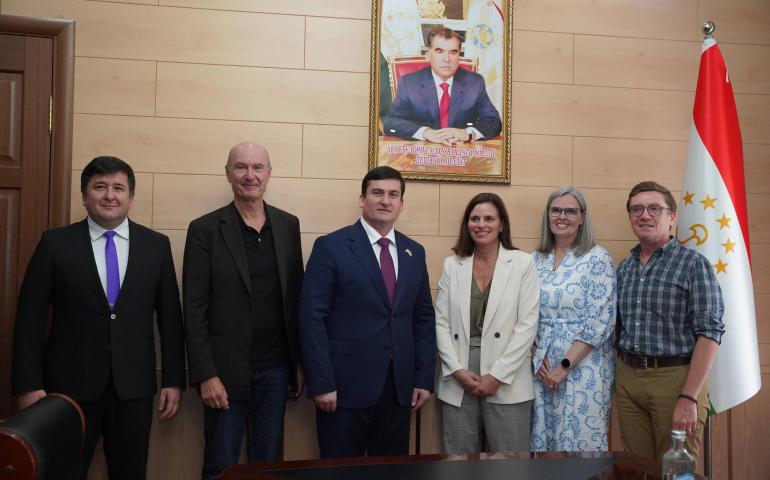
Today, December 24, a meeting was held at the National Academy of Sciences of Tajikistan between the President of the National Academy of Sciences of Tajikistan, Academician Khushvakhtzoda Qobiljon Khushvakht, and Professor Sabzali Musa Khan of the University of Malaysia, as well as Dr. Awang Azman Awang Powi.
During the meeting, the head of the Academy warmly welcomed the guests and provided detailed information on the priority areas of activity of the country’s leading scientific center — the National Academy of Sciences of Tajikistan.
The parties also discussed issues related to conducting field research in the fields of history, preservation of national and cultural values, and comprehensive study of the handwritten manuscripts of prominent scholars and thinkers of Central Asia. In this context, cooperation in research and preservation of cultural heritage, organization of expeditions, and exchange of scientific and research experience were highlighted.
The meeting addressed key areas of cooperation, including the launch of joint research programs, exchange of students and academic staff, organization and holding of seminars and international conferences, as well as strengthening academic ties in the fields of energy, engineering, and new technologies.
It was emphasized that one of the important areas of bilateral cooperation between scientific institutions of Tajikistan and Malaysia is the training of highly qualified scientific personnel at the master’s and doctoral (PhD) levels.
The parties also agreed to further expand cooperation, noting that the signing of a cooperation agreement in the future would be significant for the development of bilateral relations and the strengthening of scientific, cultural, and historical cooperation.
MEETING WITH DEVELOPMENT PARTNERS FROM XI’AN JIAOTONG UNIVERSITY, PEOPLE’S REPUBLIC OF CHINA
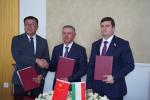
Today, December 17, a meeting was held at the National Academy of Sciences of Tajikistan between the President of the National Academy of Sciences of Tajikistan, Academician Khushvakhtzoda Qobiljon Khushvakht, and development partners from Xi’an Jiaotong University, People’s Republic of China.
The meeting was also attended by Vice President of Xi’an Jiaotong University Bie Chaohun, Executive Vice President of the Research Institute Shao Jingyu, Director of the International Center for New Technology Transfer Wang Wen, Deputy Director of the International Office Meng Xiangli, as well as the President’s Advisor and Head of the Department of International Scientific Relations of the National Academy of Sciences of Tajikistan.
During the meeting, the parties discussed issues related to the implementation of the planned activities for the construction of the buildings of the Scientific Center for Information Technology and the dormitory to implement the joint program for training scientific personnel (Master’s and PhD).
In addition, the meeting addressed the expansion of cooperation in the field of international scientific projects and their joint implementation with the participation of scientists and researchers from Xi’an Jiaotong University, People’s Republic of China.
In this regard, the university representatives expressed their full readiness to cooperate with the President of the National Academy of Sciences of Tajikistan, Academician Khushvakhtzoda Qobiljon Khushvakht. On the sidelines of the visit, based on the agreement between the National Academy of Sciences and Xi’an Jiaotong University, the Xi’an–Tajikistan International Center for New Technology Transfer was inaugurated.
At the same time, the university representatives visited the selected site for the construction of the Scientific Center for Information Technology and the dormitory and commenced construction works on these facilities.
COMMISSIONING OF THE JOINT LABORATORY ON ENVIRONMENTAL MONITORING AND BIG DATA UTILIZATION
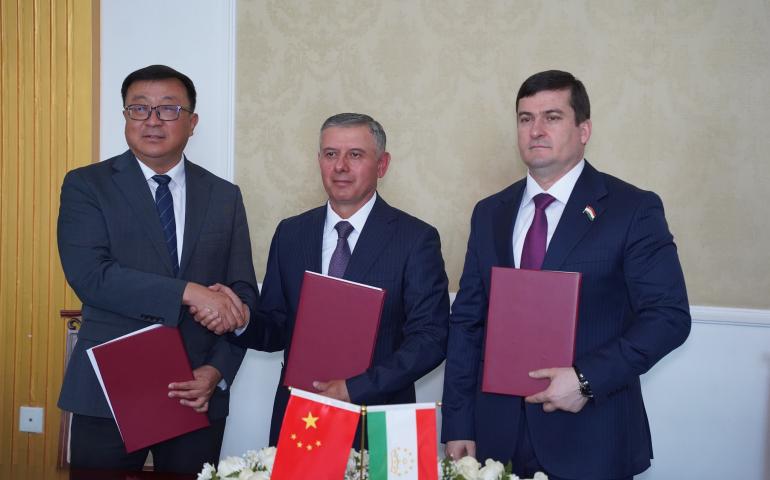
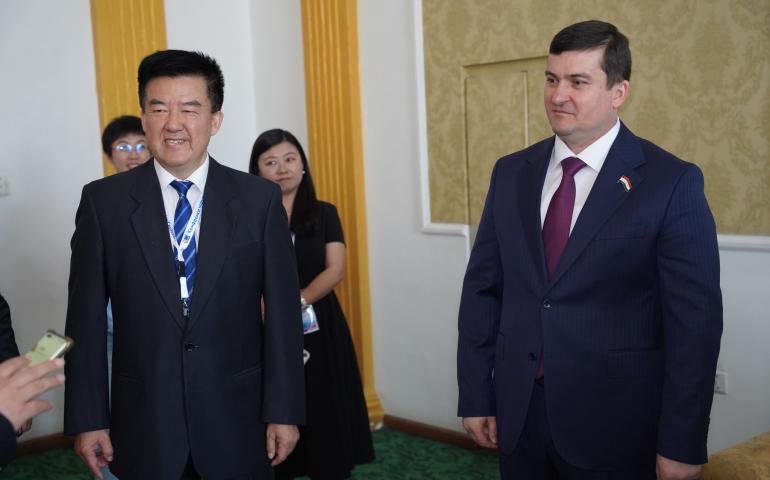
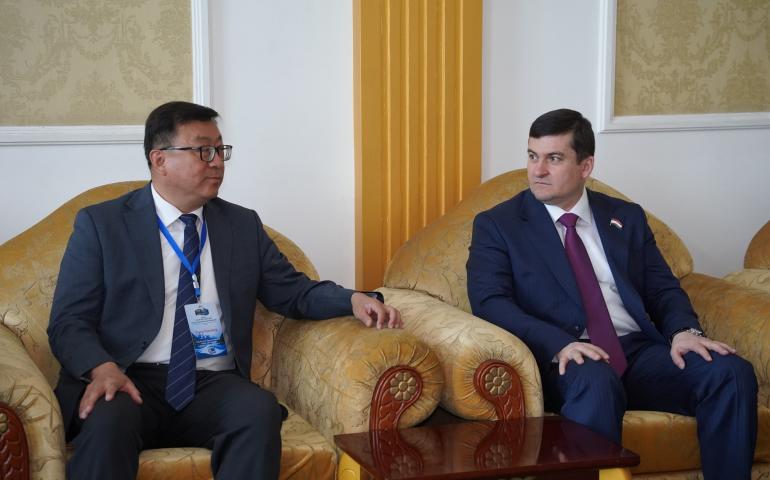
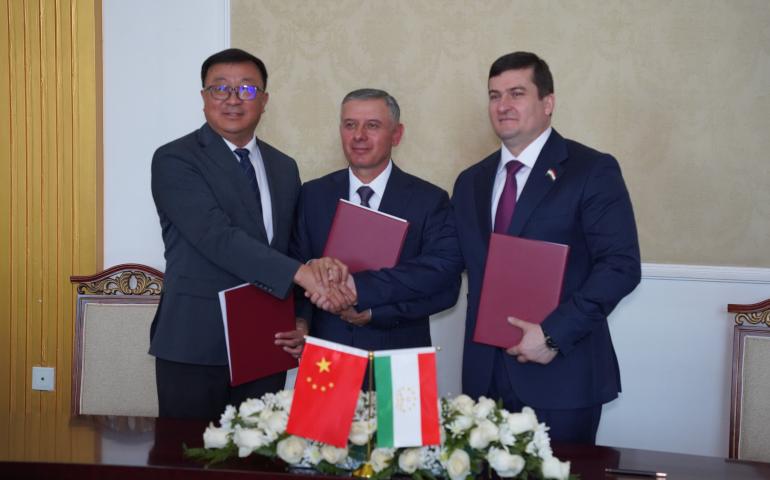
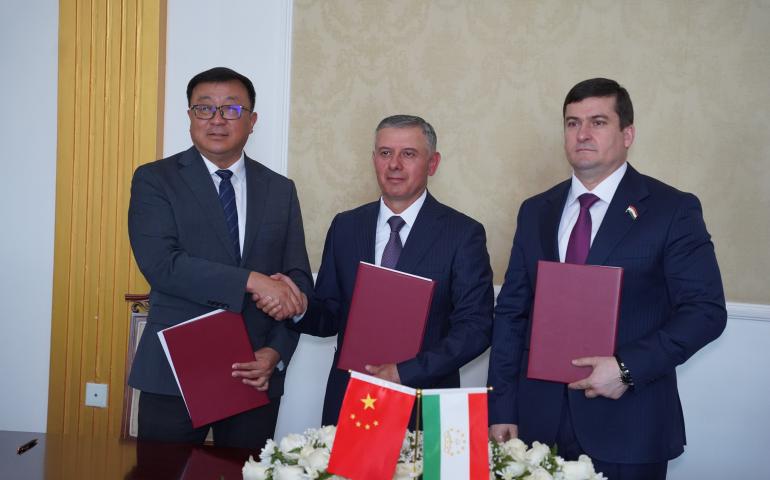
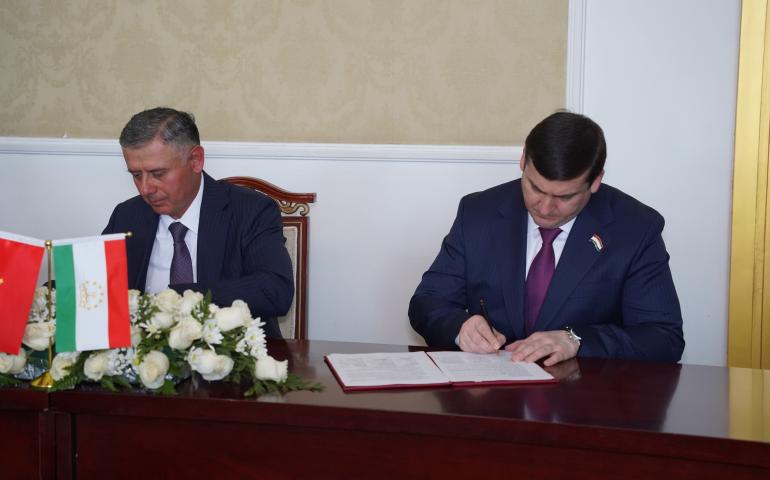
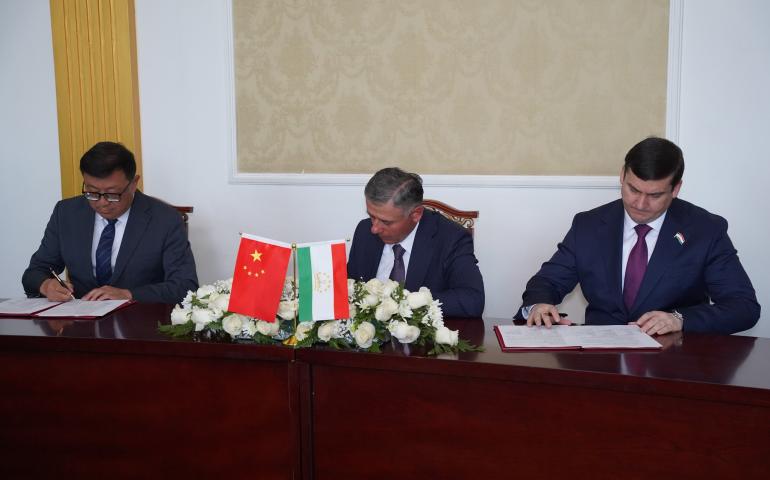
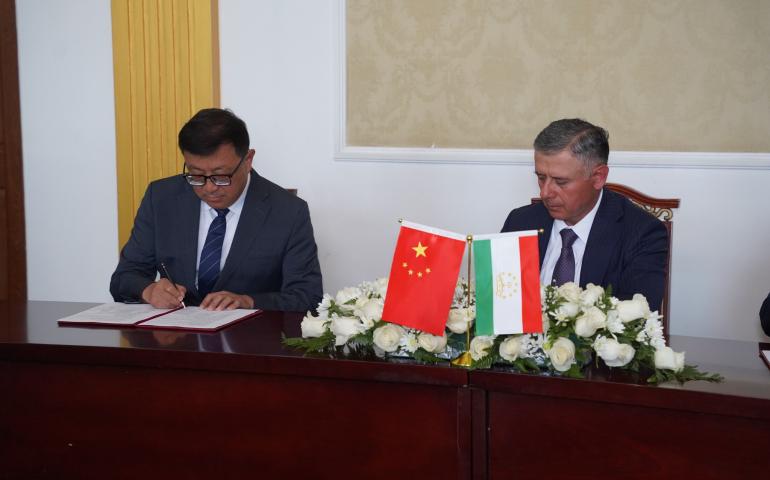
Today, December 10, at the Institute of Water Problems, Hydropower, and Ecology of the Academy of Sciences of Tajikistan, with the participation of the President of the Academy of Sciences of Tajikistan, Academician Khushvakhtzoda Kobiljon Khushvakht, representatives of the Ministry of Transport of the People’s Republic of China, the Ministry of Ecology and Environment of China, and the company Hebei Sailhero Environmental Protection, the joint laboratory on environmental monitoring and big data utilization, equipped with modern technologies, was officially commissioned.
During the opening, it was noted that the advanced equipment installed in the laboratory as part of the joint cooperation and with the support of the Ministry of Transport of the PRC, the Ministry of Ecology and Environment of China, and Hebei Sailhero Environmental Protection is intended for environmental monitoring, quality analysis, and efficient use of natural resources.
The laboratory provides opportunities for scientists from Tajikistan and China to expand scientific collaboration and joint research in the fields of ecology and energy, exchange knowledge and experience, and conduct research at the international level using advanced technologies.
The inauguration of the joint laboratory is an important step in strengthening scientific and technological cooperation between Tajikistan and China, opening wide prospects for sustainable environmental development and scientific progress in both countries. It should be noted that this equipment has been introduced to Tajikistan for the first time, creating new opportunities for advanced environmental research and big data utilization.
The laboratory is equipped with modern and advanced instruments, including a multiparameter water quality analyzer, a portable multiparameter water quality meter P-MP1000, and a networked air quality monitor XHAQSN-822. This equipment is used for environmental monitoring, collection of ecological data, and implementation of joint scientific and technological research.
CEREMONY FOR PRESENTING THE ACHIEVEMENTS OF THE FIRST PHASE OF INTERGOVERNMENTAL SCIENTIFIC AND TECHNOLOGICAL COOPERATION BETWEEN CHINA AND TAJIKISTAN
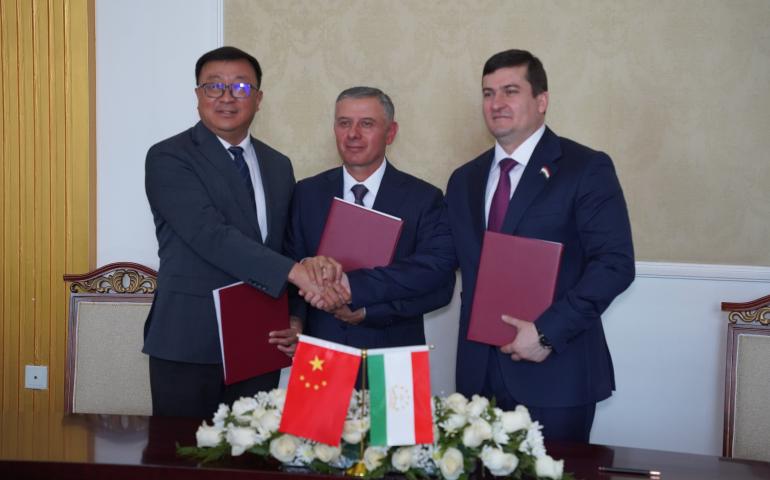
Today, December 10, at the Institute of Water Problems, Hydropower, and Ecology of the Academy of Sciences of Tajikistan, with the participation of the President of the Academy of Sciences of Tajikistan, Academician Khushvakhtzoda Kobiljon Khushvakht, representatives of the Ministry of Transport of the People’s Republic of China, the Ministry of Ecology and Environment of China, and the company Hebei Sailhero Environmental Protection, a ceremony was held to present the achievements of the first phase of intergovernmental scientific and technological cooperation between China and Tajikistan.
In his opening remarks, the President of the Academy of Sciences of Tajikistan, Academician Khushvakhtzoda Kobiljon Khushvakht, warmly welcomed the guests and noted that for more than three decades, following the restoration of diplomatic relations, friendly ties and constructive cooperation between our countries have been steadily strengthening. Today, this cooperation spans the economy, infrastructure, education, science, and technology, reaching a qualitatively new level.
It was emphasized that intergovernmental scientific and technological cooperation is one of the key directions of bilateral relations. This constructive cooperation, implemented through official mechanisms, contributes to the development of scientific integration, the introduction of modern technologies, and the strengthening of the scientific potential of both Tajikistan and China.
It was also noted that in the context of rapid climate change, global competition, and challenges in food and energy security, countries capable of effectively applying scientific knowledge and innovation gain a strategic advantage. For Tajikistan, intergovernmental scientific and technological cooperation with China serves as a powerful tool to achieve these goals. It enables the enhancement of the country’s scientific and technical potential, access to advanced technologies and laboratory infrastructure, development of human resources and scientific competencies, strengthening the state’s capacity to respond to climate and natural challenges, and support for strategic sectors, including water resources, ecology, agriculture, energy, and biodiversity. All of these make cooperation not only beneficial but essential for the sustainable development of the country.
Following this, representatives of the Ministry of Transport of the PRC and the Ministry of Ecology and Environment of China delivered detailed presentations on the results of the first phase of cooperation. They highlighted practical achievements, including the establishment of new laboratories, implementation of advanced technologies, expansion of scientific infrastructure, and introduction of new methods in the fields of ecology and hydropower. In addition, they outlined opportunities for future cooperation in scientific and technological areas, including human resource development, enhancement of scientific expertise, deployment of innovative equipment, and expansion of joint research for sustainable economic and environmental development.
These presentations demonstrated that the cooperation between the two countries has not only produced tangible results but also opens wide prospects for strengthening scientific integration, adopting modern technologies, and enhancing the scientific potential of both nations.