
Дар ҷомеаи инсонӣ оила ҳамчун яке аз муҳимтарин институтҳои иҷтимоӣ шинохта мешавад. Дар доираи ин институт нақши модар мавқеи махсус дорад, зеро маҳз модар сарчашмаи ҳаёт, тарбия ва ташаккули аввалини шахсият ба ҳисоб меравад. Аз давраҳои қадим то имрӯз ҷомеаҳо ба нақши модар аҳамияти калон дода, ӯро ҳамчун рамзи меҳру муҳаббат, сабру таҳаммул ва фидокорӣ мешиносанд. Рӯзи Модарон ҳамчун ҷашни иҷтимоӣ ва фарҳангӣ ба қадршиносии заҳмат ва саҳми модарон дар рушду пешрафти ҷомеа бахшида шудааст.
Аз нигоҳи илмҳои педагогика, психология ва ҷомеашиносӣ, тарбияи насли солим ва босавод бештар аз муҳити оилавӣ оғоз меёбад. Дар ин раванд модар нақши марказиро мебозад. Муносибати модар бо фарзанд, усули тарбия, сатҳи фарҳанг ва ҷаҳонбинии ӯ ба ташаккули ахлоқӣ, равонӣ ва иҷтимоии кӯдак таъсири мустақим мерасонад. Бинобар ин, омӯзиши нақши модар дар ташаккули шахсият ва рушди ҷомеа яке аз масъалаҳои муҳими илмӣ ба ҳисоб меравад. Ташаккули шахсият раванди мураккаби иҷтимоӣ ва равонӣ мебошад, ки аз давраи кӯдакӣ оғоз мегардад. Дар ин марҳила модар аввалин шахсест, ки бо кӯдак робитаи наздик барқарор мекунад. Аз рӯзҳои аввали зиндагӣ кӯдак тавассути меҳрубонӣ, сухан ва рафтори модар муҳити атрофро дарк мекунад.
Муҳаққиқони соҳаи психология бар он ақидаанд, ки муносибати гарм ва дастгирии модар ба рушди солими равонии кӯдак мусоидат мекунад. Агар кӯдак дар муҳити пур аз меҳр ва ғамхорӣ ба воя расад, дар ӯ ҳисси боварӣ ба худ, эҳтиром ба дигарон ва масъулиятшиносӣ ташаккул меёбад. Баръакс, камбуди таваҷҷуҳ ва муҳаббат метавонад ба рушди равонӣ ва иҷтимоии кӯдак таъсири манфӣ расонад. Илова бар ин, модар ҳамчун аввалин омӯзгор ба рушди маърифатии фарзанд таъсири калон мерасонад. Ӯ ба кӯдак сухан гуфтан, рафтори дуруст, одобу ахлоқ ва арзишҳои асосии ҳаётиро меомӯзонад. Бинобар ин, сатҳи маърифат ва фарҳанги модар ба сатҳи тарбияи фарзандон бевосита вобаста аст. Тарбияи ахлоқӣ яке аз ҷанбаҳои муҳими рушди шахсият мебошад. Дар ин раванд модар ҳамчун намунаи ибрат барои фарзанд хизмат мекунад. Рафтор, сухан ва муносибати ӯ бо дигарон ба тарзи фикрронӣ ва рафтори кӯдак таъсир мерасонад. Дар оила модар аксар вақт муҳити дӯстӣ, ҳамдигарфаҳмӣ ва ҳамкориро ташкил медиҳад. Ин муҳит ба кӯдак имконият медиҳад, ки арзишҳои иҷтимоӣ, аз қабили эҳтиром, адолат, ростқавлӣ ва масъулиятшиносиро аз худ намояд. Ҳамин тавр, тарбияи дурусти модар ба ташаккули шаҳрвандони фаъол ва масъулиятшинос мусоидат мекунад.
Ғайр аз ин, модар дар рушди малакаҳои иҷтимоии фарзанд нақши муҳим мебозад. Ӯ ба кӯдак меомӯзонад, ки бо дигарон муоширати дуруст дошта бошад, мушкилотро бо роҳи сулҳомез ҳал намояд ва дар ҷомеа фаъолона иштирок кунад. Нақши модар танҳо ба доираи оила маҳдуд намешавад. Ӯ ҳамчун аъзои фаъоли ҷомеа дар рушди иҷтимоӣ ва фарҳангӣ саҳми муҳим мегузорад. Сифати тарбияе, ки дар оила дода мешавад, ба рушди умумии ҷомеа таъсири назаррас мерасонад. Агар модарон сатҳи баланди маърифат ва фарҳанг дошта бошанд, насли оянда низ бо ҳамин арзишҳо тарбия меёбад. Дар ҷомеаи муосир модарон на танҳо дар тарбияи фарзандон, балки дар соҳаҳои гуногуни иқтисодӣ, илмӣ ва фарҳангӣ низ фаъолона иштирок мекунанд. Онҳо ҳамчун омӯзгор, табиб, муҳандис ва мутахассисони соҳаҳои гуногун ба пешрафти ҷомеа саҳм мегузоранд. Бо вуҷуди ин, нақши асосии онҳо ҳамчун тарбиятгари насли оянда боқӣ мемонад. Аз ин рӯ, дастгирии иҷтимоӣ ва иқтисодии модарон яке аз вазифаҳои муҳими давлат ва ҷомеа мебошад. Таъмини шароити мусоид барои таҳсил, кор ва ҳифзи саломатии занон ба беҳтар шудани сифати зиндагии оила ва рушди ҷомеа мусоидат мекунад. Дар фарҳанги тоҷикӣ эҳтироми модар аз қадим мавқеи баланд дорад.
Дар фолклор, адабиёт ва анъанаҳои миллӣ модар ҳамчун шахси муқаддас ва меҳрубон васф карда мешавад. Мақолу зарбулмасалҳои халқӣ низ ба бузургии модар ишора мекунанд, масалан: «Биҳишт зери қадамҳои модарон аст» ё «Дуои модар чароғи роҳ аст». Адибон ва шоирони тоҷик низ дар осори худ мақоми модарро бо эҳтироми зиёд васф кардаанд. Онҳо модарро ҳамчун рамзи меҳрубонӣ, фидокорӣ ва муҳаббати беандоза тасвир намудаанд. Ин анъанаи фарҳангӣ нишон медиҳад, ки дар ҷомеаи тоҷик қадршиносии модар яке аз арзишҳои асосии ахлоқӣ ба ҳисоб меравад. Ҷашни Рӯзи Модарон низ идомаи ҳамин анъанаи қадршиносӣ мебошад. Ин рӯз на танҳо барои табрик кардани модарон, балки барои баланд бардоштани эҳтиром ва таваҷҷуҳи ҷомеа ба нақши онҳо аҳамияти муҳим дорад.
Бо дарназардошти таҳлилҳои илмӣ метавон гуфт, ки модар дар ташаккули шахсият ва рушди ҷомеа нақши бениҳоят муҳим дорад. Ӯ аввалин омӯзгор, тарбиятгар ва роҳнамои кӯдак мебошад. Муҳаббат, ғамхорӣ ва донишҳои модар ба рушди равонӣ, ахлоқӣ ва иҷтимоии фарзанд таъсири амиқ мерасонанд. Дар баробари ин, модар ҳамчун аъзои фаъоли ҷомеа дар пешрафти фарҳангӣ, иҷтимоӣ ва иқтисодии кишвар саҳм мегузорад. Аз ин рӯ, қадршиносӣ ва дастгирии модарон яке аз шартҳои муҳими рушди устувори ҷомеа ба ҳисоб меравад. Ҷашни Рӯзи Модарон имконият медиҳад, ки ҷомеа бори дигар аҳамияти нақши модарро дар зиндагии инсон ва рушди ҷомеа эътироф намояд. Қадр кардани модар на танҳо нишонаи эҳтиром ба зан, балки рамзи эҳтиром ба ҳаёт, фарҳанг ва ояндаи миллат мебошад.
Окимшоева Рухсора Суҳробовна номзади илмҳои педагогӣ Котиби
илмии Институти омӯзиши масъалаҳои давлатҳои Осиё ва Аврупои АМИТ
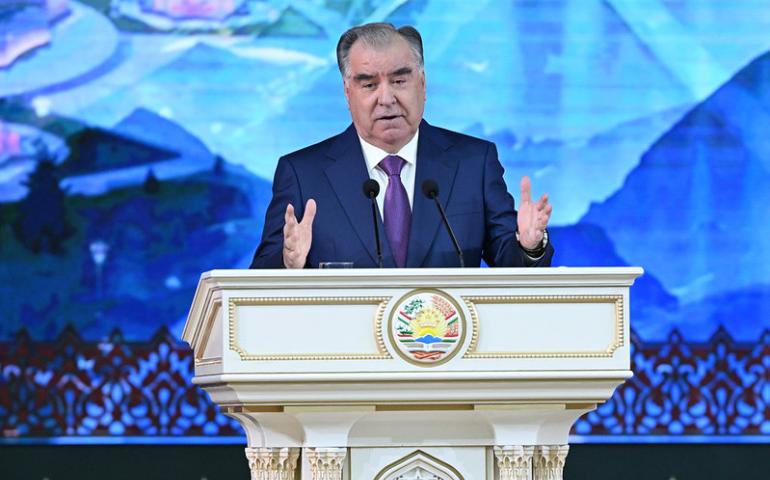
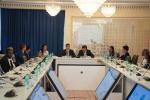
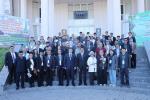
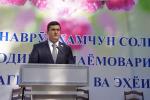
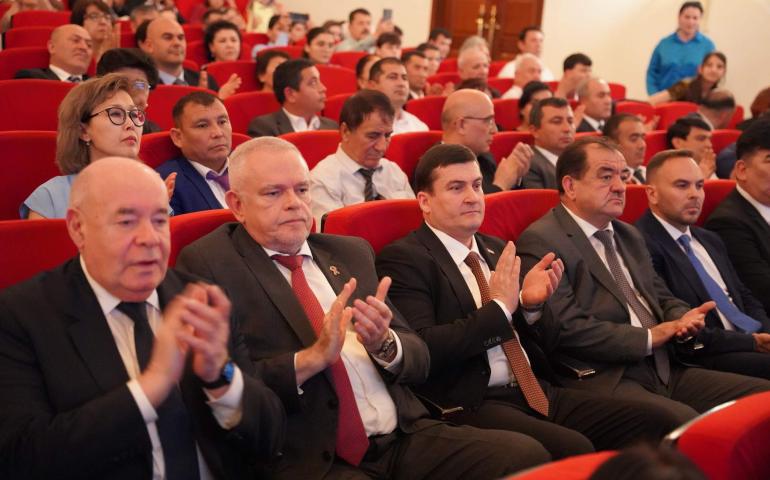
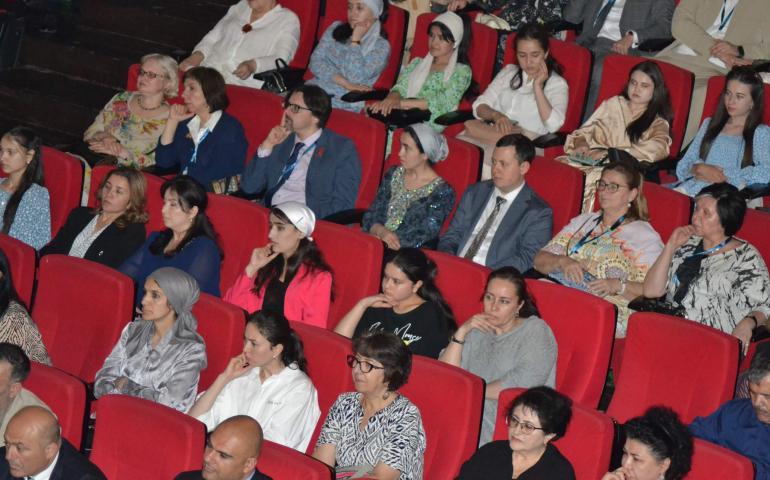
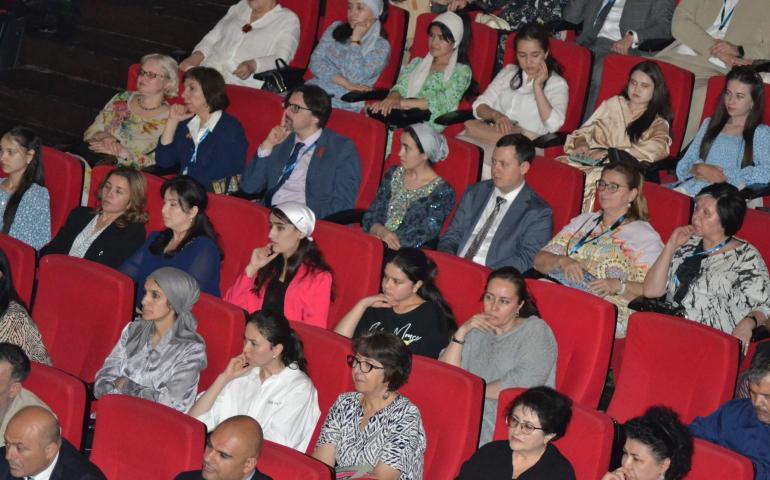
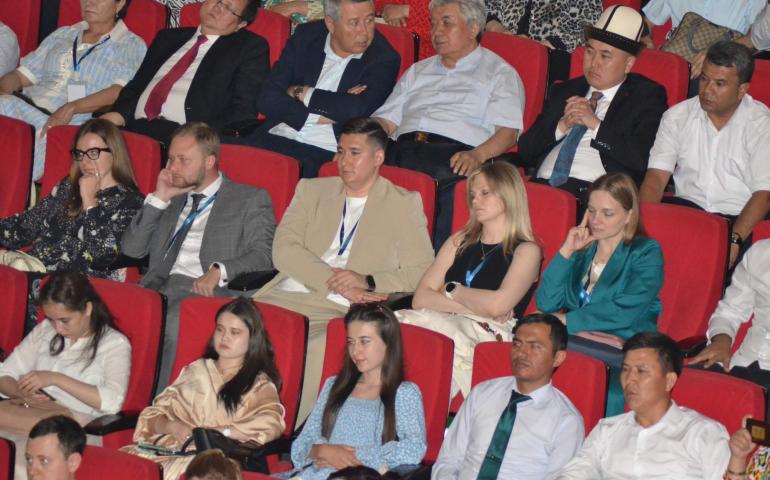
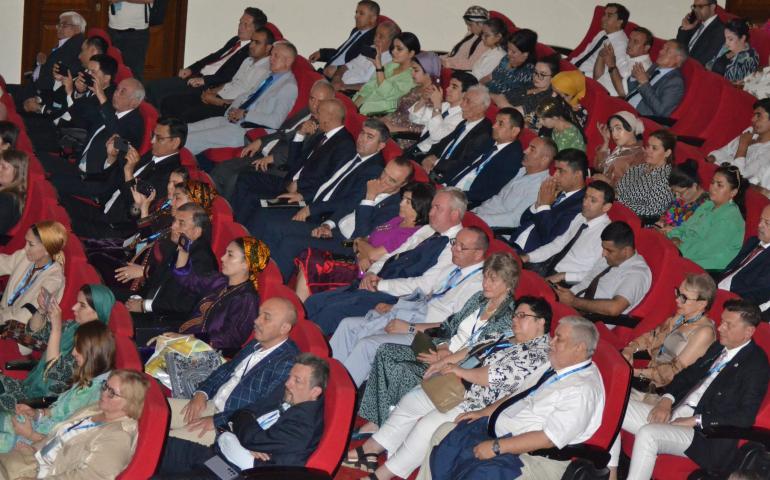
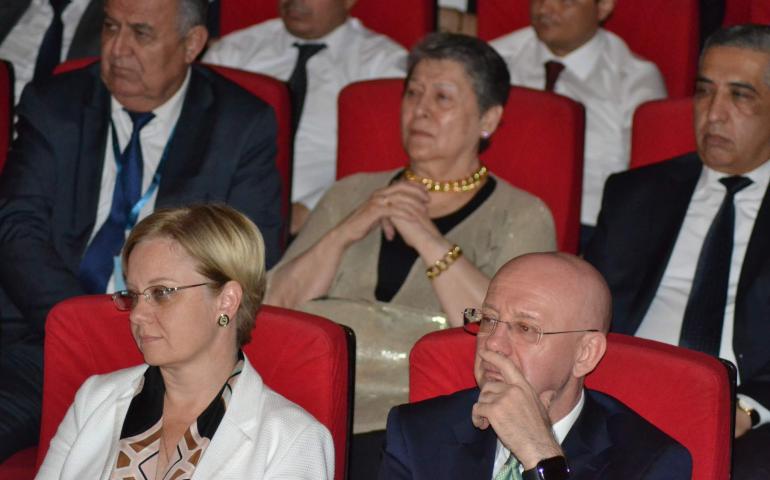
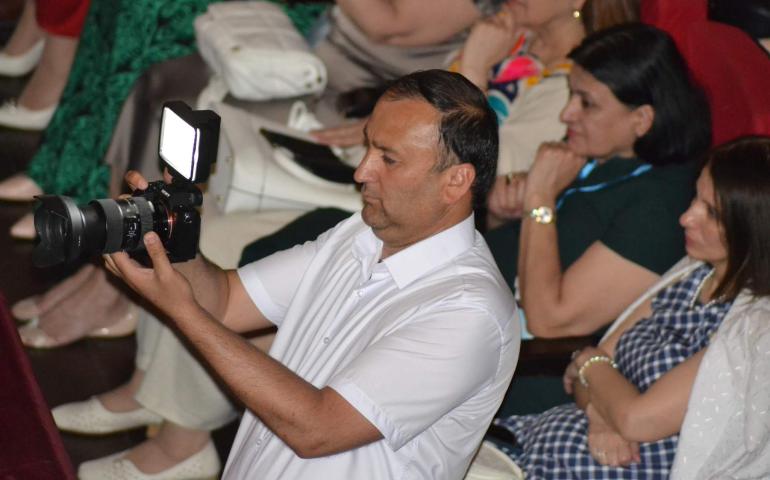
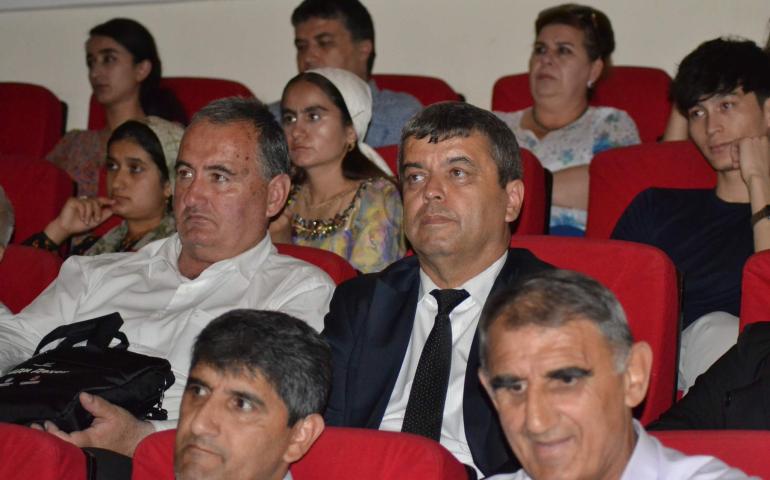
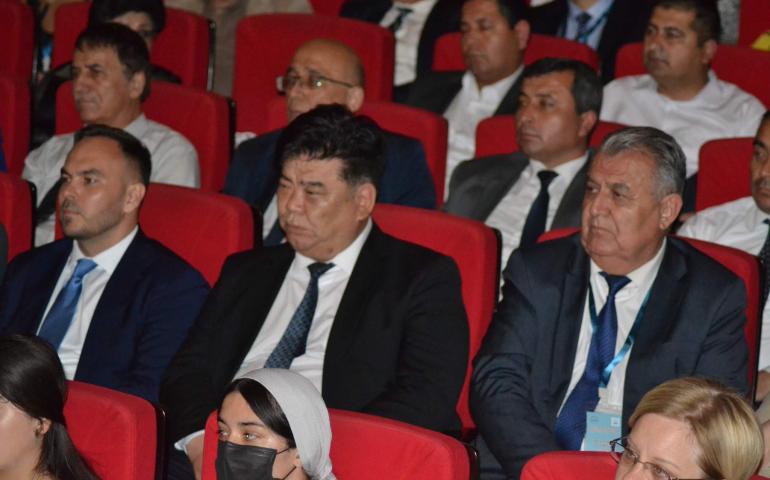
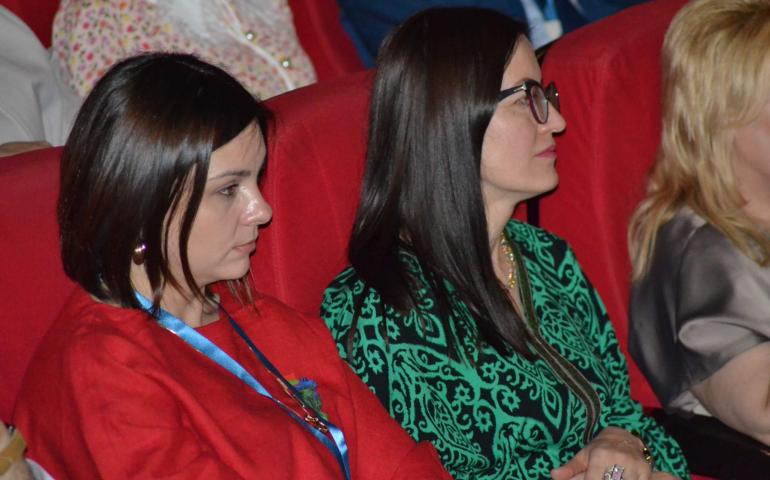
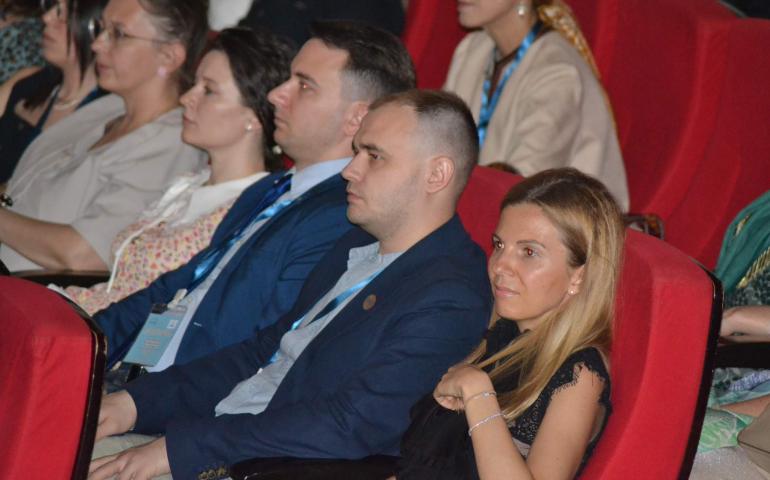
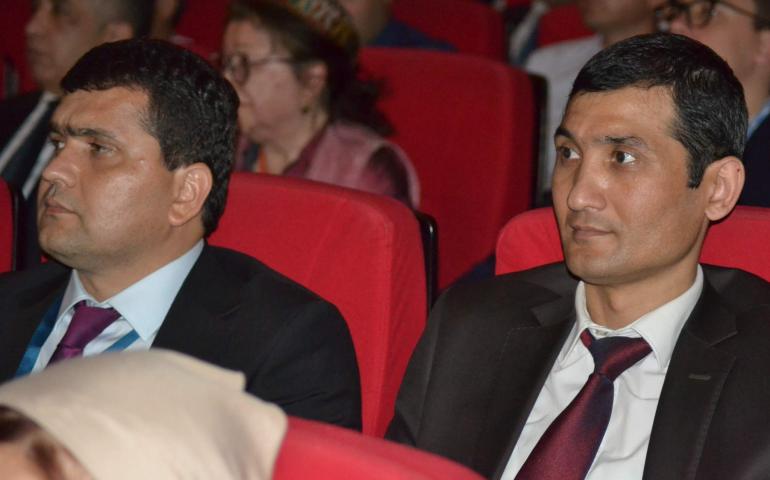
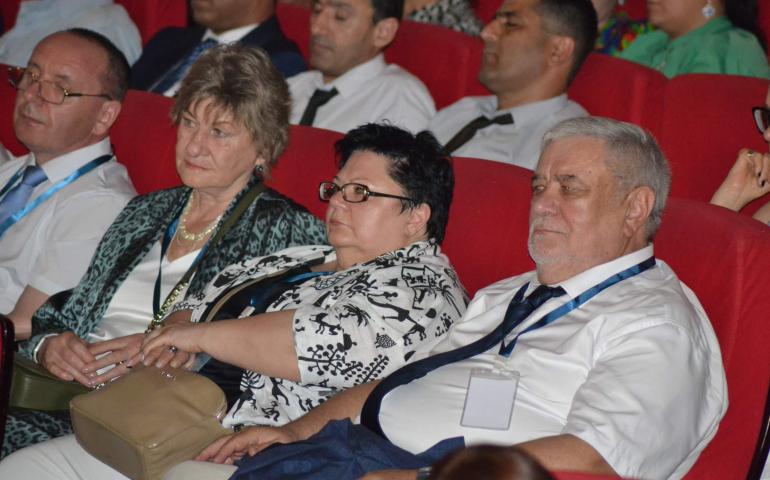
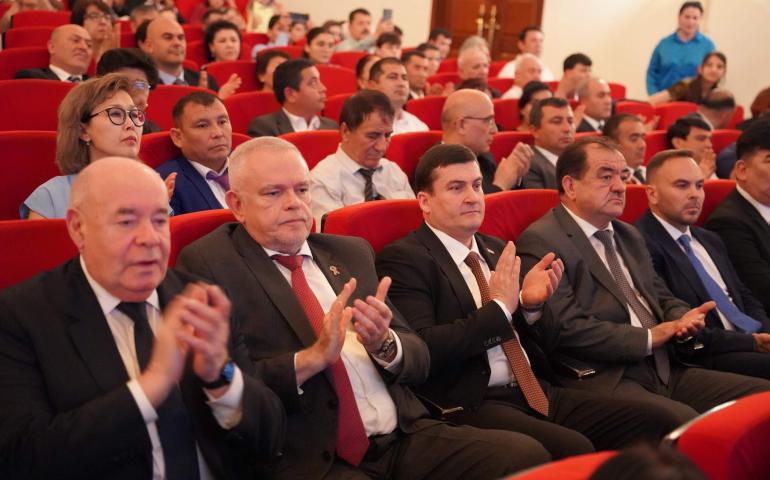
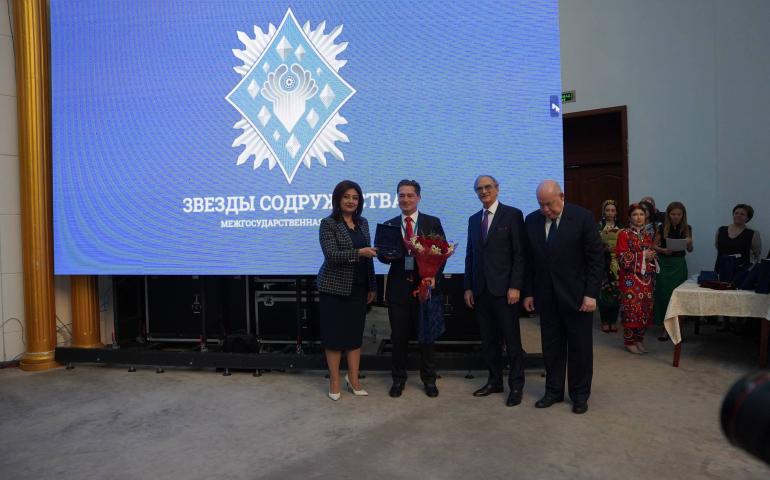
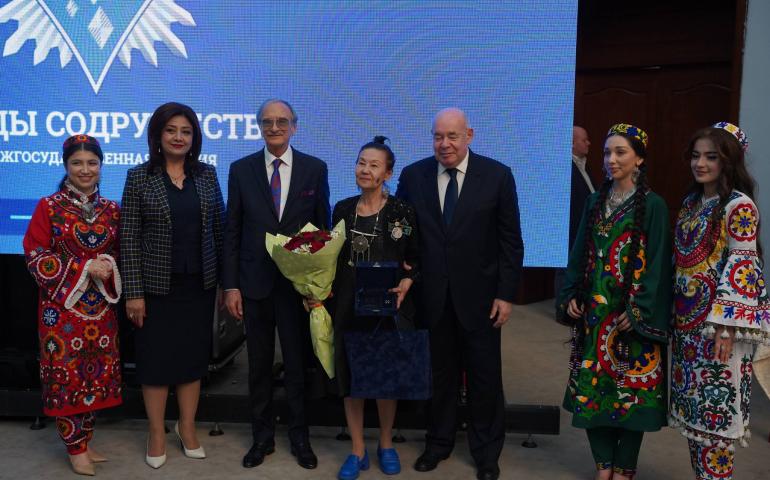
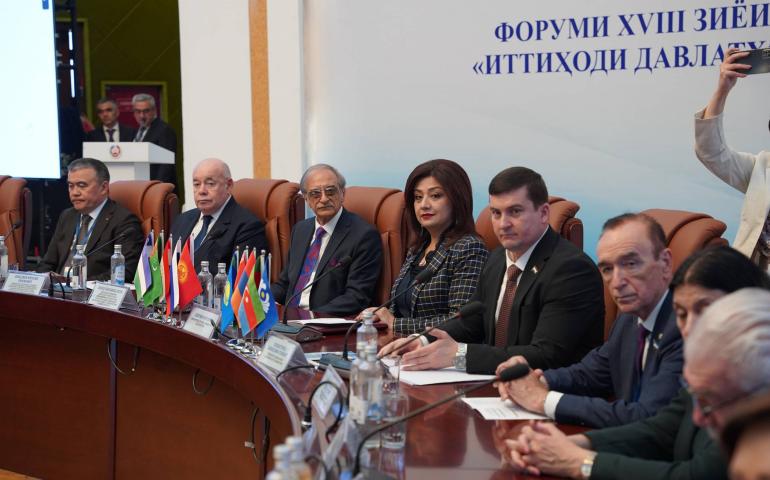
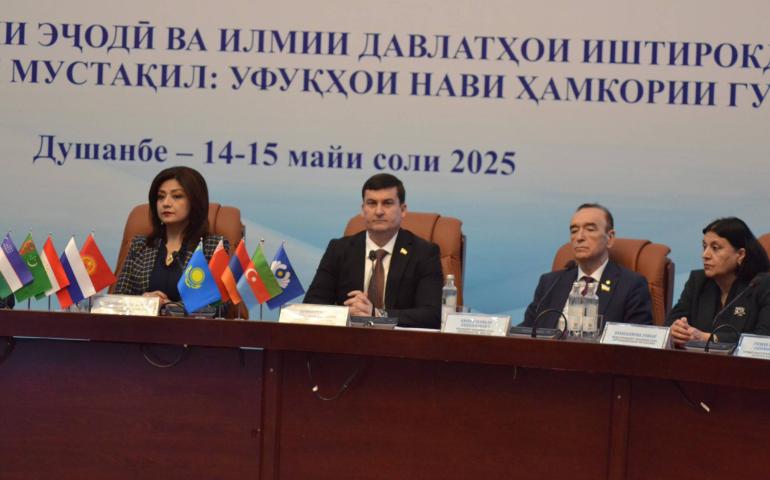
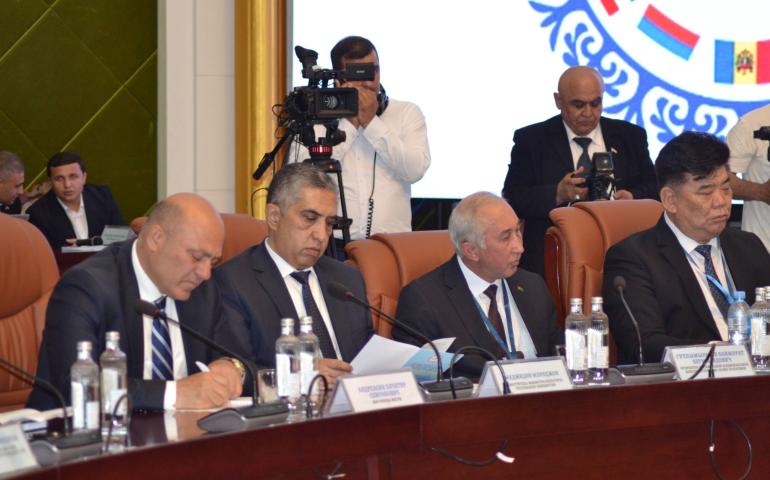
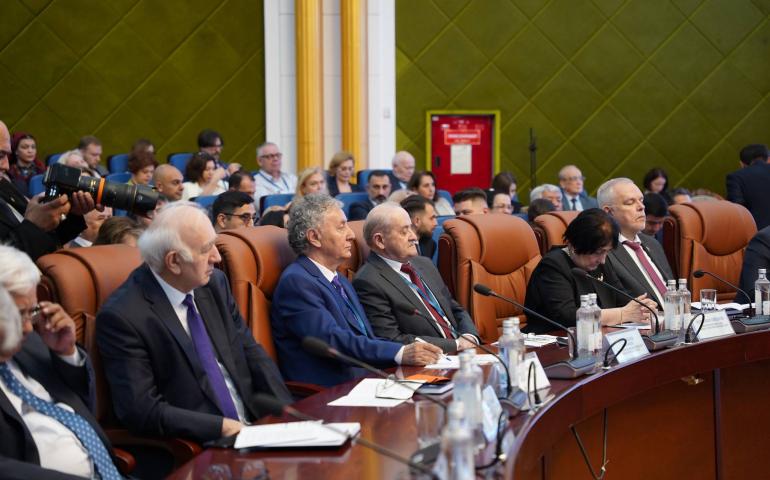
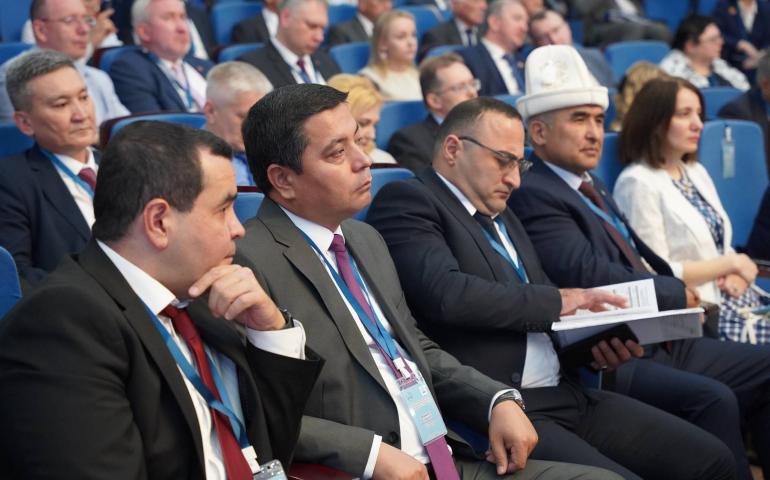
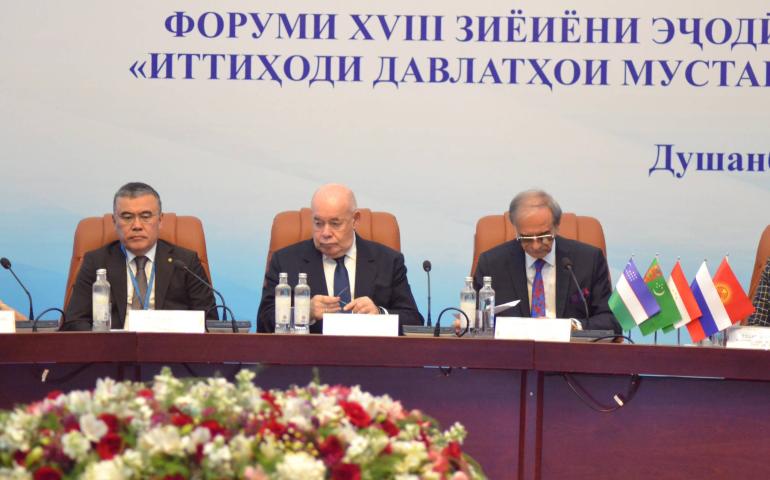
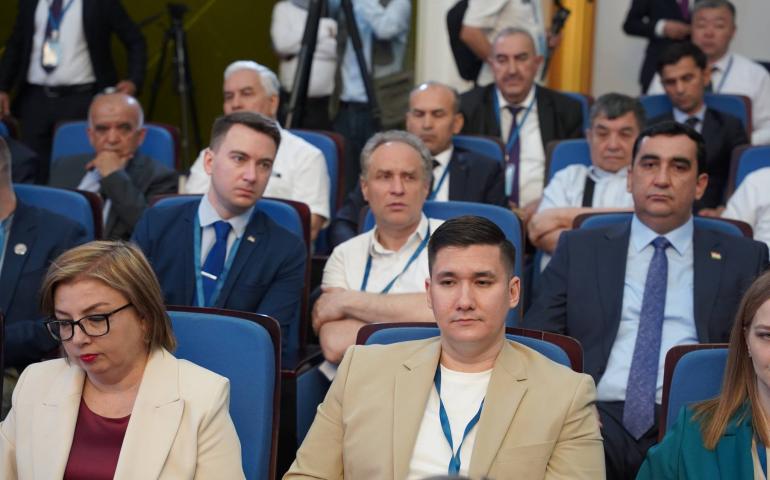
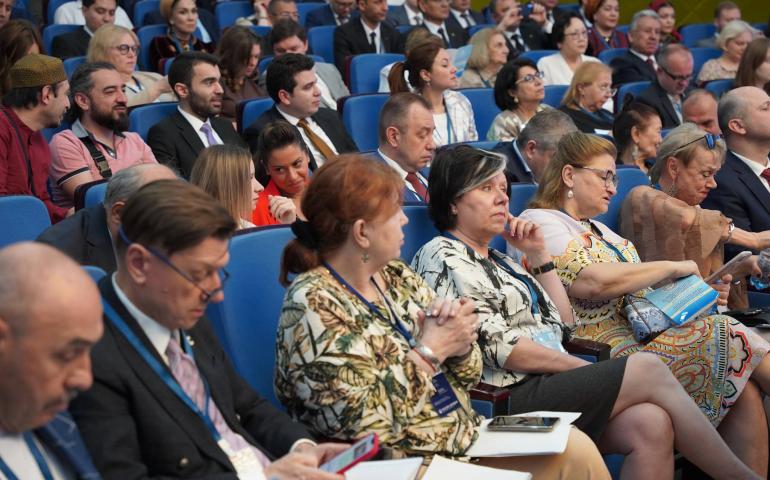
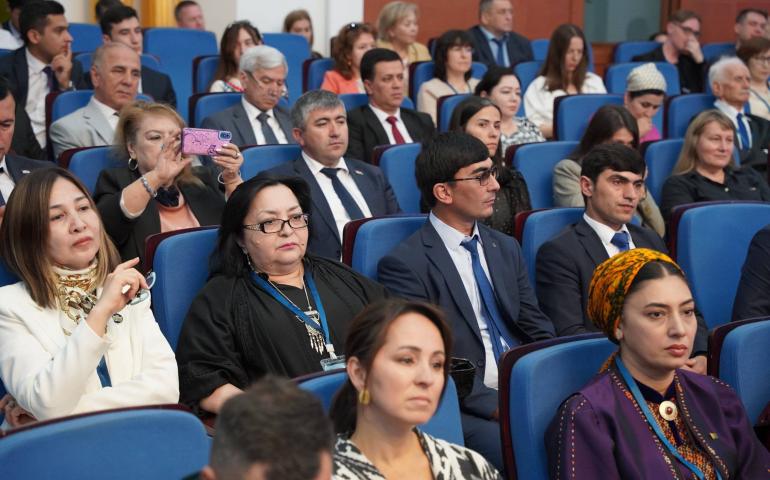
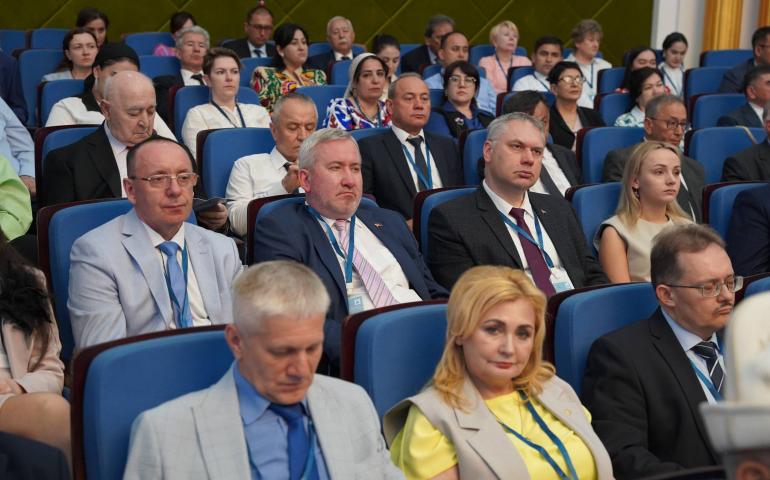
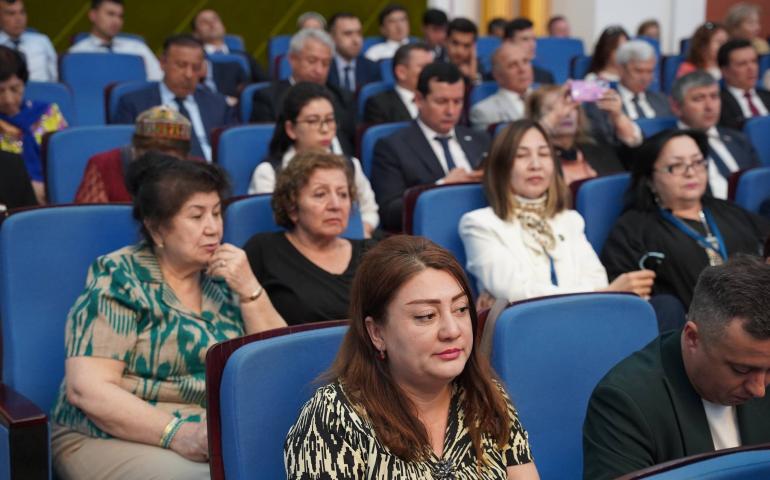
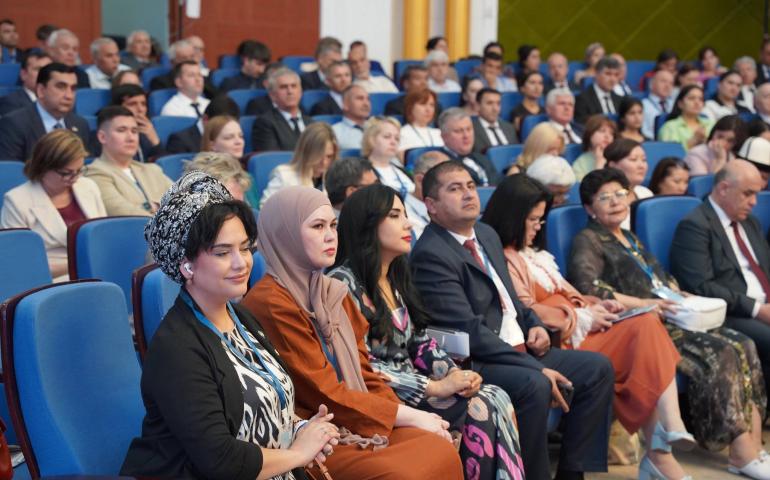
Today, May 14, in the hall of the National Library of Tajikistan, at the initiative of the Interstate Fund for Humanitarian Cooperation of the CIS Member States and the National Academy of Sciences of Tajikistan, the XVIII Forum of Creative and Scientific Intellectuals of the CIS Member States began.
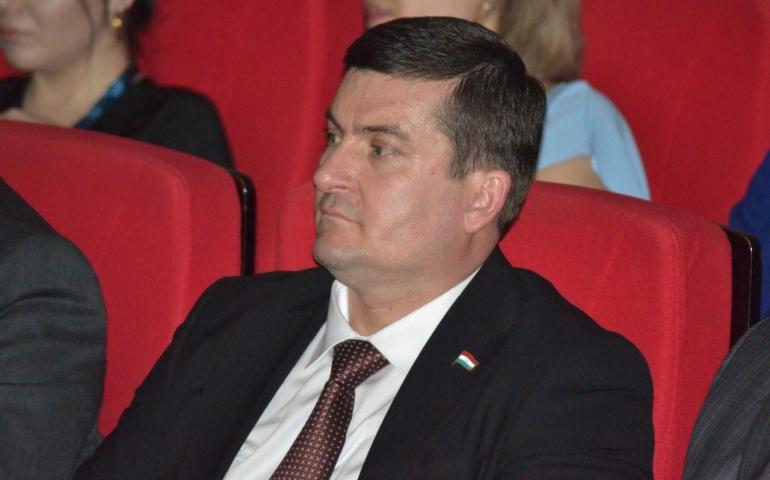
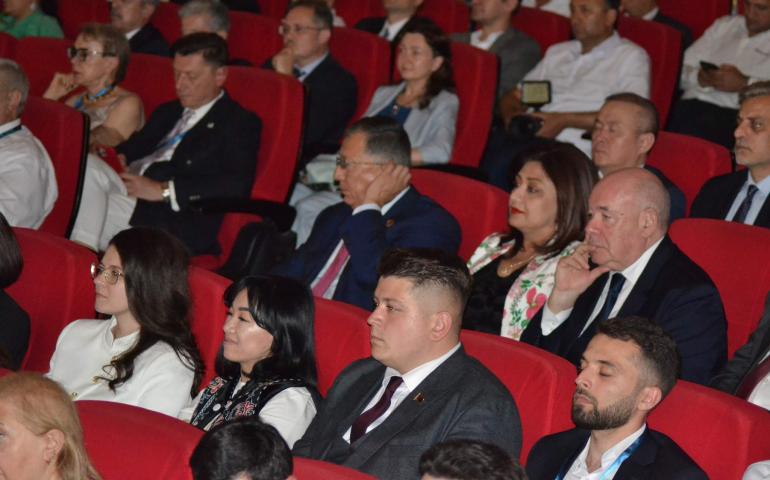
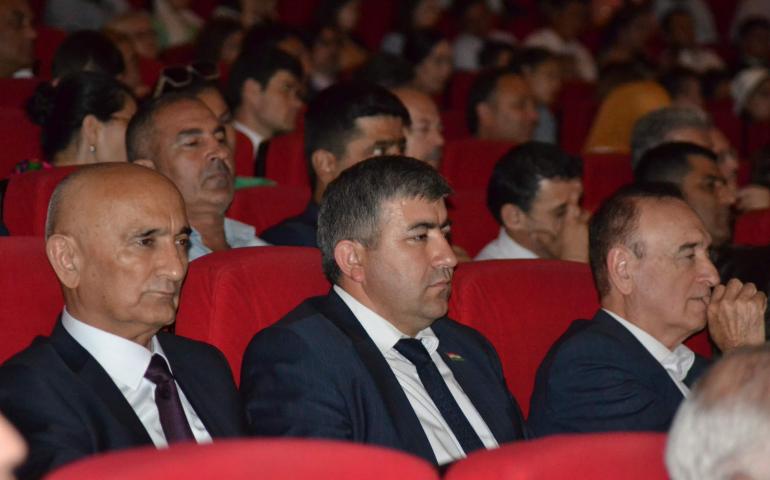
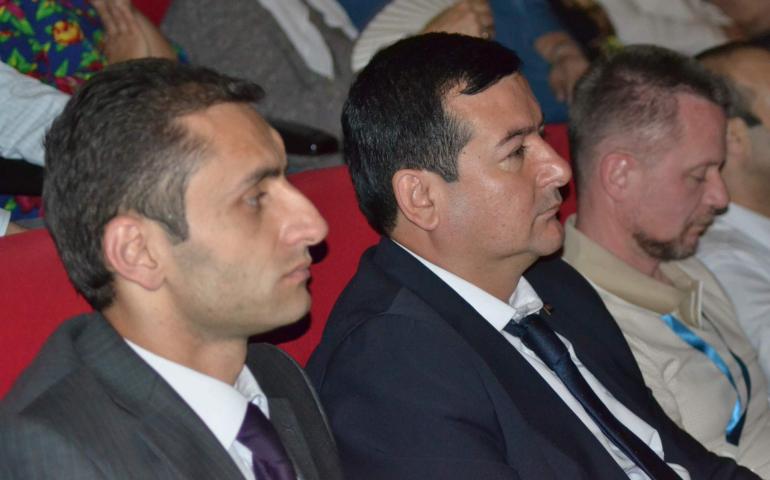
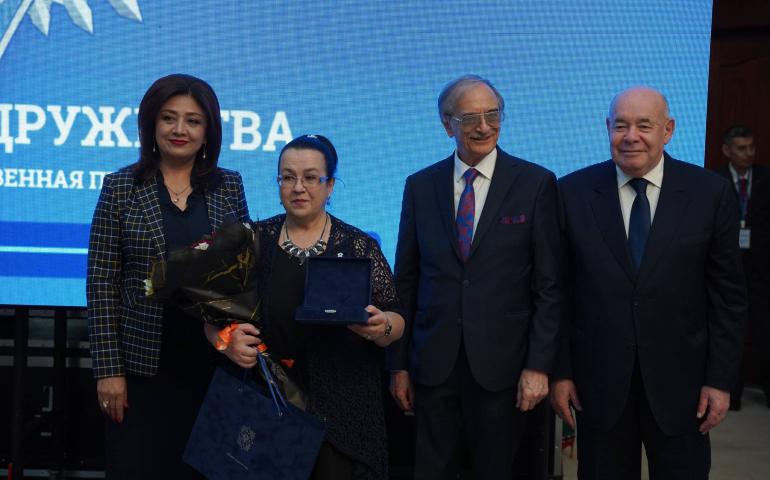
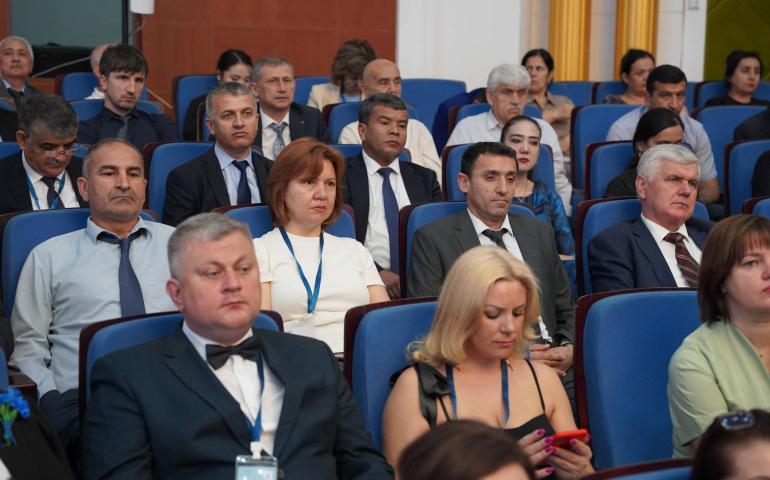
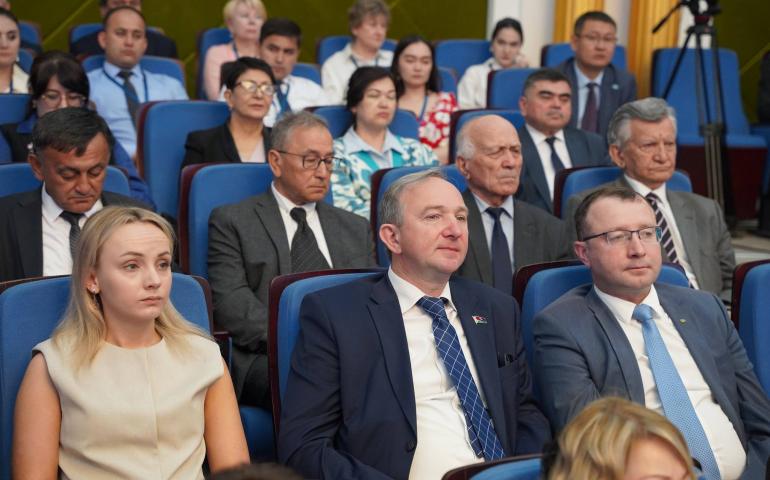
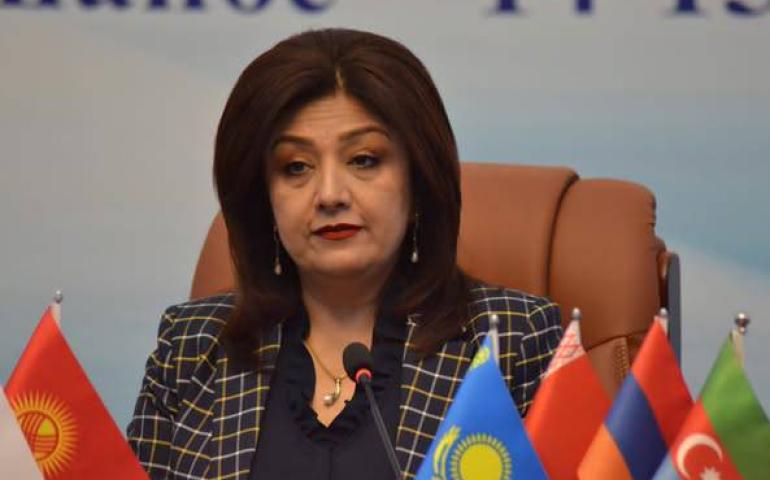
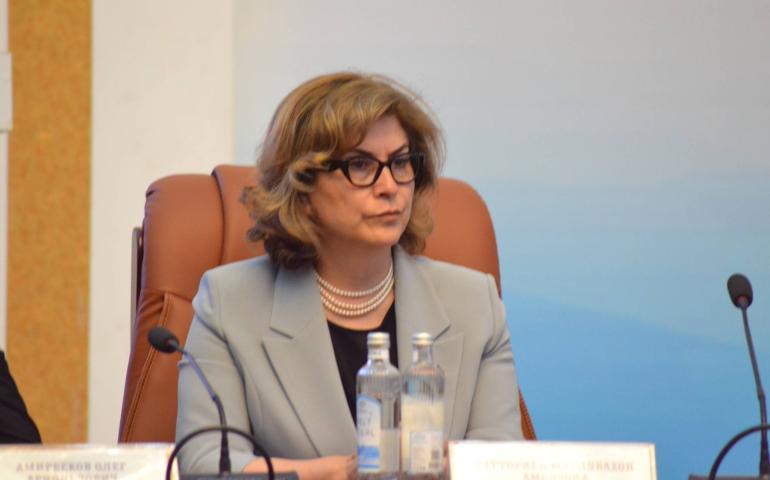
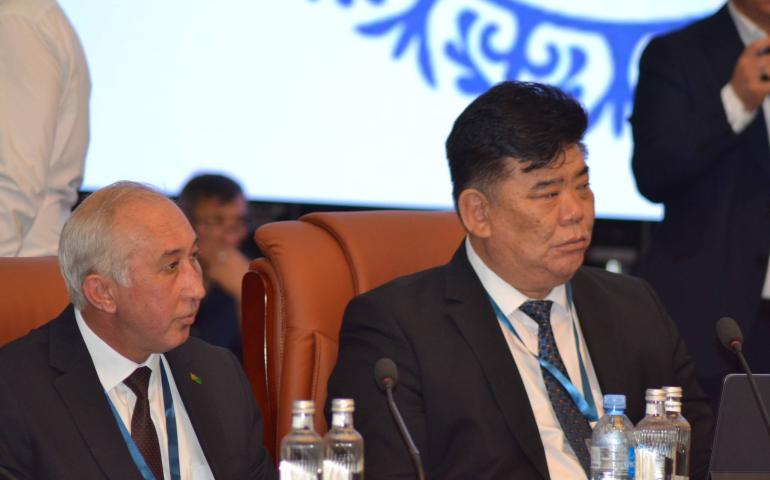
The Forum is attended by Deputy Prime Minister of the Republic of Tajikistan Dilrabo Mansuri and the president of the National Academy of Sciences of Tajikistan, corresponding member of the National Academy of Sciences of Tajikistan Khushvakhtzoda Qobiljon Khushvakht, Chairman of the Board of the CIS Polad Bulbul oghlu, Co-Chairman of the Board of the CIS, Special Representative of the President of the Russian Federation for International Cultural Cooperation Mikhail Shvidkoy, and more than 200 representatives of the countries of mutual interest.
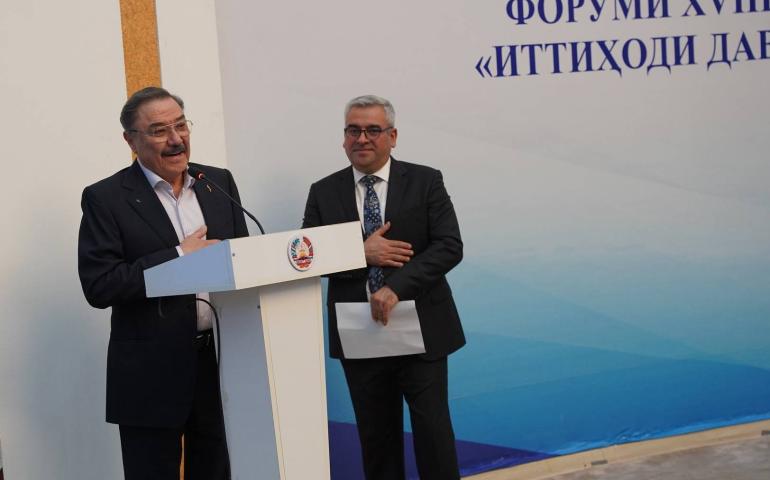
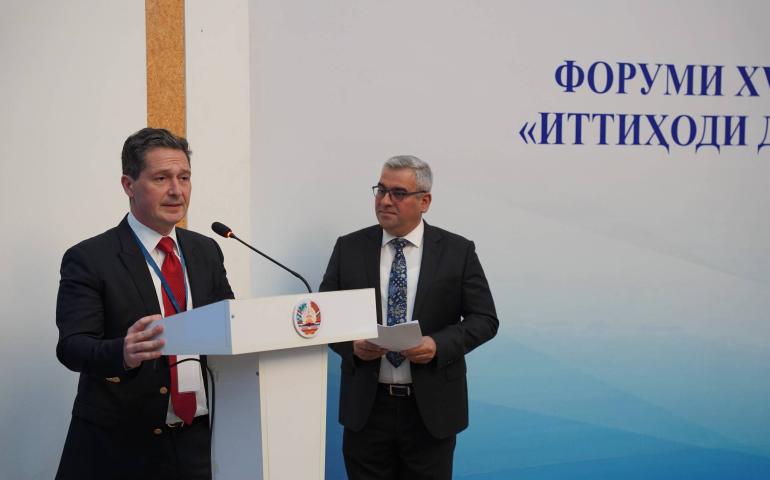
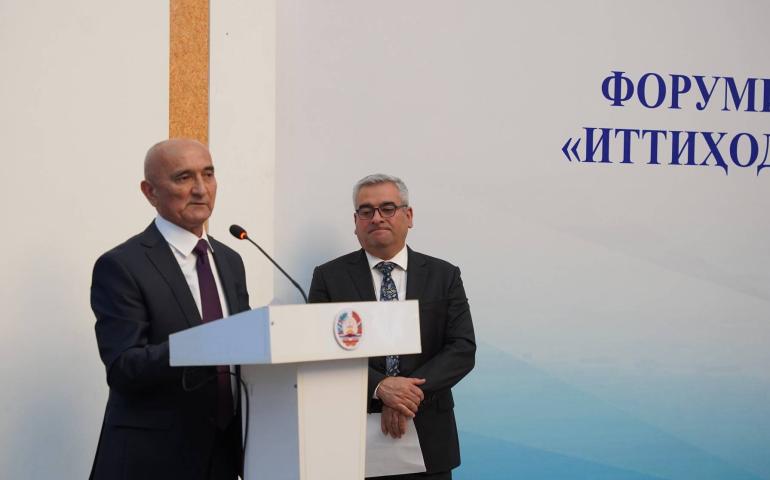
The Forum was opened by the President of the National Academy of Sciences of Tajikistan, an associated member of the National Institute of National and International Studies, Khushvakhtzoda Qobiljon Khushvakht, who emphasized that, thanks to state independence, the Republic of Tajikistan has become a full member of the United Nations since March 2, 1992, and has established friendly relations with more than 180 countries of the world on the basis of the principle of an “open door” foreign policy. The President of the Republic of Tajikistan, Emomali Rahmon, also emphasized that “the basis of the country’s current foreign policy is the “open door” policy, readiness to cooperate with all subjects of international relations on the basis of respect for the accepted principles and norms of international law.”
It was noted that, thanks to state independence, cooperation between the Republic of Tajikistan and the CIS countries and other countries of the world is constantly developing. In general, one of the areas that contributes to the system and expansion of cooperation between the CIS countries is the field of science. It should be noted that the establishment of extensive cooperation with the Interstate Humanitarian Cooperation Fund of the CIS member states and the holding of this international forum in the capital of Tajikistan, Dushanbe, once again lays the foundation for strengthening cooperation between mutually beneficial countries.
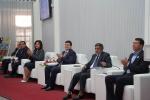
In addition, the Deputy Prime Minister of the Republic of Tajikistan Dilrabo Mansuri emphasized in her opening speech that science unites scientists, therefore the forum has become a platform for international exchange without borders. Expanding international relations is especially important now. And the forum has become a full-fledged platform for establishing cooperation between creative and scientific intellectuals of the CIS member states. And most importantly, it provides an opportunity for live communication, which will undoubtedly turn into serious projects.
It was emphasized that special attention should be paid to the issue of expanding cooperation between creative and scientific intellectuals of the CIS member states. The CIS member states are taking the necessary measures to establish joint scientific cooperation.
We would like to remind you that the Forums of Scientific and Creative Intellectuals of the CIS are the largest humanitarian events in the CIS countries, where the results of the past year are summarized, plans for joint events are discussed, and recommendations are developed on topical issues of cooperation in the fields of science, education, culture, information, tourism, sports, and youth work.
It is worth noting that the forums have been held in different countries in turn since 2006. Tajikistan is hosting this gathering for the second time.
The theme of today’s XVIII Forum is “The Commonwealth of Independent States: New Horizons of Cooperation”, which brings together representatives of professional communities: cultural, educational, and media workers.
At the same time, on the sidelines of the Forum this year, for the first time, a meeting of the heads of the National Academies of Sciences of the CIS countries and leaders of the scientific community will be held.
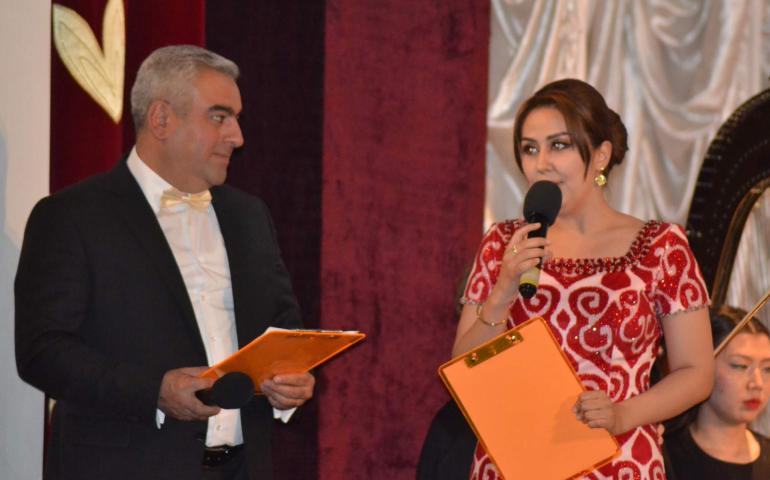
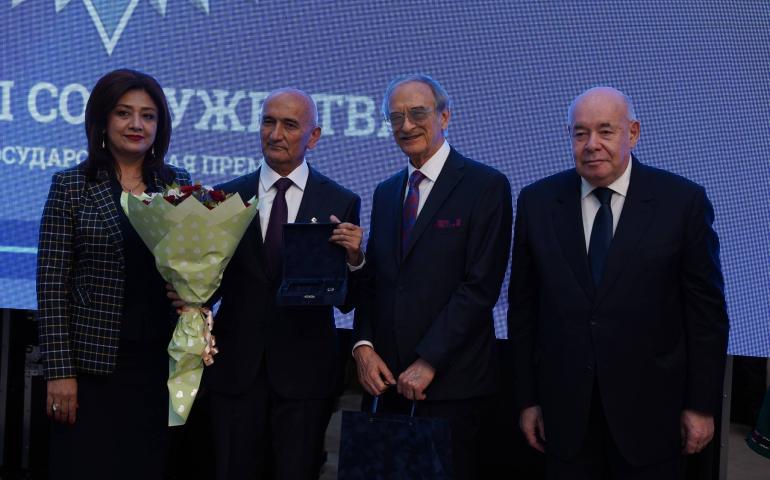
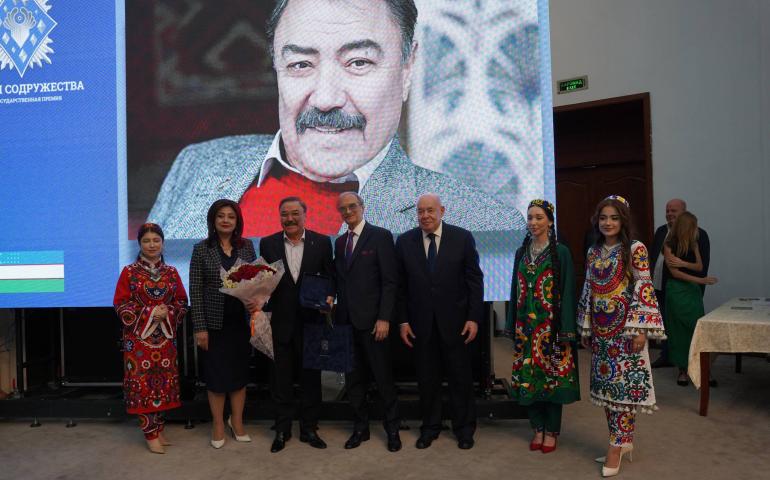
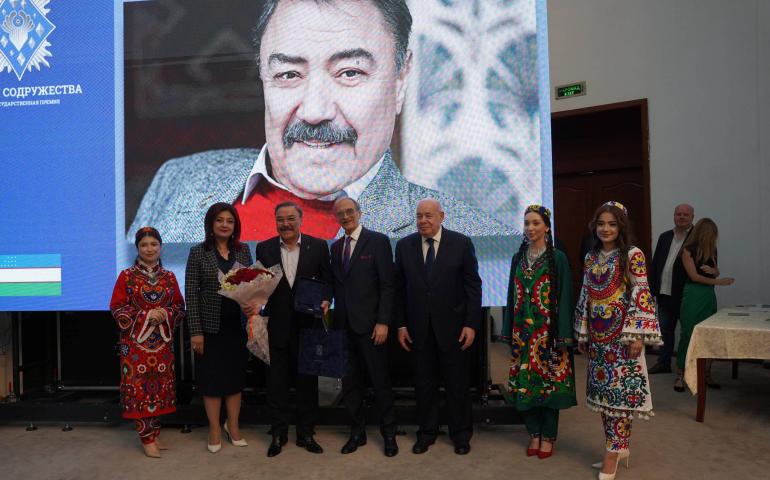
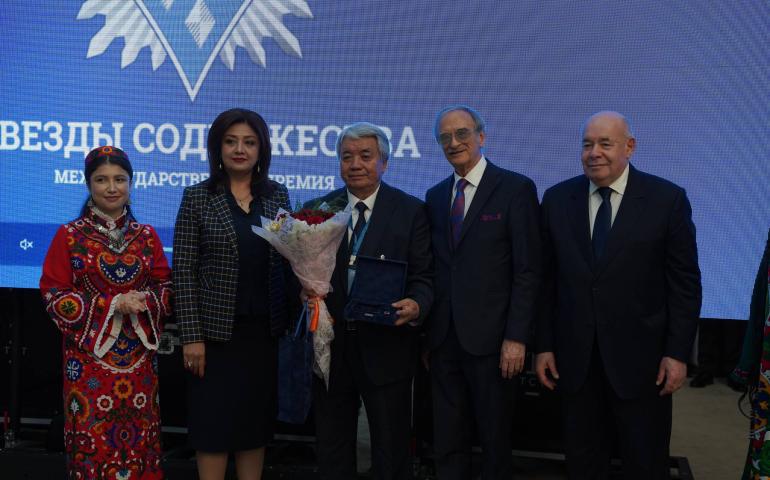
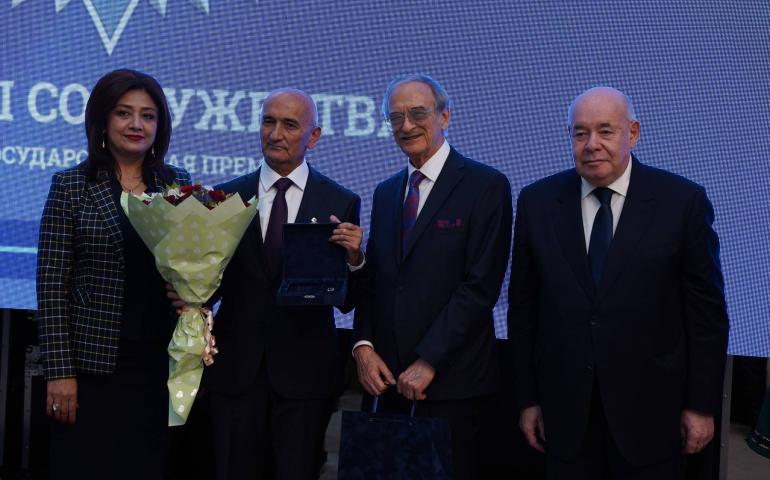
The Forum will also conclude with a grand ceremony of awarding the winners of the main CIS interstate award “Stars of the Commonwealth”, which is awarded for outstanding achievements in the field of art, science and education. At the same time, the winners of the CIS youth award “Union of Debuts” will also receive their awards on the sidelines of this forum.
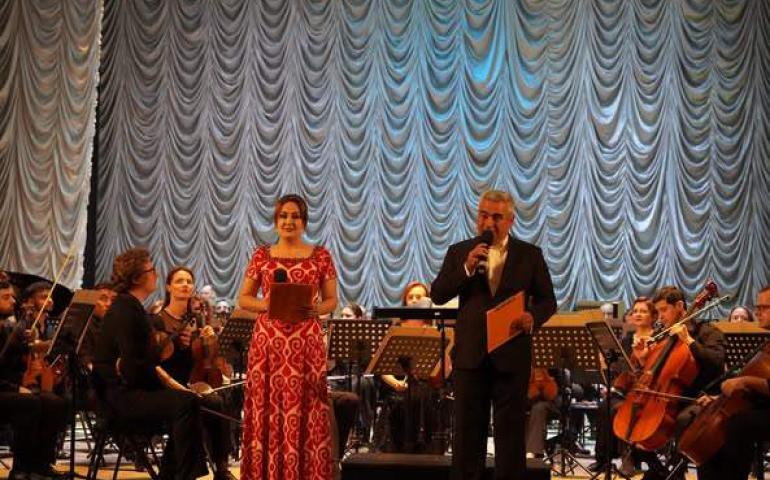
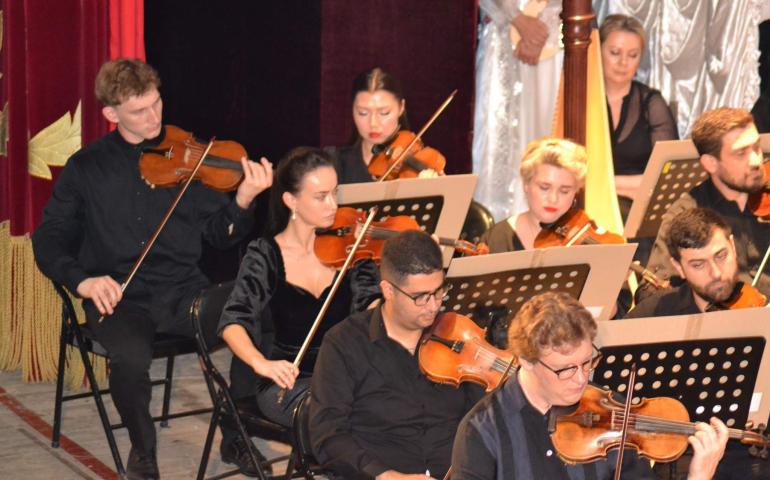
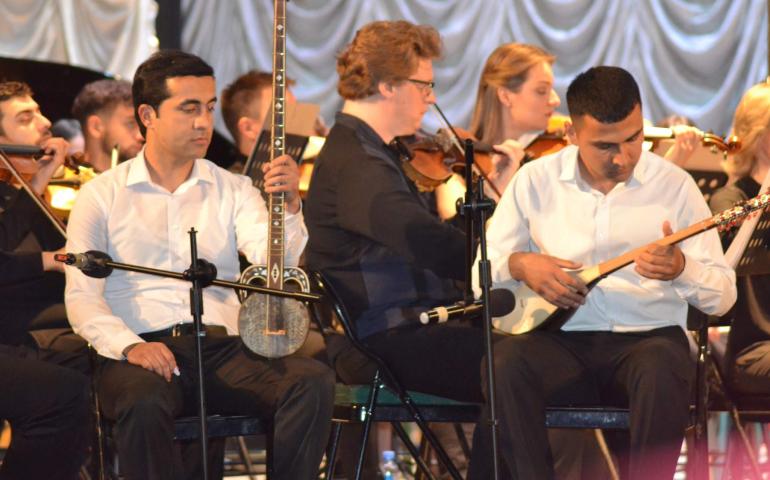
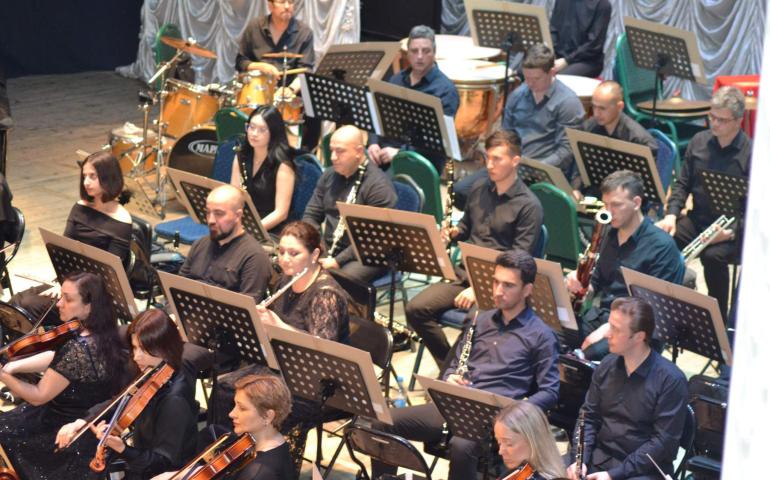
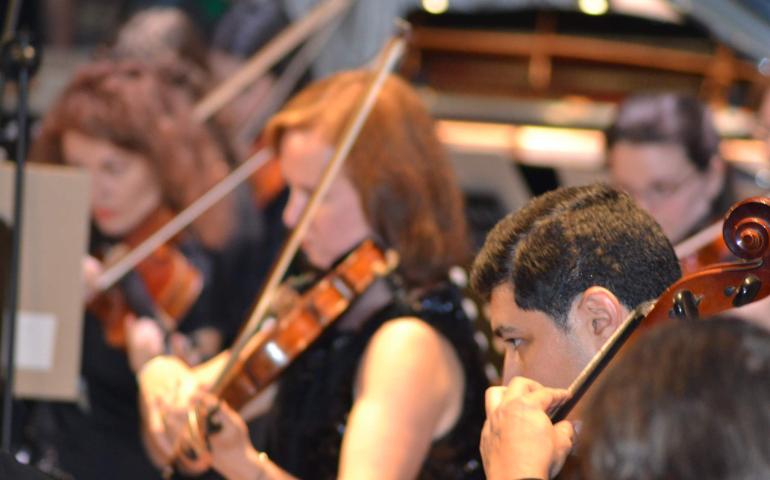
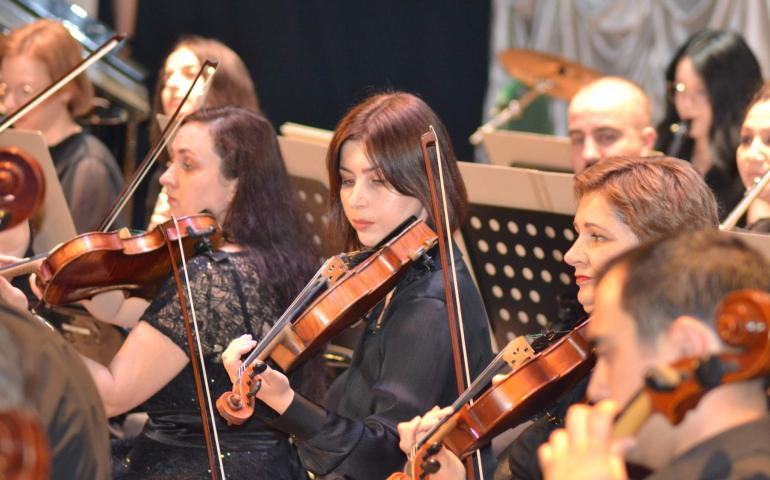
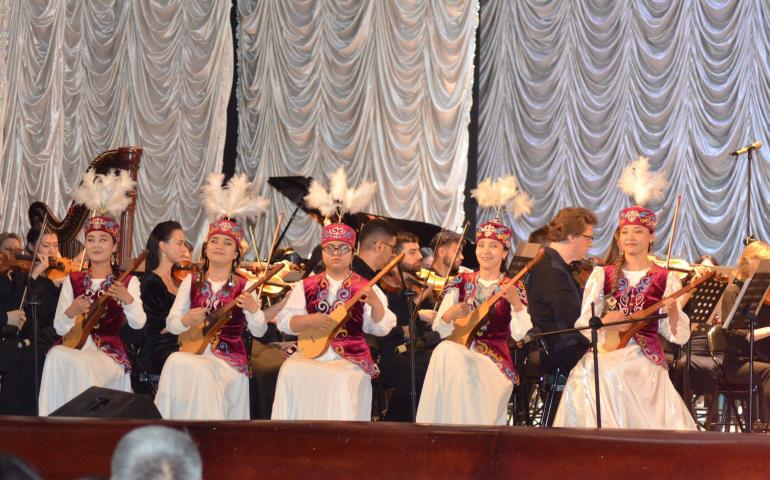
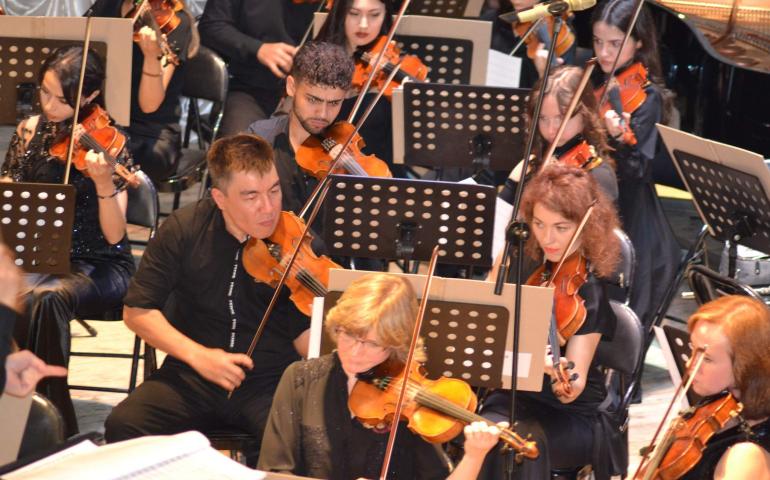
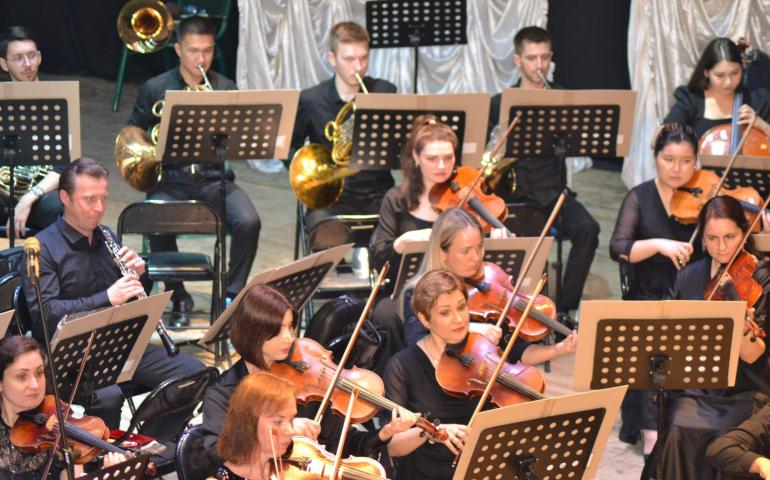
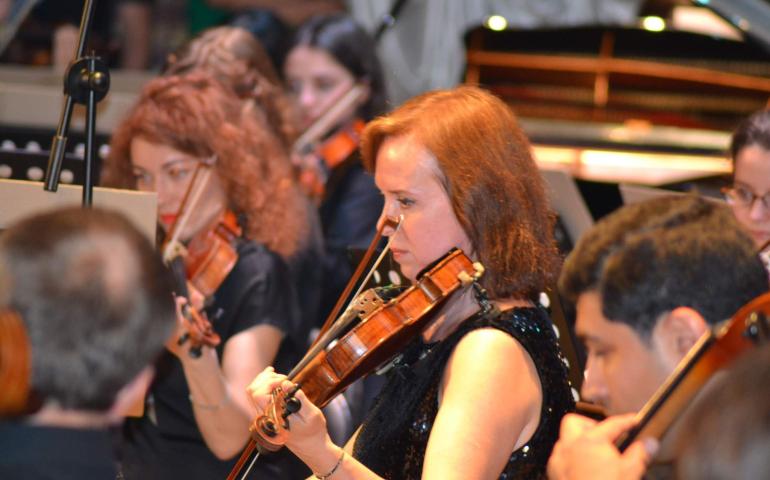
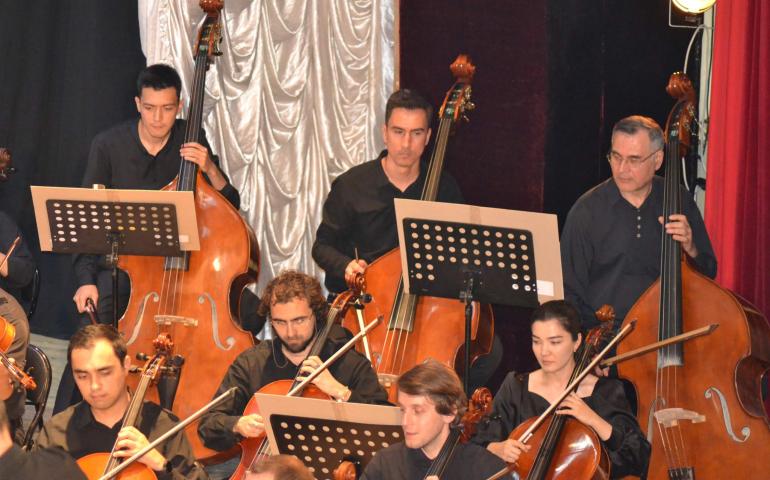
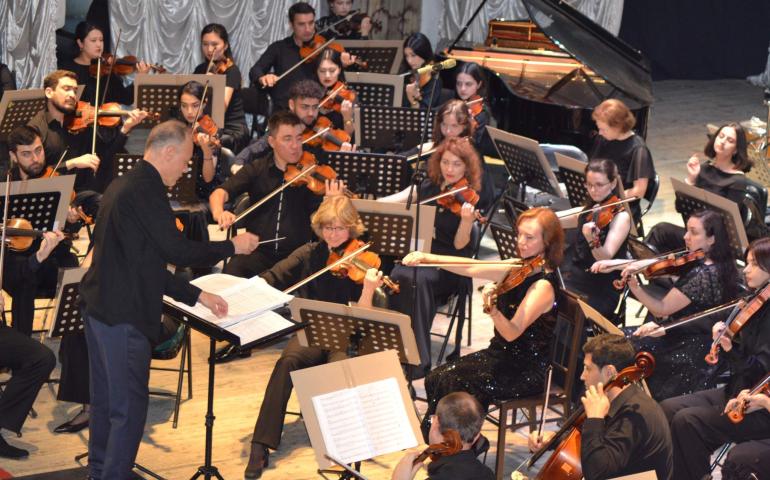
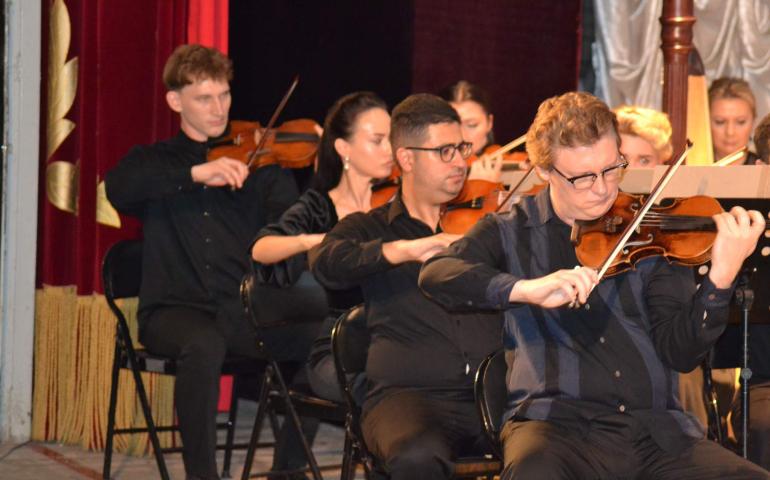
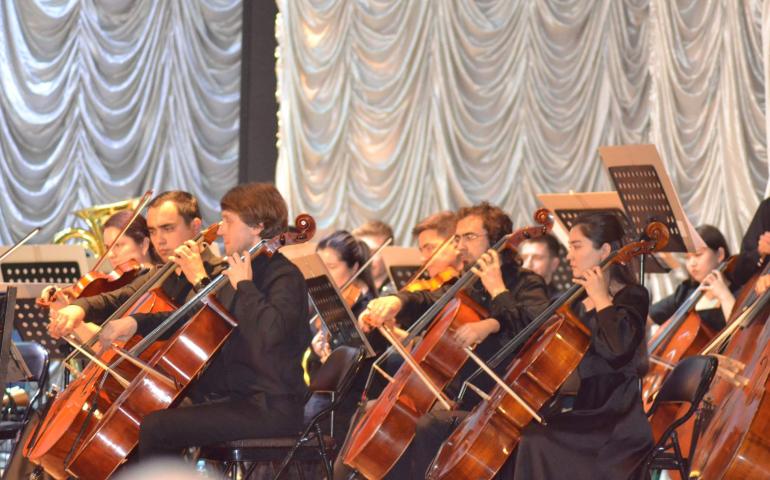
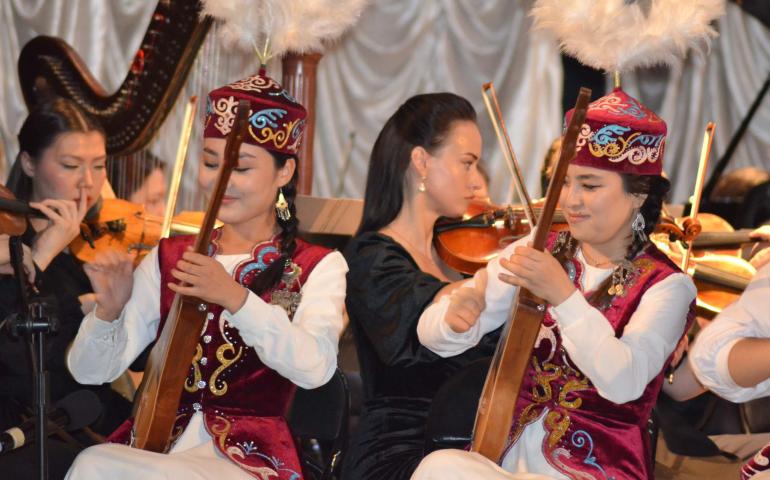
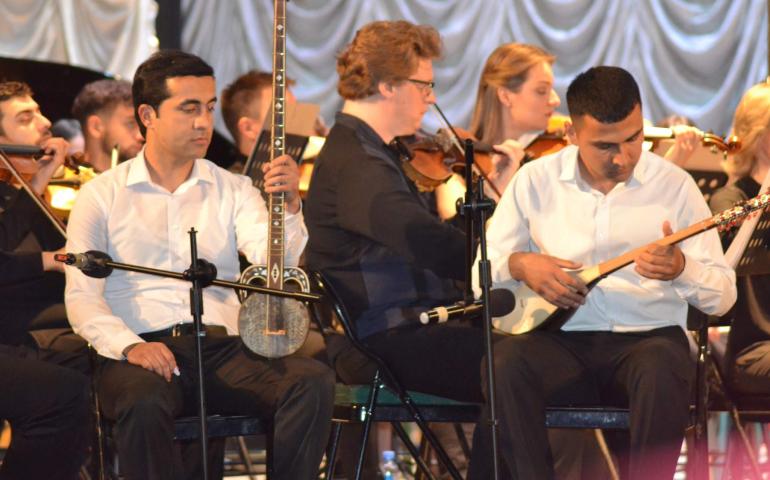
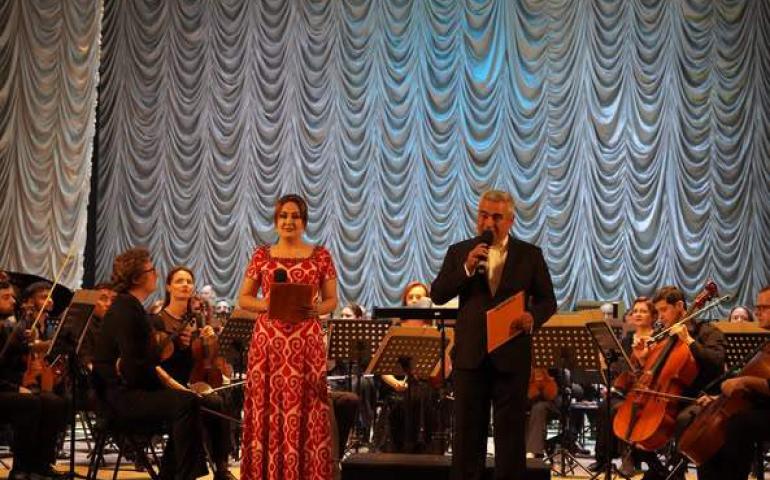
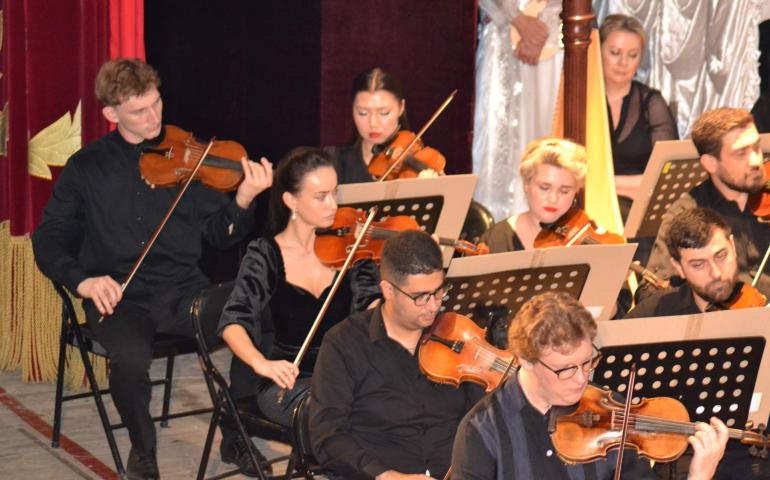
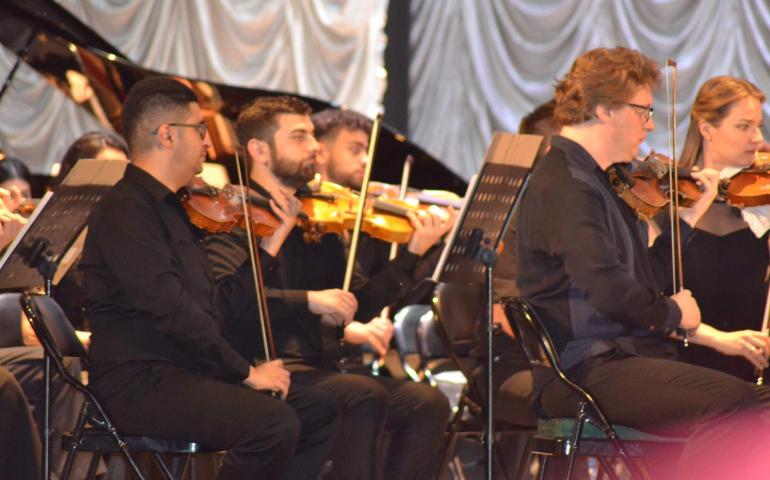
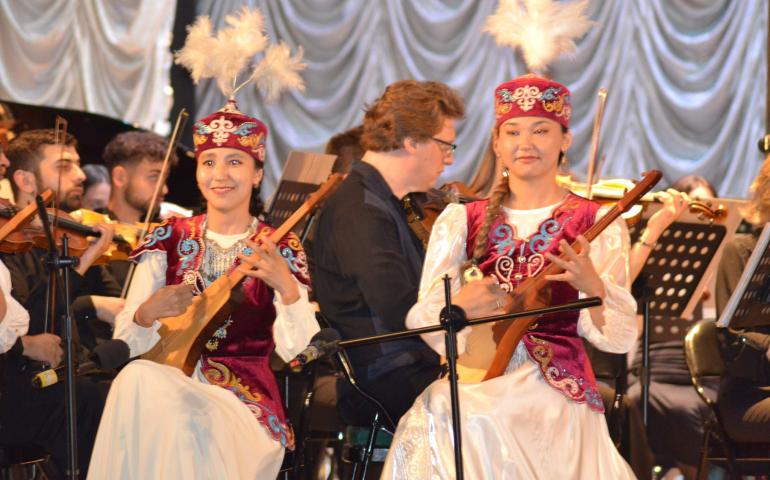
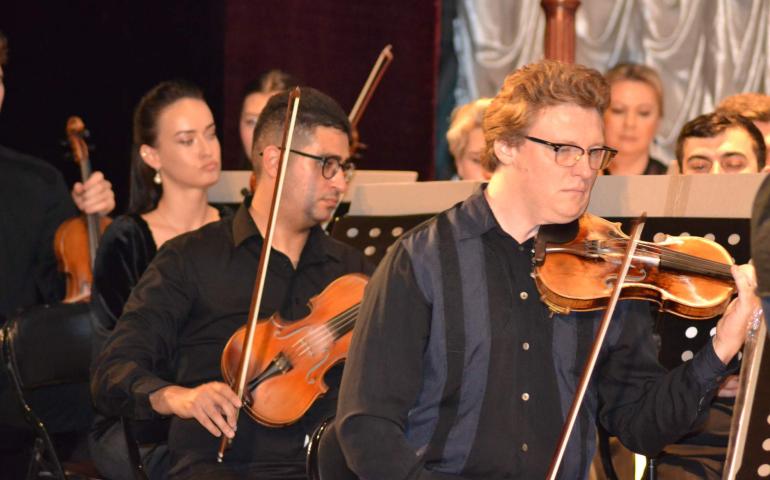
It should be noted that the CIS Youth Symphony Orchestra will perform as part of the cultural program of the Forum. The creation of the orchestra is one of the important projects of the MFGS. It includes young musicians from the CIS countries, winners of prestigious music competitions. This year, the orchestra will be led by People’s Artist of Russia Sergey Skripka, winner of the Stars of the Commonwealth award.
It should also be noted that the XVIII Forum of Creative and Scientific Intellectuals of the CIS member states will begin on May 14 and continue until May 15.
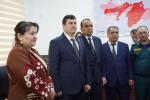
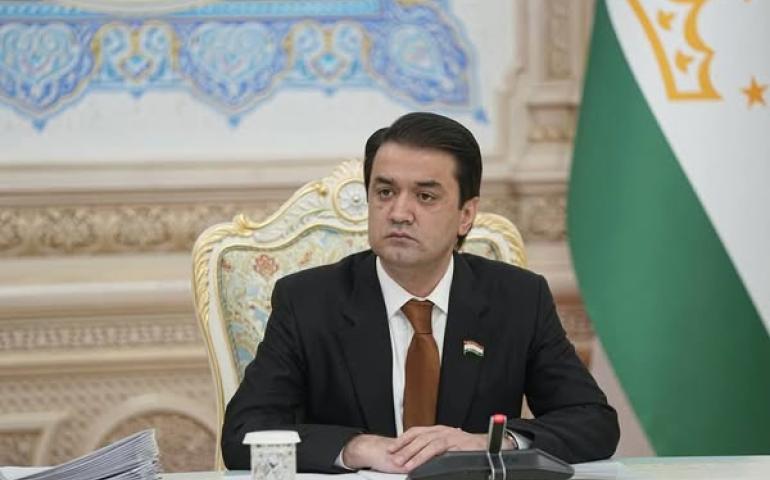
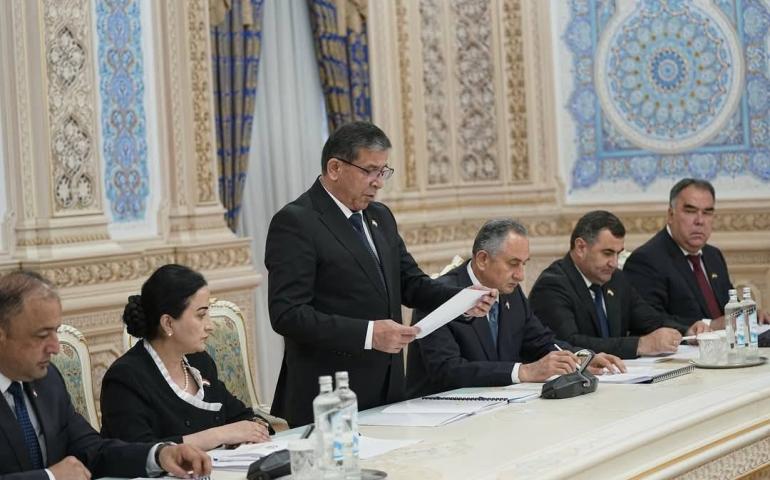
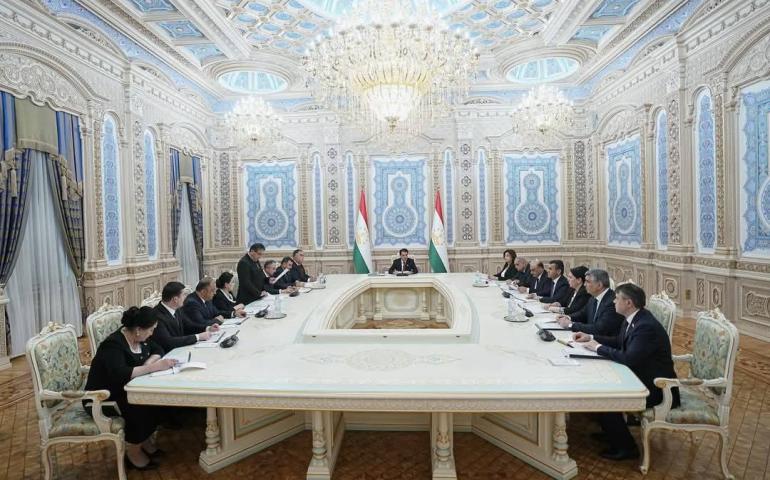
In the city of Dushanbe, under the chairmanship of the Chairman of the Majlisi milli Majlisi Oli of the Republic of Tajikistan, the Chairman of the city of Dushanbe Rustam Emomali, was held a meeting of the Council of the Majlisi milli Majlisi Oli of the
In the city of Dushanbe, under the chairmanship of the Chairman of the Majlisi milli Majlisi Oli of the Republic of Tajikistan, the Chairman of the city of Dushanbe Rustam Emomali, was held a meeting of the Council of the Majlisi milli Majlisi Oli of the Republic of Tajikistan, seventh convocation.
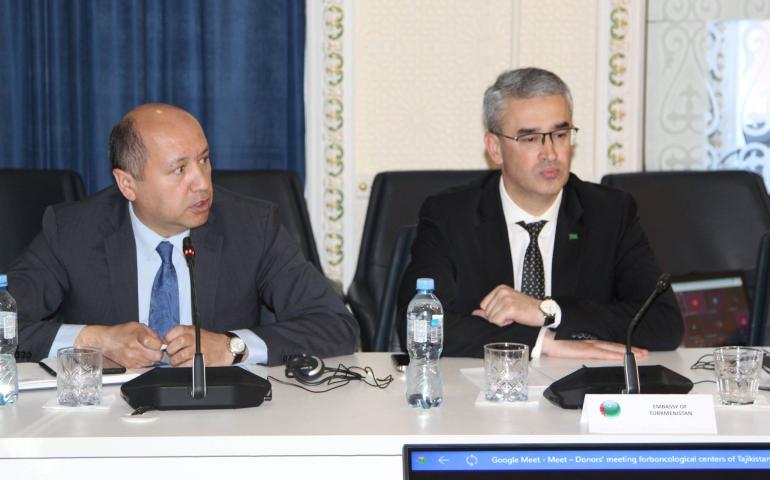
DONORS’ MEETING TO EQUIP CANCER CENTERS WITH MODERN TECHNOLOGY AND TRAIN PROFESSIONALS
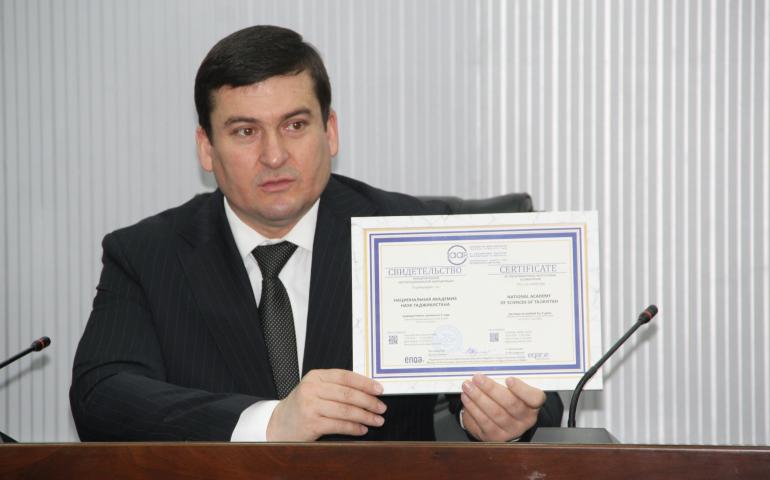
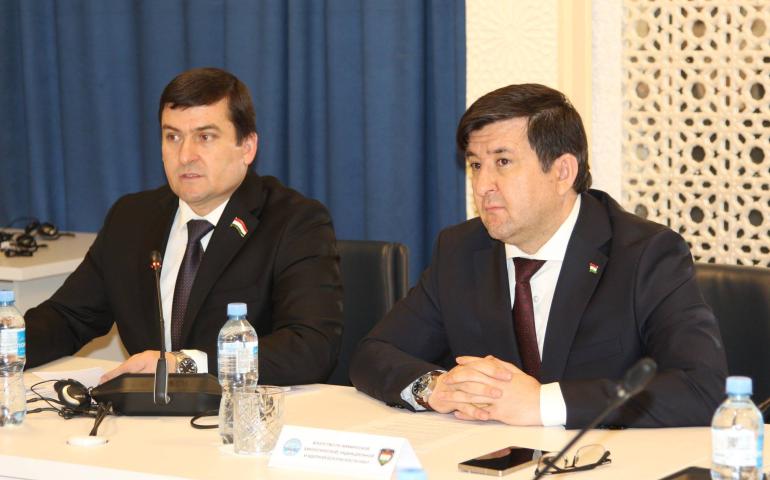
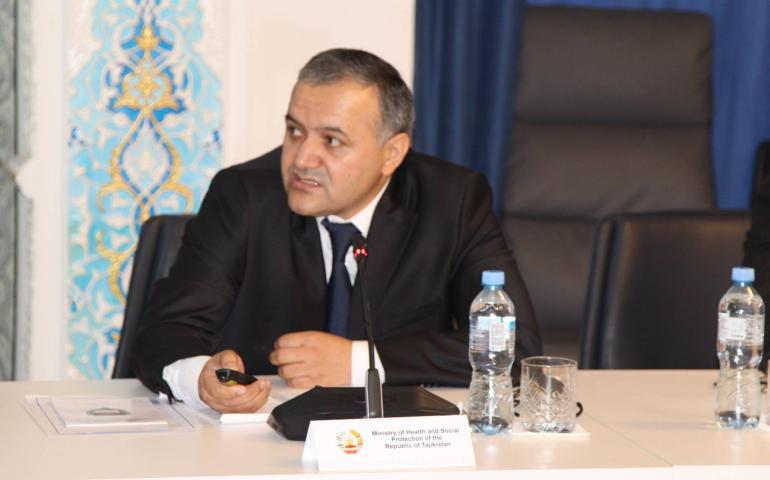
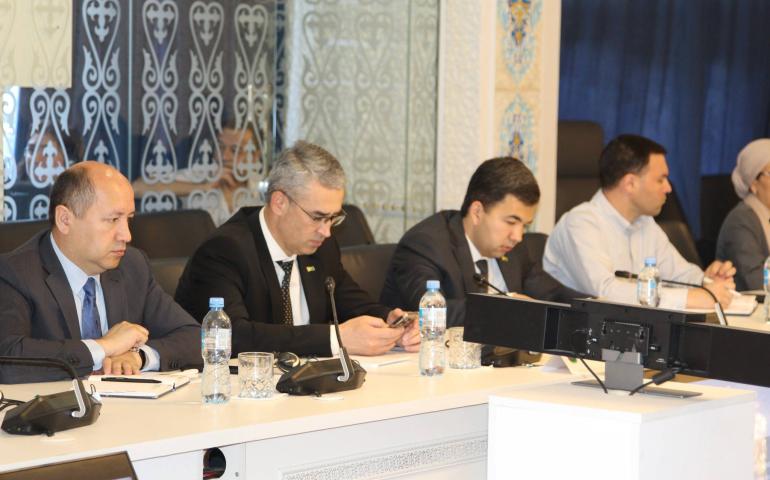
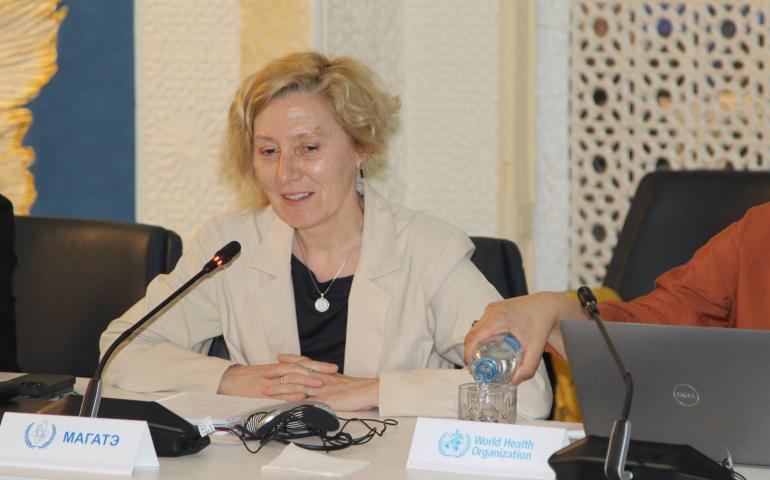
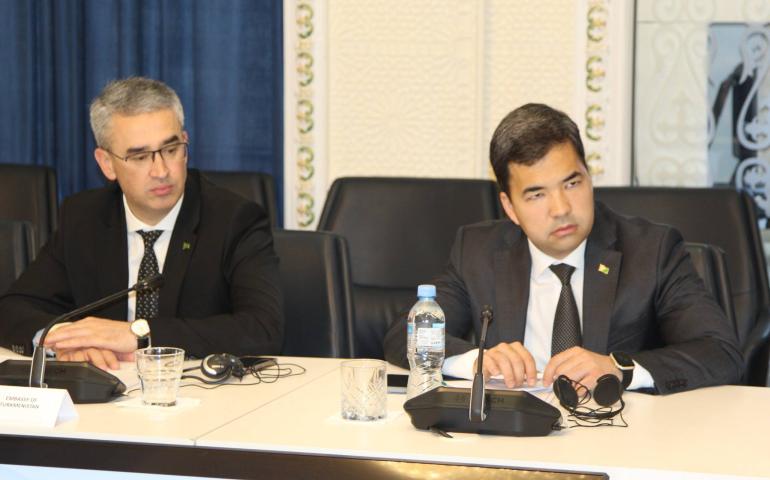
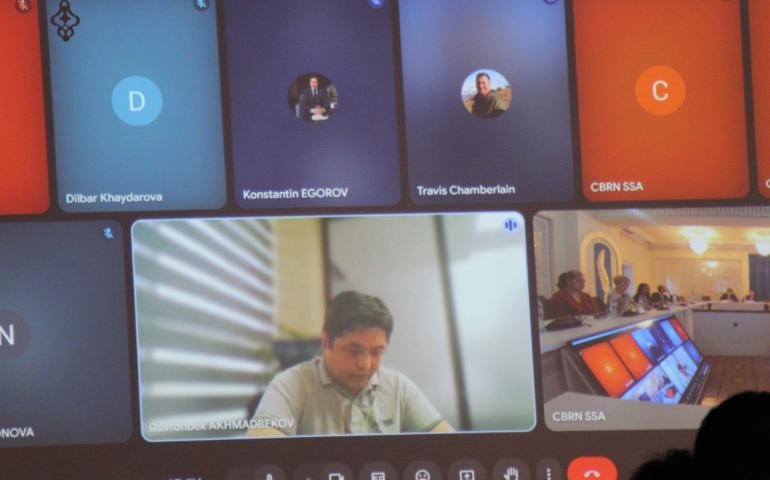
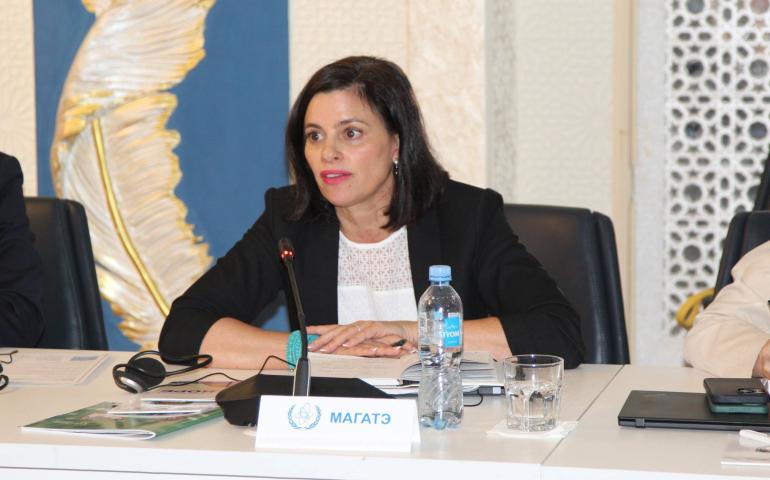
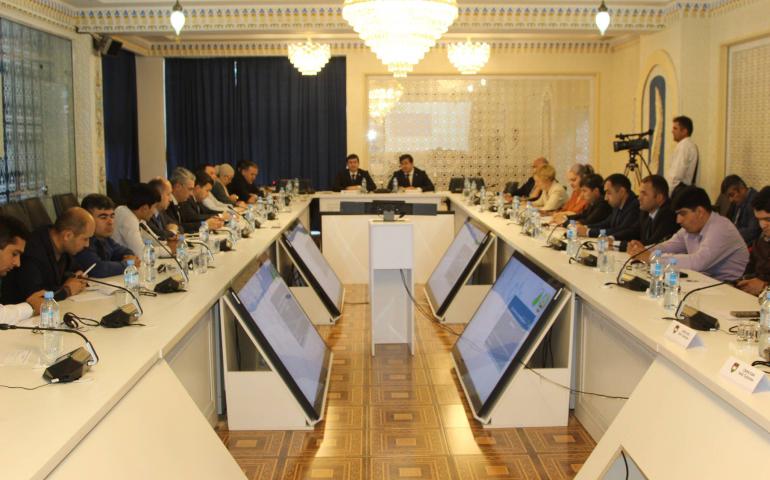
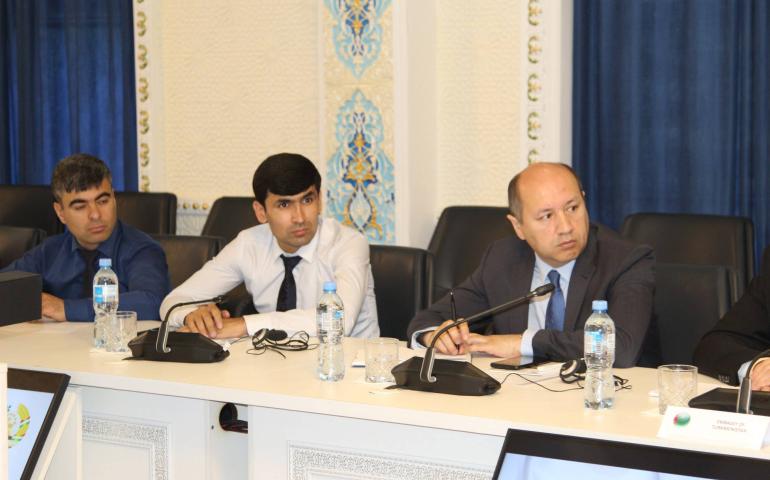
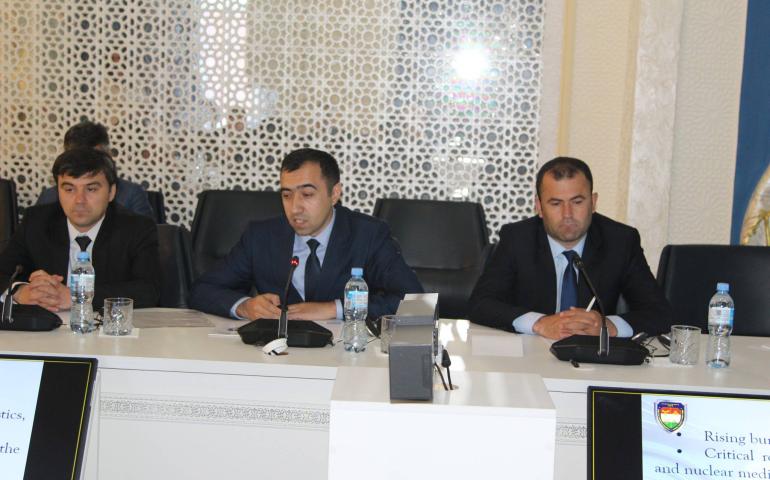
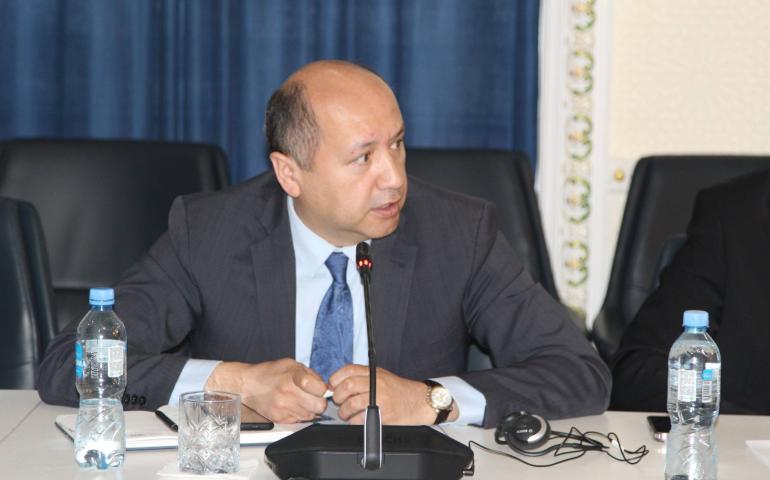
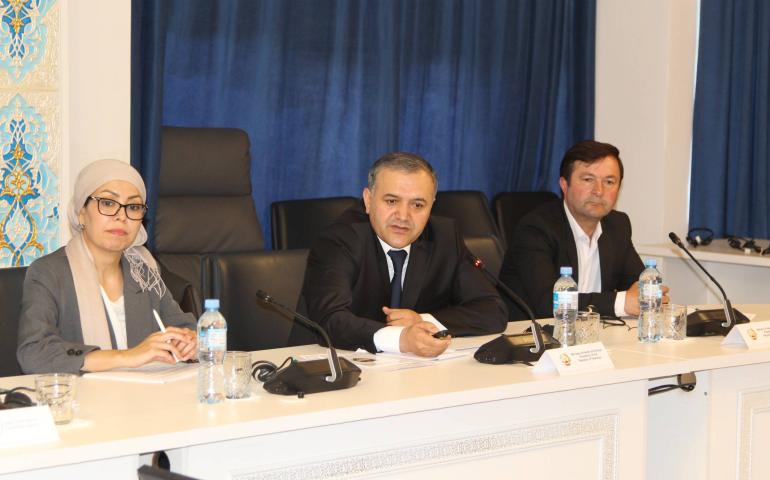
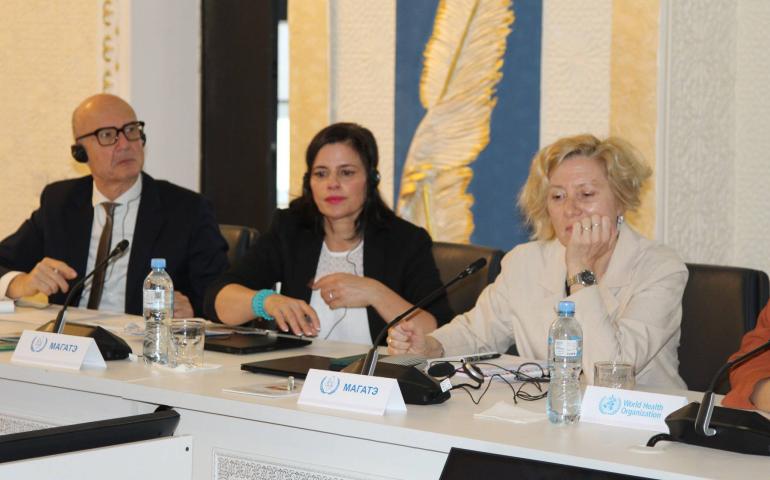
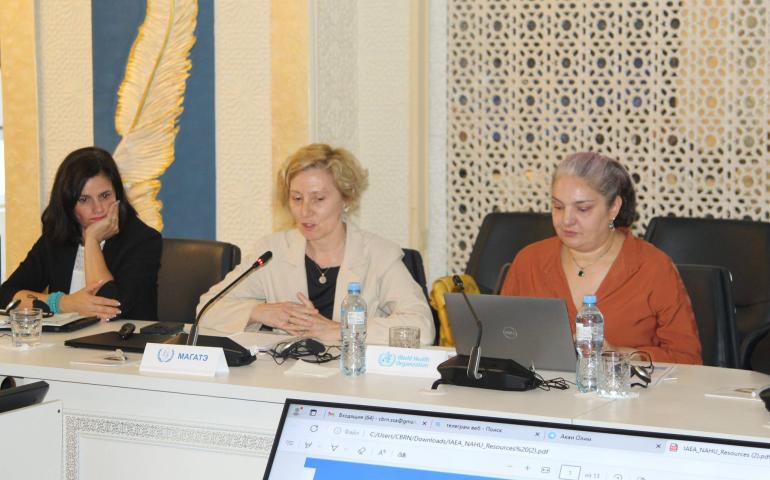
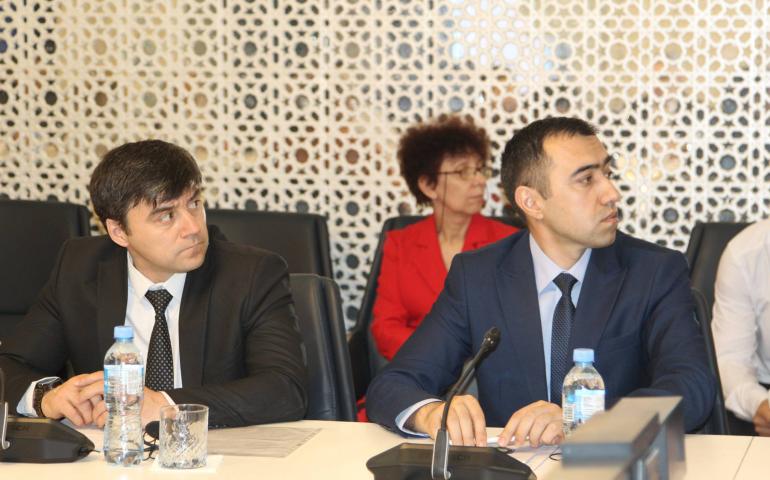
On May 2, 2025, at the Regional Center for Chemical, Biological, Radiological and Nuclear Safety, Security and Protection of the Agency for Chemical, Biological, Radiological and Nuclear Safety of the National Academy of Sciences of Tajikistan, on the initiative of the Agency for Chemical, Biological, Radiological and Nuclear Safety of the National Academy of Sciences of Tajikistan, which acts as the national coordinator of the International Atomic Energy Agency (IAEA), together with the State Institution "Republican Scientific Center for Oncological Research" of the Ministry of Health and Social Protection of the Republic of Tajikistan, a donor meeting was held with the participation of development partners. The main goal of the meeting was to equip the country's oncology centers with modern technologies and train highly qualified specialists to combat cancer.
The meeting was attended and addressed by the President of the National Academy of Sciences of Tajikistan, corresponding member of the NAST Khushvakhtzoda Qobiljon Khushvakht, Director of the Chemical, Biological, Radiation and Nuclear Safety Agency of the NAST, and representatives of the International Atomic Energy Agency.
The meeting discussed issues of providing cancer centers in the cities of Dushanbe, Khujand, Kulob and other regions of the republic with advanced diagnostic and treatment equipment, such as X-ray devices and accelerators. These devices are of great importance for the timely diagnosis and treatment of cancer. According to the Director of the Republican Scientific Cancer Center Akbarjon Murodzoda, “With the support of international partners and Nuclear Safety Agency under the Academy of Sciences, we were able to put into operation a number of modern devices that have brought the level of services closer to international standards. However, additional support is needed to fully equip regional centers and increase the population’s access to medical services.”
The NIAT Nuclear Safety Agency, in cooperation with the International Atomic Energy Agency, is actively working within the framework of international projects TAD6007, TAD6008 and TAD6009, contributing to the strengthening of the infrastructure of cancer centers and the development of radiation services in Tajikistan. Ilhom Mirsaidzoda, Director of the NIAT Nuclear Safety Agency, noted: “We are working closely with international partners to bring advanced technologies and modern knowledge to Tajikistan. This will not only improve medical services, but also increase radiation safety in the country.”
The Ministry of Health and Social Protection of the Population made a speech on the National Strategy for Combating Non-Communicable Diseases and the State Program for Prevention and Treatment. In this context, joint programs with International Atomic Energy Agency and other international organizations are being launched to organize training courses and exchange programs.
Development partners, including International Atomic Energy Agency's representatives and private donors, expressed their readiness to continue providing technical support to Tajikistan in the implementation of these projects. They emphasized the importance of cooperation in combating cancer and improving the health of the population, which will also contribute to the provision of equipment and training of personnel in the future.
At the end of the meeting, the participants expressed their gratitude and noted that such meetings can contribute to a new level of medical services in cancer centers of the country.
ONLINE SPEECH OF THE PRESIDENT OF NAST AT THE ROUND TABLE DEDICATED TO THE GREATNESS OF "SHOHNAMA" - I FIRDAVSI IN BRUSSELS
On 24 April 2025, the Embassy in collaboration with the National Academy of Sciences of Tajikistan, the University of Louvain, and the Tajik Association of in Belgium "Diyor" organized a Round Table entitled "Shohnoma of Firdawsi: A Unique Heritage of World Literature" at the Muntpunt Library in Brussels.
An extensive gathering of scholars, representatives of European and Belgian institutions, experts, artists, residents of Brussels, compatriots living abroad, and members of the Persian-speaking communities residing in Belgium and the Netherlands attended the event.
The meeting featured addresses by the President of the National Academy of Sciences of Tajikistan, Professor Dr. Qobiljon Khushvakhtzoda, Member of the European Parliament Thierry Mariani, Member of the European Academy of Sciences and Arts and Professor at the University of Louvain Jan Tavernier, Professor at the University of Louvain Elin Gorris, Director of Programs at the "Diplomatic World" Magazine Alberto Turkstra, Professor at the University of Leuven (KU Leuven) Morgan Jourdain; Researcher Ofran Badakhshoni, and Master's student at the Free University of Brussels (VUB) Shohina Behzodzoda.
The speakers emphasized the significance of Firdawsi’s Shohnoma in preserving national identity, ancestral heritage, patriotism, humanistic and peace-loving values, and fostering dialogue among civilizations and the development of cultural diplomacy. They also especially highlighted the pivotal role of the Leader of the Nation, President of the Republic of Tajikistan, His Excellency Mr. Emomali Rahmon, in reviving prominent historical figures and safeguarding the historical and cultural heritage of the Tajik people.
Later in the event, talented musician Sipand Dodbeh captivated the audience with his masterful skills, offering a vibrant introduction to traditional folk music.
An ethnographic exhibition was held in the library’s magnificent hall, showcasing classical works, videos, and artifacts related to Firdawsi’s “Shohnoma”.
VISIT TO INSPECT THE PROGRESS OF CONSTRUCTION WORKS AT THE BRANCH BUILDING OF THE AGENCY FOR CHEMICAL, BIOLOGICAL, RADIATION AND NUCLEAR SAFETY OF THE NAST IN KHATLON REGION
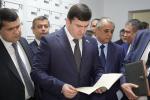
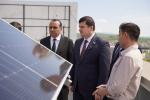
Today, April 25th, the President of the National Academy of Sciences of Tajikistan, Corresponding Member of the NAST Khushvakhtzoda Qobiljon Khushvakht, and the Chairman of Khatlon Region, Davlatali Said, visited the progress of construction works at the branch building of the Agency for Chemical, Biological, Radiation and Nuclear Safety of the National Academy of Sciences of Tajikistan in the city of Bokhtar, Khatlon Region. The construction of this building began in February of this year based on the action plan of the Government of the Republic of Tajikistan and is proceeding according to schedule.
It is recalled that on October 29, 2024, in the academic campus of the National Academy of Sciences of Tajikistan, the Founder of Peace and National Unity – Leader of the Nation, President of the Republic of Tajikistan, His Excellency Emomali Rahmon, and the Chairman of the Majlisi Milli of the Majlisi Oli of the Republic of Tajikistan, Chairman of the city of Dushanbe, His Excellency Rustami Emomali, inaugurated the new building of the Regional Center for Safety, Security and Safeguards in the Field of Chemical, Biological, Radiation and Nuclear Safety of the National Academy of Sciences of Tajikistan.
Also on this day, the project of the branch building of the Agency for Chemical, Biological, Radiation and Nuclear Safety of the National Academy of Sciences of Tajikistan in the city of Bokhtar, Khatlon Region, was presented. During the presentation, it was noted that this building is a complex of 2 and 3-story structures and is planned on an area of 0.12 hectares of land. The building will include the construction of a laboratory, administrative offices for employees in the field of nuclear and radiation safety, an assembly hall, and modern classrooms equipped with modern equipment.
It should be noted that this branch was established taking into account the focus on the declaration of 2020-2040 as the «Twenty Years of Studying and Developing Natural, Exact and Mathematical Sciences in the Field of Science and Education» with the aim of developing scientific and research cooperation between the institutions of Khatlon Region and the National Academy of Sciences of Tajikistan.
The financing of the building's construction is carried out from the budget of the Government of the Republic of Tajikistan, and the internal equipment will be financed by the International Atomic Energy Agency (IAEA). There is also the possibility of conducting practical classes and laboratory work for students majoring in chemistry and biology in modern classrooms.
MEMORANDUM OF UNDERSTANDING BETWEEN THE NATIONAL ACADEMY OF SCIENCES OF TAJIKISTAN AND THE VATICAN APOSTOLIC ARCHIVE AND VATICAN APOSTOLIC LIBRARY
Today, April 23, the President of the National Academy of Sciences of Tajikistan, an associated member of the National Academy of Sciences of Tajikistan, Khushvakhtzoda Qobiljon Khushvakht, met with representatives of the Vatican Apostolic Archives and the Vatican Apostolic Library.
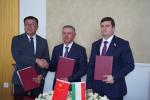
During the meeting, the parties signed a Memorandum of Understanding between the National Academy of Sciences of Tajikistan and the Vatican Apostolic Archives and the Vatican Apostolic Library, which will further study the historical and cultural heritage of the Republic of Tajikistan, preserved in the collections of the Holy See.
During the meeting, it was noted that the Vatican Apostolic Archives, which contain invaluable documents related to the government of the universal Church, and the Vatican Apostolic Library, which preserves a rich heritage of scientific and artistic books, will be placed at the disposal of Tajik scientists and researchers to conduct scientific research and education in this area.
Mentioned, that the Vatican Apostolic Archives and the Vatican Apostolic Library, within the framework of this memorandum of understanding, will strive to assist the National Academy of Sciences of Tajikistan in conducting a research project, and at the same time will contribute to the compilation of the series of books “Cultural Heritage of Great Khuroson”, dedicated to the 35th anniversary of the State Independence of the Republic of Tajikistan.
During the meeting, the parties agreed, within the framework of this agreement, to promote the scientific and research work of scientists from the National Academy of Sciences of Tajikistan in the Vatican Apostolic Archives and the Vatican Apostolic Library.
Today, April 22, an international scientific symposium was held in the Presidium Hall of the National Academy of Sciences of Tajikistan dedicated to the 1190th anniversary of the founder of the classical school of poetry and music of the Somonid era, Abulabbosi Bakhtiyor (834-920).
The conference was opened by vice president of the National Academy of Sciences of Tajikistan, Muhammaddovud Salomiyon, who expressed his thoughts on the content of the conference and the position of science, literature, culture, and music during the Somonid statehood.
In his introductory speech, the President of the National Academy of Sciences of Tajikistan, an associated member of the National Academy of Sciences of Tajikistan, Khushvakhtzoda Qobiljon Khushvakht, emphasized that the Leader of the Nation, the President of the Republic of Tajikistan, His Excellency Emomali Rahmon, expressed the following thoughts about the role and place of the first national state of the Tajiks, the Somonids, in the history of human civilization: “In fact, the era of culture, civilization, the development of science and literature, the glory and power of the Tajik state is associated with the reign of the Sоmonids, especially Shоh Ismoili Somoni. This era can be called a bright and proud stage of national civilization and the peak of statehood, the formation of prominent personalities, scientists, poets, and prominent state figures”.
Indeed, the material and spiritual civilization of the Somonid era holds a special place in the history of world civilization, and its brilliant figures, Hakim Tirmidhi, Abulabbasi Bakhtiyor, Abulabbasi Sarakhsi, Rudaki, Abumansur Daqiqi, Firdawsi, Abuali Ibn Sina, Aburayhan al-Biruni, and others, made a significant contribution to the formation and development of human civilization their works are inextricably linked to the historical process of the formation of the historical, scientific, philosophical, literary heritage, and the invaluable artistic wealth of the Tajik and Iranian peoples. During the Somonid era, history, science, language and literature, scientific and applied music, and the arts made great progress, the creative representatives of this golden age have brought to the stage a vast literary, historical, scientific, philosophical, artistic, and creative space that is fundamentally classic and enduring in human civilization.
Mentioned, that the creative and scientific figures of the Somonid era, including the period of scientific and administrative activity of the outstanding figure, the founder of the classical and cultural school, Abulabbasi Bakhtiyor, were a period of great prosperity in the history, nation, language, and the Renaissance of the civilization of the Tajiks and the peoples of Central Asia, the Middle East, and the Near East.
The creative representatives of the Somonid era were state-builders and cultural builders after the advent of Islam in the history of the East. In the systematic administrative structure of the state, they not only recreated the ancient system and traditions of the Aryan empires in a constructive manner, but also created a favorable atmosphere for creativity, promoting the development of the economy and trade, science and education, and art, bringing a broad impetus to progress.
In the continuation of the conference, along with Tajik researchers, as well as scholars and artisans from the United States, France, Canada, India, and Uzbekistan, who participated and spoke in person and in absentia, discussed pressing and under-researched issues of the history and civilization of the first centralized state of the Tajiks - the Somonids, and its prominent representative, the accomplished scholar, the founder of the classical school of poetry, music, and culture of the Somonid era, Abulabbos Bakhtiyor, and his time were discussed.
Today, April 21, a scientific and cultural conference entitled "Dushanbe - the Land of the Supreme Throne" was held in the hall of the Presidium of the National Academy of Sciences of Tajikistan, dedicated to the Day of the Capital of the Republic of Tajikistan, Dushanbe.
The Vice president of the National Academy of Sciences of Tajikistan, Muhammaddovud Salomiyon, opened the conference and welcomed the guests to this center of science and education.
In his opening remarks, the president of the National Academy of Sciences of Tajikistan, corresponding member of the NANT Khushvakhtzoda Qobiljon Khushvakht, congratulated those present on the occasion of the Day of our beloved capital, Dushanbe, and noted that today, Dushanbe, the capital of independent Tajikistan, has become a major scientific center and a venue for international and republican scientific events.
The factors that contributed to this are, first of all, related to the round-the-clock activity of the Founder of Peace and National Unity - Leader of the Nation, President of the Republic of Tajikistan, His Excellency Emomali Rahmon, in the direction of improving the capital of the country and the entire Tajikistan. At the same time, the activities of the city's leadership over the past few years have also strengthened the necessary opportunities for planning and holding various scientific events for the development of the capital.
It was noted that the largest scientific and research centers of the republic, including the National Academy of Sciences of Tajikistan, sectoral academies and the most prestigious higher professional educational institutions of the republic, as well as branches of such institutions from foreign countries, are located in the capital, and all of them have the necessary personnel and infrastructure to hold symposiums, conferences, seminars, and other scientific events.
At the same time, the city of Dushanbe today has a developing infrastructure, with new modern conference halls and hotels for their participants, which increasingly attracts organizers of international and national scientific events. Also, the continuous strengthening of the ability to connect to international communication networks and the development of air transport have made the city of Dushanbe a suitable venue for organizing scientific events that bring together scientists from different countries.
Then, the First Deputy Chairman of the People's Democratic Party of Tajikistan, Nematzoda Maliksho Mahmadsho, spoke about the development and progress of the city of Dushanbe and the efforts and efforts of the Mayor of Dushanbe, Rustam Emomali, and at the same time recalled the youth-oriented policy of the Founder of Peace and National Unity - Leader of the Nation, President of the Republic of Tajikistan, his Excellency Emomali Rahmon. Mentioned that today, under the creative leadership of the great Leader of the Nation, Honorable Emomali Rahmon, and with the constructive initiatives of the Mayor of Dushanbe, Honorable Rustam Emomali, the city of Dushanbe has completely changed its image and become a city of dreams. In general, the capital of Tajikistan - the city of Dushanbe is a mirror of the history and life of the Tajik nation and the Tajik state.
During the conference, scientists and employees of scientific and research institutions spoke in their reports about the history of the emergence, development, and progress of the city of Dushanbe in modern times.